


Barley grass and cancer
Summary of barley grass
Effect:
- Barley grass is packed with vitamins and natural plant substances that cleanse the body and provide a solid boost to the immune system, helping it better withstand stress and disease.
Potential in cancer:
- Research shows that barley grass can help slow the growth of cancer cells and assist the body in killing them, while simultaneously dampening the tissue inflammation that cancer often exploits.
Main limitation:
- The positive results originate primarily from laboratory and animal studies. Therefore, we do not yet know for certain exactly what dosage is required for it to function as an actual treatment in humans.
What is barley grass
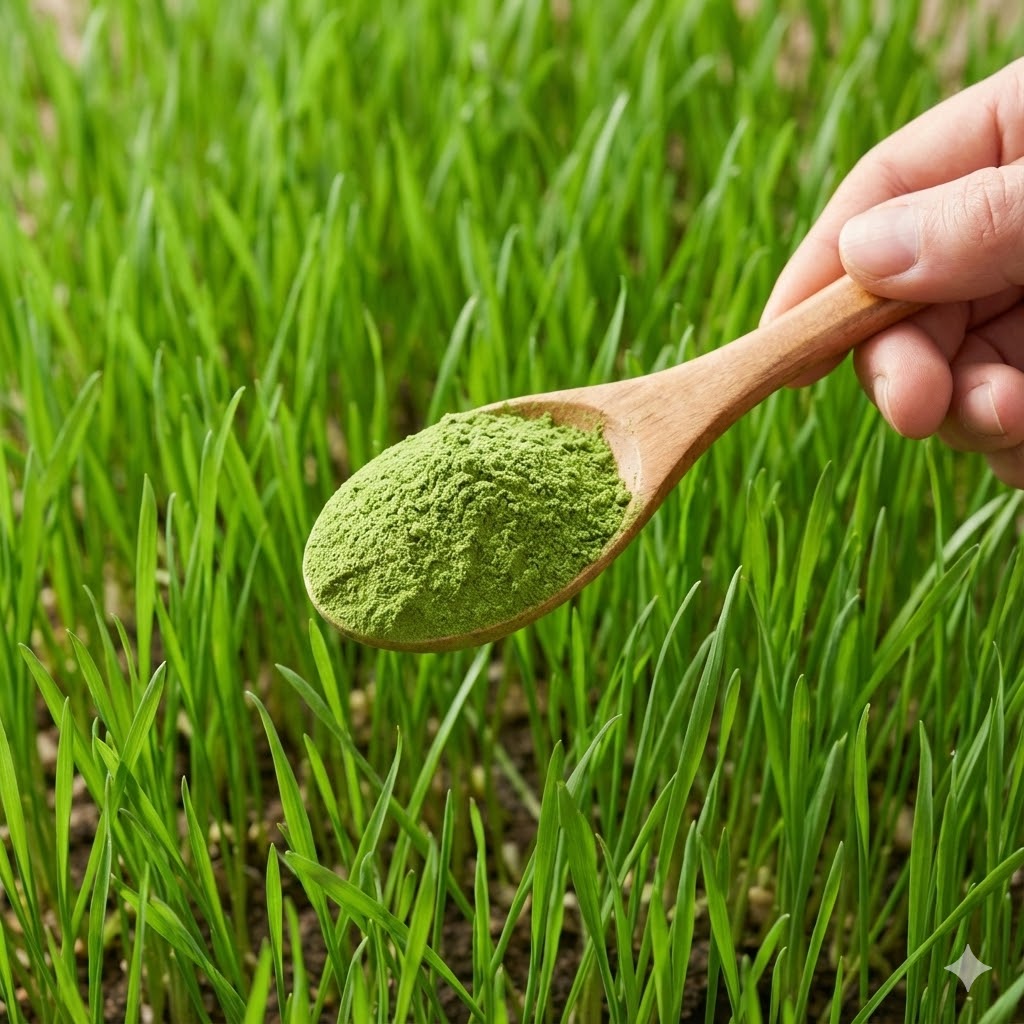
Barley grass consists of the young, green shoots of the barley plant (Hordeum vulgare), which are harvested very early in the growth phase—long before the plant forms grain. At this stage, the plant is nutritionally unique and resembles a concentrated vegetable more than a cereal grain. The young leaves are filled with chlorophyll, vitamins, minerals, and enzymes that the plant needs for its explosive growth.
To preserve the delicate active substances, the grass is typically pressed into juice and freeze-dried or dried at low temperatures immediately after harvest. This ensures a high content of bioactive components that would otherwise be lost during heating or storage.
History
Although barley has been cultivated as a food source for thousands of years, it is only in recent times that science has turned its attention to the young grass shoots. The Japanese researcher Dr. Yoshihide Hagiwara was a pioneer in the field in the 1960s, but it is within the last few years that modern technology has made it possible to map exactly how individual molecules in the grass affect our cells at the gene level.
Mechanisms of action
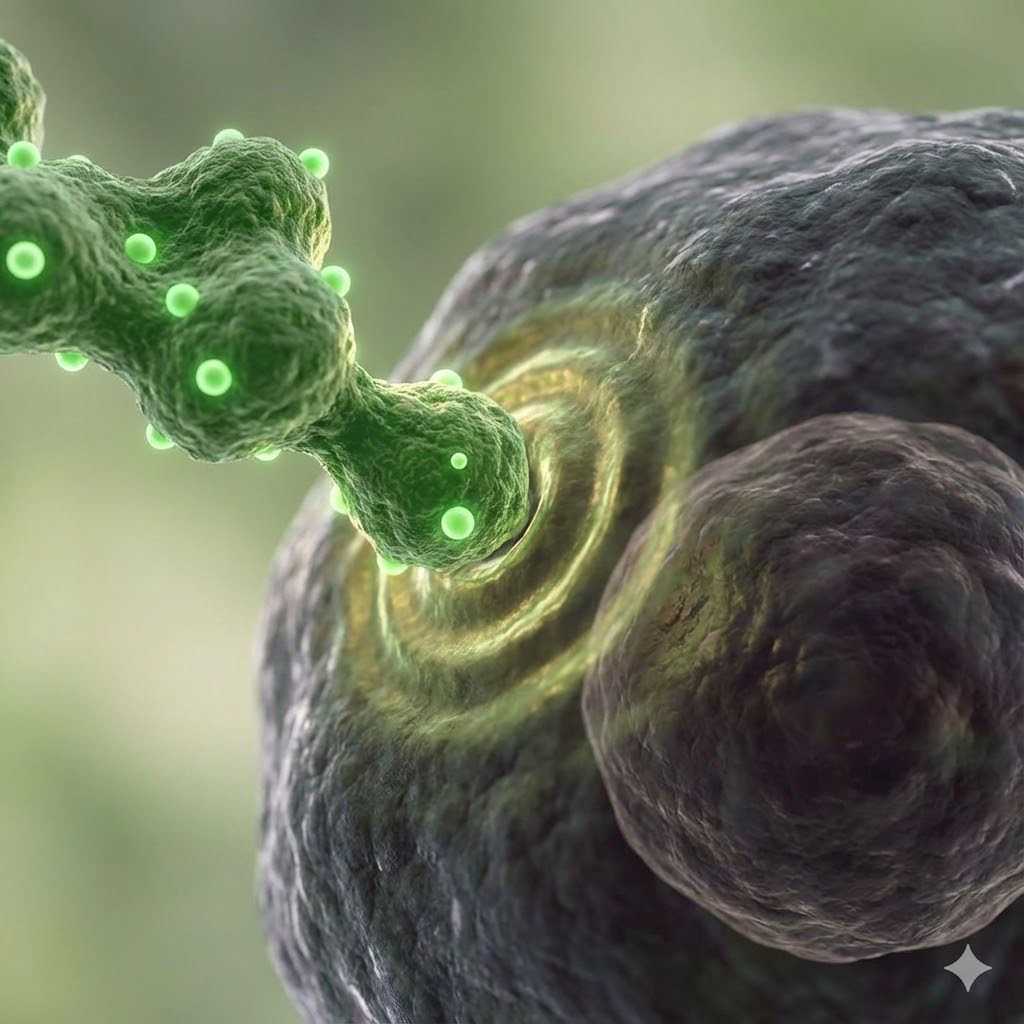
The effect of barley grass is due to a complex synergy between several bioactive substances. It is not just about vitamins, but about specific plant molecules that can “talk” to our cells.
Regulation of the Wnt signaling pathway
One of the most interesting new discoveries is the ability of barley grass to influence the so-called Wnt/β-catenin signaling pathway. This is a communication line inside the cells that is often overactive in cancer, causing cells to divide uncontrollably. New studies show that phenols in barley grass can dampen this signaling pathway, thereby slowing uncontrolled cell growth [1].
Modulation of the immune system
Barley grass contains specific polysaccharides (complex carbohydrates) that function as immune modulators. They stimulate the body’s Natural Killer (NK) cells, which are the immune system’s front line in the fight against abnormal cells. By making these cells more aggressive toward threats, the body’s own defense is strengthened [3].
ROS and apoptosis
A classic mechanism confirmed in several studies is the ability to increase the levels of reactive oxygen species (ROS) specifically inside cancer cells. While healthy cells can neutralize these, cancer cells become overloaded by oxidative stress and are forced to undergo apoptosis (programmed cell death) [5].
Potential in cancer
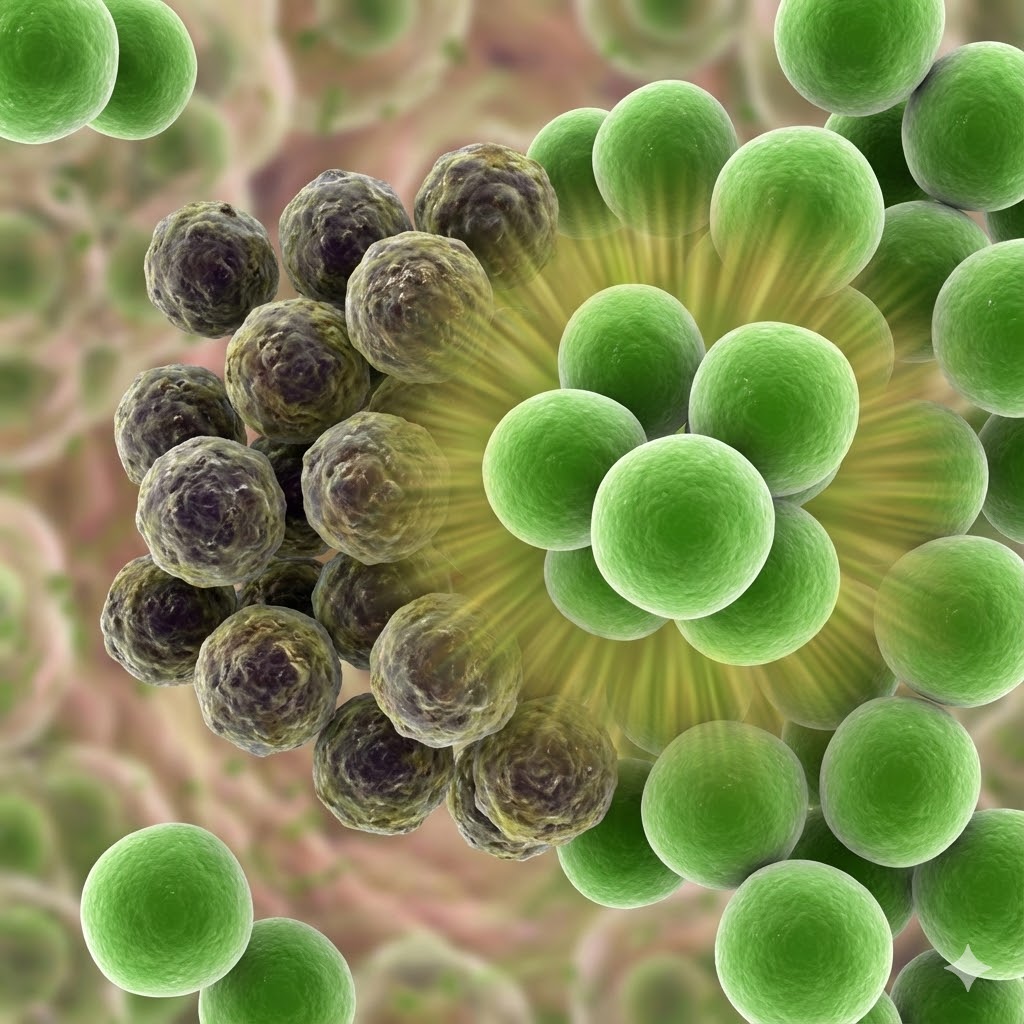
Research paints a picture of potential spanning several types of cancer, as barley grass attacks the disease from different angles.
Colorectal cancer and gene regulation
The latest research (2025) focuses on colorectal cancer. It has been observed that extracts of barley grass can effectively reduce tumor development by directly inhibiting the genes (Wnt pathway) that drive the cancer. Simultaneously, the gut barrier is improved, preventing toxins from leaking into the body and creating inflammation [1].
Breast and prostate cancer
Earlier key studies have shown that barley grass is capable of halting growth in cell lines from both breast and prostate cancer. By activating enzymes (caspases) that function as the cell’s “suicide button,” cell death is induced in the diseased cells without damaging the surrounding healthy tissue [5].
Leukemia and lymphoma
In blood cancers such as leukemia and lymphoma, it has been observed that substances in green barley can interfere with the life cycle of cancer cells. Barley grass slows the cells in their division phase (G2/M phase) so they cannot multiply, effectively stopping the spread of the disease in laboratory models [6].
Angiogenesis and metastasis
There are also signs that substances in barley grass (including saponins) can inhibit angiogenesis—the formation of new blood vessels to the tumor. Without a blood supply, a tumor cannot grow or spread. Studies indicate that these substances can regulate cholesterol metabolism in cancer cells, making it harder for them to survive [2].
Advantages of barley grass
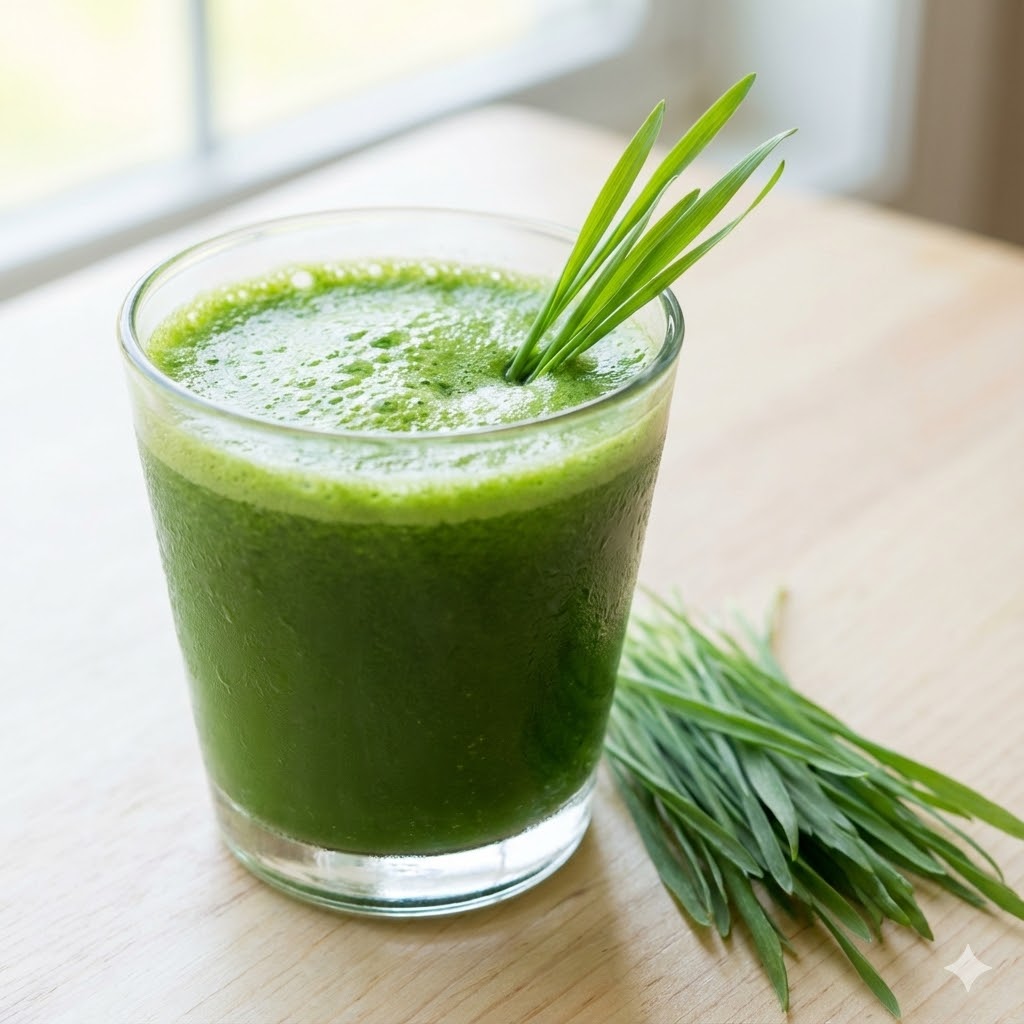
Beyond the specific anti-cancer mechanisms, barley grass offers a range of benefits that support overall health.
Restoring the gut environment
For many patients, digestion is burdened by medication and stress. Barley grass contains fibers and nutrients that actively help restore a healthy gut flora, which is crucial for both the immune system and nutrient absorption.
Easily absorbable nutrition
Since it is consumed in liquid form (mixed powder), it requires minimal digestive energy. This provides a rapid supply of micronutrients to a body that may be tired and has a reduced appetite, without the need to eat large quantities of food.
Disadvantages and limitations

Although the potential is great, there are practical aspects to be aware of.
The taste requires adaptation
Barley grass has a very distinct “green” taste, which can be difficult for some to accept, especially if experiencing nausea. However, it can often be masked in smoothies with lemon or ginger.
Need for clinical validation
While the molecular mechanisms are now well-mapped in the laboratory and animal models, large-scale trials where barley grass is given to humans in cancer treatment and its effects measured over time are still lacking. Most knowledge is therefore still “preclinical.” It is difficult to see where funding for such research would come from, as the pharmaceutical industry is unlikely to finance it.
Clinical trials
Research into barley grass today combines new knowledge about gene therapy and immune regulation with earlier findings on direct cell killing. The references in the links section cover this breadth from molecular biology to animal studies [1-6].
Safety
Barley grass is a food product and has a high safety profile.
Vitamin K and blood-thinning medication
Be aware of the high vitamin K content. If you are taking blood-thinning medication (e.g., Warfarin/Marevan), a large intake of greens can decrease the effectiveness of the medicine. Always discuss this with your practitioner.
Gluten-free status
The grass itself does not contain gluten, but the risk of “contamination” from grain during harvest or production is real. Always choose products that are certified gluten-free if you have an intolerance to gluten.
Dispensing and application

To preserve the active substances as best as possible, the following procedure is recommended:
Product choice
Freeze-dried: Ensures that enzymes and heat-sensitive vitamins remain intact.
Grass juice powder: Often the best quality, as the fibers have been removed, resulting in a higher concentration of active substances.
Ingestion
- Cold use: Always mix in cold liquid. Heat destroys the enzymes immediately!
- On an empty stomach: Many experience the best effect by drinking it in the morning, approximately 20 minutes before food, for optimal absorption.
- Dose: Start with 1 tsp and slowly increase to 1-2 tbsp daily.
Difference between barley grass, chlorella, and spirulina
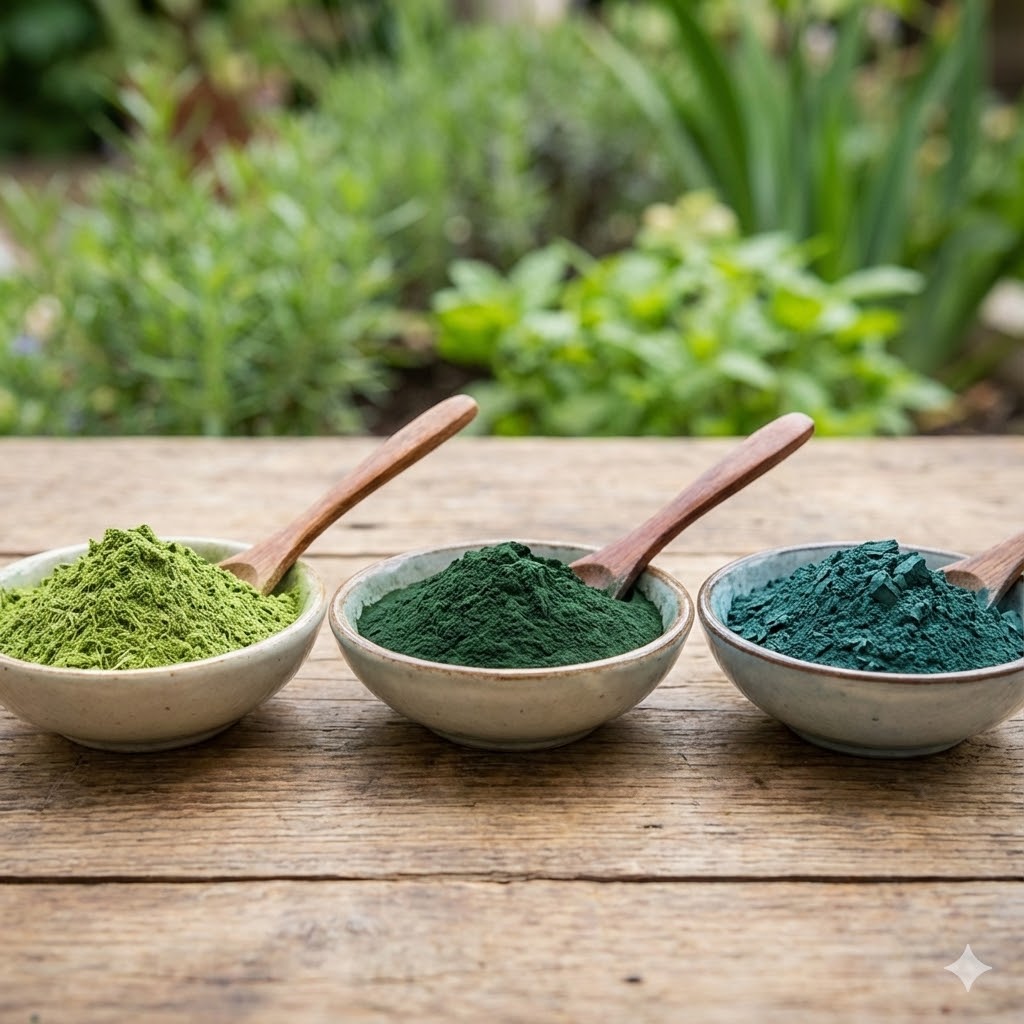
Although all three are referred to as “superfoods” and have a deep green color, there are significant differences in their biological profiles and primary effects on the body. It may be relevant to know the difference if seeking a specific effect.
Barley grass
The strength of barley grass lies in its high content of living enzymes, including the powerful antioxidant SOD (Superoxide Dismutase). Since it is pressed from young grass, it has a very broad-spectrum vitamin profile and is strongly alkalizing. It is often considered the “mildest” choice for the stomach and tastes less intense than the two algae. It is particularly suitable for cell protection and enzyme support.
Chlorella
This freshwater alga is the king of chlorophyll. It contains more chlorophyll per gram than any other plant, making it the most effective “cleanser.” Chlorella is unique due to its ability to bind heavy metals and toxins in the gut, making it popular for detoxification. It has a tough cell wall that must be “broken” (broken cell wall) for humans to absorb the nutrients.
Spirulina
Spirulina is a blue-green alga (cyanobacterium) that stands out by containing the rare blue pigment phycocyanin, which has shown strong immune-regulating properties. It has a very high protein content (approx. 60-70%) and contains no cellulose, making it extremely easy to digest for weakened individuals. It is often chosen for energy and strengthening the immune system.
Strategic placement and combination
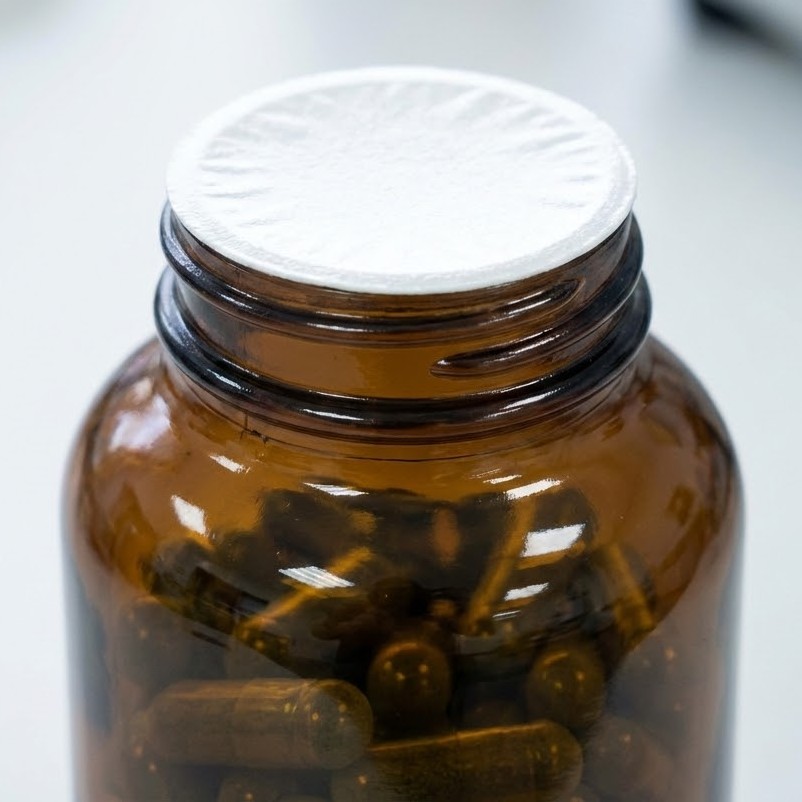
To understand the role of barley grass in a comprehensive treatment plan, it is typically categorized by its primary function in the body.
Type: Repair
Barley grass belongs primarily to the Repair category (restoration). Its main task is to strengthen the “terrain”—meaning making the body strong, alkaline, and resilient so the immune system can function. Due to newer findings regarding apoptosis and Wnt signaling pathways, it also possesses secondary Kill properties, making it a more active supplement than standard vitamin pills.
Synergy
Barley grass rarely works best alone. It is often included in “line-ups” with other substances to increase the effect:
- Vitamin C: Adding lemon juice or taking vitamin C with barley grass significantly increases the absorption of the plant’s iron and antioxidants.
- Chlorella and Spirulina: These three “greens” complement each other. While barley grass provides enzymes, chlorella provides the binding agent for waste products, and spirulina provides proteins. They can be mixed to advantage.
- Healthy fats: Since barley grass contains vitamin K and E (fat-soluble), a small amount of oil (e.g., flaxseed oil or omega-3) can aid absorption.
Important – Antagonists
- Heat: The absolute greatest enemy. Never mix into hot tea or coffee.
- Oxidizing treatments: If receiving treatments that work by creating free radicals (certain types of chemo/radiation), some practitioners recommend pausing strong antioxidants like barley grass on the actual treatment days to avoid counteracting the treatment. This should always be clarified with the practitioner.
Conclusion
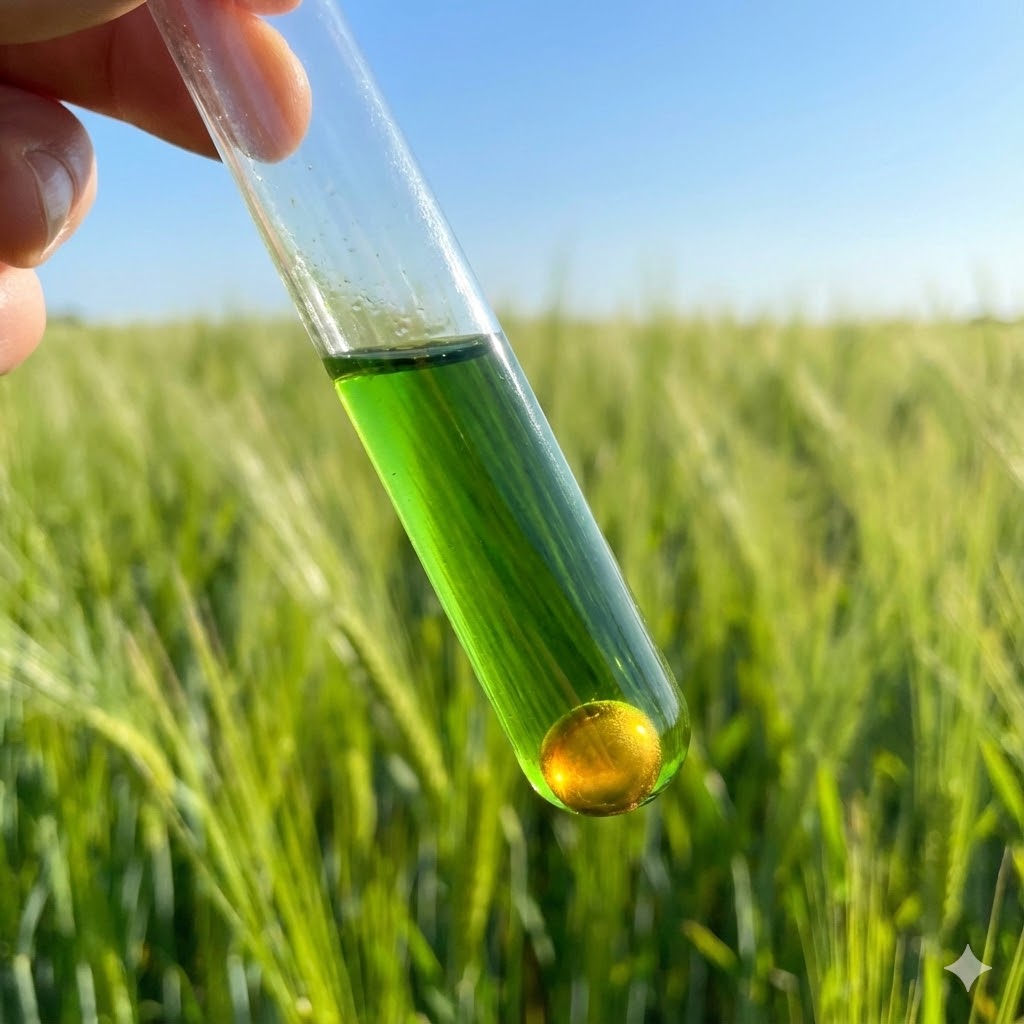
In light of the overall research, barley grass has moved from being a simple vitamin supplement to a potent bioactive food. Its ability to influence fundamental processes such as the Wnt signaling pathway, inflammation, and apoptosis across several cancer types makes it a highly relevant supplement.
Although it cannot stand alone as a treatment, it supports the body on several vital fronts simultaneously [1, 3, 5].
Be aware that it must not be consumed in connection with chemotherapy types or radiation therapy that utilize oxidative stress..
Back to Supplements
See also Anthony William (The Medical Medium)
See also Bill Henderson Protocol (Budwig & Rath)
See also Medication logistics
Links
[1] Phenolic Extracts of Hulless Barley Grass Alleviate Progression of Colitis-Related Colorectal Cancer by Inhibiting the Overexpression of Wnt/β-Catenin Signaling Pathway (PubMed, 2025)
- Content: A brand new in vivo study demonstrating how barley grass extracts effectively inhibit tumor development in colorectal cancer by blocking specific signaling pathways and dampening inflammation.
- Content: A comprehensive review of how the substance saponarin (found in barley grass) fights cancer by stopping the formation of new blood vessels to the tumor and dampening inflammation.
[3] Immunomodulatory Properties of Polysaccharide-Rich Young Green Barley Extract (MDPI, Molecules, 2022)
- Content: This study documents how carbohydrates from young barley grass stimulate the immune system, particularly NK cells, to better recognize and eliminate cancer cells.
[4] Barley Grains and Barley Grass – Nutritional Value and Therapeutic Potential (Hop and Medical Plants, Hamei, 2023)
- Content: A recent scientific update on the potential of barley grass, correlating nutritional benefits with the latest knowledge on disease prevention and cancer.
[5] Barley grass extract causes apoptosis of cancer cells by increasing intracellular reactive oxygen species production (Biomedical Reports, 2017)
- Content: An important foundational study demonstrating that barley grass extract kills breast and prostate cancer cells by increasing the amount of reactive oxygen species within the cells.
[6] Searching in Mother Nature for Anti-Cancer Activity: Anti-Proliferative and Pro-Apoptotic Effect Elicited by Green Barley on Leukemia/Lymphoma Cells (PLoS One, 2013)
- Content: A study showing that green barley extract selectively inhibits the growth of leukemia and lymphoma cells by halting their cell cycle.
Page created: Jan. 3, 2026
❤
What you read on I Have Cancer is not a recommendation. Seek competent guidance.
