


Berberine and cancer
What is berberine
Berberine is a naturally occurring alkaloid (a nitrogen-containing organic compound) found in many different plants, including Berberis vulgaris (common barberry), goldenseal, and Oregon grapes [2]. It is also present in plants such as turmeric, goldthread, and barberry. It has a centuries-long history in traditional medicine and is used to treat a variety of ailments. Berberine is believed to have a range of health benefits, as detailed below.
Effects of berberine
Berberine is a versatile compound with several mechanisms of action [1, 3, 4]:
Antibacterial:
- Berberine can kill or inhibit the growth of bacteria, including antibiotic-resistant strains.
Antifungal:
- Berberine can combat fungal infections.
Anti-inflammatory:
- Berberine can reduce inflammation in the body.
Antioxidant:
- Berberine protects cells from damage caused by free radicals (unstable molecules).
Blood sugar regulating:
- Berberine can help lower blood sugar levels in people with diabetes.
Cholesterol regulating:
- Berberine can lower cholesterol levels in the blood.
Cancer preventive:
- Berberine may have cancer-preventive properties [8].
Health benefits
Berberine has been studied in relation to a variety of health issues, including:
- Diarrhea: Berberine can be effective in treating diarrhea caused by bacteria or parasites.
- Infections: It can be used to treat bacterial and fungal infections, including skin infections, ear infections, and pneumonia.
- Diabetes: Berberine can help lower blood sugar levels in people with type 2 diabetes.
- Cardiovascular diseases: Berberine can lower cholesterol levels and reduce the risk of heart disease.
- Cancer: Berberine may have cancer-preventive properties and can also be used as a supplementary treatment for certain types of cancer [6].
Berberine and cancer
Berberine has gained popularity for its potential health benefits, including its possible anti-cancer properties [1, 3, 4].
Research suggests that berberine may have a number of mechanisms of action that can contribute to fighting cancer cells and preventing carcinogenic (cancer-causing) processes.
How berberine fights cancer
Anti-proliferative effects Berberine can inhibit the growth and division of cancer cells [8, 10, 11].
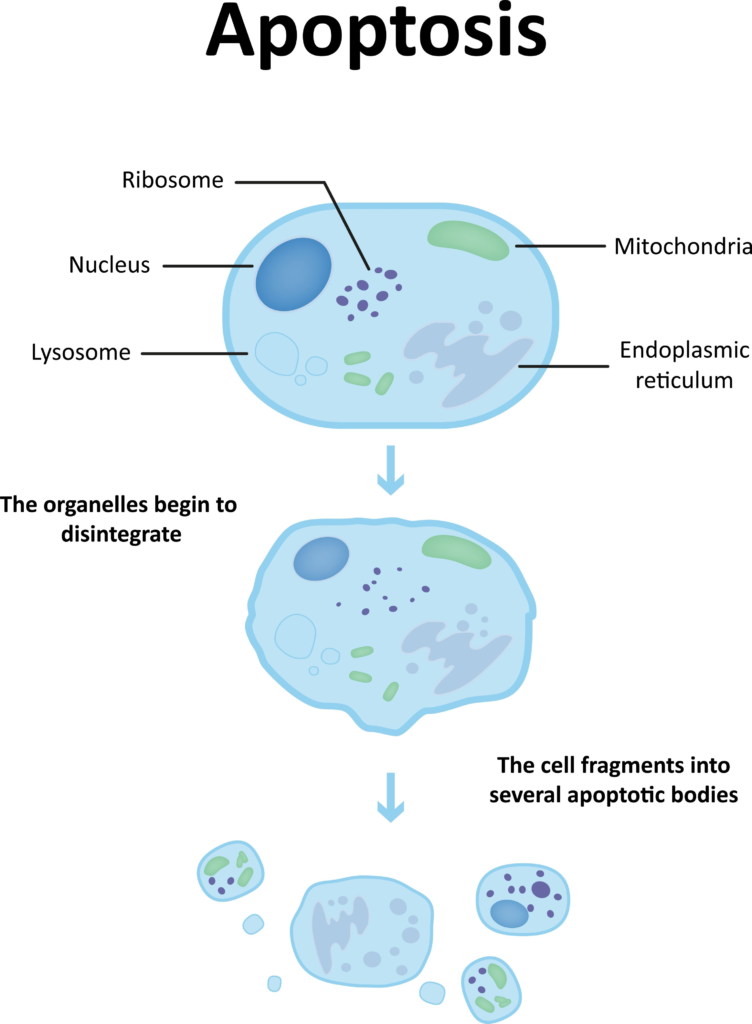
Induced apoptosis Berberine can induce programmed cell death (apoptosis) in cancer cells [8, 9].
Anti-inflammatory activity Berberine can reduce chronic inflammation, a factor associated with cancer development.
Antioxidant properties Berberine can protect cells from damage caused by free radicals that can contribute to cancer.
Modulating the immune system Berberine can enhance the immune system’s ability to recognize and fight cancer cells, specifically by inhibiting PD-L1 expression (a protein that helps cancer cells hide from the immune system) [12].
Research results
Several preclinical studies (laboratory and animal studies) have shown that berberine can be effective against a range of cancer types, including breast cancer, colon cancer, lung cancer, and leukemia [5, 6, 10, 11]. These studies have shown that berberine can inhibit tumor growth, induce cell death, and improve the response to chemotherapy.
Human studies
While preclinical results are promising, more extensive human studies are needed to confirm berberine’s effectiveness and safety in cancer treatment. Some small-scale human studies, including pilot clinical trials, have shown promising results, such as reducing markers of drug resistance in patients with chronic lymphocytic leukemia (CLL), but more robust studies are necessary [7].
Berberine HCl vs. berberine
Berberine HCl (hydrochloride) is a form of berberine that is bound to hydrochloric acid.
- Bioavailability: It is more bioavailable than standard berberine, meaning it is absorbed more easily by the body and can therefore have a stronger effect. For this reason, it is often used in dietary supplements.
- Side effects: Berberine can cause gastrointestinal side effects such as diarrhea, constipation, and stomach cramps. Berberine HCl can also cause these side effects, but they are often less severe.
- Interactions: Berberine can interact with certain medications. It is important to talk to your doctor before taking berberine, especially if you are taking other drugs. Berberine HCl can also interact with certain medications, but these interactions are less well-documented.
Administration
Berberine can be found as a supplement in capsule, tablet, and powder form. It can also be found in certain herbal teas.
Safety and side effects
Berberine is generally considered safe when taken in moderate doses. Side effects may include stomach upset, constipation, and diarrhea [2]. Berberine can interact with certain medications, so it is crucial to speak with your doctor before taking it if you are using other pharmaceutical drugs.
Conclusion
Berberine shows potential as a supplement to cancer treatment, but more research is needed to confirm its effectiveness and safety in humans. If you are considering using berberine for cancer prevention or treatment, it is important to speak with your doctor to weigh the potential benefits and risks.
Back to Supplements
Links
[1] Anticancer Effects and Mechanisms of Berberine(PubMed, 2022)
- Content: A review article describing the various mechanisms through which berberine can combat cancer cells.
[2] Berberine – uses and sideeffects(WebMD, 2025)
[3] Berberine: An Important Emphasis on Its Anticancer Effects(PubMed, 2022)
[4] Berberine Inspired Anticancer Approaches(PubMed, 2020)
- Content: An article analyzing different therapeutic approaches to utilizing berberine in cancer treatment.
[5] Effects of Berberine against Pancreatitis and Pancreatic Cancer(PubMed, 2020)
- Content: A review of research investigating the effect of berberine on inflammatory conditions and cancer in the pancreas.
[6] Unlocking the potential of Berberine: Advancing cancer therapy through chemosensitization and combination treatments (PubMed, 2024)
- Content: A review article discussing how berberine can make cancer cells more sensitive to chemotherapy.
[7] Investigating the impact of berberine on autophagy-mediated drug resistance in chronic lymphocytic leukemia tumor cells (PubMed, 2025)
- Content: A pilot clinical study showing that berberine can reduce autophagy and resistance markers in blood cells from B-CLL patients.
[8] Coptidis rhizoma and berberine as anti-cancer drugs: A 10-year updates and future perspectives (PubMed, 2025)
- Content: A review article summarizing 10 years of research on berberine’s anti-cancer effects and future perspectives using AI.
[9] Berberine inhibits metastasis of ovarian cancer by blocking lipid metabolism, alleviating aging of adipose tissue and increasing tumor infiltrating immune cells (PubMed, 2025)
- Content: An in vitro and in vivo study showing how berberine can inhibit the spread of ovarian cancer.
[10] Berberine restrains non-small cell lung cancer cell growth, invasion and glycolysis via inactivating the SPC25/NUF2 pathway (PubMed, 2025)
- Content: An in vitro study on the effect of berberine against non-small cell lung cancer by targeting specific cellular pathways.
[11] Berberine diminishes the malignant progression of non-small cell lung cancer cells by targeting CDCA5 and CCNA2 (PubMed, 2025)
- Content: An in vitro study identifying new molecular targets for berberine in the treatment of lung cancer.
[12] Berberine diminishes cancer cell PD-L1 expression and facilitates antitumor immunity via inhibiting the deubiquitination activity of CSN5 (PubMed, 2020)
- Content: An in vitro study showing how berberine acts as a small-molecule checkpoint inhibitor to enhance the immune response against cancer.
Page created: June 28, 2024. Latest revision: April 21, 2026.
❤
What you read on I Have Cancer is not a recommendation. Seek competent guidance.
