


Boron and cancer
Summary of boron
Effect:
- Boron is a trace mineral that works by stabilizing the body’s cell membranes, reducing inflammation, regulating important sex hormones like estrogen and testosterone, and prolonging the active effect of vitamin D.
Potential in cancer:
- Laboratory and animal research has shown that boron can slow the growth of cancer cells and induce cell death. Population studies also show that a higher dietary intake of boron is associated with a lower risk of certain types of cancer, particularly prostate cancer [1, 2].
Main limitation:
- The primary limitation is the lack of large-scale clinical trials in humans. Furthermore, boron’s ability to increase the amount of active estrogen is a significant issue in hormone-sensitive cancers (e.g., estrogen-sensitive breast cancer), where supplementation can be inappropriate and potentially harmful.
Summation:
- Boron is an important mineral with many interesting, supportive functions. Its potential in the context of cancer is well-founded in early research, but current knowledge primarily justifies ensuring sufficient intake through a healthy diet. Any consideration regarding supplementation should take place in close consultation with a qualified practitioner.
What is boron
Boron is a trace mineral found naturally in soil, water, and a wide range of plant-based foods. Although it was not considered essential for humans for many years, research today increasingly recognizes its importance for a broad range of biological processes. Boron is not a metal, but a metalloid, meaning it possesses properties of both metals and non-metals.
In the body, it is found in very small amounts, but these small quantities have proven to have a surprisingly large influence on our health, including bone health, hormonal balance, and immune response.
History
Historically, boron compounds—particularly boric acid and borax—have been used for centuries. Ancient Egyptians used borax in the mummification process, and the
Romans used it to manufacture glass. In the 19th and early 20th centuries, boric acid and borax were widely used as food preservatives until they were gradually phased out. Its medical use was primarily as a mild antiseptic for external use.
Only in recent decades, from the 1980s onwards, have researchers seriously begun to uncover boron’s role as an important micronutrient for humans and its potential therapeutic properties [6].
Symptoms of boron deficiency
Although severe boron deficiency is rare with a varied diet, insufficient intake over a long period can negatively affect the body. Since boron plays a role in many processes, the symptoms of deficiency can be diffuse.
The most well-documented consequences of low boron intake include:
- Decreased bone health: Increased risk of osteoporosis, as the body has more difficulty absorbing and utilizing calcium, magnesium, and vitamin D.
- Joint problems: Increased incidence of osteoarthritis-like symptoms.
- Hormonal imbalance: Changes in the levels of sex hormones such as estrogen and testosterone.
- Decreased cognitive function: Difficulties with concentration, short-term memory, and fine motor skills.
Mechanisms of action
Boron’s mechanisms of action are complex and far-reaching. The mineral interacts with the body on a fundamental biochemical level, affecting several systems simultaneously. Understanding these mechanisms is key to understanding its potential.
Influence on cell membranes and signaling
One of boron’s most basic functions is its ability to stabilize and strengthen cell membranes. It forms compounds with glycoproteins and glycolipids on the cell surface, improving membrane integrity. A strong cell membrane is crucial for proper cell function. It ensures that the cell’s internal environment is protected and that it can send and receive signals from other cells effectively. This signaling is essential for everything from immune response to cell growth, and disruptions in this process are a hallmark of cancer.
Regulation of hormones and vitamins
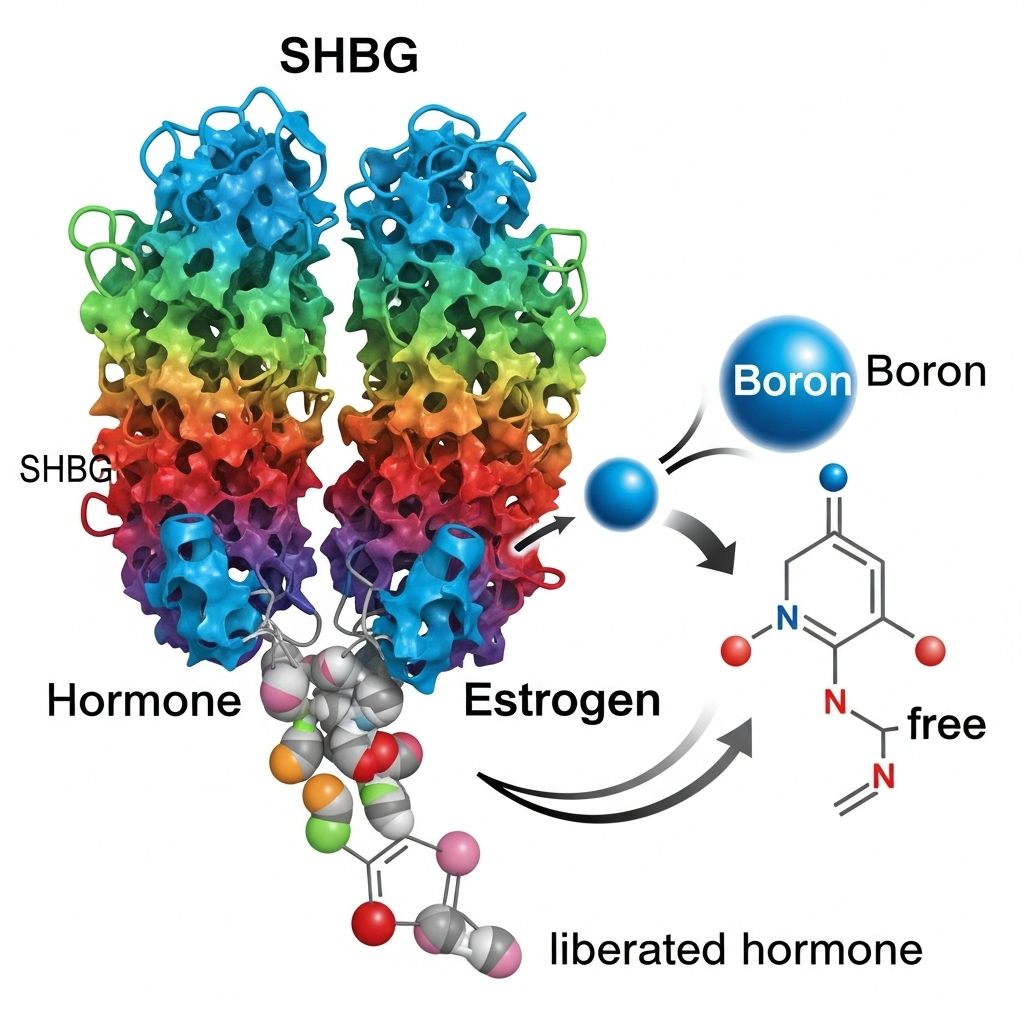
Boron plays a crucial role in the metabolism of steroid hormones, including estrogen and testosterone. Research has shown that sufficient boron levels can increase the amount of free, active testosterone and estradiol (the primary form of estrogen) in the blood. It does this by binding to and inhibiting SHBG (Sex Hormone-Binding Globulin), a protein that otherwise binds and inactivates these hormones. However, this is a complex area, especially for patients with hormone-sensitive cancers:
- For breast and gynecological cancer: In estrogen-sensitive (ER+) breast cancer, the goal is often to lower estrogen levels to slow the growth of the cancer. Since boron can increase the amount of active estrogen, one must be extremely cautious with supplementation, as it could potentially counteract the effect of anti-hormone therapy.
- For prostate cancer: Although testosterone can drive prostate cancer, population studies paradoxically show that a higher intake of boron is associated with a lower risk of developing the disease. This suggests that boron’s total effect—including its anti-inflammatory and cell-protective properties—outweighs the slight increase in free testosterone.
Interaction with vitamin D
Perhaps one of boron’s most important functions is its ability to enhance the effect of vitamin D. In the body, there is a specific enzyme (CYP24A1) whose primary task is to break down vitamin D to regulate levels. Boron has the unique ability to inhibit this enzyme. One can imagine the enzyme as an “off switch” for vitamin D. By dampening this off switch slightly, a sufficient intake of boron ensures that vitamin D is broken down more slowly. This means that the vitamin D you have in your body remains active for a longer time. Since vitamin D is crucial for immune function and has known anti-cancer properties, this synergy between boron and vitamin D is very interesting in supportive treatment.
Enzymatic inhibition and anti-inflammatory effect
Boron can bind to and inhibit the activity of several important enzymes. It has a particular ability to inhibit serine proteases, a group of enzymes that cancer cells often exploit to invade surrounding tissue. The best-known example of a boron-based drug is the cancer medication bortezomib (Velcade), which works precisely by inhibiting the proteasomes of cancer cells [5]. By dampening these enzymes, boron can potentially make it harder for cancer to spread. Additionally, boron has a significant anti-inflammatory effect. It can downregulate the body’s production of inflammatory signaling substances such as C-reactive protein (CRP), interleukin-6 (IL-6), and tumor necrosis factor-alpha (TNF-α). Since chronic inflammation is a driving force behind the development and spread of many types of cancer, this mechanism is central to boron’s potential.
Potential in cancer
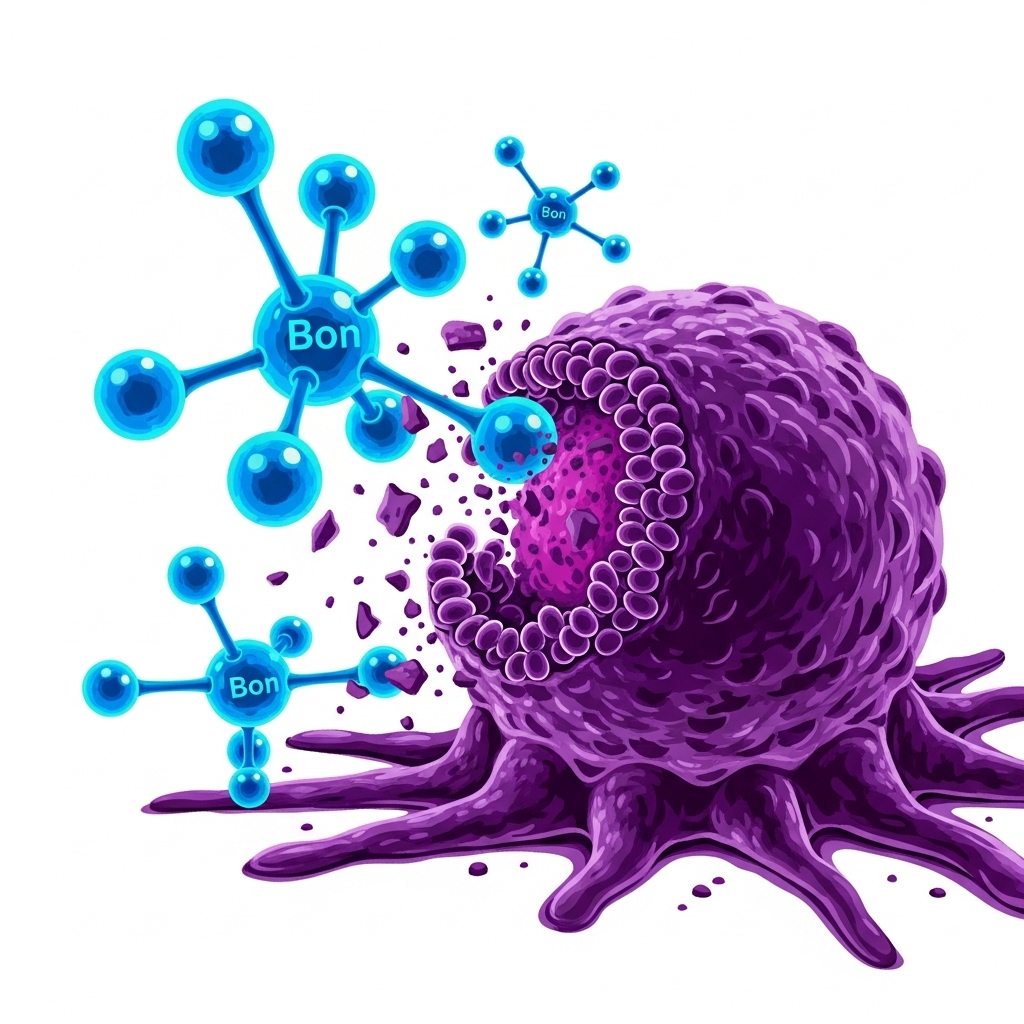
Research into boron’s direct role in connection with cancer is promising and points to several different ways this trace mineral can have a positive influence. Most research at this stage is based on population studies and laboratory experiments, but the results are remarkable.
Inhibition of cancer cell growth and division
In laboratory studies, both in vitro (in test tube/petri dish) and in vivo (in living organisms), boron compounds have shown an ability to inhibit the proliferation (rapid division) of various types of cancer cells. This has been observed, among other things, in cell lines from breast cancer, prostate cancer, lung cancer, and brain cancer. Boron appears to interfere with the metabolism of cancer cells and their ability to copy their DNA, which is a prerequisite for them to divide.
Induction of programmed cell death
One of the most interesting properties of boron is its ability to initiate apoptosis—a natural, programmed cell death—specifically in cancer cells, while healthy cells are largely left unharmed. Boron appears to activate a series of enzymes called caspases, which function as the cell’s internal “executioners.” When activated, they systematically break down the cancer cell from within. Research has shown that boron can induce apoptosis in, among others, human prostate cancer cells [1] and breast cancer cells.
Reduced risk in population studies
Several epidemiological studies have shown an interesting correlation. In geographical areas where there is a naturally high content of boron in drinking water and soil, a significantly lower risk of developing certain types of cancer is observed [2].
A striking example comes from Turkey, where a significantly lower incidence of prostate cancer has been found in the population with high boron intake compared to populations with low intake. Similar observations have been made for lung cancer and cervical cancer.
Blocking blood supply to tumors
For a tumor to grow beyond a very small size, it must form its own blood vessels to obtain oxygen and nutrients. This process is called angiogenesis. Early research suggests that boron can inhibit this process by downregulating the growth factors that cancer cells emit to stimulate the formation of new blood vessels. Without a stable blood supply, the tumor’s growth will be slowed.
Benefits of boron

In addition to the direct mechanisms related to cancer, boron offers a range of other health benefits that can be particularly relevant when the body is under pressure.
Strengthening bones and joints
Boron’s role in regulating calcium, magnesium, and vitamin D metabolism makes it essential for maintaining strong bones. It helps prevent the loss of calcium and magnesium from the body and ensures that vitamin D works optimally. This is particularly important as certain cancer treatments can lead to decreased bone density and an increased risk of osteoporosis [8].
Cognitive function
Research has shown that even a mild boron deficiency can have a negative influence on brain function. Studies have indicated that sufficient boron intake can improve cognitive performance such as memory, concentration, and manual dexterity.
Maintaining mental clarity is an important part of the quality of life.
Support for wound healing
Boron is involved in the production of enzymes such as collagenase and elastase, which are important for tissue reconstruction and wound healing. A well-functioning healing process is crucial for the body’s general resilience and recovery.
Interaction with conventional cancer treatment
In addition to boron’s potential direct effect on cancer cells, its other properties may be relevant in interaction with standard cancer treatment, especially anti-hormone therapy and chemotherapy.
Support during anti-hormone therapy
A known and serious side effect of long-term use of anti-hormone therapy, such as aromatase inhibitors for breast cancer, is the loss of bone mineral density and an increased risk of osteoporosis. Here, boron’s well-documented ability to strengthen bones by optimizing the body’s use of vitamin D and calcium is highly relevant. A sufficient intake of boron could potentially help counteract this specific side effect [7].
Anti-inflammatory support
Since many forms of chemotherapy and radiation therapy can create inflammation in the body, boron’s ability to downregulate inflammatory markers (such as CRP and TNF-α) could theoretically help dampen some of the inflammation-related side effects and support the body’s general recovery. It is important to emphasize that any use of dietary supplements, including boron, must always be coordinated with the treating oncologist to ensure it does not interact negatively with the primary cancer treatment.
Precautions and limitations

Although the potential is great, it is important to recognize the limitations in current knowledge about boron.
Lack of clinical trials
The primary limitation is that the majority of convincing research regarding cancer stems from laboratory and animal experiments, as well as population studies. Large, randomized, and controlled clinical trials in humans are still lacking to establish boron’s effect as a supplementary treatment and the optimal dosage.
Hormone-sensitive cancer requires great caution
Boron’s effect on the hormonal system is complex and constitutes the most important reason for caution. As mentioned, boron can increase the amount of active estrogen and testosterone. For patients with hormone-sensitive cancers (such as ER+ breast cancer, certain types of ovarian cancer, or advanced prostate cancer), it is crucial to avoid substances that could potentially stimulate the growth of cancer cells or counteract the effect of anti-hormone therapy. Starting boron supplementation should therefore take place under close guidance from a qualified practitioner or oncologist who can assess the individual risk and the total hormonal balance.
Clinical studies

Within the field of cancer, there is a very specific and high-tech application of boron called Boron Neutron Capture Therapy (BNCT) [2, 4]. This is a form of radiation therapy where a harmless boron compound is given to a person, where it accumulates specifically in cancer cells.
The tumor is then irradiated with a low-energy neutron beam. When the neutrons hit the boron atoms, a powerful but very localized radiation reaction is triggered, destroying the cancer cell from within with minimal damage to the surrounding healthy tissue.
Research constantly focuses on developing new and more effective boron compounds, for example, using advanced nanoparticles to improve the precision of the treatment [3].
BNCT is undergoing clinical testing for the treatment of challenging cancers such as glioblastoma (brain cancer) and head and neck cancer. Although BNCT is different from taking boron as a dietary supplement, it underscores the mineral’s unique significance for cancer cells and its potential in oncology.
Safety
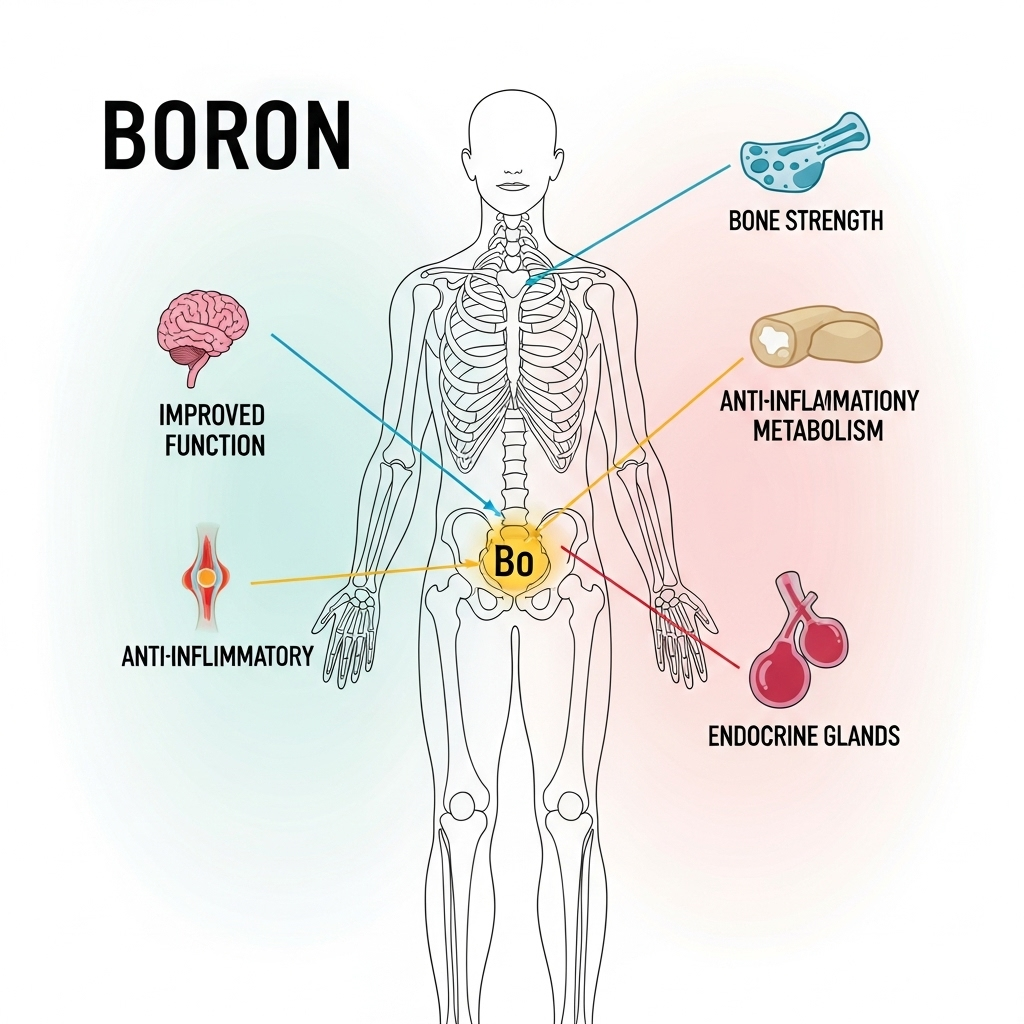
Boron is generally very safe when consumed in the amounts found in a healthy and varied diet.
As a dietary supplement, it is also considered safe in moderate doses. The upper tolerable intake level (UL) for adults is set by the European Food Safety Authority (EFSA) at 10 mg per day.
An intake that significantly exceeds this limit over a long period can lead to toxicity. Symptoms of overdose can include nausea, vomiting, abdominal distress, and in severe cases, skin inflammation and peeling. It is therefore crucial to respect the recommended dosages and always seek guidance from an experienced practitioner before starting high-dose supplementation.
Dispensing and application
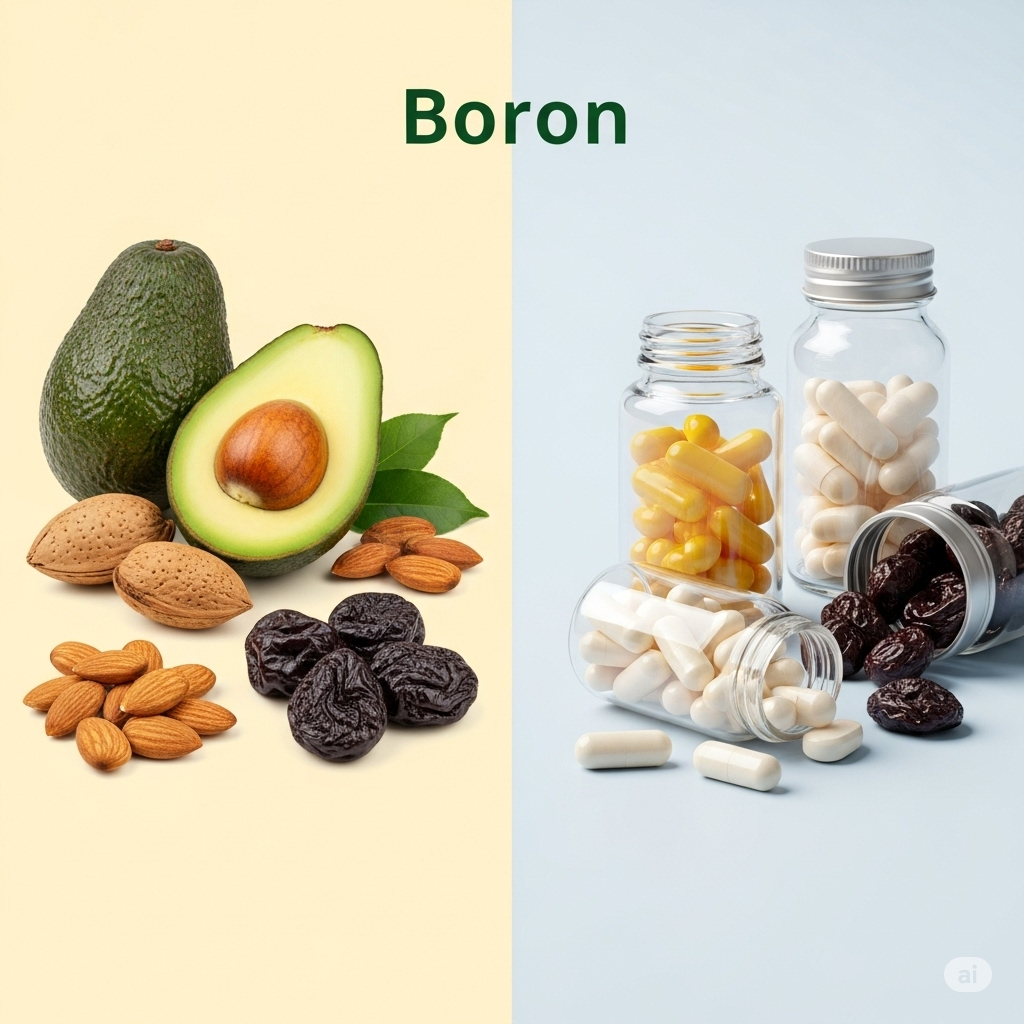
To increase boron intake, one can either focus on diet or use dietary supplements.
Boron-rich foods
- The best sources are plant-based. Prunes, raisins, apricots, avocado, nuts (especially almonds and hazelnuts), beans, lentils, and chickpeas are excellent sources. Fruits and vegetables in general also contribute.
Supplement forms
Boron is available in various supplement forms with varying properties and absorption:
- Boric acid and Sodium Borate (Borax): These are the simplest and often cheapest forms of boron. They are inorganic mineral salts that the body can absorb, but they are generally considered less effective and can be harsher on digestion than more advanced forms.
- Chelated Forms (e.g., Boron Citrate, Glycinate): In these forms, boron is chemically bound to an organic acid (citrate) or an amino acid (glycinate, aspartate). This “packaging” makes it easier for the body to recognize and transport the boron across the intestinal wall. The result is significantly better absorption and a gentler product for the stomach.
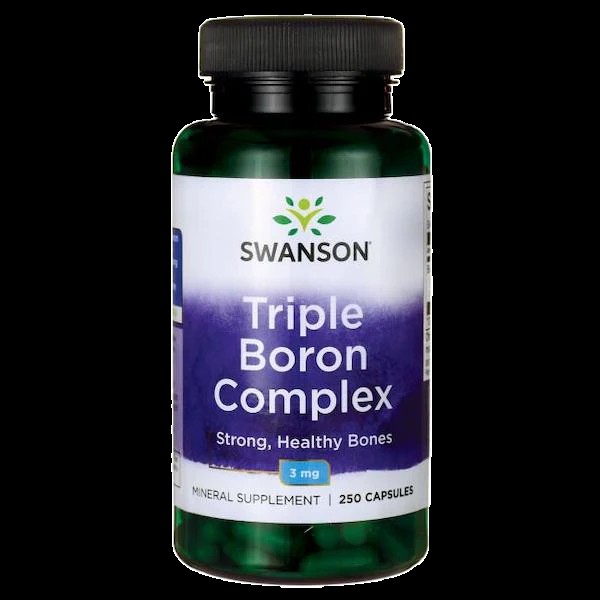
- Boron Complexes (e.g., Tri-Boron): Some products combine several different chelated (organically bound) forms. The purpose is to utilize several of the body’s absorption pathways at once to ensure as broad and effective an action as possible. This is often the most advanced choice.
Dosage
There is no official Recommended Daily Intake (RDI). A normal intake from the diet is around 1-2 mg daily. Therapeutic doses in supplements are often in the range of 3-6 mg daily. Any dosage beyond what is obtained from the diet should be discussed with a qualified practitioner who can assess the individual need.
Overview of boron content per 100 grams
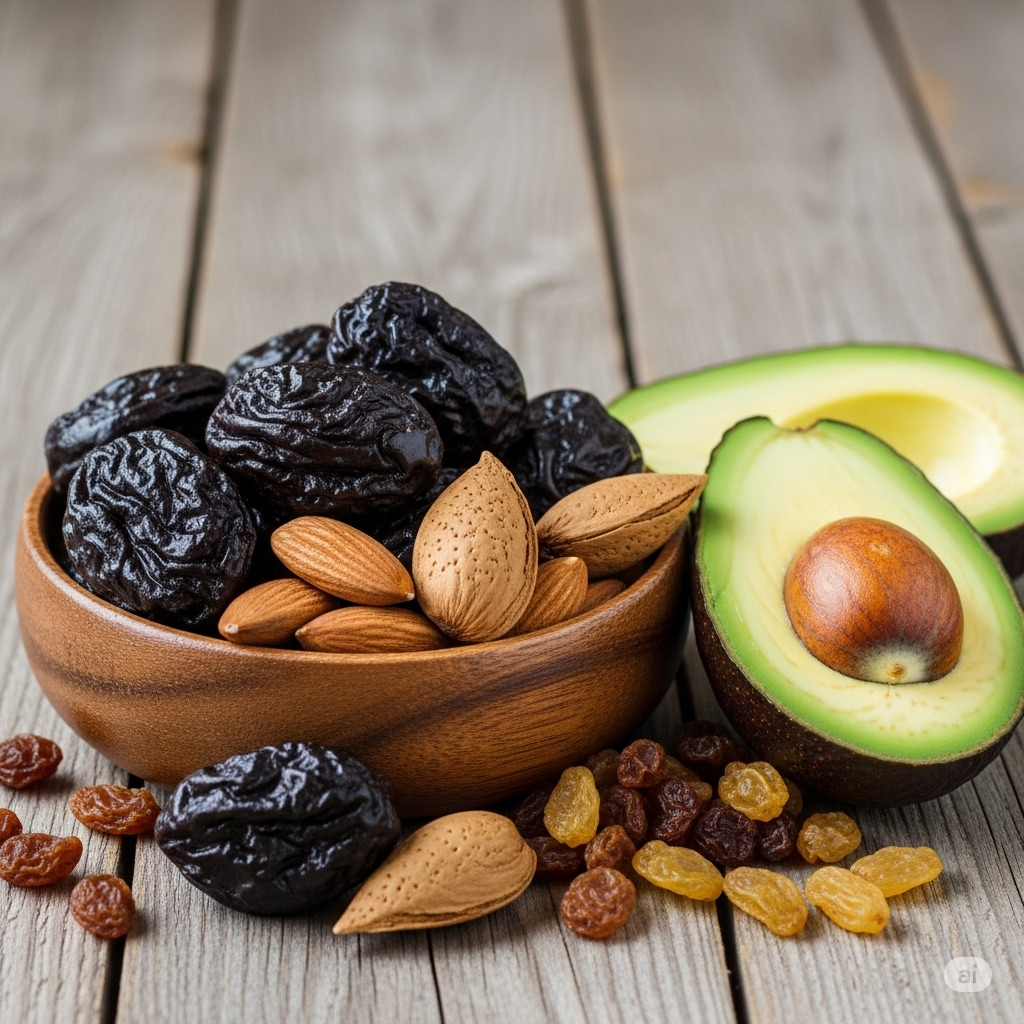
It can be useful to know which foods have a naturally high content of boron. The table below provides an overview of the estimated boron content per 100 grams for a variety of food and beverages.
The content can vary depending on soil conditions and cultivation methods. The values are therefore indicative.
| Food Item | Estimated Boron Content (per 100g) |
| Prunes (dried plums) | 2.5 – 4.5 mg |
| Almonds | ~ 2.8 mg |
| Hazelnuts | ~ 2.5 mg |
| Raisins | 2.0 – 2.5 mg |
| Peaches (dried) | ~ 2.0 mg |
| Peanuts / Peanut Butter | ~ 1.8 mg |
| Avocado | 1.0 – 1.4 mg |
| Red kidney beans (cooked) | ~ 0.7 mg |
| Lentils (cooked) | ~ 0.6 mg |
| Red wine (per 100 ml) | 0.3 – 0.6 mg |
| Apples | 0.22 – 0.33 mg |
| Pears | 0.17 – 0.28 mg |
| Potatoes | 0.2 – 0.27 mg |
| Broccoli | ~ 0.2 mg |
| Coffee (per 100 ml) | ~ 0.04 mg |
Conclusion
Boron is a fascinating trace mineral that is emerging from the shadows as an overlooked but potentially important player in human health. Its fundamental role in stabilizing cell membranes, regulating hormones, and dampening inflammation provides it with a solid foundation as a health-promoting substance.
The growing body of research pointing to a direct anti-cancer effect in the laboratory and a lower cancer risk in population studies makes boron a highly interesting subject within supplementary cancer treatment.
Although more large-scale clinical trials in humans are needed, the current evidence is strong enough to justify increased attention on ensuring sufficient intake of this mineral through the diet, always in consultation with a professional practitioner. Back to Supplements
Links
[1] Proteomic insights into the anti-cancer mechanisms of boron-based compounds in prostate cancer (Science Direct, 2025)
- Relevans: Bor, som findes i frugt og grønt, har potentiale som kræftbehandling. SPP og SPT viser anti-cancer effekt ved at påvirke mitochondrier og RNA-metabolisme i prostata kræftceller. Boronforbindelser kan derfor være lovende som multi-targetede kræftterapi.
[2] Review of Boron-Based Compounds: Advancing Cancer Therapy and Beyond (Clinical Oncology, Case Reports, 2023)
- Relevans: BNCT bruger bor til at målrette kræftceller med høj præcision. Forskning fokuserer på at forbedre bor-opsamling i tumorer via avanceret levering. Bor er også relevant i behandling af kræft, Alzheimer’s og inflammatoriske sygdomme.
[3] Enhancing Boron Neutron Capture Therapy (BNCT) with Materials Based on COSAN-Functionalized Nanoparticles (PubMed, 2025)
- Relevans: Disse nanopartikler med bor, især bor neutron capture therapy (BNCT), kan målrette kræftceller. NP@I-COSAN viser lovende bor-ophobning og effekt i at inducere kræftcelles død uden høj toksicitet. Bor er central i denne innovative kræftbehandling.
[4] Optimizing Boron Neutron Capture Therapy (BNCT) to Treat Cancer: An Updated Review on the Latest Developments on Boron Compounds and Strategies (ISNCT, Cancers, 2023)
- Relevans: BNCT er en kræftbehandling, der bruger bor til at målrette tumorceller med neutroner. Nye borforbindelser og strategier fra 2020-2023 kan forbedre behandlingens effektivitet og bredde. Bor er central i udviklingen af mere præcis kræftterapi.
[5] Biological and Medicinal Applications of Boronic Acids (Research Gate, 2005)
- Relevans: Borsyre-derivater bruges som enzymehæmmere og i kræftbehandling, herunder proteasomhæmmere som bortezomib. Bor spiller også en central rolle i BNCT, en kræftbehandling, der målretter tumorceller med bor. Disse forbindelser har stor potentiale i medicinsk forskning og behandling.
[6] Boron chemicals in diagnosis and therapeutics (PubMed, 2013)
- Relevans: Bor har udviklet sig fra stof til medicin, hvor boronbaserede lægemidler bruges til billeddannelse og behandling af kræft, virus og bakterier. Flere bor-baserede lægemidler er under udvikling, hvilket lover bedre terapier. Boron er vigtigt i medicin på grund af sin unikke kemiske struktur og evne som enzymehæmmer.
[7] Nothing Boring About Boron (PubMed, 2015)
- Relevans: Bor er et spormineral, der styrker knogler ved at forbedre optagelsen af calcium og D-vitamin, hvilket forebygger knogleskørhed. Det kan også reducere risikoen for hormontriggede kræftformer som prostata- og lungekræft gennem antiinflammatoriske og celledødsskabende effekter. Anbefales i doser under 3 mg/dag – sikker inntil 20 mg. Naturlige kilder inkluderer frugt, grøntsager og nødder.
[8] Pivotal role of boron supplementation on bone health: A narrative review (PubMed, 2020)
- Relevans: Denne gennemgang viser, at et dagligt tilskud på 3 mg boron kan hjælpe med at opretholde knoglesundhed ved at påvirke calcium, vitamin D og kønshormoner. Selvom der er få studier (11), er antallet af deltagere højt (594), og resultaterne er lovende. Det anbefalede doseringsniveau er altså lavere end EFSA’s øvre grænse på 10 mg dagligt.
Page created: July 11, 2025. Latest revision: April 23, 2026.
❤
What you read on I Have Cancer is not a recommendation. Seek competent guidance.
