


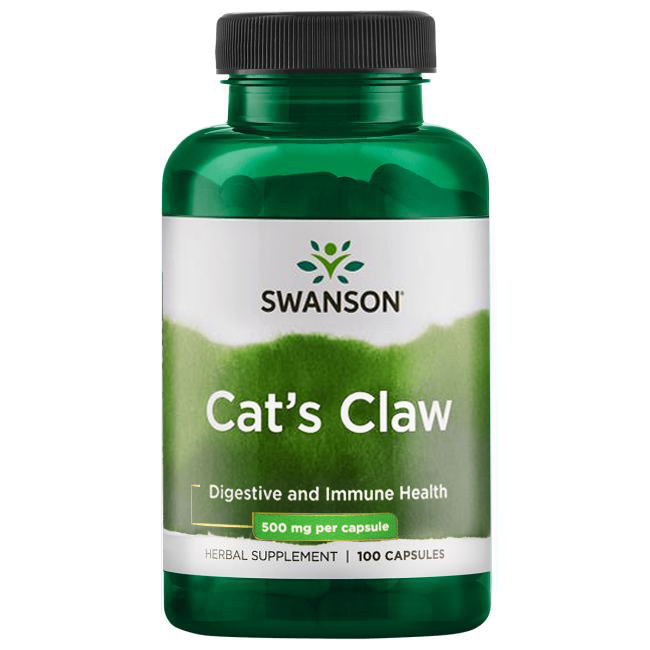
Cat’s claw – Tomentosa and cancer
What is Cat’s claw (Uncaria tomentosa)
Cat’s claw (Uncaria tomentosa), also known as Uña de Gato in Spanish, is a powerful climbing vine that primarily grows in the Amazon rainforest and other tropical areas of South and Central America. The name “Cat’s claw” stems from its characteristic thorns, which resemble a cat’s claw and are used by the plant to climb trees.
History
For centuries, various indigenous tribes in the Amazon have regarded Cat’s claw as a sacred plant with significant medicinal properties. Traditionally, the bark and roots have been used to treat a wide range of ailments, including inflammation, arthritis, stomach problems, and infections. The plant has a long history in folk medicine, where it has been valued for its ability to strengthen the body and promote healing.
Mechanisms of action
Cat’s claw contains a complex mixture of bioactive substances believed to contribute to its potential health benefits. Research has identified several key components, including oxindole alkaloids (particularly pentacyclic and tetracyclic oxindole alkaloids – POAs and TOAs), glycosides, triterpenes, polyphenols (including procyanidins), and steroids (such as beta-sitosterol) [1, 3, 5].
These substances interact with various biological processes in the body and exhibit a range of pharmacological effects that are potentially relevant in the context of cancer.
Impact on the immune system
One of the most well-studied mechanisms of action for Cat’s claw is its ability to modulate the immune system. Specifically, pentacyclic oxindole alkaloids (POAs) have been shown to increase the activity of immune cells such as macrophages and Natural Killer (NK) cells. Macrophages are a type of white blood cell that play a central role in the innate (built-in) immune system by phagocytosing (engulfing) and breaking down foreign particles, including potential cancer cells.
NK cells are another type of lymphocyte that is crucial for immune surveillance and can directly kill virus-infected cells and cancer cells without prior sensitization (activation). By strengthening the activity of these immune cells, Cat’s claw can potentially help the body recognize and eliminate cancer cells more effectively [3, 4].
Furthermore, certain components can influence the production of cytokines (signaling molecules in the immune system), contributing to a more balanced immune response.
Anti-inflammatory properties
Chronic inflammation plays a significant role in the development and growth of many types of cancer. Cat’s claw has been shown to possess significant anti-inflammatory properties. Research indicates that certain alkaloids and triterpenes can inhibit the production of pro-inflammatory mediators (signaling substances that promote inflammation) such as tumor necrosis factor-alpha (TNF-α), interleukin-1 beta (IL-1β), and prostaglandin E2 (PGE2) [5, 6].
These signaling substances are often overproduced in cancer tissue and can contribute to tumor growth, angiogenesis (the formation of new blood vessels supplying the tumor), and metastasis (the spread of cancer cells to other parts of the body). By reducing the levels of these inflammation-promoting substances, Cat’s claw can potentially create a less favorable environment for cancer cells. Furthermore, it can influence the activity of the enzyme cyclooxygenase-2 (COX-2), which is involved in the production of prostaglandins.
Antioxidant effect and DNA protection
Oxidative stress, caused by an imbalance between the production of reactive oxygen species (free radicals) and the body’s ability to neutralize them, can lead to DNA damage and contribute to the development of cancer.
Cat’s claw contains various polyphenolic compounds, including procyanidins, known for their strong antioxidant properties. These substances help neutralize free radicals and protect cells from oxidative damage, including damage to DNA [5]. By protecting DNA, Cat’s claw may potentially reduce the risk of mutations leading to cancer development while protecting healthy cells during cancer treatment.
Impact on the cell cycle and apoptosis
In vitro (in test tubes/petri dishes) studies have suggested that certain extracts and isolated compounds from Cat’s claw can have a direct inhibitory effect on the growth of cancer cells [2, 8].
The mechanisms behind this may include interference with cell cycle progression (the steps a cell undergoes during division), potentially stopping the uncontrolled growth of cancer cells. Additionally, research has shown that Cat’s claw extracts can induce apoptosis (programmed cell death) in cancer cells [2, 7].
Apoptosis is a normal physiological process that cancer cells often evade. By promoting apoptosis in cancer cells, Cat’s claw can potentially contribute to reducing tumor growth.
Inhibition of angiogenesis
Angiogenesis, the formation of new blood vessels, is crucial for the growth and spread of cancerous tumors, as tumors require a constant supply of oxygen and nutrients.
Some studies suggest that certain components in Cat’s claw can inhibit angiogenesis by affecting the production of angiogenic factors (substances that promote the formation of blood vessels) [2]. By limiting the blood supply to tumors, Cat’s claw may potentially inhibit their growth and metastasis.
Interaction with signaling pathways
Research indicates that Cat’s claw can interact with various signaling pathways (molecular processes that transmit signals within cells) involved in cancer development and progression (further growth).
This includes potential influence on pathways such as NF-κB (nuclear factor kappa B), which plays a central role in inflammation and immune response, and the PI3K/Akt/mTOR pathway, involved in cell growth, survival, and metabolism [9].
By modulating these signaling pathways, Cat’s claw can potentially have a broad-spectrum effect on the behavior of cancer cells.
Potential as supplementary treatment for cancer
Based on the many promising mechanisms demonstrated in vitro and in animal studies (in vivo), there is increasing interest in Cat’s claw’s potential as a supplementary treatment for cancer. It is important to emphasize that Cat’s claw should not be considered a replacement for conventional cancer treatment, but rather as a possible supplement to be used in consultation with a qualified practitioner.
Support during conventional treatment
Cat’s claw could potentially play a supportive role during conventional cancer treatment. Its immunomodulatory properties may help strengthen the patient’s immune system, which is often weakened by chemotherapy and radiotherapy. By promoting the activity of immune cells, Cat’s claw may help the body fight infections, which are serious complications for cancer patients undergoing treatment [4, 6].
Additionally, its anti-inflammatory and antioxidant properties may help reduce some of the side effects associated with conventional treatment, such as inflammation and oxidative stress. It is crucial that the use of Cat’s claw during conventional treatment occurs in collaboration with the oncological team to avoid potential interactions.
Potential synergistic effect
Some researchers are investigating the possibility that Cat’s claw may have a synergistic effect when combined with certain conventional cancer treatments. Synergy means that the combination of two or more substances has a greater effect than the sum of the individual effects.
In vitro studies have suggested that certain extracts from Cat’s claw can enhance the inhibitory effect of some chemotherapeutic agents on cancer cells [8].
While these results are promising, more research, including clinical trials in humans, is needed to confirm these potential synergistic effects and establish safe and effective combination treatments.
Quality of life and symptom relief
Beyond potential direct effects on cancer cells, Cat’s claw may also help improve the quality of life for cancer patients by relieving certain symptoms.
The anti-inflammatory and pain-relieving properties can potentially help reduce pain and discomfort associated with both the cancer itself and the treatment [4].
Furthermore, the antioxidant properties may help reduce fatigue and increase energy levels in some patients. It is important to emphasize that effects can vary from person to person, and Cat’s claw should be used as part of an integrated approach to symptom management.
Preventive potential
Due to its antioxidant and DNA-protective properties, there is also interest in the potential role of Cat’s claw in cancer prevention. By neutralizing free radicals and protecting cells from damage, regular intake of Cat’s claw may potentially contribute to reducing the risk of developing certain types of cancer over time [5].
Advantages of Cat’s claw
Cat’s claw offers several potential advantages as a supplementary treatment for cancer that go beyond direct mechanisms on cancer cells.
Broad-spectrum action
It contains a complex mixture of bioactive substances, potentially resulting in effects on various biological processes relevant to cancer, such as inflammation, immune response, and the cell cycle.
Potentially limited side effects
In some cases, a carefully selected range of natural supplements like Cat’s claw may have fewer and milder side effects compared to certain conventional treatments, contributing to better tolerance.
Traditional use
The long history of use in folk medicine provides a sense of security for some users.
Support for healing processes
By modulating the immune system and reducing oxidative stress, it can potentially support the body’s natural healing mechanisms.
Natural origin
As a natural plant product, it appeals to many seeking more natural approaches to health.
Disadvantages and limitations
Despite promising results in preclinical research, there are disadvantages and limitations to consider.
Limited clinical evidence in humans
One of the greatest limitations is the lack of extensive human clinical trials investigating its effect as a supplementary cancer treatment.
Potential interactions with medication
Cat’s claw may interact with blood thinners (anticoagulants), blood pressure medication, and drugs metabolized by liver enzymes in the cytochrome P450 system (CYP450).
Possible side effects
Some may experience mild side effects such as gastrointestinal issues (nausea, diarrhea), headache, and dizziness.
Variation in product quality
The quality and composition can vary significantly based on origin, harvesting, and manufacturing.
Contraindications
It should not be used during pregnancy, breastfeeding, in individuals with autoimmune diseases, or those who have recently undergone organ transplantation.
See also Diets, chemotherapy and interactions
Clinical trials
A limited number of clinical trials have investigated the effect of Cat’s claw in cancer patients.
- One trial investigated the effect of a specific Cat’s claw extract (AC-11) in patients with advanced cancer and observed a possible improvement in certain immunological parameters and quality of life [4].
- Another randomized phase II clinical trial examined the use of Cat’s claw in breast cancer patients undergoing chemotherapy and found potential benefits regarding the reduction of neutropenia (a low count of neutrophilic white blood cells) [6].
Many of these trials have been small and of short duration. Large-scale, randomized controlled trials are needed to confirm these preliminary results and establish the actual clinical value of Cat’s claw.
Safety
Generally, Cat’s claw is considered relatively safe for most adults during short-term use at recommended doses.
Precautions and contraindications:
- Pregnancy and breastfeeding: Should not be used due to a lack of safety data.
- Autoimmune diseases: Individuals with conditions like lupus or multiple sclerosis should avoid it, as it may stimulate the immune system and worsen symptoms.
- Organ transplantation: Should not be used as it may increase the risk of organ rejection.
- Bleeding disorders and surgery: May increase the risk of bleeding; stop use at least two weeks before planned surgery.
- Medication interactions: Consult a practitioner if taking blood thinners or blood pressure medications.
Dispensing and application
Cat’s claw is available in various forms:
Tea: Made by simmering the bark or root in hot water for 10-15 minutes and then steeping for another 10-15 minutes.
Capsules and tablets: Dosage varies depending on the concentration of active substances.
Liquid extracts: Usually taken orally, often mixed with water or juice.
Always follow the manufacturer’s instructions or consult a qualified practitioner for the correct dosage. It is advisable to start with a low dose and gradually increase if well-tolerated.
Conclusion
Cat’s claw (Uncaria tomentosa) is a fascinating plant with a long history in traditional medicine and promising preclinical results in cancer research. Its complex mixture of bioactive substances exhibits range of mechanisms, including immunomodulatory, anti-inflammatory, and antioxidant effects.
While its potential as a supplementary treatment is exciting, more comprehensive human clinical trials are needed to confirm efficacy and safety. Until then, Cat’s claw should not be seen as a replacement for conventional treatment but may be used as a supplement in consultation with a qualified practitioner.
Back to Supplements
Links
[1] Cytotoxic effect of different Uncaria tomentosa (cat’s claw) extracts, fractions on normal and cancer cells: a systematic review (PubMed, 2025)
- Relevans: Urtedraget U. tomentosa (cats claw) har lovende kræftbekæmpende egenskaber, men behovet for standardisering og yderligere forskning er vigtigt for at bekræfte dens terapeutiske potentiale.
[2] Treatment with Uncaria tomentosa Promotes Apoptosis in B16-BL6 Mouse Melanoma Cells and Inhibits the Growth of B16-BL6 Tumours (PubMed, 2021)
- Relevans: Uncaria tomentosa (cats claw) har stærk kræfthæmmende effekt både i laboratorieforsøg og i mus, hvor den reducerer tumorvækst, celleproliferation og blodkvalitet, hvilket gør den til en lovende naturlig kræftbehandling.
[3] Cat’s Claw (Memorial Sloan Kettering Cancer Center, 2022)
- Content: A professional overview of the biological activities, side effects, and potential drug interactions of Cat’s claw.
[4] Uncaria tomentosa (cat’s claw) improves quality of life in patients with advanced solid tumors (PubMed, 2015)
- Content: A non-randomized clinical study suggesting that Cat’s claw extract may improve biochemical parameters and quality of life in advanced cancer patients.
[5] A comprehensive review on medicinal plants possessing antioxidant potential (PubMed, 2022)
- Content: A review article discussing the antioxidant mechanisms of various plants, including Cat’s claw, and their role in preventing DNA damage.
[6] Uncaria tomentosa—Adjuvant Treatment for Breast Cancer: Clinical Trial (NIH, 2012)
- Content: A randomized phase II clinical trial investigating Cat’s claw as an adjuvant treatment to reduce side effects like neutropenia in breast cancer patients.
[7] Treatment with Uncaria tomentosa Promotes Apoptosis in B16-BL6 Mouse Melanoma Cells and Inhibits the Growth of B16-BL6 Tumours (PubMed, 2021)
- Content: A study demonstrating the anti-tumorigenic effects of Cat’s claw in melanoma models.
[8] Characterization and in vitro antitumor activity of polymeric nanoparticles loaded with Uncaria tomentosa extract (PubMed, 2020)
- Content: A non-randomized in vitro trial exploring how nanoparticle delivery of Cat’s claw extract affects cancer cell survival.
[9] P2X7 receptor: a critical regulator and potential target for breast cancer (PubMed, 2021)
- Content: A research paper discussing molecular targets in breast cancer that can be modulated by bioactive plant compounds.
Page created: April 7, 2025
❤
What you read on I Have Cancer is not a recommendation. Seek competent guidance.
