


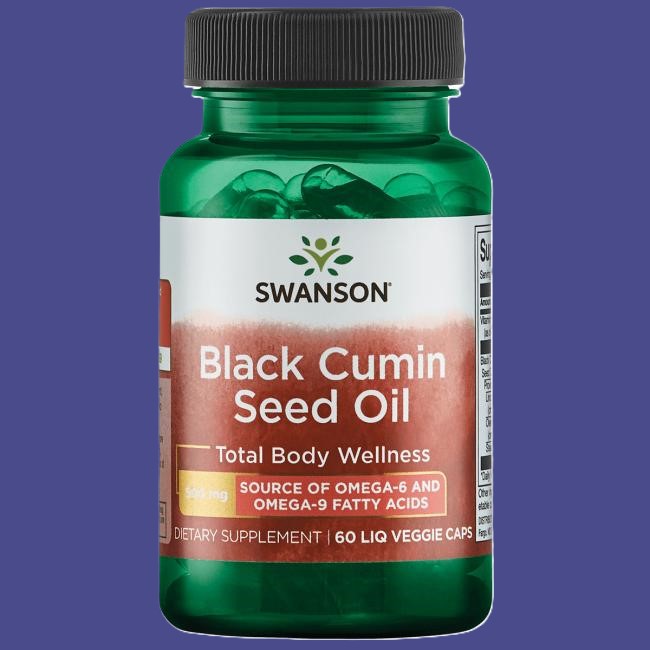
Black Cumin (Nigella) and Cancer
What is Black Cumin or Nigella
Black cumin, also known as Nigella sativa (black cumin seed in English), is a plant with a long history in traditional medicine, particularly in the Middle East and Asia. The seeds of the plant have been used for centuries to treat a wide range of ailments, including infections, inflammatory diseases, and digestive problems. In recent years, there has been increased focus on black cumin’s potential in relation to cancer treatment, both as a preventive and complementary treatment.
Mechanisms of Action and Potential of Nigella
Black cumin’s potential anti-cancer effects are primarily attributed to its content of bioactive substances, especially thymoquinone, which has been shown to have a number of pharmacological properties. Some of the proposed mechanisms of action in relation to cancer include [1, 2, 3, 4, 5]:
Induction of Apoptosis
Apoptosis is a form of programmed cell death where the cell breaks itself down in a controlled manner. It is an important process in the body, used among other things to remove damaged or unnecessary cells. Cancer cells often have the ability to evade apoptosis, which contributes to their uncontrolled growth.
Thymoquinone, the primary bioactive component in black cumin, has been shown to be able to induce apoptosis in a number of different cancer cell types. This happens through various mechanisms, including:
- Activation of caspase enzymes: Caspases are a group of enzymes that play a central role in apoptosis. Thymoquinone can activate these enzymes, leading to the breakdown of the cell.
- Regulation of the Bcl-2 family of proteins: The Bcl-2 family consists of proteins that either promote or inhibit apoptosis. Thymoquinone can affect the balance between these proteins and thus promote apoptosis in cancer cells.
- Increased production of reactive oxygen species (ROS): ROS are molecules that can cause oxidative stress in cells. In moderate amounts, ROS can induce apoptosis in cancer cells.
Inhibition of Cell Proliferation
Cancer cells have uncontrolled cell division, which leads to tumor growth. Black cumin has been shown to be able to inhibit cell proliferation in various cancer cell types. This can happen through various mechanisms, including:
- Inhibition of the cell cycle: The cell cycle is a series of phases that the cell goes through when it divides. Black cumin can block the cell cycle in specific phases, e.g., the G0/G1 phase, thus preventing cell division.
- Inhibition of signaling pathways: Cancer cells use various signaling pathways to regulate cell growth and division. Black cumin can inhibit these signaling pathways, e.g., PI3K/Akt and MAPK pathways, and thus reduce cell proliferation.
Antioxidant Effect
Free radicals are unstable molecules that can damage cells and DNA. Oxidative stress occurs when there is an imbalance between free radicals and the body’s antioxidant defenses. Oxidative stress can contribute to the development of cancer.
Black cumin has antioxidant properties that can neutralize free radicals and protect cells from oxidative stress. This is primarily due to its content of thymoquinone and other antioxidant substances, such as flavonoids and polyphenols [3].
Anti-inflammatory Effect
Chronic inflammation is a risk factor for the development of cancer and can promote tumor growth and spread. Black cumin has been shown to have anti-inflammatory properties.
Thymoquinone and other bioactive substances in black cumin can inhibit the production of inflammatory cytokines, which are signaling molecules that promote inflammation. This can potentially limit inflammation in the tumor microenvironment and inhibit tumor growth [2, 3].
Immunostimulating Effect
The immune system plays an important role in fighting cancer cells. Black cumin can potentially increase the activity of the immune system and thus improve the body’s ability to fight cancer.
Studies have shown that black cumin can:
- Increase the activity of natural killer cells (NK cells): NK cells are a type of immune cell that can directly kill cancer cells.
- Increase the production of cytokines: Cytokines are signaling molecules that regulate the immune response. Some cytokines can promote the immune system’s activity against cancer cells.
- Stimulate phagocytosis: Phagocytosis is a process where immune cells engulf and destroy cancer cells.
Inhibition of Angiogenesis
Angiogenesis is the formation of new blood vessels, which is crucial for tumor growth and metastasis. Cancer tumors require a constant supply of blood to grow and spread.
Black cumin has been shown to be able to inhibit angiogenesis in various cancer models. This can happen by:
- Inhibiting the production of growth factors: Growth factors are signaling molecules that stimulate the formation of new blood vessels. Black cumin can inhibit the production of growth factors, e.g., VEGF (vascular endothelial growth factor).
- Inhibiting migration and proliferation of endothelial cells: Endothelial cells are cells that form blood vessels. Black cumin can inhibit migration and proliferation of endothelial cells, which prevents the formation of new blood vessels.
Benefits of Black Cumin
Antioxidant and Anti-inflammatory Effect
Can contribute to protecting the body from damage caused by free radicals and inflammation. See mechanisms of action above.
Potential Synergistic Effect
Black cumin can potentially enhance the effect of conventional cancer treatment, such as chemotherapy and radiation therapy.
Improved Quality of Life
Black cumin can potentially alleviate some of the side effects of cancer and cancer treatment, such as nausea, fatigue, and pain.
Disadvantages and Limitations
Limited Clinical Evidence
There is a need for more and larger clinical studies to confirm the preclinical findings and establish the optimal dosage and use of black cumin in cancer treatment.
Interactions with Medication
Black cumin can potentially interact with certain types of medication, including blood-thinning medications and immunosuppressive medications.
Side Effects
Although black cumin is generally well tolerated, it can cause side effects in some people, such as digestive problems, allergic reactions, and skin rashes.
Not a Replacement for Other Cancer Treatment
Black cumin should not be used as a replacement for conventional cancer treatment, but can be used as a supplement in consultation with a qualified healthcare provider.
Preclinical and Clinical Studies
Black cumin has been shown to have a number of potential anti-cancer effects in preclinical studies. These effects are primarily due to its content of bioactive substances, especially thymoquinone, which can affect various processes in cancer cells and the tumor microenvironment.
A number of preclinical studies (in vitro and in vivo) have shown promising results indicating that black cumin may have anti-cancer effects against various cancer types, including breast cancer, lung cancer, prostate cancer, colon cancer, and leukemia. However, there is limited clinical evidence for the effect in humans with cancer [1, 2, 3, 4, 5, 9, 10, 11].
There is thus a need for more research, including clinical studies with humans, to confirm these findings and establish the optimal dosage and use of black cumin in cancer treatment.
Dispensing and Intake
Black cumin is available in various forms, including:
- Seeds: Can be chewed, ground into powder, or used in cooking.
- Oil: Can be taken orally or used topically (applied to the skin).
- Dietary supplement: Available in capsule form.
General Dosage Recommendations
According to studies, black cumin oil has most often been used by adults in doses of 1-2.5 grams orally daily for 4-12 weeks. Black cumin powder has most often been used in doses of 1-2 grams orally daily for 8-12 weeks. One teaspoon of oil typically corresponds to about 5 ml, which weighs approximately 4.5-5 grams.
It is important to follow the recommendations on the product and consult a qualified healthcare provider before starting black cumin, especially if you are taking other medication or have a chronic illness.
Potential Side Effects
Although black cumin oil is generally considered safe in small amounts (such as in cooking) and in the doses studied for up to 3 months, as mentioned above, there can be side effects. These can include digestive problems (nausea, bloating, constipation), and in rare cases allergic reactions.
There are also some precautions regarding interactions with medications (e.g., blood-thinning medications, medications for high blood pressure and diabetes) and certain medical conditions.
Toxicity
Studies have generally found that black cumin oil has low toxicity at normal doses. High doses in animal studies have shown signs of toxicity, but there is limited research in humans at very high doses over longer periods.
Conclusion
Black cumin is a natural product with potential as a complementary treatment for cancer. There is evidence that it may have anti-cancer effects, but there is a need for more research to confirm these findings and establish the optimal dosage and use. (However, this is unlikely to happen, as there is no financial interest from drug manufacturers in this, since the product cannot be patented).
Black cumin should always be used in consultation with a competent healthcare provider, as it can interact with medications and cause side effects.
Back to Supplements
Links
[1] HDAC inhibition by Nigella sativa L. sprouts extract in hepatocellular carcinoma: an approach to study anti-cancer potential (PubMed, 2025)
- Content: In vitro study investigating the anti-cancer potential of Nigella sativa sprouts extract through HDAC inhibition in hepatocellular carcinoma, demonstrating its ability to modulate epigenetic mechanisms and induce apoptosis in liver cancer cells.
[2] The anti-neoplastic impact of thymoquinone from Nigella sativa on small cell lung cancer: In vitro and in vivo investigations (PubMed, 2024)
- Content: Combined in vitro and in vivo study examining thymoquinone’s anti-cancer effects on small cell lung cancer, showing its potential to inhibit tumor growth and induce cell death through multiple signaling pathways.
[3] Turmeric-Black Cumin Essential Oils and Their Capacity to Attenuate Free Radicals, Protein Denaturation, and Cancer Proliferation (PubMed, 2024)
- Content: In vitro study evaluating the antioxidant and anti-cancer properties of turmeric and black cumin essential oils, demonstrating their ability to neutralize free radicals, prevent protein denaturation, and inhibit cancer cell proliferation.
[4] Molecular Mechanisms and Signaling Pathways Underlying the Therapeutic Potential of Thymoquinone Against Colorectal Cancer (PubMed, 2024)
- Content: Review article summarizing the molecular mechanisms and signaling pathways through which thymoquinone exerts its therapeutic potential against colorectal cancer, including its effects on apoptosis, cell cycle arrest, and anti-inflammatory pathways.
[5] Network Pharmacology and Experimental Validation to Explore the Potential Mechanism of Nigella sativa for the Treatment of Breast Cancer (PubMed, 2024)
- Content: In vitro and in vivo study using network pharmacology and experimental validation to explore how Nigella sativa and its active compound thymoquinone may treat breast cancer through multi-target mechanisms.
[6] En rejse gennem kroppen med den sorte kommenolie (Sund Forskning, 2017)
- Content: Danish article providing an overview of black cumin oil’s journey through the body and its potential health benefits, including its traditional uses and modern research. (Danish Language)
[7] Sortkommen olie (Nigella Sativa) viser effektivitet mod brystkræft (Naturamedica, 2017)
- Content: Danish article discussing the effectiveness of black cumin oil (Nigella sativa) against breast cancer, summarizing research findings and traditional applications. (Danish Language)
[8] Kan nigellafrø medvirke til at hæmme udviklingen af kræft? (Helsenyt, 2011)
- Content: Danish article exploring whether nigella seeds can help inhibit the development of cancer, presenting research on its anti-cancer properties. (Danish Language)
[9] Nigella Sativa use for the Treatment of Cancer (BioMedical, 2024)
- Content: Review article discussing the use of Nigella sativa in cancer treatment, summarizing its active compounds, mechanisms of action, and potential therapeutic applications across various cancer types.
[10] An investigation into the usage of black cumin derivatives against cancer and COVID-19 as the nature medicine (PubMed, 2025)
- Content: Review article investigating the use of black cumin derivatives against cancer, exploring their pharmacological properties and potential as natural medicines.
[11] Anticancer activity of Nigella sativa (black seed) – a review (PubMed, 2011)
- Content: Review article summarizing the anticancer activity of Nigella sativa, including its mechanisms of action, active compounds, and potential therapeutic applications in cancer prevention and treatment.
Page created: January 14, 2025, Last revised May 13, 2025
❤
What you read on “Jeg har Kræft” is not a recommendation. Seek competent guidance.
