


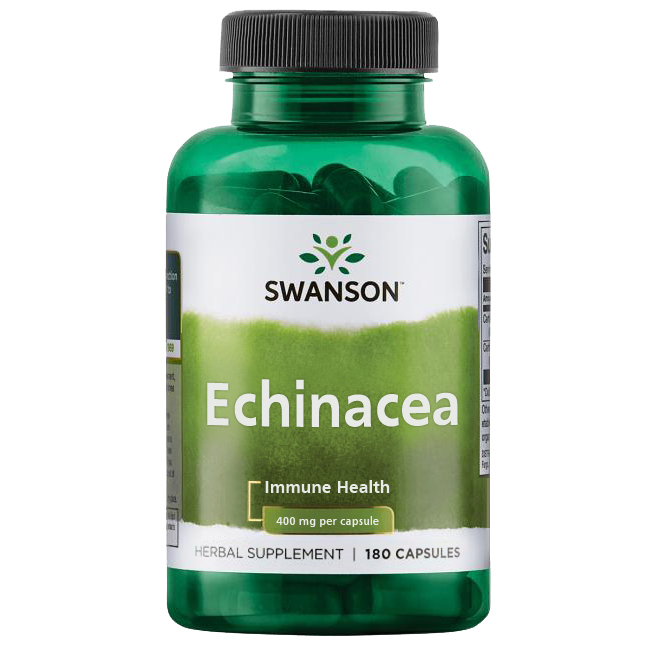
Echinacea and cancer
What is Echinacea
Echinacea, also known as purple coneflower, is a genus of nine different herbaceous flowering plants in the daisy family (Asteraceae). Three species are primarily used medicinally: Echinacea purpurea, Echinacea angustifolia, and Echinacea pallida. These plants are native to North America, where they have traditionally been used for centuries by various Native American tribes to treat a wide range of ailments.
History
Historically, echinacea was used to heal wounds, treat infections, relieve pain and fever, and for snake bites and insect stings. In the 19th century, echinacea was introduced to Western medicine and gained popularity as a remedy for colds and flu. Although the use of echinacea in conventional medicine declined with the advent of antibiotics, interest in the plant’s medicinal properties has experienced a renaissance in recent decades, especially within complementary and alternative medicine.
Mechanisms of action
Echinacea’s mechanisms of action are complex and involve a number of bioactive substances that interact with various biological systems in the body. The primary active components in echinacea include:
Alkaloids
These nitrogenous organic compounds have been shown to have immunomodulatory effects [4].
Polysaccharides
Long chains of sugar molecules that can stimulate the immune system by increasing the production of white blood cells and activating macrophages (a type of immune cell that “eats” foreign particles and cellular debris). Specific polysaccharides in echinacea, such as arabinogalactan, have shown significant immunostimulating activity [1, 3].
Glycoproteins
Proteins with attached sugar molecules that also contribute to immunomodulation.
Flavonoids
A group of polyphenolic antioxidants that protect cells from damage caused by free radicals and have anti-inflammatory properties. Flavonoids such as quercetin, kaempferol, and isorhamnetin are found in echinacea.
Phenolic acids
Includes cichoric acid, echinacoside, and caffeic acid, which have antioxidant and anti-inflammatory effects. Echinacoside has also been shown to have antibacterial and antiviral properties in vitro [5].
Fatty acids
Certain fatty acids in echinacea may also contribute to the biological effects.
Mechanisms of action in cancer
The primary mechanisms of action relevant to potential use as a supplementary treatment in cancer include:
Immunomodulation
Echinacea is best known for its ability to influence the immune system. The plant’s bioactive components can interact with various immune cells and signaling molecules:
Stimulation of phagocytosis
Polysaccharides and alkaloids in echinacea can increase the activity of phagocytes (immune cells that ingest and break down microorganisms and damaged cells), including macrophages and neutrophils. This can improve the body’s ability to fight infections and potentially contribute to the clearing of cancer cells.
Increased production of cytokines
Echinacea can promote the release of various cytokines (signaling proteins that regulate the immune response), such as tumor necrosis factor-alpha (TNF-α), interleukins (e.g., IL-1, IL-6), and interferon-gamma (IFN-γ). These cytokines play central roles in inflammation, cell killing, and activation of other immune cells, including natural killer cells (NK cells) and cytotoxic T lymphocytes (CTLs).
Activation of natural killer cells (NK cells)
NK cells are a type of lymphocyte crucial for the innate immune system and have the ability to kill virus-infected cells and cancer cells without prior sensitization. Research in vitro and in vivo has suggested that certain extracts of echinacea can increase the activity and number of NK cells.
Influence on T-cell function
Some studies suggest that echinacea can modulate the activity of T lymphocytes, including both helper T cells (CD4+ T cells) and cytotoxic T cells (CD8+ T cells), which are important for recognizing and killing cancer cells.
Anti-inflammatory properties
Chronic inflammation plays a role in the development and progression of many cancers. Echinacea’s content of flavonoids, phenolic acids, and other bioactive substances contributes to its anti-inflammatory effects through several mechanisms:
Inhibition of pro-inflammatory enzymes
Certain components in echinacea can inhibit the activity of enzymes such as cyclooxygenase-2 (COX-2) and 5-lipoxygenase (5-LOX), which are involved in the production of pro-inflammatory prostaglandins and leukotrienes.
Reduction of cytokine production
Echinacea can inhibit the production of pro-inflammatory cytokines like TNF-α and IL-6, which can contribute to dampening systemic inflammation.
Antioxidant effect
The many antioxidants in echinacea help neutralize free radicals that can cause oxidative stress and contribute to inflammation and cell damage.
Other potential mechanisms of action
Beyond immunomodulation and anti-inflammatory effects, research has suggested other potential mechanisms relevant in a cancer context:
Antioxidant activity
Echinacea is rich in antioxidants that can protect cells from DNA damage and other forms of oxidative stress that can contribute to cancer development and progression.
Inhibition of angiogenesis (formation of new blood vessels)
Some in vitro studies have suggested that certain extracts of echinacea can inhibit the formation of new blood vessels, which are essential for the growth and spread of tumors.
Induction of apoptosis (programmed cell death) in cancer cells
Preliminary in vitro studies have shown that certain components in echinacea can induce apoptosis in various types of cancer cells [5].
Influence on cell cycle
There are signs that echinacea can affect cell cycle regulation in cancer cells and potentially inhibit their growth and spread.
Potential as a supplementary treatment in cancer
Based on the aforementioned mechanisms, there is increasing interest in echinacea’s potential as a supplementary treatment for people living with cancer. It is important to emphasize that echinacea is not considered a replacement for other cancer treatments (such as surgery, chemotherapy, radiotherapy, immunotherapy, and targeted therapy), but it can potentially play a supportive role in several ways:
Support for the immune system during cancer treatment
Many forms of conventional cancer treatment, especially chemotherapy and radiotherapy, can have a negative impact on the immune system and increase the risk of infections. Echinacea’s immunomodulating properties can potentially help strengthen the immune system during and after these treatments, which may reduce the risk of infections and improve general well-being. By stimulating the production and activity of various immune cells, echinacea can contribute to a more robust immune response.
Reduction of inflammation
Chronic inflammation can promote cancer growth and metastasis (spread of cancer to other parts of the body) and contribute to various symptoms and side effects associated with cancer and its treatment. Echinacea’s anti-inflammatory properties can potentially help reduce inflammation in the body and thereby contribute to inhibiting cancer progression and alleviating certain symptoms.
Antioxidant protection
Cancer and some cancer treatments can lead to increased oxidative stress, which can damage cells and DNA. Echinacea’s antioxidant content can help neutralize free radicals and protect cells from oxidative damage. This can potentially contribute to reducing treatment side effects and improving general health status.
Improvement of quality of life
Some people with cancer experience fatigue, pain, and other ailments that can affect their quality of life. Although more research is needed, some preliminary studies suggest that echinacea may have energizing effects and potentially contribute to pain relief due to its anti-inflammatory properties. An improvement in immune function and reduction of inflammation can also indirectly contribute to a better quality of life.
Synergistic effects with conventional treatment
There is also a possibility that echinacea in combination with certain conventional cancer treatments may have synergistic effects and potentially improve treatment outcomes [7]. Research in vitro and in vivo is needed to investigate these possibilities further. It is crucial that any combination of echinacea and conventional treatment occurs in consultation with a qualified practitioner to optimize safety and avoid potential interactions.
See also Dietary supplements and chemo
Advantages of Echinacea
Echinacea offers several potential benefits as a supplementary treatment in cancer, in addition to the fundamental mechanisms of action:
- Potential support against infections: Cancer patients are often more susceptible to infections due to their weakened immune system. Echinacea’s ability to strengthen the immune response can help prevent and treat infections, which is crucial for maintaining their health and ability to complete their cancer treatment.
- Broad-spectrum immune support: Echinacea affects multiple aspects of the immune system, including both innate and adaptive immune responses. This broad spectrum of immunomodulating activities can be particularly beneficial for cancer patients whose immune systems are often compromised.
- Relatively good safety profile: When echinacea is used correctly and in recommended doses, it generally has a good safety profile for most people [6]. This makes it an attractive supplement for those seeking natural ways to support their health during cancer treatment.
- Availability and various administration forms: Echinacea is widely available in various forms, including capsules, tablets, tinctures, and tea. This allows for flexibility in dosage and administration, so it can be adapted to the individual’s preferences and needs.
- Traditional use and research: Echinacea’s long history of traditional medicinal use and the growing body of scientific research supporting its biological activities provide a solid foundation for its potential therapeutic applications.
- Potential to reduce fatigue: Cancer-related fatigue is a common and debilitating side effect. Although more research is needed specifically in this area, echinacea’s immune-boosting and anti-inflammatory effects may indirectly contribute to reducing fatigue in some individuals.
Disadvantages and limitations
Although echinacea has many potential benefits, there are also certain disadvantages and limitations to consider:
Clinical studies
Varying results: Results from clinical studies investigating echinacea’s effect on infections (primarily colds) have been mixed. This may be due to differences in the species used, parts of the plant, extraction methods, dosages, and study designs.
There are relatively few clinical studies specifically investigating echinacea’s role as a supplementary treatment for cancer in humans, and existing studies are often small and have methodological limitations. There is therefore a need for more extensive and well-designed clinical trials to establish echinacea’s true potential in this context.
Safety
- Allergic reactions: Echinacea belongs to the daisy family, and people with a known allergy to plants in this family (e.g., ragweed, chrysanthemums, marigolds) may also be allergic to echinacea. Allergic reactions can range from mild skin rashes to rare cases of anaphylaxis.
- Autoimmune diseases: There is a theoretical concern that echinacea’s immunostimulating effect could worsen symptoms in people with autoimmune diseases (where the immune system attacks the body’s own cells), such as lupus, rheumatoid arthritis, and multiple sclerosis. Individuals with autoimmune diseases should consult a qualified practitioner before using echinacea.
- Interactions with medication: Echinacea can potentially interact with certain drugs. For example, it may affect the metabolism of certain medications in the liver via the cytochrome P450 enzyme system. This could potentially lead to either increased or decreased levels of these drugs in the body. It is especially important to be cautious when used simultaneously with immunosuppressants, certain chemotherapeutic agents, and drugs metabolized by CYP1A2, CYP2D6, and CYP3A4 enzymes. It is crucial to inform your practitioner about all use of dietary supplements, including echinacea, to avoid potential interactions.
- Quality and standardization: The quality and concentration of active substances in echinacea products can vary significantly. It is therefore important to choose products from reliable manufacturers that ideally have third-party certification for quality and purity.
- Recommended usage period: Some experts do not recommend long-term continuous use of echinacea, as there is concern that it may lose its effectiveness over time or potentially have negative effects on the immune system. Most studies have examined the effect over shorter periods (e.g., weeks to months).
Dispensing and application
Form
Echinacea can be found in various forms, including:
- Powders: Can be added to smoothies or food.
- Capsules: A convenient way to take a standardized dose.
- Tinctures: Liquid extracts that can be taken directly or mixed with water.
- Tea: Brewed from dried flowers, leaves, or root.
Dosage
The optimal dose of echinacea can vary depending on the species, the plant part used, the form of the product, and the individual’s needs. There is no universally recommended dose for echinacea in connection with cancer. It is important to follow the dosage instructions on the product or consult a qualified practitioner for individual guidance.
Method of administration
Liquid extracts can be taken directly or mixed with water or juice. Capsules and tablets are swallowed whole with liquid. Tea is brewed by pouring hot water over the dried herb and letting it steep.
Timing of intake
The timing of intake may depend on the purpose of use. If used to support the immune system during cancer treatment, it may be relevant to take it regularly during periods of increased infection risk. Always follow the recommendations of a qualified practitioner.
- Combination with other supplements: If you are considering combining echinacea with other supplements, you should discuss this with your practitioner to ensure there are no unwanted interactions.
Conclusion
Echinacea is a medicinal plant with a long history of traditional use and a growing scientific basis suggesting potential immunomodulating, anti-inflammatory, and antioxidant properties. Although research into its role as a supplementary treatment in cancer is still in the early stages and primarily based on in vitro and in vivo studies, existing results indicate that echinacea could potentially offer immune support, help reduce inflammation and oxidative stress, and potentially improve the quality of life for people living with cancer. However, it is crucial to emphasize that echinacea is not a substitute for conventional cancer treatment.
Back to Dietary supplements
Links
[1] Synthetic and plant-derived multivalent galactans as modulators of cancer-associated galectins-3 and -9 (PubMed, 2025)
- Content: A study (randomized) regarding plant-derived galactans as modulators in cancer.
[2] The relationship between phytoestrogen-rich supplements and breast cancer: A multicenter case-control study in Saudi Arabia (PubMed, 2024)
- Content: An article examining the relationship between phytoestrogen-rich supplements and breast cancer.
[3] Echinacea purpurea polysaccharide intervene in hepatocellular carcinoma via modulation of gut microbiota to inhibit TLR4/NF-κB pathway (PubMed, 2024)
- Content: A study showing how polysaccharides from Echinacea purpurea intervene in liver cancer via the gut microbiota.
[4] Immunomodulatory Effect of Phytoactive Compounds on Human Health: A Narrative Review Integrated with Bioinformatics Approach (PubMed, 2024)
- Content: A review of the immunomodulatory effect of phytoactive compounds on human health.
[5] Exploration of the Effect and Potential Mechanism of Echinacoside Against Endometrial Cancer Based on Network Pharmacology and in vitro Experimental Verification (PubMed, 2022)
- Content: An article exploring the potential mechanism of echinacoside against endometrial cancer.
[6] Echinacea (Purpursolhat) (General) (Sundhed.dk, 2025)
- Content: A general overview of Echinacea from a public health portal.
[7] Echinacea at its best (Sund Forskning, 2022)
- Content: An article describing the best use and synergistic potential of Echinacea.
Page created: Apr 6, 2025
❤
What you read on Jeg har Kræft is not a recommendation. Seek competent guidance.
