


Treatments
Complementary and Alternative Treatments
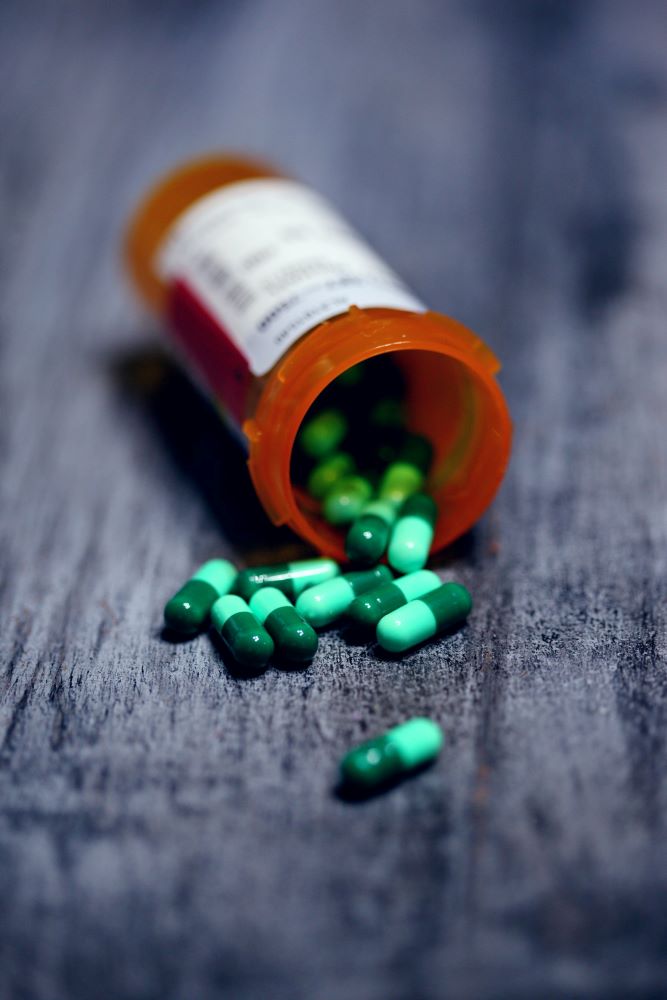
Repurposed drugs (reused medication)
What are repurposed drugs?
Repurposed drugs, or reused medications, are existing drugs originally developed to treat one disease but that have proven effective against other diseases, including cancer. They typically have minimal side effects compared to conventional medicine.
Why use repurposed drugs?
There are several good reasons to use repurposed drugs. First, developing entirely new drugs is often much more expensive and time-consuming. By reusing existing medications, both time and money can be saved. Second, these drugs have already been tested on humans, so we know more about their safety profiles.
How do we know repurposed drugs are safe?
A repurposed drug is already approved for treating another condition. Complementary (alternative) practitioners often use these before authorities approve them for cancer treatment. This is based on scientific articles showing positive results. (See below).
What is the COC Protocol?
The COC protocol is a treatment that combines four drugs believed to have a positive effect on cancer cells. The idea is that these drugs together make it harder for cancer cells to grow and spread, as they block so-called pathways. (This phenomenon is described elsewhere on the site.) The COC protocol is a new and seemingly effective way to combine known medications to combat cancer. Read more below.
Repurposed Drugs for Cancer
What are repurposed drugs?
Repurposed drugs refers to existing medications that are reused to treat diseases other than those they were originally developed for. This means that a drug approved for one condition is investigated for its effect on another – for example, when medicine for arthritis or infections proves to have an effect on cancer cells.
Off-label medicine
When a doctor uses repurposed drugs in a treatment, it is often referred to as off-label use. This means the medicine is prescribed for a purpose or a disease for which it has not yet been officially approved by the drug authorities.
Adjuvant treatment
In cancer treatment, repurposed drugs are often used as adjuvant (supplementary) treatment. Here, the medicine is given alongside the primary treatment, such as chemotherapy or radiation, to enhance the effect or reduce the risk of relapse.
Known side effects
The advantage of repurposing is that these drugs have already been thoroughly tested. Their side effect profile is known in depth, and they are often far less taxing on the body than traditional chemotherapy and radiation therapy. This can shorten development time and make it possible to offer supplementary treatment with fewer severe side effects.
Examples include the use of medication for type 2 diabetes or cholesterol-lowering agents, which in certain studies have shown potential in connection with cancer treatment. Repurposed drugs are an exciting area in cancer research, as they allow for the use of well-known medications to attack cancer in new ways.
The repurposing of existing medicine represents an important opportunity to improve patients’ prognosis by building on substances whose safety and tolerability have already been established – and whose side effects are often quite modest.
Faster and cheaper development
Since the drug is already approved and tested, the approval process for cancer treatment can be significantly faster and cheaper compared to developing entirely new drugs. However, some doctors choose to use these off-label preparations at the present time.
Increased accessibility
Many off-label medications are generic (i.e., available in equivalent but cheaper products than the originals), making them more accessible and affordable for patients compared to new cancer drugs.
New treatment options
Off-label medications can offer new treatment options for cancer, including for cancer types that are currently difficult or impossible to treat effectively with existing methods.
Remarkable outcomes
There are now numerous accounts of remarkably positive effects, even in severe cases of cancer.
In addition, many use off-label products alongside traditional treatment or allow repurposed drugs to replace the treatment offered by the established system. (I myself have chosen the latter—though I did accept surgery.)
Grouping by effect
For clarity, the repurposed drugs described here are divided into groups based on their original and best-known purposes. This underscores the point of “repurposing” — that one takes a known medication and uses it in a new way.
1. Painkillers and anti-inflammatory drugs
- Medications most people know for pain, arthritis, and inflammation.
Aspirin (low-dose acetylsalicylic acid)
This common pain reliever, often used to prevent blood clots, has been shown to reduce the risk of certain cancers. It inhibits platelet aggregation and can have anti-inflammatory effects.
Celecoxib
Celecoxib is a so-called COX-2 inhibitor, primarily used to treat pain and inflammation in arthritis. Its potential in cancer treatment is due to its ability to inhibit the COX-2 enzyme, which is often overactive in tumors and plays a role in inflammation, cell growth, and the formation of new blood vessels (angiogenesis).
NSAID’er (non-steroidal anti-inflammatory drugs)
Such as ibuprofen and naproxen, are being studied for their potential to prevent certain cancers. They inhibit inflammation and can inhibit the growth of cancer cells by blocking the COX enzyme.
2. Heart and circulatory medications
- Medications originally used to regulate blood pressure, cholesterol, or blood clotting.
Dipyradamole
Dipyridamole is a medication used to prevent strokes in people who have previously had one. It works by dilating blood vessels and increasing blood flow to the brain.
Propranolol
Propranolol is a beta-blocker used to treat a range of conditions, including high blood pressure, heart arrhythmias, angina, and migraines. It works by blocking the effects of adrenaline and noradrenaline on beta receptors in the heart and blood vessels. It has now also been shown to influence tumor growth and angiogenesis.
Statins
Statins are medications that lower cholesterol levels by inhibiting the body’s own production. They are used to prevent cardiovascular disease in people at risk. They have also been shown to inhibit the growth of cancer cells.
3. Antibiotics and antiparasitic agents
- Medications developed to combat infections caused by bacteria or parasites such as worms.
Doxycycline
Doxycycline is a broad-spectrum antibiotic used to treat a range of bacterial infections. It has shown interesting potential when combined with other off-label drugs in cancer treatment. It may have immunomodulatory effects and inhibit the growth of certain cancer cells.
Fenbendazole
Fenbendazole is a broad-spectrum dewormer used to treat parasitic infections in both animals and humans. It works by disrupting the parasites’ metabolism, killing them.
Niclosamide
Niclosamide is a drug that has been used for decades to treat tapeworm infections. Its potential against cancer lies in a unique dual mechanism of action: it uncouples energy production in the cancer cells’ powerhouses (mitochondria) and simultaneously blocks several key signaling pathways (including Wnt and STAT3), which are crucial for cancer cell growth and survival.
Plaquenil (hydroxychloroquine)
Plaquenil (hydroxychloroquine) is primarily used to treat chronic rheumatoid arthritis and certain connective tissue diseases, including lupus. It can also be used to prevent malaria.
By dampening certain parts of the immune system, it may potentially reduce inflammation and autoimmune reactions, which can be harmful to cancer patients. It has also been shown to have immunomodulatory properties.
Ivermectin (Stromectol)
Ivermectin (Stromectol) is primarily used to treat parasitic infections in humans and animals, including scabies and river blindness.
In cancer treatment, it is used to target cancer stem cells and block the signaling pathways that drive tumor growth.
It has also been shown to overcome resistance to other medications and make the tumor visible to the immune system.
See also Ivermectin’s immunotoxic effect
See also Mebendazole inhibits cancer spread
Vermox (Mebendazole)
Vermox is a dewormer used to treat infections caused by various types of intestinal worms, including pinworm, roundworm, whipworm, and hookworm. Its mode of action is similar to fenbendazole, which it is closely related to. In addition to its use against parasites, it is now also being studied for potential effects against cancer. Initial results are promising.
See also Mebendazole inhibits cancer spread
4. Diabetes medications
- Medications used to regulate blood sugar.
Metformin
A medication used to treat type 2 diabetes, it has been shown to have anticancer properties and is now being studied in cancer treatment. Metformin can inhibit the growth of cancer cells and reduce insulin resistance.
5. Agents affecting hormones and signaling substances
- A group of drugs that interact with the body’s own signaling pathways.
LDN (Low-Dose Naltrexone)
LDN, or Low-Dose Naltrexone, is a medication originally approved for addiction treatment. In low doses, it has long been used as a pain reliever. LDN modulates opioid receptors and can stimulate the immune system. It is now being studied for its potential effect against cancer. Preliminary studies have shown promising results.
Melatonin
Melatonin is a natural hormone produced in the brain and often referred to as the “sleep hormone.” It helps regulate the body’s circadian rhythm and sleep cycle. Melatonin levels rise in the evening and fall in the morning. Melatonin has both anti-inflammatory and immunomodulatory properties.
6. Other medications
- A catch-all category for drugs with very specific original purposes.
Desloratadine, Mildin (and other allergy medications)
Desloratadine is an over-the-counter allergy medication. It contains an antihistamine (loratadine) and is used to relieve symptoms of allergic reactions, especially hay fever and hives. Desloratadine works by blocking the effects of histamine, a substance released in the body during an allergic reaction.
Disulfiram (Antabuse)
Originally known as a treatment for alcoholism, disulfiram is now being studied for its potential to target cancer cells. By disrupting cancer cells’ ability to dispose of waste, disulfiram may kill cancer cells and improve survival in patients with certain cancers.
Methylene blue
Methylene blue is one of the world’s oldest synthetic drugs, originally used as a dye and later to treat malaria and a rare blood disorder. Its anticancer potential is tied to two main mechanisms: it can disrupt cancer cells’ energy metabolism in the mitochondria and is used as a light-activated agent in photodynamic therapy (PDT) to selectively kill cancer cells.
COC-Protocol
An alternative cancer treatment that combines four common medications. When used together, these have been shown to inhibit cancer cell metabolism and thus combat cancer.
Research
Repurposed drugs, also known as drug repurposing, is an exciting and promising research field within cancer treatment. It involves finding new uses for already approved drugs. Instead of developing entirely new substances, researchers investigate whether existing medications used for other diseases—including cancer—can be effective. Although this research is far less enthusiastic than research into new, patentable drugs, there are still some doctors who are interested in the field.
Why repurposing?
Time and costs
Developing new drugs is a long and expensive process. By reusing already approved medications, both time and money can be saved.
Safety profile
Since the drugs are already approved for other uses, there is already a body of knowledge about their safety profiles. This can shorten the time it takes to bring a new drug to market.
Broader scope of application
Many diseases, including cancer, have complex causes. By combining drugs with different mechanisms of action, a more effective treatment can be achieved.
How it works
Identification of potential candidates
Researchers use large databases and computer models to identify existing drugs that may have an effect on cancer cells.
Laboratory testing
The selected drugs are tested in vitro (in the laboratory) on cancer cells to see if they inhibit cell growth or induce cell death.
Animal testing
If a drug shows promising results in the laboratory, it is tested on animal models to investigate its efficacy and safety profile.
Clinical studies
Finally, clinical studies are conducted on humans to confirm the drug’s effectiveness and safety.
Hope for help
In addition to official research, many people hear through networks about remarkable effects of known medications (and/or dietary supplements) and receive help testing them through holistic doctors—or their own general practitioner. The many positive results create fertile ground for even more people to gain access to repurposed drugs.
This is especially true for some who have been abandoned by the established system and, therefore, have little to lose.
It is not uncommon to hear reports—some of which I consider almost miraculous in their effect. This contributes both to quality time for those with positive experiences and to hope for a better and longer future for many others. For a cancer patient, well-founded hope has a special value. ❤
Blocking pathways
Here is a chart for blocking pathways, a concept worked on by Jane McLelland and others to prevent nutrients from reaching cancer. The chart shown here is for glioblastoma, developed by Ulrik Hedrich Munk. The mechanism of action for each repurposed drug and supplement can be seen below the individual entries. See the chart.
Challenges and future perspectives
While drug repurposing is a promising field, there are also challenges. For example, a drug that works well against one type of cancer may be less effective against another. Additionally, unexpected side effects can occur when a drug is used for a new indication.
Despite these challenges, there is great optimism about the potential of repurposed drugs. Research in this area continues to develop, and new and exciting results are constantly emerging. Drug repurposing could revolutionize cancer treatment and provide patients with new and more effective treatment options.
Conclusion
It should be noted that repurposed drugs as cancer treatment are not a miracle cure (just as nothing else is either). There is still a need for more research to understand their effectiveness, side effects, and long-term effects in cancer treatment (and we will likely have to wait a long time for this, as there is no financial incentive to research drugs that can no longer be patented).
At the same time, it must be acknowledged that many seemingly miraculous experiences have been reported with combinations of this type of medication—often combined with dietary supplements and dietary changes.
Interaction
As mentioned above, certain medications can interact with each other as well as with dietary supplements. This means that unintended effects can occur when these are combined.
If you are unsure, you can check here:
- Find Drugs & Conditions (Drugs.com)
- Interaktionsdatabasen (Lægemiddelstyrelsen. Danish Medicines Agency)
Se også Repurposed drugs and chemotherapy
Se også Mebendazole inhibits cancer spread
Se også Ivermectin’s immunotoxic effect
Se også Cancer as a metabolic disorder
Se også Cancer treatment based on the mitochondrial stem cell connection
Se også Holistic doctors – Overview
Se også The parasite’s path to cancer
Se også Liver and kidney values
Se også The decision
Se også No medication – Plan B
Links
Video: Turbo cancers and repurposed drugs, Dr. Makis, Dr. John Campbell (YouTube, 2025) (Danish Language)
Drug repurposing for cancer therapy (Signal Transduction and Targeted Therapy) (Danish Language)
Interactions (search for medications) (Interaktionsdatabasen, Danish Medicines Agency) (Danish Language)
Cell metabolism (Center for Cancer Research, Instagram) (Danish Language)
How to starve cancer (Jane McLelland hjemmeside)
Video:
Joe Tippens Cancer Fenbendazole Q&A Session April 16th 2025 (YouTube, 2025)
Drug repurposing for cancer therapy (Signal Transduction and Targeted Therapy)
Trials (Anticancer Fund)
Repurposing drugs for rare diseases, cancer and beyond (Elsevier)
Why won’t doctors help the ‘terminally ill’? (Danish Health Policy Journal) (Danish Language)
Fookid(COC protocol) (Danish Language)
Thistles (Repurposed drugs) (Danish Language)
Repurposing approved drugs for cancer therapy (PubMed)
Book: Surviving Cancer, COVID-19, and Disease: The Repurposed Drug Revolution (Af Justus Robert Hope)
Repurposing approved drugs for cancer therapy (PubMed)
Page created: June 30, 2024, last updated July 25, 2025
❤
What you read on I Have Cancer is not a recommendation. Seek competent guidance.
