


Bromelain as supplementary cancer treatment
What is bromelain
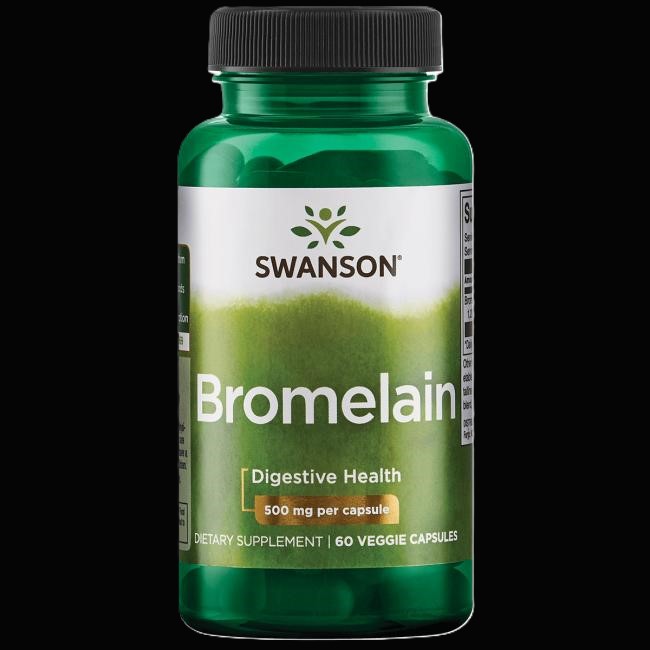
Bromelain is an enzyme complex extracted from pineapple, especially from the fruit and the stem [2]. It is known for its anti-inflammatory and proteolytic (protein-digesting) properties, meaning it helps break down proteins. Bromelain is often used as a dietary supplement to alleviate pain and swelling from injuries, surgery, or inflammatory conditions like arthritis. It is also believed to aid digestion and may have a beneficial effect on the immune system [2, 4].
The primary substance in pineapple that has attracted attention in cancer research is bromelain. This enzyme has shown some interesting properties that may have potential in the fight against cancer [5].
How bromelain works
Anti-inflammatory effect: Chronic inflammation is closely linked to the development and progression of many types of cancer. Bromelain has strong anti-inflammatory properties that can help reduce this inflammation [2, 5].
The immune system: Bromelain can stimulate the immune system, making the body better equipped to fight cancer cells [5].
Inhibition of tumor growth: Some studies suggest that bromelain can inhibit the growth of certain types of cancer cells by affecting their ability to divide [4, 5].
Apoptosis: Similar to capsaicin in cayenne pepper, bromelain can induce apoptosis or programmed cell death in cancer cells [1, 5].
Why the focus on pineapple
Few or no side effects: Bromelain is generally well-tolerated and has no—or at least fewer—side effects than chemotherapy drugs [2, 4].
Natural source: Pineapple is an easily accessible food, and bromelain is a naturally occurring enzyme. This makes it an attractive alternative for many seeking natural treatments.
The mechanisms
Molecular changes Bromelain can affect various molecular processes in cancer cells, including signaling pathways and gene expression [5]. (Gene expression is the process by which a gene becomes active and produces a protein). This can lead to the inhibition of tumor growth and increased sensitivity to other cancer treatments [1].
Synergistic effects There are signs that bromelain can act synergistically with other cancer treatments, meaning that the two treatments can enhance each other’s effect [1].
Synergistiske effekter
Der er tegn på, at bromelain kan virke synergistisk med andre kræftbehandlinger, hvilket betyder, at de to behandlinger kan forstærke hinandens effekt.
What the research says
While there are promising results from laboratory experiments and animal models, more research in humans is still needed to confirm bromelain’s potential as an effective cancer treatment [4, 5]. Several clinical trials are underway, and the expected results will provide a clearer picture of bromelain’s role in cancer care.
Note: Pineapple or bromelain supplements should never be used as the sole treatment for cancer. It can be a supplement to other relevant treatments. The effect of bromelain can vary from person to person, and it is important to be aware of any potential side effects.
Specific mechanisms of bromelain in cancer treatment
1. Inhibition of tumor growth
Inhibition of cell cycle: Bromelain can stop cancer cells from dividing by interfering with the cell cycle. This prevents the tumor from growing and spreading [5].
Angiogenesis inhibition: Bromelain can prevent the formation of new blood vessels that cancer tumors need to grow. By limiting the blood supply to the tumor, bromelain can inhibit its growth [4].
Cell death (Apoptosis): Bromelain can induce apoptosis in cancer cells. It does this by affecting certain proteins involved in the cancer cell’s death mechanisms [1, 5].
2. Modulation of the immune system
Reduced inflammation: As previously mentioned, bromelain has strong anti-inflammatory properties. Chronic inflammation can promote cancer growth, so by reducing inflammation, bromelain can help fight cancer [5].
Increased immune response: Bromelain can stimulate the immune system to attack cancer cells more effectively. It does this by increasing the activity of certain immune cells, such as natural killer (NK) cells and macrophages [2, 5].
3. Interaction with other molecules
Growth factors: Bromelain can affect the activity of various growth factors involved in cell growth and proliferation [4].
Matrix metalloproteinases (MMPs): Bromelain can inhibit the activity of MMPs, which are enzymes that break down proteins in the extracellular matrix [5]. MMPs play an important role in the invasion and metastasis (spreading) of cancer cells.
4. Synergistic effects
Combination with radiation therapy: Some studies suggest that bromelain can increase the sensitivity of cancer cells to radiation therapy.
Combination with chemotherapy: Bromelain can potentially increase the effectiveness of chemotherapy by making cancer cells more sensitive to chemotherapeutic agents [1].
Note
Although we have a good understanding of some of the mechanisms by which bromelain works, there is still much we do not know. Cancer is a complex disease, and the interaction between bromelain and cancer cells is likely much more complicated than we currently understand. Furthermore, be aware that the effect of bromelain can vary from person to person, depending on factors such as cancer type, stage, and individual genetic variations.
Conclusion
Bromelain has great potential as a supplement to conventional cancer treatment. By inhibiting tumor growth, modulating the immune system, and interacting with various molecules, bromelain can contribute to the fight against cancer. However, it is important to emphasize that bromelain is not a miracle cure, and that further research is needed to fully understand its mechanisms and potential.
Back to Supplements
Links
[1] Anti-Cancer Effect of Bromelain and Its Combination with Cisplatin on HN5 Cell Line (PubMed, 2022)
- Content: A non-randomized laboratory study investigating the synergistic effect of bromelain and cisplatin in head and neck cancer cells.
[2] Beneficial Properties of Bromelain (PubMed, 2021)
- Content: A review article summarizing the diverse therapeutic benefits and biological properties of bromelain.
[3] ACE2-Inhibitory Effects of Bromelain and Ficin in Colon Cancer Cells (PubMed, 2023)
- Content: A non-randomized study exploring how bromelain inhibits specific receptors in colon cancer cells.
[4] Bromelain’s activity and potential as an anti-cancer agent: Current evidence and perspectives (PubMed, 2010)
- Content: A review discussing the potential of bromelain as an anti-cancer agent based on evidence available up to 2010.
[5] Anticancer properties of bromelain: State-of-the-art and recent trends (PubMed, 2023)
- Content: A comprehensive 2023 review of the anticancer mechanisms and therapeutic trends of bromelain.
Page created: Sept. 9, 2024.
❤
What you read on I Have Cancer is not a recommendation. Seek competent guidance.
