


Diagnosis – cancer
Summary of cancer diagnosis
The path to diagnosis:
- A cancer diagnosis often begins with experiencing vague symptoms, such as fatigue, or more specific ones such as a lump.
It is crucial to contact a doctor if symptoms persist or are unexplained, as early detection improves the prognosis.
Diagnostic tools:
- To make an accurate diagnosis, doctors use a range of tools. The process starts with a consultation and a physical examination. Imaging such as CT and MRI scans can then show a tumour’s location and size. However, the final diagnosis requires a tissue sample (biopsy).
The result and the next steps:
- Receiving a cancer diagnosis is a life-changing event. It is therefore a good idea to bring a support person to the conversation and, if appropriate, record it so you can remember the information later.
The diagnosis is followed by staging, which describes the extent of the disease and forms the basis for planning further treatment.
Introduction

Being diagnosed with cancer is a complex and often overwhelming experience. The diagnosis itself is the foundation for initiating the right treatment and providing the best possible prognosis. This overview aims to shed light on the different aspects of cancer diagnostics, from the first symptoms to the advanced methods used to make an accurate diagnosis.
See also Responsibility and loss of control
The first signs

The body’s signals can be the first indications that something is wrong. It is important to respond to these signals.
Non-specific symptoms
- In the early stages, many cancers cause symptoms that can be mistaken for other conditions. These may include persistent fatigue, unintentional weight loss, fever or night sweats.
Specific symptoms
- Other cancers can cause more characteristic symptoms. Examples include a lump in the breast (breast cancer), coughing up blood (lung cancer), changes in bowel habits or blood in the stool (bowel cancer) or urine (bladder or kidney cancer), or a mole that changes shape and colour (melanoma).
Listen to your body
- It is crucial to pay attention to your body and see a doctor if you experience symptoms that are persistent, recurring or unexplained.
The diagnostic process
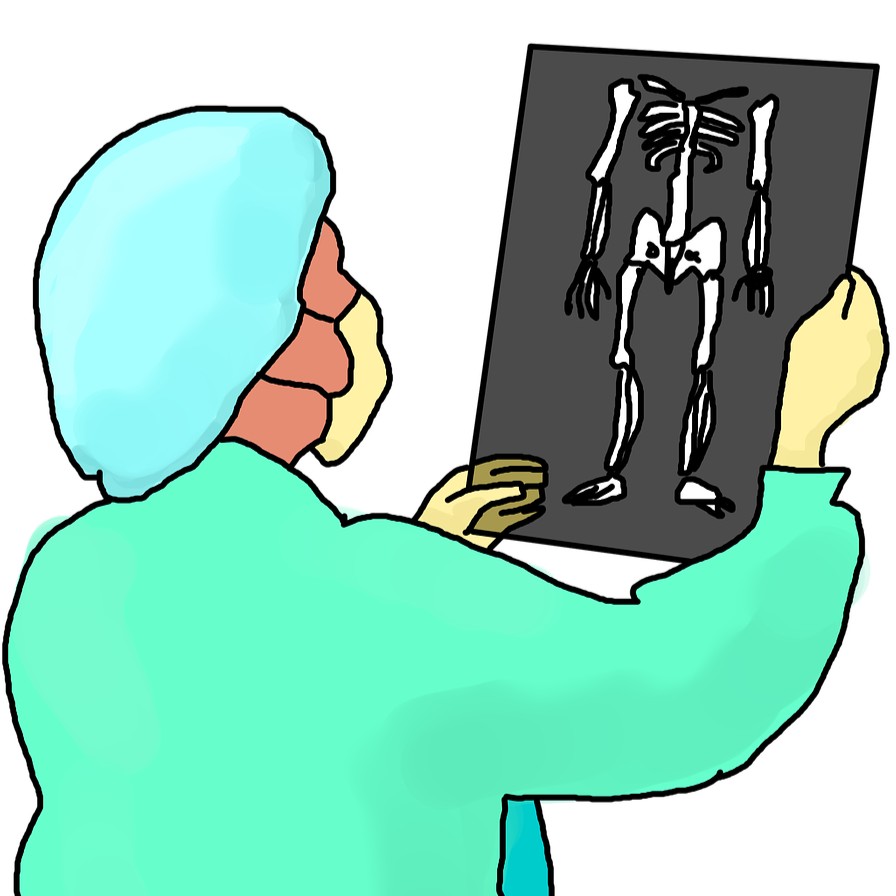
When cancer is suspected, a series of tests is initiated to rule out or confirm the suspicion.
Consultation and initial examination
The process begins with a thorough discussion with the doctor about medical history, symptoms and any risk factors. This is called an anamnesis (medical history). This is followed by a physical examination, during which the doctor checks for swollen lymph nodes, enlarged organs or palpable lumps.
Imaging
Imaging is used to create pictures of the inside of the body to locate and assess a possible tumour.
- X-ray: Often used to examine bones and lungs.
- CT scan: Provides detailed cross-sectional images of the body and is effective for detecting tumours, assessing their size and seeing whether they have spread.
- MRI scan: Uses magnetic fields and radio waves to create highly detailed images, especially of soft tissue such as the brain, muscles and organs. It is useful for assessing a tumour’s precise extent.
- PET scan: A scan that examines cells’ metabolism. Cancer cells usually have a higher metabolism than normal cells and will light up on the scan. Often used in combination with a CT scan (PET/CT) to pinpoint active cancer cells precisely.
- Ultrasound scan: Uses sound waves to create images of organs and soft tissue. Often used to examine organs in the abdomen and to guide the collection of tissue samples.
- Thermography: A method that is not yet common in Denmark but can be performed privately. It measures and visualises heat radiation from the body’s surface. The idea is that areas with inflammation and increased blood flow, which may be associated with cancer growth, appear warmer than surrounding tissue.
Tissue sample (biopsy)
The only method that can determine with certainty whether a lump is malignant is a microscopic examination of tissue from the suspected area. This is called a biopsy and is a standard part of cancer diagnostics.
- Fine-needle biopsy: A thin needle is used to aspirate cells and tissue.
- Core needle biopsy: A slightly thicker needle is used to remove a small cylinder of tissue.
- Surgical biopsy: The entire tumour (excisional biopsy) or part of it (incisional biopsy) is removed during an operation.
Other tests
- Blood tests: Can reveal so-called tumour markers, which are substances that may be elevated in certain cancers. Blood tests also provide a general picture of the body’s condition.
- Endoscopic examinations (endoscopy): Used to examine the body’s hollow organs, e.g. the colon (colonoscopy) or the lungs (bronchoscopy), and tissue samples can be taken along the way.
Cancer staging
Once the diagnosis has been made, the next step is to determine the cancer’s stage. Staging describes the extent of the disease and is crucial for choosing treatment and for the prognosis. The TNM system is most commonly used:
- T (Tumour): Describes the size and extent of the primary tumour.
- N (Nodes): Describes whether the cancer has spread to nearby lymph nodes.
- M (Metastases): Describes whether the cancer has spread to other parts of the body (distant metastases).
Read more about this under Cancer forms
When you get your results

The consultation where you receive the results of the tests can be an intense experience. It may be helpful to prepare.
Bring someone with you
It is a great help to have a relative or friend with you at the consultation—four ears hear better than two.
If the news is serious, it can be difficult to remember what is being said, and a companion can help you remember, ask questions and provide important support afterwards.
Record the consultation
Consider recording the consultation on your phone. It is legal to record a conversation you are participating in.
This allows you to listen again to the doctor’s explanations and the agreements that are made. Remember to store any recording securely in accordance with data protection rules.
Be well prepared
Read much more about your next medical appointment and what it may be appropriate to ask to have clarified here: The decision
Treatment after diagnosis
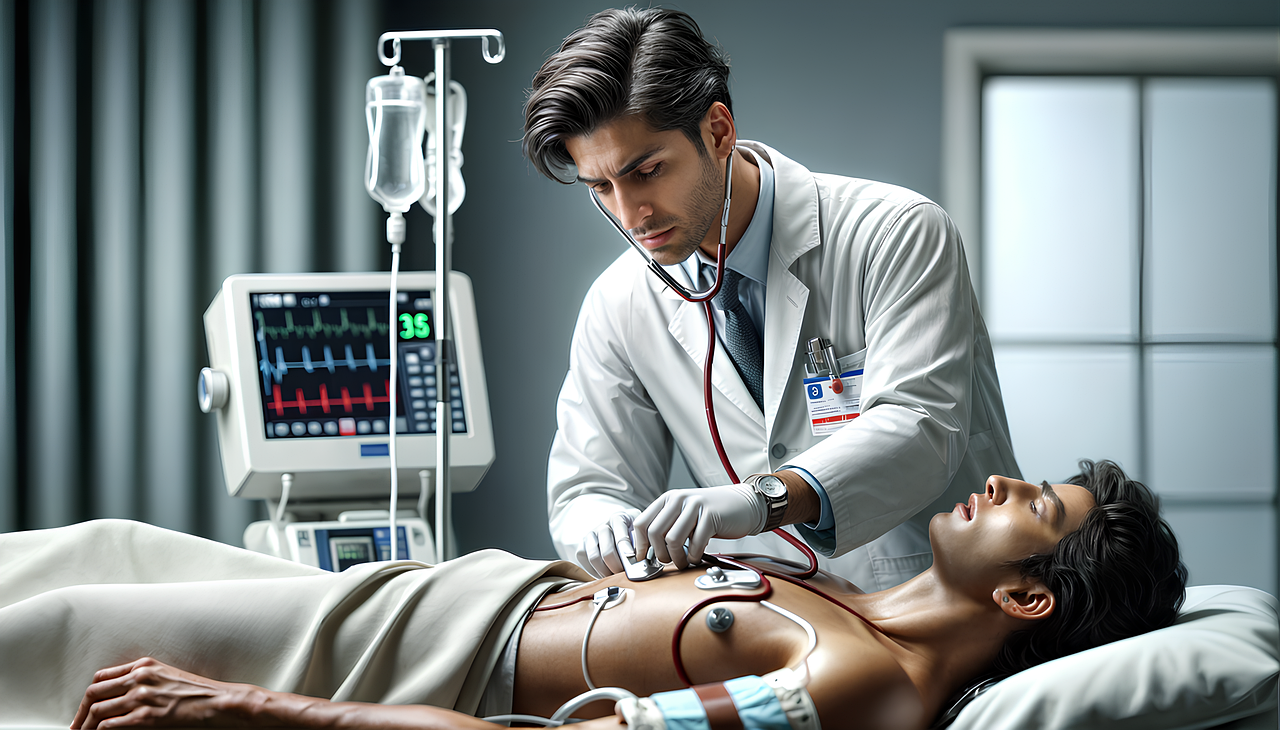
Once a cancer diagnosis has been made and the stage of the disease has been determined, the next step is to draw up a treatment plan. The choice of treatment is a highly individual process that depends on the type of cancer, its location and extent, your general health and your personal wishes.
Often, the conventional treatment pathway you can be offered is decided at a multidisciplinary team conference (MDT), where specialist doctors in surgery, oncology (medical cancer treatment) and radiotherapy jointly assess the best strategy.
Local treatment
Local treatment aims to remove or destroy cancer cells in a specific, limited area of the body.
- Surgery: The aim is to physically remove the tumour through an operation. For many solid tumours that have not spread, surgery alone can be curative.
- Radiotherapy: Uses high-energy radiation to destroy cancer cells and shrink tumours.
In addition to these, there are a number of other highly specialised local treatments. The aim is often to destroy a tumour in a very targeted and gentle way.
Examples include ablation therapy (destroying tumour tissue using, for example, heat or cold), embolisation (blocking the tumour’s blood supply) and advanced radiation techniques such as stereotactic radiotherapy (SBRT ).
Systemic treatment
Systemic treatment is an umbrella term for medicines that circulate throughout the body via the bloodstream to fight cancer. The most common types are:
- Chemotherapy: Medicines designed to kill rapidly dividing cells.
- Immunotherapy: Activates the body’s immune system to recognise and attack cancer cells.
- Targeted cancer therapy: Medicines that target specific molecular characteristics in cancer cells.
- Anti-hormone therapy: Used for hormone-sensitive cancers to block the effects of hormones.
These treatment types are often used in combination to achieve the best result. A detailed treatment plan will be reviewed with you, explaining the purpose, course and possible side effects.
You can find a more in-depth overview of the different methods, including complementary approaches, on the page about Treatments.
Prognosis
The prognosis for cancer depends on many factors, including cancer type, stage, age, general health and the chosen treatment.
Statistics can provide a general picture, but the individual prognosis can vary greatly.
For certain cancers, such as breast cancer, there are online tools such as PREDICT that can provide statistical estimates of prognosis for different treatment choices.
Conclusion
Diagnosing cancer is a thorough process that often involves several specialists and a range of different tests. Early detection and an accurate diagnosis are key to the best possible treatment and prognosis.
If you experience symptoms that cause concern, it is important to see a doctor. Be persistent if you feel unwell without an obvious cause, to ensure a sufficiently thorough assessment. Although it is rare, it unfortunately happens that especially younger people do not receive the correct diagnosis in time.
See also Doctors wouldn’t listen to Sandra – now it’s too late (BT)
See also Tests
See also Biomarkers
See also The decision
Links
Tests for cancer (Danish Cancer Society)
Tests for cancer (Danish Cancer Society)
Information about cancer care pathways (Sundhed.dk)
Cancer care pathways(Danish Health Authority)
What is cancer (Sundhed.dk)
Early diagnosis of cancer (Ugeskrift for Læger)
When I was diagnosed with cancer (Helbredsprofilen)
Page created:
d. 31/08/24, last revised on 28.07.25
❤
What you read on I Have Cancer is not a recommendation. Seek qualified guidance.
