


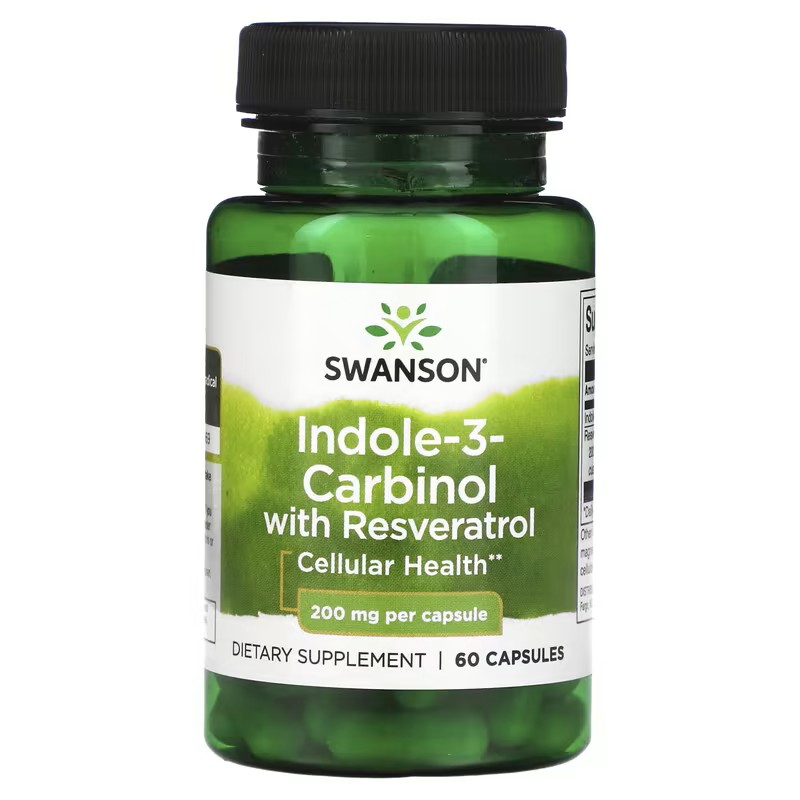
Indole-3-carbinol and cancer
What is Indole-3-carbinol
Indole-3-carbinol (I3C) is a natural compound found in cruciferous vegetables such as broccoli, cabbage, and cauliflower. It is a derivative of the amino acid tryptophan and is formed when these vegetables are broken down during digestion. I3C has been studied for its potential health benefits, especially regarding cancer prevention and hormonal balance. It is believed to regulate estrogen metabolism and promote apoptosis in cancer cells. Due to these properties, I3C has become popular as a dietary supplement and a natural treatment in complementary medicine.
History
Indole-3-carbinol (I3C) has historically been used in traditional medicine, particularly in cultures that have valued cruciferous vegetables for their health benefits. I3C was first identified in the 1970s when researchers began investigating the beneficial effects of components in these vegetables, particularly in relation to hormonal balance and cancer prevention. Traditionally, the consumption of cabbage and broccoli has been associated with lower risks of certain cancers, leading to an increasing interest in I3C as a natural treatment option.
Mechanisms of action
Indole-3-carbinol works through several mechanisms that make it a potent candidate as a supplementary treatment for cancer.
Estrogen metabolism
One of the most significant mechanisms is the regulation of estrogen metabolism. When I3C is ingested, it is converted in the stomach into diindolylmethane (DIM), which helps balance estrogen metabolism. This can reduce the risk of estrogen-related cancers such as breast and prostate cancer.
Apoptosis
I3C can also stimulate apoptosis, a process where cancer cells are programmed to die. This occurs by activating specific signaling pathways related to cell cycle regulation. Additionally, I3C has anti-inflammatory properties that can reduce inflammation in the body, an important factor in many types of cancer.
Angiogenesis inhibitor
Another important mechanism is the inhibition of angiogenesis, which is the formation of new blood vessels. By limiting the blood supply to tumors, I3C can inhibit their growth and spread.
Potential as a supplementary treatment for cancer
Prevention
Indole-3-carbinol’s potential as a supplementary treatment for cancer is significant. Research has shown that I3C can be beneficial in the prevention of certain types of cancer, especially those related to hormonal imbalances. Regular intake of I3C may be associated with a lower risk of breast and prostate cancer.
Supplement to conventional treatment
Furthermore, some studies show that I3C can improve the effectiveness of conventional cancer treatment by increasing the sensitivity of cancer cells to chemotherapy, which can lead to better treatment outcomes. I3C’s ability to modulate multiple signaling pathways involved in cancer cell survival can be an important factor here.
Reducing the risk of metastasis
Moreover, research shows that I3C can protect against metastasis, which is when cancer cells spread to other parts of the body. I3C’s influence on apoptosis and the cell cycle can be crucial in preventing this spread.
Advantages of Indole-3-carbinol
Natural compound
Indole-3-carbinol offers many advantages as a supplementary treatment for cancer. First and foremost, I3C is a natural compound found in commonly available foods, making it easy to include in the diet. It is generally well-tolerated with few reported side effects, making it a safe option.
Anti-inflammatory and antioxidant
Another advantage of I3C is its multifunctional nature. In addition to having cancer-inhibiting effects, I3C also possesses anti-inflammatory and antioxidant properties that can contribute to overall health. This is particularly important during cancer treatment, as the immune system is often weakened.
Strengthens gut flora
Furthermore, I3C can help improve gut flora, which is essential for a well-functioning immune system and thus a better ability to fight diseases.
Disadvantages and limitations
Although Indole-3-carbinol has many advantages, there are also disadvantages. I3C can interact with certain medications, especially those metabolized by the liver. It is important to be aware of potential interactions.
Furthermore, the effect of I3C is dependent on dosage and individual response, meaning that not everyone will experience the same results.
See also Dietary Supplements and Chemo – Interactions
Clinical studies
Several clinical studies have investigated the effect of I3C on cancer treatment. Some studies have shown promising results regarding I3C’s ability to reduce tumor growth and improve response to conventional treatment.
For example, investigations have indicated that I3C can be effective in treating breast and prostate cancer by modulating hormonal signals and promoting apoptosis in cancer cells. Further research is necessary to confirm these results and establish optimal dosages.
Safety
Indole-3-carbinol is generally considered safe for most people when consumed in moderate amounts as part of a diet rich in cruciferous vegetables.
However, side effects can occur, especially at high doses in the form of dietary supplements. These can include stomach upset and headaches. It is therefore a good idea to follow recommended dosages and consult a practitioner before use.
Dispensing and application
Indole-3-carbinol is available in various forms, including:
- Dietary supplements: Available in capsules or tablets, often in concentrated doses.
- Foods: Can be ingested through a diet rich in cruciferous vegetables like broccoli, cabbage, and cauliflower.
- Capsules: A practical way to get a concentrated dose that is easy to take.
- Powder: Can be added to smoothies or other beverages for easy ingestion and dietary variation.
- Diet: Ingestion of cruciferous vegetables like broccoli, cabbage, and cauliflower as part of a healthy diet.
It is recommended to follow the dosage instructions on the product and to include I3C as part of a balanced diet for optimal health.
Foods rich in indole-3-carbinol
- Mustard greens
- Broccoli
- Cauliflower
- Brussels sprouts
- Bok choy
- Kale
- Cabbage
- Pointed cabbage
- Savoy cabbage
- Radishes
Conclusion
Indole-3-carbinol is a promising natural compound with potential as a supplementary treatment for cancer. Its ability to regulate estrogen levels, promote apoptosis, and inhibit tumor growth makes it an interesting option for those wishing to support their treatment with natural means.
Although more research is needed to establish the most effective applications and dosages, existing studies show that I3C can play an important role in cancer prevention and treatment.
Back to Dietary supplements
See also Dietary Supplements and Chemotherapy – Interactions
See also Nutrition and Diet as a Strategy
See also DIM (Diindolylmethane)
Links
[1] Indol-3-carbinol: Egenskaber og fordele (BedreLivsstil, 2022)
- Content: An article describing the properties and health benefits of indole-3-carbinol, including its role as an antioxidant and anti-inflammatory agent.
[2] Unveiling the Multifaceted Pharmacological Actions of Indole-3-Carbinol and Diindolylmethane: A Comprehensive Review (PubMed, 2025)
- Content: A comprehensive review of the pharmacological actions of I3C and DIM, focusing on their multi-targeted effects and therapeutic potential.
[3] Indole-3-carbinol prevented tumor progression and potentiated PD1ab therapy by upregulating PTEN in colorectal cancer (PubMed, 2025)
- Content: A study demonstrating that I3C inhibits colorectal cancer progression and enhances the efficacy of immunotherapy by upregulating the PTEN gene.
[4] Dietary phytochemical indole-3-carbinol regulates metabolic reprogramming in mouse prostate tissue (PubMed, 2025)
- Content: Research showing that I3C regulates metabolic reprogramming in prostate tissue, which may contribute to its chemopreventive effects.
[5] Glucosinolates and Their Hydrolytic Derivatives: Promising Phytochemicals With Anticancer Potential (PubMed, 2025)
- Content: An overview of glucosinolates and derivatives like I3C as promising phytochemicals with anticancer potential.
[6] Indole-3-carbinol and its main derivative 3,3′-diindolylmethane: Regulatory roles and therapeutic potential in liver diseases (PubMed, 2024)
- Content: A review of the regulatory roles and therapeutic potential of I3C and DIM in various liver diseases.
[7] The Aryl Hydrocarbon Receptor and Its Crosstalk: A Chemopreventive Target of Naturally Occurring and Modified Phytochemicals (PubMed, 2024)
- Content: A study on the aryl hydrocarbon receptor as a target for chemoprevention by phytochemicals like I3C.
[8] Cruciferous Plant Extracts, Their Isothyocianate or Indol Derivatives, and Their Effect on Cellular Viability of Breast Cancer Cell Lines (PubMed, 2024)
- Content: Research investigating the effects of cruciferous plant extracts and derivatives like I3C on the viability of breast cancer cells.
- Content: A review detailing the potential for I3C in cancer prevention and treatment, emphasizing its potential in combination therapies and future development through computational analysis.
[10] Treatment Interventions for Usual-Type Vulvar Intraepithelial Neoplasia: A Systematic Review and Meta-analysis (PubMed, 2025)
- Content: A systematic review and meta-analysis of treatment interventions for vulvar intraepithelial neoplasia, discussing medical and surgical options.
[11] Indole-3-carbinol inhibits PD-L1-mediated immune evasion in hepatocellular carcinoma via suppressing NF-κB p105 Ubiquitination (PubMed, 2025)
- Content: A study showing that I3C inhibits immune evasion in liver cancer by targeting specific signaling pathways, offering new possibilities for immunotherapy.
[12] Indole-3-carbinol prevented tumor progression and potentiated PD1ab therapy by upregulating PTEN in colorectal cancer (PubMed, 2025)
- Content: A study demonstrating that I3C inhibits colorectal cancer growth and enhances the effect of immunotherapy, making it a promising candidate for treatment.
Page created: Apr 14, 2025. Last revised: Jun 09, 2025.
❤
What you read on Jeg har Kræft is not a recommendation. Seek competent guidance.
