


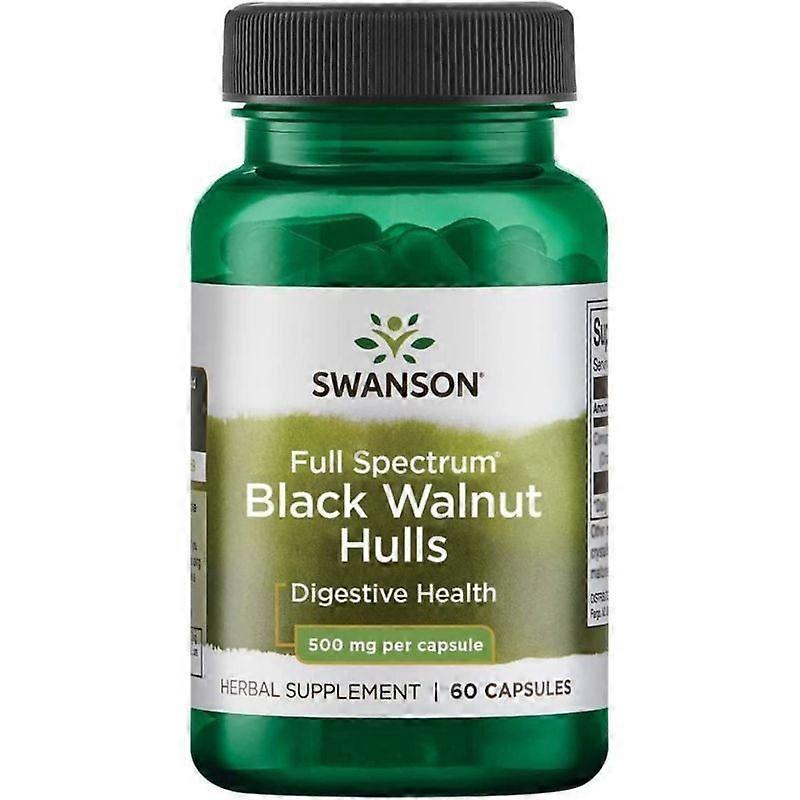
Black walnut and cancer
Summary: Black walnut and cancer
Potential in cancer treatment:
- Black walnut (Juglans nigra) is a tree whose green outer fruit husk is a source of bioactive substances such as juglone and ellagitannins. In preclinical research, these substances have repeatedly demonstrated the ability to inhibit cancer cell growth, induce cell death (apoptosis), and can even improve the effect of traditional chemotherapy.
Strengthens the body:
- In addition to the direct effects on cancer cells, black walnut contributes with antioxidant and anti-inflammatory properties, which strengthens the body’s general defense and health during a disease course.
Important considerations:
- The promising results, however, come primarily from laboratory and animal studies. Be aware that black walnut can interact with medication and has potential side effects. One should always discuss new initiatives, such as the implementation of dietary supplements, with one’s healthcare provider.
What is black walnut
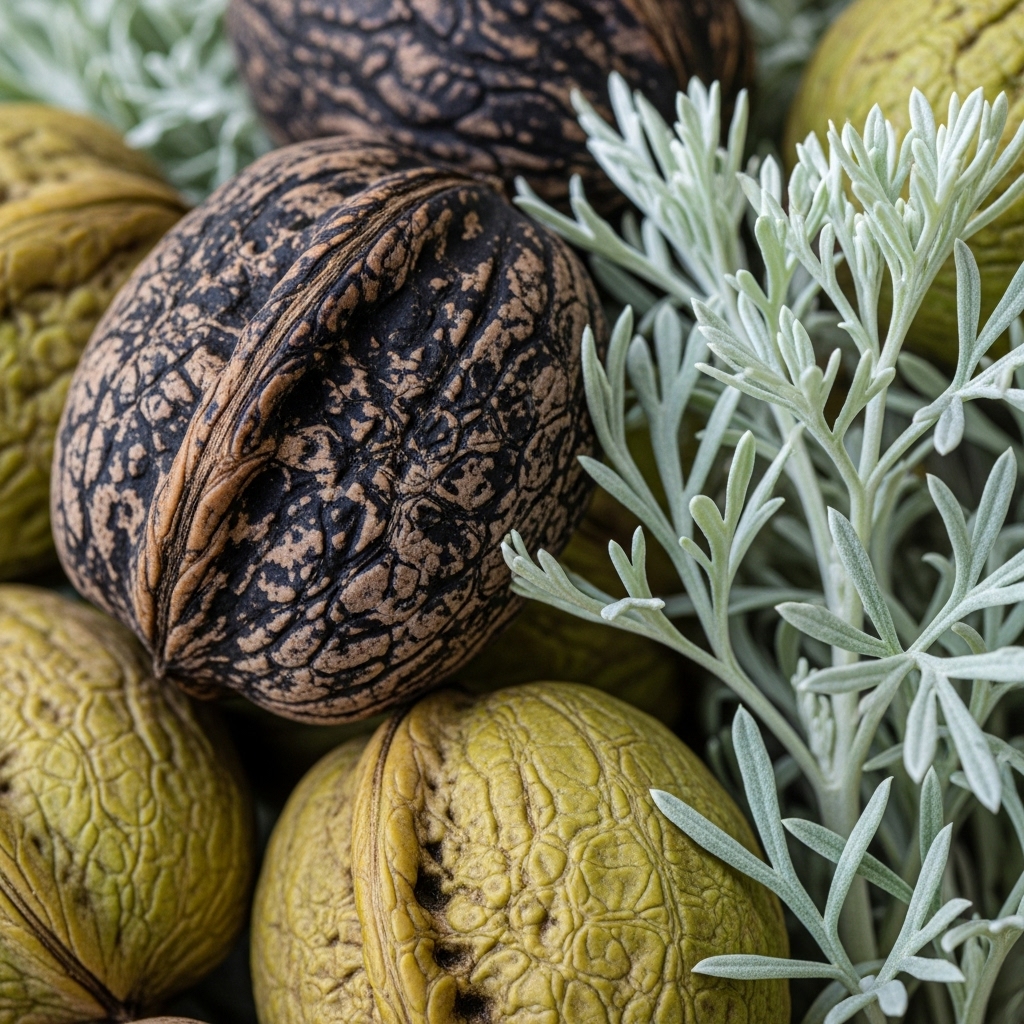
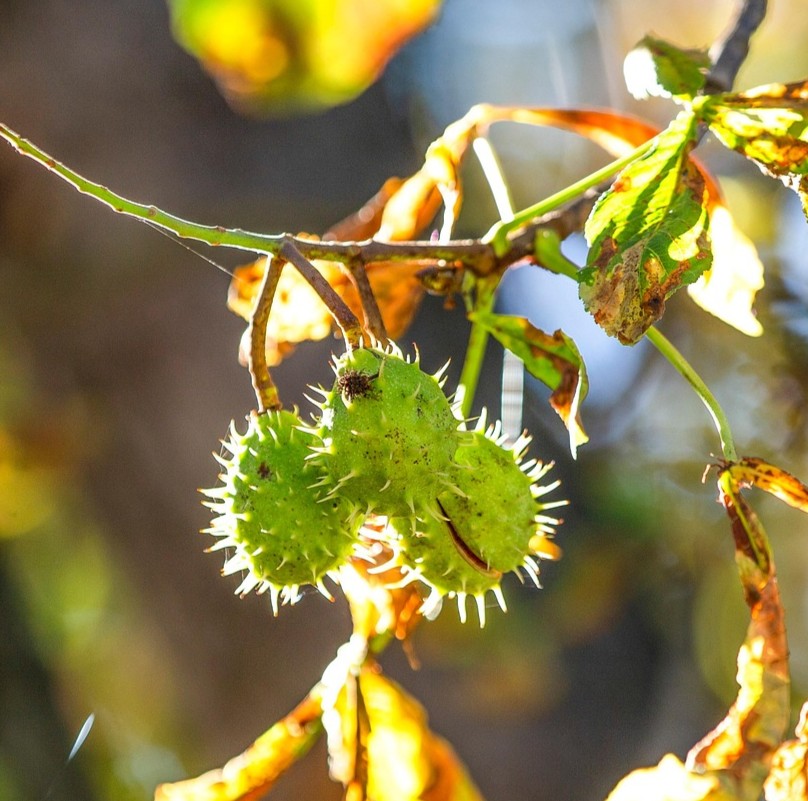
Black walnut (Juglans nigra) is a deciduous tree from North America, known for its valuable timber. The tree’s outer green fleshy husk or nut bur (the spiky, outer fruit husk that surrounds the nut itself – including the hard shell) is particularly interesting, as it is rich in bioactive substances such as ellagic acid, flavonoids, and especially juglone [1].
These compounds have a long history in traditional herbal medicine and are now the subject of increasing scientific interest, especially in cancer research, where they are being investigated as possible supplements to existing treatments. Black walnut differs chemically from common eating walnuts (Juglans regia).
History
Origin and traditional use
Black walnut has deep historical roots in both Native American cultures and European folk medicine, where it has been used for centuries.
Indigenous Americans used the green husk against parasites, to support digestion, and to promote skin health. The bark was used against fever and as a laxative. Traditionally, black walnut is still used to support the body’s cleansing processes and strengthen the immune system [1].
Mechanisms of action
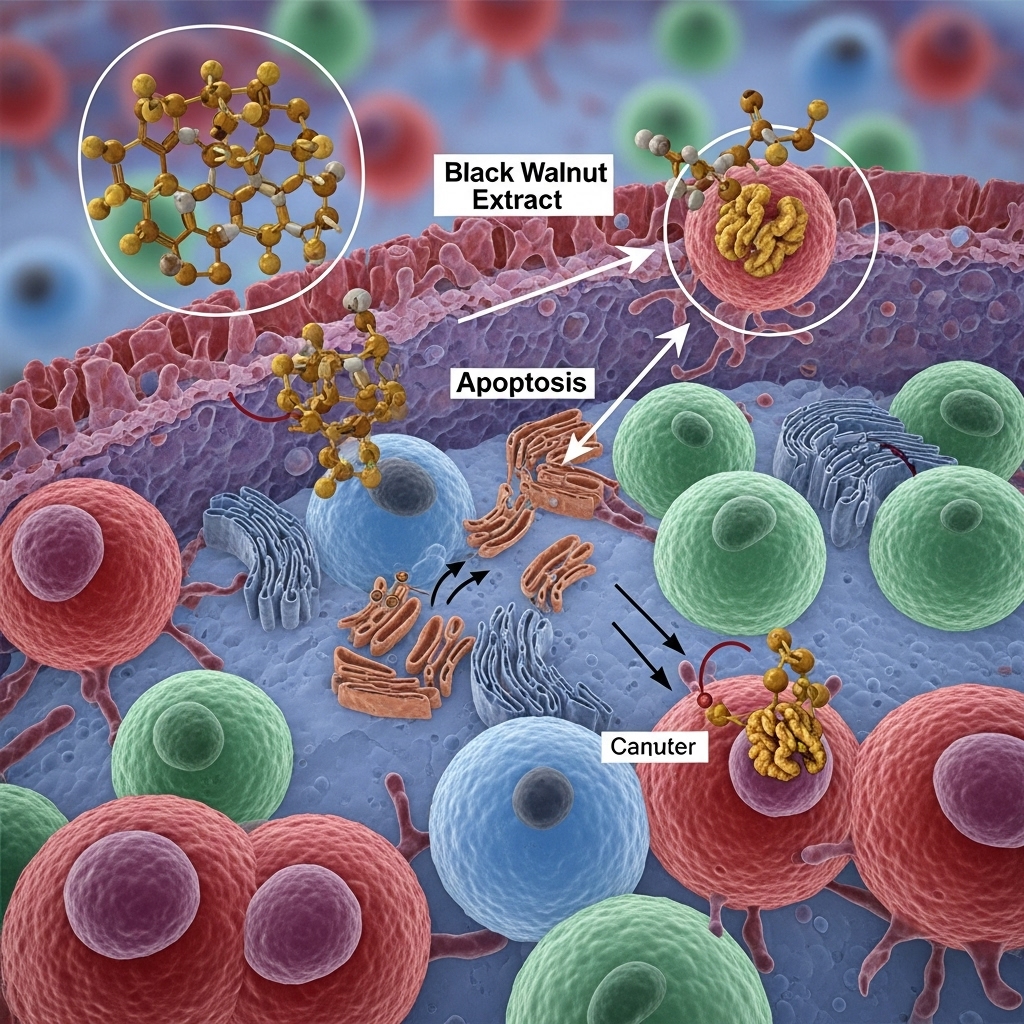
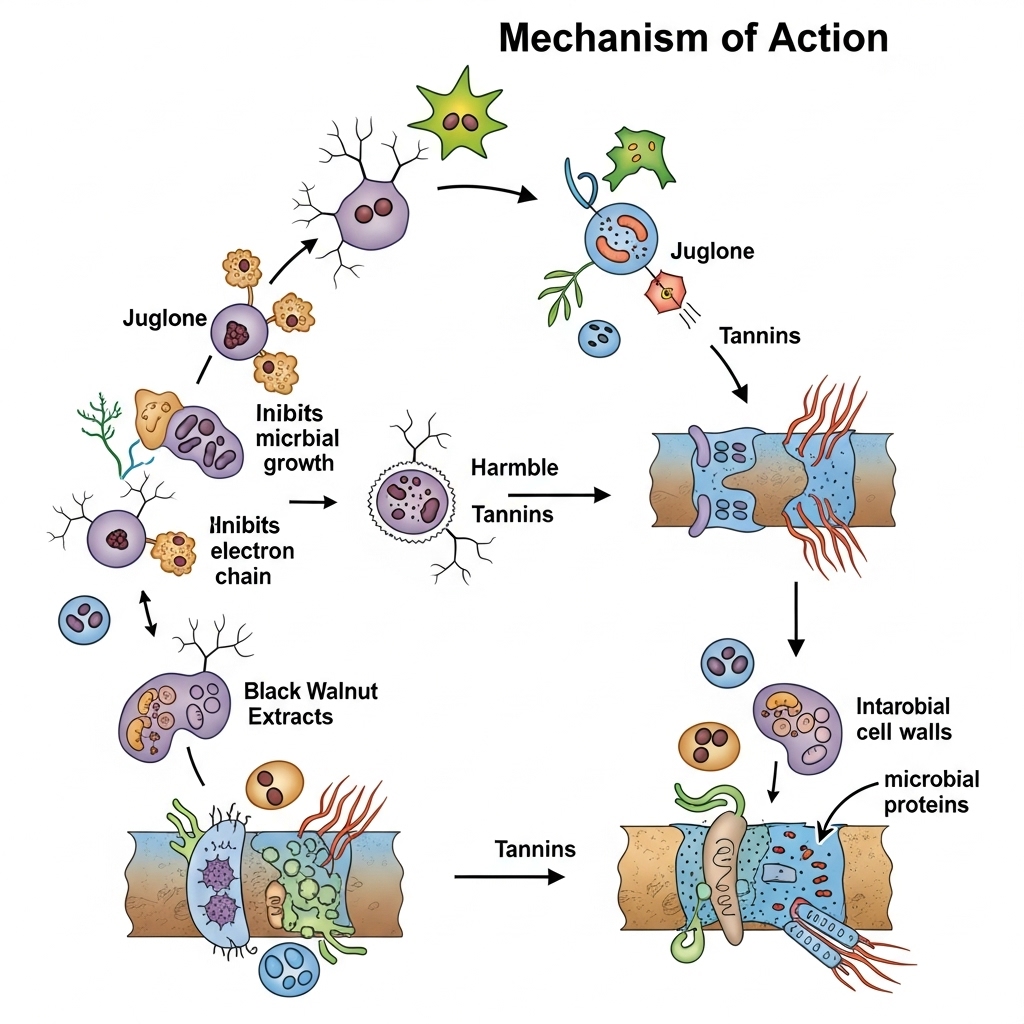
The bioactive substances in black walnut are being intensively investigated for their interaction with biological systems, especially in relation to cancer [10].
Direct cytotoxic effect
Juglone, the main compound in black walnut’s outer husk, exhibits a direct cytotoxic (cell-killing) effect on various cancer cell lines (e.g., breast, colon, lung, and prostate cancer). Juglone can apparently selectively induce apoptosis (programmed cell death) in cancer cells by activating enzymes (caspases) and disrupting mitochondrial function. It can also inhibit topoisomerase enzymes (Topo I and Topo II), which are crucial for cancer cells’ DNA replication and repair, leading to cell death [10].
Anti-proliferative effect
Substances from black walnut also have an anti-proliferative effect, which inhibits uncontrolled growth and division of cancer cells by disrupting the cell cycle. This prevents cancer cells from reproducing [10].
Antioxidant and anti-inflammatory effect
Ellagitannins in black walnut are converted in the intestines to urolithins, which are powerful antioxidants and have anti-inflammatory properties. Antioxidants protect cells from free radicals, while anti-inflammatory substances can reduce chronic inflammation, a risk factor for cancer [3, 8].
Immunomodulatory effects
Some studies indicate that black walnut may have immunomodulatory effects that potentially support the immune system’s ability to recognize and eliminate cancer cells [10].
Anti-angiogenesis
Substances from black walnut can exhibit anti-angiogenesis, meaning they inhibit the formation of new blood vessels that tumors need to grow and spread. This can potentially “starve” the tumor [10].
Potential as complementary treatment for cancer
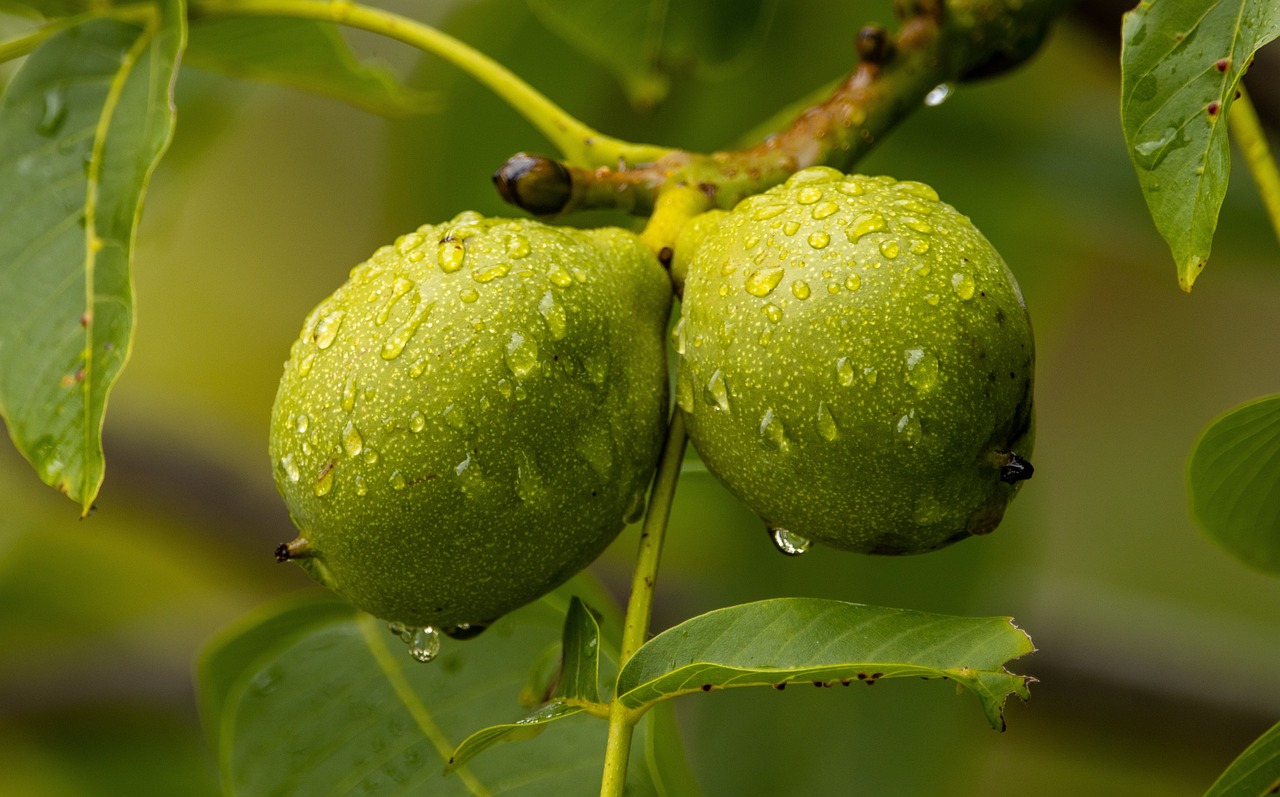
Based on preclinical research, black walnut shows potential as a complementary treatment along with conventional methods [10].
Synergy with chemotherapy
Research suggests that substances such as juglone can make cancer cells more susceptible to chemotherapy agents, potentially allowing for lower doses and thus fewer side effects [10].
Targeted effect on cancer cells
The substances in black walnut, especially juglone, exhibit a tendency to act selectively on cancer cells and spare healthy cells, which minimizes damage to normal tissue [10].
Prevention of metastasis
Preclinical studies suggest that black walnut can inhibit metastasis (cancer spread) by affecting cell migration and invasion as well as by reducing angiogenesis [10].
Reduction of inflammation
The anti-inflammatory properties can reduce inflammation, which is a driving factor in many cancers, and thus create a less favorable environment for cancer cells [3, 8].
Support of the body’s defense
Black walnut can strengthen the body’s general defense and cellular health through its antioxidant properties, which protect against DNA damage [10].
Benefits of black walnut
In addition to the direct mechanisms of action and potential as a complementary cancer treatment, black walnut offers a number of other benefits that can support general health and well-being, which is particularly important for people undergoing cancer treatment.
General health promotion
Black walnut is rich in a wide range of nutrients and bioactive compounds. In addition to the aforementioned substances, it contains vitamins (e.g., B vitamins), minerals (such as magnesium and iron), and fiber. These contribute to healthy bodily function and can support energy metabolism and general vitality. An improved nutritional status is crucial for the body’s ability to handle disease and treatment [1].
Digestive support
Traditionally, black walnut is also known for its positive effects on digestion. It contains bitter substances that can stimulate the production of digestive enzymes and bile, which promotes more efficient breakdown and absorption of nutrients. Its astringent properties can also help balance the gut environment. Healthy digestion is fundamental for the immune system and overall bodily function [1].
Antimicrobial properties
Black walnut’s husk also has strong antimicrobial properties, especially against certain parasites, bacteria, and fungi. This is primarily due to juglone and other components. Although this is not directly a cancer-fighting mechanism, it can be beneficial for maintaining a healthy gut flora and preventing opportunistic infections, which is important for an immunocompromised system during cancer treatment.
See also Parasite’s path to cancer
Skin health
In folk medicine, black walnut has also been used to promote skin health. Its anti-inflammatory and astringent properties can help relieve irritation and support skin healing. This can be an advantage for people experiencing skin-related side effects from cancer treatment.
These benefits underscore black walnut’s potential to support overall body health and strength, in addition to its more specific effects on cancer cells.
Disadvantages and limitations
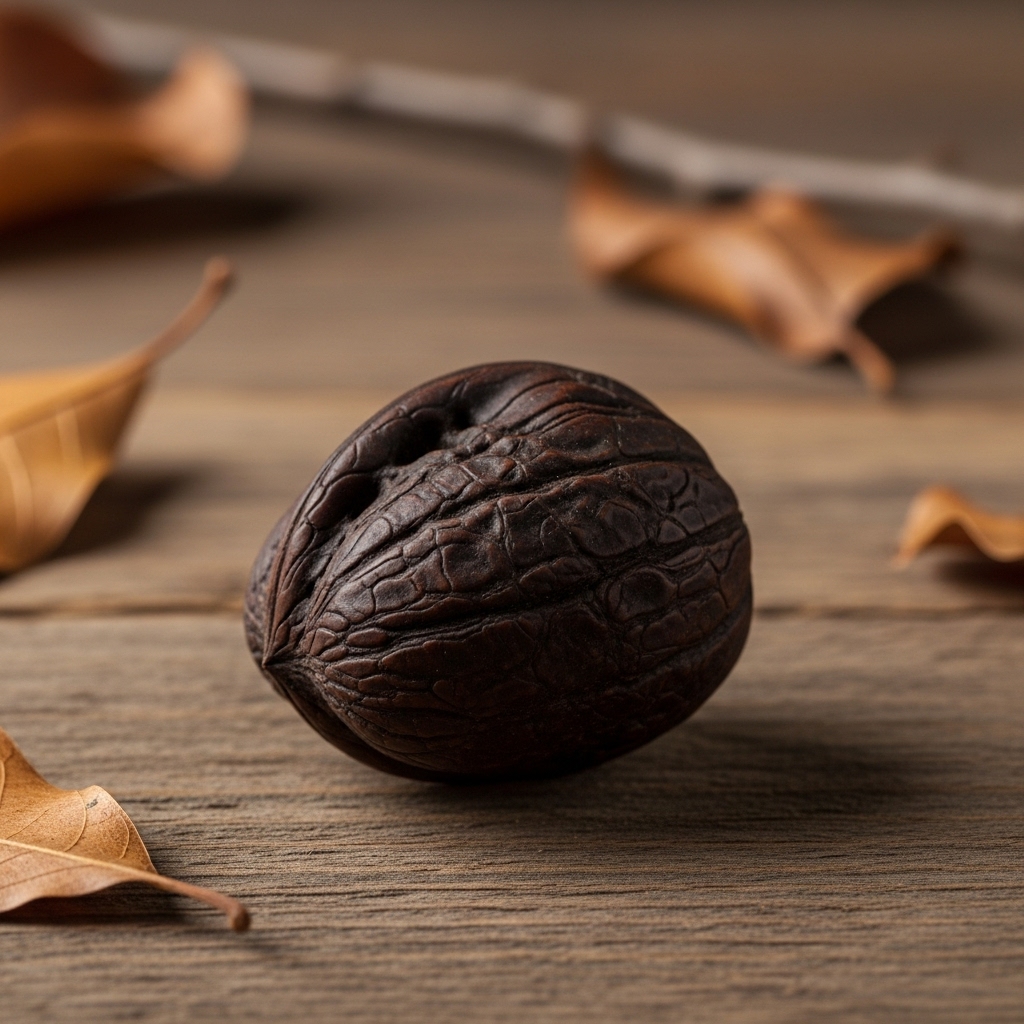
However, one should be aware of the limitations of black walnut as a supplement.
Limited clinical data
Most promising results come from preclinical studies (in vitro and animal studies), which cannot be directly transferred to humans. There is therefore a need for large, well-controlled human clinical trials.
Standardization of preparations
The quality and concentration of active substances in black walnut products can vary greatly, making standardization of dosage and effect difficult.
Interactions with medication
Black walnut can potentially interact with medication, especially blood-thinning medication (e.g., warfarin) due to its vitamin K content, which can increase the risk of bleeding. Therefore, discuss use with your healthcare provider.
Side effects
Generally safe in moderate amounts, but high doses can cause gastrointestinal discomfort such as nausea, vomiting, and diarrhea.
Allergic reactions and, in rare cases, liver damage can occur.
Clinical trials
Most studies are preclinical (cell lines and animal models). Specific, well-designed clinical trials with black walnut as cancer treatment or supplement are limited.
Existing human data often comes from broader epidemiological studies on nut intake, which show a general correlation with reduced cancer risk, but do not isolate black walnut’s specific effects.
Robust, randomized clinical trials are necessary to establish safety, optimal dosage, and effectiveness in humans. Always talk to a healthcare provider before use.
Safety
Black walnut is generally considered safe at recommended oral doses for shorter periods.
Dosage and administration
Safety depends on dosage and product quality. Follow recommended instructions or guidance from a healthcare provider.
Potential side effects
Gastrointestinal discomfort is most common. More rarely, allergic reactions (rash, itching, swelling) and, in extreme cases, theoretically risk of liver damage occur.
Who should exercise caution
Pregnant and breastfeeding women should avoid it due to lack of research. People with nut allergies or chronic diseases (liver/kidneys) should exercise extreme caution and consult a healthcare provider.
Dispensing and use
Black walnut is found in various forms. Choose a quality product from a reliable manufacturer.
Tincture (liquid extract)
Alcohol-based extracts from the outer husk, which are concentrated and often used internally in drops.
Capsules/tablets
Practical powder form in capsules or tablets for precise dosing, often preferred to avoid the bitter taste.
Powder
Dried and ground outer husk that can be mixed in liquid or food, providing flexibility in dosing.
Topical use (creams/ointments)
External use for skin conditions, but less relevant for cancer treatment.
Use: Follow the recommended dosage on the product or from a healthcare provider. Start low and increase gradually. Long-term use should always be discussed with a healthcare provider.
Conclusion
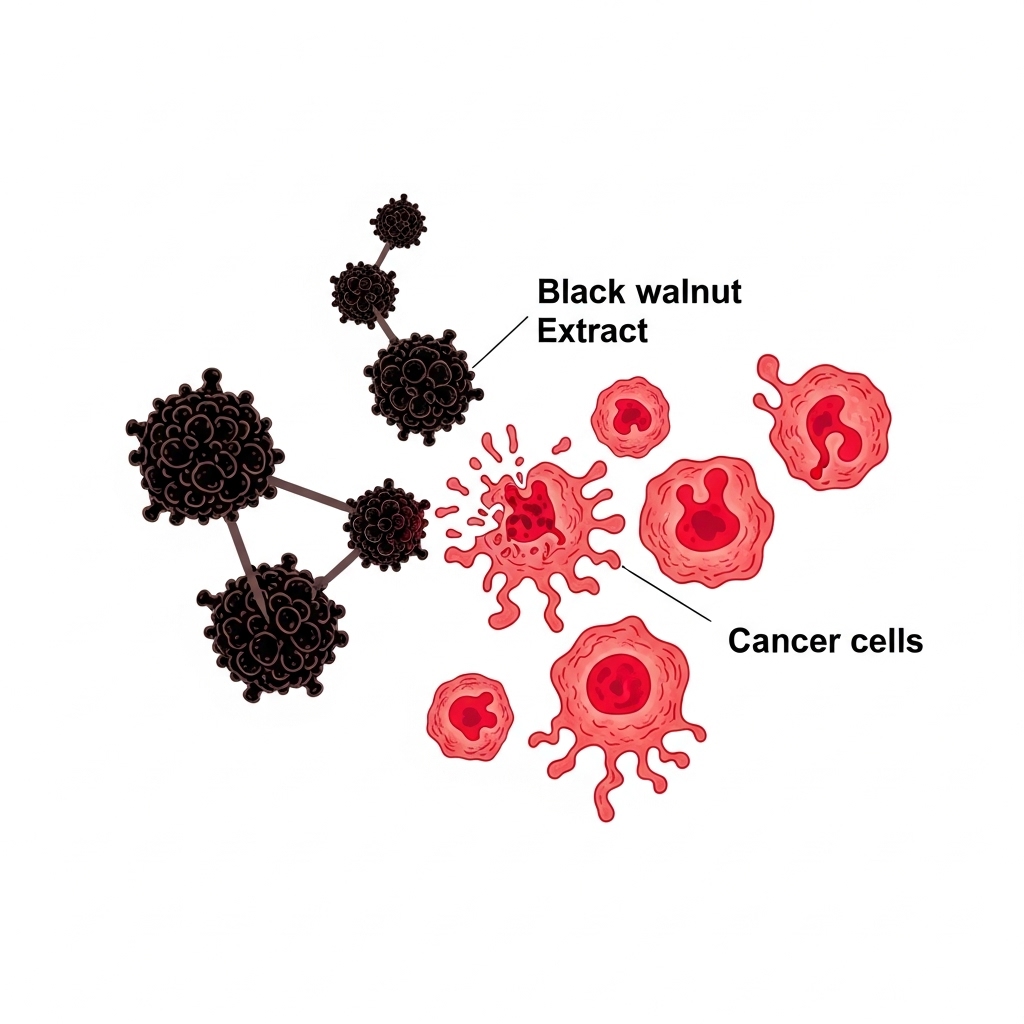
Black walnut is a fascinating area in natural medicine with promising preclinical studies showing potential to inhibit cancer cell growth and promote their death via juglone and ellagitannins [10].
This positions it as a possible supplement to conventional cancer treatment, potentially by enhancing the effect of chemotherapy and supporting general health.
Black walnut is an active research area that offers hope for new treatment strategies. However, it is essential to use black walnut with the necessary knowledge of its limitations (including risk with liver and kidney problems) and in consultation with a qualified healthcare provider [10].
Back to Supplements
Links
[1] Valnødder beskytter mod kræft (Nordjyske, December 2014)
- Content: General article about walnuts protecting against cancer. (Danish Language)
[2] Phytomediated Chitosan-Modified TiO₂ NPs for Enhanced Photocatalytic and Potential Application for Breast Cancer Therapy (PubMed, April 2025)
- Content: In vitro study showing that new nanoparticles developed using black walnut leaf extract and chitosan effectively inhibit the growth of hormone-sensitive breast cancer cells. The particles work by both reducing local estrogen levels and activating programmed cell death (apoptosis) in cancer cells.
[3] Antioxidant and anti-inflammatory function of walnut green husk aqueous extract (WNGH-AE) on human hepatocellular carcinoma cells (HepG2) treated with t-BHP (PubMed, January 2025)
- Content: In vitro study showing that an aqueous extract from green walnut husks has a strong antioxidant and anti-inflammatory effect. The extract works by removing harmful free radicals and by inhibiting the central inflammation signaling pathway NF-κB. (Note: This is about common walnut).
[4] Mechanistic Insights into the Biological Effects and Antioxidant Activity of Walnut (Juglans regia L.) Ellagitannins: A Systematic Review (PubMed, August 2024)
- Content: Systematic review examining the biological effects and antioxidant activity of walnut ellagitannins.
[5] Enrichment and Evaluation of Antitumor Properties of Total Flavonoids from Juglans mandshurica Maxim (PubMed, April 2024)
- Content: In vitro study examining the enrichment and evaluation of antitumor properties of total flavonoids from Juglans mandshurica Maxim.
[6] Investigating the potential of Juglans regia phytoconstituents for the treatment of cervical cancer utilizing network biology and molecular docking approach (PubMed, April 2024)
- Content: In vitro study examining the potential of Juglans regia phytoconstituents for the treatment of cervical cancer using network biology and molecular docking approach.
[7] Phytomediated Chitosan-Modified TiO₂ NPs for Enhanced Photocatalytic and Potential Application for Breast Cancer Therapy (PubMed, 2025)
- Content: In vitro study showing that new nanoparticles developed using black walnut leaf extract and chitosan effectively inhibit the growth of hormone-sensitive breast cancer cells. The particles work by both reducing local estrogen levels and activating programmed cell death (apoptosis) in cancer cells.
[8] Antioxidant and anti-inflammatory function of walnut green husk aqueous extract (WNGH-AE) on human hepatocellular carcinoma cells (HepG2) treated with t-BHP (PubMed, 2025)
- Content: In vitro study showing that an aqueous extract from green walnut husks has a strong antioxidant and anti-inflammatory effect. The extract works by removing harmful free radicals and by inhibiting the central inflammation signaling pathway NF-κB. (Note: This is about common walnut).
[9] Green synthesis of copper oxide nanoparticles using walnut shell and their size dependent anticancer effects on breast and colorectal cancer cell lines (PubMed, 2024)
- Content: In vitro study showing that new copper oxide nanoparticles, produced using black walnut husk powder, show a selective, cell-killing effect on breast and colon cancer cells. The particles work by activating the genes (p53 and Bax) that trigger programmed cell death (apoptosis).
[10] Comprehensive Characterization of Phytochemical Composition, Membrane Permeability, and Antiproliferative Activity of Juglans nigra Polyphenols (PubMed, 2024)
- Content: New analysis of black walnut (Juglans nigra) confirms that its primary active substance, juglone, has a strong cell-killing effect on cancer cells, comparable to standard drugs. Importantly, laboratory models also predict that juglone is able to cross the blood-brain barrier.
Page created: June 3, 2025, Last revised June 9, 2025
❤
What you read on “Jeg har Kræft” is not a recommendation. Seek competent guidance.
