


1. Cancer treatments – Overview
After receiving a cancer diagnosis, choosing a treatment is one of the most decisive and personal processes you will go through. There is no single answer that fits everyone. The path forward depends on the diagnosis, your life situation, your personal values, and not least—what feels right for you.
This section of the site is designed to give you an overview of the many facets of cancer treatment. The aim is to equip you to make informed choices in consultation with your healthcare team and loved ones.
Here you will find information about both conventional treatments (those offered within the public healthcare system), complementary approaches (those you may choose to add), alternative measures (something you use instead), as well as a range of specialised topics.
Making a decision

Before you can choose a direction, there are many personal considerations to make. It is a process that goes far beyond the medical options and concerns your whole life. Some of the questions that may arise include:
- What responsibility do I have towards my family and my children?
- What matters most to me: quality of life or length of life?
- What physical and psychological strain am I prepared to go through?
- How does it feel to follow the doctors’ advice, and how does it feel to take a different path?
- What support can I expect from those around me and my network?
- What financial consequences do the different choices have?
These considerations are fundamental to finding a path that is right for you. Read more about the difficult choices in the section on The decision.
Conventional treatments

Conventional treatment refers to the methods offered in hospitals as part of the public healthcare system. They are based on many years of scientific research and clinical trials. The primary pillars of conventional treatment are surgery, radiotherapy, and medical treatment such as chemotherapy and immunotherapy.
Get a complete overview of methods, techniques and concepts in the section on Conventional treatments.
Alternative and complementary treatments
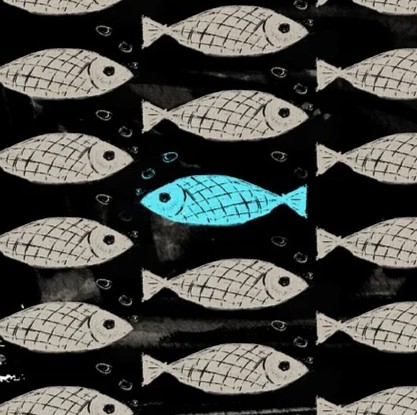
Many people wish to supplement conventional treatment with other approaches to strengthen the body, relieve side effects, and take an active role in their own care pathway. Complementary treatments are used together with traditional treatment, while alternative treatments are used instead of.
This part of the site explores a broad spectrum of methods, covering everything from physical, psychological and mental approaches to lifestyle changes.
Explore the many different approaches in the comprehensive Overview of alternative and complementary treatments.
See also Holistic doctors in Denmark
Specialised topics within treatment
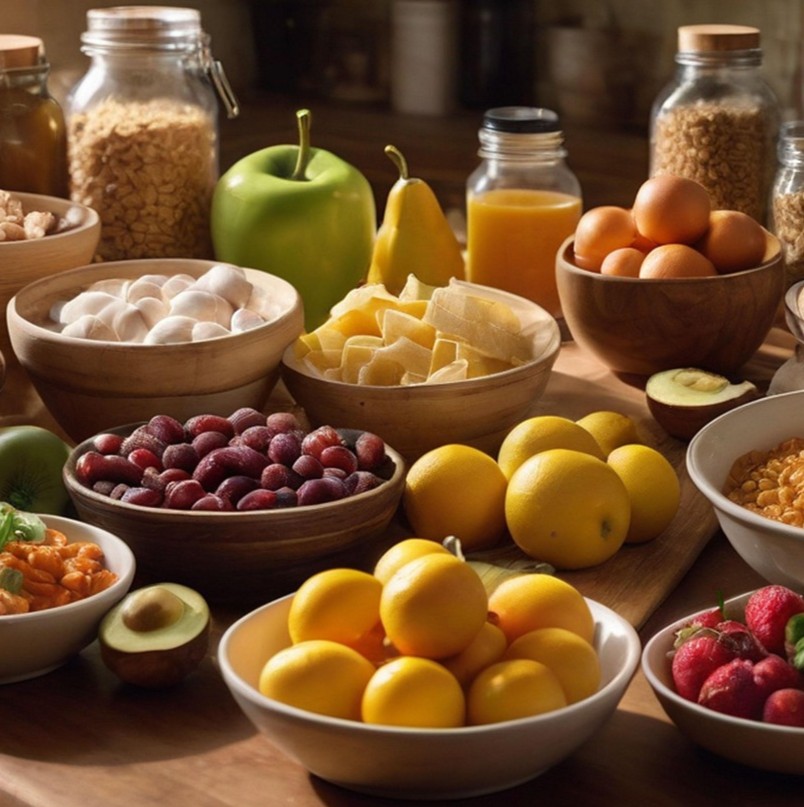
In addition to the main categories, there are a number of more specific and in-depth topics you can explore. These sections provide detailed knowledge about strategies that focus on the body’s biochemistry and specific substances.
- Repurposed Drugs:
Explore the research into how existing medicines, originally developed for other diseases, can be used in cancer treatment. - Dietary supplements grouped by effect:
Learn about specific vitamins, minerals and other supplements, and how they may interact with a cancer course. - Nutrition and diet for cancer:
Explore the role of different dietary approaches, and how food can be used as a tool in the fight against cancer. - Block cancer’s growth pathways:
Understand the metabolic principles behind cancer, and how one can strategically attempt to block the signalling and energy pathways that cancer cells depend on.
Links
Types of treatment (Danish Cancer Society)
Radio doctor Carsten Vagn-Hansen warns against chemotherapy (Udfordringen)
General information about cancer (Medicin.dk)
Elle Macpherson refused to have chemotherapy after breast cancer diagnosis (The Guardian)
Nationalt Forsøgsoverblik is a national overview of active clinical trials in Denmark (Nationalt Forsøgsoverblik, Database)
Experimental Treatment – A group for cancer patients and relatives who wish to share knowledge and experiences about experimental treatment. (Danish Cancer Society)
Page created:
d. 15.07.24, last revised on 28.07.25
❤
What you read on I Have Cancer is not a recommendation. Seek qualified guidance.
