


Burdock root and cancer
What is burdock root
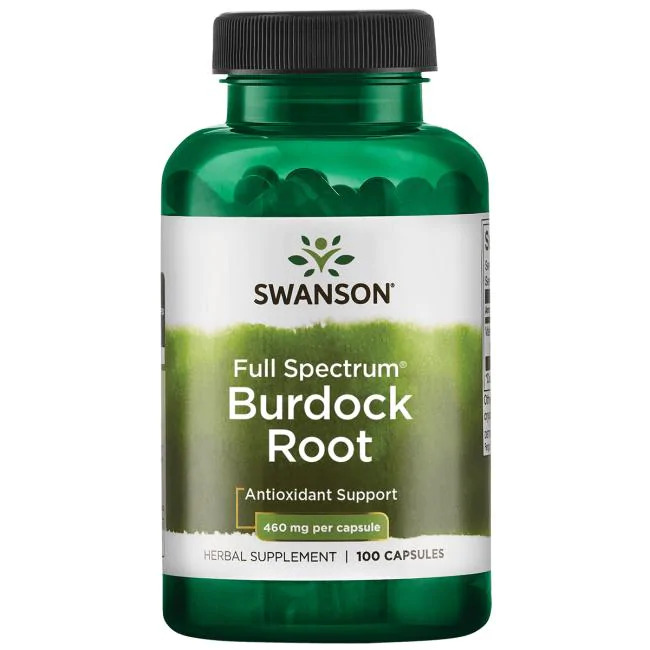
Burdock root is the root of the burdock plant (Arctium lappa), a biennial plant widespread across Europe, Asia, and North America. Burdock root has a long history in traditional medicine, where it has been used to treat a variety of ailments, including skin conditions, digestive issues, and inflammation. In recent years, there has been increasing interest in the potential of burdock root as a natural supplement for cancer treatment [6, 7].
Mechanisms of action for burdock root
Burdock root contains several bioactive compounds believed to have beneficial effects in relation to cancer. Some of the most important substances include:
Lignans:
- Phytoestrogens that may possess anti-cancer activity [8].
Inulin:
- A type of fiber that can promote the growth of beneficial gut bacteria and strengthen the immune system.
Polyphenols:
- Antioxidants that can protect cells from damage caused by free radicals.
Arctigenin:
- A compound that has demonstrated anti-inflammatory and anti-cancer properties in vitro (in test tubes/petri dishes) and in vivo (in living organisms) [1, 4, 7].
Potential in connection with cancer
Detoxification:
Burdock root is believed to have detoxifying properties that can help remove toxins from the body that may contribute to the development of cancer.
Inhibition of cancer cell growth:
Arctigenin and other compounds in burdock root have been shown to inhibit the growth of various cancer cells in vitro, including breast cancer, prostate cancer, and leukemia [1, 3].
Induction of apoptosis:
Burdock root can promote apoptosis (programmed cell death) in cancer cells [3].
Inhibition of angiogenesis:
Burdock root may inhibit the formation of new blood vessels that supply tumors, potentially limiting their growth and spread.
Immune system stimulation:
Inulin and other substances in burdock root can strengthen the immune system, helping the body fight cancer cells.
Anti-inflammatory effect:
Burdock root possesses anti-inflammatory properties that can reduce inflammation in the body, which may contribute to cancer development [7].
Clinical studies
While there are promising preclinical studies suggesting the potential of burdock root as a supplement to cancer treatment, clinical evidence to support these findings remains limited [6, 7].
One small study indicated that burdock root extract could improve the quality of life in patients with advanced cancer. Another study showed that burdock root could reduce the side effects of chemotherapy in patients with breast cancer. More research is required, including larger randomized clinical trials, to confirm the efficacy and safety of burdock root in cancer treatment.
Safety
Burdock root is generally considered safe to consume in moderate amounts. Possible side effects:
Drug interactions:
- Burdock root may interact with certain types of medication, such as diuretics and diabetes medications.
Allergic reactions:
- Individuals allergic to plants in the Asteraceae family (such as chrysanthemums and sunflowers) may also be allergic to burdock root.
Diarrhea:
- Burdock root can cause diarrhea in some individuals, especially if consumed in large quantities.
Precautions
People with bleeding disorders:
- Burdock root may have a blood-thinning effect, so individuals with bleeding disorders should also consult a qualified practitioner before consumption.
Pregnant and breastfeeding women:
- There is insufficient information regarding the safety of consuming burdock root during pregnancy and breastfeeding.
People with diabetes:
- Burdock root can affect blood sugar levels, so individuals with diabetes should consult a competent practitioner before consuming it.
Advantages of burdock root
General health promotion:
- Burdock root may offer other health benefits, such as improving digestion, regulating blood sugar levels, and strengthening liver and kidney function.
Potential anti-cancer effects:
- Studies have shown that burdock root can inhibit the growth of cancer cells, induce apoptosis in cancer cells, inhibit angiogenesis, and increase immune system activity [1, 3, 8]. These effects can contribute to fighting cancer and preventing its spread.
Support for conventional cancer treatment:
- Burdock root can potentially reduce the side effects of chemotherapy and radiation therapy, such as nausea, vomiting, and fatigue. This can improve the quality of life for patients undergoing cancer treatment.
Antioxidant and anti-inflammatory action:
- Burdock root is rich in antioxidants that protect cells from damage caused by free radicals and has anti-inflammatory properties that reduce inflammation.
Detoxification:
- It is believed to help remove toxins from the body that may contribute to cancer development.
Disadvantages and limitations
Dosage and quality:
- The optimal dosage has not been established, and the quality of products can vary. It is recommended to choose high-quality products and follow the instructions.
Limited clinical evidence:
- Although preclinical studies are promising, there is limited clinical evidence from human trials to support its efficacy. More research, including large-scale randomized trials, is needed [6, 7].
Possible side effects:
- Can cause allergic reactions or diarrhea in some individuals.
Drug interactions:
- May interact with diuretics or diabetes medication. It is important to consult a competent practitioner before use.
Dispensing and application
- Dried root: Can be purchased as dried root to make tea.
- Powder: Can be added to smoothies, juice, or food.
- Capsules: Also available in capsule form.
- Tincture: Burdock root tincture can be taken orally.
The optimal dosage has not been established. It is important to follow the product instructions and consult a doctor or qualified health professional before starting a burdock root supplement.
Conclusion
Burdock root is a natural product with potential as a supplement for cancer treatment. It is generally considered safe to consume in moderate amounts and has traditionally been used to support liver function.
However, more research is needed to confirm these effects and establish the optimal dosage and safety profile.
If you are considering using burdock root as a supplement to cancer treatment, it is essential to consult a doctor or a qualified health professional.
Back to Supplements
See also Minimize Side Effects – Chemo, Nerve Problems
Links
[1] Discovery of quality control ingredients in burdock root by combining anti-tumor effects and UHPLC-QqQ-MS/MS (PubMed, 2021)
- Content: A non-randomized laboratory study identifying the specific chemical components in burdock root that contribute to its anti-tumor activity.
[2] Aqueous extract of Arctium lappa L. root (burdock) enhances chondrogenesis in human bone marrow-derived mesenchymal stem cells (PubMed, 2020)
- Content: A non-randomized laboratory study investigating the influence of burdock root extract on human stem cells and tissue regeneration.
[3] Induction of Apoptosis, Autophagy and Ferroptosis by Thymus vulgaris and Arctium lappa Extract in Leukemia and Multiple Myeloma Cell Lines (PubMed, 2020)
- Content: A non-randomized laboratory study demonstrating how burdock extract can trigger multiple forms of programmed cell death in blood cancer cells.
[4] Arctigenin from Arctium lappa L. inhibits chikungunya virus by affecting its entry and replication (PubMed, 2024)
- Content: A non-randomized laboratory study examining the antiviral and molecular mechanisms of arctigenin, a primary bioactive compound in burdock.
[5] Antiallergic activities of Japanese leaf burdock extract in a rat basophilic leukemia cell line (PubMed, 2021)
- Content: A non-randomized laboratory study evaluating the anti-allergic potential and biological response of specific burdock extracts.
[6] A systematic review on botany, ethnopharmacology, quality control, phytochemistry, pharmacology and toxicity of Arctium lappa L. fruit (PubMed, 2023)
- Content: A comprehensive review summarizing the chemical profile, traditional uses, and safety/toxicity data associated with the burdock plant.
[7] The therapeutic potential of arctigenin against multiple human diseases: A mechanistic review (PubMed, 2023)
- Content: A review article detailing the molecular mechanisms of arctigenin in treating various diseases, including its role in anti-inflammatory and anti-cancer processes.
[8] Arctiin Inhibits Cervical Cancer Cell Migration and Invasion through Suppression of S100A4 Expression via PI3K/Akt Pathway (PubMed, 2022)
- Content: A non-randomized laboratory study explaining how the compound arctiin from burdock can prevent the spread and invasion of cervical cancer cells.
Page created: Jan. 28, 2025
❤
What you read on I Have Cancer is not a recommendation. Seek competent guidance
