


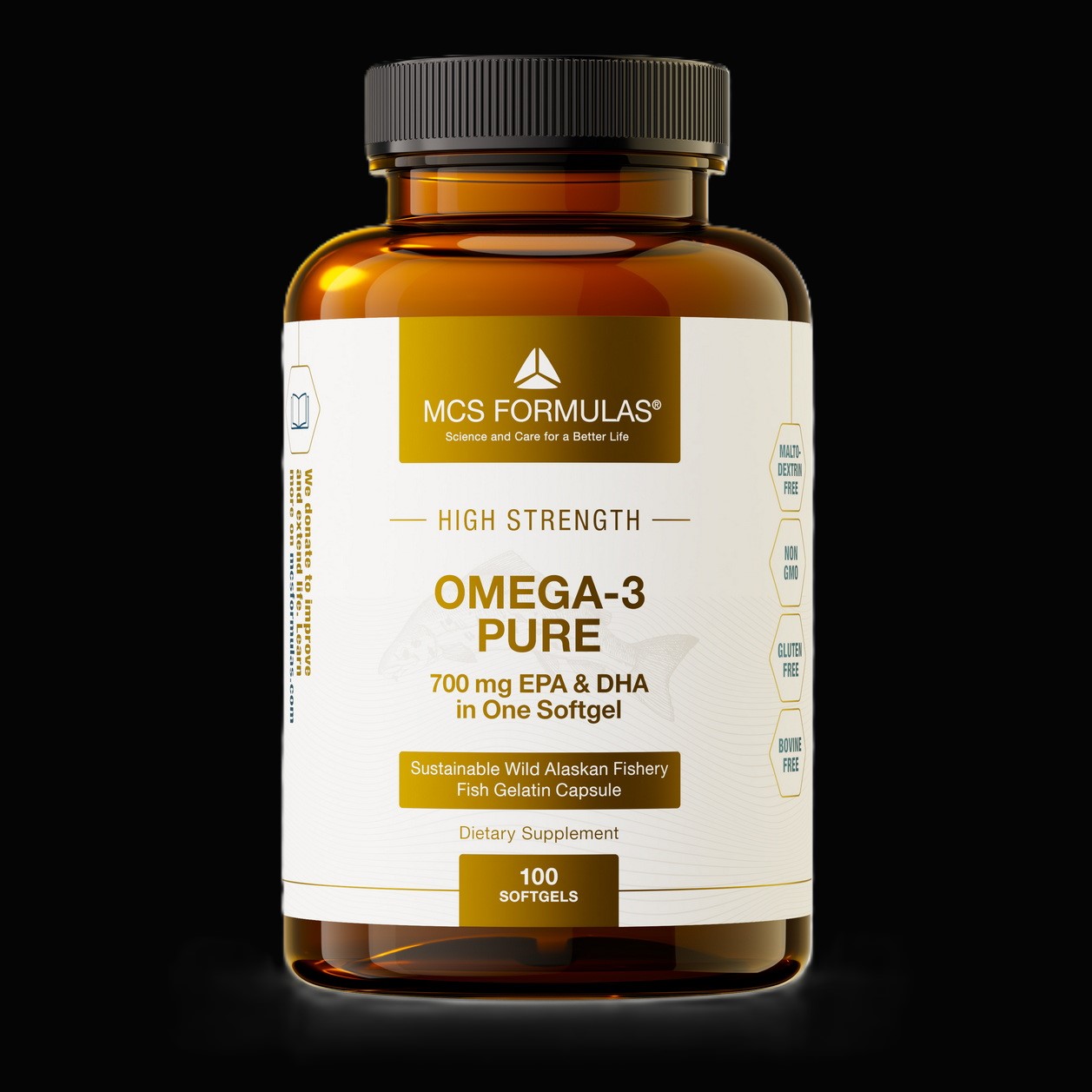
Fish Oil – Omega-3 and Cancer
What is Omega-3
Omega-3 belongs to the group of polyunsaturated fatty acids, which the body cannot produce itself. It is therefore essential, meaning that we must obtain it through our diet. Omega-3 is found in high concentrations in fatty fish such as salmon, mackerel, and herring, as well as in certain plant-based foods such as flaxseeds and walnuts.
Use
Omega-3 is primarily used as a dietary supplement, but is also consumed naturally through the diet. It has been studied for its potential health benefits.
Effects of Omega-3
Cardiovascular Diseases
Omega-3 can help lower triglycerides and reduce blood pressure. Omega-3 also helps keep blood vessels elastic and thus reduce the risk of blood clots.
Inflammation
Omega-3 has anti-inflammatory properties that can be beneficial in conditions such as arthritis and inflammatory bowel diseases. In addition, it is important to minimize inflammation when you have cancer.
Brain Function
There are promising signs that omega-3 can improve memory, concentration, and protect against cognitive decline.
Eye Health
Omega-3 is important for the structure and function of the eye, and can help prevent age-related macular degeneration.
Protecting Cells from Damage
Omega-3 acts as an antioxidant, protecting cells from damage caused by free radicals.
Healthier Skin
Omega-3 can improve the skin’s moisture balance and reduce inflammation.
Laboratory Studies
It has been shown that omega-3 fatty acids can inhibit the growth of cancer cells by inducing programmed cell death (apoptosis) [5].
Clinical Trials
Several clinical studies indicate that fish oil supplements can extend survival in cancer patients, especially in combination with other relevant treatments. Additionally, results suggest that fish oil can increase the effectiveness of chemotherapy and also reduce side effects [1, 2, 3, 4].
Benefits of Omega-3 in Cancer
Through both laboratory studies and clinical trials, promising results have been found indicating that fish oil can have a positive impact on cancer cells. Specifically, there is talk of the omega-3 fatty acids EPA and DHA in relation to cancer treatment.
Inhibits Cancer Cell Division
Omega-3 fatty acids can apparently directly affect cancer cells’ ability to divide [5].
Induces Cell Death
Fish oil can trigger a process where cancer cells self-destruct [5].
Increases the Effectiveness of Chemotherapy
Fish oil can potentially make chemotherapy more effective and reduce the need for higher doses [4].
Protective Effect
Some studies suggest a protective effect, especially against certain types of cancer such as colon cancer [1, 2, 3].
Extends Survival
Several studies suggest that fish oil can improve survival rates in cancer patients [1, 2, 3, 11].
Reduces Side Effects
Some studies indicate that fish oil can reduce the side effects of chemotherapy [4].
Disadvantages and Limitations
Although omega-3 is generally well tolerated, side effects may occur in some people, including:
Digestive Problems
Nausea, vomiting, diarrhea, and heartburn.
Bleeding
Omega-3 can increase the risk of bleeding, especially in people who are also taking blood-thinning medications.
Allergic Reactions
Although it is rare, some people may be allergic to fish or shellfish. In such cases, they should be aware of getting enough omega-3 from other sources, e.g., through supplements that do not contain fish and shellfish (this can be algae-based, for example).
Interactions with Other Factors
Omega-3 can interact with other substances in the body and thus affect the effectiveness of other cancer treatments.
Not a Replacement for Other Relevant Treatment
The use of fish oil should be seen as a supplement to, and not a replacement for, conventional cancer treatment.
Use of Omega-3 Fish Oil
Fish oil is being investigated as a potential supplement to relevant cancer treatment. It may be particularly appropriate for patients with advanced cancer or those experiencing side effects from chemotherapy.
Supplements vs. Food
It is important to distinguish between omega-3 from dietary supplements and omega-3 from food. While some studies have investigated the effect of supplements, others focus on the intake of fish, which is a natural source of omega-3.
Other Factors
Many factors can affect the relationship between omega-3 and cancer, including cancer type, omega-3 dosage, duration of intake, as well as other lifestyle choices and genetic factors.
Note
It is crucial to emphasize that fish oil should not be considered a cure for cancer in isolation. Decisions to include fish oil in a cancer treatment plan should always be made in collaboration with a qualified healthcare provider.
Fatty acid distribution in cooking oil
| Oil | Saturated fat | Omega-3 (ALA) | Oil | Omega-6 (LA) | Omega-9 (Oleic acid) | Smoke point |
|---|---|---|---|---|---|---|
| Canola oil (Rapeseed) | 7% | 9-11% | Canola oil (Rapeseed) | 19-21% | 60-63% | 204°C |
| Olive oil (Extra Virgin) | 14% | 1% | Olive oil (Extra Virgin) | 10% | 73-75% | 190°C |
| Flaxseed oil (Linseed oil) | 9% | 53-57% | Flaxseed oil (Linseed oil) | 15-16% | 18-20% | 107°C |
| Sunflower oil | 10-12% | 1% | Sunflower oil | 65-70% | 20% | 225°C |
| Grapeseed oil | 10% | 1% | Grapeseed oil | 70% | 16% | 216°C |
| Coconut oil | 86-90% | 0% | Coconut oil | 2% | 6% | 177°C |
| Avocado oil | 12% | 1% | Avocado oil | 13% | 71% | 271°C |
Conclusion
While omega-3 fatty acids are important for our health, it is too early to draw definitive conclusions about their role in the prevention and treatment of cancer. However, there are studies indicating that omega-3 has a beneficial effect in cancer treatment.
At the same time, there are some studies that may indicate a possible increased risk of prostate cancer with higher intake of omega-3 oils.
A healthy and balanced diet, which includes a variety of different foods, is still an important way to support your overall health.
Back to Supplements
Se also Diet
Links
[1] D-vitamin og omega-3-fedtsyrer som primær prævention for kræft og hjerte-kar-sygdomme (Ugeskrift for Læger, 2018)
- Content: Clinical review article discussing the primary prevention of cancer and cardiovascular diseases through vitamin D and omega-3 fatty acids, summarizing evidence from large-scale studies. (Danish Language)
[2] Omega-3 fatty acids for breast cancer prevention and survivorship (PubMed, 2015)
- Content: Review article examining the role of omega-3 fatty acids in breast cancer prevention and survivorship, discussing epidemiological evidence and potential mechanisms.
[3] Omega-3 Polyunsaturated Fatty Acids and Lung Cancer (PubMed, 2021)
- Content: Meta-analysis investigating the association between omega-3 polyunsaturated fatty acids and lung cancer risk, analyzing data from multiple cohort and case-control studies.
[4] Protective Effects of Omega-3 Fatty Acids in Cancer-Related Complications (PubMed, 2019)
- Content: Review article discussing the protective effects of omega-3 fatty acids in cancer-related complications, including cachexia, chemotherapy-induced side effects, and inflammation.
[5] Peroxidation of n-3 and n-6 polyunsaturated fatty acids in the acidic tumor environment leads to ferroptosis-mediated anticancer effects (PubMed, 2021)
- Content: In vitro study demonstrating how the peroxidation of n-3 and n-6 polyunsaturated fatty acids in the acidic tumor environment can lead to ferroptosis-mediated anti-cancer effects, providing insights into lipid metabolism in cancer therapy.
[6] Omega-3 fra fisk har størst cancerhæmmende virkning (Sundforskning, 2018)
- Content: Danish article summarizing research on the cancer-inhibiting effects of omega-3 from fish, discussing its mechanisms and potential applications in cancer prevention. (Danish Language)
[7] Omega-3 fedtsyrer sænker risikoen for brystkræft (Sundforskning, 2013)
- Content: Danish article reporting on studies showing that omega-3 fatty acids can reduce the risk of breast cancer, explaining the biological mechanisms behind this effect. (Danish Language)
[8] Alpha-linolenic acid-mediated epigenetic reprogramming of cervical cancer cell lines (PubMed, 2025)
- Content: In vitro study showing that omega-3 fatty acid ALA (alpha-linolenic acid) can inhibit the growth of cervical cancer cells. ALA works by adjusting the cells’ “epigenetic contacts,” which both turns off cancer-promoting genes and reactivates the body’s own built-in cancer-inhibiting genes.
[9] Effect of omega-3 and omega-6 fatty acids on tumor suppressor pathways in mice tongue oral epithelial dysplasia (PubMed, 2025)
- Content: Animal study where mice on a diet rich in omega-6 fatty acids (from corn oil) developed significantly more precursors to tongue cancer than mice on a diet rich in omega-3 (from fish oil). The study concludes that a higher intake of omega-3 and a lower intake of omega-6 may be an important preventive strategy.
[10] Unsaturated fatty acid-doped liposomes deliver piperine to deactivate defensive mechanism for ferroptosis in cancer therapy (PubMed, 2025)
- Content: In vitro study where a new system kills cancer cells via a process called ferroptosis (a form of cell death) by using a combination of the fatty acid DHA and piperine (from black pepper). The combination works by simultaneously deactivating the cancer cell’s two most important defense systems (GPX4 and DHODH) against this type of attack.
[11] Effects of polyunsaturated fatty acids on gastric cancer immunity and immunotherapy (PubMed, 2025)
- Content: Clinical study of patients with advanced gastric cancer in immunotherapy showing that the balance between omega-6 and omega-3 fatty acids is crucial for treatment outcome. A lower omega-6/omega-3 ratio in the blood was associated with a better immune response in the tumor and significantly longer survival.
[12] Nutrigenetics and Omega-3 and Gamma-Linolenic Acid Intake and Status in Patients with Cancer: A PRISMA Scoping Review of Research Trends and Challenges (PubMed, 2025)
- Content: Scoping review suggesting that genetic variations in the fat-metabolizing genes FADS1 and FADS2 are a likely explanation for why dietary fatty acids affect cancer risk differently from person to person. The research area is still very new, and there is still a lack of solid knowledge about the interaction between diet, genes, and cancer.
[13] Synergic Effects and Possible Mechanism of Omega-6 Fatty Acids (ω-6) on Immune System, Inflammation, and Cancer (PubMed, 2025)
- Content: Review article discussing how omega-6 fatty acids have a critical dual role in relation to cancer: Depending on how they are metabolized in the body, they can either create substances that promote inflammation and cancer growth, or substances that actively suppress inflammation. Since modern diets are often too rich in omega-6, the balance in relation to omega-3 in the diet is crucial.
Page created: August 19, 2024, Last revised May 2, 2026
❤
What you read on “Jeg har Kræft” is not a recommendation. Seek competent guidance.
