


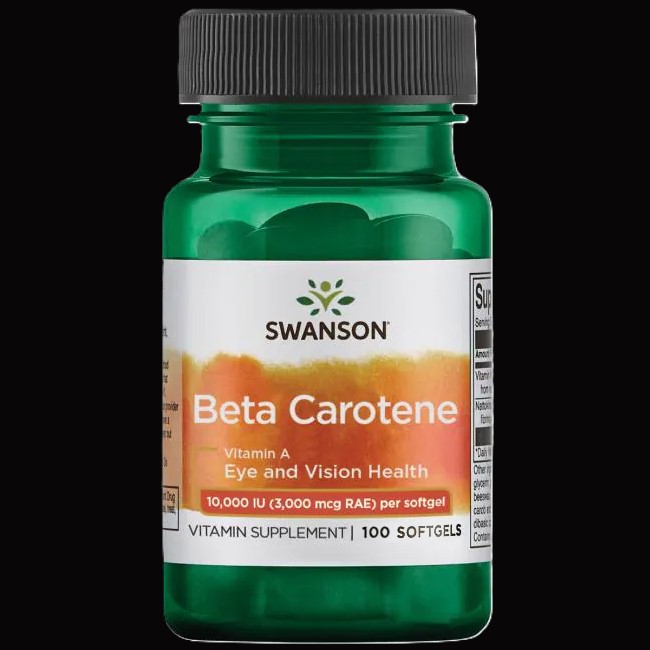
Beta carotene and cancer
What is beta carotene
Beta carotene is a naturally occurring pigment found in many colorful fruits and vegetables, especially carrots. In the body, it is converted into vitamin A, which plays an important role in vision, the immune system, and cell growth [1].
How beta carotene works
Beta carotene is an antioxidant, which means it can neutralize free radicals (unstable molecules that can damage cells) in the body [4]. These free radicals can damage cells and contribute to the development of diseases, including cancer. The theory behind the potential cancer-preventive effect of beta carotene is that it can protect cells from this damage.
Advantages of beta carotene
Antioxidant protection
Beta carotene can help neutralize harmful free radicals that may contribute to the growth of cancer cells. This can be relevant for cancer patients, who often have increased oxidative stress (an imbalance between free radicals and antioxidants) in the body [5].
Immune system support
By strengthening the immune system, beta carotene can potentially help the body fight cancer cells more effectively. This can be useful for patients with a weakened immune system.
Synergy with other treatments
Beta carotene can potentially act synergistically (working together to create a stronger combined effect) with other cancer treatments, such as chemotherapy or immunotherapy.
Prevention of secondary cancers
Although there is no definitive evidence, some studies suggest that beta carotene may help prevent the development of secondary cancers [9].
Previous studies
Earlier studies suggested that high doses of beta carotene could further reduce the risk of certain cancers, especially lung cancer in smokers [4, 8].
Later studies
Later investigations have shown, however, that dietary supplements with beta carotene do not necessarily have the expected protective effect. For example, some studies have shown that it increased the risk of lung cancer in smokers [2, 3]. However, there is no consensus regarding these trial results.
Study design
Different studies have used different designs (the planning and content of the study), participant groups, and dosages of beta carotene [4]. This is believed to be the reason for the varying test results.
Individual differences
The effect of beta carotene can vary from person to person depending on genetic factors, lifestyle, and other diseases.
Interaction with other substances
Beta carotene can interact with other substances in the body, including medication, and affect its efficacy.
Conclusion
While beta carotene has potential as an antioxidant, there is currently insufficient evidence to recommend beta carotene supplements as a standard treatment for cancer.
Furthermore, the research results regarding lung cancer are of such a nature that one must be assumed to be best served by avoiding intake in the amounts found in dietary supplements.
Back to Supplements
Links
[1] Role of Antioxidants in the Prevention of Cancer (ResearchGate, 2023)
- Content: A review article investigating how beta-carotene enhances immune function and contributes to cancer prevention by protecting cells from oxidative damage.
[2] Role of Beta-Carotene in Lung Cancer Primary Chemoprevention: A Systematic Review with Meta-Analysis and Meta-Regression (PubMed, 2022)
- Content: A systematic review based on a meta-analysis showing the complex relationship between beta carotene and lung cancer, particularly the increased risk for smokers.
[3] The Efficacy of Dietary Intake, Supplementation, and Blood Concentrations of Carotenoids in Cancer Prevention: An Umbrella Meta-Analysis (PubMed Central, 2024)
- Indhold: En omfattende umbrella-metaanalyse, der sammenfatter data fra en lang række eksisterende metaanalyser for at vurdere carotenoiders effekt på kræftrisiko. Undersøgelsen konkluderer, at et højt indtag gennem kosten er forbundet med en nedsat risiko for flere kræftformer, men at kosttilskud ikke nødvendigvis giver de samme beskyttende fordele.
[4] The Nutritional Epidemiology Risk–Survival Paradox (ScienceDirect, 2025)
- Content: A modern scientific analysis from 2025 that explores the “antioxidant paradox.” It re-evaluates major historical trials and explains how factors like study design and individual biological differences can lead to conflicting results, particularly regarding beta-carotene’s effect on lung cancer risk.
[5] β-Carotene suppresses cancer cachexia by regulating the adipose tissue metabolism and gut microbiota dysregulation (PubMed, 2023)
- Content: An experimental study investigating how beta carotene can help against cancer cachexia (severe weight loss and muscle wasting) by affecting the gut flora.
[6] Chemoprevention of oral cancer: A review and future perspectives (Wiley Online Library, 2023)
- Content: A review article evaluating the evidence for chemoprevention of oral cancer using carotenoids and other substances based on research and clinical observations.
[7] Beta-carotene exerted anti-proliferative and apoptotic effect on malignant mesothelioma cells(PubMed, 2022)
- Content: An in vitro study showing that beta carotene can inhibit growth and induce apoptosis (programmed cell death) in mesothelioma cells.
[8] Supplementary Antioxidants for Preventing Cancer: Beneficial Effects in Specific Cancer Types (WAOCP, 2025)
- Content: A meta-analysis based on randomized controlled trials evaluating the efficacy of antioxidant supplementation in cancer prevention. The study reports significant risk reductions for breast and colorectal cancer, while emphasizing that the preventive effects of antioxidants like beta-carotene are highly specific to the cancer type and population.
[9] Is There an Association between β-Carotene and Breast Cancer? A Systematic Review on Breast Cancer Risk (PubMed, 2022)
- Content: A systematic review analyzing the existing literature on the relationship between beta carotene levels and the risk of breast cancer.
Page created: Oct. 08, 2024. Latest revision: April 22, 2026.
❤
What you read on I Have Cancer is not a recommendation. Seek competent guidance.
