


Do I have metastases?
How do i know if i have metastases?
Suspicion of metastases can arise based on various factors, including new symptoms, elevated levels of tumour markers in the blood (detected by blood tests), or findings during routine examinations. It is important to be aware of new or changed symptoms and inform your practitioner about these.
Read more about symptoms further down the page.
Which investigations are used to detect the spread of cancer (metastases)?
To confirm or rule out metastases, imaging investigations such as CT scans, MRI scans, PET scans, and bone scintigraphy are typically used.
In some cases, a biopsy (tissue sample) from the area in question may be necessary to make a definite diagnosis.
What symptoms do metastases cause?
Symptoms of metastases depend on where in the body the cancer has spread. General symptoms can include fatigue, unexplained weight loss, and decreased appetite.
More specific symptoms can include bone pain or fractures, headaches, vision disturbances, shortness of breath, persistent cough, jaundice, or swelling.
It should be emphasised, however, that some people with metastases do not experience any clear symptoms initially.
Can I survive cancer with metastases?
The prospect of survival for cancer with metastases varies significantly depending on several factors, including the primary cancer type, the extent of the metastases, which organs are involved, how the cancer responds to treatment, and the general state of health.
Although metastases often indicate a more advanced stage of the disease, many people live for several years with the correct treatment and follow-up.
There are even those who have succeeded in making metastases disappear again. Investigate your treatment options.
Can metastases be treated?
Yes, in many cases, metastases can be treated. Treatment options depend on the type of cancer, where the metastases are located, and how widespread they are.
Common forms of treatment include chemotherapy, hormone therapy, targeted therapy, immunotherapy, radiation therapy, and surgery (in selected cases), as well as a wide range of other treatment forms, almost all of which are mentioned below. Often, several treatment forms are combined.
The goal of the treatment will be to control the disease, prolong life, relieve symptoms, and improve quality of life.
Is there anything other than following traditional medical treatment that can help me when i have metastases?
Many people with cancer supplement their medical treatment with complementary (alternative) measures, such as dietary supplements and methods like acupuncture, massage, yoga, and meditation.
However, you should speak with your practitioner about any supplements, as some of these can affect your treatment. Complementary methods can often help relieve symptoms such as pain and fatigue, as well as improve psychological balance.
Furthermore, certain supplements, for example, are believed to be cancer-inhibiting or cancer-killing.
See also Supplements – Grouped by effect
Can repurposed drugs (medicines for other diseases) help against my metastases?
Research is currently being conducted into whether certain drugs originally developed for other diseases can also have an effect on cancer.
The use of such drugs in cancer treatment is still at an experimental level. However, there is a large (and convincing) amount of personal accounts of extremely beneficial effects.
See also Repurposed drugs
Can you live long with metastases?
How long one can live with metastases is very individual. For some cancer types and in certain situations, treatment can keep the disease in check for many years, allowing for a relatively good quality of life for a long time.
Advancements in cancer treatment are constantly progressing, and new and more effective treatments are continuously being introduced.
It is important to focus on the treatment you receive and the options available, while seeking the necessary support to manage life with metastases.
Do I have metastases?
Indhold:
- How metastases arise (scroll to)
- Why metastases arise (scroll to)
- Time horizon (scroll to)
- Symptoms of metastases (scroll to)
- General symptoms (scroll to)
- 5.A Skin changes – due to metastases (scroll to)
- Metastases in bones (scroll to)
- Metastases in lungs (scroll to)
- Metastases in the liver (scroll to)
- Metastases in the brain (scroll to)
- Nerve root compression (scroll to)
- Metastases in lymph nodes (scroll to)
- Metastases in the ovaries (scroll to)
- Less common sites for metastases (scroll to)
- Diagnosing metastases (scroll to)
- Treatment of metastases (scroll to)
- Statistics and prognosis (scroll to)
- Fear of metastases (scroll to)
- Conclusion (scroll to)
The fear of relapse (recurrence) is a well-known companion for many who have undergone cancer treatment and been declared healthy. A particular concern often relates to the development of metastases – the spread of cancer to other parts of the body.
To manage this anxiety, it is crucial to have a clear understanding of what metastases are, how they arise, and which factors play a role.
What are metastases
The word metastasis comes from Greek and means “to move” or “to spread.” In a medical context, metastases refer to secondary cancer tumors that develop when cancer cells from the primary tumor (the original cancer site) break away and spread to other organs or tissues in the body.
These new tumors consist of the same cancer cells as the primary tumor, which means that if breast cancer spreads to the lungs, it is metastatic breast cancer in the lungs – not primary lung cancer.
Imagine the primary tumor is a dandelion head with scattered seeds. If these seeds blow away and take root in a new place, new dandelions can grow. In the same way, cancer cells can “loosen” from the original tumor and travel through the body’s bloodstream or lymphatic system to establish themselves and grow in distant organs.
1. How metastases arise

The process by which metastases arise is complex and involves several steps:
Local invasion
The cancer cells in the primary tumor begin to grow into the surrounding tissue. Here, they produce enzymes that break down the normal barriers between cells, making it possible for the cancer cells to penetrate.
Intravasation (spread)
The cancer cells penetrate blood vessels (small veins) or lymph vessels (part of the body’s immune system). These vessels function as transport routes in the body.
Transport
The cancer cells circulate with the blood or lymph. In this phase, they are vulnerable to the body’s immune system, and many cells will be destroyed. Some cancer cells, however, have properties that help them survive in the bloodstream. (I personally think this must be a very good place/time to intervene with supplements that have shown cancer-inhibiting or cancer-killing properties).
See also Supplements – Grouped by effect
Extravasation (leaving vessels)
The surviving cancer cells leave the blood or lymph vessels and penetrate a new organ or tissue. This step can be random, but some cancer cells have a preference for certain organs. For example, breast cancer tends to spread to bones, lungs, liver, and brain.
Colonization and growth
Once the cancer cells have established themselves in the new area, they begin to divide and form a new tumor – the metastasis. For this new tumor to grow, it must form new blood vessels (angiogenesis) to be supplied with nutrients and oxygen.
2. Why metastases arise
Not all cancer types have the same tendency to metastasize, and the risk of metastasis also varies from person to person, even with the same type of cancer. Several factors can play a role in the development of metastases:
Tumor size and growth
Larger tumors that have had time to develop often have a higher risk of spreading, as they contain more cancer cells that can potentially break away.
Type and aggressiveness of cancer cells
Some cancer cell types are more aggressive and have a greater ability to invade tissue and spread than others. This depends on the genetic changes in the cancer cells.
Degree of differentiation
Well-differentiated cancer cells resemble the normal cells from the area where they originated and tend to grow slower and be less aggressive. Poorly differentiated or undifferentiated cancer cells look very different and often have a higher risk of metastasis.
Presence of cancer cells in lymph nodes
If cancer cells are found in the nearby lymph nodes at the time of the primary diagnosis, it indicates that the cancer cells already had the ability to spread via the lymphatic system, which increases the risk of further metastasis.
Delayed or insufficient treatment
Although treatment aims to remove or control the primary tumor and any microscopic spread, aggressive cancer cells can in some cases survive and later form metastases.
The conditions are not fully understood, but research is constantly being conducted to uncover the precise mechanisms behind metastasis in order to develop better prevention and treatment strategies.
3. Time horizon

The development of metastases is highly variable and depends on many factors, making it difficult to provide a precise time horizon. Here are some of the most important elements that play a role:
- Cancer type: Some forms of cancer tend to metastasize faster and earlier in the course of the disease than others. For example, certain aggressive types of lung cancer or melanoma have a high risk of early spread.
- Characteristics of the tumor: Factors such as the tumor’s size, growth rate, degree of differentiation (how aggressive the cells look under a microscope), and the presence of certain genetic mutations can affect how quickly metastases can arise.
- Stage at diagnosis: If the cancer has already spread to regional lymph nodes at the time of the primary diagnosis, this indicates that the cancer cells already have the ability to invade and spread, potentially increasing the risk of later distant metastases.
- Treatment: Effective treatment of the primary tumor can reduce the risk of metastasis. Conversely, ineffective or delayed treatment can give cancer cells more time to spread.
- Individual biological factors: Each patient’s body and immune system react differently to cancer cells. Some people likely have a more effective natural control of the spread than others.
- Micrometastases: It is possible that, at the time of the primary diagnosis, there are already microscopic spreads of cancer cells in the body that simply cannot be detected with current scanning methods. These micrometastases can remain dormant for a period that can vary from months to many years before they potentially begin to grow and become visible as actual metastases.
Speed of development
- Relatively fast: In some patients, metastases can arise within months or a few years after the primary diagnosis and treatment, especially in aggressive cancer forms.
- Slow and late: In others, many years – even decades – can pass before metastases are discovered. Sometimes metastases are even discovered in patients who have been declared healthy for a long time.
- Sometimes never: Far from all cancer patients develop metastases.
4. Symptoms of metastases
It is important to emphasize that many of the symptoms that can be associated with metastases can also be caused by a number of other, less serious conditions. Therefore, it is crucial not to jump to conclusions, but instead be aware of persistent or concerning symptoms and consult a practitioner in such cases.
5. General symptoms of metastases

Some symptoms are not specific to a certain organ but can arise when the cancer has spread generally in the body. It is important to be aware of these general signs, as they can indicate that the disease has progressed. One should – without it being possible to make a fully exhaustive overview – particularly be aware of:
Unexplained weight loss
Significant weight loss without an obvious cause, such as changed diet or increased physical activity, can be an important sign that the cancer is active somewhere in the body.
This weight loss is often because the body uses more energy than normal, and cancer cells can release substances that negatively affect metabolism and appetite. The condition is sometimes called “cancer cachexia” and involves loss of both fat and muscle mass.
The weight loss is typically progressive (getting worse) and can continue even if you eat normally. Be particularly aware of a weight loss of more than 5% of body weight within 6–12 months. Accompanying symptoms (which can reinforce weight loss) can include decreased appetite, early satiety, nausea, and changes in taste perception.
Persistent fatigue
Extreme fatigue that does not improve with rest and is more pronounced than ordinary fatigue can be a symptom of metastases. This cancer-related fatigue is an overwhelming feeling of physical, emotional, and cognitive exhaustion.
It can be caused by the release of signaling substances from the immune system (cytokines), a low number of red blood cells (anemia), hormonal changes, as well as psychological factors.
Unlike regular fatigue, this fatigue is rarely relieved by sleep or rest and can have a significant impact on daily activities and quality of life. Pay attention to whether the fatigue is new, worsens over time, or is accompanied by symptoms such as dizziness, shortness of breath, or paleness.
Chronic (constant) pain
Persistent pain that cannot be explained by an injury or other known cause can be a sign of metastases, especially in bones, liver, or other organs.
The pain can arise because the metastasis grows and presses on nerve endings or irritates surrounding tissue. In bones, irritation of the bone membrane (periosteum) can also contribute to the pain.
The pain can be described as deep, boring, piercing, or aching.
It is important to note the location of the pain, when it occurs (e.g., at night, during movement), relieving and worsening factors, and any accompanying symptoms.
Occasionally, this type of pain can occur in places where cancer does not commonly metastasize. If you experience such pain, you should be particularly insistent on investigation. You should be aware that it will often only be an MRI scan that can reveal possible cancer activity.
Intermittent pain (pain that is not constant)
Another symptom of metastases can be pain that is not constant. When pain in connection with metastases comes and goes (intermittent pain), the time patterns can be different:
- Short periods (hours to days): You may experience the pain intensifying for periods lasting from hours to a few days, after which it subsides again. This can be due to several things:
- Activity: Certain movements or physical activity can trigger or worsen the pain for a period.
- Changes in pressure on nerve tissue: If a metastasis presses on a nerve, changes in your body position or swelling in the area can temporarily increase the pressure and thus the pain.
- Inflammatory processes around the metastasis: Periodic inflammatory states around the metastasis can cause fluctuating pain intensity.
- Longer-term fluctuations (weeks to months): For some, there may be longer periods of more or less intense pain stretching over weeks or even months. These fluctuations can be associated with:
- Changes in disease progression: Growth or activity of the metastasis can vary over time and affect the pain level.
- Response to treatment: The effect of medical treatment, such as chemotherapy or radiation therapy, can change the pain pattern over time.
- Development of new consequences: New complications or impacts from the metastases can lead to changes in the pain experience.
- Unpredictable patterns: Unfortunately, some cancer patients with metastases experience pain that comes and goes without a clear pattern or known trigger, which can make it hard to predict, react to, and manage. This can be frustrating and affect the quality of life significantly.
It is important to be aware of what can trigger or worsen your intermittent pain, such as specific movements, pressure on the area, changes in body position, or stress.
Keep a pain diary
If you experience pain that comes and goes, it is crucial that you describe these patterns as precisely as possible for your practitioner. This can include:
- How often does the pain occur?
- How long do the individual episodes last?
- How intense is the pain on a scale from 0 to 10?
- What triggers or worsens the pain?
- What relieves the pain?
This detailed information can help your practitioner better understand the cause of the pain and adapt investigations or pain-relieving treatment most effectively.
Swollen lymph nodes
Lymph nodes are part of the body’s immune defense and can swell during infections. However, persistent swelling of lymph nodes without signs of infection can indicate the spread of cancer to the lymphatic system.
These swollen lymph nodes typically feel hard or firm and are usually not tender, unlike swollen lymph nodes during infection, which are often soft and tender. They can occur on the neck, in the armpits, groin, or elsewhere.
Persistent swelling for more than a few weeks without a known cause should always be medically investigated.
Changes in bowel or bladder function
Although these symptoms most often have other causes, persistent changes in bowel patterns (e.g., constipation or diarrhea) or problems with urination (e.g., frequent or painful urination) can in rare cases be due to metastases in the pelvic area pressing on the colon or bladder. Pay attention to persistent constipation or diarrhea that does not respond to usual treatment, or new problems starting urination, frequent urination, painful urination, or incontinence, especially if accompanied by pain in the pelvis or back.
5.A Skin changes – due to metastases
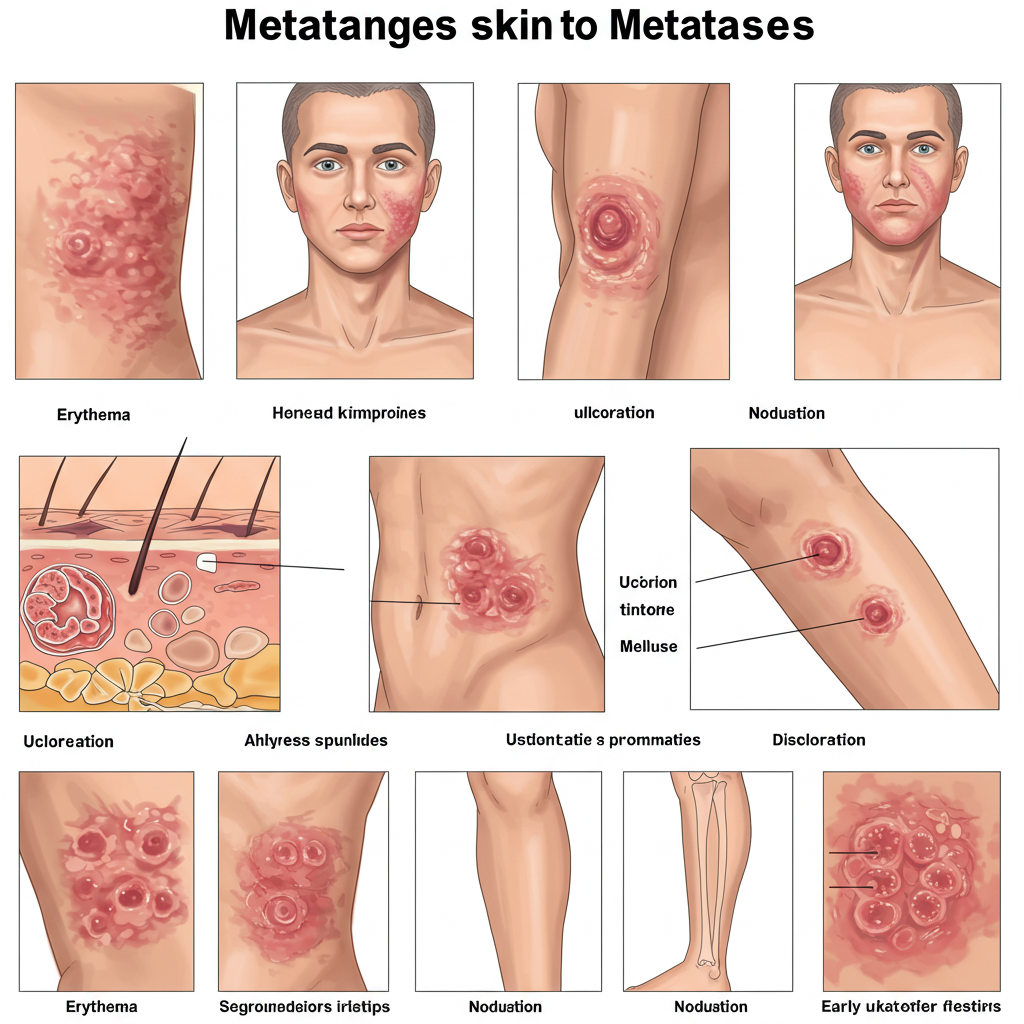
In some cases, metastases in the skin can appear as nodules or swellings under the skin. These changes can vary in appearance and feel:
- Appearance:
- Size: The nodules or swellings can vary significantly in size, from small, barely noticeable changes to larger, distinct swellings.
- Shape: They can be round, oval, or more irregular in shape.
- Number: You may experience a single nodule or multiple nodules in the same area or scattered over different parts of the body.
- Location: Although they can occur anywhere on the body, skin metastases are most frequently seen near the primary cancer area. However, it is also possible for them to arise further away.
- Color changes: The skin over the nodule or swelling may change color. You may notice redness, a more brownish or bluish hue, or in some cases, the skin may remain unchanged in color.
- Depth: Skin metastases can be located at different depths under the skin. Some may lie superficially, just under the skin’s surface, and will therefore feel very close. Others may lie deeper in the subcutaneous tissue and will therefore feel more firm and perhaps less movable. In some cases, they can even involve the deeper layers of the skin and the underlying tissue.
- Feeling:
- Firmness: The nodules typically feel firm or hard, but they can also be softer or rubbery.
- Mobility: Some nodules may feel movable under the skin, while others may be more fixed and not so easy to move.
- Pain and tenderness: Often, skin metastases are painless. However, in some cases, there may be accompanying pain, tenderness, or a feeling of discomfort in the area.
If you notice new nodules or swellings in the skin, especially if you have previously had cancer, you should have them examined by your doctor.
Even if they are not necessarily metastases, it is important to rule out this possibility or get a quick diagnosis. The doctor will typically examine the change and possibly take a biopsy (a small tissue sample) to determine what it is.
Open sores in the skin
Although less common, metastases in the skin can in rare cases lead to sores that do not heal. This can happen if the metastasis grows rapidly and invades the surface of the skin, causing an ulceration. These sores will typically be different from sores caused by primary skin tumors. They may have the following characteristics:
- Location: Occur in an area where there was previously a nodule or swelling.
- Complements other indications: May be accompanied by other signs of metastases in the skin (multiple nodules in the area).
- Healing process: This is typically very slow or non-existent despite wound care.
- Can bleed or ooze.
- Note: It is important to emphasize that open sores that do not heal are a more frequent symptom of primary skin tumors (such as basal cell carcinoma, squamous cell carcinoma, or melanoma) than of skin metastases from cancer elsewhere in the body.
Organ-specific symptoms of metastases
Since cancer can spread to different organs, the symptoms will often depend on where the metastases are located:
6. Metastases in bones
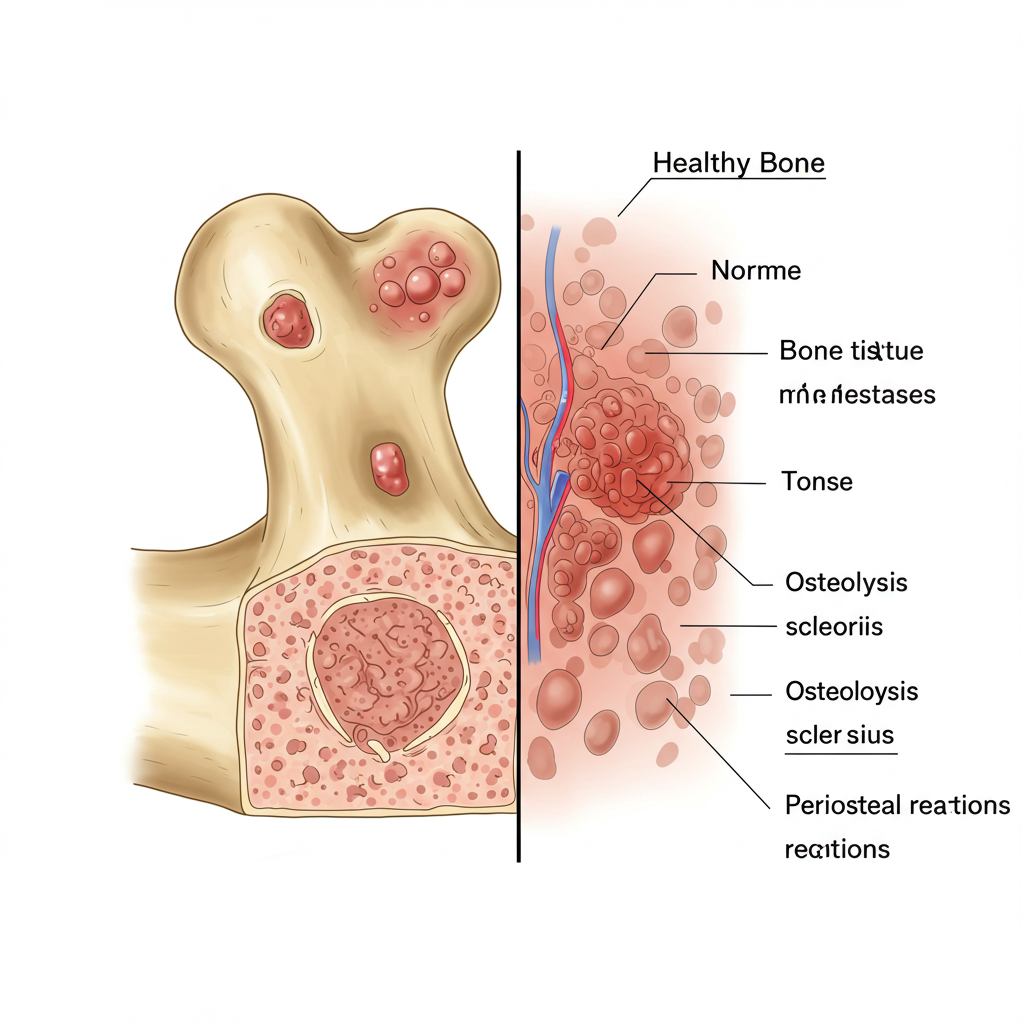
Bones are one of the most frequent sites where many cancer types spread. When cancer cells spread to the bones, it can cause a range of problems. Be aware of the following symptoms:
- Bone pain: You may experience deep, persistent pain in your bones. This pain is often described as a dull or boring sensation. A characteristic feature of bone pain caused by metastases is that it often worsens at night, even when you are at rest. The pain can also be intensified by movement or by pressure on the affected area. The pain may be localized to a specific area, for example, the back, the hip, or another bone area, or you may experience more widespread pain if the metastases are spread to several bones. It is important to be aware of new or changed pain patterns.
- Increased risk of fractures: If cancer has spread to your bones, it can weaken the bone tissue itself around the metastases. Cancer cells can break down the normal bone structure, making the bones more porous and fragile. This increases the risk of bone fractures, even with minor stress, a fall, or without a clear external cause. These so-called pathological fractures can cause sudden and intense pain as well as limited mobility.
- Hypercalcemia (elevated calcium in the blood): When cancer cells break down bone tissue, calcium is released into the blood. This can lead to hypercalcemia, which is a condition with elevated calcium content in the blood. The symptoms of hypercalcemia can vary depending on how high the calcium level is and can include:
- Fatigue and weakness: You may feel unusually tired and have decreased muscle strength.
- Nausea and vomiting: Elevated calcium can affect the digestive system and cause nausea and vomiting.
- Constipation: Changes in bowel function can lead to constipation.
- Increased thirst: You may feel very thirsty.
- Frequent urination: Increased calcium can affect the kidneys and lead to more frequent needs to urinate.
- In more serious cases, hypercalcemia can lead to confusion, lethargy, dementia, and in extreme cases, coma.
7. Metastases in lungs
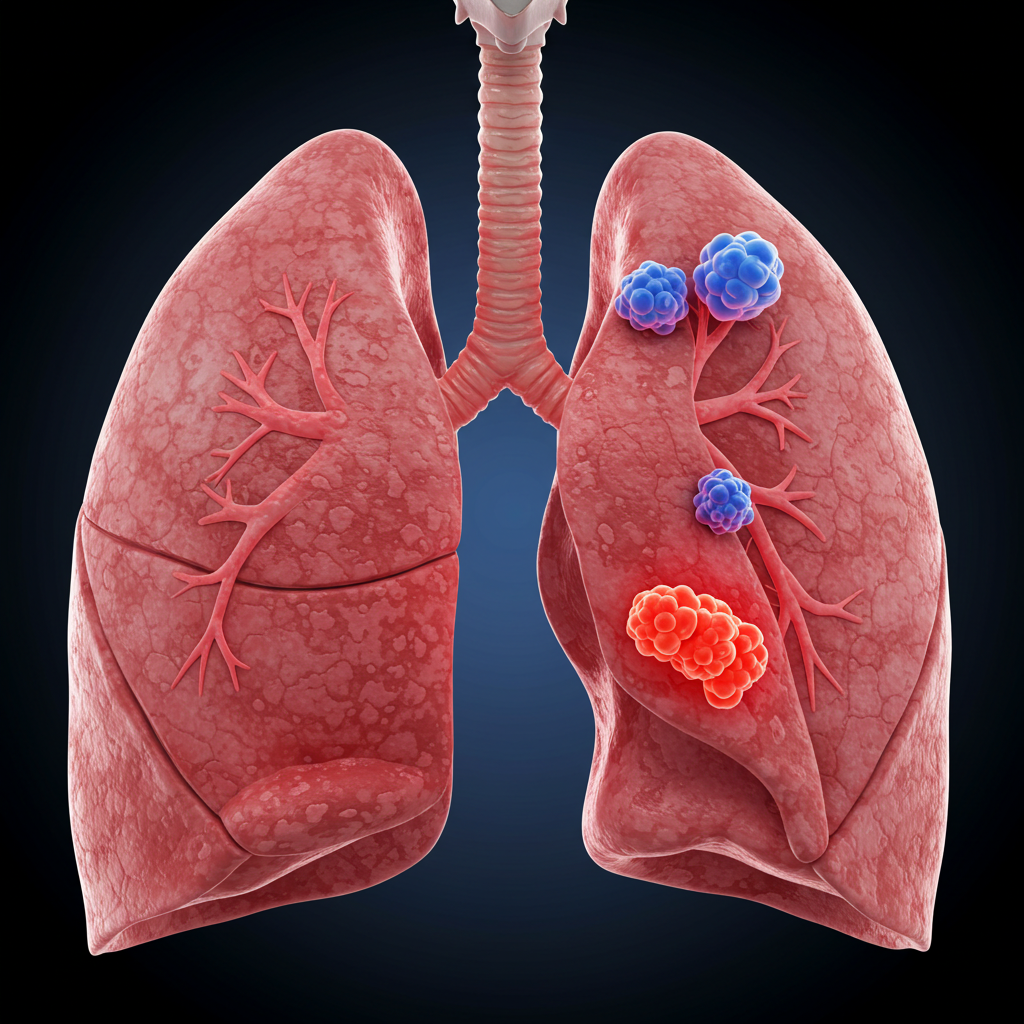
The spread of cancer to the lungs is relatively common, as the lungs have a rich blood vessel and lymphatic system that cancer cells can easily travel (migrate) through. Metastases in the lungs can affect lung function and give rise to various symptoms:
- Persistent cough: You may develop a cough that does not go away on its own and is not associated with a common cold or infection. The cough may be dry without phlegm, or it may be accompanied by mucus production. Also, pay attention to changes in an existing chronic cough, for example, if it becomes more frequent, more intense, or changes character.
- Shortness of breath (dyspnea): You may experience difficulty breathing, even with slight exertion like walking up stairs or even at rest. The feeling of shortness of breath may come gradually over time as more metastases affect the lung tissue, or it may occur more suddenly if a larger metastasis blocks an airway or causes fluid accumulation in the pleura (pleural effusion). It is often described as a feeling of being out of breath, not being able to get enough air, or a tightness in the chest.
- Chest pain: You may experience pain in the chest, which can vary in character. The pain may be sharp and stabbing, especially with deep breathing or coughing, or it may feel more pressing and constant. The location of the pain can also vary depending on where the metastases are located in the lungs or the pleura.
- Blood in phlegm (hemoptysis): If you cough up bloody mucus, even in small amounts, it is a serious symptom that should always be investigated by a doctor as soon as possible. The blood can be fresh and red or more brownish. Although it is not always due to metastases, it can be a sign of a tumor irritating or damaging blood vessels in the lungs or airways.
- Fluid accumulation in the pleura (pleural effusion): Metastases in the pleura can lead to an accumulation of fluid in the space between the lungs and the chest wall (pleural effusion). This can cause pain in the chest, shortness of breath, tightness in the chest, and cough. The pain may be due to the pressure from the fluid on the chest wall or irritation of nerves in the area. The symptoms will often worsen gradually as more fluid accumulates.
- Wheezing or whistling breathing: In some cases, metastases in the lungs can narrow the airways, which can lead to a wheezing or whistling sound when you breathe.
It should be noted that many of these symptoms can also be caused by other lung diseases or conditions.
But if you experience one or more of these symptoms, especially if you have previously had cancer, it is important to contact your doctor to have them investigated further.
8. Metastases in the liver
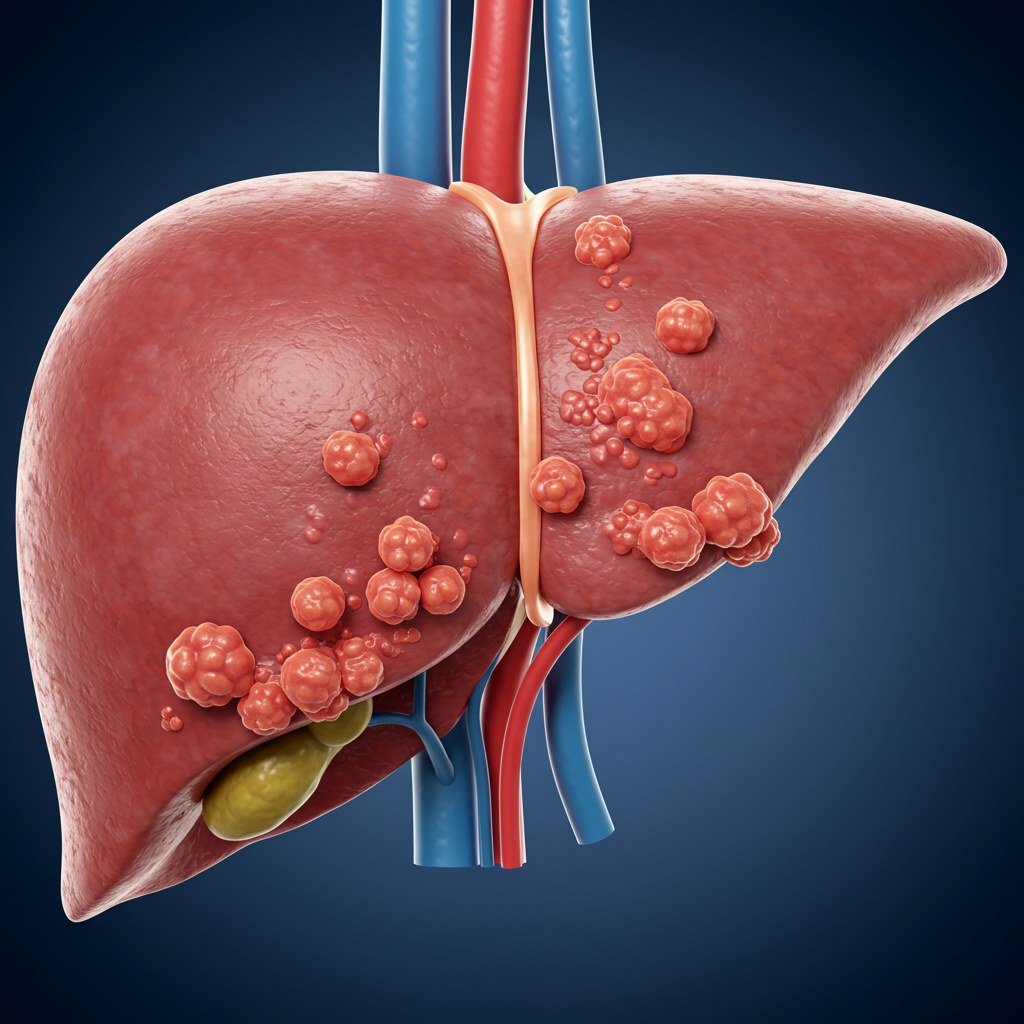
The liver is an important organ with many functions, and it is also a frequent target for the metastasis of cancer cells from elsewhere in the body. Metastases in the liver can affect liver function and give rise to the following symptoms:
- Jaundice (icterus): You may notice a yellowing of your skin and the whites of your eyes. This is due to an accumulation of bilirubin, which is a waste product from the breakdown of red blood cells that the liver normally helps remove from the body. If the liver’s function is reduced due to metastases, bilirubin can accumulate in the blood and cause this yellowing. Jaundice can also be accompanied by dark urine and pale stools, as well as extreme itching (all over the body).
- Pain in the right side of the abdomen: Diffuse or pressing pain may be felt under the ribs on the right side of the abdomen, where the liver is located. The pain can vary in intensity and can be constant or come and go. In some cases, the pain may radiate to the back or up into the right shoulder. The pain may be because the liver becomes enlarged due to the metastases, which stretches the liver capsule, which contains many nerves.
- Swelling of the abdomen (due to ascites): Fluid accumulation in the abdominal cavity (ascites) can occur when liver function is affected by metastases. This can lead to a gradual distension and tension of your abdomen. You may experience that your clothes become tight and that you gain weight without having changed your diet. Ascites can also cause a feeling of discomfort and pressure in the abdomen, as well as shortness of breath if there is a lot of fluid.
- Fatigue and weakness: As mentioned under general symptoms, fatigue and weakness can be particularly prominent if you have liver metastases. This is due, among other things, to the fact that reduced liver function can lead to the accumulation in the blood of waste products that the liver would normally remove, as well as the metabolic disturbances that cancer generally can cause.
- Nausea and vomiting: Metastases in the liver can in some cases affect the digestive system and lead to nausea and vomiting. This can also be due to the accumulation of waste products in the blood that the liver would normally handle.
- Weight loss and decreased appetite: As with many other forms of more advanced cancer, you may experience unexplained weight loss and decreased appetite if you have liver metastases. This can be due to the metabolic changes the cancer causes, as well as a general feeling of malaise.
- Enlarged liver (hepatomegaly): Your doctor can feel during an examination if your liver is enlarged. This is not something you would necessarily notice yourself, but it is an important sign that the doctor will normally be aware of.
Many of these symptoms can, however, also be caused by other liver problems or medical conditions. But if you experience one or more of these symptoms, especially if you have previously had cancer, you should contact your doctor to have them investigated further.
9. Metastases in the brain

The spread of cancer to the brain is a serious complication that can cause a range of neurological symptoms. The symptoms depend on where in the brain the metastases are located, their size, and how quickly they grow.
Be aware of the following symptoms:
- Headache: Persistent or increasing headaches can be experienced, which may be different from the headaches one might normally have. This can often be particularly pronounced in the morning when waking up and gradually subside during the day. This is primarily due to increased pressure in the skull during the night because one is lying down, as well as potentially slower fluid drainage from the brain. The headache can also typically be worsened by coughing, sneezing, or physical exertion. Some also describe the headache as a constant, pressing sensation that can feel like an “iron cap” over the head or a tightening tension around the entire head.
- Vision disturbances: Various forms of visual disturbances can be experienced, including blurred vision, double vision, flickering before the eyes, or loss of parts of the visual field (e.g., tunnel vision or black spots). These disturbances can come gradually or suddenly.
- Nausea and vomiting: Nausea and vomiting can be experienced, which can be particularly pronounced in the morning after waking up, and without a clear cause such as food poisoning. Persistent nausea without an obvious reason should always be investigated.
- Seizures (epileptic fits): Seizures are involuntary muscle twitches or shaking, which can be accompanied by loss of consciousness. Seizures can be a sign of irritation of the brain tissue caused by metastases. There can be different types of seizures, from small, local twitches to generalized seizures affecting the whole body.
- Changes in personality or memory: One can experience changes in personality, such as increased irritability, mood swings, or apathy. This is not necessarily something one registers oneself, but something observed by the surroundings (one’s closest). Additionally, problems with memory (both short- and long-term), concentration difficulties, and confusion can arise.
- Weakness or paralysis in an arm or a leg: If a metastasis presses on or damages the areas of the brain that control motor function, one can experience weakness in an arm or a leg (hemiparesis) or in the worst case, paralysis (hemiplegia) on one side of the body. One can also experience problems with coordination and balance.
- Difficulty speaking (dysarthria or aphasia): Depending on where the metastasis is located, one can have problems speaking clearly (dysarthria) or with finding the right words (afasi) or understanding language (receptive aphasia).
- Sensory disturbances: One can experience various changes in the sense of touch in parts of the body. This can include:
- Decreased sensation (hypæstesi): One can experience that the ability to feel touch, pressure, heat, or cold is decreased in certain areas. It can feel as if the area is “dead” or less sensitive than normal.
- Increased sensation (hyperæstesi): In some cases, one can experience an increased sensitivity to stimuli that would normally not be painful. Light touch can feel uncomfortable or even painful.
- Prickling and stinging (paræstesier): An abnormal feeling like prickling, stinging, tingling, or a “numb” sensation in arms, legs, hands, or feet can be experienced. (Not to be confused with the one that can arise as a side effect in connection with chemotherapy).
- Changed temperature sensation: One can experience that it is difficult to distinguish between hot and cold, or that one feels a burning sensation without an external cause.
- Decreased positional sense (proprioception): It can be difficult to feel where body parts are located in space without looking at them. This can lead to clumsiness or problems with coordination.
It should be emphasized that these symptoms can also be caused by other neurological conditions.
But if you experience one or more of these symptoms, especially if you have previously had cancer, you should seek a doctor quickly for a thorough examination.
Rapid diagnosis and treatment can be important for managing the symptoms and improving the quality of life.
See also Brain metastases and the blood-brain barrier – what can be done.
10. Nerve root compression
Metastases in the spine can, in some cases, grow and press on the nerve roots or the spinal cord itself. This is called nerve root compression or spinal cord compression, and it is a potentially serious condition that requires immediate medical attention.
Mechanism: The spine protects the spinal cord, which is a thick bundle of nerves running from the brain down through the back. From the spinal cord, nerve roots emerge that provide different parts of the body with sensation and motor function (the ability to move). When a metastasis in one of the vertebrae grows, it can invade the hvirvel itself and potentially press on the spinal cord or the nerve roots leaving the spine at that level.
Symptoms:
The symptoms of nerve root compression can develop gradually or suddenly and vary depending on where in the spine the compression occurs and which nerves are affected. The most common symptoms include:
- Severe back pain: Often an intense, localized pain in the back, which can be worsened by movement, coughing, sneezing, or in a lying position. The pain can also radiate into the arms or legs (sciatica-like pain).
- Numbness or prickling: Decreased sensation or a prickling, stinging sensation in the legs, feet, arms, or hands, depending on the affected nerve area.
- Muscle weakness: Weakness in the legs or arms, which can make it hard to walk, lift things, or perform normal daily activities. In serious cases, it can lead to paralysis.
- Problems with bladder or bowel function: This is a serious sign of spinal cord compression. One can experience difficulty starting urination, incontinence (involuntary urination or defecation), or changes in the bowel pattern.
- Difficulty walking: Problems with coordination and balance that can lead to unsteady gait.
Why it is acute
If pressure occurs on the spinal cord or nerve roots, it can lead to permanent nerve damage if not treated quickly. The longer the pressure lasts, the greater the risk of permanent disability like paralysis or loss of bladder and bowel control.
11. Metastases in lymph nodes
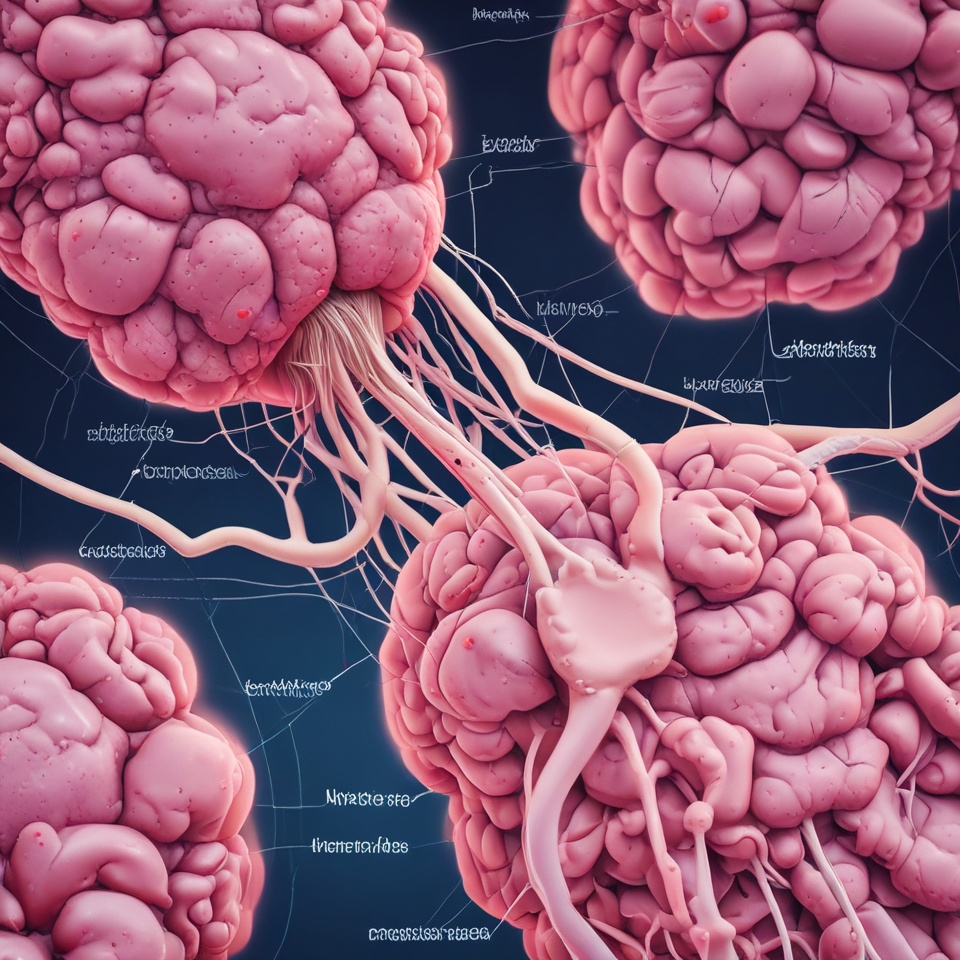
Lymph nodes are part of the body’s immune defense and function as filters that catch foreign particles, including cancer cells. When cancer spreads, lymph nodes are often the first place the cancer cells settle.
- Enlarged lymph nodes: One can perhaps feel swollen lymph nodes themselves as small lumps under the skin. They are most commonly found on the neck, in the armpits, or in the groin but can also occur in other places in the body.
- Local spread: Enlarged lymph nodes close to the area where the primary cancer started can indicate that the cancer has spread locally to the nearby lymph nodes.
- Distant spread: Swollen lymph nodes in areas far from the primary cancer can be a sign of distant metastases.
- Feeling: Swollen lymph nodes caused by metastases are typically not tender when pressed. They often feel firm or rubbery in consistency and can be movable under the skin in the early stages. As they grow or multiple nodes cluster together, they can feel more fixed (fixed to the surroundings) and hard.
- Size and number: The size of the swollen lymph nodes can vary from small, pea-sized nodules to larger, walnut-sized or even larger swellings. During a physical examination, one can possibly feel either a single swollen lymph node or multiple in the same area.
How to feel if i have swollen lymph nodes
It should be emphasized that self-examination is not a substitute for a medical examination. However, you can, to a certain extent, learn to feel for them yourself, which can make you more aware of any changes.
Here is a brief description of how you can gently examine the most common areas:
- Neck (including the area behind the collarbone):
- Place the fingertips of both hands under the jaw along the lower edge.
- Press gently upward and roll the fingertips down along the neck muscles.
- Repeat along the side of the neck, from the jaw down toward the collarbone.
- Behind the collarbone (supraclavikulært):
- The lymph nodes focused on here are found in the indentation immediately above your collarbones on both sides of the neck.
- To feel the lymph nodes behind the collarbone (the supraclavicular lymph nodes), you must relax your shoulders completely.
- Place the fingertips gently in the indentation just above one collarbone. Apply a light but firm pressure into the area.
- While maintaining the pressure, move your fingertips in small, circular motions around this area to feel for any small, swollen nodules. Be aware of the difference between the two sides.
- Normal lymph nodes are typically small and difficult to palpate (feel).
- Then pull the shoulders back so the indentation over the collarbone decreases and repeat as described above.
- Perform this in both standing/sitting and lying positions.
- Armpits:
- Lift one arm and use the other hand’s fingertips to feel deep inside the armpit.
- Move the fingertips in small circles and feel along all sides of the armpit.
- Lower the arm and repeat on the other side.
- Most people find it easiest to perform this examination in a lying position.
- Groin:
- Lie down if possible and relax.
- Place the fingertips of both hands in the area where the thigh meets the abdomen (inguinal fold).
- Press gently and feel for any nodules.
What to feel for
- Size: Normal lymph nodes are usually small (under 1 cm) and hard to feel. Swollen lymph nodes can feel larger, perhaps like a pea or a bean, or even larger.
- Consistency: Feel if they feel soft, firm, or hard. Hard or rubbery lymph nodes should be reacted to, as they can be an expression of metastatic tissue. However, there can also be other causes.
- Tenderness: Some swollen lymph nodes can be tender when you press them, which is often seen with infections.
- Mobility: Feel if the lymph nodes feel movable under the skin or if they appear stuck in the tissue.
Important
If you discover swollen lymph nodes, especially if they are large, hard, not tender, stuck, or if you have other symptoms like fever, weight loss, or night sweats, you should seek a doctor to have them examined. The doctor will examine the swollen lymph nodes and possibly take a biopsy to determine if cancer cells are present.
12. Metastases in the ovaries
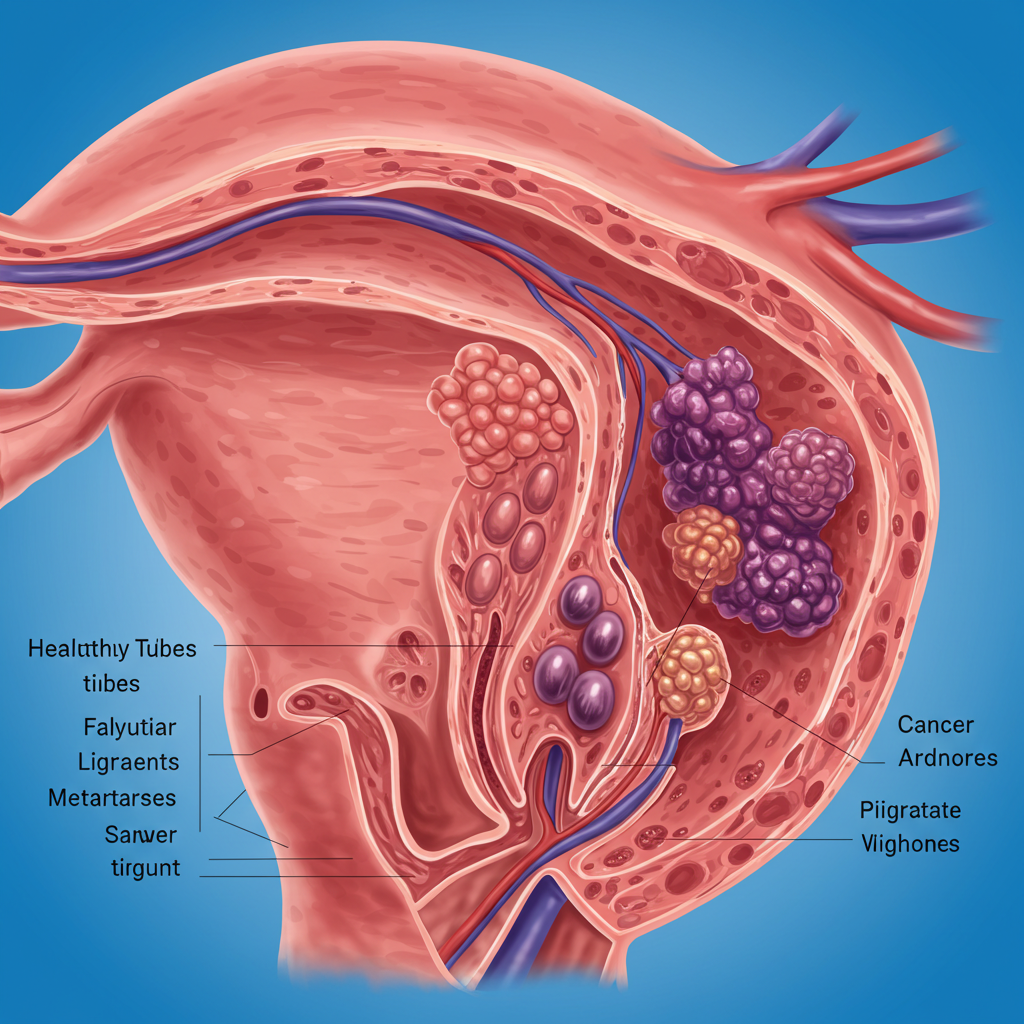
Although the ovaries are most frequently the primary starting point for ovarian cancer (ovariecancer), cancer from other places in the body can also spread here and form metastases. This is called secondary ovarian cancer. Be aware of the following symptoms, which can indicate metastases in the ovaries:
- Changes in the lower abdomen and pain: You can experience a range of uncomfortable sensations or pains in the lower abdomen. This can include a pressing sensation, heaviness, or a diffuse pain that can be difficult to localize precisely.
A characteristic feature of pains caused by metastases in the ovaries can be that they come gradually and can intensify over time. The pain can also be accompanied by a feeling of bloating or discomfort that is not necessarily related to meals. Pay attention to persistent or increasing pains that do not disappear on their own.
- Changed menstruation or bleeding: Metastases in the ovaries can affect hormone production and thus lead to changes in the menstrual cycle. This can show as irregular bleedings, heavier or longer-lasting periods than normal, bleeding between periods, or bleeding after menopause.
In women who have stopped menstruating (postmenopausale), new-onset bleeding from the vagina can thus be a sign of problems and should always be investigated. It is important to note that changes in menstruation or bleeding can also have many other causes, but persistent changes should be investigated by a doctor.
- Pressure on surrounding organs: Since the ovaries are located in the pelvis close to other organs like the bladder and the bowel, metastases that grow in size can begin to press on these structures. This can lead to different symptoms depending on which organ is affected:
- Frequent urination or difficulty emptying the bladder: Pressure on the bladder can result in an increased need to urinate frequently or a feeling of not being able to empty the bladder completely.
- Constipation or changes in the bowel pattern: Pressure on the bowel can cause constipation, diarrhea, or other changes in the normal bowel habits.
- Swelling in the legs: In rare cases, metastases in the pelvic area can press on lymph vessels or blood vessels, which can lead to swelling in the legs.
- Fluid in the abdominal cavity (ascites): Cancer cells in the ovaries (both primary and secondary) can in some cases lead to the formation of fluid in the abdominal cavity, a condition called ascites. This can cause a feeling of bloating, increased circumference at the waist, and discomfort. Ascites can also cause shortness of breath if there is a lot of fluid pressing on the diaphragm.
It is important to emphasize that these symptoms do not necessarily mean there are metastases in the ovaries. Many other conditions can cause similar symptoms.
If you persistently – or increasingly – experience some of these symptoms, it is important to seek a doctor for a thorough examination and clarification.
13. Less common sites for metastases
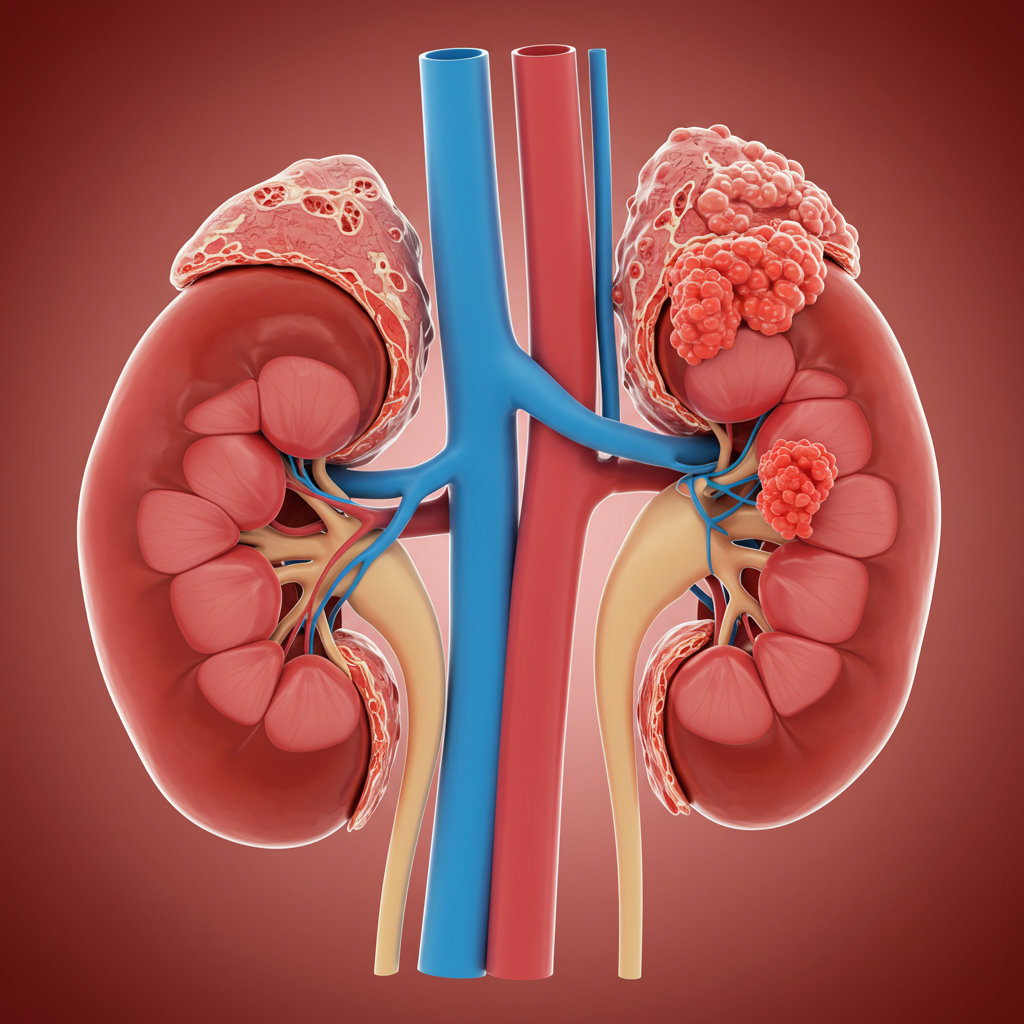
Although cancer most often spreads to bones, lungs, liver, brain, lymph nodes, and skin, metastases can in rarer cases occur in other organs. The symptoms will depend on which organ is affected.
This can involve:
Metastases in the adrenal glands
The adrenal glands are small glands that produce important hormones. Metastases here often give no clear symptoms. If symptoms arise, they can include:
- Persistent and unexplained fatigue
- Weight loss without obvious cause
- In rare cases, hormonal disturbances can arise, which can show as changes in blood pressure, blood sugar, or other body functions.
Metastases in the kidneys
The kidneys filter waste products from the blood and produce urine. Symptoms of metastases in the kidneys can be:
- Blood in the urine (hæmaturi)
- Pain in the side or lower back, which can be constant or come and go
- A palpable lump or swelling in the abdomen or side
- Fatigue and weight loss
Metastases in the pancreas
The pancreas produces enzymes for digestion and hormones like insulin. Metastases here can give vague symptoms, including:
- Unexplained abdominal pains that can radiate into the back
- Weight loss and decreased appetite
- Jaundice (yellow coloring of skin and eyes)
- Possible development of diabetes if insulin production is affected
Metastases in the bowel (small and large intestine)
Spread to the intestines is rare but can affect digestion. Symptoms can include:
- Changes in bowel pattern (constipation or diarrhea)
- Bleeding from the rectum or blood in the stool
- Abdominal pains, cramps, or bloating
- Unexplained weight loss
Metastases in the spleen
The spleen is part of the immune defense and helps filter the blood. Metastases in the spleen rarely give specific symptoms.
An enlarged spleen (splenomegali) can, however, in some cases feel like a fullness or discomfort in the upper left part of the abdomen.
Metastases in the heart
Spread to the heart is very rare but is serious if it happens. Symptoms can include:
- Chest pains or discomfort
- Shortness of breath, especially during exertion or lying down
- Heart rhythm disturbances (palpitations, irregular pulse)
- Swelling of legs or ankles
Metastases in the peritoneum (bughinden)
The peritoneum is a membrane that lines the abdominal cavity and organs. Metastases here can lead to:
- Fluid accumulation in the abdominal cavity (ascites), which gives a distended stomach and pressing sensation – the same symptom as with liver metastases
- Abdominal pains and discomfort
- Digestive problems such as nausea, vomiting, or constipation
Metastases to the testicles (rare)
Spread of cancer to the testicles from other places in the body is unusual. The cancer forms that can in rare cases metastasize to the testicles include prostate cancer, lung cancer, malignant melanoma (skin cancer), and certain forms of blood and lymph cancer (leukæmi and lymfom).
Symptoms of metastases in the testicles (if they occur) can be:
- Enlargement or swelling of one or both testicles: This can be a gradual or rapid change in size.
- The feeling of a lump or hardness in the testicle: This can differ from the normal texture of the testicle.
- Feeling of heaviness in the scrotum: A feeling of increased weight or discomfort.
- Pain or discomfort in the testicle (rare): In most cases, the swelling or lump is not painful.
Metastases to the prostate (rare)
Spread of cancer to the prostate from other places in the body is also rare, as most cancer cases in the prostate are primary prostate cancer. The cancer forms that can in rare cases metastasize to the prostate include bladder cancer (by direct spread), rectal cancer (by direct spread), malignant melanoma, and lymphoma.
Symptoms of metastases in the prostate (if they occur)
These can be difficult to distinguish from symptoms of primary prostate cancer or other prostate problems:
- Changes in urination habits: This can include frequent urination, especially at night, difficulty starting or stopping urination, a weak urine stream, or pain during urination.
- Pain or discomfort in the pelvic area, hips, or back: These pains can be diffuse or localized.
- Blood in the urine or semen (rare).
- Erectile dysfunction: Rare as a debut symptom of metastases.
It is important to emphasize that these symptoms are rarely caused by metastases from other cancer forms to testicles or prostate.
If you experience these symptoms, it is far more likely they are due to primary cancer in the organ in question or other non-cancer-related conditions. Persistent or concerning symptoms should, however, always be investigated by a doctor.
Metastases in the eyes
Spread to the eyes is rare but can affect vision. Symptoms can be:
- Blurred vision or double vision
- Pain in the eye
- Light sensitivity
- Changes in the visual field
It must be emphasized that the occurrence of these metastases and the associated symptoms are less common, but they can occur, and it is therefore important that not least doctors are aware of unexplained symptoms even if they do not immediately point to the most frequent metastasis sites.
Get investigated
It must be emphasized that the presence of one or more of these symptoms does not necessarily mean there is a question of metastases. Many other medical conditions can cause similar symptoms. However, it is crucial that upon persistent or concerning symptoms, you always contact your practitioner for a thorough examination and possible investigation. The doctor will be able to assess the situation and decide if there is a need for further investigations.
Conclusion on symptoms
Symptoms of metastases can be diverse and vary significantly depending on where the cancer has spread in the body. Some symptoms are general and can indicate a more widespread disease, while others are specific to the organ affected. It is important to emphasize that many of the mentioned symptoms can also be caused by other, less serious conditions.
However, you should always be aware of new, persistent, or worsening symptoms and seek a doctor to have them examined, especially if you have previously had cancer. Early identification of metastases can be crucial for planning the best possible treatment and management of the disease. An open dialogue with your treatment team about any symptoms is essential to ensure the right follow-up and treatment.
14. Diagnosing metastases
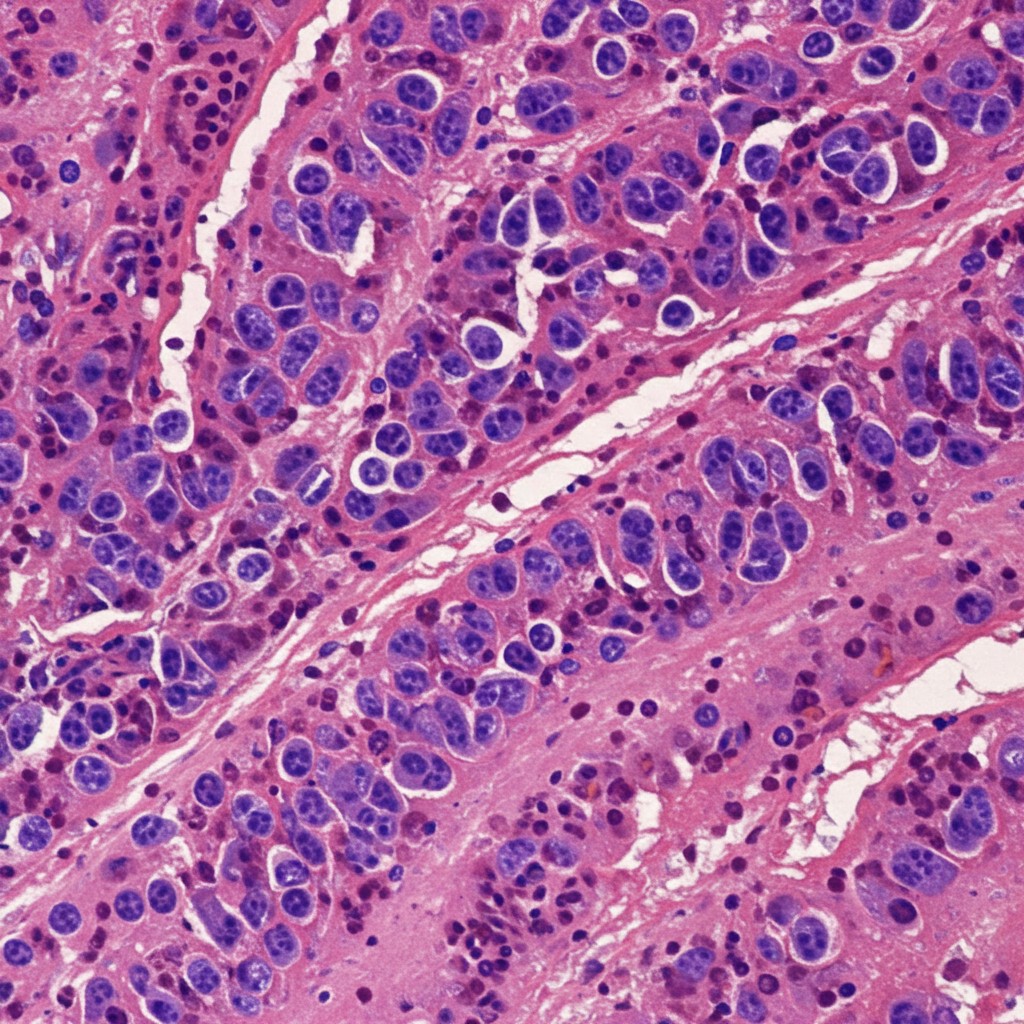
If there is suspicion of metastases based on symptoms or results from follow-up investigations, the doctor will initiate a series of investigations to confirm the diagnosis and determine the extent of the spread. No single investigation alone (biopsy excepted) is normally sufficient to diagnose metastases, and the doctor will often combine several methods to get a complete picture.
Medical examination and medical history
The process typically starts with the doctor performing a thorough examination of the body for signs of metastases. This will include looking for swollen lymph nodes, signs of fluid accumulation, or indication of unintended weight loss. The doctor will also carefully review your medical history, including details about your primary cancer, the treatments you have received, and any symptoms you experience. Information about the cancer type, its stage at the time of diagnosis, and any relapses are important in the assessment of the risk of metastases.
Imaging investigations

Imaging investigations play a central role in the diagnosis of metastases, as these can visualize the body’s internal organs and identify any abnormal growths or changes. The choice of imaging method depends on the primary cancer type and the areas where metastases are suspected.
Read more…
X-ray examination
A standard X-ray examination can be useful for detecting metastases in certain areas, especially lungs and bones. In the lungs, metastases can appear as round or oval shadows. In the bones, X-rays can reveal areas of bone destruction or formation that can indicate metastases. X-ray is often one of the first investigations performed due to its accessibility and relatively low costs.
CT-scan (computed tomography)
A CT scan is a more advanced X-ray investigation that takes detailed cross-sectional images of the body. By using computer technology, these images can be reconstructed in three dimensions, providing a very precise visualization of organs and tissues. CT scanning is effective for detecting metastases in most parts of the body, including lungs, liver, kidneys, adrenal glands, and lymph nodes. It can also provide information about the size and extent of any metastases.
MRI-scan (magnetic resonance imaging) (magnetisk resonans)
MR scan uses strong magnetic fields and radio waves to create very detailed images of the body’s soft tissues. MR is particularly useful for examining the brain and spinal cord for metastases, as it provides clear contrast between different types of tissue. MR can also be used to examine the liver, pelvic organs, and bones for metastases, especially in cases where CT scanning does not provide sufficient information.
PET scan (positron emission tomography)
PET scan is an advanced imaging method that can detect areas with increased metabolic activity in the body, which is often characteristic of cancer cells. The patient is injected with a small amount of radioactive tracer (most often a glucose-like substance). Cancer cells tend to take up more of this tracer than normal cells.
A PET scanner registers the radioactive radiation and creates images showing where there is increased metabolic activity. It should be noted, however, that immunotherapy, including dendritic cell therapy, can give rise to false positive results on PET scans due to immune activation. The same can be the case in connection with infections, inflammation, and certain other medical treatments.
PET scan is particularly useful for identifying spread that is not necessarily visible on CT or MR scans, and for assessing the effect of treatment. Often, PET and CT scanning (PET/CT) are combined to get both functional and anatomical information.
Bone scanning
A bone scan is used primarily to detect metastases in the bones. The patient is injected with a radioactive tracer that is taken up in areas with increased bone turnover, which can indicate the presence of cancer cells.
Although a bone scan is sensitive to changes in bone tissue, it is not always specific to cancer, as other conditions like infections or osteoarthritis can also give increased uptake of the tracer. Upon suspicion of bone metastases, the result of a bone scan will often be followed up with X-ray, CT, or MR to get a more precise diagnosis.
Thermography (infrared camera investigation)
Thermography is an imaging method that uses an infrared camera to register the surface temperature of the body. Since cancer cells most often have increased metabolism and blood flow, they will generate more heat than normal tissue. Thermographic images can visualize these temperature differences as colored areas (“hot spots”) that in some cases can indicate the presence of metastases. The investigation is non-invasive and involves no radiation. Thermography can provide important supplementary information but is generally not considered a standard method for diagnosing metastases.
Biopsy
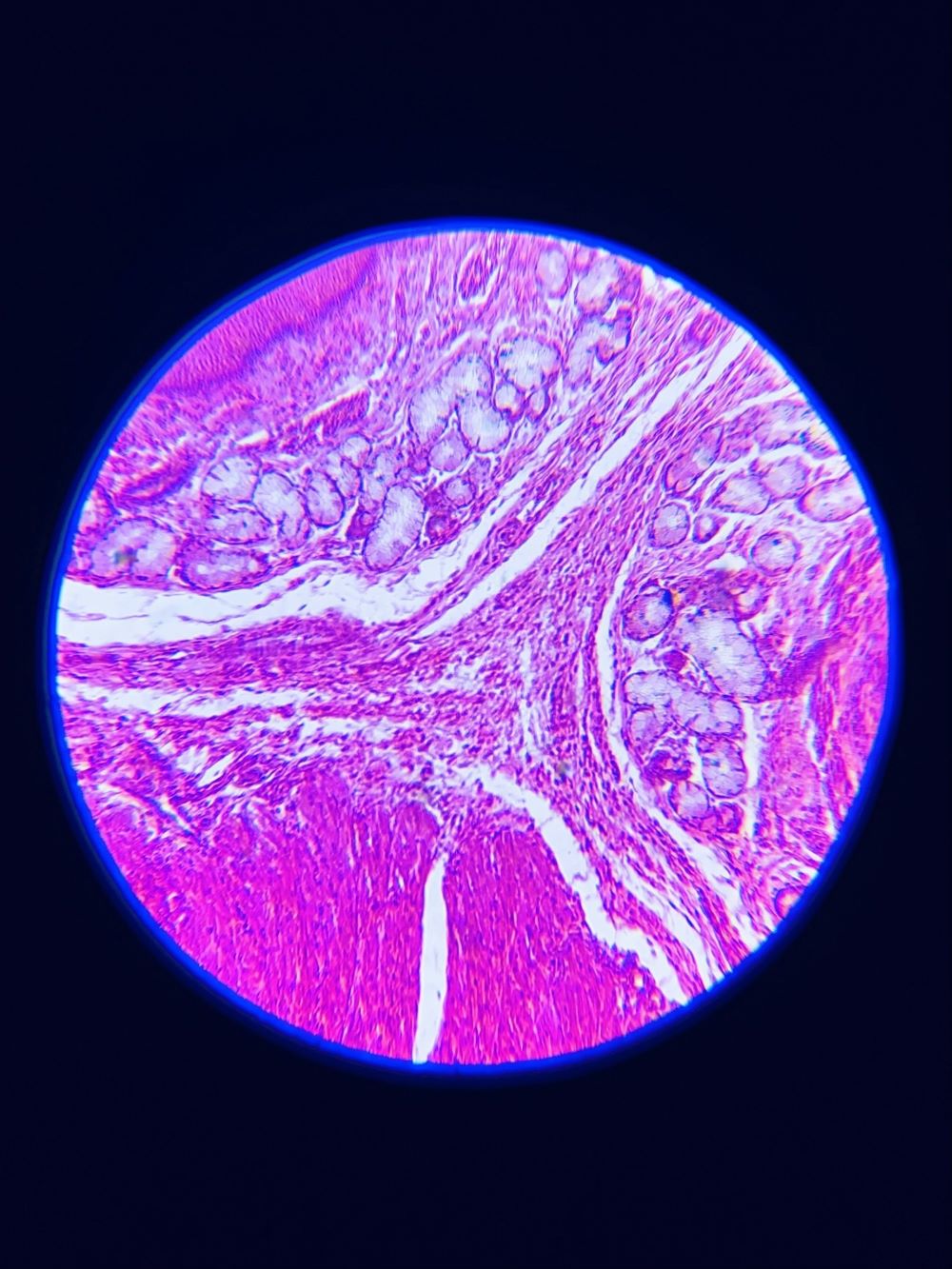
The final and safest way to diagnose metastases is by a biopsy, where a tissue sample from the suspected area is taken and examined microscopically by a pathologist.
Read more…
The biopsy can confirm the presence of cancer cells and determine their type, which is important for deciding if it is a question of spread from the primary cancer form. There are different ways to take a biopsy:
- Needle biopsy: A thin needle is guided into the suspected area, often under the guidance of imaging (e.g., ultrasound, CT scanning). This is a minimally invasive procedure.
- Surgical biopsy: If a needle biopsy is not possible or gives an unclear result, it may be necessary to perform a minor operation to remove a tissue sample.
- Endoscopic biopsy: Upon suspicion of metastases in organs that can be reached with an endoscope (e.g., lungs or the gastrointestinal tract), biopsies can be taken during a scoping examination.
The result of the biopsy is crucial for making the correct diagnosis and planning the most effective treatment.
Blood tests

Certain blood tests can provide supplementary information, although they rarely alone can diagnose metastases.
Read more…
Tumor markers
These are substances produced by cancer cells that can be measured in the blood. Elevated levels of certain tumor markers can indicate the presence of cancer, including metastases. However, tumor markers are not always specific to cancer, and their levels can also be elevated in other conditions. Additionally, not all cancer types are associated with known tumor markers.
Other blood tests
Blood tests can also be used to assess the function of organs potentially affected by metastases, such as liver or kidney function numbers. Elevated levels of certain enzymes (e.g., alkalisk fosfatase) can indicate bone or liver metastases.
Overall, the doctor will perform a thorough assessment based on your symptoms, medical history, and the results of the various investigations to make the most precise diagnosis of any metastases.
15. Treatment of metastases

Once metastases are diagnosed, the goal of treatment is primarily to reduce their size, control the cancer’s growth, relieve any symptoms, and improve the patient’s quality of life. In most cases, treatment will largely also aim to prolong survival. The treatment strategy is complex and depends on several factors, including:
- The type of primary cancer
- The extent and number of metastases
- The location of the metastases (which organs are involved)
- The patient’s general health status and any other diseases
- Previous treatments for the primary cancer and how the cancer reacted to these
- Presence of specific genetic changes (mutations) in the cancer cells
The conventional treatment of metastases is often systemic, which means it affects the whole body to reach cancer cells regardless of where they are located. Local treatment targeted at specific metastases can also be used in certain situations. Often, different treatment forms are combined to achieve the best result.
See also Brain metastases and the blood-brain barrier
Systemic treatment

Systemic treatment includes medication given either via the bloodstream (intravenously) or as tablets, and which circulates throughout the whole body to attack the cancer cells.
Read more…
Chemotherapy
Chemotherapy is one of the most common forms of systemic treatment. It uses powerful drugs aimed at killing cancer cells or inhibiting their growth and division. Chemotherapy can be given in cycles with rest periods in between to give the body a chance to recover. The side effects will vary depending on the drugs used and the dose.
Hormone treatment
Hormone treatment is used primarily for cancer types sensitive to hormones, such as breast cancer and prostate cancer. In these cancer types, the cancer cells have receptors for specific hormones (estrogen in breast cancer and testosterone in prostate cancer) that stimulate their growth.
Hormone treatment works by blocking the action of these hormones or by reducing the production of them in the body. The side effects of hormone treatment depend on the type of treatment and can include hot flashes, fatigue, and changes in bone density.
Targeted therapy
Targeted therapy is a newer form of systemic treatment focusing on specific molecules (proteins, enzymes) inside or on the surface of cancer cells involved in their growth and spread. By blocking these targets, one can inhibit cancer cell growth with potentially fewer side effects than traditional chemotherapy, as the treatment is more selective for the cancer cells. Targeted therapy often requires proving the presence of the specific target in the cancer cells using genetic tests or other laboratory investigations. Examples of targeted therapy include HER2 inhibitors for breast cancer and EGFR inhibitors for certain forms of lung cancer.
Immunotherapy
A form of treatment aimed at strengthening the body’s own immune system so it can better recognize and fight cancer cells.
There are different types of immunotherapy:
- Checkpoint inhibitors: Block “brakes” on the immune cells, freeing them to attack the cancer.
- CAR T-cell therapy: The patient’s own T-cells are genetically modified to recognize and attack the cancer cells.
- Dendritic cell therapy: Dendritic cells from the patient are “trained” in the lab to recognize cancer cells and given back to activate the immune response.
- Adoptive cell therapy (TILs): The patient’s own tumor-infiltrating lymphocytes are cultured and activated in the lab and given back.
- Oncolytic viruses: Viruses designed to selectively infect and kill cancer cells while stimulating the immune response.
- Antibody-drug conjugates (ADCs): Antibodies that bind specifically to cancer cells are linked to a chemotherapeutic drug, delivering the chemotherapy directly to the cancer cells.
Other systemic therapies

Overview of complementary and supplementary treatment options for cancer with metastases. This includes Targeted therapies, Immunotherapy (besides CAR T), Virus-based cancer treatment, Gene therapy under development, and Integrative oncology combining conventional and supportive treatment. Additionally, the use of Supplements and the potential in Repurposed Drugs (existing medicine for new purposes) is touched upon.
Read more…
Antibody-drug conjugates (ADCs)
A type of targeted therapy where an antibody binding specifically to cancer cells is linked to a chemotherapeutic drug. The antibody delivers the chemotherapy directly to the cancer cells, potentially reducing damage to normal cells.
Adoptive cell therapy (besides CAR T-cell therapy)
A broader category involving harvesting the patient’s own immune cells (e.g., tumor-infiltrating lymphocytes – TILs), which are then cultured and activated in the lab before being given back to the patient to fight the cancer.
Oncolytic viruses
Viruses genetically modified to selectively infect and kill cancer cells while stimulating the body’s immune response against the cancer.
Gene therapy
Although this is still in the developmental phase for most cancer types with metastases, gene therapy involves introducing genetic material into cancer cells to kill them, make them more sensitive to other treatment, or stimulate the immune response.
Integrative oncology
An approach combining conventional cancer treatment with complementary therapies (e.g., acupuncture, supplements, psychological support (where evidence exists)) to manage symptoms, improve quality of life, and potentially support the conventional treatment. It is important to emphasize that complementary therapies are used here in consultation with the practitioner and not as a replacement for other treatment.
Supplements
Many cancer patients proactively wish to optimize their prognosis. Therefore, it is common to look toward supplements and how they can best play a role in their treatment course.
There is a wide spectrum of supplements, and some are believed to have specific effects particularly relevant in connection with cancer. This can include substances potentially inhibiting cancer cell growth (e.g., curcumin), supporting the immune system (e.g., vitamin D), or acting as antioxidants (e.g., resveratrol).
Also, certain medical mushrooms, such as reishi, shiitake, turkey tail and maitake, contain bioactive components like polysaccharides that in some studies have shown potential to strengthen the immune system and have anti-cancer effects.
Although research in these areas is ongoing, it should be noted that the scientific evidence for significant effects in humans with cancer is often limited. Many users, however, experience increased well-being using supplements. And there are likewise many who feel convinced that the use of a range of complementary (alternative) measures – including supplements – has made them free of detectable cancer. This can presumably be explained by certain supplements being believed to be cancer-inhibiting/cancer-killing.
Diet or supplements with boron may possibly have a beneficial effect on metastases in bone tissue.
Pivotal role of boron supplementation on bone health: A narrative review (PubMed, 2020)
- Relevance: This review shows that a daily supplement of 3 mg boron can help maintain bone health by affecting calcium, vitamin D, and sex hormones. Although there are few studies (11), the number of participants is high (594), and the results are promising. The recommended dosage level is thus lower than EFSA’s upper limit of 10 mg daily.
See also Supplements – Chemo – Interactions
See also Brain metastases and the blood-brain barrier
Repurposed Drugs
The idea of using drugs already approved for treatment of other diseases (“repurposed drugs”) is gaining more attention within cancer treatment. The thought is that these drugs have undergone extensive safety testing and apparently can have anti-cancer effects not noted in their original application area.
There are many examples of drugs being investigated for their potential in cancer treatment, including certain beta-blockers, antibiotics, and drugs for arthritis and diabetes. Some of these substances are believed to be able to affect cancer cells’ growth, blood supply, or ability to spread.
The exciting thing about “repurposed drugs” is that they can potentially offer new treatment options faster and cheaper than the development of entirely new cancer drugs. Many patients share their positive experiences using these substances, often (but not always) in combination with traditional treatment. These personal accounts help drive interest and research within this field.
Local treatment and specialized methods

Local treatment is directed at specific metastases in a delimited area.
Read more…
Radiation therapy
Radiation therapy uses high-energy rays to destroy cancer cells in a local area. It can be used to treat metastases in almost all parts of the body, including:
- Bones (to relieve pain and prevent fractures)
- Brain (to control growth and relieve neurological symptoms)
- Lungs (to reduce the size of tumors causing symptoms)
This includes:
- External radiation therapy: Rays delivered from a machine outside the body.
- Internal radiation therapy (brachytherapy): A radioactive source placed near or inside the tumor.
Stereotactic radiation therapy (SBRT) / CyberKnife
- An advanced form of external radiation therapy delivering very precise and high doses of radiation to a small, well-defined area of the body, such as a metastasis in the lungs, brain, or spine.
- CyberKnife is a specific system for stereotactic radiation therapy known for its precision and ability to treat tumors in moving parts of the body.
Selective internal radiation therapy (SIRT) / Radioembolization
- SIRT is a form of internal radiation therapy primarily used for treatment of liver metastases. Small radioactive particles (typically Yttrium-90) are injected directly into the liver’s blood supply, where they lodge in the tumors and emit radiation locally.
Surgery
- Surgery can in some cases be an option to remove single metastases, especially if they are few and located in an organ where removal can occur without too much risk to the patient. This can, for example, be the case with certain liver or lung metastases. Surgery can also be used to relieve symptoms, for example, by removing a tumor pressing on nerves or other structures.
Ablation treatment
Ablation treatments are minimally invasive techniques using energy to destroy cancer cells in a localized metastasis. This can include:
- Radiofrequency ablation (RFA): Heat is generated in the tumor tissue using radio waves. One or more needle electrodes are guided into the tumor, and a high-frequency electric current is passed through them. This current causes the ions in the tissue around the electrodes to vibrate rapidly, creating friction and thus heat, which destroys the cancer cells. RFA is often used for treatment of smaller tumors and can be particularly precise when treating near vital structures. The effectiveness of RFA can be affected by the tissue’s electrical conductivity.
- Microwave thermoablation: Another minimally invasive technique using microwaves to generate heat in the tumor tissue and thereby cause cell death. An antenna is guided into the tumor, and microwaves are emitted, causing water molecules in the tissue to vibrate and rotate rapidly. This process quickly creates high temperatures destroying the cancer cells. MWA has potential to treat larger tumors faster than RFA and is generally less dependent on the tissue’s electrical conductivity and potentially less sensitive to cooling from blood flow.
- Laser ablation: Cancer cells are destroyed using heat generated by laser energy. A thin, fiber-optic probe is guided directly into the tumor. The laser light passed through the probe is converted to heat in the tumor tissue, leading to destruction of the cancer cells. Laser ablation can be particularly suitable for treatment of smaller tumors or tumors difficult to access surgically. The precision of the laser energy makes it possible to target the treatment directly at the cancer tissue, potentially sparing the surrounding healthy tissue.
- Cryotherapy: A method where extreme cold (liquid nitrogen or argon gas) is used to freeze and destroy cancer tissue. One or more probes are guided into the tumor, and the rapid temperature drop forms ice crystals in the cells, leading to cell death. Cryotherapy is used especially for smaller and localized tumors and can be an alternative to surgery in certain patient groups or for specific cancer types.
These treatments can be an option when surgery is not appropriate or when there is a limited number of metastases.
High-intensity focused ultrasound (HIFU)/ Histotripsy
- HIFU is a non-invasive technique using focused ultrasound waves of high intensity to heat and destroy cancer tissue precisely without damaging the surrounding healthy tissue. Histotripsy is a further development of HIFU using focused ultrasound pulses to mechanically destroy tumor cells.
Nanoknife Therapy (Irreversible Electroporation – IRE)
- Nanoknife is a minimally invasive treatment using short, powerful electrical impulses to create permanent pores in the cancer cells’ membranes, leading to cell death. This method spares blood vessels and connective tissue to a higher degree.
Embolization
Blocking the blood supply to tumors, often combined with chemotherapy:
- Transarterial chemoembolization(TACE):
A local treatment primarily used for liver metastases. It combines chemotherapy injected directly into the blood vessels supplying the tumor, followed by an embolization where the blood vessels are blocked to trap the chemotherapy in the tumor and cut off its blood supply. - Transarterial embolization (TAE): A similar procedure but without chemotherapy, where only the blood supply to the tumor is cut off.
Other local and regional methods
Heated intraperitoneal chemotherapy (HIPEC)
HIPEC is a specialized treatment used especially after surgical removal of visible tumors in the abdominal cavity (e.g., in certain forms of colon cancer with spread in the peritoneum). But it can also be used for micrometastases. It involves heated chemotherapy circulated directly in the abdominal cavity for a period (typically one hour – after which it is drained again) to kill any remaining cancer cells.
- Local treatment: HIPEC is a local treatment working primarily in the abdominal cavity. It is not a systemic treatment circulating throughout the body to attack metastases outside the abdominal cavity.
- Specific cancer types: HIPEC is used primarily for certain cancer types where spread in the peritoneum (peritoneal karcinomatose) is a typical problem, such as certain forms of colon cancer, ovarian cancer, stomach cancer, and pseudomyxoma peritonei.
- After surgery: HIPEC presupposes that the visible tumors have been surgically removed. It is not a primary treatment for widespread metastases in the abdominal cavity where surgical removal is not possible.
Photodynamic therapy (PDT)
Involves use of a light-sensitive drug taken up by cancer cells. When the area is subsequently illuminated with a specific wavelength of light, the drug is activated and destroys the nearby cancer cells. Used primarily for superficial tumors or tumors reachable with light.
Tumor Treating Fields (TTF)
TTF is a non-invasive treatment using electric fields to disrupt cancer cells’ division and growth. Devices generating these fields are placed on the skin near the tumor. TTF is used primarily for certain forms of brain tumors and is being investigated for the effect on other cancer types.
Palliative treatment

Palliative treatment is an important part of the treatment of metastatic cancer. It focuses on relieving symptoms, improving quality of life, and providing support for the patient and their relatives. This form of care is not reserved for the final terminal period but can also be relevant for those dealing with a lot of pain.
Read more…
Palliative treatment can include pain relief, treatment of other bothersome symptoms (such as nausea, fatigue, shortness of breath), psychological support, nutritional counseling, and help managing the emotional and social challenges accompanying a serious illness. Palliative treatment can be given alongside other cancer treatment.
- Focus on relieving symptoms and improving quality of life for patients with metastatic cancer.
The treatment plan for metastatic cancer is very individual and is prepared by a team of specialists. Regular evaluation of the treatment and adjustments regarding how the cancer reacts and how the patient is doing are crucial.
Importance of diet – can one inhibit cancer and strengthen immune defense

There is a growing interest in how diet can play a role in managing cancer, including metastases. Although diet is rarely a primary treatment, certain research areas and theories suggest that specific dietary choices potentially can affect cancer cells’ growth and support the body’s ability to fight the disease.
Read more…
What is known about nutrition and diet
Sugar and cancer cell growth
- Some evidence-based investigations indicate that a high intake of simple sugars like fructose and glucose can stimulate the growth of cancer cells. The theory is that cancer cells have an increased sugar consumption to support their rapid growth and division. Limiting intake of added sugar, sugary drinks, and highly refined carbohydrates can therefore be a relevant consideration.
See also Can fructose feed cancer
Immune defense and the diet
- Our immune defense is crucial in the fight against cancer. A diet rich in whole, unprocessed foods, including fruit, vegetables, whole grains, and healthy fats, supplies the body with the necessary vitamins, minerals, and antioxidants supporting a well-functioning immune defense. Conversely, a high intake of highly processed foods and additives like nitrite can have a negative impact on immune function.
Fasting
- Periodic fasting is another area being investigated in relation to cancer. Some research results show that fasting can make cancer cells more sensitive to treatment and simultaneously protect normal cells. However, there is a need for more research in humans to determine the precise effects and safety of fasting for cancer patients. Furthermore, it must be discouraged to attempt fasting if one is thin or underweight at the outset.
LCHF (Low Carb High Fat)
- A diet with a low content of carbohydrates and a high content of fat (LCHF) has also been investigated in relation to cancer. The theory is that by limiting carbohydrates, the availability of glucose, which cancer cells prefer as an energy source, is reduced. Some preclinical studies have shown promising results, but there is still a need for more research in humans.
AAnti-inflammatory diet
- A diet focusing on foods believed to be able to dampen inflammation in the body, such as fruit, vegetables, whole grains, and healthy fats, and limiting intake of pro-inflammatory foods like processed products and sugar. The theory is that by reducing chronic inflammation, an environment is created in the body potentially less favorable for development and growth of cancer. Some studies indicate possible benefits as a supplement to conventional treatment.
Diet that “starves” the cancer
- This refers to different diets or eating patterns that theoretically aim to limit cancer cells’ access to energy and nutrients, especially glucose, for which many cancer cells have an increased need. Examples can include very low carbohydrate intake or fasting periods – but this is not necessarily included.
See also Dinner dishes – Examples (w. photos)
Cruciferous vegetables
- Vegetables like broccoli, cabbage, Brussels sprouts, and cauliflower contain bioactive substances, including sulforaphane and indole-3-carbinol, which in laboratory and animal studies have shown potential cancer-inhibiting effects. Including plenty of cruciferous vegetables in the diet can therefore be beneficial.
Alcohol
- Generally, a high alcohol consumption is considered to increase the risk of certain cancer forms. In relation to existing cancer, alcohol can potentially affect the immune defense negatively and interact with treatment. A moderate intake of red wine contains antioxidants like resveratrol, which in studies have shown potential health benefits, but one should weigh this against the general risks of alcohol.
It must be emphasized that research within diet and cancer is still in development and that individual needs can vary significantly.
Diet should always be seen as a supportive factor in the treatment course and not as a replacement for relevant medical treatment.
16. Statistics and prognosis
When diagnosed with metastatic cancer, it is natural to have many questions about what the future holds. Statistics and prognoses can provide some general answers, but it is very important to remember that every single case is unique, and these numbers are based on averages for large groups of patients.
Read more…
Your personal situation will depend on many factors, as mentioned earlier, including cancer type, extent of metastases, response to treatment, and general health status.
General statistics
Statistics about metastases vary significantly depending on the primary cancer type and the organ or organs the cancer has spread to. Some cancer forms have a higher tendency to metastasize than others, and the prognosis can be very different, even within the same cancer type, depending on how widespread the disease is at the time of diagnosis.
For example, certain forms of breast cancer with spread to bones have a different prognosis than breast cancer with spread to the liver or brain. Likewise, metastatic prostate cancer will typically have a different development than metastatic lung cancer.
It is also important to be aware that statistics are often based on data from previous years, and treatment options are constantly developing. New and more effective treatments can improve the prognosis over time.
Precise numbers
It is difficult to give a precise number for how many are annually diagnosed with metastases in Denmark. This is due to several factors:
- No central registration of metastases: The Cancer Registry in Denmark primarily registers diagnoses for the original cancer forms (primary tumors). Although it registers whether there are metastases at the time of diagnosis, there is no systematic registration of when metastases arise later in the disease course in patients previously diagnosed with cancer.
- Metastases arise over time: Metastases can – as mentioned earlier – develop months or even years after the primary cancer diagnosis. It would require ongoing follow-up and registration of all cancer patients over time to get a precise number.
- Varying frequency depending on cancer type: The risk of developing metastases varies greatly depending on the primary cancer type, the stage at diagnosis, and other factors. For example, a higher percentage of patients with certain aggressive cancer forms like lung cancer or melanoma develop metastases compared to other cancer forms.
What is known
Although precise annual numbers for new metastasis diagnoses in Denmark are difficult to establish, we know from research and clinical experience that certain cancer forms have a tendency to spread to specific organs. Here are some examples of the frequency of metastases in selected areas:
- Bones: Bone metastases are very common in several cancer types, including breast, prostate, and lung cancer. It is estimated that up to 65-75% of patients with advanced breast or prostate cancer will develop bone metastases at some point in their disease course. For lung cancer, the number is also significant.
- Lungs: Besides being a primary cancer form, the lungs are also a common site for metastases from many other cancer types, including breast, colorectal, kidney, and melanoma. The frequency varies significantly depending on the primary cancer type.
- Lymph nodes: Spread to regional lymph nodes is often considered an early stage of metastasis. In many cancer forms, involvement of lymph nodes is an important factor in staging and prognosis. For example, lymph node metastases are frequently seen in breast cancer, melanoma, and head and neck cancer.
- Brain metastases: For example, it is estimated that 20-50% of all cancer patients develop brain metastases during their disease course. Since around 47,000-48,000 new cancer cases are diagnosed annually in Denmark, one can extrapolate that a significant number of these potentially will develop brain metastases. The most frequent primary cancer forms spreading to the brain include lung cancer, breast cancer, and melanoma.
- Liver metastases: As mentioned earlier, the liver is a frequent site for metastases from cancer in the gastrointestinal tract (e.g., colon cancer and pancreatic cancer), breast, and lungs. It is estimated that up to 30-50% of patients with cancer of the colon or rectum will develop liver metastases. Annually, around 4,000 people die of or with liver metastases, indicating that a significant number are diagnosed with this.
- General: It is common that many cancer patients at some point in their disease course will experience spread of the cancer. Better treatment methods for primary cancer mean more people live longer with their disease, which potentially also gives more time for metastases to develop.
Conclusion on this
Although no precise annual number for new metastasis diagnoses in Denmark exists, it is clear it concerns a significant number of patients. The frequency depends strongly on the primary cancer type. To get more precise statistics would require comprehensive and ongoing registration of metastases throughout the patient course.
Factors affecting the prognosis
Several factors play a crucial role in the prognosis of metastatic cancer:
Cancer type and biological characteristics
Some cancer types are more aggressive and harder to treat than others, even when they have spread. The biological characteristics of the cancer cells, including the presence of specific genetic mutations, can also affect how the cancer reacts to different treatments and thus the prognosis.
Extent and location of metastases
The number of metastases and the organs they have spread to have great importance for the prognosis. Generally, few metastases and spread only to organs where treatment is most effective are associated with a better prognosis.
Spread to vital organs like the brain or liver is more challenging.
Response to treatment
How the cancer reacts to the initiated treatment is one of the most important factors for the prognosis. If treatment is effective at controlling the growth of metastases and relieving symptoms, it can have a positive impact on both quality of life and survival.
Patient’s general health status
A patient’s general health status, age, and any other underlying diseases also play a role in how treatment is tolerated and thus for the prognosis.
Availability of treatment and research
Access to specialized treatment and participation in clinical trials with new promising treatments can also affect the prognosis. Research in cancer treatment moves quickly, and new methods are constantly developed that can improve the outlook for patients with metastatic disease.
Individual assessment
Due to the many factors involved, it is crucial to have an open dialogue with one’s practitioner about the situation and expectations. The practitioner will be able to give a more individual assessment of the prognosis based on all relevant information in the specific case. They will also basically be able to inform about available treatment options and potential outcomes.
It is important to focus on the fact that even though metastatic cancer is often considered a chronic disease where cure is not always possible, there are many treatment options that can help control the disease for a longer time and maintain a good quality of life. There is also a major focus on palliative treatment aimed at relieving symptoms and improving well-being. And not to be forgotten – there are numerous examples of people who have defied any statistic and either become free of detectable disease or, after a longer period of years, have died with the cancer and not of it.
17. Anxiety for metastases

For people who have been through a cancer illness and been declared healthy, the anxiety about relapse and development of metastases is a very common and understandable feeling. This anxiety can affect daily life, relationships, and general quality of life.
And it will surely cause even the slightest signal from the body to make the previous course stand out clearly and one will immediately fear recurrence – or metastases. It is important to acknowledge these feelings and know there are ways to handle them.
Acknowledgement of feelings
It is completely normal to feel worried about whether the cancer can return and spread, even after successful treatment. These thoughts can come and go, and as mentioned, they will often intensify in connection with follow-up examinations or upon experiencing new symptoms. It is important to talk about these feelings with those closest, one’s practitioner, or possibly a psychologist. Putting words to the anxiety can be the first step toward managing it.
Strategies for managing anxiety
There are several strategies that can help manage anxiety about metastases:
Communication with practitioner
It is important to have an open dialogue with one’s practitioner. Ask questions. Elaborate on your concerns and get clarity on what you should be aware of.
Understand the plan for your follow-up investigations and what they involve. Knowledge and security regarding the follow-up course can decrease uncertainty.
Psychological support
Professional psychological support can be a great help in managing anxiety. A psychologist or therapist can offer tools and techniques to handle worrisome thoughts and feelings.
This can include cognitive behavioral therapy (CBT), mindfulness-based approaches, or talk therapy. Many cancer associations also offer psychological support to patients and relatives.
Personally, I have had great joy in Tapping, which has a surprisingly quick, effective result.
Mindfulness and relaxation techniques

Regular practice in mindfulness and relaxation techniques can help reduce stress and anxiety. This can include:
- Meditation
- Yoga
- Breathing exercises
- Visualization
These methods can help focus on the present and decrease worries about the future.
Physical activity and healthy lifestyle

An active and healthy lifestyle has many benefits, both physical and psychological. Regular exercise can improve the mood, reduce fatigue, and strengthen the body. A healthy diet can also contribute to increased well-being.
Networks and support groups
Talking with others who have similar experiences can be very rewarding. Support groups provide an opportunity to share thoughts and feelings, get advice, and experience that one is not alone with their anxiety.
Focus on the present
Anxiety about metastases often concerns worries about the future. Trying to focus on what one can do today and appreciating the good things in life can help decrease this anxiety. Having meaningful activities and relationships can also contribute to a better quality of life.
See also Why I want to live
Be aware of your body without becoming overly anxious
It is natural to be more aware of your body after a cancer illness. It is important to be aware of new or persistent symptoms and react by contacting your doctor. Simultaneously, it is important not to become overly anxious at every tiny sign from the body. Learn to distinguish between common discomforts and potential danger signals, but always be faster rather than later to seek a doctor if you are worried.
Living with the anxiety about metastases is a part of daily life for many cancer survivors. By acknowledging the feelings and using the right strategies, one can learn to manage the anxiety and focus on living life to the fullest.
18. Conclusion
Natural fear
Anxiety about metastases is widespread among cancer survivors, as spread can lead to new symptoms depending on where in the body the cancer establishes itself. The risk of metastasis is influenced by cancer type and the tumor’s properties.
Identification and treatment
Diagnosis of metastases involves medical examinations and imaging, often supplemented with biopsy. Treatment aims to control the disease progression, relieve symptoms, and improve quality of life using systemic (e.g., chemotherapy, immunotherapy, supplements) and local (e.g., radiation therapy, surgery) methods.
Prognosis and quality of life
Although the prognosis for metastatic cancer varies significantly, the focus is on optimizing treatment to prolong life and improve the individual’s quality of life.
Managing anxiety
Living with the fear of metastases is a challenge. Open dialogue with health personnel, psychological support, and appropriate coping strategies are important tools for managing this anxiety and focusing on an active life.
See also Integrative oncology
See also Supplements – overview of effect
See also Supplements and chemo – interactions
See also Repurposed drugs
See also Repurposed drugs and chemo – interactions
See also Tapping
See also Holistic clinics in Europe
See also Holistic doctors in Denmark
See also Why i want to live
See also My best advice
See also Nutrition and diet
Links
[1] Cancer Spread to Bones, Bone Metastases (Kræftspredning til knogler, knoglemetastaser) (Sundhed.dk, 2024) (Danish language)
- Content: Detailed clinical information about the mechanisms and management of cancer spread to the skeletal system.
[2] What is a Metastasis? (Hvad er en metastase?) (Kræft og Livet, n.d.) (Danish language)
- Content: A fundamental introduction to the definition and biological development of metastases.
[3] Metastatic Breast Cancer (Metastaserende Brystkræft) (Brystkræftforeningen, n.d.) (Danish language)
- Content: Targeted resources and information regarding the specific challenges of living with metastatic breast cancer.
[4] Bone Metastases (Knoglemetastaser) (Kræftens Bekæmpelse, n.d.) (Danish language)
- Content: A comprehensive guide on the diagnosis, treatment, and support options for bone metastases.
[5] On Brain Metastases and the Spread of Cancer (Om hjernemetastaser og spredning af kræft) (Kræftens Bekæmpelse, 2023) (Danish language)
- Content: An overview of how cancer spreads to the brain and the systemic implications for the patient.
[6] An overview of potential of natural compounds to regulate epigenetic modifications in colorectal cancer: a recent update (PubMed, 2025)
- Content: A non-randomized review examining how natural compounds may influence epigenetic changes in colorectal cancer cells.
[7] Metastases to the Talus as the First Sign of Recurrence in a Patient with Mammary Cancer (Metastaser til talus som første tegn på recidiv hos patient med mammacancer) (Ugeskrift for Læger, 2021) (Danish language)
- Content: A clinical case report describing a rare instance where bone metastasis was the first indicator of cancer recurrence.
[8] Metastasis (Metastase) (Kræftens Bekæmpelse, n.d.) (Danish language)
- Content: General information about the biological process of cancer cells spreading to distant organs.
Page created: April 9, 2026. Last updated: April 9, 2026
❤
What you read on Jeg har Kræft is not a recommendation. Seek competent guidance.
