


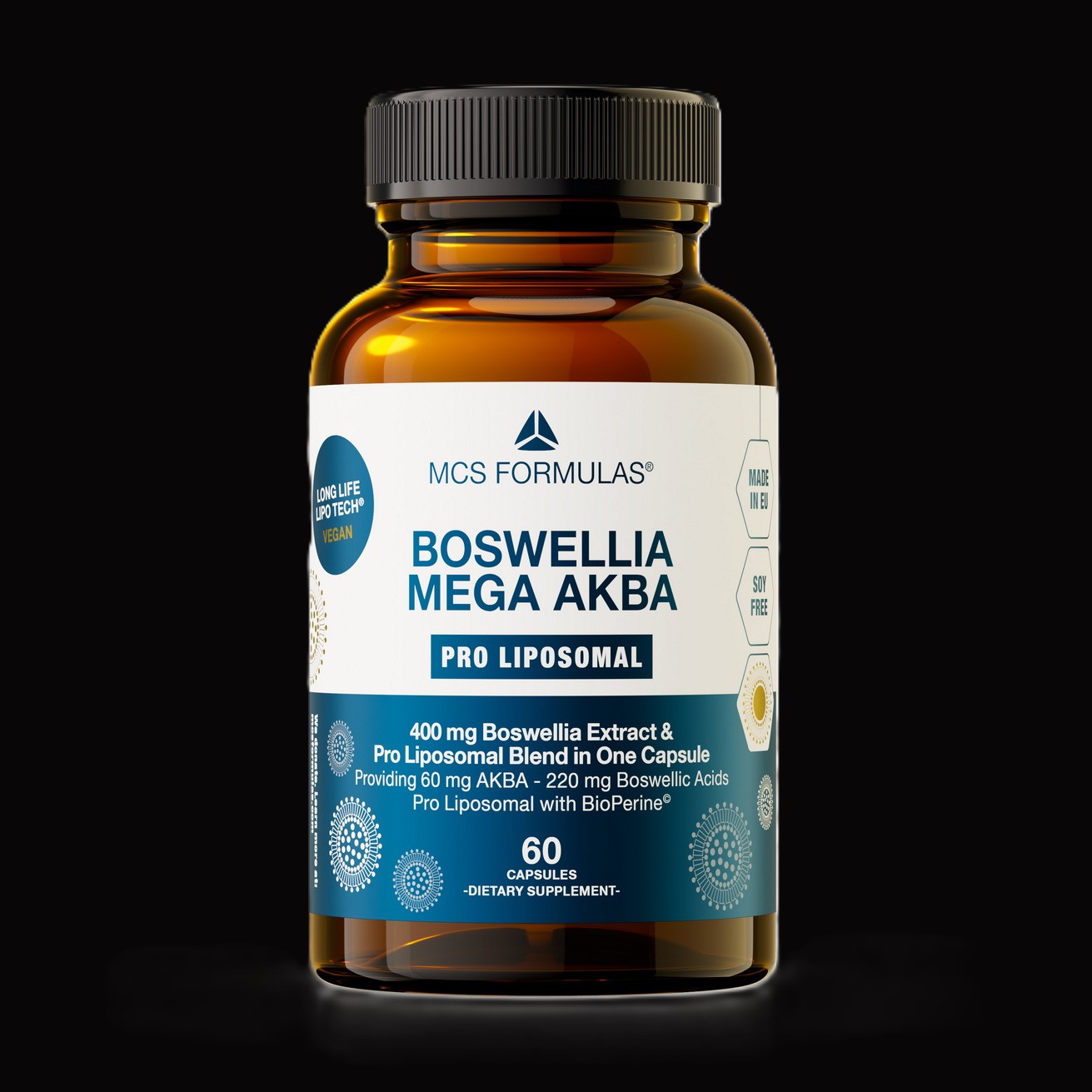
Boswellia / Frankincense and cancer
What is boswellia
Boswellia, also known as frankincense, is a resin-like substance extracted from the bark of Boswellia trees [3, 4]. It has been used in traditional medicine for centuries to treat a variety of conditions, including arthritis, inflammation, and asthma. However, boswellia has also shown potential in the treatment of cancer [1, 5].
Effect of boswellia
Anti-inflammatory effect
Boswellia possesses anti-inflammatory, anti-carcinogenic, and immunomodulating properties [5, 9]. The active components, boswellic acids, inhibit the production of leukotrienes—inflammatory substances that promote the growth and spread of cancer cells [1].
Antibacterial
Furthermore, boswellia may also possess antibacterial and antiviral properties.
Application of boswellia
Boswellia is available in capsules, tablets, creams, and ointments. Oral ingestion or topical application to the affected area are possible options.
Advantages
Research suggests that boswellia may offer the following benefits in cancer treatment:
Reducing inflammation
Chronic inflammation is associated with carcinogenic processes. Boswellic acids can dampen inflammation and thereby inhibit cancer growth [5, 9].
Killing cancer cells
Studies have shown that boswellic acids can induce apoptosis (cell death) in various cancer cell lines [8, 11, 12].
Improving the immune response
Boswellia can strengthen the immune system’s ability to recognize and attack cancer cells.
Alleviating side effects of cancer treatment
Boswellia can potentially reduce pain, nausea, and fatigue associated with chemotherapy and radiation therapy [4, 7].
Relieving radiation damage
Boswellia serrata may be a safe and effective treatment for cerebral radiation necrosis (brain tissue death) following stereotactic treatment, with many patients experiencing improvement without major side effects [2, 10]. Further research is needed to confirm its efficacy.
Disadvantages
Side effects of boswellia are mild and include stomach upset, diarrhea, and nausea. In rare cases, allergic reactions may occur.
Important
Research on boswellia in cancer treatment is ongoing, and more evidence is needed to confirm its effectiveness and safety. Consultation with a doctor is essential before starting boswellia supplements, especially if you are undergoing cancer treatment or taking other medication.
The future
Boswellia has been shown to have a range of positive effects that can support cancer treatment. In addition to the mentioned properties, boswellia can also contribute to improving the quality of life in patients by reducing chronic inflammation, which is often associated with carcinogenic processes. Furthermore, its ability to induce apoptosis in cancer cells offers hope that it can be used as a supplementary therapy in future treatment regimens [11, 13]. Research also suggests that boswellia can promote healing by supporting the body’s natural immune response, which can be crucial in fighting the disease. These positive aspects make boswellia an interesting topic in ongoing oncology research.
Conclusion
Boswellia, also known as frankincense, is a resin-like substance with a long history in traditional medicine, particularly for treating inflammation, arthritis, and asthma.
Research suggests that boswellia has promising anti-inflammatory, antibacterial, and immunomodulating properties that may be beneficial in cancer treatment. The active components, boswellic acids, can reduce inflammation, kill cancer cells, and strengthen the immune response [1, 5].
Additionally, boswellia can help alleviate side effects from cancer treatment, such as pain and nausea [7, 14]. Although side effects are generally mild, it is important to note that more research is needed to confirm boswellia’s effectiveness and safety.
Back to Supplements
Links
[1] Anti-cancer properties of boswellic acids (PubMed, 2023)
- Content: An article reviewing how boswellic acids influence molecular pathways to inhibit the growth and spread of tumors.
[2] Boswellia Serrata for Cerebral Radiation Necrosis After Radiosurgery for Brain Metastases (PubMed, 2025)
- Content: A study investigating the use of Boswellia serrata as a potential treatment for brain tissue damage caused by radiation.
[3] Does frankincense have cancer fighting properties (Medical News Today, 2023)
- Content: An overview of current scientific knowledge regarding frankincense and its potential role in cancer prevention and treatment.
[4] Boswellia (Memorial Sloan Kettering Cancer Center, 2024)
- Content: A clinical database entry summarizing the uses, side effects, and scientific evidence for boswellia in a medical context.
[5] Anti-inflammatory and anti-cancer activities of frankincense (PubMed, 2022)
- Content: A study detailing the mechanisms by which frankincense reduces chronic inflammation and inhibits carcinogenic processes.
[6] Boswellia frereana suppresses HGF-mediated breast cancer cell invasion and migration through inhibition of c-Met signalling (PubMed, 2018)
- Content: A laboratory study showing how specific boswellia extracts can prevent the spread of breast cancer cells.
[7] The anti-proliferative effects of a frankincense extract in a window of opportunity phase ia clinical trial for patients with breast cancer (PubMed, 2024)
- Content: A non-randomized Phase Ia clinical trial demonstrating that frankincense extract can reduce cancer cell growth in breast cancer patients without serious side effects.
[8] Five terpenoids from the gum resin of Boswellia carterii and their cytotoxicity (PubMed, 2021)
- Content: Research identifying specific compounds in boswellia that are toxic to cancer cells.
[9] Anti-Tumor Potential of Frankincense Essential Oil and Its Nano-Formulation in Breast Cancer: An In Vivo and In Vitro Study (PubMed, 2025)
- Content: An in vivo (animal) and in vitro (laboratory) study showing that nano-formulated frankincense oil can reduce breast cancer cell survival and growth.
[10] Boswellia Serrata for Cerebral Radiation Necrosis After Radiosurgery for Brain Metastases (PubMed, 2025)
- Content: A report indicating that boswellia may be a safe and effective treatment for radiation-induced brain damage.
[11] Boswellic acid exerts anti-tumor effect in oral squamous cell carcinoma by inhibiting PI3K/AKT1 mediated signaling pathway (PubMed, 2025)
- Content: A laboratory study from 2025 showing that boswellic acid can stop the cell cycle and promote death in oral cancer cells.
[12] Anti-cancer effects of frankincense methanolic extract on brain metastatic breast cancer cells (PubMed, 2025)
- Content: A study demonstrating the effectiveness of frankincense extract in killing breast cancer cells that have spread to the brain.
[13] Synergistic Effect of HAD-B1 and Osimertinib Against Gefitinib Resistant HCC827 Non-Small Cell Lung Cancer Cells (PubMed, 2025)
- Content: Research showing that combining conventional lung cancer medication with a natural preparation containing boswellia can help overcome drug resistance.
[14] The anti-proliferative effects of a frankincense extract in a window of opportunity phase ia clinical trial for patients with breast cancer (PubMed, 2024)
- Content: A clinical trial report confirming the potential of boswellia to inhibit cell proliferation in human breast cancer.
Page created: July 8, 2024. Latest revision: April 23, 2026.
❤
What you read on I Have Cancer is not a recommendation. Seek competent guidance.
