


Hemp seeds and cancer
Summary of hemp seeds
Effect:
- Hemp seeds are rich in essential fatty acids (Omega-3 and -6, including the anti-inflammatory GLA) and complete, easily digestible protein (edestin). These substances support the immune system and reduce inflammation [2, 6].
Potential in cancer:
- Preclinical studies (in cells and animals) suggest that the fatty acids in hemp seeds, especially GLA, can help inhibit inflammation and potentially slow the growth of cancer cells [1, 4]. The high protein content is valuable for counteracting weight loss (cachexia) [5].
Main limitation:
- Edible hemp seeds do not contain THC or CBD. Almost all research is preclinical (in vitro or animal trials), and there is a lack of robust human clinical studies to confirm a direct effect in cancer.
What are hemp seeds
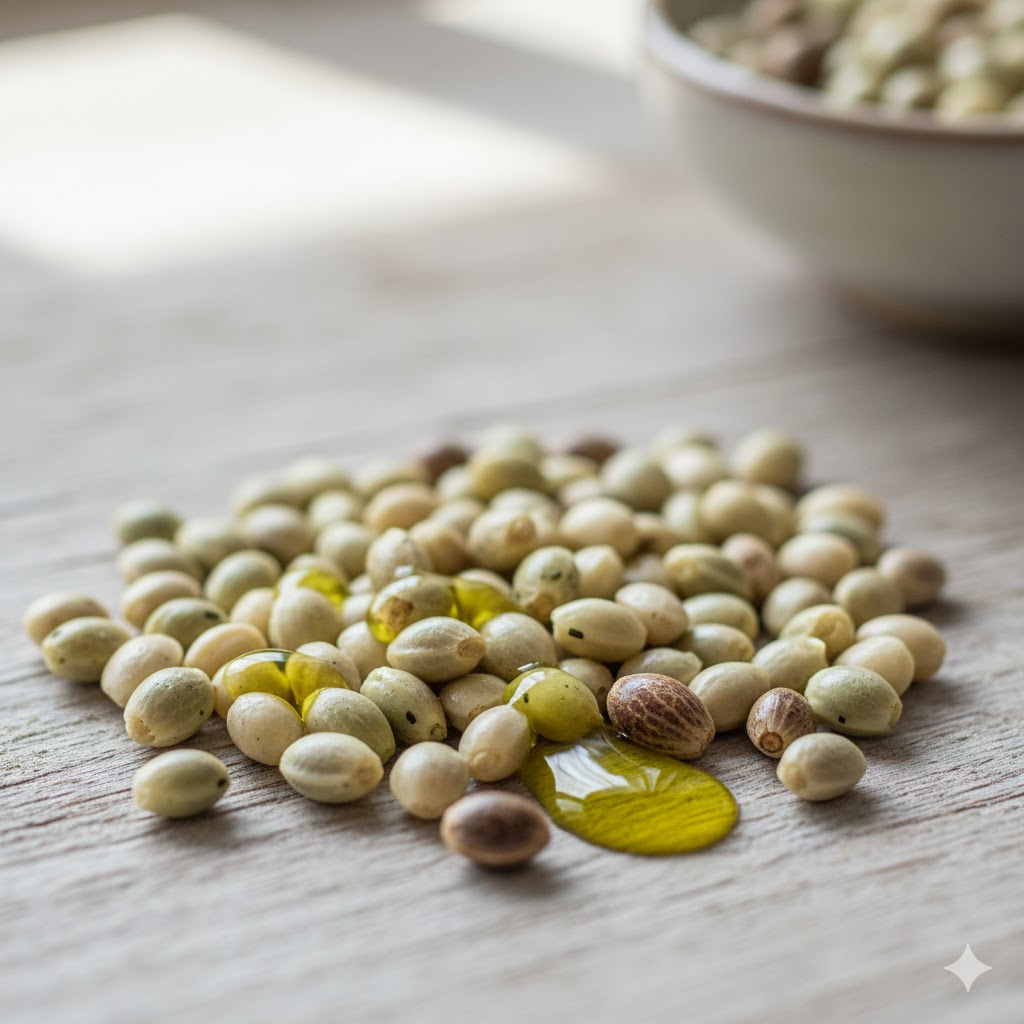
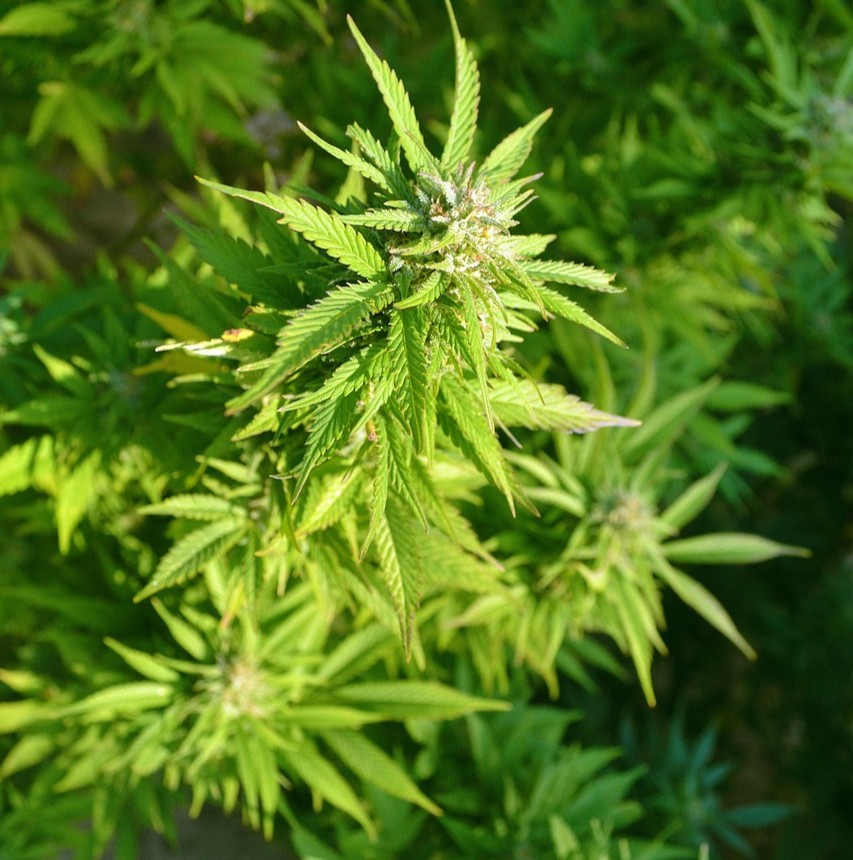
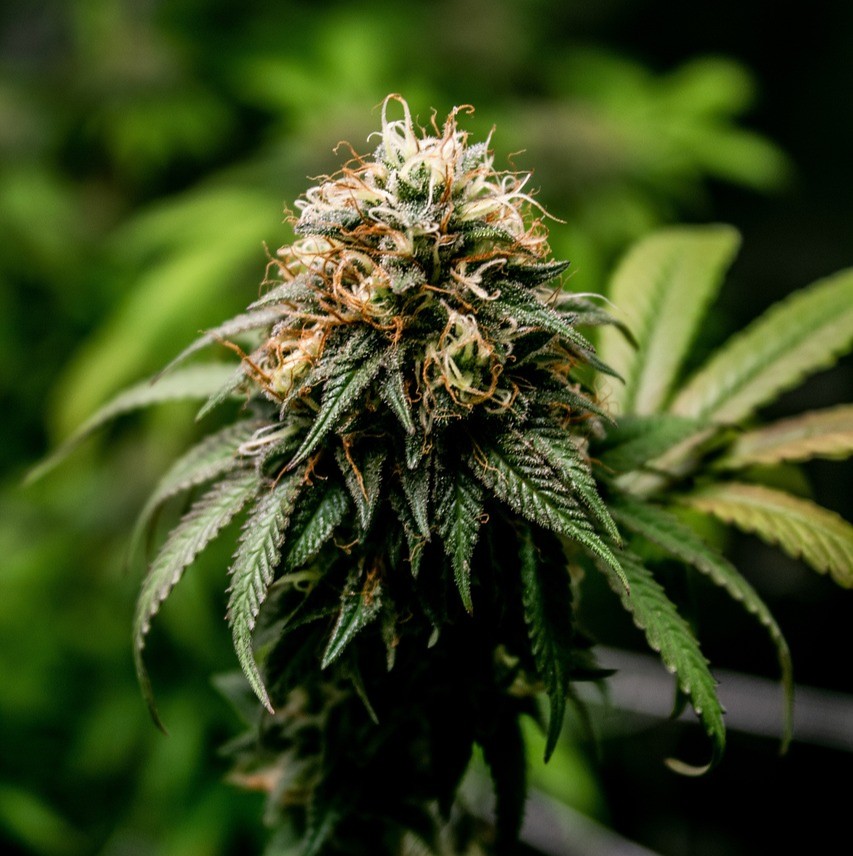
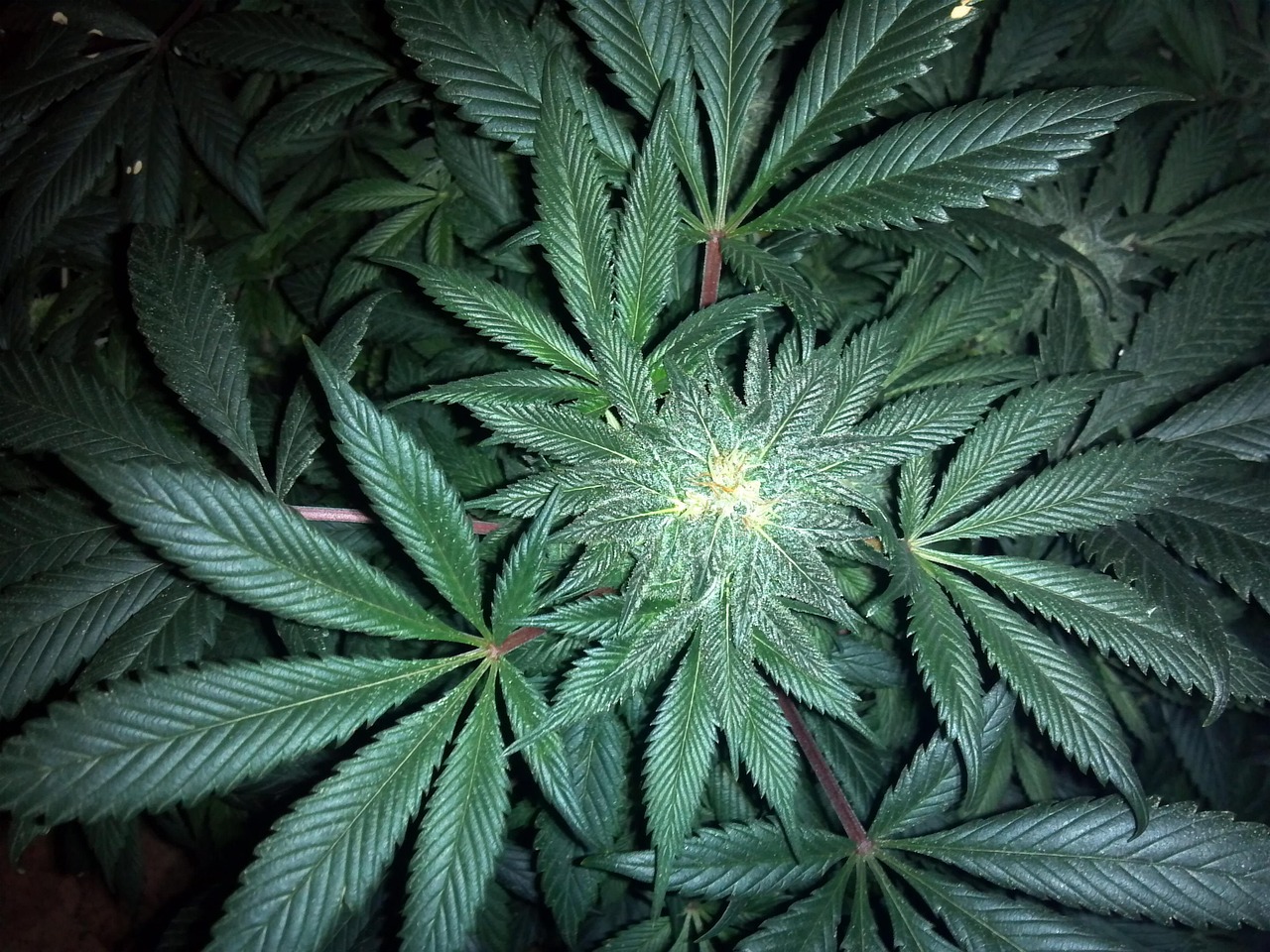
Hemp seeds are technically a nut originating from the plant Cannabis sativa L. It is important to distinguish edible hemp seeds from the parts of the plant used for medical cannabis (flowers and leaves).
Edible hemp seeds, and the oil pressed from them, contain no or only extremely minimal traces of psychoactive substances such as THC (tetrahydrocannabinol) or CBD (cannabidiol).
In return, hemp seeds are a nutritionally powerful food. They consist of approximately 30% fat and 25% protein. Additionally, they are a good source of dietary fiber, vitamin E, and a range of minerals, including phosphorus, potassium, magnesium, iron, and zinc [6].
The zinc content is particularly relevant in a cancer context. Zinc is crucial for a well-functioning immune system and for the senses of taste and smell. Zinc deficiency is often seen during cancer journeys, partly due to the disease itself and partly as a result of treatment.
History
Hemp seeds have been cultivated and used by humans for thousands of years, especially in Asia, where they have been a staple food and source of traditional medicine. The plant’s fibers were used for textiles and ropes, while the seeds were eaten for their high nutrient content.
In the 20th century, the cultivation of hemp in many parts of the world was banned or strictly regulated due to the plant’s relationship with psychoactive cannabis (marijuana). However, this has changed significantly in recent decades, as people have once again recognized the nutritional and health benefits of industrial hemp (and especially its seeds), completely separate from any psychoactive effects.
Mechanisms of action

The potential of hemp seeds lies not in cannabinoids, but in their unique composition of fatty acids and proteins [2].
The unique fatty acid profile
Over 80% of the fat in hemp seed oil consists of polyunsaturated fatty acids (PUFA). The most remarkable feature is the balance between Omega-6 (linoleic acid) and Omega-3 (alpha-linolenic acid, ALA), which typically sits at a ratio of 2.5:1 to 3:1 [3]. This is considered a near-optimal ratio for human health, as most modern diets contain far too much Omega-6, which can promote inflammation.
Hemp seeds also contain two rare fatty acids:
- Stearidonic acid (SDA): An Omega-3 fatty acid that is more efficiently converted into the important EPA (eicosapentaenoic acid—a strong anti-inflammatory fatty acid) in the body, compared to ALA.
- Gamma-linolenic acid (GLA): This is one of the most important components. Although GLA is an Omega-6 fatty acid, it is anti-inflammatory. In the body, GLA is converted to DGLA, which is a precursor to the signaling substance Prostaglandin E1 (PGE1). PGE1 acts as an anti-inflammatory, dilates blood vessels, and can inhibit cell division [4].
High-quality protein
Approximately 65% of the protein in hemp seeds is edestin, a globular protein unique to hemp. The remaining 35% is primarily albumin [5].
The advantage of edestin is that it is extremely easily digestible and bioavailable. Globular proteins are precursors to the body’s own vital proteins, such as antibodies (immunoglobulins) and enzymes. Edestin provides all essential amino acids and is a complete protein source [5].
High arginine content
Hemp seeds have a remarkably high content of the amino acid L-Arginine. Arginine is a precursor to nitric oxide (NO) in the body. Nitric oxide is a signaling molecule that causes blood vessels to relax and dilate (vasodilation), improving blood flow and oxygen supply to tissues.
Potential in cancer
It must be emphasized that almost all research into the direct cancer potential of hemp seeds stems from in vitro (in test tubes/petri dishes) or in vivo (in living organisms, typically animals) studies. Human clinical trials are lacking [1].
The potential is therefore primarily theoretical and focuses on the active substances the seeds contain [1].
Inflammation and cancer
Chronic inflammation is a known driver behind the development and spread of cancer. Hemp seeds’ strong anti-inflammatory profile, driven by GLA and the healthy Omega-3/6 balance, is therefore the most interesting aspect.
By supplying GLA, which forms the anti-inflammatory PGE1, one can potentially contribute to shifting the body’s biochemical environment away from the pro-inflammatory processes that might otherwise nourish a tumor.
Direct cell action (preclinical)
In vitro studies have shown that GLA can have a direct inhibitory effect on cancer cells. The mechanisms are believed to include the induction of apoptosis (programmed cell death) and an inhibition of the signaling pathways that cancer cells use to divide [4]. GLA has been studied in vitro against breast cancer cells, prostate cancer cells, and glioma (brain cancer). Some studies also suggest that GLA may make cancer cells more susceptible to chemotherapy.
Nutritional support for cachexia
One of the most serious problems during cancer treatment is cachexia—a severe and involuntary loss of weight, especially muscle mass. Cachexia weakens the body, reduces tolerance to treatment, and impairs quality of life.
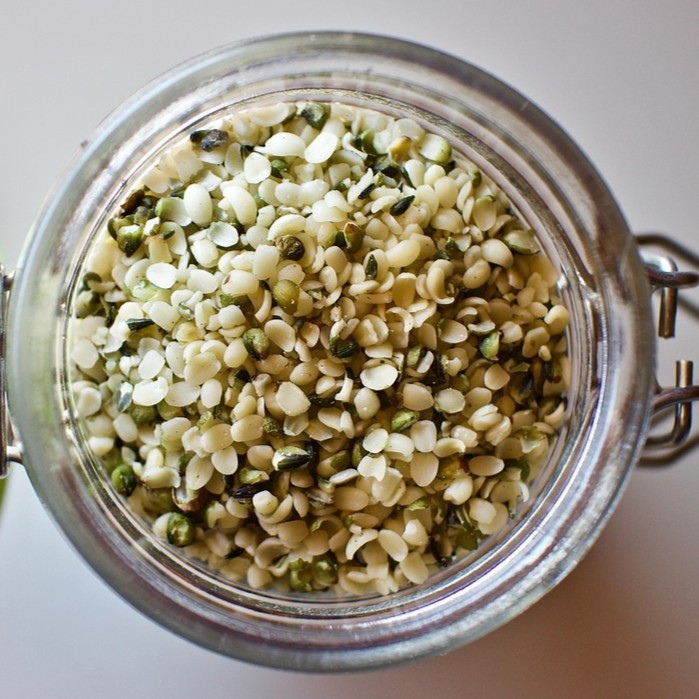
Here, hemp seeds (especially the shelled ones, known as ‘hemp hearts’) are extremely valuable. They are very calorie- and nutrient-dense. Most important is the easily digestible edestin protein, which provides the necessary building blocks to maintain muscle mass and support the immune system without unnecessarily burdening the digestive system [5].
See also Maintain muscle mass
Advantages of hemp seeds
Beyond theoretical cancer mechanisms, hemp seeds offer a range of general health benefits relevant during a disease course.
Support for the cardiovascular system
Cancer treatment, especially certain types of chemotherapy, can strain the heart. Hemp seeds’ high arginine content contributes to healthy blood vessel function. Together with fatty acids (GLA, SDA) and vitamin E, hemp seed oil can help protect the cardiovascular system [3].
Digestion and gut flora
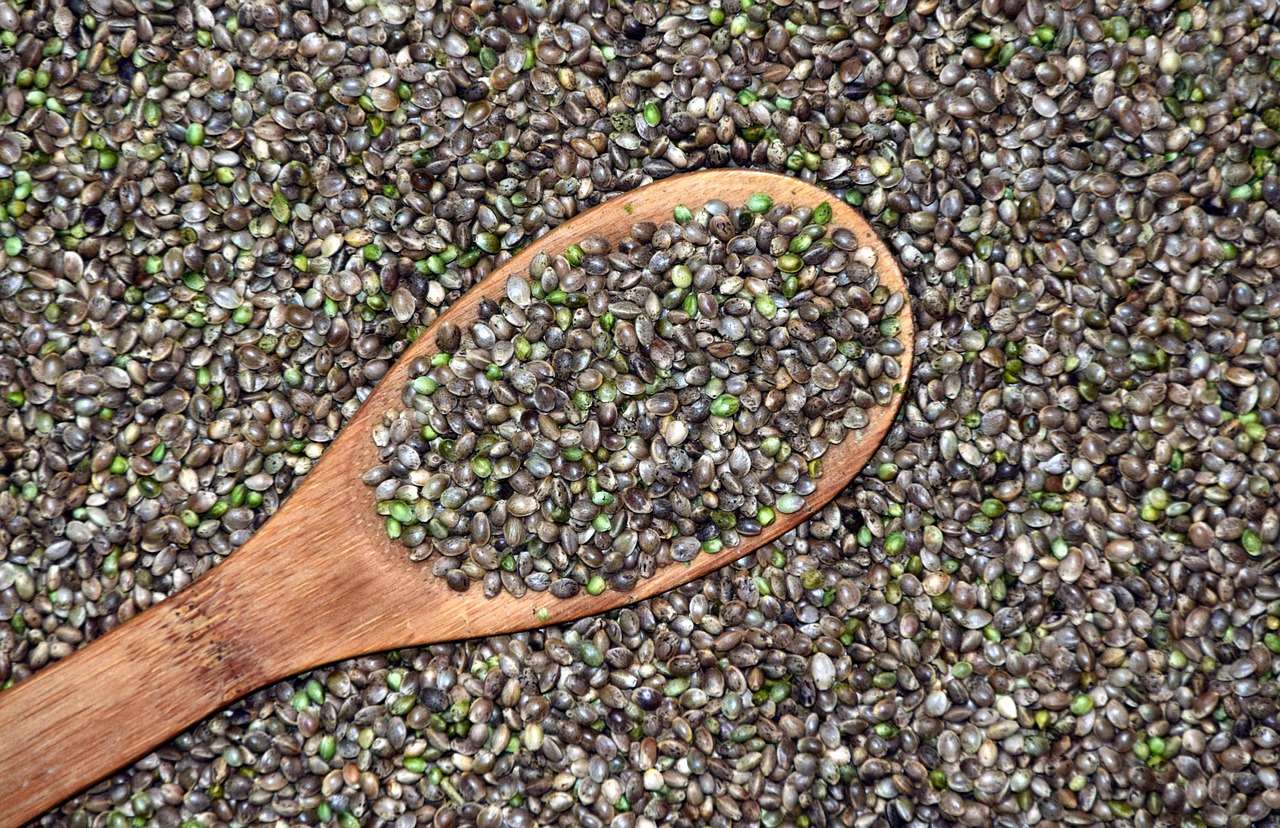
Whole hemp seeds (with shells) are an excellent source of both soluble and insoluble dietary fiber. These fibers are crucial for healthy gut function and counteract constipation, which is often a side effect of treatment or pain medication. The fibers also act as prebiotics.
Skin issues
The anti-inflammatory fatty acids in hemp seed oil are also known to help with dry skin, eczema, and other skin irritations that may arise during treatment.
Disadvantages and limitations
Lack of clinical evidence
The absolute greatest limitation is the lack of human clinical studies investigating hemp seeds as an intervention for cancer. Effects are inferred from cell studies or general knowledge of fatty acid and protein function. However, it should be noted that countless anecdotes indicate many people experience great benefit from hemp seeds in various contexts. Furthermore, the protein content is indisputable.
Confusion with THC and CBD
The persistent confusion between edible hemp and medical cannabis is a disadvantage. One cannot achieve the same effects (e.g., pain relief, anti-nausea) attributed to THC and CBD by eating hemp seeds.
Interactions and shelf life
- Blood-thinning medication: Due to the content of fatty acids that can affect blood coagulation, one should exercise caution when consuming large amounts of hemp seed oil if taking blood-thinning medication like Warfarin.
- Shelf life: The healthy polyunsaturated fatty acids in hemp seed oil and shelled seeds are delicate. They turn rancid easily if exposed to oxygen, light, or heat. They should always be stored in a dark and cool place (preferably refrigerated after opening). The oil must never be used for frying.
Clinical studies
As mentioned, there are virtually no clinical studies specifically testing hemp seeds or hemp seed oil as a supplementary treatment for cancer.
There are many clinical studies on the fatty acid GLA itself (often from evening primrose oil or borage oil) for other conditions, such as rheumatoid arthritis and skin diseases, where anti-inflammatory effects have been demonstrated. There are also studies confirming hemp seeds’ beneficial effect on cardiovascular parameters (e.g., cholesterol levels), supporting the mechanisms behind Arginine and fatty acids [3].
However, the direct transfer to a cancer context lacks scientific confirmation.
Safety

Hemp seeds are generally considered an extremely safe food.
They are easily digestible, especially in shelled form. Allergy to hemp seeds is very rare. When consuming large amounts of whole seeds (with shells), the high fiber content can cause temporary digestive discomfort like bloating or diarrhea.
There is no risk of a psychoactive effect, as the THC content in edible hemp is negligibly low.
Dispensing and application
Dispensing
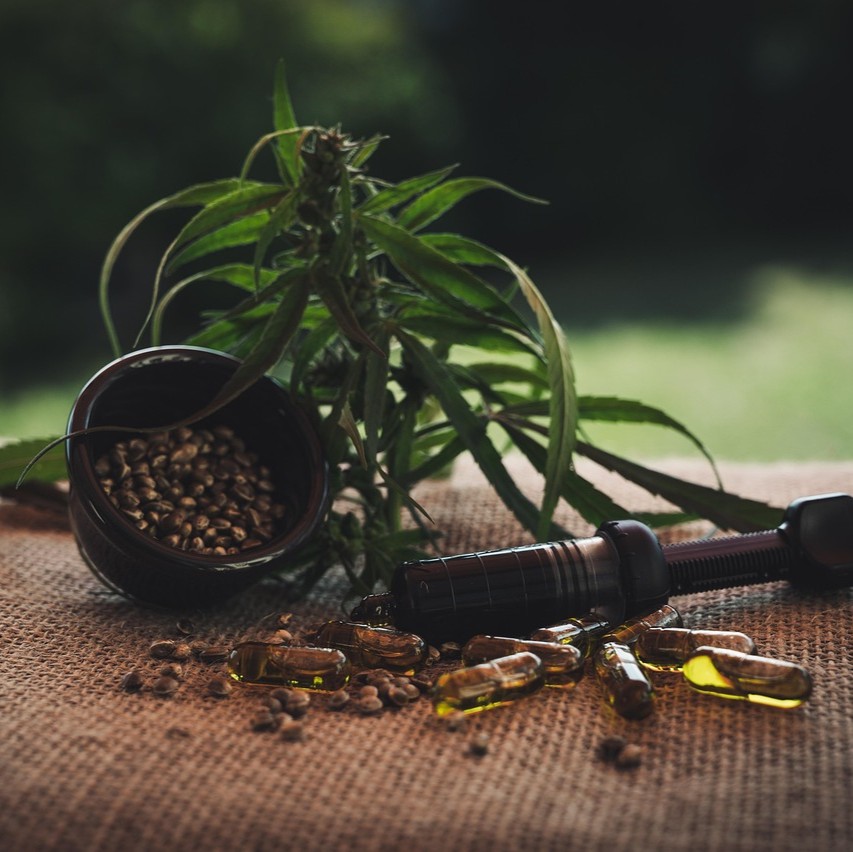
Hemp seeds can be consumed in several ways, depending on the purpose:
- Shelled hemp seeds (hemp hearts): The most versatile form. They have a soft texture and a mild, nutty flavor. Ideal for nutritional support (protein/fat).
- Can be sprinkled on salads, porridge, yogurt, or blended into smoothies.
- Hemp seed oil: The most concentrated source of fatty acids (GLA, SDA). Should always be used cold, e.g., in salad dressings, smoothies, or as a supplement directly from a spoon.
- Must be stored in the refrigerator and used relatively quickly after opening.
- Whole hemp seeds: The best source of dietary fiber. They have a hard outer shell.
- They can be eaten whole, but to get full access to the nutrients inside, it can be an advantage to grind them (e.g., in a coffee grinder).
- Hemp protein powder: Produced from the pressed seeds after oil extraction. It is a concentrated protein source.
- This has a lower fat content than shelled seeds. Typically used in smoothies.
- When the fat (oil) is pressed out, the remaining product primarily consists of protein and fiber.
Dosage and amounts
It is important to emphasize that hemp seeds are a food, not a medicine. Therefore, there is no fixed, scientifically defined “dose” to achieve a specific cancer-inhibiting effect.
The recommendations below are based on a nutritional aim:
- For nutritional support (protein/calories against cachexia): A common amount is 1-3 tablespoons (approx. 15-45 grams) of shelled hemp seeds daily.
- For focus on fatty acids (anti-inflammation): If the goal is primarily a high intake of fatty acids (GLA/SDA), hemp seed oil is most concentrated. Typically, 1-2 tablespoons (15-30 ml) of oil daily are used.
- For protein powder: When using hemp protein powder, typically follow the instructions on the product (often 1-2 scoops) to supplement total protein intake.
Conclusion
Hemp seeds are a nutritionally valuable food that differs significantly from medical cannabis (THC/CBD). Its primary potential as supplementary support in cancer lies in the strong anti-inflammatory properties of the fatty acid GLA and the high-quality, easily absorbed protein (edestin).
Hemp seeds can play an important role in counteracting cachexia (weight loss) and supporting the body’s general health and immune system during a demanding treatment course. However, it should be used as a nutritional supplement to the diet and not as a targeted treatment in itself, as clinical evidence for a direct cancer effect in humans is still lacking.
Back to Dietary supplements
Links
[1] Unveiling the Antioxidant Role of Hemp Oils in Cancer Prevention and Treatment (MDPI, 2025)
- Content: A scientific review article from 2025 investigating how bioactive substances in hemp oil contribute to an antioxidant effect relevant to cancer research.
[2] Hemp Seeds (Cannabis sativa L.) as a Valuable Source of Natural Ingredients for Functional Foods—A Review (National Institutes of Health (.gov), 2024)
- Content: A scientific review highlighting the nutritional value of hemp seeds, with a focus on its bioactive components like protein and fatty acids.
[3] Chemical characterization of hemp seeds (Cannabis sativa L.) cultivated in the Ecuadorian Andes (Taylor & Francis Online, 2025)
- Content: A study providing a chemical characterization of hemp seed oil, specifically focusing on its content of polyunsaturated fatty acids (PUFAs).
[4] Effect of polyunsaturated fatty acids on proliferation and survival of prostate cancer cells (Semantic Scholar, 2019)
- Content: An in vitro study investigating the effect of GLA (gamma-linolenic acid) on the growth and viability of human prostate cancer cells.
- Content: A review describing the health benefits of hemp protein and its application in functional foods.
[6] 6 Proven Health Benefits of Hemp Seeds (Healthline, 2024)
- Content: An article medically reviewed in 2023 describing the nutritional benefits of hemp seeds, including mineral content.
Page created: Oct 31, 2025. Last revised: Apr 28, 2026.
❤
What you read on Jeg har Kræft is not a recommendation. Seek competent guidance.
