


Maitake and Cancer
What is Maitake
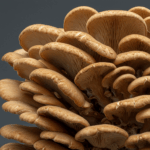
Maitake, also known as lion’s mane or dancing mushroom (due to its unique, branched growth) or as Grifola frondosa, is an edible mushroom originating in Japan that is popular in Asian cooking. It has a characteristic feather-like shape and a rich umami flavor, making it a favorite among chefs and food enthusiasts. Besides its culinary value, maitake is also recognized for its health benefits. It contains beta-glucans, which can strengthen the immune system, and has antioxidant properties that protect cells from damage by free radicals. Some studies also suggest that maitake may have anti-cancer properties by inhibiting the growth of cancer cells and supporting the body’s natural defenses [1, 2, 3]. Maitake can be found fresh, dried, or as a dietary supplement and is often used in various dishes, from soups to sauces.
Discovery and Use
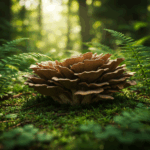
The maitake mushroom has been known and used for centuries in Asia. Its medicinal properties were first discovered by traditional Chinese doctors, who used it to strengthen the immune system and treat various ailments, including cancer.
Dancing Mushroom
The name “dancing mushroom” refers to the mushroom’s characteristic growth, where it forms large, branched clusters that can resemble a dancing figure.
Japanese Interest
In Japan, maitake became very popular in the 1980s after a Japanese farmer was reportedly cured of cancer after eating large amounts of the mushroom. This description sparked scientific interest in the mushroom’s potential.
Modern Research
In recent decades, researchers worldwide have intensively studied the maitake mushroom. They have identified a number of bioactive compounds in the mushroom, including beta-glucans, which are believed to be responsible for many of its health benefits.
Maitake Today
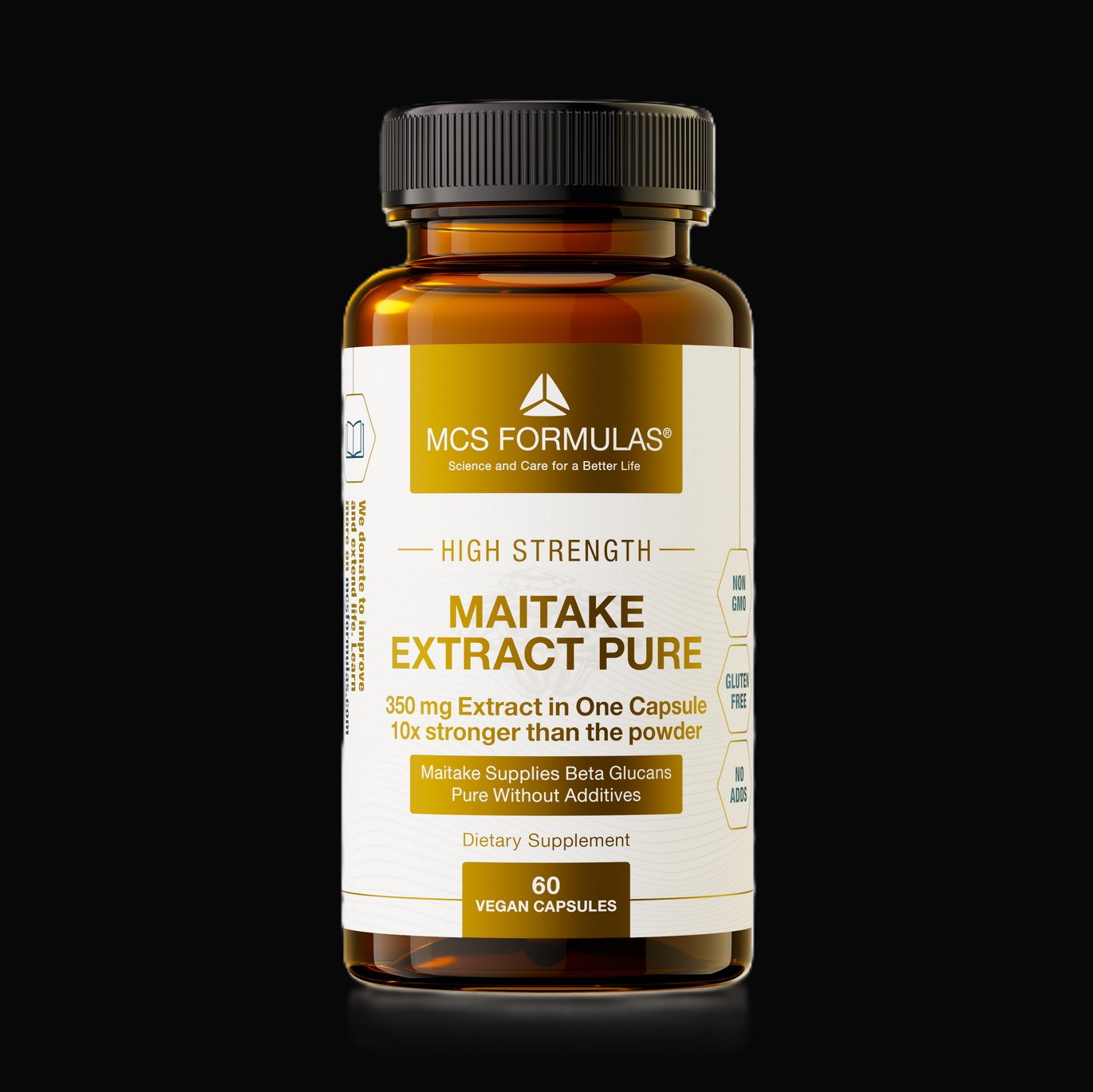
Today, maitake mushroom is available in various forms, such as dried mushrooms, powder, capsules, and tinctures. It is often used as a dietary supplement to strengthen the immune system, improve digestion, and support overall health. Maitake mushroom (Grifola frondosa) has in recent years gained significant attention within research into natural agents against cancer.
Maitake in Cancer
Stimulation of the Immune System
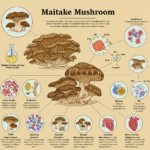
One of the primary ways in which maitake is believed to fight cancer is, as mentioned, through the stimulation of the immune system. It contains beta-glucans, which are the most studied active substances in maitake. These polysaccharides can activate certain types of immune cells, such as macrophages and natural killer cells, which play an important role in fighting tumors [6].
Inhibition of Tumor Growth
Some studies suggest that maitake can inhibit the growth of tumor cells directly [4, 5, 7, 9]. This can happen by inducing apoptosis (programmed cell death) in cancer cells or by preventing new blood vessels from forming in tumors (angiogenesis).
Modulating Effect on Signaling Pathways
Maitake can affect various signaling pathways in the body that are involved in cell growth, cell division, and cell survival [9]. This can help prevent cancer cells from growing and spreading.
Benefits in Cancer
Enhances Conventional Treatment
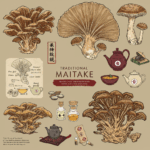
Maitake can potentially enhance the effect of conventional cancer treatments, such as chemotherapy and radiation therapy, by strengthening the immune system.
Reduced Risk of Recurrence
Some studies suggest that maitake can reduce the risk of cancer returning after treatment.
Improved Quality of Life
By strengthening the immune system and reducing the side effects of conventional treatment, maitake can help improve the quality of life for cancer patients.
Note
Not a Replacement
Maitake should never stand alone as cancer treatment. It should always be used as a supplement under competent guidance.
Individual Differences
The effect of maitake can vary from person to person, depending on factors such as cancer type, stage, and the individual’s overall health.
Interactions with Medication
Maitake can interact with certain medical treatments, so it is important to inform your healthcare provider about the supplements you are taking.
Conclusion
The maitake mushroom has shown promising results in cancer research, and it can be a valuable supplement to other treatments for some cancer patients.
However, it is important to emphasize that more research is still needed to fully understand the mechanisms behind maitake’s anti-cancer effects and to establish optimal doses and duration of treatment.
Overview of Medicinal Mushrooms and Cannabis
This overview compares the effects and safety of the most commonly used medicinal mushrooms. Cannabis is also included in the overview. This is despite cannabis biologically being a plant and not a mushroom. However, it is often used in the same context when natural symptom relief is desired for cancer patients.
Worth knowing:
- Choice of Mushroom: If the goal is to safely get through chemotherapy with the fewest side effects, Turkey Tail is often the first choice, as it has the fewest contraindications.
- Neuropathy: If chemotherapy causes numb fingers or nerve damage, Lion’s Mane is the only mushroom with specific documentation for helping with nerve regeneration.
- Stop Before Surgery: A good rule of thumb is to stop using all mushrooms, especially Reishi, Chaga, and Cordyceps, as well as fish oil two weeks before scheduled surgeries due to the risk of bleeding.
Medicinal mushroom and Cannabis
| Name | Primary Effect | Use in Cancer | Name | Important Caution |
|---|---|---|---|---|
| Agaricus blazei | Very powerful immune activation. High content of Beta-1,3/1,6-glucans. | Aggressive support. Used to significantly boost NK-cell activity. | Agaricus blazei | May affect liver enzymes. Should be used with caution in liver disease or heavy liver-taxing chemo. |
| Cannabis: CBD | Anxiolytic and muscle relaxant. Anti-inflammatory. | Quality of life. Relieves restlessness, anxiety, muscle tension, and sleep problems without a high. | Cannabis: CBD | Interaction with medication. Can inhibit the liver’s breakdown of chemotherapy (CYP450). |
| Cannabigerol (CBG) | Neuroprotective and appetite stimulant. Blocks TRPM8 channels (growth signals) in cells. | Antitumour support. Targeted use for growth in colon and brain, and against loss of weight and muscle mass. | Cannabigerol (CBG) | Interaction with liver enzymes (CYP450). May affect the concentration of blood thinners and certain types of epilepsy medication. |
| Cannabis: THC | Antiemetic and appetite stimulant. Psychoactive (euphoric). | Acute relief. Against severe nausea, vomiting, and weight loss. | Cannabis: THC | Driving ban. Psychoactive side effects. Sedative effect. |
| Chaga | Powerful antioxidant (SOD). Contains Betulin and Betulinic acid. Protects against oxidative stress. | Restorative. Used for general strengthening of the body under pressure. | Chaga | High oxalate content (risk of kidney stones). Blood-thinning. Interacts with insulin (lowers blood sugar). |
| Cordyceps | Energizing. Increases oxygen uptake (ATP) and kidney function. | Lung function. Counteracts shortness of breath and cancer-related fatigue. | Cordyceps | May over-activate the immune system in autoimmune diseases. Blood-thinning. |
| Lion’s Mane | Nerve regenerating. Stimulates growth of nerve cells (NGF). | Neuropathy. Counteracts sensory disturbances in fingers/feet and memory difficulties (chemo brain). | Lion’s Mane | May lower blood sugar. Mild blood-thinning effect. |
| Maitake | Immune-activating (D-fraction). Strong stimulation of macrophages. | Immune boost. Often used to activate the body’s own defense against cancer cells. | Maitake | May lower blood sugar. Can enhance the effect of blood-thinning medication. |
| Pau D’Arco | Potent antifungal and anti-inflammatory. Contains Lapachol. | Micro-environment. Used to purify the blood and combat fungal infections (Candida), which are often seen with a weakened immune system. | Pau D’Arco | Blood-thinning. Must not be combined with blood-thinning medication or used prior to surgical procedures. |
| Pao Pereira | Inhibits replication of abnormal cells. Penetrates the blood-brain barrier. | Targeted cell division. Often used for prostate cancer and cancers of the central nervous system (brain). | Pao Pereira | Generally well-tolerated, but should be taken under guidance to ensure correct dosage relative to conventional treatment. |
| Poria cocos | Diuretic and calming. Supports spleen and kidney function. Contains Pachyman. | Fluid retention. Helps against edema and mucus. Calms restlessness and racing thoughts. | Poria cocos | Acts as a diuretic. Be mindful of electrolyte balance if taking other diuretic medication. |
| Reishi | Calming and immune-strengthening. Acts as an adaptogen (stress-reducing) and sleep-promoting. | Sleep and stress. Good for finding peace in the body and supporting the immune system between treatments. | Reishi | Blood-thinning. Must not be used with low platelets or before surgery. |
| Shiitake | Immune-stimulating. Source of Lentinan and AHCC. | Standard support. Lentinan is used medically to prolong survival in certain types of cancer. | Shiitake | May in rare cases cause skin rash (Shiitake dermatitis). Contains purines (caution in gout). |
| Turkey Tail | Immune-modulating. Supports the immune system (NK cells) without overstimulating. Contains PSK. | Chemo support. Often used alongside chemo to counteract immune suppression. | Turkey Tail | Generally considered safe. Few known interactions (approved drug in Japan as PSK). |
Back to Supplements
Also see Lion’s mane
Also see Turkey Tail
Also see Shiitake
Also see Reishi
Links
[1] Medicinal Mushrooms and Cancer (Cancer Society, 2019)
- Content: The article provides an overview of medicinal mushrooms and their potential role in cancer treatment and support. (Danish Language)
[2] Mushrooms Reduce the Risk of Cancer (Illustrated Science, 2021)
- Content: The article discusses how certain mushrooms can contribute to reducing cancer risk.
[3] Maitake (Memorial Sloan Kettering Cancer Center, 2022)
- Content: Comprehensive information on maitake, its potential benefits, and considerations for cancer patients.
[4] Anti-Cancer Potential of Edible/Medicinal Mushrooms in Breast Cancer (PubMed, 2023)
- Content: The study explores the potential of edible and medicinal mushrooms, including maitake, in breast cancer treatment.
[5] Antitumoral and Antimetastatic Activity of Maitake D-Fraction in Triple-Negative Breast Cancer Cells (PubMed, 2018)
- Content: Research on the antitumoral and antimetastatic effects of Maitake D-Fraction in triple-negative breast cancer cells.
[6] Polysaccharide with Anticancer Activity from Grifola frondosa Cultured in Industrial Wastewater of Agaricus bisporus (PubMed, 2024)
- Content: By optimizing growth conditions with wastewater from mushroom production, polysaccharides could be extracted from Grifola frondosa, where especially NIPGF01 showed strong cancer-inhibiting ability by inducing cell apoptosis in stomach acid and liver cancer cells.
[7] A Water Polysaccharide-Protein Complex from Grifola frondosa Inhibits the Growth of Subcutaneous but Not Peritoneal Colon Tumor under Fasting Conditions (PubMed, 2024)
- Content: G. frondosa polysaccharide-protein complex (G. frondosa PPC) can inhibit tumor growth in subcutaneous tumor models by altering the fatty acid composition in the tumor environment, especially under fasting conditions, making it a potential adjuvant in cancer treatment.
[8] Medicinal Mushrooms in Metastatic Breast Cancer: What Is Their Therapeutic Potential as Adjuvant in Clinical Settings? (PubMed, 2024)
- Content: Medicinal mushrooms such as shiitake, maitake, and reishi have immune-strengthening and cancer-inhibiting properties, and research is investigating their potential as supportive treatment in the treatment of aggressive breast cancer, especially in cases of metastasis.
[9] Selenochemical Modification of Low Molecular Weight Polysaccharides from Grifola frondosa and the Mechanism of Their Inhibitory Effects on Gastric Cancer Cells (PubMed, 2024)
- Content: Selenium-bound LMW-GFP from Grifola frondosa shows improved cancer-inhibiting activity by activating the cells’ death receptors and mitochondria, making it a promising natural supplement and potential new cancer treatment.
Page created: October 14, 2024, Last revised May 2, 2026
❤
What you read on “Jeg har Kræft” is not a recommendation. Seek competent guidance.
