



Lactic acid bacteria, Bifido and cancer
What are lactic acid bacteria
Lactic acid bacteria are beneficial bacteria naturally found in our intestines. They play a vital role in our digestion and, importantly, in our immune system.
Probiotics, which are often found in yogurt, kefir, and certain dietary supplements, are concentrated cultures of these bacteria.
The gut microbiome
The intestinal flora, also called the gut microbiome, plays a crucial role in our health. An imbalance in the gut flora can be associated with a range of diseases, including cancer [9, 13].
Lactic acid bacteria strains and their effects
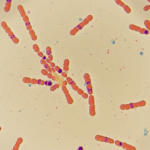
Lactic acid bacteria are a large and diverse group of bacteria. Different strains have specific properties and potential health benefits. Some of the most common genera include Lactobacillus and Bifidobacterium.
Lactobacillus
These bacteria are often associated with dairy products like yogurt and kefir. They can contribute to maintaining a healthy gut flora and may have an anti-inflammatory effect [11].
Bifidobacterium
These bacteria are especially numerous in infants but are also found in adults. They can strengthen the immune system and improve digestion [8].
Lactic acid bacteria and cancer
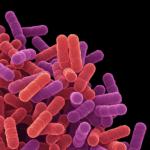
There has been great interest in investigating whether lactic acid bacteria can have a positive effect on cancer treatment. Research suggests that these bacteria can:
Strengthen the immune system: Lactic acid bacteria can stimulate certain parts of the immune system, helping the body detect and fight cancer cells more effectively [1, 11].
Modulation of the gut microbiome: The gut is home to trillions of bacteria, and lactic acid bacteria can influence the composition of this microbiome. A healthy gut flora can positively impact overall health and the ability to fight diseases [8, 10, 13].
Reduce side effects of chemotherapy: Some studies suggest that lactic acid bacteria can help reduce unpleasant side effects of chemotherapy, such as diarrhea and mouth sores.
Inhibit the growth of cancer cells: There are promising results suggesting that certain strains of lactic acid bacteria can produce substances that directly inhibit the growth of cancer cells or lead to their death [2, 11].
Improve gut function: Many strains can improve digestion by breaking down fibers and producing nutrients.
Individual differences
The effect of lactic acid bacteria can vary from person to person, depending on factors such as cancer type, the stage of the disease, and overall health status.
Lactic acid bacteria are generally well-tolerated, but mild side effects may occur.
Side effects
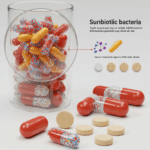
Gastrointestinal distress Bloating, gas, and diarrhea are the most common side effects.
Allergic reactions Although rare, some individuals may experience allergic reactions to probiotics.
Interaction with other treatments How lactic acid bacteria interact with other cancer treatments, such as chemotherapy and radiation therapy, is not fully understood.
Can lactic acid bacteria help against cancer
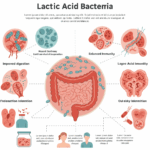
By consuming probiotics with specific strains of lactic acid bacteria, one can attempt to restore balance in the gut flora and thereby reduce the risk of cancer [9, 12].
The effect is complex There are thousands of different strains of lactic acid bacteria, and each strain may have different effects.
Choose the right products Not all probiotic products are equal. Ensure you choose a product containing specific strains of lactic acid bacteria that have been studied in connection with cancer.
Diets
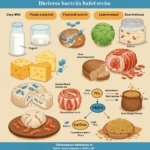
The significance of diet for gut flora and cancer
Diet plays a crucial role in the composition of the gut flora. A diet rich in fiber, fruit, vegetables, and whole grains can promote the growth of beneficial bacteria, while a diet high in sugar, processed food, and antibiotics can disrupt the gut flora.
How does diet affect cancer risk
Inflammation A diet high in red meat and processed food can increase the risk of inflammation and thus cancer. Conversely, a diet rich in fiber (especially from vegetables, fruit, beans, and whole grains) provides good nourishment for desirable lactic acid bacteria [6, 7].
Be patient It can take time to see results, and it is not certain that lactic acid bacteria will help everyone.
Promising results There is a growing body of research suggesting that lactic acid bacteria can have a positive effect on cancer patients [1, 10, 12].
Note

Be critical There are many products on the market claiming to contain “good bacteria.” It is important to be critical and choose products based on scientific research.
Supplementary treatment Lactic acid bacteria should always be seen as a supplementary treatment and not as a replacement for other relevant cancer treatment.
Future perspectives
Personalized treatment In the future, it may be possible to tailor treatment with lactic acid bacteria to the individual patient, based on their unique genetic and microbiological profile.
Conclusion
Lactic acid bacteria play an important role in our gut microbiome and have shown a range of health benefits, including potential support in the fight against cancer. Their ability to strengthen the immune system, modulate gut flora, and possibly reduce side effects of cancer treatments like chemotherapy makes them an interesting supplement in cancer treatment strategies. Although there are promising research results suggesting that specific strains of lactic acid bacteria can inhibit the growth of cancer cells and improve gut function, it is important to emphasize that the effect can vary from person to person and depends on various factors like cancer type and individual health status.
Lactic acid bacteria should not be considered a replacement for conventional treatments, but rather as a supplement that can contribute to a holistic approach to cancer treatment. It is essential to choose probiotic products based on scientific documentation and to be aware that dietary composition also plays a crucial role in the health of the gut flora. With a future focus on personalized treatment, lactic acid bacteria may potentially be tailored to meet the specific needs of cancer patients, opening new possibilities for improving treatment outcomes and quality of life.
Back to Supplements
Links
[1] Anticancer activity of lactic acid bacteria(PubMed, 2022)
- Content: A review article describing the various ways lactic acid bacteria can influence cancer development and the immune response.
[2] The anti-cancer effects and mechanisms of lactic acid bacteria exopolysaccharides in vitro: A review(PubMed, 2020)
- Content: A review of in vitro studies focusing on how substances produced by lactic acid bacteria can inhibit cancer cell growth.
[3] Forskning i mælkesyrebakterier kan på sigt føre til ny kræftmedicin (Sundhedspolitisk Tidsskrift, 2022)
- Content: An article discussing how research into lactic acid bacteria could potentially lead to the development of pharmaceutical cancer treatments.
[4] Tarmbakterier kan forlænge kræftpatienters liv (Politiken, 2017)
- Content: A news report on how the composition of the gut microbiome is linked to survival rates in cancer patients.
[5] Her vil tarmbakterier revolutionere behandling (Videnskab.dk, 2007)
- Content: An article explaining the long-term potential for utilizing gut bacteria to improve medical treatments.
[6] 4 ud af 10 kræfttilfælde er udløst af livsstil (Apoteket online, 2022)
- Content: An overview of how lifestyle factors, including diet and gut health, influence cancer risk.
[7] Tarmbakterierne er afgørende for vores helbred (Samvirke, 2019)
- Content: A general overview of the importance of the gut microbiome for human health and disease prevention.
[8] Interaction between the breast tumor microenvironment and gut microbiome (PubMed, 2025)
- Content: A review article showing that breast cancer is closely linked to bacteria in both breast tissue and the gut. It highlights that Akkermansia and Bifidobacterium appear to have a protective effect.
[9] Implications of gut microbiota-mediated epigenetic modifications in intestinal diseases (PubMed, 2025)
- Content: A scientific review explaining how gut bacterial imbalance can drive colorectal cancer by disrupting epigenetic “switches.”
[10] Gut microbiota in hepatocellular carcinoma immunotherapy: immune microenvironment remodeling and gut microbiota modification (PubMed, 2025)
- Content: A review article discussing how the “gut-liver axis” and bacterial balance are crucial for the effectiveness of immunotherapy in liver cancer (HCC).
[11] Upregulation of Lactobacillus spp. in gut microbiota as a novel mechanism for environmental eustress-induced anti-pancreatic cancer effects (PubMed, 2025)
- Content: A non-randomized experimental study showing that a positive environment increases Lactobacillus reuteri, which activates natural killer (NK) cells to slow pancreatic tumor growth.
[12] Overcoming immunotherapy resistance in colorectal cancer through nano-selenium probiotic complexes and IL-32 modulation (PubMed, 2025)
- Content: An experimental study regarding a “nano-biomaterial” that combines nanotechnology with probiotics to enhance the ability of CD8+ T-cells to attack colorectal tumors.
[13] Gut microbiome versus thyroid cancer: Association and clinical implications (Review) (PubMed, 2025)
- Content: A review article identifying a bidirectional connection between gut bacteria and thyroid cancer, suggesting that restoring balance with probiotics is a promising strategy.
Page created: July 26, 2024. Latest revision: April 23, 2026.
❤
What you read on I Have Cancer is not a recommendation. Seek competent guidance.
