


How do I tell my children I have cancer?
Be honest, simple, and age-appropriate. One model could be: “I am ill with something called cancer. The doctors are helping me, and the most important thing is that you know it is NOT your fault, and that I love you.”
Read more under Younger children
How to I avoid getting depressed?
Acknowledge that difficult feelings are normal. The best tools are to talk openly about your feelings, seek support from others, prioritise your physical health (sleep, diet, exercise), and consciously focus on small joys in everyday life.
Learn more under Emotions
How do I get support when I have cancer?
Support can be found in many places. Start with your personal network (family/friends), explore the services offered by patient organisations such as the Danish Cancer Society, and ask your doctor about options such as psychological support. Online communities are also a good source of support.
Find more ideas under Support
Life with and after cancer
Summary about life with and after cancer
A new reality:
- Living with cancer is a new reality that begins from the time of diagnosis. This phase is about finding your footing in a changed everyday life, both during and after treatment.
Body and mind in focus:
- The body is under pressure, and the mind must process a wide range of emotions. It is crucial to make room for both throughout the entire course.
Find your path:
- Moving forward is about finding balance through self-care, support from others, and setting realistic goals. This page is a guide to the many topics that can help you create a good life with cancer.
Introduction
From the moment the diagnosis is made, life changes. This section is about the cancer journey—navigating everyday life, managing the many challenges, and finding strength, no matter where you are in the process.
It is designed to give you an overview and point you towards the specific areas you need to know more about—whether you are in active treatment, experiencing late effects, or finding your feet in a new everyday life. The aim is to give you tools and knowledge to create a meaningful life—with and after cancer.
If you are unsure where to begin, or are looking for information tailored to your current situation, you may benefit from starting with the overall Guide to the site. It guides you based on your situation—whether it concerns the first suspicion, life in treatment, or the important role of relatives.
The body during and after cancer

The body has been through an extreme strain and needs time and support to heal. Many experience changes such as fatigue, pain, or late effects. Working actively with the body is a crucial part of recovery and regaining strength.
Here you can read more about the key physical elements:
- Exercise: Find knowledge on everything from gentle rehabilitation and movement with limitations to cancer-specific training and weight management.
- Diet Examples: Find examples of breakfast, lunch, and dinner that almost all follow Jane McLelland’s dietary principles.
- Sleep: Get tools to manage sleep problems, which are a common challenge after a cancer course.
- Sexuality and Intimacy: Get help managing the changes in body, desire, and intimacy that the illness and treatments can bring.
- Breathing: Discover how conscious breathwork can be used as a tool to create calm, reduce stress, and improve your physical condition.
Emotions and mental well-being

It is completely normal to experience a storm of emotions—both during and after a cancer course. Fear of recurrence, grief over what you have lost, but also gratitude and a renewed joy of life can be present. Acknowledging and working with these emotions is the key to mental well-being.
- Emotions: Dive into an in-depth guide to the full emotional spectrum—from shock, anger, and anxiety to hope, fighting spirit, and post-traumatic growth.
Relationships and social life

Cancer affects not only the person who is ill, but also everyone around them. Relationships can be put to the test, and dynamics can change.
- Relatives: Find knowledge and support aimed at relatives, who play an invaluable but often overlooked role.
- Children and Young People with Cancer: Gain insight into the particular challenges associated with being a child or young person with cancer, or being a relative of one.
Practical challenges and specific topics
A cancer course also involves a number of concrete challenges and specific topics that are important to address.
- Minimising side effects: Find a comprehensive overview of the many different side effects—from physical and neurological to psychological—and get tools to relieve and manage them.
- Inflammation and cancer: Understand the link between chronic inflammation and cancer, and learn how you can work with an anti-inflammatory lifestyle.
- Fertility: One of the major concerns for many younger people is how treatment affects the possibility of having children. (A page on this topic is on the way).
- Additional Measures: Find inspiration in a wide range of concrete measures and actions you can take to strengthen body and mind and take an active part in your own healing process.
Find your own path
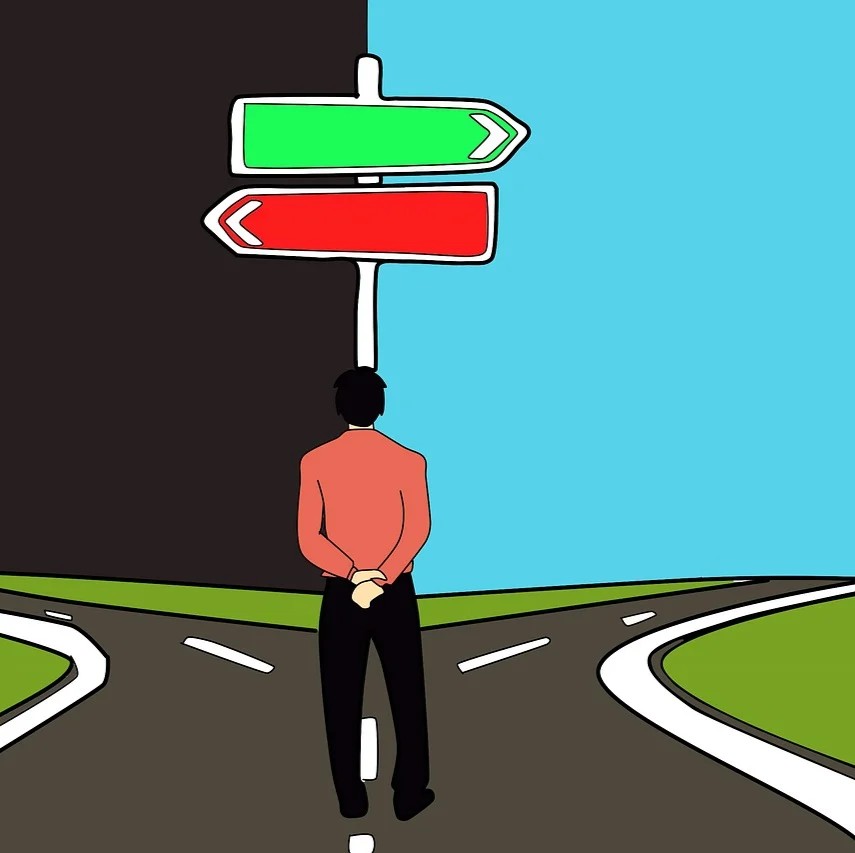
Living with and after cancer is a deeply personal journey, and there is no one-size-fits-all answer. The purpose of this overview is to show that there are many paths to take, and that you are not alone.
Whether you are looking for tools to strengthen your body, process your emotions, or find new meaning, the most important step is to take an active and conscious role in your own life.
Remember that even small, positive steps can create great change and lead to a good and meaningful life—also after cancer.
See also Holistic Doctors DK
See also Worst case scenario (Create big moments for the worst imaginable situation)
Links
Injured after cancer treatment (Patient Compensation)
Your life with cancer (Danish Cancer Society)
Life with and after cancer (Central Denmark Region)
Everyday life with cancer (Danish Cancer Society)
Podcast: A life with cancer (Zealand University Hospital)
Book: Self-defence against cancer – Ten things you can do yourself (By Øyvind Torp)
Book: The tapping solution (By Nick Ortner)
Page created:
d. 10.08.24, last revised on 28.07.25
❤
What you read on I Have Cancer is not a recommendation. Seek qualified guidance.
