


Baicalin and cancer
What is baicalin
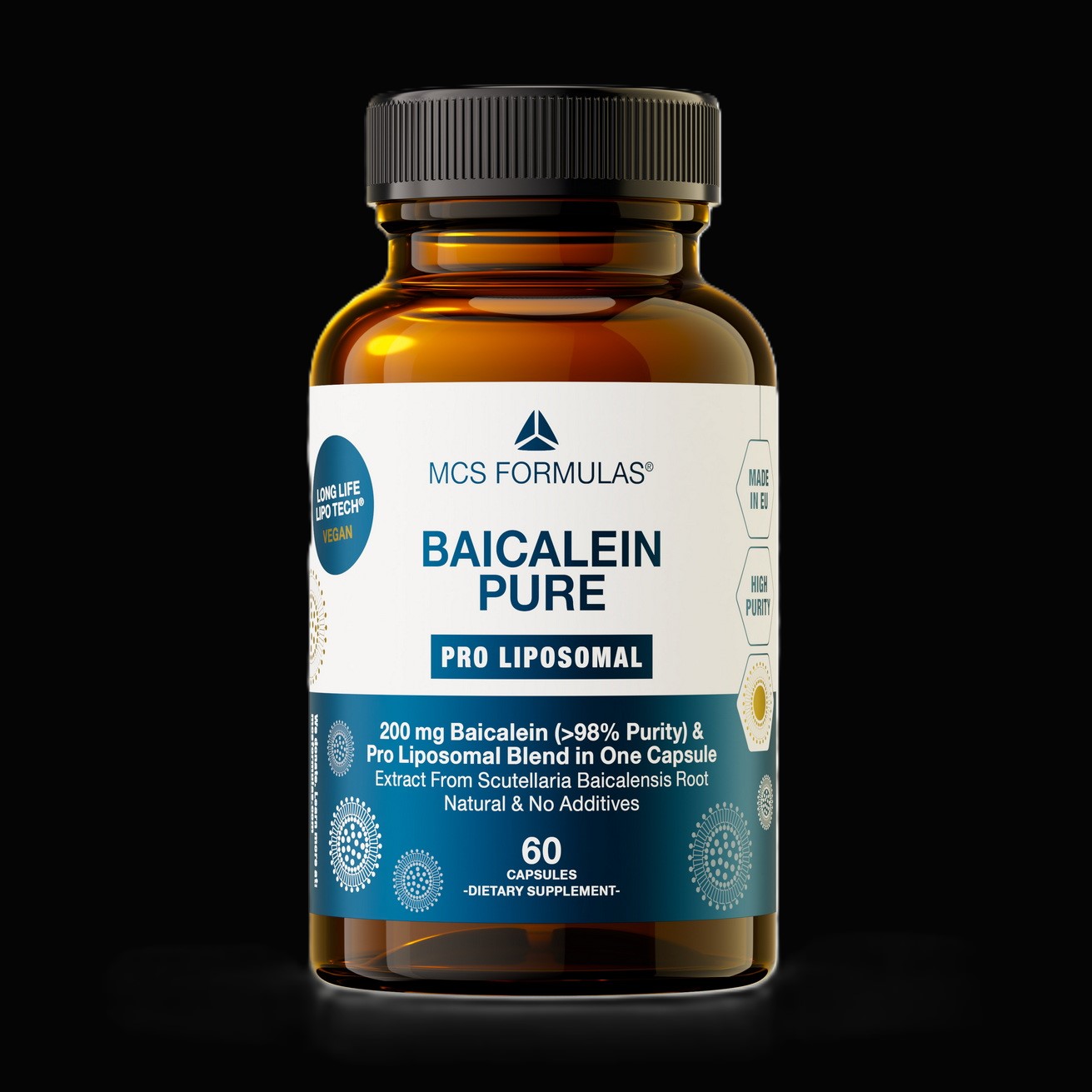
Baicalin is a flavonoid (a type of plant-based antioxidant) primarily extracted from the roots of the plant Scutellaria baicalensis Georgi, also known as Chinese skullcap or Huang Qin [1].
This plant has a long history in Traditional Chinese Medicine (TCM), where it has been used for centuries to treat a wide range of ailments, including inflammation, infections, and fever. In recent decades, researchers have intensified studies of baicalin to understand its potential applications, especially in cancer treatment [2].
Mechanisms of action and potential
Baicalin has been shown to have a variety of pharmacological effects (biological activities) that may be beneficial in the context of cancer [4, 8]. These include:
Antioxidant activity
Baicalin is a potent antioxidant that can neutralize free radicals and protect cells from oxidative stress (an imbalance that can damage cells). Oxidative stress plays a role in the development of many diseases, including cancer.
Anti-inflammatory activity
Baicalin has been shown to inhibit the production of inflammatory cytokines (signaling molecules that promote inflammation), such as TNF-\alpha, IL-6, and IL-1\beta [3]. Chronic inflammation can contribute to the development and progression of cancer.
Inhibition of cancer cell growth and spread
In vitro (studies in a test tube or petri dish) and in vivo (studies in living organisms) studies have shown that baicalin can inhibit the growth and spread of various types of cancer cells, including [5, 6, 7]:
- Lung cancer
- Breast cancer
- Prostate cancer
- Leukemia
Baicalin can inhibit cancer cell growth by:
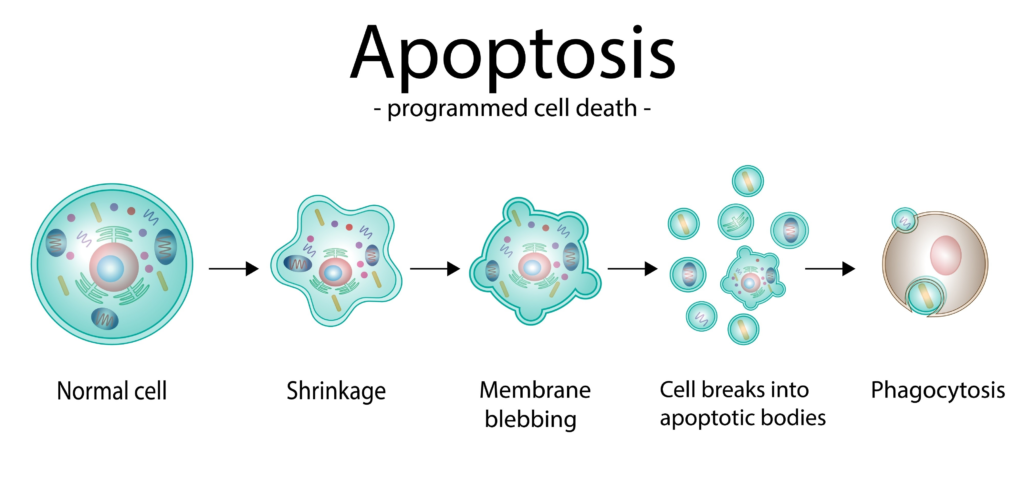
- Inducing apoptosis (programmed cell death) in cancer cells [7, 9].
- Inhibiting cell cycle progression, thereby preventing cancer cells from dividing.
- Inhibiting angiogenesis (the formation of new blood vessels that supply tumors).
- Inhibiting invasion and metastasis (the spread of cancer cells to other parts of the body) [3].
Modulation of signaling pathways
Baicalin can modulate various signaling pathways involved in cancer development and progression, such as the PI3K/Akt/mTOR pathway, the NF-$\kappa$B pathway, and the MAPK pathway [5].
Sensitization for chemotherapy
Some studies suggest that baicalin can increase the sensitivity of cancer cells to chemotherapy, which can improve the effectiveness of the treatment.
Protection of normal cells
Baicalin has been shown to have a protective effect on normal cells, which may reduce the side effects of chemotherapy and radiation therapy.
Clinical trials
There is an increasing number of clinical trials investigating baicalin’s effectiveness and safety in connection with cancer treatment.
- One study showed that baicalin could improve the effect of chemotherapy in patients with non-small cell lung cancer.
- Another study showed that baicalin could reduce inflammation and improve quality of life in patients with advanced colorectal cancer.
Although these results are promising, more research is needed, including larger clinical trials, to confirm baicalin’s effectiveness and safety in cancer treatment.
Safety
Baicalin is generally considered safe to consume in moderate amounts.
Possible side effects
Gastrointestinal problems: Baicalin can cause stomach pain, diarrhea, and nausea in some individuals.
Allergic reactions: Individuals allergic to plants in the Lamiaceae (mint family) may also be allergic to baicalin.
Medication interactions
Baicalin can interact with certain types of medication, such as blood-thinning medicine and immunosuppressive (immune-suppressing) drugs.
Blood-thinning medicine
- Warfarin (Marevan): Baicalin can enhance the effect of warfarin, increasing the risk of bleeding.
- Clopidogrel (Plavix): Similar to warfarin, baicalin can increase the risk of bleeding when taken with clopidogrel.
- Aspirin: While aspirin is generally safe with baicalin in low doses, high doses of both can increase bleeding risk.
Immunosuppressive drugs
- Cyclosporine: Baicalin can potentially decrease the effect of cyclosporine, which is used to prevent organ rejection.
- Tacrolimus (Prograf): As with cyclosporine, baicalin may reduce the effectiveness of tacrolimus.
- Corticosteroids (e.g., prednisolone): The combination could potentially increase the risk of side effects from corticosteroids.
Other medications
- Drugs metabolized (broken down) by liver enzymes (CYP450): Baicalin can affect the activity of liver enzymes that break down many drugs, leading to increased or decreased effects.
- Diabetes medication: Baicalin can potentially lower blood sugar levels, increasing the risk of hypoglycemia (low blood sugar).
- Blood pressure medication: Baicalin may lower blood pressure, which can enhance the effect of blood pressure-lowering drugs.
This is not an exhaustive list. Consult a competent practitioner regarding safety in your specific situation.
Caution
Pregnant and breastfeeding women
- There is insufficient information about the safety of consuming baicalin during pregnancy and breastfeeding.
Individuals with bleeding disorders
- Baicalin may have a blood-thinning effect.
Advantages of baicalin
Natural supplement: Baicalin is a naturally occurring substance that is generally well-tolerated.
Multifunctional action: It has antioxidant, anti-inflammatory, anti-cancer, and immunomodulatory (immune-regulating) effects.
Potential to improve conventional treatment: Baicalin may improve the efficacy of chemotherapy and radiation while reducing side effects.
Other health benefits: It may protect the brain, improve cognitive function, and reduce cardiovascular risk.
Disadvantages and limitations
Bioavailability: It has low bioavailability (absorption in the body), which may limit its effectiveness.
Limited clinical evidence: While preclinical studies are promising, human clinical evidence remains limited.
Possible side effects: It may cause side effects in some individuals.
Medication interactions: Baicalin can interact with several types of medicine.
Administration and use
- Capsules: Baicalin is typically available in capsule form.
- Powder: Baicalin powder can be added to smoothies or juice.
- Extract: Baicalin extract can be taken orally.
The optimal dosage has not been established. Follow product instructions and consult a qualified healthcare professional before starting.
Conclusion
Baicalin is a naturally occurring flavonoid with potential as a supplement to cancer treatment. However, more research is needed to confirm these effects and establish the optimal dosage and safety profile. If you are considering using baicalin as a supplement, it is important to consult a qualified healthcare professional.
Back to Supplements
Links
[1] Baicalein: A review of its anti-cancer effects and mechanisms in Hepatocellular Carcinoma(PubMed, 2017)
- Content: A review article describing the anti-cancer effects and mechanisms of baicalein (the aglycone of baicalin) specifically in hepatocellular carcinoma.
[2] The protective role of baicalin regulation of autophagy in cancers (PubMed, 2025)
- Content: A review article discussing how baicalin regulates autophagy (the body’s way of cleaning out damaged cells) to provide protective effects in various cancers.
[3] Baicalin attenuates the immune escape of oral squamous cell carcinoma by reducing lactate accumulation in tumor microenvironment (PubMed, 2025)
- Content: An in vitro and in vivo study investigating how baicalin prevents oral cancer cells from “hiding” from the immune system.
[4] Baicalin plays a protective role by regulating ferroptosis in multiple diseases (PubMed, 2024)
- Content: A review article explaining baicalin’s role in regulating ferroptosis (a type of iron-dependent cell death) in various diseases.
[5] Probiotic nanovesicles encapsulating baicalin: a strategy to overcome colorectal cancer (PubMed, 2025)
- Content: An in vitro study on using probiotic nanovesicles to deliver baicalin more effectively for colorectal cancer treatment.
[6] Baicalin Prevents Colon Cancer by Suppressing CDKN2A Protein Expression (PubMed, 2024)
- Content: An in vitro study detailing the molecular mechanism by which baicalin inhibits colon cancer growth through protein suppression.
[7] Baicalin induces cell death of non-small cell lung cancer cells via MCOLN3-mediated lysosomal dysfunction and autophagy blockage (PubMed, 2024)
- Content: An in vitro study showing how baicalin triggers death in lung cancer cells by disrupting cellular waste management.
[8] Baicalin target protein, Annexin A2, is a target of new antitumor drugs (PubMed, 2024)
- Content: An in vitro study identifying Annexin A2 as a specific target for baicalin in its anti-tumor activity.
Page created: Jan. 29, 2025
❤
What you read on I Have Cancer is not a recommendation. Seek competent guidance.
