


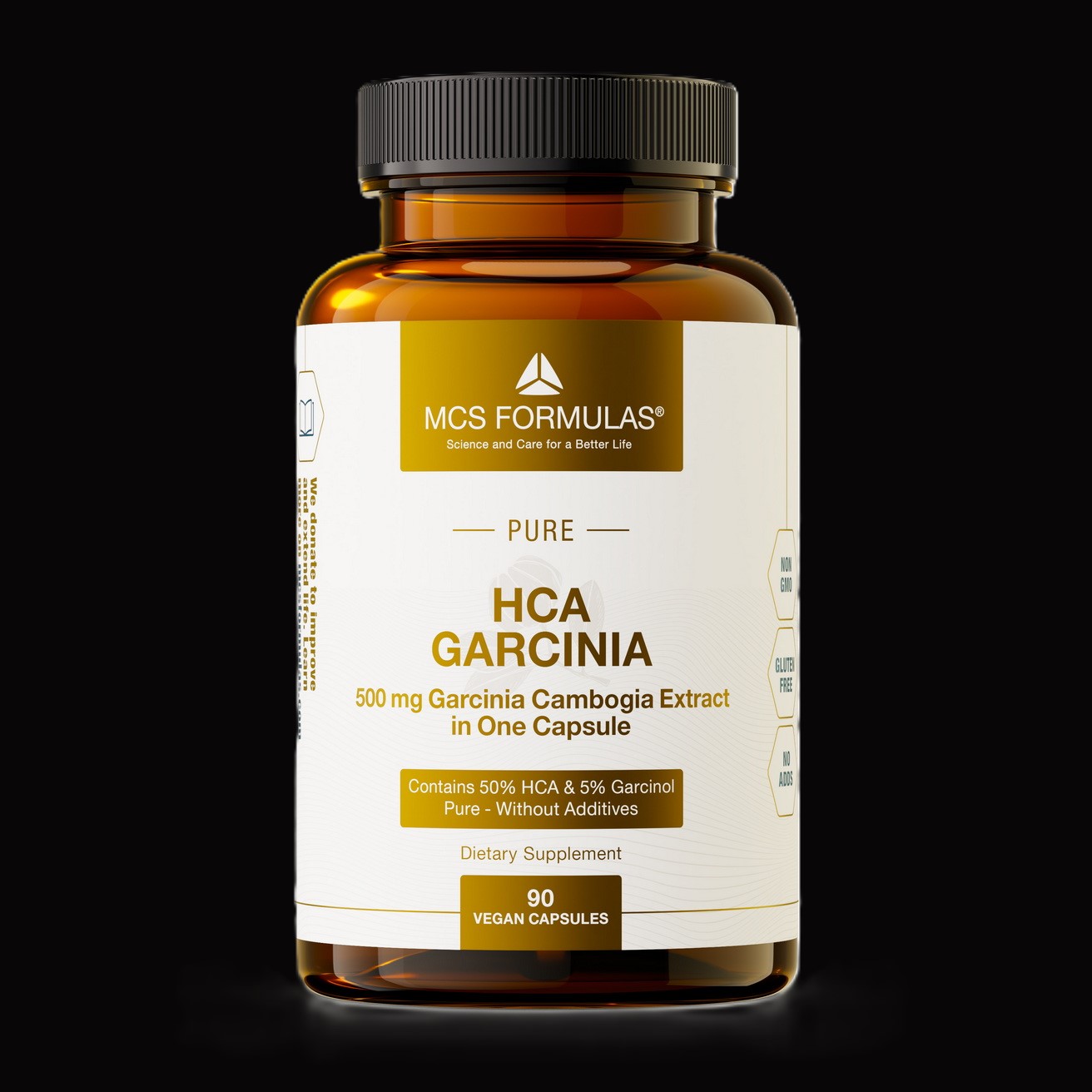
Garcinia cambogia and cancer
What is Garcinia cambogia
Garcinia cambogia, also known as Goraka or Malabar tamarind, is a small, pumpkin-shaped fruit that grows in Southeast Asia and India. It has a long history of use in traditional medicine and cooking in these regions. The fruit has a sour taste and is often used in curries and chutneys. However, it is the extract from the fruit’s rind that has piqued interest in health and nutrition. This extract is rich in hydroxycitric acid (HCA), which is believed to be the primary active component with potential health benefits.
Historically, Garcinia cambogia has been used to treat a variety of ailments, including digestive problems, infections, and inflammation. In recent years, researchers have investigated its potential use as a supplement in cancer treatment, based on promising results from in vitro (in test tubes/petri dishes) and in vivo (in living organisms) trials.
Mechanisms of action and potential for HCA
Garcinia cambogia, and particularly HCA, exhibits potential in connection with cancer treatment through a number of different mechanisms:
Inhibition of fatty acid synthesis
Cancer cells are often dependent on increased production of fatty acids to grow and spread. HCA inhibits the enzyme ATP-citrate lyase, a key enzyme in fatty acid synthesis. By blocking this enzyme, Garcinia cambogia can potentially inhibit the growth and proliferation of cancer cells [1].
Induction of apoptosis
Apoptosis is a process of programmed cell death that is essential for removing damaged or abnormal cells, including cancer cells. Trials have shown that Garcinia cambogia can induce apoptosis in various types of cancer cells, both in vitro and in vivo. This may contribute to limiting tumor growth and spread [2].
Antioxidant and anti-inflammatory activity
Oxidative stress and chronic inflammation play a significant role in the development and progression of cancer. Garcinia cambogia contains antioxidants that can neutralize free radicals and protect cells from oxidative damage. Additionally, Garcinia cambogia has been shown to have anti-inflammatory properties that can dampen the inflammation often associated with cancer [3].
Modulation of signaling pathways
Cancer cells often exhibit dysregulation of various signaling pathways that control cell growth, division, and survival. Garcinia cambogia has shown potential for modulating these pathways, including the PI3K/Akt/mTOR and MAPK signaling pathways, which are involved in cancer development [1, 3].
By influencing these signaling pathways, Garcinia cambogia can inhibit the growth and spread of cancer cells.
Angiogenesis inhibition
Angiogenesis, the formation of new blood vessels, is crucial for tumor growth and metastasis. Cancer cells stimulate angiogenesis to ensure a supply of nutrients and oxygen. Some trials suggest that Garcinia cambogia can inhibit angiogenesis, which may limit tumor growth and spread.
Immunomodulation
The immune system plays a central role in the fight against cancer. Garcinia cambogia has been shown to have immunomodulatory effects, including increased activity of natural killer cells (NK cells) and cytotoxic T-lymphocytes, which are important components of the cellular immune response against cancer.
Clinical trials
Although preclinical research has shown promising results, clinical evidence for the effect of Garcinia cambogia on cancer in humans remains limited. Most trials have been small and have had methodological limitations.
- One study published in the “Journal of Clinical Oncology” investigated the effect of Garcinia cambogia in patients with advanced cancer. The study showed that Garcinia cambogia could improve the quality of life in patients, including a reduction in fatigue and improved appetite.
- Another trial, published in “Phytotherapy Research,” investigated the effect of Garcinia cambogia on prostate cancer cells in vitro. The trial showed that Garcinia cambogia inhibited the growth of prostate cancer cells and induced apoptosis.
Further clinical trials with larger patient groups and robust designs are needed to confirm the effect of Garcinia cambogia on cancer in humans and to establish optimal doses and treatment regimens.
Safety
Garcinia cambogia is generally well-tolerated, but side effects can occur. The most common side effects are gastrointestinal upset, nausea, headache, and diarrhea. In rare cases, liver damage can occur, particularly at high doses or with long-term use. It is therefore advisable to consult a qualified practitioner before taking Garcinia cambogia.
Advantages of Garcinia cambogia
Potential synergistic effect
Garcinia cambogia can potentially enhance the effect of conventional cancer treatment, such as chemotherapy and radiation therapy.
Natural product
Garcinia cambogia is a natural product, which may be attractive to patients seeking alternative or complementary treatment options.
Can improve quality of life
While not necessarily a cure for cancer, Garcinia cambogia can potentially improve the quality of life in cancer patients by reducing the side effects of treatment, improving appetite, and increasing energy levels.
Multifunctional action
Garcinia cambogia has a range of potential benefits beyond its anti-cancer activity, including weight control, improved cholesterol levels, and blood sugar regulation.
Disadvantages and limitations
Limited clinical evidence
More research is needed to confirm the effect of Garcinia cambogia on cancer in humans and to establish optimal doses and treatment regimens.
Potential side effects
Garcinia cambogia can cause side effects, and there is a risk of liver damage, particularly at high doses or with long-term use.
See:
[5] Striking Cholestatic Giant Cell Hepatitis Resulting in Fulminant Liver Failure After Garcinia Cambogia Use (PubMed, 2023)
Interactions with medication
Garcinia cambogia can interact with certain types of medication, including blood thinners and antidepressants, including:
- Asthma medication: Theophylline
- Blood-thinning medication: Warfarin (Marevan), clopidogrel (Plavix)
- Antidepressants: SSRIs (selective serotonin reuptake inhibitors), MAOIs (monoamine oxidase inhibitors)
- Diabetes medication: Insulin, sulfonylureas
- Statins: Simvastatin, atorvastatin
- Painkillers: Paracetamol, ibuprofen
- Anti-anxiety medication: Benzodiazepines
Note: This is not an exhaustive list, and there may be other medications that Garcinia cambogia can interact with.
Dispensing and application
Supplements
Garcinia cambogia is available as a dietary supplement in various forms, including capsules, tablets, and powder.
Dosage
The recommended dosage varies depending on the product and the HCA concentration. It is important to follow the instructions on the label and consult a physician for individual advice on dosage.
Duration
There is no set duration for the use of Garcinia cambogia as a supplement in cancer treatment. It is best to consult a qualified practitioner for individual advice on the duration of treatment.
Conclusion
Garcinia cambogia has shown promising potential as a supplementary treatment for cancer. Preclinical trials suggest that it can inhibit cancer cell growth, induce apoptosis, have anti-inflammatory and antioxidant effects, modulate signaling pathways, inhibit angiogenesis, and strengthen the immune system. However, there is limited clinical evidence, and more research is needed to confirm these findings in humans.
It is important to remember that Garcinia cambogia is not a substitute for other relevant cancer treatments. However, it can potentially be a useful supplement that may improve the quality of life and enhance the effectiveness of, for example, conventional treatment.
Back to Supplements
Links
[1] Hydroxycitric Acid Inhibits Chronic Myelogenous Leukemia Growth through Activation of AMPK and mTOR Pathway (PubMed, 2022)
- Content: A non-randomized in vitro study exploring how HCA inhibits the growth of leukemia cells by modulating key signaling pathways.
- Content: A laboratory trial demonstrating the ability of gambogic acid (a derivative from the Garcinia species) to trigger cell death in T-cell leukemia.
[3] Anti‑inflammatory effects of gambogic acid in murine collagen‑induced arthritis through PI3K/Akt signaling pathway (PubMed, 2018)
- Content: An in vivo study detailing the anti-inflammatory mechanisms of bioactive compounds found in Garcinia that are relevant to cancer-related inflammation.
[4] Risikovurdering af kosttilskudsproduktet (Fødevarestyrelsen, 2018)
- Content: A Danish regulatory document assessing the safety profile and potential risks associated with Garcinia cambogia supplements.
[5] Striking Cholestatic Giant Cell Hepatitis Resulting in Fulminant Liver Failure After Garcinia Cambogia Use (PubMed, 2023)
- Content: A clinical case report detailing severe liver toxicity and fulminant failure following the use of Garcinia cambogia.
Page created: Jan. 29, 2025.
❤
What you read on I Have Cancer is not a recommendation. Seek competent guidance.
