


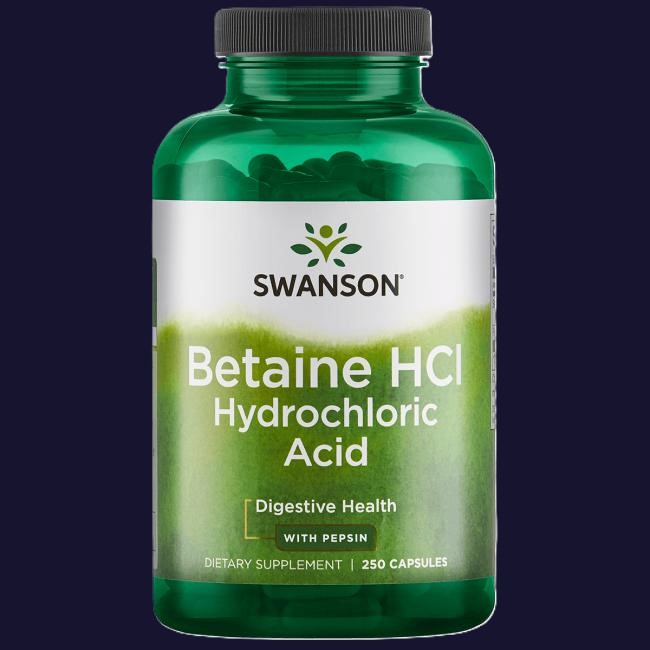
Betaine and cancer
What is betaine
See also the nerdy section on Betaine and epigenetics in its own section below (scroll to).
Betaine, also known as trimethylglycine, is a naturally occurring compound found in many foods such as beets, spinach, and wheat germ [4]. It is a quaternary ammonium compound, which means it has a positive electrical charge. Betaine has become a popular dietary supplement due to its health benefits.
Effect of betaine
Betaine has several important functions in the body, including:
Methyl donor
- Betaine is an important methyl donor, meaning it donates methyl groups to various biochemical reactions in the body. Methyl groups are necessary for a range of processes, including DNA synthesis, repair, and gene expression [1, 5].
Osmolyte
- Betaine acts as an osmolyte, which means it helps regulate cellular water content. This is important for protecting cells from stress and damage [3].
Homocysteine reduction
- Betaine can help lower homocysteine levels in the blood. High homocysteine levels are associated with an increased risk of cardiovascular disease.
Health benefits of betaine
Betaine can be a useful supplement for individuals with high homocysteine levels, liver problems, or those wishing to improve their cardiovascular health.
Homocysteine
- Homocysteine is an amino acid that can accumulate in the body if there is a deficiency of certain B-vitamins. High levels of homocysteine have been linked to an increased risk of cardiovascular disease, blood clots, and other health problems. Betaine can help lower homocysteine levels in the blood by donating methyl groups necessary to convert homocysteine into another substance.
Cardiovascular health
- Betaine can help lower blood pressure, reduce homocysteine levels, and improve the cholesterol profile. This can contribute to reducing the risk of heart attack and stroke.
Liver function
- Betaine can protect the liver from damage caused by alcohol, toxins, and certain medications.
Athletic performance
- Some studies suggest that betaine can improve athletic performance by increasing muscle power and endurance [1].
Digestion
- Betaine can help improve digestion by increasing the production of hydrochloric acid in the stomach.
Betaine and liver protection
Although an exhaustive list of the specific drugs betaine can protect against is not available, some of the mechanisms that allow betaine to function protectively for the liver are known:
Antioxidant properties:
- Betaine has antioxidant properties, meaning it can neutralize free radicals that can damage liver cells. Many drugs can cause oxidative stress in the liver, and betaine can potentially counteract this damage.
Osmolytic effect:
- Betaine can act as an osmolyte, helping to regulate cellular water content. This can be protective for liver cells exposed to toxic substances or medications [3].
Methyl donor:
- As mentioned earlier, betaine is an important methyl donor. Methyl groups are necessary for various biochemical processes in the liver, and a deficiency can contribute to liver damage.
Betaine and cancer
There is promising potential for betaine in connection with cancer treatment, but it is important to emphasize that conclusive research is still lacking. Let’s dive deeper into the mechanisms that make betaine interesting in this context:
- Inactivation of carcinogens: Betaine can help neutralize certain substances that may contribute to the development of cancer.
- Inhibition of cancer cell division: Betaine can slow the growth of cancer cells [2, 4].
- Increased cell death in cancer cells: Betaine can induce programmed cell death (apoptosis) in cancer cells [2].
- Oxidative stress: Cancer cells are often subject to high oxidative stress. Betaine, as an antioxidant, can potentially protect normal cells from this damage while increasing oxidative stress in cancer cells, leading to their death.
- Epigenetic changes: Betaine is involved in methylation processes, which are crucial for gene regulation. By influencing these processes, betaine can potentially counteract the epigenetic changes associated with cancer.
- Immune system: Some studies suggest that betaine can strengthen the immune system, helping the body fight cancer cells more effectively.
- Angiogenesis: Betaine can inhibit the formation of new blood vessels (angiogenesis), which cancer cells need to grow and spread.
This is described more in-depth in the next section: Epigenetics – Nerdy (scroll to).
Advantages of betaine in cancer
While betaine should not be considered a replacement for conventional cancer treatment, it can potentially offer supplementary benefits. It may help:
Reduce side effects:
- Betaine can help reduce some of the side effects associated with chemotherapy and radiation therapy.
Improve quality of life:
- By reducing fatigue and increasing energy levels, betaine can improve the quality of life for cancer patients.
Prolong survival:
- Although there is no definitive evidence, some studies suggest that betaine may prolong survival in certain cancer patients.
Synergy:
- Betaine is not the only substance being investigated for its potential anti-cancer effects. Other nutrients, such as vitamin D, selenium, and omega-3 fatty acids, have also shown promising results. These substances often work synergistically, meaning they can enhance each other’s effects.
Side effects – disadvantages
Complexity of cancer
- Cancer is a complex disease with many different types and stages. What works for one type of cancer may not work for another.
Potential side effects
- Although betaine is generally considered safe in recommended doses, it can interact with other medications or have undesirable effects in some patients. Common side effects include gastrointestinal issues such as diarrhea, nausea, and bloating.
Kidney disease – caution
- Individuals with certain medical conditions, such as kidney disease, should consult their practitioner before taking betaine supplements.
Note
Talk to your practitioner
- If you are considering taking betaine or other supplements during or after cancer treatment, it is crucial to talk to your practitioner. They can provide personalized advice and help you weigh the benefits and risks.
Choose quality
- If you decide to try betaine, make sure to purchase a high-quality product from a reliable manufacturer.
Conclusion
Betaine has great potential as a supplement to conventional cancer treatment. By influencing epigenetic changes, strengthening the immune system, and inhibiting angiogenesis, betaine can contribute to the fight against cancer. However, it is important to emphasize that more research is still needed to fully understand the mechanisms through which betaine works and to establish its clinical utility.
As with other dietary supplements, it cannot stand alone as a treatment for cancer.
Back to Supplements
Links
[1] Betaine delays age‐related muscle loss by mitigating Mss51‐induced impairment in mitochondrial respiration via Yin Yang1(PubMed, 2024)
[2] Betaine Induces Apoptosis and Inhibits Invasion in OSCC Cell Lines(PubMed, 2024)
- Content: An in vitro study showing that betaine can trigger programmed cell death and limit the spread of oral cancer cells.
[3] Significantly Positive Impact of Nonsteroidal Anti-inflammatory Drugs Combined With Osmoprotectant (Osmolytes) in Cancer Treatment (PubMed, 2024)
- Content: A review article discussing the synergy between NSAIDs and osmolytes like betaine in cancer therapy.
[4] Choline and betaine consumption lowers cancer risk: a meta-analysis of epidemiologic studies(PubMed, 2016)
- Content: A meta-analysis showing a correlation between betaine intake and a reduced risk of developing cancer.
[5] Betaine in Inflammation: Mechanistic Aspects and Applications(PubMed, 2018)
- Content: A review article detailing the anti-inflammatory mechanisms of betaine.
Page created: Nov. 11, 2024. Latest revision: April 23, 2026.
❤
What you read on I Have Cancer is not a recommendation. Seek competent guidance.
Betaine and cancer
Epigenetic – in-depth
Epigenetic changes and betaine
Epigenetics is about how genes are expressed without changing the DNA sequence itself. Betaine plays an important role in these processes, primarily through its function as a methyl donor [1, 2, 5].
DNA methylation
Betaine can donate methyl groups to DNA, which can affect gene expression (the process where information in a gene is converted into a functional product, most often a protein). Hypermethylation (excessive attachment of methyl groups) of certain genes can lead to their inactivation, which may contribute to the development of cancer. Betaine can potentially counteract this hypermethylation and reactivate tumor suppressor genes (genes that counteract the formation of cancer) [5].
Histone methylation
Histones are proteins that DNA is wrapped around [1]. Methylation of histones can also affect gene expression. Betaine can influence these methylation patterns and thereby regulate gene activity.
Mechanism
Betaine donates methyl groups to DNA and histones (special proteins that play a crucial role in our cells) via various enzymatic reactions. By influencing these reactions, betaine can modulate gene expression and thus affect cell growth, differentiation, and apoptosis (programmed cell death) [1, 5].
The immune system and betaine
The immune system plays a crucial role in fighting cancer. Betaine can potentially strengthen the immune system in several ways [1, 4]:
T-cell activation
Betaine can stimulate the activation and proliferation (rapid reproduction) of T-cells, which are important for killing cancer cells.
Natural killer cells (NK cells)
Betaine can increase the activity of NK cells, which are a type of immune cell capable of killing cancer cells without prior sensitization (prior recognition) [1].
Cytokine release
Betaine can stimulate the production of cytokines, which are signaling molecules that coordinate the immune response.
Mechanism
The precise mechanism through which betaine strengthens the immune system is not fully understood, but it is believed to involve both direct and indirect effects on immune cells.
Angiogenesis and betaine
Angiogenesis is the process where new blood vessels are formed. Cancer cells need a constant supply of nutrients and oxygen to grow, and they therefore stimulate the formation of new blood vessels. Betaine can inhibit angiogenesis in several ways [1]:
Growth factors
Betaine can inhibit the production of growth factors, such as VEGF (vascular endothelial growth factor), which is essential for the formation of new blood vessels.
Enzyme inhibition
Betaine can inhibit the activity of enzymes involved in the breakdown of the extracellular matrix (a network of molecules that provides structure to cells), which is necessary for new blood vessels to grow into the tumor.
Mechanism
Betaine can influence various signaling pathways that regulate angiogenesis. By inhibiting these pathways, betaine can limit the growth of cancer tumors [1].
Conclusion
Betaine, a naturally occurring substance, has shown promising potential within cancer research. By influencing cellular processes on multiple levels, betaine offers an exciting approach to cancer treatment. Through its ability to modulate epigenetic patterns, strengthen the immune system, and inhibit angiogenesis, betaine can potentially both prevent and treat cancer.
Epigenetic changes are central to the development of many types of cancer. Betaine can help reverse these changes, which can lead to the reactivation of tumor suppressor genes and thus inhibit cell growth.
The immune system plays a crucial role in fighting cancer cells, and betaine can strengthen this defense mechanism by activating immune cells and promoting the production of cytokines. Finally, by inhibiting angiogenesis, betaine can limit the supply of nutrients and oxygen to cancer tumors, which can slow their growth.
Back to Supplements
Links
[1] Therapeutic potential of betaine and its derivatives in cancer treatment: a comprehensive review (RSC Advances, 2025)
- Content: A comprehensive review from 2025 detailing the anticancer properties of betaine, focusing on its ability to inhibit tumor progression, metastasis, and angiogenesis through various molecular mechanisms.
[2] Exogenous Glycine Betaine Decreases Cell Proliferation and Induces Apoptosis in Human Colorectal Adenocarcinoma HT-29 Cells (MDPI, 2025)
- Content: A study from 2025 investigating the effects of betaine on colorectal cancer cells, showing that it can significantly increase apoptosis and reduce cell growth.
[3] Betaine Induces Apoptosis and Inhibits Invasion in OSCC Cell Lines (PubMed, 2024)
- Content: A study from 2024 exploring the potential of betaine as an adjunct treatment for oral squamous cell carcinoma, demonstrating its ability to trigger cell death and mitigate cancer cell invasion.
[4] Exercise-mimicking effects of betaine in chronic disease prevention and management (Frontiers in Nutrition, 2026)
- Content: A review article from 2026 discussing betaine as an “exercise mimetic” that can activate complex molecular mechanisms to prevent and treat chronic diseases, including cancer.
[5] Betaine restores epigenetic control and supports neuronal mitochondria in the cuprizone mouse model of multiple sclerosis (ResearchGate, 2020)
- Content: A study discussing how betaine acts as a methyl donor to restore epigenetic control and repair methylation patterns, which is relevant for both neuroprotection and tumor suppression.
Page created: Nov. 11, 2024. Latest revision: April 23, 2026.
❤
What you read on I Have Cancer is not a recommendation. Seek competent guidance.
