


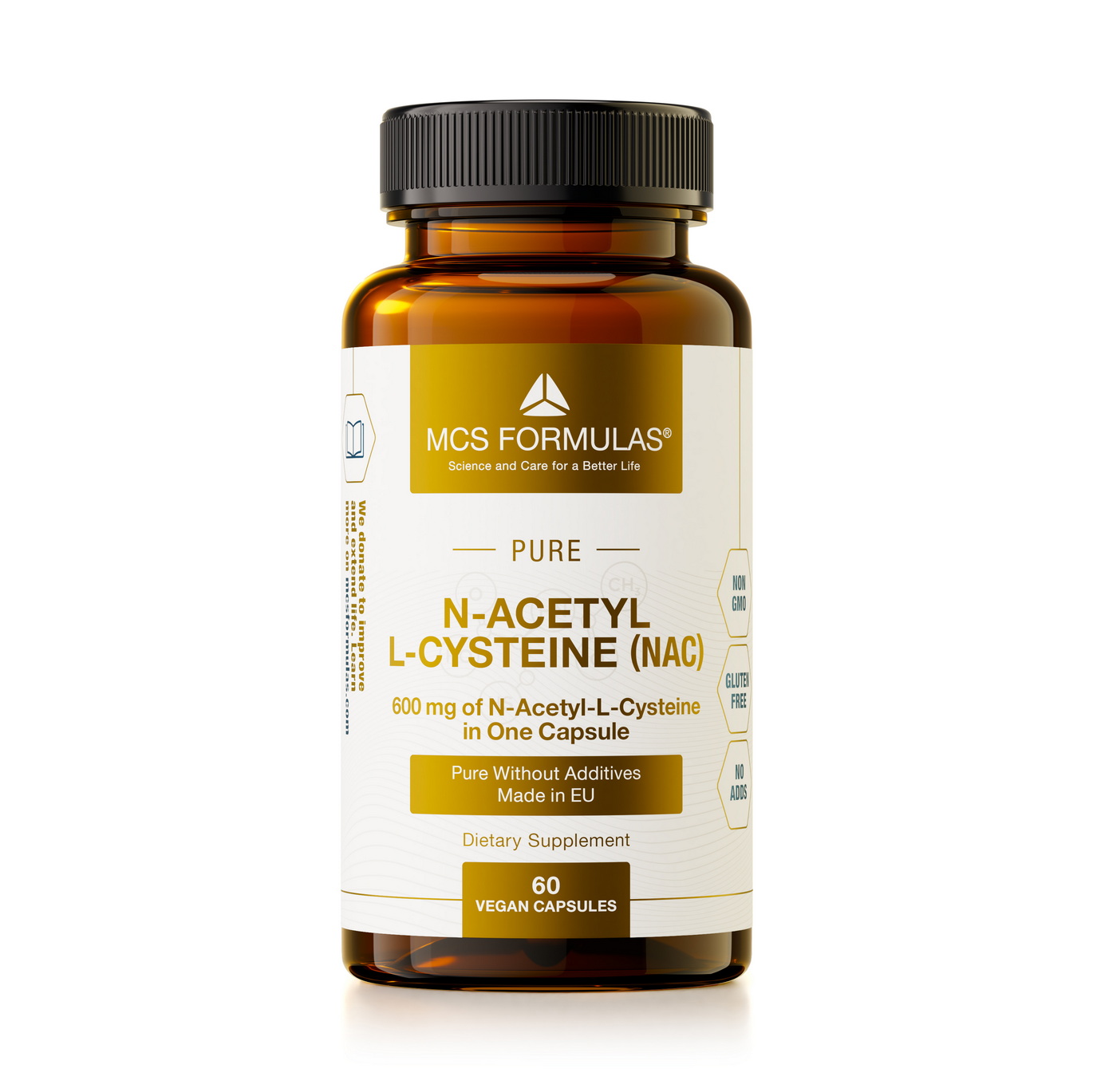
N-Acetylcysteine (NAC) and Cancer
What is NAC (N-Acetyl L-Cysteine)
N-acetylcysteine (NAC) is a derivative of the amino acid L-cysteine and functions as a precursor to glutathione, the body’s most potent endogenous antioxidant [3]. Cysteine is a semi-essential amino acid, which means that under normal circumstances, the body can produce it itself, but under certain conditions, such as illness or increased oxidative stress (imbalance with free radicals), it may be necessary to supplement through diet or supplements. NAC is a stable and bioavailable molecule that is easily absorbed in the intestine and converted to cysteine, which is then used to synthesize glutathione.
Historical Use
NAC was first synthesized in the 1960s and has traditionally been used as a mucolytic (mucus-dissolving agent) for the treatment of respiratory diseases such as bronchitis and COPD, as it can break down disulfide bonds in mucus, making it thinner and easier to cough up. Additionally, NAC has been used in emergency medicine to treat acetaminophen/paracetamol overdose, as it effectively rebuilds glutathione levels in the liver, which are crucial for detoxifying acetaminophen and preventing liver damage.
NAC and Cancer
In recent decades, researchers have taken notice of NAC’s potential in relation to cancer treatment. Preclinical studies have shown that NAC can have a number of beneficial effects on cancer cells, including inhibition of growth, induction of apoptosis (programmed cell death), and reduction of resistance to chemotherapy [2].
These effects are believed to be primarily mediated by NAC’s ability to increase glutathione levels, modulate redox balance, and affect cellular signaling pathways involved in cancer development.
Mechanisms of Action and Potential
NAC exerts its effect primarily by increasing the intracellular concentration of glutathione. Glutathione is a tripeptide (3 amino acids bound together), consisting of the amino acids glycine, cysteine, and glutamic acid, and it plays a central role in a number of cellular processes that are relevant for cancer development and treatment:
Antioxidant Defense
Glutathione is the body’s primary defense against oxidative stress, a condition that arises from an imbalance between the production of free radicals and the body’s ability to neutralize them. Free radicals are unstable molecules with an unpaired electron that can damage cells and DNA, thus contributing to aging, inflammation, and the development of chronic diseases, including cancer. Glutathione functions as a “scavenger” of free radicals, donating an electron to the unstable radical, making it stable and harmless.
Detoxification
Glutathione is involved in phase II detoxification in the liver, a process where the body converts toxins and waste products into water-soluble compounds that can be excreted via urine or bile. Glutathione binds to toxins, such as heavy metals, pesticides, and carcinogens, and makes them water-soluble so they can be eliminated from the body. This can reduce the risk of DNA damage and thus reduce the risk of cancer development.
Immunomodulation
Glutathione plays an important role in regulating the immune system, including the activation and proliferation of T-cells and NK-cells (Natural Killer cells), which are important effector cells in the cellular immune defense that can recognize and kill cancer cells. Glutathione increases the cytotoxicity of NK cells and promotes the differentiation of T-cells into Th1 cells, which are important for combating intracellular pathogens and tumor cells [1].
Cell Death (Apoptosis)
Apoptosis is a controlled process where cells commit “suicide” to remove damaged or unnecessary cells from the body. Apoptosis is essential for maintaining tissue homeostasis and preventing the development of cancer.
Glutathione can affect the balance between oxidation and reduction (redox balance) in cells, which can induce apoptosis in cancer cells. Cancer cells often have a disturbed redox balance that favors a reducing environment, which promotes cell growth and survival. By increasing glutathione levels, NAC can push the redox balance toward a more oxidizing environment, which can trigger apoptosis in cancer cells.
Inhibition of Angiogenesis
Angiogenesis is the formation of new blood vessels, a process that is essential for tumor growth and metastasis. Tumors require a constant supply of oxygen and nutrients to grow and spread, and angiogenesis is crucial for supplying the tumor with blood. Some studies suggest that NAC can inhibit angiogenesis by downregulating growth factors that stimulate the formation of new blood vessels, such as VEGF (Vascular Endothelial Growth Factor).
Additional Mechanisms of Action
Inhibition of NF-κB
NF-κB (nuclear factor kappa-light-chain-enhancer of activated B cells) is a transcription factor that plays a central role in inflammation, immune response, and cell survival. Overexpression of NF-κB is involved in the development of a number of chronic diseases, including cancer. NAC can inhibit the activation of NF-κB, which can reduce inflammation and inhibit the growth of cancer cells [4].
Modulation of Gene Expression
NAC can affect the expression of genes involved in cell cycle regulation, apoptosis, and angiogenesis. For example, NAC can upregulate the expression of p53, a tumor suppressor gene that induces apoptosis in damaged cells, and downregulate the expression of Bcl-2, an anti-apoptotic protein that inhibits cell death.
Reduction of Chemotherapy Resistance
Chemotherapy is one of the primary treatments for cancer, but resistance to chemotherapy is a major problem that can lead to treatment failure. Some studies indicate that NAC can increase the sensitivity of cancer cells to chemotherapy by modulating redox balance, inhibiting DNA repair, and increasing the uptake of chemotherapeutic agents in cancer cells.
Clinical Studies
While preclinical studies (in vitro and in vivo) have shown promising results for NAC’s potential in cancer treatment, clinical studies are still limited. There is a need for larger, randomized controlled studies to confirm these results and establish the optimal dosing and use of NAC in different cancer types and treatment regimens.
Some of the clinical studies that have examined NAC in relation to cancer include:
- A meta-analysis of 11 randomized controlled studies showed that NAC can improve lung function and reduce the risk of exacerbations in patients with COPD, a risk factor for lung cancer. However, more research is needed to establish NAC’s direct effect on lung cancer.
- A pilot study showed that NAC can reduce side effects of chemotherapy, such as nausea and fatigue, in patients with breast cancer [2]. However, larger studies are needed to confirm these results and investigate NAC’s potential to improve survival in breast cancer patients.
- An in vitro study showed that NAC can inhibit the growth of prostate cancer cells and induce apoptosis. However, in vivo and clinical studies are needed to confirm these results and investigate NAC’s potential in the treatment of prostate cancer.
Other Cancer Types
NAC has also been studied in smaller studies for its potential in the treatment of other cancer types, including:
The results are promising, but more research is needed to draw definitive conclusions.
Safety
NAC is generally well tolerated, but can cause side effects such as:
- Nausea
- Vomiting
- Diarrhea
- Headache
In rare cases, allergic reactions may occur, such as:
- Skin rash
- Itching
- Difficulty breathing
People with asthma or bleeding disorders should consult a doctor before taking NAC, as it may worsen symptoms [5].
NAC can interact with certain medications, including chemotherapy, blood-thinning medications, and nitroglycerin. It is therefore important to inform your doctor about all medications and supplements you are taking before starting NAC.
Benefits of NAC
Potent Antioxidant
Protects cells from oxidative stress and DNA damage, which are implicated in the development of cancer.
Supports Detoxification
Helps the body eliminate toxins that can contribute to cancer development and disrupt cellular processes.
Strengthens the Immune System
Promotes the activity of immune cells that fight cancer cells, including T-cells and NK-cells.
Can Inhibit Cancer Cell Growth
Can induce apoptosis in cancer cells and inhibit angiogenesis, which can slow tumor growth and metastasis.
Can Reduce Side Effects of Chemotherapy
Some studies suggest that NAC can alleviate side effects such as nausea, fatigue, and hair loss caused by chemotherapy [9, 10].
Can Improve Quality of Life
By reducing side effects of cancer treatment and improving the body’s overall health, NAC can help improve quality of life in cancer patients.
Disadvantages and Limitations
Limited Clinical Evidence
There is a need for more research to confirm NAC’s effectiveness in cancer treatment and establish optimal dosing and use in different cancer types.
Can Interact with Certain Medications
NAC can interact with certain medications, including chemotherapy, blood-thinning medications, and nitroglycerin.
Not a Replacement for Conventional Treatment
NAC should be used in consultation with a qualified healthcare provider and should not replace other relevant cancer treatment.
Dispensing and Use
Oral
NAC is available as tablets, capsules, and powder. The oral form is easy to administer and has good bioavailability.
Intravenous
NAC can be given intravenously by a doctor, which may be necessary in acute situations, such as acetaminophen poisoning (overdose of pamol, panodil, etc.).
Dosage
The recommended dosage varies depending on the indication and the individual patient. It is important to follow the instructions on the product or from your healthcare provider, and not exceed the recommended dose.
Glutathione vs. NAC
The choice between glutathione and NAC as a dietary supplement depends on your individual needs and goals.
When to Take Glutathione
- Direct increase in glutathione levels: Glutathione supplements are the most direct way to increase glutathione levels in the body. If your goal is to increase glutathione quickly, this may be the best solution.
- Gastrointestinal problems: Some people experience gastrointestinal issues when taking NAC. Glutathione may be a better alternative in these cases.
- Convenience: Glutathione is available in various forms, including capsules, tablets, and liposomal (fat-containing) mixtures that can improve absorption.
When to Take NAC
- Long-term support for glutathione production: NAC is a precursor to glutathione and supports the body’s own production of this important antioxidant. If you want a more long-term solution to increase glutathione levels, NAC may be a good choice.
- Increased bioavailability: NAC generally has better bioavailability than glutathione, which means that a larger portion of the substance is absorbed and utilized by the body.
- Other health benefits: In addition to increasing glutathione levels, NAC also has other potential health benefits, such as supporting the immune system, detoxification, and relieving respiratory symptoms.
- Price: NAC is often cheaper than glutathione supplements.
Additional Factors to Consider
- Individual needs: Your age, health condition, and lifestyle can affect your need for glutathione and NAC.
- Medications: NAC can interact with certain medications. Always consult a qualified healthcare provider before taking NAC, especially if you are taking other medications.
- Quality: Always choose high-quality supplements from reputable manufacturers.
Overall
If you want a quick and direct increase in glutathione levels, glutathione supplements are the best solution.
If you want to support the body’s own production of glutathione in the long term and take advantage of NAC’s other potential health benefits, NAC is a good choice.
Conclusion
NAC is a promising candidate as a complementary treatment for cancer due to its ability to increase glutathione levels, protect cells from oxidative stress, support detoxification, and modulate the immune system.
However, as with almost all dietary supplements, more research is needed to confirm its effectiveness and establish optimal use in cancer treatment. NAC should be used in consultation with a qualified healthcare provider, as it, as mentioned above, can interact with certain medications.
Also see Glutathione
Back to Supplements Grouped by Effect
Links
[1] N-acetyl-L-cysteine exhibits antitumoral activity by increasing tumor necrosis factor alpha-dependent T-cell cytotoxicity (PubMed, 1997)
- Content: Study demonstrating that NAC can enhance T-cell cytotoxicity against tumor cells by increasing tumor necrosis factor alpha production, thereby improving the immune system’s ability to target and destroy cancer cells.
[2] Possible Beneficial Effects of N-Acetylcysteine for Treatment of Triple-Negative Breast Cancer (MDPI, 2021)
- Content: Review article exploring the potential of NAC as a therapeutic agent for triple-negative breast cancer, discussing its mechanisms of action, including modulation of redox balance and induction of apoptosis in cancer cells.
[3] N-Acetylcysteine (Memorial Sloan Kettering Cancer Center, 2022)
- Content: Comprehensive overview from Memorial Sloan Kettering Cancer Center on NAC, including its uses, mechanisms of action, potential benefits, and safety considerations in cancer care.
[4] N-acetyl-l-cysteine sensitizes pancreatic cancers to gemcitabine by targeting the NFκB pathway (PubMed, 2015) Content: Study showing that NAC can enhance the effectiveness of gemcitabine chemotherapy in pancreatic cancer by inhibiting the NFκB signaling pathway, which is often overexpressed in cancer cells and contributes to treatment resistance.
[5] Risikovurdering af nyt næringsstof (N-acetylcystein) til kosttilskud (DTU, Danmarks Tekniske Universitet, 2018)
- Content: Risk assessment report from the Technical University of Denmark evaluating the safety of NAC as a dietary supplement, including potential side effects and interactions. (Danish Language)
[6] Maackiain induces apoptosis and autophagy via ROS-mediated endoplasmic reticulum stress in endometrial cancer (PubMed, 2025)
- Content: Study investigating the effects of maackiain on endometrial cancer cells, demonstrating how it induces cell death through oxidative stress mechanisms. While not directly about NAC, it provides context for understanding oxidative stress pathways in cancer.
[7] The arylbipyridine platinum (II) complex increases the level of ROS and induces lipid peroxidation in glioblastoma cells (PubMed, 2025)
- Content: Research on a platinum-based compound that increases oxidative stress in glioblastoma cells, providing insights into how modulating redox balance can affect cancer cell survival and treatment resistance.
[8] Bi-targeting of thioredoxin 1 and telomerase by thiotert promotes cell death of myelodysplastic syndromes and lymphoma (PubMed, 2025)
- Content: Study on a novel compound that targets thioredoxin and telomerase in myelodysplastic syndromes and lymphoma, highlighting the importance of redox regulation in cancer treatment strategies.
[9] N-acetyl-L-cysteine promoted hematopoietic recovery in patients with acute myeloid leukemia after complete remission–A pilot study (PubMed, 2025)
- Content: Pilot study on leukemia patients (AML) showing that the dietary supplement N-acetyl-L-cysteine (NAC) safely and significantly accelerates the reconstruction of platelets after chemotherapy. The effect is due to NAC improving the function of essential “helper cells” in the bone marrow, which are necessary for forming new blood cells.
[10] Effects of functional antioxidants on the expansion of gamma delta T-cells and their cellular cytotoxicity against bladder cancer cells (PubMed, 2025)
- Content: A new study shows that although antioxidants such as NAC and vitamin E weakly inhibit the growth of immune cells (T-cells) in the laboratory, the process results in T-cells that are subsequently significantly more effective at killing bladder cancer cells.
[11] Ru(II)-thymine complex suppresses acute myeloid leukemia stem cells by inhibiting NF-κB signaling (PubMed, 2025)
- Content: A new Ruthenium-based substance (RTC) effectively kills stem cells in Acute Myeloid Leukemia (AML) by inhibiting a central survival signaling pathway (NF-κB). The study showed that this mechanism is independent of oxidative stress, as the antioxidant NAC could not stop the cell-killing effect.
[12] NAT10 promotes hepatocellular carcinoma progression by modulating the ac4C-DDIAS-PI3K-Akt axis (PubMed, 2025)
- Content: A new study shows that a high level of the protein NAT10 is associated with poorer survival in liver cancer. The study reveals that NAT10 drives cancer growth and spread by activating the central PI3K/AKT signaling pathway via a newly discovered mechanism (ac4C-DDIAS).
Page created: January 29, 2025, Last revised June 9, 2025
❤
What you read on “Jeg har Kræft” is not a recommendation. Seek competent guidance.
