


Treatments
Protokols for cancer
- The metabolic and data-driven
- Repurposed drugs and medical combinations
- Beljanski Protocol (Pao Pereira & extracts)
- Burt Berkson (ALA/ LDN)
- Care Oncology Clinic (COC – repurposed drugs)
- Coley’s Toxins (immunotherapy/ fever)
- FLCCC Cancer Protocol (Ivermectin and Mebendazole)
- Jane McLelland (how to starve cancer)
- Joe Tippens (fenbendazole) (scroll down)
- Rick Simpson Oil (RSO) Protocol (highly concentrated cannabis oil)
- Riordan (IV C-vitamin)
- Stanislaw Burzynski (antineoplastons)
- Intensive diet and detoxification
- Strategic fasting
- Tradition and wisdom
- Mind-body and biological decoding
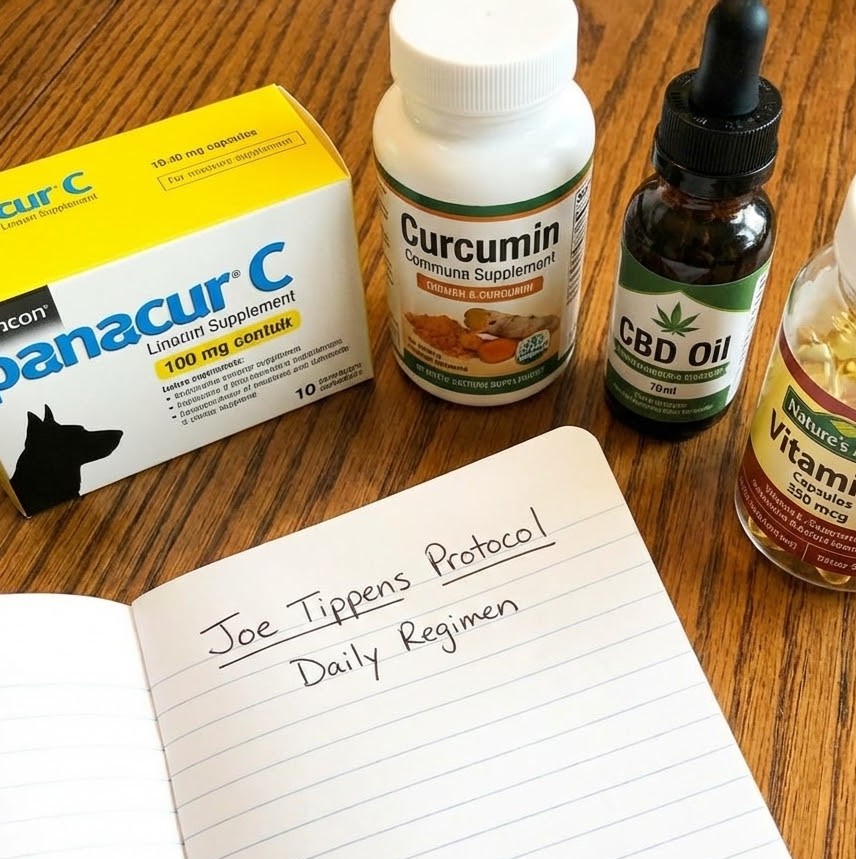
Joe Tippens Protocol
Summary of the Joe Tippens Protocol
Purpose of the Protocol:
- To block cancer cells’ ability to divide and absorb sugar using easily accessible means, including medications originally developed for animals. The goal is a cheap and effective treatment that can run alongside or without conventional therapy.
Content of the Protocol:
- In 2021, the approach was updated to a system consisting of four “Pathways” developed in collaboration with researchers to increase absorption (bioavailability). The core is Fenbendazole, but the supporting elements are now composed in specialized blends (Onco Adjunct), combining substances such as CBD, Curcumin, Quercetin, Frankincense, and Berberine using new absorption technology.
The Central Idea:
- The philosophy is pragmatic “bio-hacking.” By repurposing a safe drug (Fenbendazole—a veterinary dewormer), known for destroying the cellular structure of parasites, the same effect can be achieved on cancer cells—namely, destabilizing their “skeleton” (microtubules), so they cannot divide and die.
Who is Joe Tippens
Joe Tippens is neither a doctor nor a researcher, but an American businessman who gained worldwide recognition through his blog “Get Busy Living.” [1]
In 2016, he received a death sentence with a diagnosis of stage 4 small cell lung cancer. The cancer had spread throughout his body (liver, bladder, stomach, throat, and bones), and doctors at MD Anderson Cancer Center gave him three months to live.
He is known for defying this prognosis by taking matters into his own hands. Through a friend who is a veterinarian, he was recommended a simple dewormer for dogs. This had been shown to kill cancer in laboratory mice. Having nothing to lose, he tried it on himself. His story went viral when, three months later, he was declared cancer-free (“All Clear”), and he has since dedicated his time to sharing his recipe with others. [7, 8, 9]
Cancer’s achilles’ heel: microtubules
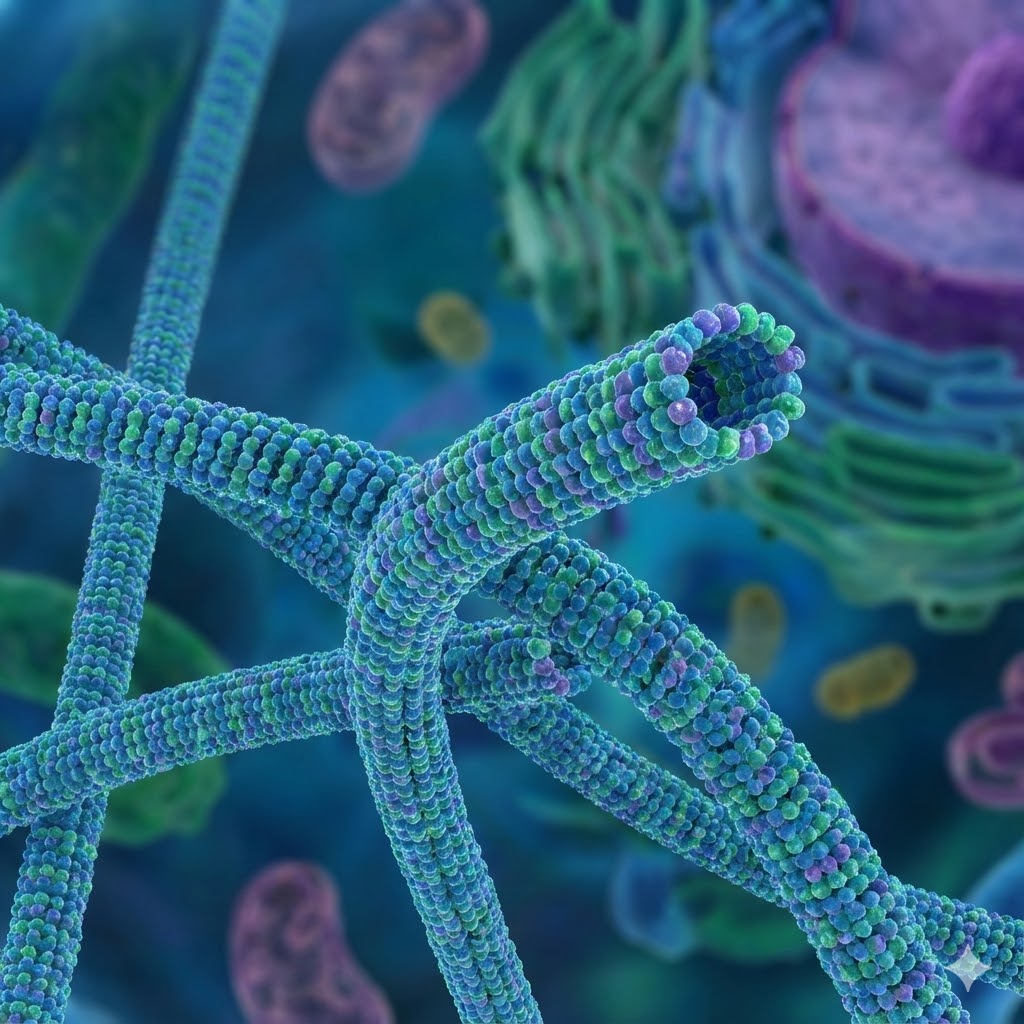
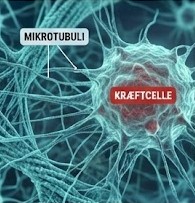
To understand why a dog dewormer can work on humans, one must understand the mechanics of cancer cells. Fenbendazole belongs to a class of substances that attack the cell’s microtubules.
Destabilizing the cell’s skeleton
Microtubules are small tubes that function as the cell’s internal scaffolding. When a cancer cell divides (which it does aggressively), it uses this scaffolding to pull the chromosomes apart. Fenbendazole binds to the tubes and prevents them from assembling. Without the scaffolding, the cell cannot divide and collapses and dies.
This is precisely the same mechanism used in classic chemotherapy (e.g., Taxol and Vincristine), but Fenbendazole does it much more selectively and with fewer side effects.
I would like to point out that the drug Mebendazole (Vermox), which is used for humans, is almost the same—and has a similar effect.
Blocking sugar uptake
Newer research also suggests that Fenbendazole inhibits cancer cells’ ability to absorb glucose (sugar). Since cancer cells are heavy consumers of sugar (Warburg effect), the drug effectively works by starving cancer cells metabolically. [2, 3]
Protocol recipe and dosage
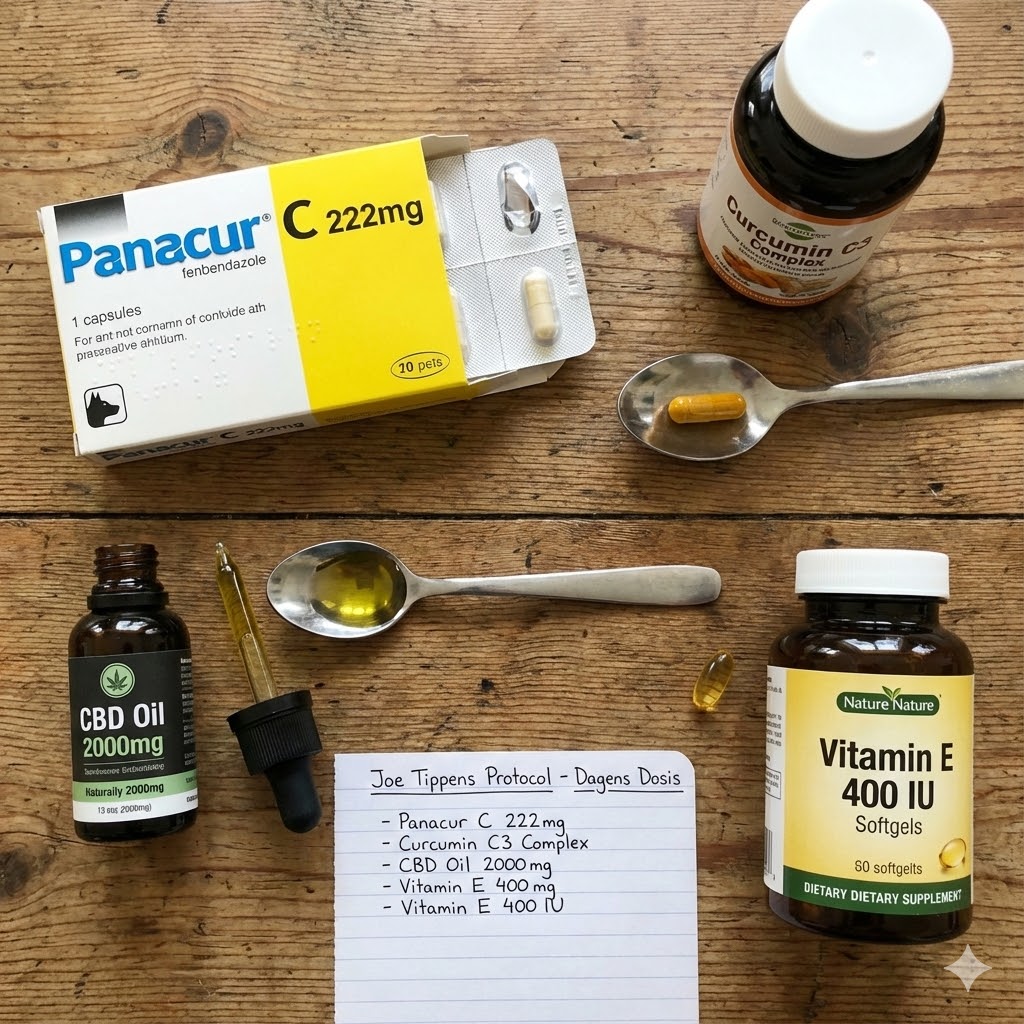
The strategy was updated in October 2021. Joe Tippens now collaborates with a manufacturer (Ultra Botanica/Onco Adjunct) to solve the absorption problem. Many natural substances are poorly absorbed into the blood, so the protocol now uses LPS technology and cryo-extraction to ensure effectiveness.
Joe Tippens states that he does not receive financial compensation for the sale of these products.
Fenbendazole (the core)
This remains the unchanged base of the protocol.
- Product: Panacur C, Safeguard, or equivalent with pure fenbendazole.
- Dosage: 222 mg daily (equivalent to 1 gram of powder or 2.2 ml of liquid solution at standard strength).
- Frequency: All 7 days of the week.
See also Fenbendazole
See also Vermox (Mebendazole)
Pathway 1 (CBD, frankincense, and C60)
The previous simple CBD oil has been replaced by a tincture that combines cryo-extracted hemp with Frankincense (essential oils from the Middle East) and a nano-molecule called C60, which acts as a carrier.
- Content: CBD, CBGa (standardized to 7 mg), Frankincense, and Nano C60.
- Dosage: 2-4 ml twice daily depending on body weight.
Pathway 2 (curcumin and quercetin)
Previously, Tippens recommended the Theracurmin brand, but he has switched to a new product that is absorbed significantly better. Many natural substances cannot normally be absorbed by the body because they cannot dissolve in water. This product uses a special technology where the substances are bound to proteins so they slide directly into the blood.
- Content: 300 mg UltraCurcumin, 200 mg UltraQuercetin, and 100 mg Frankincense powder.
- Dosage: 3 capsules twice daily (only when not undergoing chemotherapy).
Pathway 3 (berberine – glucose control)
This is a new permanent part of the protocol, inspired by the theory of starving cancer cells of sugar. Berberine is known to be difficult for the body to absorb, but in this new form, it is made water-soluble to ensure maximum effect. It works by stabilizing blood sugar, similar to the medication Metformin.
- Purpose: To limit cancer cells’ access to glucose.
- Dosage: Taken with every meal. 1 capsule with a light meal, 2 capsules with a heavy meal.
Pathway 4 (cellular support)
This is the newest addition to the protocol, launched to support the immune system and promote autophagy (the body’s cleanup in cells).
- Content: EGCG (Green Tea), Resveratrol, Fisetin, and purified Beta-glucans.
- Dosage: 2 capsules twice daily.
Important:
For precise guidance, seek help in Joe Tippens’ Facebook group or from your practitioner. Or check the guide on his website.
See also Get Busy Living – THE PROTOCOL (Joe Tippens’ website, 2021)
See also mycancerstory.rocks (Joe Tippens’ Facebook group)
Food groups in detail
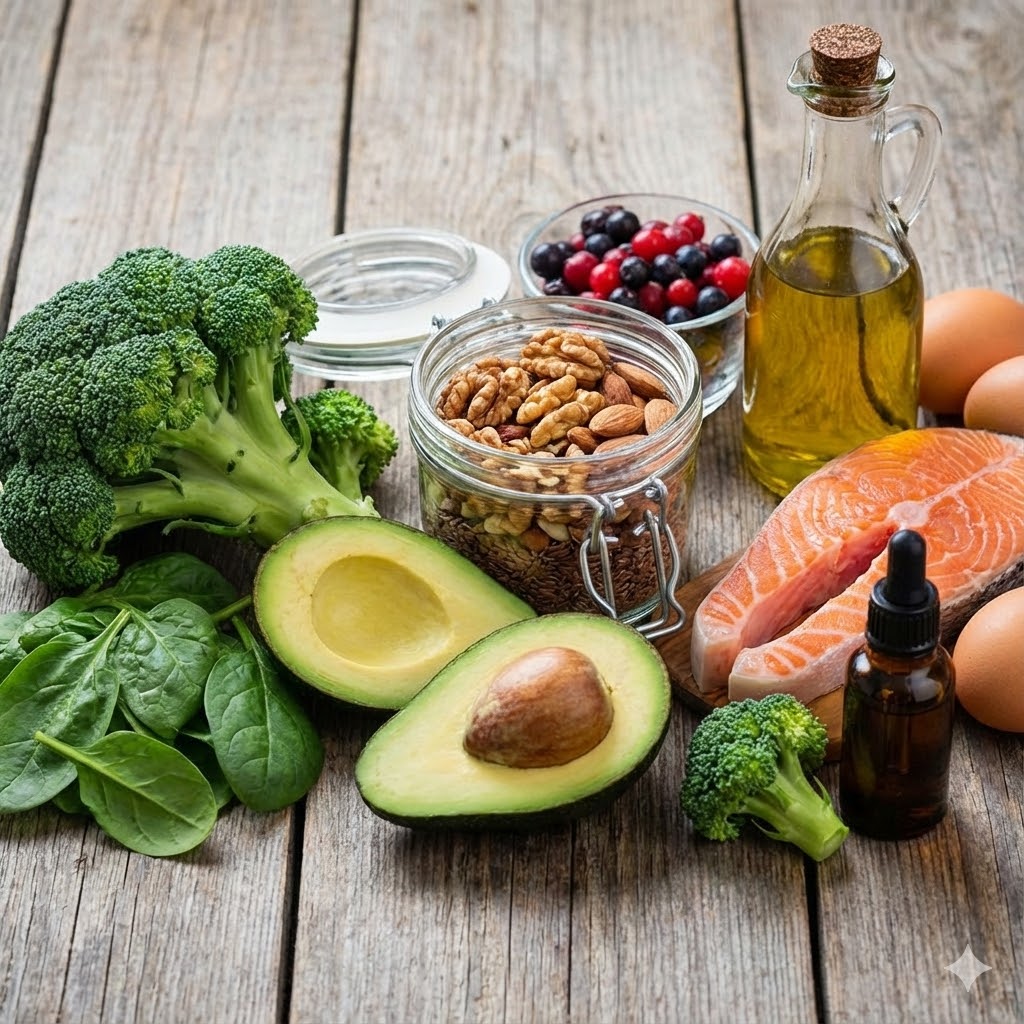
The Tippens protocol contains no strict dietary rules.
Joe’s approach:
- Joe Tippens has stated: “I didn’t eat perfectly. I ate burgers and drank milkshakes while taking the cure.”
- This is an important distinction. The protocol allegedly works despite the diet, not because of it. However, he now strongly recommends removing sugar and refined carbohydrates to give the treatment better odds, as sugar feeds cancer.
- Many followers of the protocol therefore combine it with Keto or Low Carb for maximum effect.
- Pathway 3 (berberine) supports this strategy by chemically stabilizing blood sugar and making it harder for cancer cells to absorb nutrients.
See also Ketogenic Diet and Low Carb High Fat (LCHF)
Relevance in cancer
The Tippens protocol is relevant for patients seeking a medical solution outside the established system.
Low cost and accessibility
The agents can be purchased over the counter (some via pet stores/on Amazon.de) and are extremely cheap compared to conventional medicine (which we usually do not pay for ourselves in Denmark).
Hope for terminal illness
The method often targets “abandoned” patients where chemo no longer works.
Since the mechanism of action is different from chemo, it can work even if the cancer is resistant to other treatments. [7]
Side effect profile
Fenbendazole has a known side effect profile that is very mild (especially compared to chemotherapy). Most people experience no issues.
Considerations and risks

Fenbendazole is absolutely potent—even for humans—despite being developed for animals. Be aware that there are not the same hygiene and purity requirements for the production of veterinary medicine as there are for human medicine.
Quality Assurance
Since you are buying products not approved for human use against cancer, there is no medical control. You are responsible for finding pure products yourself.
Liver values
Fenbendazole is broken down in the liver. Although rare, it can affect liver enzymes. It is recommended to regularly check your liver values through blood tests at the doctor.
No medical substitute
Joe Tippens always emphasizes: “I am not a doctor.” The protocol is experimental. He took it simultaneously with being in a clinical trial at MD Anderson. Therefore, it is uncertain whether it was the cure alone or the combination that worked, even though he attributes the success to the dewormer (since the others in the trial did not survive).
Interaction
Fenbendazole can interact with other medications, so it is important to talk to your practitioner before taking it if you are also taking other medications.
If you are in doubt, it can be checked here:
Drugs.com
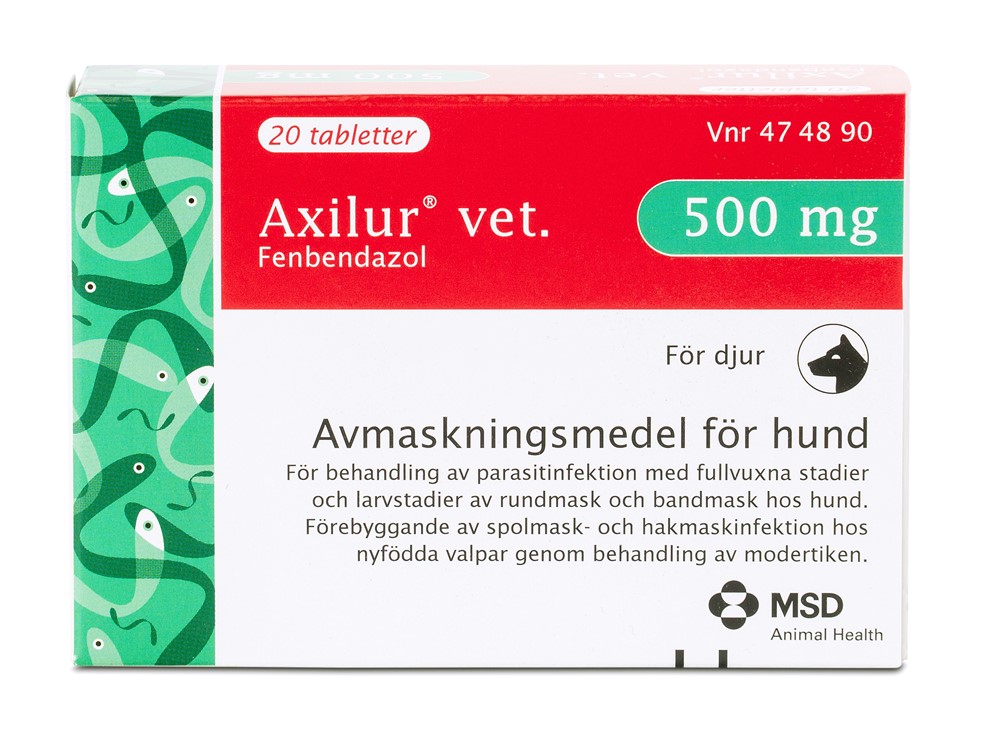
It no longer appears possible to get Fenbendazole from Amazon.de. Instead, you can use Axolur (with Fenbendazole as the active substance), which is an over-the-counter medicine in Sweden.
Which treatment did Joe Tippens receive?
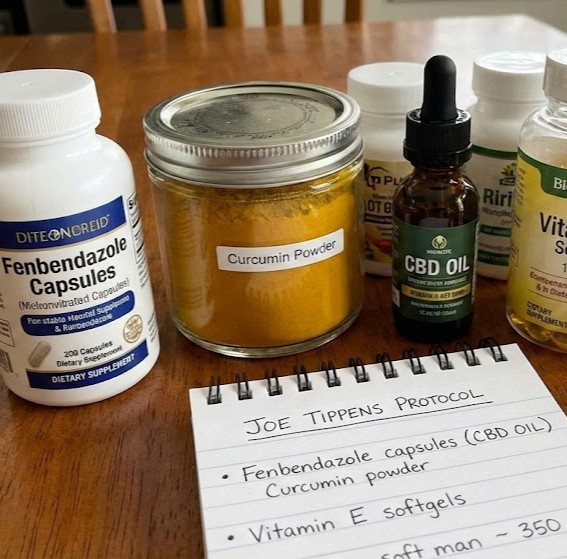
Joe Tippens’ story is unique because he ran two tracks in parallel.
Diagnosis:
- He was diagnosed with small cell lung cancer (SCLC) in January 2017, which quickly spread throughout his body. The prognosis was less than 1% chance of survival.
Conventional treatment:
- He received radiation therapy and chemotherapy initially, but it did not stop the spread.
- He then joined a clinical trial at MD Anderson Cancer Center with an experimental drug (Keytruda, immunotherapy).
Own Initiative:
- Simultaneously with the trial, he secretly started the dog cure (Fenbendazole) on the advice of his friend, a veterinarian in Oklahoma.
Result:
- Three months later, his PET scan showed that the cancer was gone. When he asked the oncologist about the other patients in the trial, he was told that no one else had achieved the same result. This convinced him that it was the Fenbendazole that made the difference.
Potent strategy for resistant cancer
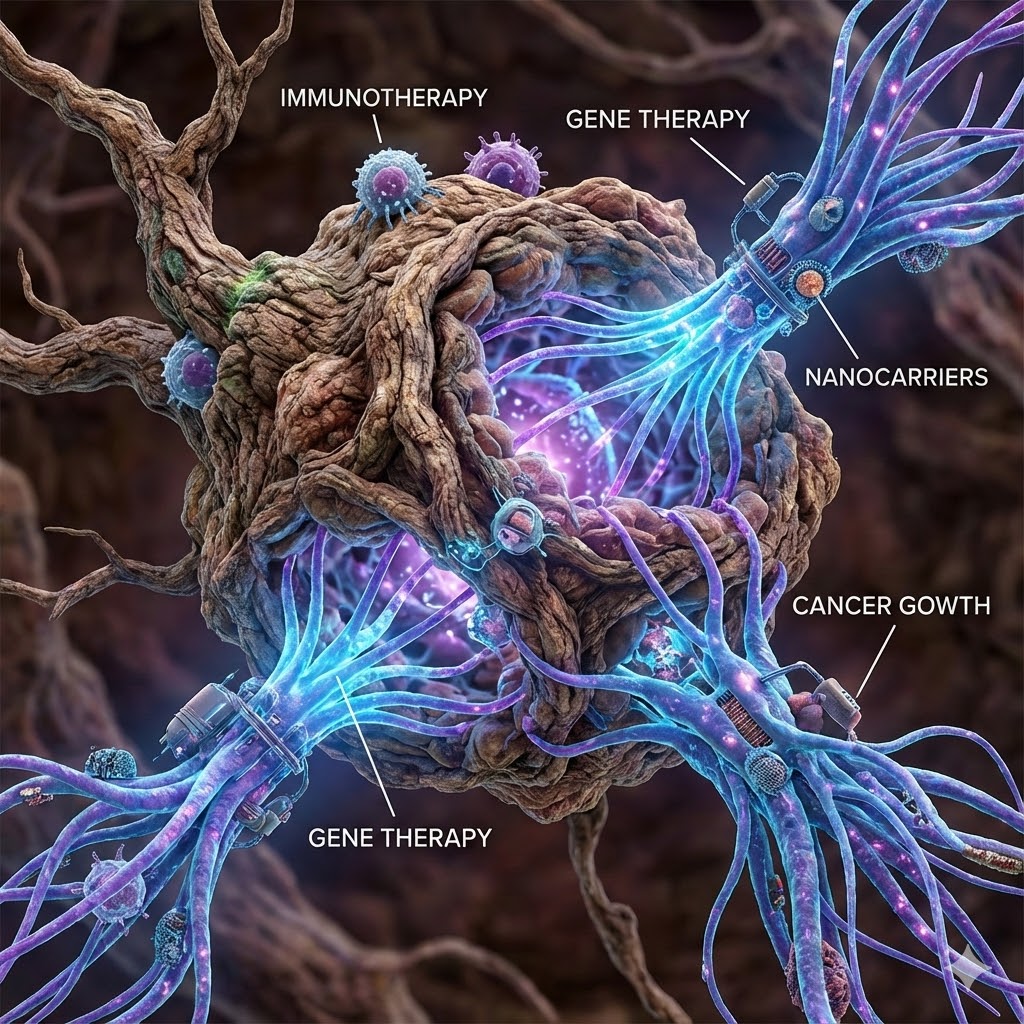
The protocol addresses the problem of “Multi-Drug Resistance” (MDR). Many cancers learn to pump chemotherapy out of cells (via P-glycoprotein pumps).
Fenbendazole does not appear to be pumped out in the same way. On the contrary, it can bind to cancer cells and reactivate the p53 gene. P53 is called “The Guardian of the Genome.” It is a gene that ensures damaged cells commit suicide (apoptosis).
In many cancers, p53 is out of play. Fenbendazole appears to be able to turn this switch back on, so the cancer cell “realizes” it is sick and destroys itself. [4, 6]
Important warnings
Although Fenbendazole is considered safe, it is a drug that affects the body systemically.
White blood cells (immune system)
Benzimidazoles (the class to which Fenbendazole belongs) can, in rare cases, inhibit bone marrow.
The Problem:
- The substance can lead to leukopenia (too few white blood cells). If you are already receiving chemotherapy that destroys your immune system, Fenbendazole can push you over the edge, making it difficult to fight simple infections. Keep a close eye on your blood tests (leukocytes/neutrophils).
See also Neutropenia – Low Immune System
Tumor lysis syndrome
Since the treatment can be very effective, tumors can break down quickly.
The Problem:
- When large amounts of cancer cells die at the same time, they dump their toxic contents into the blood all at once. This can overload the kidneys and cause flu-like symptoms, fever, and pain.
- Make sure to drink plenty of water.
Liver burden
Both Fenbendazole, Curcumin, and Berberine must be broken down through the liver.
The Problem:
- If you have metastases in the liver, or are taking immunotherapy (such as Keytruda, which can also burden the liver), the “cocktail” can cause elevated liver values.
- This is rarely dangerous, but the numbers should be monitored so you can take a break if the liver becomes stressed.
Safety
Always consult your practitioner before starting a protocol.
Important for chemotherapy and low platelets
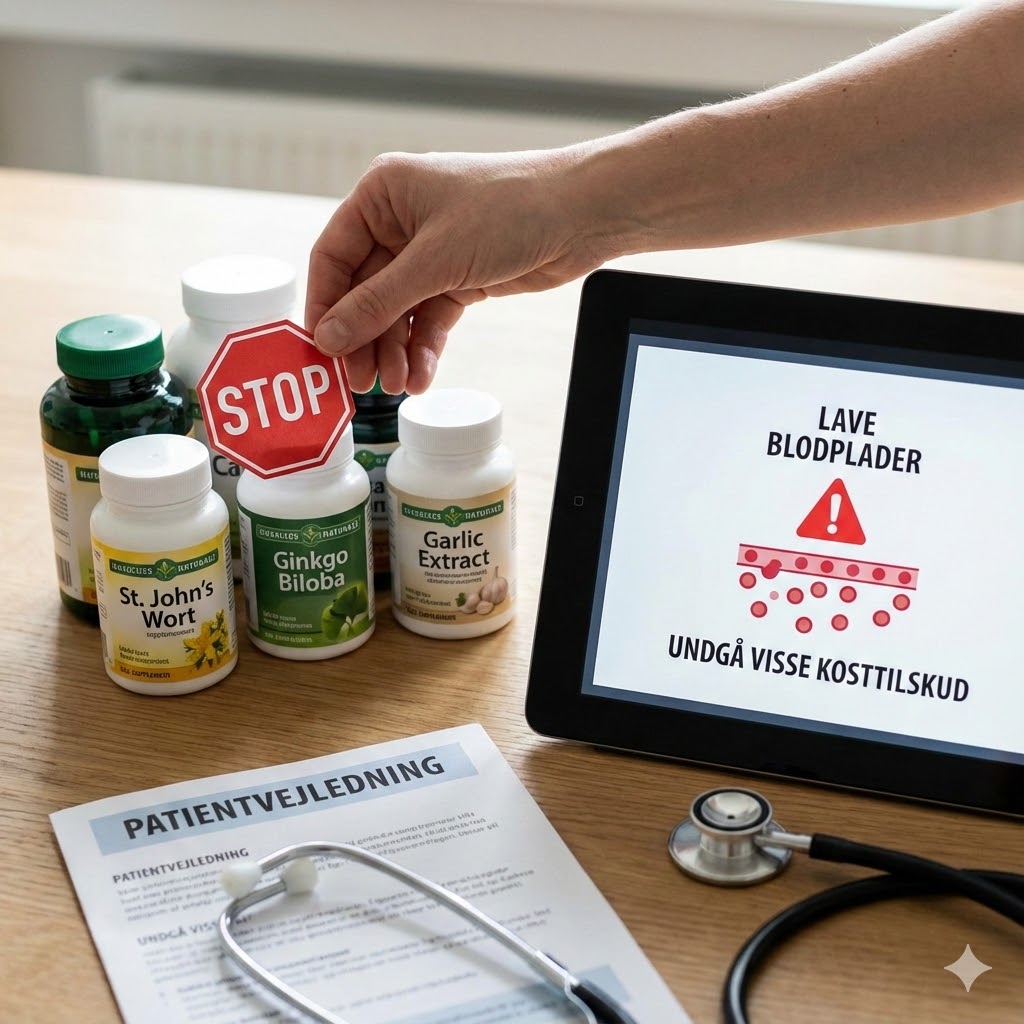
Many of the substances that effectively fight cancer (especially in this protocol) also act as blood thinners. If chemotherapy has lowered your platelets (thrombocytes) to a critical level, you should be extra cautious.
What you should pause with low platelets
If your numbers are at the bottom, the following substances should be paused to avoid bleeding risk until the marrow has recovered:
- Fatty Acids: Omega-3/fish oil/flaxseed oil (Strong blood thinner), Cod Liver Oil, Flaxseed Oil (Budwig), and Krill Oil.
- Herbal Extracts (high dose): Curcumin/turmeric, Ginger, garlic (in large doses/capsules), Ginkgo Biloba, and Ginseng. (Inhibits platelets’ ability to clump together).
- Enzymes: Proteolytic enzymes such as Bromelain, Papain, and Serrapeptase (as these break down fibrin, which helps blood clot).
- Specific Antioxidants: Vitamin E, Resveratrol, Quercetin, and strong Green Tea Extract (EGCG).
- Off-label Medications: Aspirin, Magnyl or Heart Magnyl (should be stopped immediately with low platelets, unless otherwise agreed with the doctor).
Support for bone marrow
There are strategies that specifically support the formation of platelets without counteracting treatment:
- Melatonin: Studies show that melatonin can protect bone marrow from chemo damage (taken at bedtime).
- Papaya Leaf Extract: Known for potentially increasing platelet count.
- Chlorophyll: Green juices (spinach/kale) provide vitamin K, which supports blood clotting.
- Shark Liver Oil (alkylglycerols): Can stimulate the formation of white blood cells and platelets (should not be taken on chemo days).
NB: You should always discuss your intake of supplements with your oncologist.
Conclusion

Joe Tippens’ protocol is a controversial but fascinating story of patient-driven innovation. It challenges established medicine by using a cheap, simple remedy to achieve complex results.
For the evidence-based doctor, it is “anecdotal,” but for thousands of followers in Facebook groups like “My Cancer Story Rocks,” it is a lifeline.
The protocol offers a concrete action for those who have been told there is nothing more to be done. It is bio-hacking in its purest form. It is using available knowledge to save your own life.
See also Repurposed Drugs
See also Quality of Life and Co-Responsibility – The Decision
See also mycancerstory.rocks (Joe Tippens’ Facebook group)
Example of a day on the protocol
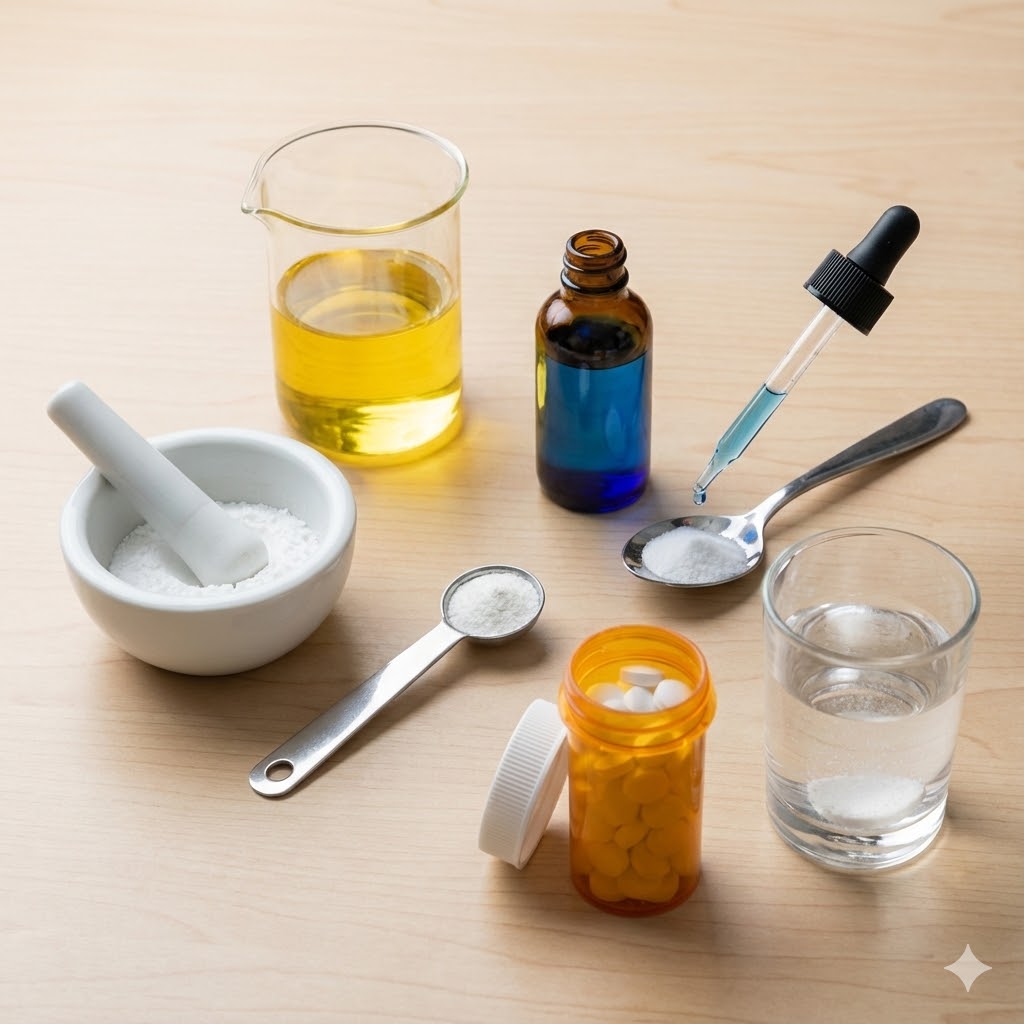
The day is simple, as there is no time-consuming cooking involved.
Breakfast:
- Intake of Fenbendazole (222 mg).
- Taken with fatty food (e.g., yogurt, eggs, or butter) to ensure the substance is absorbed.
- Pathway 2 (Curcumin + Quercetin – 3 capsules)
- Pathway 3 (Berberine – 1 capsule).
Lunch:
- Pathway 3 (Berberine – 1 capsule).
Evening:
- Pathway 1 (CBD tincture – approx. 2-4 ml under the tongue).
- Pathway 2 (Curcumin + Quercetin – 3 capsules)
- Pathway 3 (Berberine – 2 capsules, if the meal is large).
Ongoing:
- No specific dietary restrictions, but many choose to remove sugar (Keto/Low Carb). No fasting requirements.
See also Fenbendazole
See also What About Sugar and Cancer
See also Links for Bendazole/Fenbendazole/Mebendazole
Thanks for the Tip
To Sofus Forsberg (from the Facebook group: Jeg har Kræft – Hvad kan jeg gøre?)
Links
[1] Exceptional Repositioning of Dog Dewormer (MDPI, 2022)
- Content: A scientific article examining the phenomenon of using Fenbendazole (dog dewormer) for humans. The article reviews the chemical mechanism of action (benzimidazoles) and discusses the potential of “repurposing” it as a cancer treatment.
[2] Fenbendazole acts as a moderate microtubule destabilizing agent and causes cancer cell death by modulating multiple cellular pathways (Nature Scientific Reports, 2018)
- Content: A scientific study confirming that Fenbendazole works by destabilizing cancer cells’ microtubules and inducing cell death, supporting the biological mechanism in the protocol.
[3] Repurposing Drugs in Oncology (ReDO)—Mebendazole as an anti-cancer agent (Ecancermedicalscience, 2014)
- Content: A review of Mebendazole (a substance closely related to Fenbendazole) showing its potential as a cancer treatment. The article documents its effect across multiple cancer types.
[4] Unexpected Antitumorigenic Effect of Fenbendazole when Combined with Supplementary Vitamins (Journal of the American Association for Laboratory Animal Science, 2008)
- Content: The original “accidental” study that inspired the veterinarian who tipped Joe Tippens. The study showed that mice treated with Fenbendazole and vitamins did not develop cancer, even though they were genetically designed to.
[5] Curcumin and Cancer: An “Old-Age” Disease with an “Age-Old” Solution (Cancer Letters, 2008)
- Content: A review of Curcumin’s ability to inhibit cancer growth and metastasis, supporting its role as a central pillar in the protocol.
[6] Anti-cancer effects of fenbendazole on 5-fluorouracil-resistant colorectal cancer cells (PubMed, 2022)
- Content: A scientific study showing that Fenbendazole has a cancer-killing effect on colorectal cancer cells that have become resistant to standard chemotherapy. This supports the theory that the substance can work when conventional treatment fails.
[7] Video: Joe Tippens: Cancer Hope via Pet Dewormer Fenbenzadole (Apple Podcast, 2023)
- Content: A video where Joe Tippens shares his story of becoming cancer-free after a terminal lung cancer diagnosis in 2016. He explains how he used an alternative protocol based on a mouse study, and how the mind can influence body biology.
[8] Fenbendazole as an Anticancer Agent? A Case Series of Self-Administration (ResearchGate, 2025)
- Content: A research article analyzing the phenomenon around Joe Tippens and thousands of cancer patients’ use of Fenbendazole. The text reviews both the social spread of the story and the pharmacological mechanisms of action behind the substance (benzimidazoles).
[9] Discover “Get Busy Living” (Joe Tippens’ Blog, 2017–present)
- Content: Joe Tippens’ personal blog, where he describes in detail his journey from terminal diagnosis to recovery. The site contains the original protocol and updates from his life today.
[10] mycancerstory.rocks (Joe Tippens’ Facebook group)
- Content: PLEASE READ the blog at www.mycancerstory.rocks BEFORE asking to join. This group is for discussion of the contents of the blog among current patients and their caregivers ONLY.
Page created: December 4, 25
❤
What you read on I Have Cancer is not a recommendation. Seek competent guidance.
