


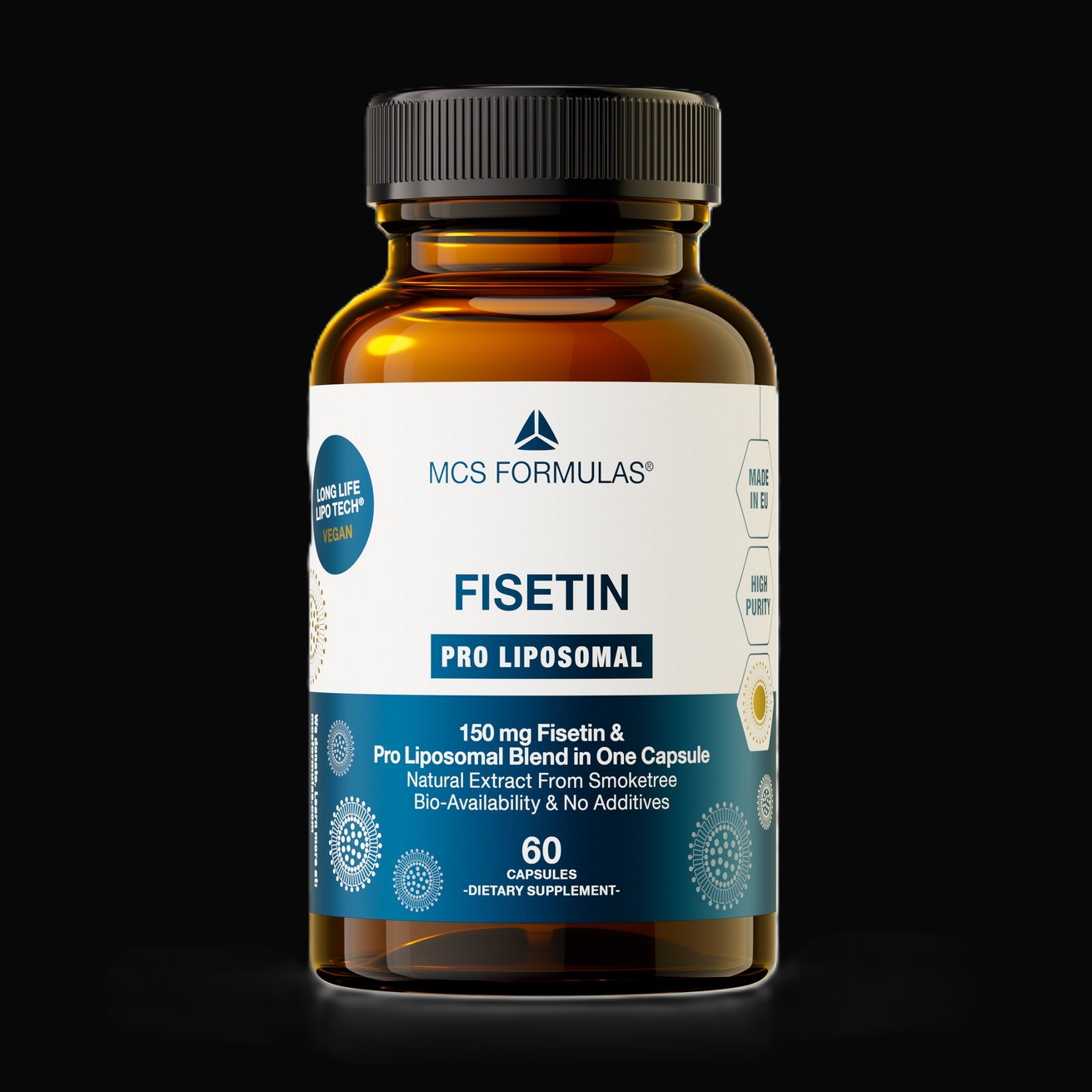
Fisetin and cancer
What is Fisetin
Fisetin is a flavonoid, which is a type of polyphenolic compound. Polyphenols are a group of chemical compounds found naturally in plants and are known for their health benefits. Flavonoids, including fisetin, play an important role in plant pigmentation, contributing to the colors of fruits and flowers, and helping to attract pollinators.
Fisetin is particularly abundant in foods such as strawberries, apples, onions, cucumbers, and grapes. In the human body, fisetin acts as an antioxidant that neutralizes free radicals—reactive molecules that can cause oxidative damage to cells, DNA, and proteins. This is critical, as oxidative damage has been linked to a variety of health issues, including cancer, cardiovascular disease, and neurodegenerative diseases.
Historical
Historically, fisetin has been used in traditional medicine for its health benefits, including improving cardiovascular health and reducing inflammation. Research has also focused on fisetin’s ability to protect the nervous system and its potential role in cancer treatment. Its natural origin and positive effects regarding cellular health make fisetin a promising candidate as a supplementary treatment for cancer.
Mechanisms of action
Fisetin exhibits a range of mechanisms of action that make it interesting as a supplementary treatment for cancer:
Antioxidant activity
Fisetin acts as a powerful antioxidant, protecting cells from oxidative damage caused by free radicals. This damage can lead to DNA mutations that potentially initiate cancer development.
Induction of apoptosis
Fisetin has been shown to induce apoptosis (programmed cell death) in cancer cells [3]. This is a crucial mechanism as it helps remove cancer cells from the body without damaging healthy cells.
Inhibition of tumor growth
Several studies have demonstrated that fisetin can inhibit the growth of tumors by counteracting angiogenesis (the formation of new blood vessels), which is necessary for tumor growth. This can reduce the supply of nutrients to cancer cells [6].
Immunomodulation
Fisetin can regulate the immune system by strengthening the immune response, which is essential for fighting cancer. Its ability to modulate cytokines (signaling proteins) helps improve immune functions.
Inhibition of inflammation
Fisetin possesses anti-inflammatory properties that can reduce inflammation in the body, which is often associated with cancer progression [2]. By dampening inflammatory reactions, fisetin may reduce the risk of later cancer development—or recurrence after cancer treatment.
Potential as a supplementary treatment in cancer
Fisetin has significant potential as a supplementary treatment for cancer for several reasons:
Synergistic effect with conventional treatments
Research suggests that fisetin can work synergistically with chemotherapeutic agents by improving their effectiveness and reducing side effects. This may mean that patients experience better results with a combination of fisetin and standard treatments [1].
Improvement of quality of life
Fisetin may help alleviate some of the symptoms often associated with cancer treatment, such as fatigue and anxiety. Its antioxidant and anti-inflammatory properties can contribute to a better quality of life for patients.
Prevention of recurrence
By reducing inflammation and strengthening the immune system, fisetin may also play a role in preventing cancer recurrence, which is a natural concern for many patients after completing treatment.
Research and future applications
While research is still ongoing, existing data show that fisetin has promising results in both in vitro and in vivo studies [4, 5]. It represents an exciting opportunity for future treatments and the prevention of cancer.
Advantages of Fisetin
Fisetin offers several advantages that make it an attractive candidate for supplementary treatment:
Natural compound
As a natural flavonoid, fisetin is generally considered safe, with only a few reported side effects. This makes it a good option for patients who wish to avoid other available substances.
Multifunctionality
Beyond its cancer-fighting properties, fisetin also has the potential to improve mental health by reducing anxiety and stress. This is particularly important for cancer patients who often experience psychological strain.
Minimal interaction
As mentioned above, fisetin has a low risk of interacting with many common medications, making it easier to include in existing treatment regimens.
Availability
Fisetin is naturally present in many foods, such as strawberries, apples, onions, cucumbers, and grapes. Additionally, it is available as a dietary supplement in health food stores and online. This wide availability makes it easy for patients to include fisetin in their diet.
Disadvantages and limitations
While fisetin has many advantages, there are also disadvantages and limitations to its use:
- Limited research: Most studies are still in the early stages, and much of the existing data is based on in vitro and animal models. As with almost all dietary supplements, more clinical studies in humans are needed to confirm fisetin’s effectiveness in cancer treatment.
- Optimal dosing: A standard dose for fisetin in relation to cancer treatment has not been established. It can be challenging to find the right dose that maximizes benefits without causing side effects.
- Quality variation: Fisetin supplements can vary significantly in quality and purity, which can affect efficacy. It is important to choose products from reliable sources.
Clinical studies
Research regarding fisetin in relation to cancer is still in the early stages, but promising results have been observed:
- In vitro and animal studies: Previous studies have shown that fisetin can inhibit the growth of cancer cell lines and induce apoptosis, suggesting it could have a significant impact on cancer therapy [3, 6].
- Need for human studies: To confirm in vitro and animal results, larger, randomized controlled clinical trials are needed to evaluate the safety and efficacy of fisetin in humans.
Safety
Fisetin is generally considered safe when used in moderate amounts. Side effects reported in connection with fisetin are rare and mild. Some individuals may experience:
- Mild gastrointestinal discomfort: Mild stomach issues such as nausea or diarrhea may occur at higher doses.
- Allergic reactions: In rare cases, individuals may be allergic to fisetin, which can result in a skin rash or other allergic symptoms.
One should generally consult a practitioner before starting dietary supplements, especially if undergoing treatment for cancer.
Dispensing and application
- Dietary supplements: Fisetin can be found in the form of capsules, tablets, or powder. It is important to choose products from reputable manufacturers to ensure quality and purity.
- Dose: A standard dose has not been established, but many manufacturers recommend doses between 100 mg and 500 mg daily. It is important to follow the manufacturer’s instructions and consult a qualified practitioner for individual advice.
- Diet: Fisetin can also be consumed through the diet by eating foods rich in fisetin, such as strawberries, apples, and onions. Including these foods in a balanced diet can be a practical way to benefit from fisetin’s health properties.
- Duration of use: Long-term use of fisetin should be monitored by a qualified practitioner to ensure safety and effectiveness.
Conclusion
Fisetin is a promising flavonoid with potential as a supplementary treatment for cancer. Its mechanisms of action, including antioxidant activity, induction of apoptosis, and inhibition of tumor growth, make it an interesting candidate for future treatments. While there are many advantages, including its natural origin and multifunctionality, there are also limitations that should be considered.
Fisetin offers a natural approach to supporting the immune system, reducing inflammation, and improving quality of life for cancer patients. With ongoing research and increasing interest in its health benefits, fisetin could potentially become a valuable part of integrative cancer treatment, supplementing conventional methods and helping patients manage the challenges that come with the disease. It is therefore important to stay updated on the latest research results and consider fisetin as part of a holistic approach to health and well-being.
Back to Dietary supplements
Links
[1] Synergistic combination of doxorubicin with fisetin for the treatment of lymphoma (PubMed, 2025) Content: A study (randomized) demonstrating how the combination of the chemotherapy drug doxorubicin and fisetin creates a synergistic effect in the treatment of lymphoma.
[2] Fisetin Mitigates Chronic Lung Injury Induced by Benzo(a)Pyrene by Regulation of Inflammation and Oxidative Stress (PubMed, 2025) Content: Research showing that fisetin can reduce chronic lung injury by regulating inflammatory responses and oxidative stress.
[3] Fisetin as a chemoprotective and chemotherapeutic agent: mechanistic insights and future directions in cancer therapy (PubMed, 2025) Content: A comprehensive review of fisetin’s role as both a preventive and therapeutic agent in cancer, focusing on its molecular mechanisms.
[4] Exploring the therapeutic promise of fisetin: molecular mechanisms and clinical aspects in lung cancer (PubMed, 2025) Content: An article exploring the potential of fisetin specifically in lung cancer, including molecular pathways and clinical considerations.
[5] Exploring the interplay of natural products and long non-coding RNAs in colorectal cancer: pathogenesis, diagnosis, and overcoming drug resistance (PubMed, 2025) Content: A study examining how natural products like fisetin interact with genetic elements to overcome drug resistance in colorectal cancer.
[6] MISP-mediated enhancement of pancreatic cancer growth through the Wnt/β-catenin signaling pathway is suppressed by Fisetin (PubMed, 2024) Content: Research showing that fisetin can suppress pancreatic cancer growth by inhibiting specific signaling pathways used by the tumor.
[7] Effect of the polyphenol flavonoids fisetin and quercetin on the adipogenic differentiation of human mesenchymal stromal cells (PubMed, 2024) Content: A study investigating the effects of fisetin and quercetin on cellular differentiation and health.
Page created: Apr 1, 2025
❤
What you read on Jeg har Kræft is not a recommendation. Seek competent guidance.
