


Treatments
Protokols for cancer
- The metabolic and data-driven
- Repurposed drugs and medical combinations
- Beljanski Protocol (Pao Pereira & extracts)
- Burt Berkson (ALA/ LDN)
- Care Oncology Clinic (COC – repurposed drugs)
- Coley’s Toxins (immunotherapy/ fever)
- FLCCC Cancer Protocol (Ivermectin and Mebendazole)
- Jane McLelland (how to starve cancer)
- Joe Tippens (fenbendazole)
- Rick Simpson Oil (RSO) Protocol (concentrated cannabis oil) (scroll down)
- Riordan (IV C-vitamin)
- Stanislaw Burzynski (antineoplastons)
- Intensive diet and detoxification
- Strategic fasting
- Tradition and wisdom
- Mind-body and biological decoding

Rick Simpson Oil (RSO) protocol
Summary of the RSO protocol
Purpose of the protocol:
- To saturate the body with cannabinoids (especially THC) to kill cancer cells through the endocannabinoid system. The goal is to ingest 60 grams of high-potency cannabis oil over 90 days.
Ingredient:
- A very concentrated, thick oil (Full Extract Cannabis Oil – FECO) made from strong Indica plants. It is not the same as CBD oil.
The central idea:
- THC is not just for getting high; it is medicine.
- By building an extremely high tolerance, the patient can take doses that kill cancer cells (apoptosis) and stop blood supply (anti-angiogenesis), without the psychoactive effects preventing daily life in the long run.
Warning:
- This protocol is both controversial and illegal.
Who is Rick Simpson

Rick Simpson is a Canadian engineer (not a doctor) who became world-famous in the alternative cancer community in the late 1990s.
After sustaining a severe head injury and later developing skin cancer (basal cell carcinoma), he experimented with making his own cannabis extract. He claimed to have cured his own cancer by applying the oil directly to his skin. He then began producing the oil for free for thousands of patients (“The Phoenix Tears” project), until he came into conflict with Canadian authorities.
Today, he lives in seclusion, but his recipe and protocol live on globally. [1, 5]
The endocannabinoid system (ECS)

To understand RSO, one must understand that the body itself produces cannabis-like substances (endocannabinoids) to maintain balance. Cancer can be seen as a breakdown of this balance.
The key and the lock
All cells have receptors on their surface, called CB1 and CB2.
- CB1 (brain): Controls the nervous system, mood, and pain.
- CB2 (body): Found in high concentrations on immune system cells—and most importantly—on the surface of many cancer cells. THC acts as a “key” that fits perfectly into these “locks.”
The suicide signal
Rick Simpson’s theory is supported by research from, among others, Complutense University in Madrid. When THC (in the massive amounts RSO delivers) binds to a cancer cell, there is a dramatic increase in the substance ceramide inside the cell. This creates metabolic stress that attacks the cancer cell’s mitochondria (power plants).
Since cancer cells cannot function without energy, the signal for apoptosis (programmed cell death) is triggered. [1, 3]
Crucially, healthy cells do not produce ceramide when exposed to THC. Therefore, they do not die. RSO thus works selectively on the sick cells.
Stopping blood supply
In addition to directly killing cells, research shows that cannabinoids can block the signaling pathways (VEGF) that tumors use to form new blood vessels. Without a blood supply, the tumor suffocates. [4]
Why RSO?
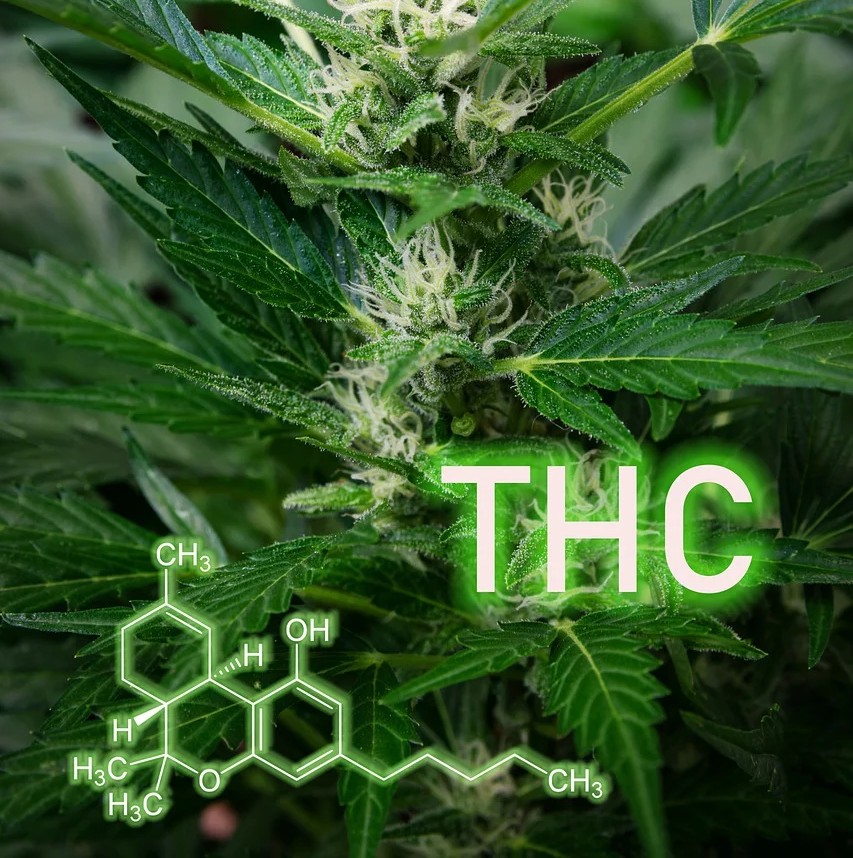
A frequently asked question is: “Why can’t I just take Marinol (synthetic THC) or CBD oil?”
The answer lies in the “entourage effect” (synergy effect).
Whole plant vs. isolate
Rick Simpson insists on full extract cannabis oil (FECO). The cannabis plant contains over 100 cannabinoids (THC, CBD, CBG, CBN) and terpenes (aromatic compounds).
Studies have shown that natural cannabinoids (especially CBD in interaction with the rest) are much more potent inhibitors of cancer growth than isolated substances, supporting the use of “Full Extract” oil. [2]
Research shows that these substances work together like an orchestra. Terpenes help THC penetrate the cell membrane, and CBD can dampen the worst psychoactive side effects of THC, allowing higher doses to be tolerated.
If you remove the other substances (as in synthetic medicine), you lose a large part of the anti-cancer effect. That’s why RSO (which is black, thick, and unrefined) works differently than purified medicine.
Protocol content and dosage
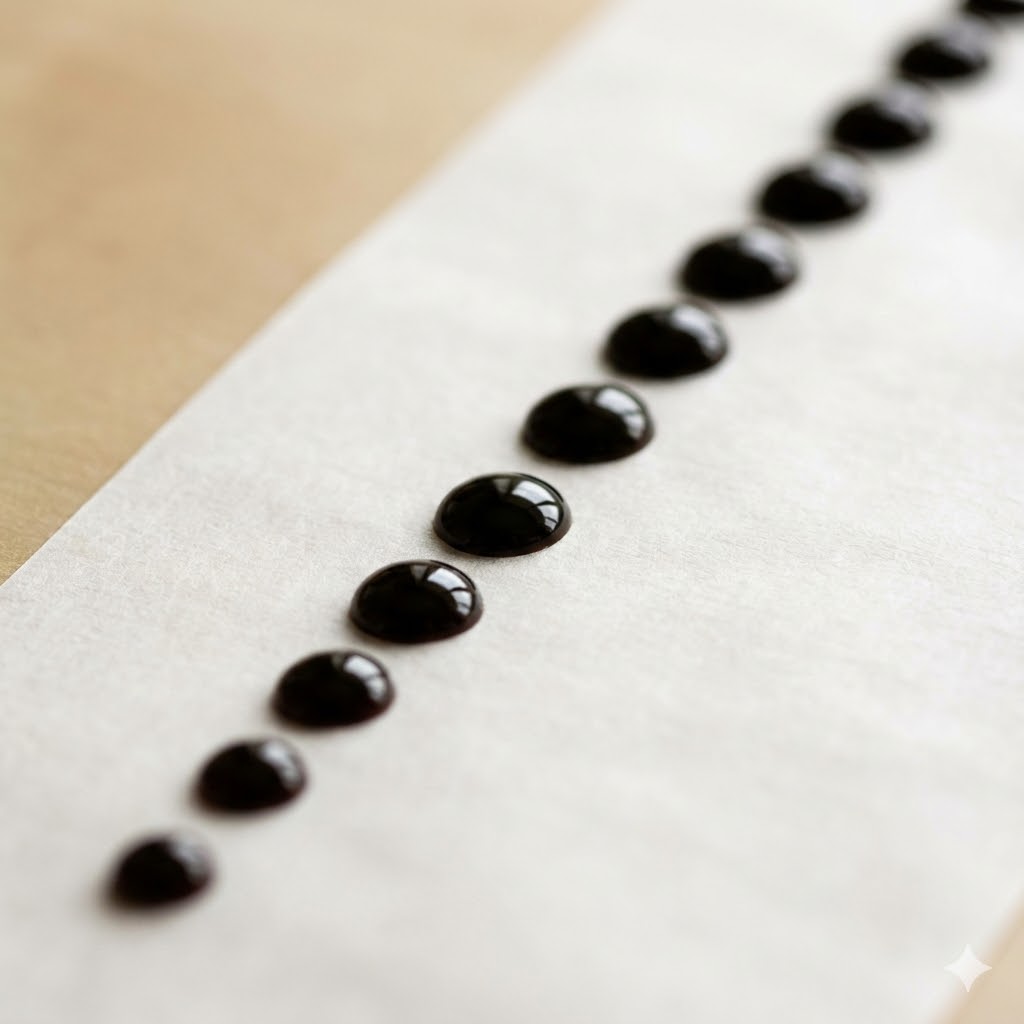
This is a “heavy-duty” cure. It’s not about a few drops under the tongue, but about massive amounts. The oil must have a very high THC content (typically over 70-80% THC).
Phase 1: induction (weeks 1-4)
The goal is to accustom the body to the strong high.
- Dose: Start with a dose the size of half a grain of rice, 3 times daily (morning, noon, evening).
- Increase: Every 4th day, double the dose until reaching 1 gram per day in total.
Phase 2: full dose (weeks 5-12)
This is where the actual treatment occurs.
- Dose: The patient ingests 1 gram of oil daily (divided into 3 doses of approximately 0.33 grams each).
- Duration: This continues until a total of 60 grams of oil has been consumed. This typically takes 90 days in total (including the start-up phase).
Alternative administration: suppositories (rectal)
Since the oral method (eating the oil) causes an extreme high, many choose to use the oil as suppositories in the rectum.
Why it works:
- When you eat THC, it passes through the liver, where it is converted into a new substance (11-hydroxy-THC), which is up to 5 times more psychoactive (makes you dizzy/high) than regular THC.
- By administering the oil rectally, you bypass the liver’s “first pass.” The medicine is absorbed directly into the bloodstream through the intestinal wall.
Advantage:
- Many patients report that they can take the full daily dose without experiencing the severe “fog” or dizziness in the head. They maintain clarity while the body is still saturated with cannabinoids.
Method:
- You cannot insert the pure, sticky oil directly. It is typically mixed with cocoa butter or coconut oil (which melts at body temperature), shaped into small suppositories, and stored in the refrigerator until use.
Phase 3: maintenance
Once the 60 grams have been consumed (and hopefully the cancer is gone), continue with a significantly reduced dose.
- Dose: 1-2 grams per month (equivalent to a small dose at bedtime) to keep the cancer away.
Food groups and lifestyle
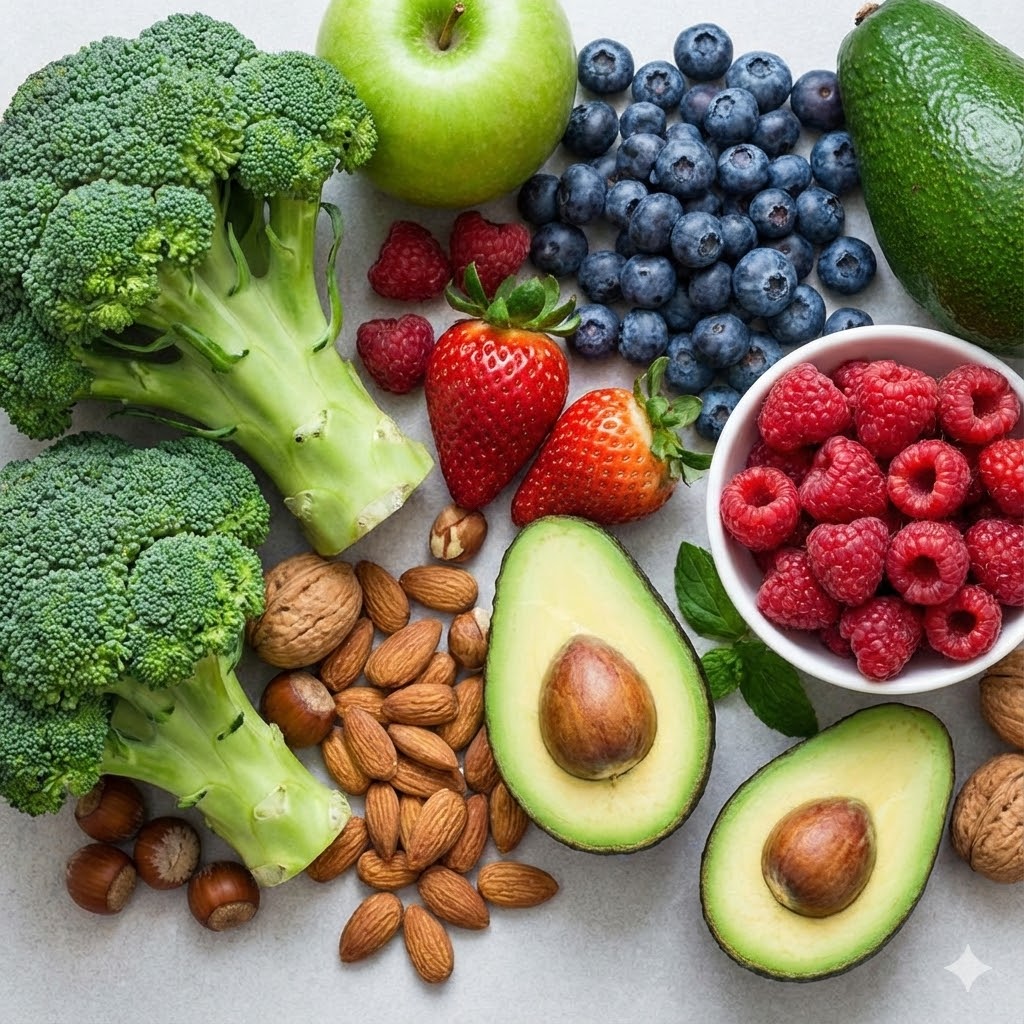
Rick Simpson primarily focuses on the oil but emphasizes that lifestyle should support healing.
Diet
- No sugar: Sugar is considered to feed cancer and counteract the oil’s effect.
- Alkaline diet: He recommends an alkalizing diet with plenty of fruits and vegetables and minimal meat to optimize the body’s pH.
- Wheatgrass juice: Often mentioned as a good supplement for detoxing.
See also: Sugar and cancer
See also: Alkaline diet
Lifestyle
- Sleep is medicine: Since the oil makes the patient extremely tired at first, they should not resist it. Rick Simpson believes that deep sleep is the state in which the body repairs itself best. Expect to sleep much more than usual.
- No stress: Stress hormones counteract the immune system. The patient should be isolated from daily worries and “let go.”
- Fresh air and sun: Natural surroundings are recommended to strengthen vitality.
See also: Sleep
See also: Stress management
See also: Forgiveness
See also: Nature and forest bathing
Relevance in cancer
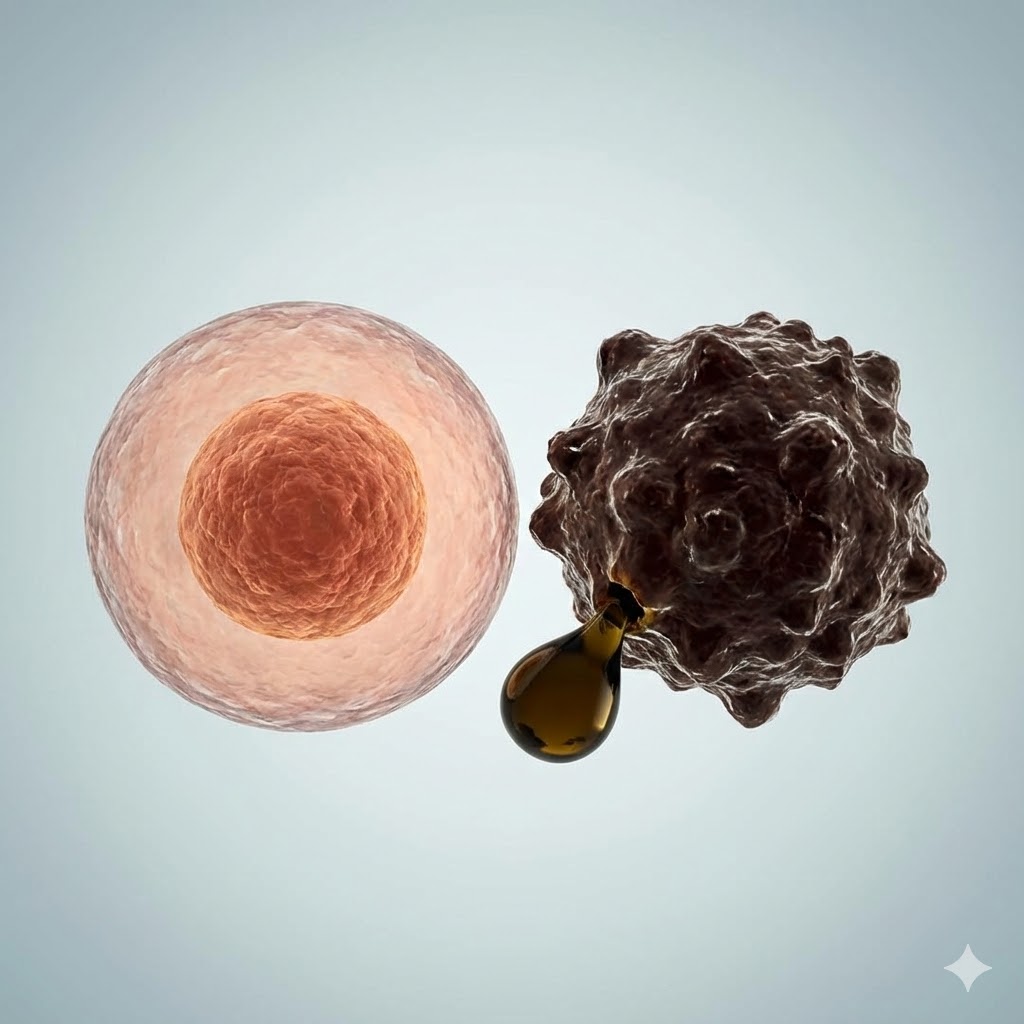
While oncologists primarily recognize cannabis for palliative care, RSO is used by patients as a curative treatment.
Brain cancer (glioblastoma)
This is the RSO protocol’s “home turf.” Many chemotherapies cannot pass the blood-brain barrier (the membrane that protects the brain).
Cannabinoids pass this barrier effortlessly because they are fat-soluble. Therefore, there is particular interest in RSO for inoperable brain tumors.
Chemo-sensitization
Recent studies suggest that cannabinoids can make cancer cells more “soft” and susceptible to chemotherapy. By weakening the cancer cell’s defenses (via ceramide stress), a lower dose of chemo may potentially have a greater effect.
Leukemia and lymphoma
Since CB2 receptors are found in huge quantities on immune cells, cancers of the blood and lymphatic system (where immune cells reside) are theoretically very susceptible to cannabinoid treatment.
The palliative bonus
Even if the oil does not completely remove the tumor, it addresses “the cancer triad”:
- Pain: Reduces the need for opioids.
- Loss of appetite: “The munchies” counteracts the weight loss (cachexia) that is often critical for cancer patients.
- Insomnia: The oil forces the body into deep rest, which strengthens the immune system.
Considerations and risks
RSO is one of the most potent alternative treatments, but also one of the hardest to complete.
The psychoactive effect
1 gram of RSO per day is an enormous amount of THC. For an inexperienced user, even one-tenth of that will feel overwhelming. Patients experience extreme fatigue, dizziness, and disorientation at first.
Many sleep for most of the first month. Rick Simpson says: “Sleep is part of the healing.” However, tolerance develops, so eventually, one can function normally despite the high dose.
Production safety
Since the oil is illegal in high concentrations, many choose to make it themselves. Rick Simpson’s original recipe often uses naphtha or isopropyl alcohol.
This has faced significant criticism from experts today, as these technical products can contain residues of benzene and other toxins that should not be ingested—and certainly not by sick people.
- The safe choice: Today, it is strongly recommended to use 96% food-grade alcohol (high-proof spirits) for extraction (also known as the QWET method). It is more expensive but ensures there are no toxic chemical residues in the finished oil.
- Coconut oil: Alternatively, you can make the extraction directly in coconut oil. This results in a milder oil that is easier to dose, and you completely avoid the danger of evaporating alcohol/benzene.
Cardiovascular impact
THC causes the heart to beat faster (tachycardia) while simultaneously lowering blood pressure.
For elderly patients or people with weak hearts, this can be dangerous and should be monitored closely.
Legal status – illegal!
In Denmark, RSO with high THC content is illegal. Medical cannabis by prescription rarely contains such high concentrations, and doctors typically do not prescribe doses anywhere near the RSO protocol.
Important warnings
RSO is not just “natural medicine,” but a heavy pharmacological intervention that affects the entire body and other treatments.
Drug interaction
Cannabinoids (both THC and CBD) are broken down by the same liver enzymes (CYP450) as many types of chemotherapy, blood thinners, and painkillers.
The problem:
- The oil can “take up space” in the liver. This means your chemotherapy may not break down as planned.
- The result can be that the concentration of chemo in the blood rises to toxic levels (overdose), or conversely, that the medicine does not work at all.
- You should always inform your oncologist about the use of RSO.
Fall risk (blood pressure)
THC dilates the blood vessels, causing blood pressure to drop quickly.
The problem:
- Many patients experience “orthostatic hypotension”—meaning they see stars when they stand up.
- For a weakened cancer patient, a fall on the bathroom floor can be fatal (bone fractures/head trauma).
- Always stand up slowly.
Mental health (panic anxiety)
The doses in this protocol are massive.
The problem:
- Even stable people can experience acute paranoia, death anxiety, or panic attacks due to the enormous amount of THC.
- It is not immediately dangerous to the body, but it can be a traumatizing experience.
- It is therefore crucial to increase the dose slowly and have a loved one present at the beginning.
Safety
Always consult your practitioner before starting a protocol.
Conclusion

The Rick Simpson Oil (RSO) protocol is an aggressive approach based on plant pharmacology. It is not a wellness cure but a hard treatment that requires the patient (and their loved ones) to be prepared for heavy sedation (lethargy) for a period.
Supporters see it as nature’s most potent chemo, which works by restarting the body’s own defenses via the endocannabinoid system.
This is a controversial and illegal protocol.
See also: THC and cannabis
Example of a day on the protocol
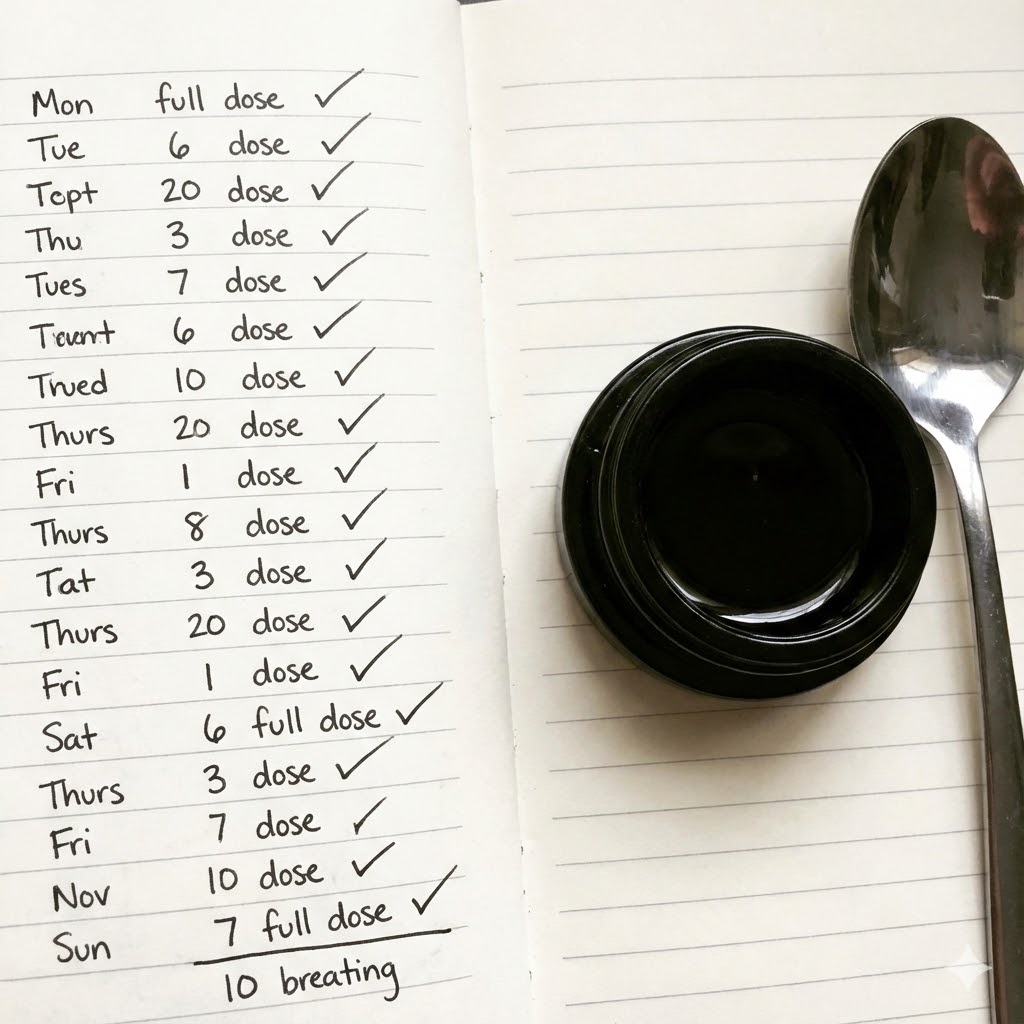
Full dose phase:
Morning (8:00 AM): The patient takes their dose (approx. 0.33 g of oil – a large dab). The oil can be eaten plain, placed in an empty capsule, or mixed with a little coconut oil/yogurt. Drink water with lemon (alkaline).
Lunch (2:00 PM): Dose #2 is taken. Light meal (salad/vegetables). At this stage, the patient is often functional but needs rest.
Evening (9:00 PM): Dose #3 is taken about an hour before bedtime. Ensures deep sleep, which is an important part of recovery.
See also: Metabolic strategy – block signal pathways by cancer type – overview charts
See also: Repurposed drugs
See also: THC and cannabis
See also: Meta-analysis: cannabis in cancer
See also: Anonymous on cannabis
See also: Anika Egedal’s cancer story (THC/CBD)
Links
[1] Run From The Cure: The Rick Simpson Story (Documentary, 2008)
- Content: The original documentary in which Rick Simpson describes how, after a head injury in 1997, he sought relief in medicinal cannabis oil and by accident discovered that the oil cured his skin cancer. The film includes interviews with patients and guidance on making the oil.
[2] Antitumor activity of plant cannabinoids with emphasis on the effect of cannabidiol on human breast carcinoma (PubMed, Journal of Pharmacology and Experimental Therapeutics, 2006)
- Content: A key study comparing the effect of five natural cannabinoids. The results showed that CBD was the most potent inhibitor of cell growth in breast cancer, supporting the importance of using a “Full Extract” oil that contains the entire spectrum of the plant, not just isolated THC.
[3] The current state and future perspectives of cannabinoids in cancer biology (PubMed, Cancer Medicine, 2018)
- Content: A scientific review of the mechanisms behind cannabis against cancer. The article confirms the potential of targeting CB1 and CB2 receptors to inhibit tumor growth and spread, theoretically supporting the RSO theory.
[4] Cannabinoids as therapeutic agents in cancer: current status and future implications (NIH, Oncotarget, 2014)
- Content: A review of research showing that THC and other cannabinoids can inhibit angiogenesis (blood vessel formation) in tumors, precisely as Rick Simpson claims.
[5] Phoenix Tears – Rick Simpson official site (Website, Rick Simpson Campaign)
- Content: Rick Simpson’s own website. Here you will find the original recipe for safely making the oil (using a rice cooker and solvents), as well as his detailed dosing guide and FAQ.
Page created: December 8, 2025
❤
What you read on I Have Cancer is not a recommendation. Seek competent guidance.
