

Thomas Seyfried’s Protocol – Press-Pulse
Summary of the Press-Pulse protocol
Purpose of the protocol:
- To treat cancer as a metabolic disease by systematically removing the two fuels that cancer cells depend on:
- Glucose (sugar) and
- Glutamine (an amino acid)
- The goal is to starve the tumor energetically without damaging the body’s healthy cells.
Protocol content:
- The strategy is twofold:
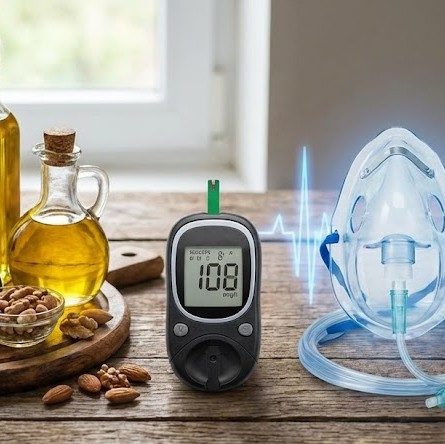
- Press: Constant metabolic pressure via ketosis and
- Pulse: Short, intensive bursts with medication or oxygen treatment to kill the weakened cancer cells
The central idea:
- The philosophy is based on Otto Warburg’s discovery of cancer arising due to defective mitochondria (the cell’s power plants). Unlike the common perception of cancer as a genetic disease, Seyfried considers genetic mutations as an effect or consequence of the disease, not the cause. By repairing or bypassing metabolism, cancer can be stopped.
Who is Thomas Seyfried
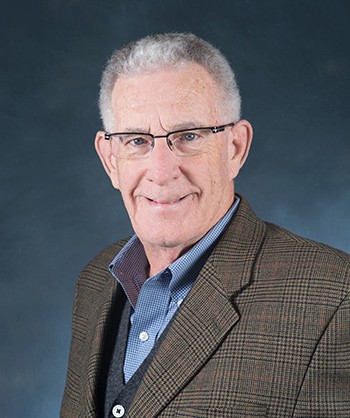
Dr. Thomas Seyfried is a professor of biology at Boston College and author of the book Cancer as a Metabolic Disease. He is considered the modern founder of metabolic cancer research, as he has continued and expanded on Otto Warburg’s results [1].
Seyfried is a heavyweight in academic research. He has spent decades in the laboratory proving that the current genetic approach to cancer treatment is a dead end. His work forms the theoretical foundation on which many other protocols (including Sakharoff, Winters, and Sulack) stand on the shoulders of.
He is particularly known for his research in brain cancer (glioblastoma) and for developing the GKI index.
Also see Brain cancer (metabolic blocking)
Cancer as a metabolic disease
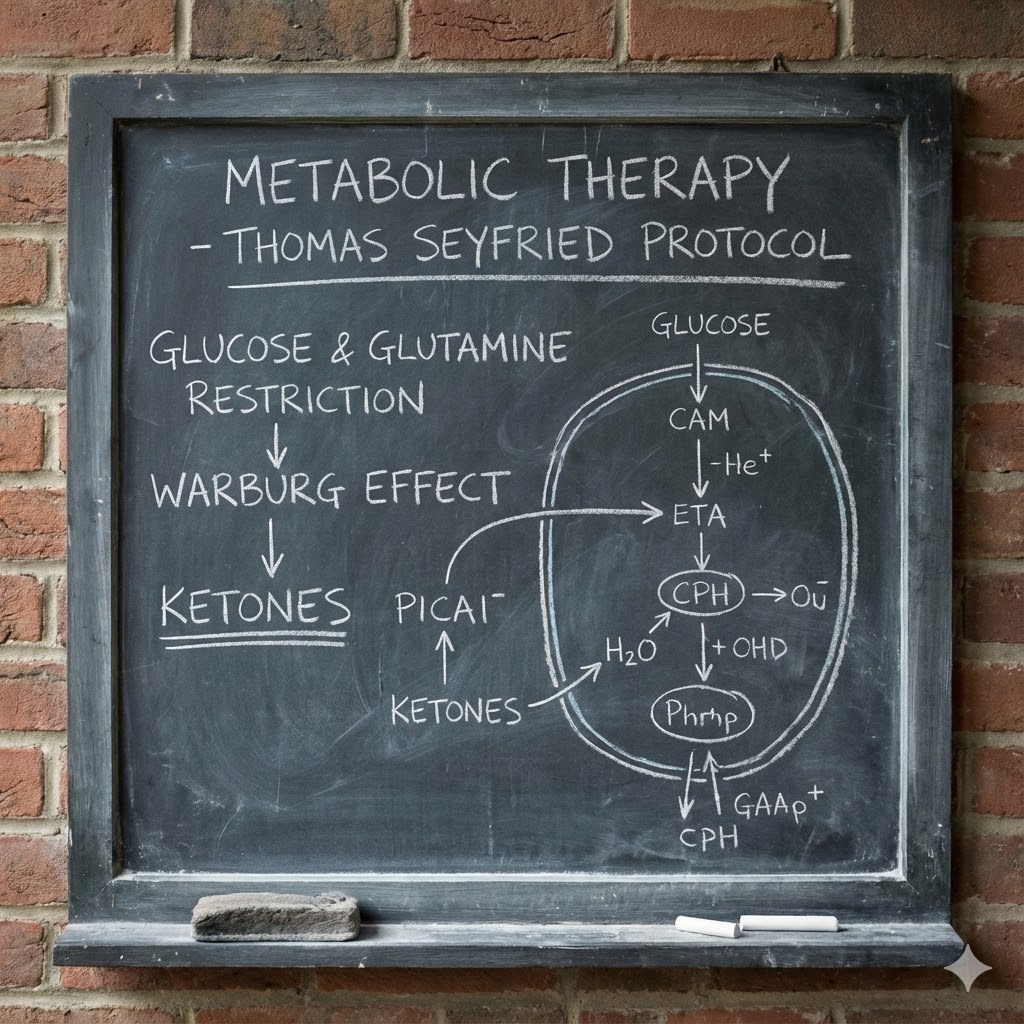
To understand the Press-Pulse method, one must turn one’s understanding of cancer upside down. Established medicine treats cancer as a genetic disease (“Somatic Mutation Theory”), where one tries to find drugs that target specific mutations in the DNA.
Seyfried argues that this is futile because the mutations are chaotic and constantly changing.
Role of mitochondria
Seyfried’s theory (“Mitochondrial Metabolic Theory”) states that cancer starts when the cell’s ability to breathe oxygen (respiration) is destroyed. To survive, the cell switches to a primitive fermentation process that does not require oxygen. This process requires enormous amounts of sugar and glutamine. Treatment therefore aims to turn off these two taps.
Healthy cells can thrive on fat (ketones), but cancer cells with defective mitochondria cannot [2].
The cancer cell is a defective engine
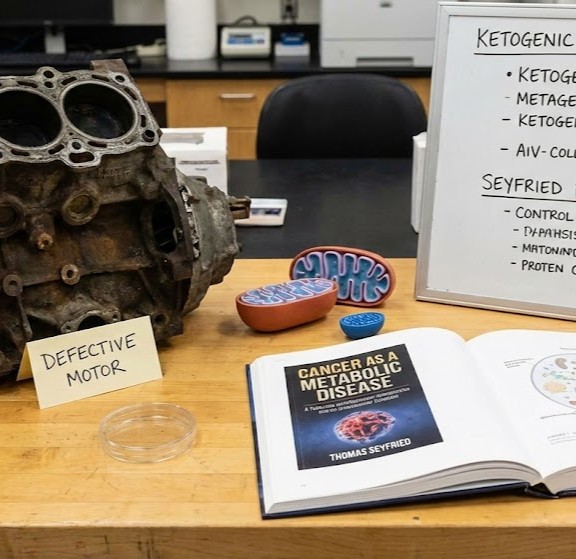
To understand Press-Pulse, one must understand Seyfried’s core theory:
- Healthy cells are “hybrid engines”. They can run on both sugar (glucose) and fat (ketones/fatty acids).
- Cancer cells have damaged mitochondria. They are “locked” in a primitive state where they can only survive by fermenting.
The two fuels: Cancer cells can only ferment two things:
- Glucose: The primary fuel for growth.
- Glutamine: The “hidden” fuel.
Many believe that removing sugar is enough, but Seyfried has proven that cancer cells can survive fine without sugar if they have access to the amino acid glutamine.
The strategy therefore aims to create an environment in the body where healthy cells thrive on fat (which cancer cells cannot use), while systematically cutting off both glucose and glutamine.
Press and pulse
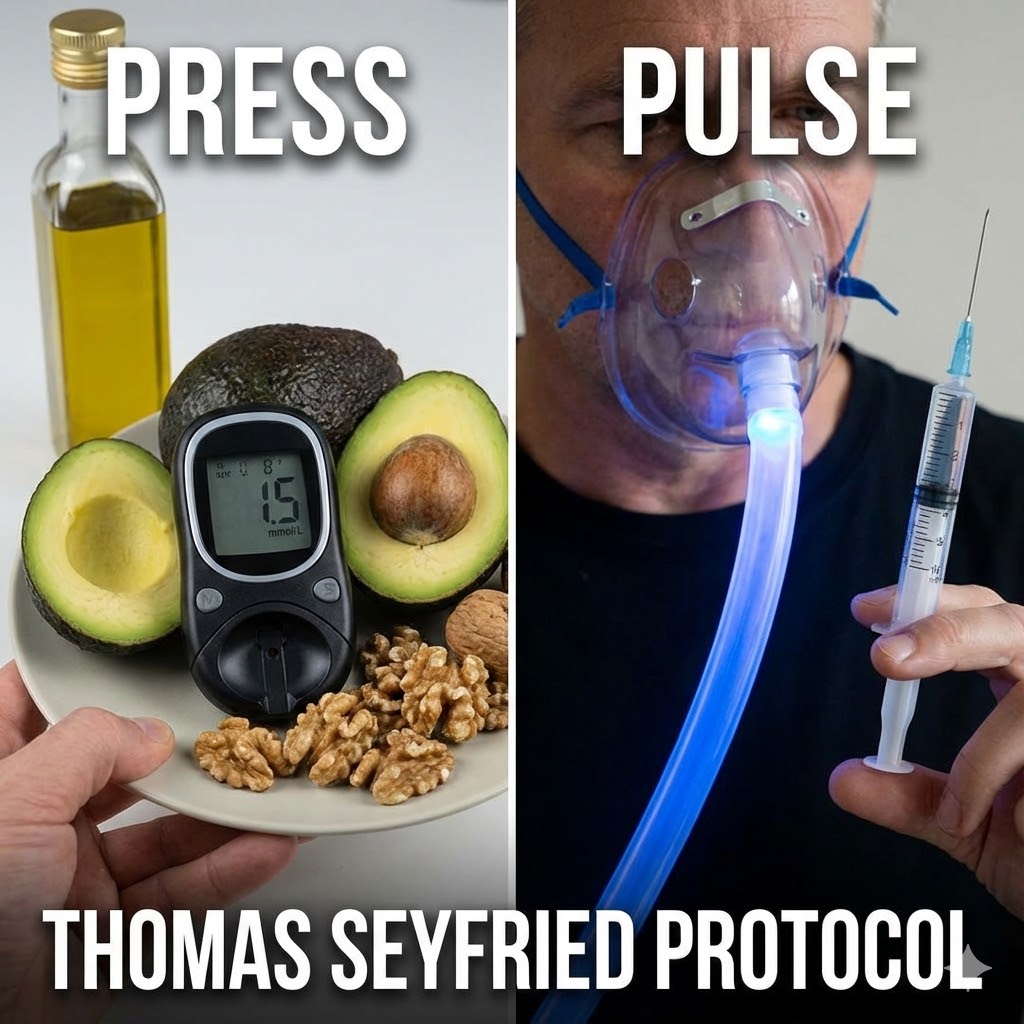
Seyfried uses a war analogy: “Press” is the siege that starves the enemy. “Pulse” is the bombardment that eliminates them when they are weakest.
1. The chronic press
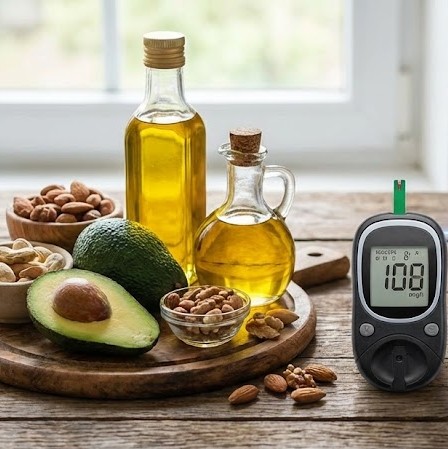
This is not a cure you take once in a while. It is a constant state the body must be kept in around the clock. The goal is to weaken cancer cells to the maximum by removing their primary fuel (glucose) and at the same time protecting healthy cells and the brain with ketones.
The tool
Ketogenic Metabolic Therapy (KMT) This is a stricter version of regular keto. It involves:
- Restrictive keto: Very high fat content, minimal carbohydrates.
- Calorie restriction: This is crucial for Seyfried. One must eat a little less than one burns. This lowers blood sugar more effectively than the diet alone and dampens inflammation.
- Measurement (GKI): One controls the “pressure” according to the Glucose Ketone Index (GKI). The goal is an index of 1.0 or lower. Here, the body is in a deep therapeutic state where cancer cells are under massive stress [3].
Result of press: When “press” is established, the tumor typically stops growing rapidly. It goes into hibernation or grows slowly because it lacks energy. It is now vulnerable.
Also see Ketogenic Diet and LCHF
2. The acute attack
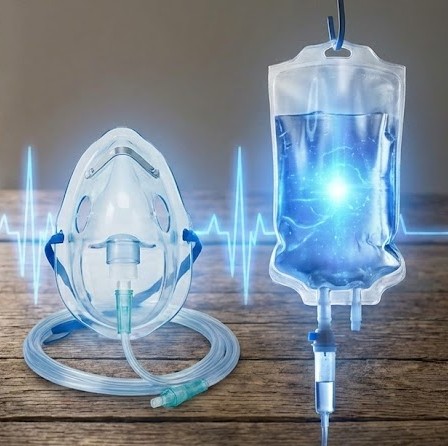
While “Press” weakens the cancer, “Pulse” is designed to kill it. Pulses are short, intensive treatments given periodically. One cannot do this constantly as it would be toxic to the body.
Tool A
Blocking of glutamine:
This is Seyfried’s “missing link”. The body produces glutamine itself, and it is found in all protein, so one cannot simply “eat one’s way out of it”. One has to use medication.
- DON (6-Diazo-5-oxo-L-norleucine): A substance that specifically blocks cells’ ability to use glutamine. Seyfried is working to get this approved, as it has proven extremely effective in animal studies at stopping tumors that were otherwise resistant to keto [4].
- Other agents: Green tea extract (EGCG) and certain repurposed drugs (such as mebendazole) are also used to pulse against glutamine pathways.
Tool B
Oxidative stress (oxygen)
- HBOT (hyperbaric oxygen): Cancer cells have defective antioxidants. When one sends the patient into a pressure chamber with 100% oxygen while they are in ketosis (“Press”), cancer cells are overwhelmed with free radicals (ROS), which they cannot neutralize. They “burn up” from the inside. Healthy cells (which run on ketones) are protected.
The synergy
It is the combination that works.
- Keto alone (“Press”) slows growth but rarely kills the tumor completely (due to glutamine).
- Medicine alone (“Pulse”) is too toxic at high doses and cancer develops resistance.
- Press-Pulse: By weakening the cell first (Press), one needs much lower doses of medication (Pulse) to kill it.
Food groups in detail
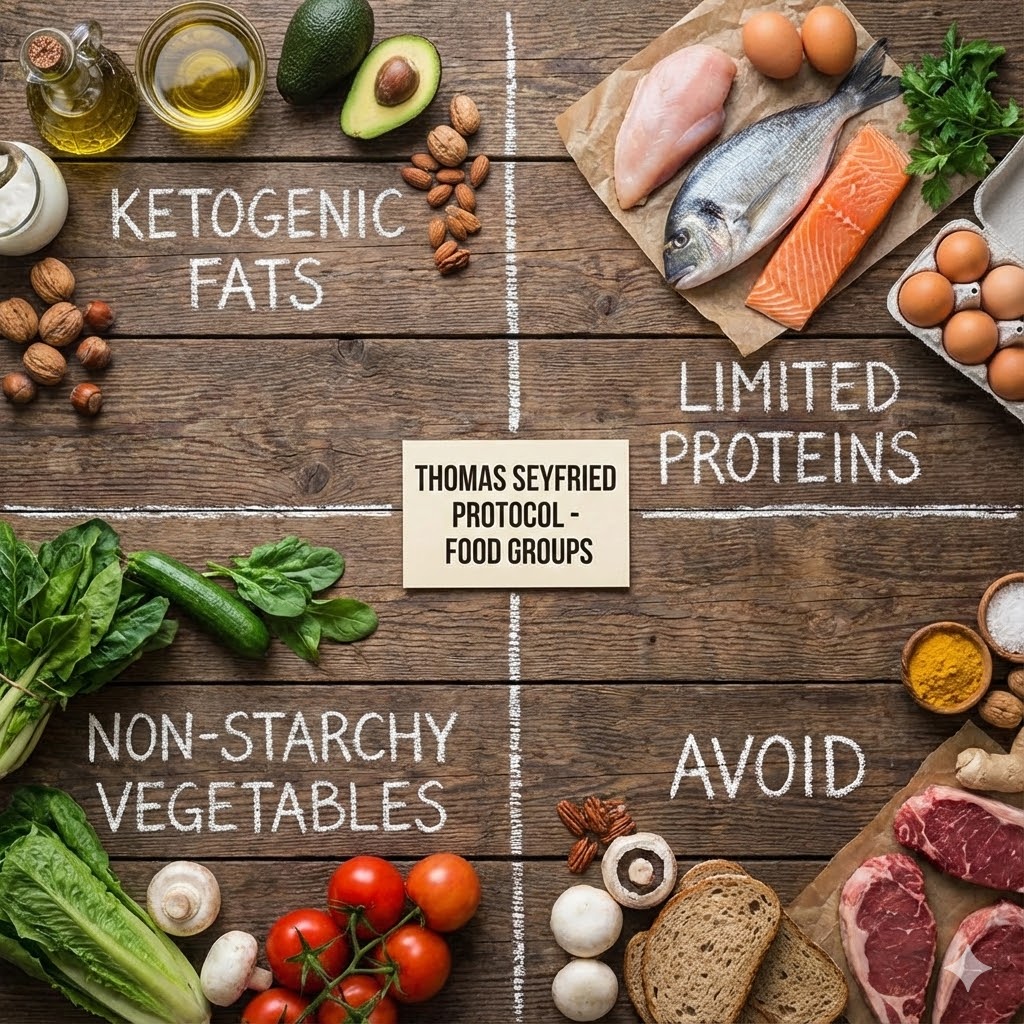
The diet is a stricter version of the classic ketogenic diet.
Foods – yes please
- Fat: Coconut oil, olive oil, butter, animal fat. Fat should make up up to 80% of energy.
- Low protein: Small amounts of eggs, fish, or meat (to keep glutamine down).
- Vegetables: Only the lowest carbohydrate leafy greens.
- Water: Plenty of water (preferably during fasting).
Foods – no thanks
- Sugar and starch: All bread, pasta, rice, fruit, sugar.
- Too much protein: Large steaks, protein powder (as it converts to sugar and glutamine).
Relevance in cancer
Seyfried’s protocol is particularly relevant for cancer types considered incurable in the established system.
Glioblastoma (brain cancer)
Seyfried has published several case studies where patients with aggressive brain cancer have survived far beyond the prognosis by using this method.
Brain cancer is highly dependent on sugar, which makes it vulnerable to ketosis [5].
Metastatic cancer
When cancer has spread, it is often considered a systemic metabolic failure. Press-Pulse treats the entire body (“the system”) rather than just the tumor, making it relevant in cases of spread.
Considerations and risks
This is probably the hardest protocol to follow in practice.
Extreme discipline
Keeping GKI below 1.0 often requires eating very little (calorie restriction) and fasting frequently. It can be tough socially and physically.
Also see Metabolic strategy – block signaling pathways by cancer type – chart overviews
Weight loss
One loses weight significantly. For patients who are already very thin (cachexia), this should be monitored closely by a professional to ensure one does not lose critical muscle mass.
Also see Preserve muscle mass
Availability of pulse agents
While “press” (the diet) can be done at home, “pulse” often requires a doctor/healthcare provider. Glutamine-inhibiting drugs (such as DON) are not yet widely available or approved as standard treatment, and HBOT chambers require access to a clinic. (Be aware that not all HBOT chambers can achieve the necessary pressures).
Also see Hyperbaric oxygen treatment (HBOT)
What treatment did Thomas Seyfried receive
Since Thomas Seyfried is a researcher and not a patient, he has not himself received the treatment. This article is based on the case studies he has published. One of his most well-known examples is a 38-year-old man with glioblastoma.
- Situation: The patient declined radiation and chemo.
- Protocol: He switched to a ketogenic diet with calorie restriction (press) and supplemented with, among other things, metformin (pulse).
- Result: The tumor grew slower than expected, and the patient lived with high quality of life for a significantly longer time than the average for the diagnosis. Seyfried uses these cases to demonstrate that metabolic therapy can manage tumors without the toxicity that comes with chemotherapy.
Potent strategy for brain tumors
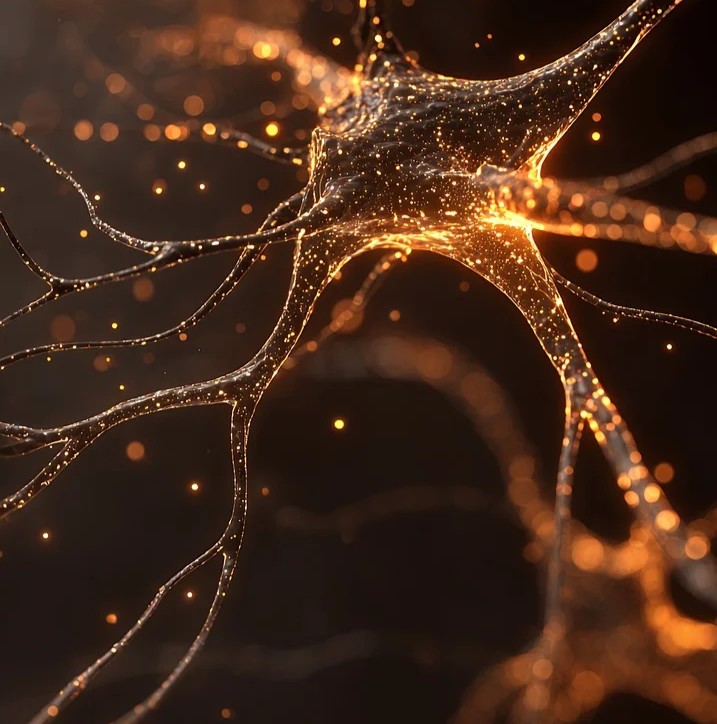
It is no coincidence that Seyfried focuses on the brain.
- Blood-brain barrier: Ketone bodies pass easily into the brain and nourish the healthy neurons. Many chemo drugs cannot get in there.
- Warburg effect in the brain: Brain cells normally use a lot of energy. When a brain tumor loses the ability to use oxygen, it becomes extremely dependent on sugar. By lowering blood sugar throughout the body, one starves the tumor selectively inside the brain.
Important with chemotherapy and low platelets

Many of the substances that effectively fight cancer (especially in this protocol) also act as blood thinners. If chemotherapy has lowered your platelets (thrombocytes) to a critical level, you should be extra cautious.
What you should pause with low platelets
If your numbers are at the bottom, the following substances should be paused to avoid the risk of bleeding until the marrow has recovered:
- Fatty acids: Omega-3/ fish oil/ flaxseed oil (Strongly blood-thinning), Cod liver oil, Flaxseed oil (Budwig) and Krill oil.
- Herbal extracts (high dose): Curcumin/turmeric, ginger, garlic (in large doses/capsules), ginkgo biloba and Ginseng (Inhibits platelets’ ability to clump together).
- Enzymes: Proteolytic enzymes such as Bromelain, Papain and Serrapeptase (as these break down fibrin, which helps blood clot).
- Specific Antioxidants: Vitamin E, Resveratrol, Quercetin and strong Green Tea extract (EGCG).
- Off-label medication: Aspirin, Magnyl or Heart Magnyl (should be stopped immediately with low platelets, unless otherwise agreed with the doctor).
Support for bone marrow
There are strategies that specifically support the formation of platelets without counteracting the treatment:
- Melatonin: Studies show that melatonin can protect the bone marrow from chemo damage (taken at bedtime).
- Papaya leaf extract: Known for potentially being able to increase the number of platelets.
- Chlorophyll: Green juices (spinach/kale) provide vitamin K, which supports blood clotting.
- Shark liver oil (alkylglycerols): Can stimulate the formation of white blood cells and platelets (should not be taken on chemo days themselves).
NB: You should always discuss your intake of dietary supplements with your oncologist.
Important warnings

Seyfried’s protocol pushes the body to the metabolic extreme to stress the cancer. This involves risks.
Acidosis
The goal of a GKI below 1.0 requires extremely low insulin levels.
The problem:
- If you have type 1 diabetes (or advanced type 2) where you do not produce insulin at all, the blood can become life-threateningly acidic (ketoacidosis – acid poisoning).
- Ketoacidosis requires acute hospitalization. One should always monitor ketones to ensure they do not rise uncontrollably (typically above 7-8 mmol/L is dangerous).
Brain fog
When one blocks glutamine (e.g., with medication or green tea), it can affect the body’s ability to remove ammonia (a waste product from protein).
The problem:
- Too much ammonia in the blood is toxic to the brain and causes confusion, lethargy, and “brain fog”.
- The liver must function optimally to handle this process.
Weight loss and muscle wasting (cachexia)
The combination of fasting, low protein intake, and calorie restriction is a tough cocktail.
The problem:
- Cancer patients are already at risk of losing muscle mass (cachexia). If one loses weight too quickly, the immune system and heart are weakened. It is a fine balance that requires daily weighing and adjusting fat intake upwards if weight is plummeting.
Also see Underweight with cancer
Also see Preserve muscle mass
Safety
Always consult your healthcare provider before starting a protocol.
Conclusion

Thomas Seyfried’s Press-Pulse protocol is not for beginners. It is the most scientifically founded, but also one of the most demanding strategies.
It offers a paradigm shift, namely to stop seeing cancer as an unfortunate genetic accident and instead see it as a metabolic machine that can be turned off if one removes the fuel.
For the patient who wants to go the whole way and attack the disease’s biological root, Seyfried provides the map and compass.
Also see Quality of life and co-responsibility decision
Example of a day on the protocol
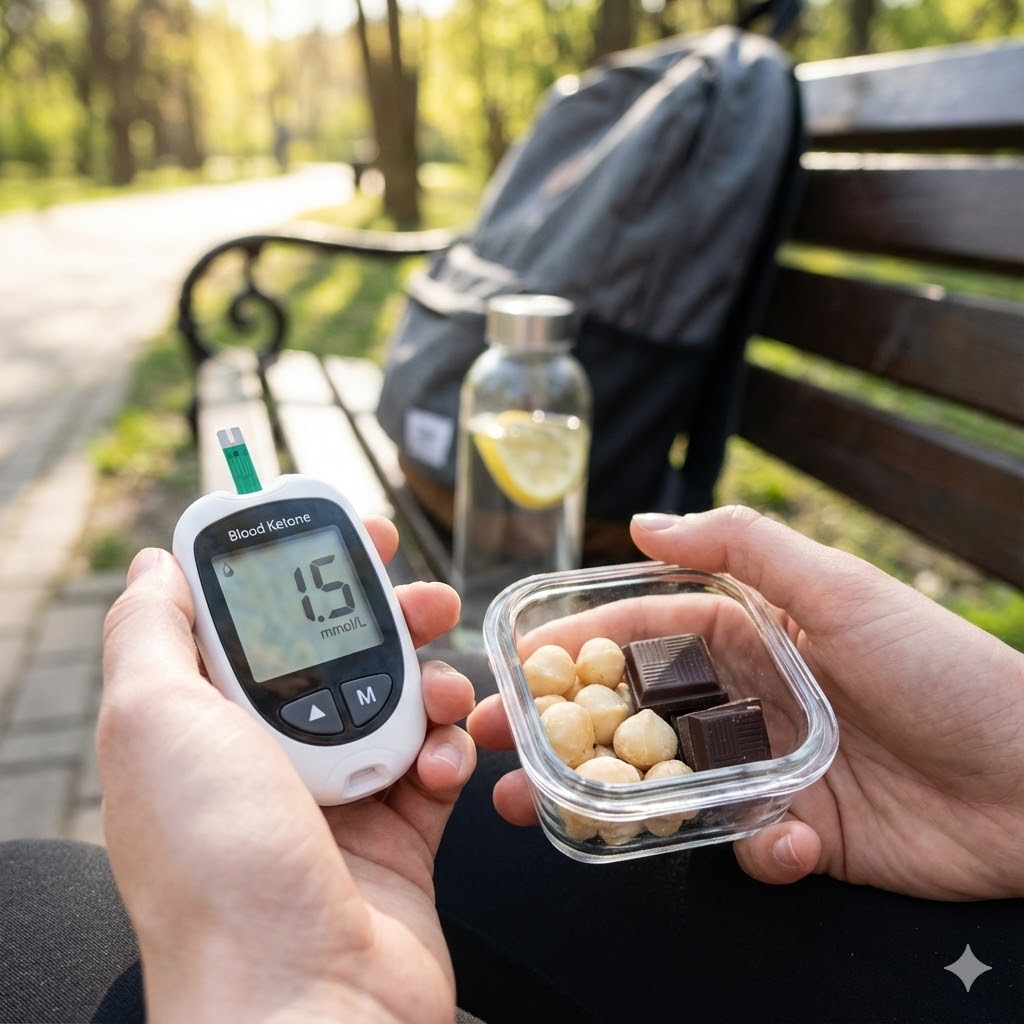
The day is characterized by fasting and measurements.
Morning: Measurement of blood sugar and ketones. Calculation of GKI. If the number is above 1.0, fasting continues. Drink water.
Lunch (breaking the fast): A small meal with very high fat percentage. For example, an avocado with olive oil and a little sardines.
Afternoon: Pulse treatment. This could be a session in a pressure chamber (HBOT) or physical exercise to lower blood sugar further.
Evening: Dinner consisting of vegetables sautéed in coconut oil or butter, maybe with a small amount of egg. The goal is to maintain satiety through fat, not protein.
Also see Repurposed drugs
Links
[1] Cancer as a Metabolic Disease (Book by Thomas Seyfried, 2012)
- Content: The main work in which Seyfried reviews all the evidence for why cancer is metabolic. A heavy, but essential book for understanding the theory.
[2] Press-Pulse: a novel therapeutic strategy for the metabolic management of cancer (NIH, 2017)
- Content: The scientific study that defines the protocol itself. The article explains in detail the mechanisms behind chronic press (ketosis) and acute stress (medication) on cancer cells.
[3] The glucose ketone index calculator: a simple tool to monitor therapeutic efficacy for metabolic management of brain cancer (Nutrition & Metabolism, 2015)
- Content: The study that introduced the GKI. It documents why the ratio between sugar and ketones is the most precise marker of treatment efficacy.
[4] Targeting glutamine metabolism as a therapeutic strategy for cancer (Nature, 2023)
- Content: A scientific review of glutamine’s role as an essential fuel for cancer. The article evaluates the strategy of blocking glutamine metabolism to “starve” tumors that would otherwise be resistant to lack of glucose.
[5] Metabolic management of glioblastoma multiforme using standard nutrition and ketogenic diet (PubMed, 2010)
- Content: One of Seyfried’s early and famous case studies showing the effect of metabolic therapy on a human patient with brain cancer.
Page created: December 5, 2025
❤
What you read on “Jeg har Kræft” is not a recommendation. Seek competent guidance.
