


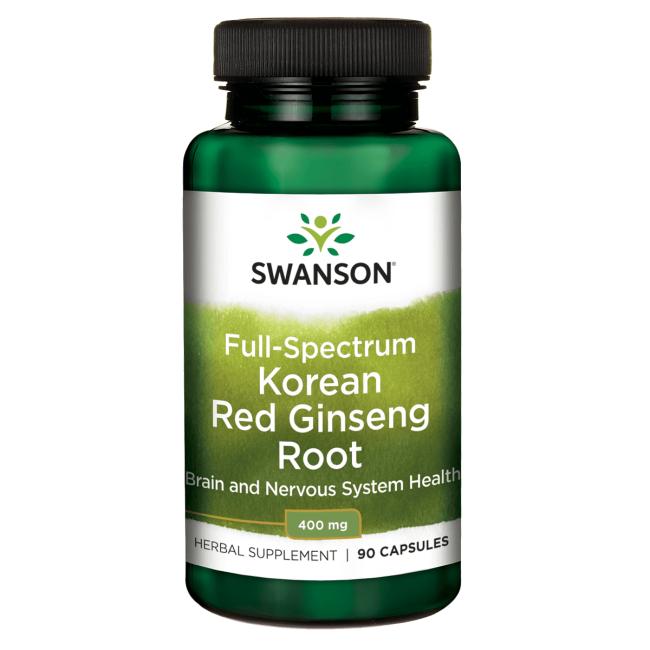
Ginseng, Panax and cancer
What is ginseng
Ginseng is not just one plant, but an entire genus (Panax) of slow-growing perennials with fleshy roots. The most well-known is Korean ginseng (Panax ginseng), which has been used in traditional Chinese medicine for millennia [7]. Other variants include American ginseng (Panax quinquefolius), Japanese ginseng (Panax japonicus), and Siberian ginseng (Eleutherococcus senticosus), though the latter does not belong to the same genus.
The ginseng root is characteristic for its fork-shaped structure, which often resembles a human body. The color varies depending on the species and processing but is often yellowish-brown to reddish.
The active substances in ginseng are called ginsenosides, and there are over 30 different types with varying effects [8]. The content and composition of ginsenosides depend on the ginseng species, the plant’s age, growing conditions, and processing method.
Most well-documented
If you are looking for ginseng with the most documented health effects, ensure you choose a product containing Panax ginseng (Korean ginseng).
Use of ginseng
Ginseng has been used in traditional medicine in China, Korea, and other Asian countries for centuries. It is considered an adaptogen (a substance that increases the body’s resistance to stress), helping the body adapt to stress and restore balance [7].
Traditionally, ginseng is used to
- Strengthen the immune system
- Increase energy and endurance
- Improve cognitive function and memory
- Reduce stress and anxiety
- Regulate blood sugar
- Increase libido and sexual function
In recent times, ginseng has become popular as a dietary supplement and an ingredient in energy drinks, teas, and cosmetics. Intensive research is being conducted into ginseng’s potential to prevent and treat a range of diseases, including cancer, cardiovascular disease, diabetes, and neurodegenerative (diseases that break down the nervous system) disorders [5, 8].
How ginseng is consumed
Ginseng can be consumed in various ways:
The root
The dried ginseng root can be chewed, sliced and brewed as tea, or pulverized and added to food and drinks.
Extract
Ginseng extract is available as a dietary supplement in capsule, powder, or liquid form. Extracts are more concentrated than the raw root and standardized to a specific content of ginsenosides.
Dosage
The dosage of ginseng depends on the type, concentration, and the individual patient’s needs. It is important to follow the recommendations on the product and consult a doctor or other qualified practitioner before use, especially if taking other medication or having a chronic illness.
Effect and potential of ginseng in cancer
Ginseng’s potential anti-cancer effects
Ginseng, primarily Panax ginseng, contains a number of bioactive components, of which ginsenosides are the most studied. These substances exhibit various pharmacological activities that may be significant for cancer development and treatment [1, 2].
1. Immunomodulation:
Activation of immune cells
Ginsenosides can stimulate the activity of various immune cells, including macrophages, NK cells (natural killer cells), and cytotoxic T lymphocytes. These cells play a central role in the body’s defense against cancer by recognizing and destroying cancer cells.
- Example: Rg3, a specific ginsenoside, has been shown to increase NK cell activity and promote the production of interferon-gamma (IFN-γ), a cytokine with anti-tumor activity.
Modulation of cytokine production
Ginsenosides can influence the production of cytokines, signaling molecules that regulate the immune response.
- Example: Ginseng can increase the production of Th1 cytokines (e.g., IL-12) and inhibit the production of Th2 cytokines (e.g., IL-4). A Th1 dominance in the immune response is generally associated with better anti-tumor immunity.
2. Antioxidant activity:
Free radicals
Ginsenosides function as antioxidants by neutralizing free radicals, unstable molecules that can damage cells and DNA. Oxidative stress plays a role in cancer development.
- Example: Ginsenosides, such as Rb1 and Rg1, have shown strong antioxidant activity in vitro and in vivo.
3. Anti-inflammatory activity:
Inhibition of inflammatory mediators
Chronic inflammation can contribute to cancer development. Ginsenosides can inhibit the production of pro-inflammatory cytokines (e.g., TNF-α, IL-6) and enzymes (e.g., COX-2) involved in inflammation.
- Example: Ginseng has been shown to inhibit NF-κB, a central transcription factor that regulates inflammation.
4. Direct effect on cancer cells:
Inhibition of cell proliferation
Certain ginsenosides can inhibit the growth and spread of cancer cells by affecting the cell cycle and signaling pathways involved in cell division [1, 2].
- Example: Ginsenoside Rh2 has been shown to induce cell death and inhibit cell proliferation in various cancer cell lines.
Induction of apoptosis
Ginsenosides can trigger programmed cell death (apoptosis) in cancer cells, leading to their elimination.
- Example: Ginsenosides, such as Rg3 and Rh2, have been shown to induce apoptosis in cancer cells via various mechanisms, including activation of the caspase cascade and modulation of the Bcl-2 family of proteins.
Inhibition of angiogenesis
Some ginsenosides can inhibit the formation of new blood vessels (angiogenesis), which is necessary for the growth and spread of tumors.
- Example: Ginsenoside Rg3 has been shown to inhibit angiogenesis by blocking VEGF, a growth factor that stimulates the formation of new blood vessels.
Inhibition of invasion and metastasis
Ginseng can inhibit the ability of cancer cells to invade surrounding tissue and spread to other parts of the body (metastasis) [2].
- Example: Ginsenosides have been shown to inhibit matrix metalloproteinases (MMPs), enzymes that break down the extracellular matrix and facilitate cancer cell invasion.
5. Improvement of response to cancer treatment:
Increased sensitivity to chemotherapy
Some studies suggest that ginseng can increase the sensitivity of cancer cells to chemotherapy, potentially improving treatment effectiveness.
- Example: Ginseng has been shown to increase the effect of cisplatin, a commonly used chemotherapeutic agent, in certain cancer cell lines.
Protection of normal cells
Cancer treatment can damage both cancer cells and healthy cells. Ginseng can potentially protect normal cells from damage caused by chemotherapy and radiation therapy.
- Example: Ginseng has been shown to reduce bone marrow suppression and other side effects caused by chemotherapy in animal studies.
Advantages of ginseng
Natural product
Ginseng is a natural product with a long history in traditional medicine.
Holistic approach
Ginseng addresses not only the cancer but also the patient’s general well-being and quality of life.
Potential synergistic effect
Ginseng can potentially enhance the effect of conventional cancer treatment.
Can support the immune system
Ginseng can strengthen the immune system and increase the body’s ability to fight cancer cells.
Improvement of quality of life
Cancer and cancer treatment can lead to fatigue, nausea, loss of appetite, and reduced quality of life. Ginseng can potentially alleviate these symptoms and improve the general well-being of patients [4, 6].
Increased sensitivity to chemotherapy
Some studies suggest that ginseng can increase the sensitivity of cancer cells to chemotherapy, potentially improving treatment effectiveness.
Disadvantages and limitations
Limited clinical evidence
More research is needed to confirm ginseng’s effect on cancer in humans [5].
Interactions with medication
Ginseng can interact with certain types of medication, including blood thinners, immunosuppressive drugs, diabetes medication, and hormone therapy [8].
Side effects
Ginseng can cause side effects in some individuals, such as insomnia, headache, gastrointestinal problems, diarrhea, high blood pressure, and skin rashes.
Not a substitute for conventional cancer treatment
Ginseng should not be used as a replacement for conventional cancer treatment but can be used as a supplement in consultation with a doctor.
Quality and safety
The quality of ginseng products can vary significantly. It is important to choose products from reliable manufacturers that are tested for content and purity.
Clinical studies
A number of clinical studies have been conducted investigating the effect of ginseng on cancer. Results are promising [5, 6].
However, it is important to note that many of these studies are small and have methodological limitations. Research into ginseng’s anti-cancer effects is ongoing, and more research, especially clinical trials in humans, is needed to confirm these findings and establish optimal dosage and application.
Ginseng should not be considered a substitute for conventional cancer treatment but can be used as a supplement in consultation with a qualified practitioner.
Conclusion
Ginseng is an exciting plant with potential in the fight against cancer. There are indications that ginseng can have beneficial effects on the immune system, quality of life, and treatment outcomes in cancer patients. However, more research is needed to confirm these findings.
Ginseng should always be used in consultation with a competent practitioner, as it can interact with medication and cause side effects. It is important to choose quality products from reliable manufacturers and follow dosage recommendations.
Remember that ginseng is not a miracle cure for cancer. It is a supplement that can support the body and improve quality of life during cancer treatment.
Back to Dietary supplements
Links
[1] Ginseng Glucosyl Oleanolate Suppresses Cervical Cancer via Simultaneous Inhibition of Glycolysis and Oxidative Phosphorylation In Vivo/Vitro (PubMed, 2025)
- Content: A study describing how a specific ginseng derivative suppresses cervical cancer by inhibiting energy metabolism in cancer cells.
[2] Compound K-enriched Korean red ginseng prevents lung cancer progression by targeting cancer cells and fibroblasts (PubMed, 2025)
- Content: Research showing how enriched Korean red ginseng targets both cancer cells and the surrounding tissue to prevent lung cancer progression.
[3] Ginsenoside Rh4 inhibits colorectal cancer via the modulation of gut microbiota-mediated bile acid metabolism (PubMed, 2025)
- Content: A study exploring how ginsenoside Rh4 affects colorectal cancer by modulating gut bacteria and metabolism.
[4] Ginseng can help cancer patients (Jyllands-Posten, 2012)
- Content: An article discussing how ginseng can help cancer patients, particularly regarding energy levels and quality of life.
[5] Prospective Cohort Study of Ginseng Consumption in Association with Cancer Risk: Shanghai Women’s Health Study (PubMed, 2023)
- Content: A large prospective cohort study examining the association between long-term ginseng consumption and reduced cancer risk.
[6] Effects of Ginseng on Cancer-Related Fatigue: A Systematic Review and Meta-analysis of Randomized Controlled Trials (PubMed, 2023)
- Content: A systematic review and meta-analysis of randomized controlled trials focusing on ginseng’s ability to reduce cancer-related fatigue.
[7] Ginseng, a powerful medicinal plant (Aalborg University, 2008)
- Content: A scientific overview from Aalborg University describing the chemical properties and traditional medicinal uses of ginseng.
[8] Panax ginseng: Research, Benefits and side effects (Healthgenie, 2025)
- Content: A comprehensive review of current research on Panax ginseng, its health benefits, and potential side effects or interactions.
Page created: Jan 12, 2025. Last revised: Apr 28, 2026
❤
What you read on Jeg har Kræft is not a recommendation. Seek competent guidance.
