


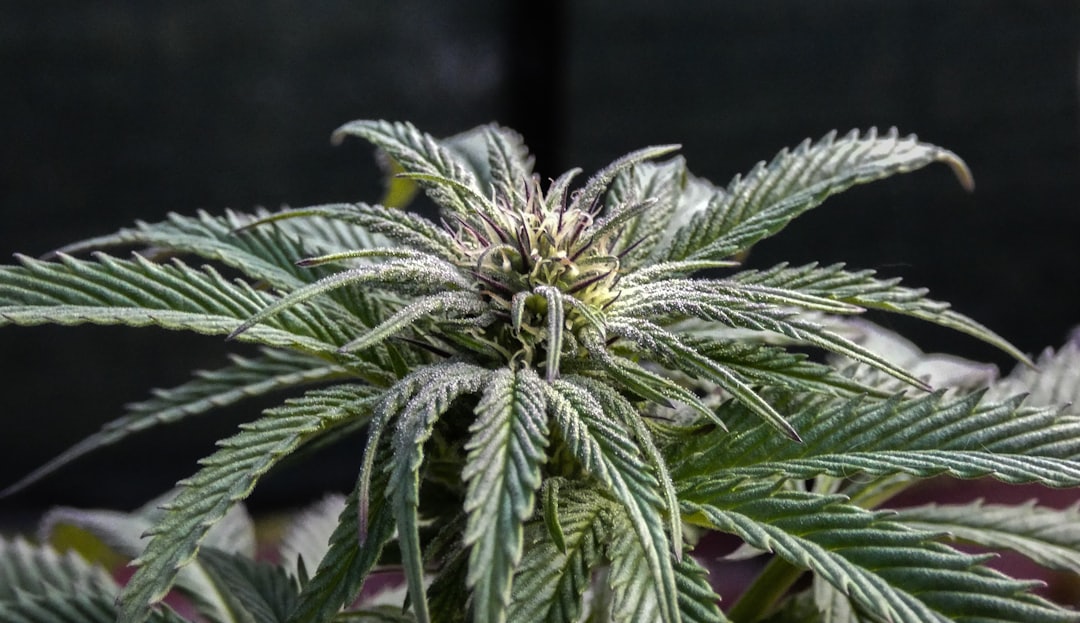
CBD oil and cancer
What is CBD oil
Cannabidiol (CBD) is a component of the cannabis plant that is non-psychoactive. Unlike THC (the most well-known component of cannabis), CBD does not produce a “high” effect. CBD has been studied for its potential to treat a variety of conditions, including cancer [9, 13].
How does CBD oil work
CBD interacts with the body’s endocannabinoid system (ECS), a complex signaling network that plays a role in various functions, including pain, mood, sleep, and appetite. The precise mechanism behind the action of CBD is still under exploration, but it is believed that it can help regulate the ECS and thereby alleviate symptoms of various conditions [13].
Benefits of treatment with CBD
Strengthens the immune system
CBD strengthens the immune system by reducing inflammation, regulating the immune system, and protecting cells.
Kills cancer cells
CBD has been shown to kill cancer cells in laboratory experiments. For example, a non-randomized in vitro study found that CBD killed breast cancer cells [4].
Inhibits tumor growth
CBD can inhibit the growth of tumors. For example, research has shown that CBD inhibited the growth of glioblastomas, a type of brain tumor [1, 14].
Makes chemotherapy more effective
CBD can make chemotherapy more effective. For example, a non-randomized in vitro study found that CBD made the chemotherapy drug doxorubicin more effective at killing breast cancer cells [4].
Reduces side effects of traditional cancer treatment
CBD can help reduce the side effects of cancer treatment, such as nausea, vomiting, and pain [2, 3].
Additional benefits for cancer patients
Pain relief
CBD may have pain-relieving properties by interacting with receptors in the brain and immune system involved in pain perception. This can be a significant relief for patients suffering from cancer-related pain [3, 10].
Counteracts anxiety and depression
Cancer can cause significant anxiety and depression in patients. The calming effect of CBD may help reduce symptoms of these conditions and improve mental well-being [11].
Anti-inflammatory effect
Chronic inflammation is linked to an increased risk of cancer. The anti-inflammatory properties of CBD can contribute to reducing inflammation and thereby potentially prevent or slow cancer progression [13].
Improve sleep quality
Sleep problems are common among cancer patients. CBD may have a positive effect on sleep quality, thereby improving sleep patterns and overall rest [11].
CBD and safety
CBD is generally considered safe when taken in small doses.
Possible (but rare) side effects include:
- Dry mouth
- Insomnia,
- Diarrhea
- Fatigue
- CBD can also interact with certain medications [6].
Dosage and interactions
When CBD enhances the effect of chemotherapy, it also means that the precise dosage of the medication changes. CBD affects liver enzymes, causing certain types of medication to remain in the body for a longer period. A retrospective clinical study from 2023 [6] confirms that while interactions exist, most are considered moderate.
Enhanced effect (synergy):
- With substances like doxorubicin [4] and temozolomide [1], CBD can increase the susceptibility of cells and slow down the breakdown of the medicine. This means the chemotherapy acts more powerfully. To avoid unnecessary strain on the organs, the dose should be adjusted in collaboration with the oncologist. This also applies to paclitaxel, docetaxel, and vincristine.
Decreased effect of medication that requires activation:
- A few preparations, such as tamoxifen (for breast cancer), function as a precursor that only becomes active when processed by the liver. Here, CBD can potentially block this activation, risking a significantly weakened effect of the medicine [6].
Special warning regarding immunotherapy:
- For modern immunotherapy (checkpoint inhibitors such as nivolumab or pembrolizumab), the latest guidelines from ASCO (2024) [5] indicate that cannabis and CBD can potentially interfere with the treatment. Since immunotherapy aims to activate the immune system to attack cancer cells, the inflammation-dampening properties of CBD may in certain cases counteract this process.
Non-randomized observational studies have indicated a lower response rate in patients using cannabinoids during immunotherapy, making it extra important to coordinate use with the treating hospital [5].
Overview of interaction types
| Mechanism | Effect of CBD | Consequence |
| Enzyme inhibition | Lowers breakdown of active chemo | Enhanced effect (requires dose management) |
| Blocking activation | Prevents medicine from being “turned on” | Lack of treatment effect (e.g., tamoxifen) |
| Immunosuppression | Dampens the body’s immune response | May weaken the effect of immunotherapy |
Research
Research into CBD is still in a transition phase from laboratory experiments to human clinical trials. Here are the most significant results from recent times:
Brain tumors (glioblastoma):
- One of the most advanced areas is the treatment of glioblastoma. A randomized Phase 1b/2 trial investigated the combination of CBD/THC alongside the chemotherapy drug temozolomide. The results showed a significantly higher one-year survival rate in the group receiving cannabinoids (83% vs. 44% in the placebo group) [1].
Relief of neuropathy:
- A Phase 2 randomized trial has shown positive results using CBD-rich cannabis oil for the treatment of chemotherapy-induced peripheral neuropathy (nerve pain and numbness), which is often a debilitating side effect of agents like paclitaxel [3].
Breast cancer and resistance:
- Preclinical laboratory studies (non-randomized) have indicated that CBD can make certain breast cancer cells more sensitive to doxorubicin (chemo), but this still lacks confirmation in large Phase 3 human trials [4].
Nausea and vomiting:
- There is solid evidence from several randomized clinical trials supporting the use of cannabinoids to reduce severe, treatment-resistant nausea caused by chemotherapy [2].
Although preclinical results are promising, most medical guidelines emphasize that CBD is not yet an established primary treatment. It is important to speak with your oncologist before use, as CBD’s interaction with liver enzymes (such as CYP3A4) can directly affect the safety and efficacy of other medications [6, 12].
Where to buy CBD oil
CBD oil can be purchased online and in specialty stores. It is important to buy CBD oil from a reputable retailer to ensure you receive a high-quality product.
Conclusion
CBD oil shows exciting potential in both laboratory experiments and clinical studies for killing cancer cells and alleviating severe side effects such as nerve pain and nausea. In a real-world setting, research [6] shows that most interactions with medication are moderate and manageable.
However, one should be aware that because CBD can function as an enhancer, making chemotherapies like paclitaxel and doxorubicin more potent, the oncologist must be involved to ensure the correct dose. Simultaneously, caution should be exercised with immunotherapy and tamoxifen, where CBD in certain cases may dampen the effect of the treatment. The goal is not to opt out of CBD, but to integrate it wisely in collaboration with the physician to achieve the best possible effect.
Overview of medicinal mushrooms and cannabis
This overview compares the effect and safety of the most commonly used medicinal mushrooms. Cannabis is also included in the overview. This is despite the fact that cannabis is biologically a plant and not a mushroom. However, it is often used in the same context when natural symptom relief is desired for those affected by cancer.
Worth knowing
Choice of mushroom: If the goal is to get through chemo safely with the fewest side effects, Turkey Tail is most often the first choice, as it has the fewest contraindications.
Neuropathy: If the chemo causes tingling in the fingers or nerve damage, Lion’s Mane is the only mushroom with specific documentation for being able to help with nerve regeneration.
Stop before surgery: A good rule of thumb is to stop all mushrooms, especially Reishi, Chaga, and Cordyceps, as well as fish oil two weeks before scheduled surgeries due to the risk of bleeding.
Medicinal mushroom and Cannabis
| Name | Primary Effect | Use in Cancer | Name | Important Caution |
|---|---|---|---|---|
| Agaricus blazei | Very powerful immune activation. High content of Beta-1,3/1,6-glucans. | Aggressive support. Used to significantly boost NK-cell activity. | Agaricus blazei | May affect liver enzymes. Should be used with caution in liver disease or heavy liver-taxing chemo. |
| Cannabis: CBD | Anxiolytic and muscle relaxant. Anti-inflammatory. | Quality of life. Relieves restlessness, anxiety, muscle tension, and sleep problems without a high. | Cannabis: CBD | Interaction with medication. Can inhibit the liver’s breakdown of chemotherapy (CYP450). |
| Cannabigerol (CBG) | Neuroprotective and appetite stimulant. Blocks TRPM8 channels (growth signals) in cells. | Antitumour support. Targeted use for growth in colon and brain, and against loss of weight and muscle mass. | Cannabigerol (CBG) | Interaction with liver enzymes (CYP450). May affect the concentration of blood thinners and certain types of epilepsy medication. |
| Cannabis: THC | Antiemetic and appetite stimulant. Psychoactive (euphoric). | Acute relief. Against severe nausea, vomiting, and weight loss. | Cannabis: THC | Driving ban. Psychoactive side effects. Sedative effect. |
| Chaga | Powerful antioxidant (SOD). Contains Betulin and Betulinic acid. Protects against oxidative stress. | Restorative. Used for general strengthening of the body under pressure. | Chaga | High oxalate content (risk of kidney stones). Blood-thinning. Interacts with insulin (lowers blood sugar). |
| Cordyceps | Energizing. Increases oxygen uptake (ATP) and kidney function. | Lung function. Counteracts shortness of breath and cancer-related fatigue. | Cordyceps | May over-activate the immune system in autoimmune diseases. Blood-thinning. |
| Lion’s Mane | Nerve regenerating. Stimulates growth of nerve cells (NGF). | Neuropathy. Counteracts sensory disturbances in fingers/feet and memory difficulties (chemo brain). | Lion’s Mane | May lower blood sugar. Mild blood-thinning effect. |
| Maitake | Immune-activating (D-fraction). Strong stimulation of macrophages. | Immune boost. Often used to activate the body’s own defense against cancer cells. | Maitake | May lower blood sugar. Can enhance the effect of blood-thinning medication. |
| Pau D’Arco | Potent antifungal and anti-inflammatory. Contains Lapachol. | Micro-environment. Used to purify the blood and combat fungal infections (Candida), which are often seen with a weakened immune system. | Pau D’Arco | Blood-thinning. Must not be combined with blood-thinning medication or used prior to surgical procedures. |
| Pao Pereira | Inhibits replication of abnormal cells. Penetrates the blood-brain barrier. | Targeted cell division. Often used for prostate cancer and cancers of the central nervous system (brain). | Pao Pereira | Generally well-tolerated, but should be taken under guidance to ensure correct dosage relative to conventional treatment. |
| Poria cocos | Diuretic and calming. Supports spleen and kidney function. Contains Pachyman. | Fluid retention. Helps against edema and mucus. Calms restlessness and racing thoughts. | Poria cocos | Acts as a diuretic. Be mindful of electrolyte balance if taking other diuretic medication. |
| Reishi | Calming and immune-strengthening. Acts as an adaptogen (stress-reducing) and sleep-promoting. | Sleep and stress. Good for finding peace in the body and supporting the immune system between treatments. | Reishi | Blood-thinning. Must not be used with low platelets or before surgery. |
| Shiitake | Immune-stimulating. Source of Lentinan and AHCC. | Standard support. Lentinan is used medically to prolong survival in certain types of cancer. | Shiitake | May in rare cases cause skin rash (Shiitake dermatitis). Contains purines (caution in gout). |
| Turkey Tail | Immune-modulating. Supports the immune system (NK cells) without overstimulating. Contains PSK. | Chemo support. Often used alongside chemo to counteract immune suppression. | Turkey Tail | Generally considered safe. Few known interactions (approved drug in Japan as PSK). |
Back to Supplements
See also Meta-analysis: Cannabis in cancer
Links
[1] A phase 1b randomised, placebo-controlled trial of nabiximols cannabinoid oromucosal spray with temozolomide in patients with recurrent glioblastoma (PubMed, 2021)
- Content: This randomized Phase 1b/2 trial investigated the combination of CBD/THC and the chemotherapy temozolomide. It is important evidence of the synergistic effect mentioned in the article.
[2] Oral Cannabis Extract for Secondary Prevention of Chemotherapy-Induced Nausea and Vomiting: Final Results of a Randomized, Placebo-Controlled, Phase II/III Trial (PubMed, 2024)
- Content: This randomized Phase 2/3 trial confirms that a combination of CBD and THC is effective when standard treatment for nausea fails.
[3] The Effectiveness of Topical Cannabidiol Oil in Symptomatic Relief of Peripheral Neuropathy of the Lower Extremities (PubMed, 2020)
- Content: This randomized, placebo-controlled Phase 2 trial investigates how topically applied CBD oil can alleviate peripheral neuropathy. Results indicate a reduction in intense pain and numbness, which often occur as a direct side effect of certain types of chemotherapy.
[4] Cannabidiol loaded extracellular vesicles sensitize triple-negative breast cancer to doxorubicin in both in-vitro and in vivo models (PubMed, 2021)
- Content: This preclinical non-randomized laboratory study supports the text stating that CBD can make breast cancer cells more sensitive to the chemotherapy drug doxorubicin.
[5] Cannabis Consumption Used by Cancer Patients during Immunotherapy Correlates with Poor Clinical Outcome (PubMed, 2020)
- Content: This non-randomized observational study provides the first indication that cannabis use during immunotherapy (ICI) is associated with shorter time to tumor progression and reduced survival. The study serves as an important warning against the use of cannabis as a palliative treatment during modern immunotherapy.
[6] Cannabidiol–drug interaction in cancer patients: A retrospective study in a real-life setting (British Pharmacological Society, 2023)
- Content: This retrospective study investigates CBD interactions in 363 cancer patients. The results show that most interactions are moderate and that the cancer treatment itself does not significantly increase the risk, but that liver impact and supportive medication require attention.
[7] CBD Bog Behandlings manager (Kristian Mærsk hjemmeside, ej dateret)
- Content: Website for Kristian Tino Mærsk, providing information on CBD products and treatment management.
[8] Fakta om cannabis og kræft (Kræftens Bekæmpelse, 2021)
- Content: Facts about cannabis and cancer from the Danish Cancer Society.
[9] National Cancer Institute (Cannabis and Cannabinoids, 2025)
- Content: Comprehensive information from the NCI regarding the use of cannabis and cannabinoids in cancer care.
[10] PubMed (Cannabidiol (CBD) in Cancer Management, 2022)
- Content: A review article discussing the clinical and pharmacological role of CBD in managing cancer symptoms.
[11] PubMed (Effects of Cannabinoids in Patients with Brain Tumors, 2023)
- Content: Research exploring the impact of cannabinoids on the physical and psychological well-being of patients with brain tumors.
[12] Medicin med cannabis (Kræftens Bekæmpelse, 2025)
- Content: Guidelines from the Danish Cancer Society regarding medical cannabis.
[13] Cannabis and its constituents for cancer: History, biogenesis, chemistry and pharmacological activities (PubMed, 2021)
- Content: A scientific overview of the chemical properties and pharmacological activities of cannabis constituents in relation to cancer.
[14] Cannabidiol inhibits human glioma by induction of lethal mitophagy through activating TRPV4 (PubMed, 2021)
- Content: A non-randomized in vitro study demonstrating how CBD can trigger cell death in glioma cells through specific molecular pathways.
[15] Tina Horsted udskriver medicinsk cannabis: Jeg er også blevet læge for at lindre (Dr. Nyhederne, 2018)
- Content: A news article featuring Dr. Tina Horsted regarding her experience prescribing medical cannabis to alleviate patient symptoms.
Page created: July 3, 2024. Latest revision: April 25, 2026.
❤
What you read on I Have Cancer is not a recommendation. Seek competent guidance.
