


Vitamin E and cancer
Summary of vitamin E
Effect:
- Vitamin E is a family of eight fat-soluble compounds that function as powerful antioxidants. They protect cells from damage caused by free radicals, which can contribute to cancer development [5].
Potential in cancer:
- Research points to certain forms of vitamin E, especially tocotrienols and gamma-tocopherol, can inhibit cancer cell growth, promote cell death (apoptosis), and block the formation of new blood vessels to tumors [1, 2, 4, 7].
Main limitation:
- The effect of vitamin E is strongly dependent on the form and dosage. Studies with the most common form, alpha-tocopherol, have shown disappointing or even negative results, including a possible increased risk of certain cancers at high doses.
Simultaneous use with chemo- and radiation therapy should probably be avoided, as antioxidants theoretically can reduce the treatment’s effect [6, 11, 14].
Note:
- Vitamin E can be overdosed!
What is vitamin E

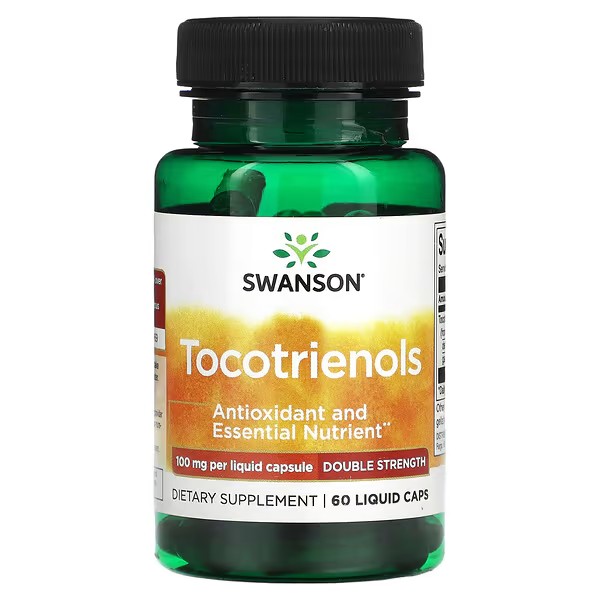
Vitamin E is not a single substance, but a collective term for a group of eight fat-soluble antioxidants. This family is divided into two main groups:
- Tocopherols and
- Tocotrienols.
Each group consists of four subforms: alpha (α), beta (β), gamma (γ), and delta (δ).
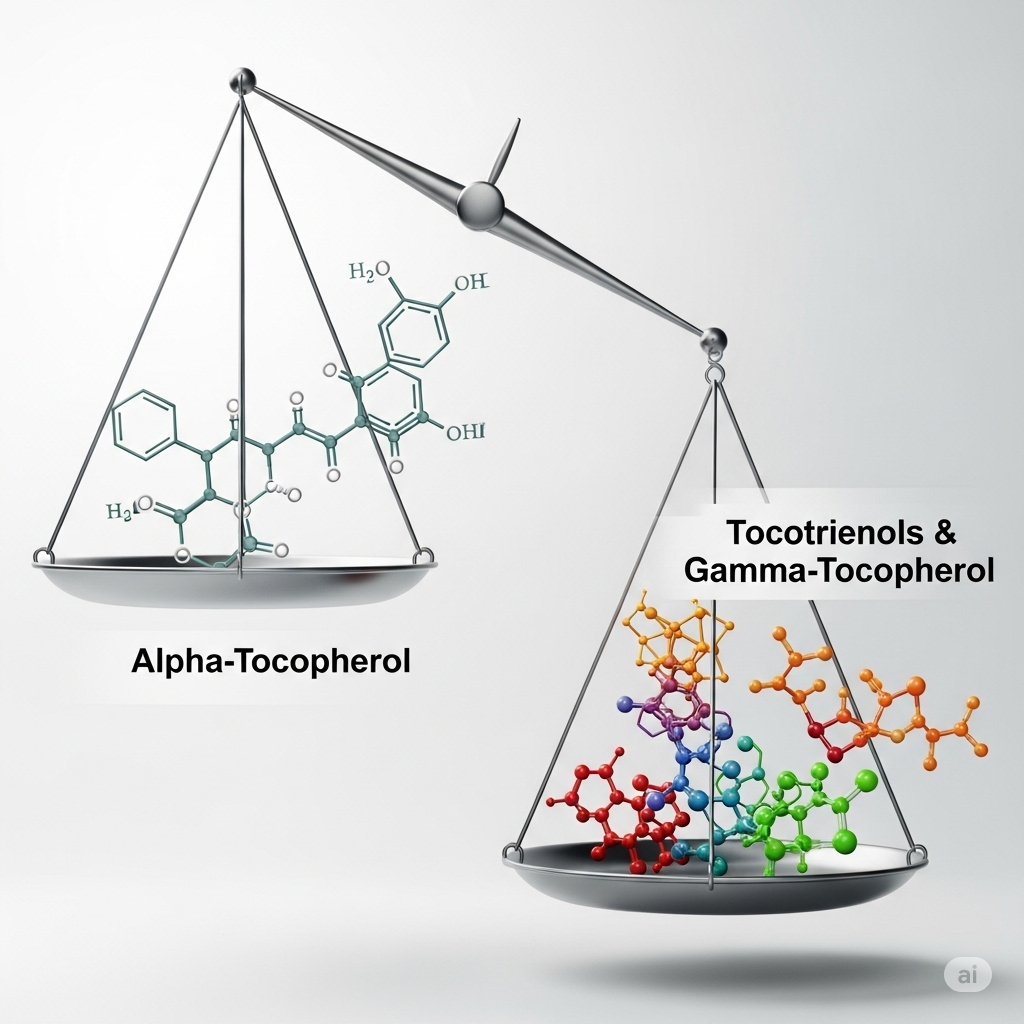
Alpha-tocopherol is the most well-known and widespread form in dietary supplements and in the Western diet. The liver contains a specific protein (alpha-tocopherol transfer protein) that primarily recognizes and distributes alpha-tocopherol, which is why this form has received the most attention for decades.
Newer research has, however, directed intense focus on the other forms, especially tocotrienols and gamma-tocopherol. These are found in smaller amounts in the diet, primarily in vegetable oils such as palm and rice bran oil. It turns out that these “forgotten” forms of vitamin E possess unique and often more potent properties in relation to cancer treatment than the well-known alpha-tocopherol.
History
Vitamin E was discovered in 1922 by researchers Herbert Evans and Katharine Bishop as an essential fat-soluble nutrient necessary for reproduction in rats. Its role as an antioxidant was established in the subsequent decades.
Throughout the 20th century, the focus was almost exclusively on alpha-tocopherol, partly because of its high biological activity in classic fertility studies, and partly because it is the form the body preferentially stores. Only in the last 15-20 years has science seriously opened its eyes to the fact that the other seven forms of vitamin E, and in particular tocotrienols, have characteristic and potentially much more interesting mechanisms of action when it comes to chronic diseases such as cancer.
Mechanisms of action

The effect of vitamin E in the body is complex and extends far beyond the simple antioxidant function. The different forms of the vitamin have unique biological effects that are crucial for their potential in a cancer context.
Antioxidant vs. pro-oxidant effect
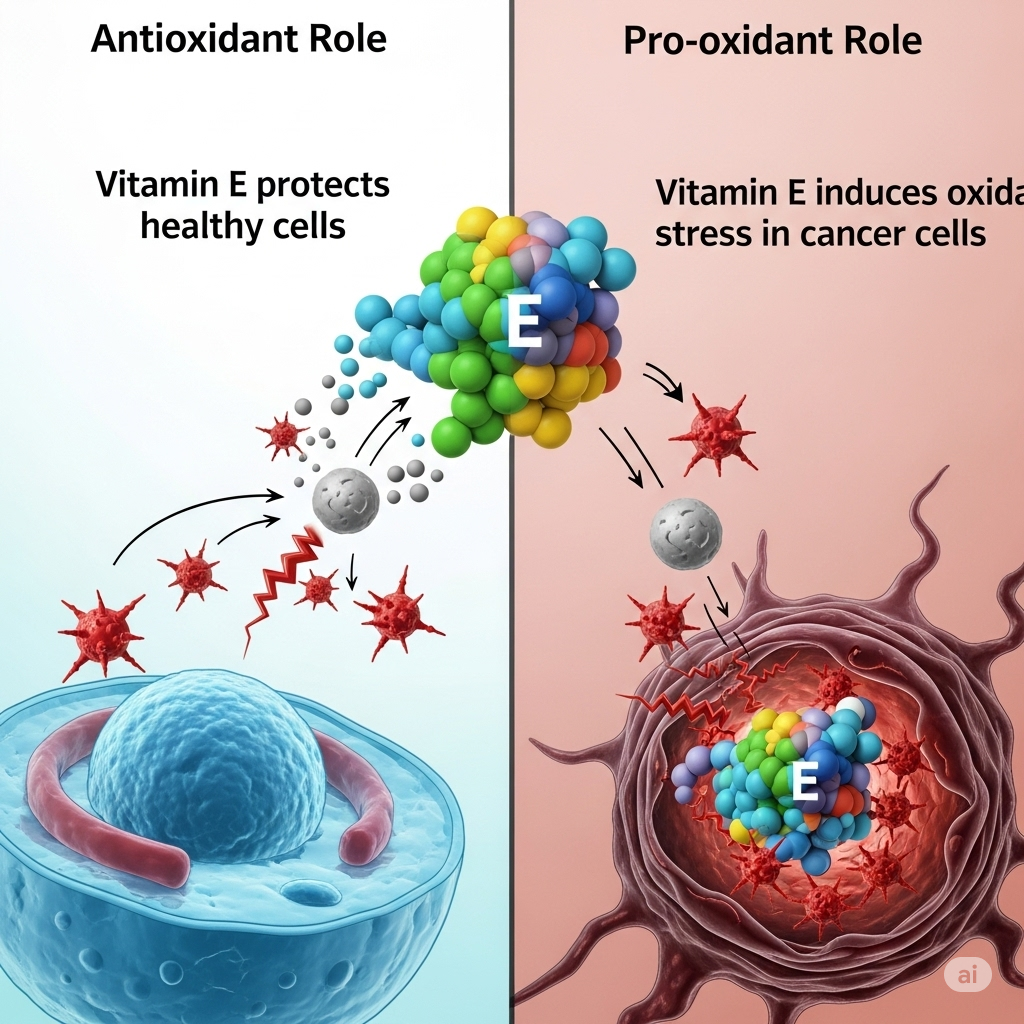
The most well-known function of vitamin E is to neutralize free radicals. Free radicals are unstable molecules formed as a byproduct of the body’s normal metabolism and when exposed to radiation or toxins. They can damage cell DNA, proteins, and membranes, which can lead to mutations and cancer development. By donating an electron, vitamin E stabilizes these radicals and protects cells, including immune cells, thus supporting the body’s general defense [5].
Interestingly, vitamin E can under certain conditions, especially at high concentrations and in the specific microenvironment of cancer cells, exhibit a pro-oxidant effect. This means that instead of neutralizing free radicals, it can help create them. This formation of reactive oxygen species (ROS) inside the cancer cell can overwhelm its defense systems and induce cell death (apoptosis), which is a desirable effect in cancer treatment. Tocotrienols appear to be more potent at triggering this pro-oxidant effect in cancer cells than tocopherols.
Inhibition of signaling pathways for cancer growth
Cancer cells are dependent on a network of internal signaling pathways that constantly tell them to grow, divide, and survive. Several forms of vitamin E, especially gamma-tocopherol and delta-tocotrienol, have been shown to interfere with and block these critical signaling pathways.
- NF-κB (Nuclear Factor-kappa B): This is a central “main switch” for inflammation and cell growth. Many cancers have a chronically activated NF-κB signaling pathway. Gamma-tocopherol and especially tocotrienols have been shown to effectively inhibit the activation of NF-κB, which can slow cancer cell growth and survival [1].
- STAT3 (Signal Transducer and Activator of Transcription 3): Another important signaling pathway involved in cell growth, survival, and metastasis formation. Delta-tocotrienol is a potent inhibitor of STAT3 activation in lung, breast, and prostate cancer cells.
- PI3K/Akt/mTOR: This signaling pathway regulates cell growth, metabolism, and survival and is often overactive in cancer. Tocotrienols can downregulate activity in this pathway, leading to reduced cancer cell growth.
Induction of apoptosis (programmed cell death)
One of the most fundamental characteristics of cancer cells is their ability to avoid apoptosis. They “forget” how to die. Tocotrienols have in several studies shown a remarkable ability to reactivate the cell’s suicide program. They do this by affecting several central proteins in the apoptosis process, including:
- Caspases: Activation of a series of enzymes (caspases) that function as the cell’s “executioners.”
- Bcl-2 family: Changing the balance between pro-death (e.g., Bax, Bak) and anti-death proteins (e.g., Bcl-2, Bcl-xL), so the balance tips toward cell death.
Anti-angiogenesis (inhibition of blood vessel supply)
A tumor cannot grow larger than 1-2 mm without its own blood supply that delivers oxygen and nutrients. The process of forming new blood vessels is called angiogenesis. Tocotrienols, and especially delta-tocotrienol, are potent anti-angiogenic substances.
They inhibit the production of growth factors such as VEGF (Vascular Endothelial Growth Factor), which is the primary signal tumors emit to attract new blood vessels. Without this supply, the tumor “starves.”
Inhibition of HMG-CoA reductase
This is a less known but important mechanism of action unique to tocotrienols. HMG-CoA reductase is the same enzyme that statins (cholesterol-lowering drugs) inhibit. This enzyme is not only crucial for cholesterol production but also for the production of other molecules vital for cancer cell growth and survival (e.g., geranylgeranyl pyrophosphate).
By inhibiting this enzyme, tocotrienols can disrupt cancer cell membrane structure and signaling, contributing to their cancer-inhibiting effect [2].
Potential in cancer
While early studies with vitamin E gave mixed and often disappointing results, newer research that differentiates between the eight forms has revealed significant potential, especially for tocotrienols and gamma-tocopherol.
Tocotrienols
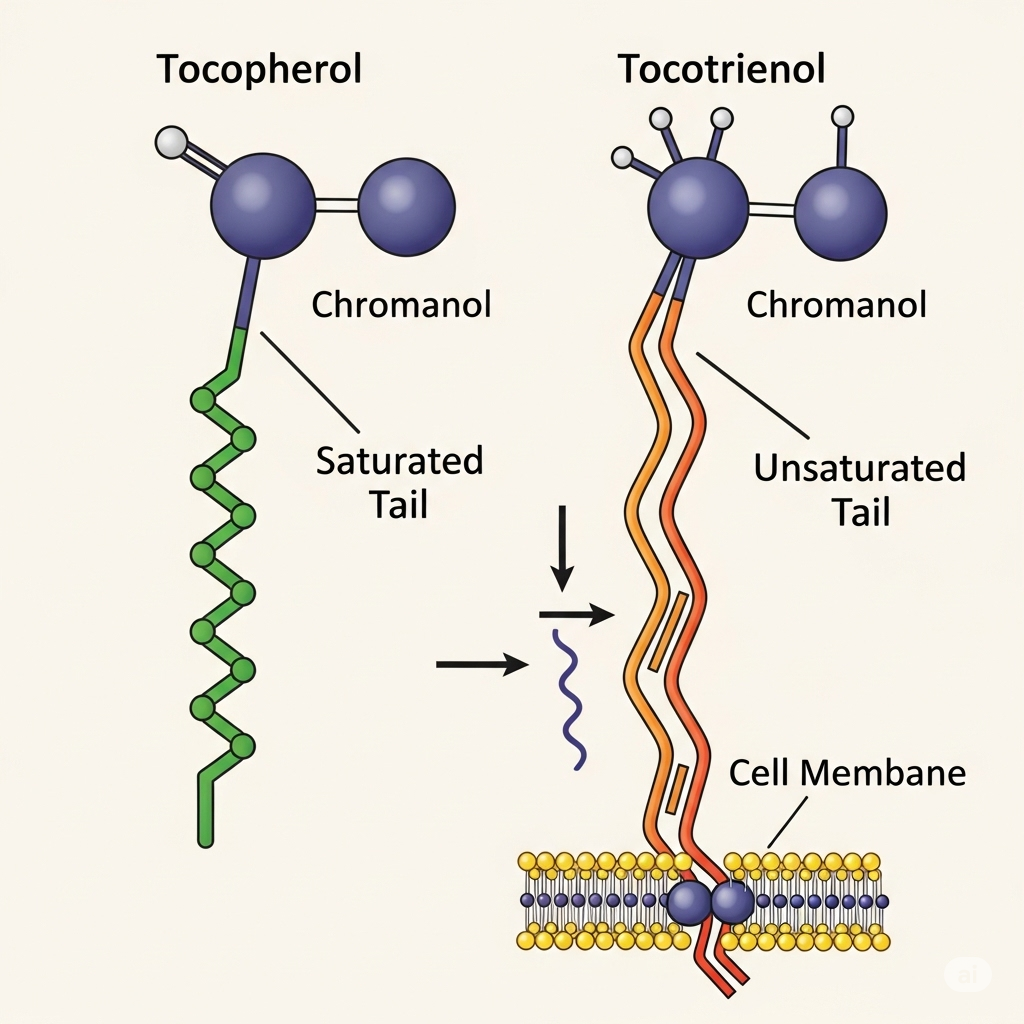
Research consistently points to tocotrienols being much more potent than tocopherols in a cancer context. Their unique chemical structure with an unsaturated side chain enables them to penetrate cell membranes more effectively and exert stronger biological effects, including by affecting sphingolipid metabolism (the process where the cell produces, breaks down, and converts a group of fats called sphingolipids), which is crucial for cell survival and death [2].
- Breast cancer: Tocotrienols, especially gamma- and delta-forms, as well as tocopherols such as alpha- and gamma-T, have been shown to be able to inhibit the growth of both estrogen-positive (ER+) and estrogen-negative (ER-) breast cancer cells. They can potentially enhance the effect of chemotherapy and even counteract the development of resistance to tamoxifen, although the precise effect of this combination still needs further investigation [4, 7].
- Prostate cancer: Studies show that gamma-tocotrienol can induce apoptosis in prostate cancer cells and inhibit their ability to spread.
- Pancreatic cancer: One of the most deadly cancer forms. Tocotrienols have shown potential to inhibit the growth of cancer cells in the pancreas and improve the effect of the chemotherapy drug gemcitabine.
- Lung, liver, skin, and colon cancer: Preclinical studies have shown promising results for tocotrienols’ ability to combat these cancers.
For colon cancer, gamma- and delta-tocotrienols in particular have been shown to be able to inhibit cell growth, promote apoptosis, and enhance the effect of chemotherapy [1].
Gamma-tocopherol
While alpha-tocopherol in high doses can be problematic, gamma-tocopherol shows other and more positive traits. Gamma-tocopherol has a unique ability to catch and neutralize reactive nitrogen species (RNS), which are another type of harmful molecules different from those that alpha-tocopherol primarily deals with.
In addition, gamma-tocopherol has been shown to have anti-inflammatory properties by inhibiting the enzyme COX-2, which is involved in many cancer processes.
Synergy with conventional treatment
One of the most promising areas is the use of vitamin E forms to improve the effect of standard treatments.
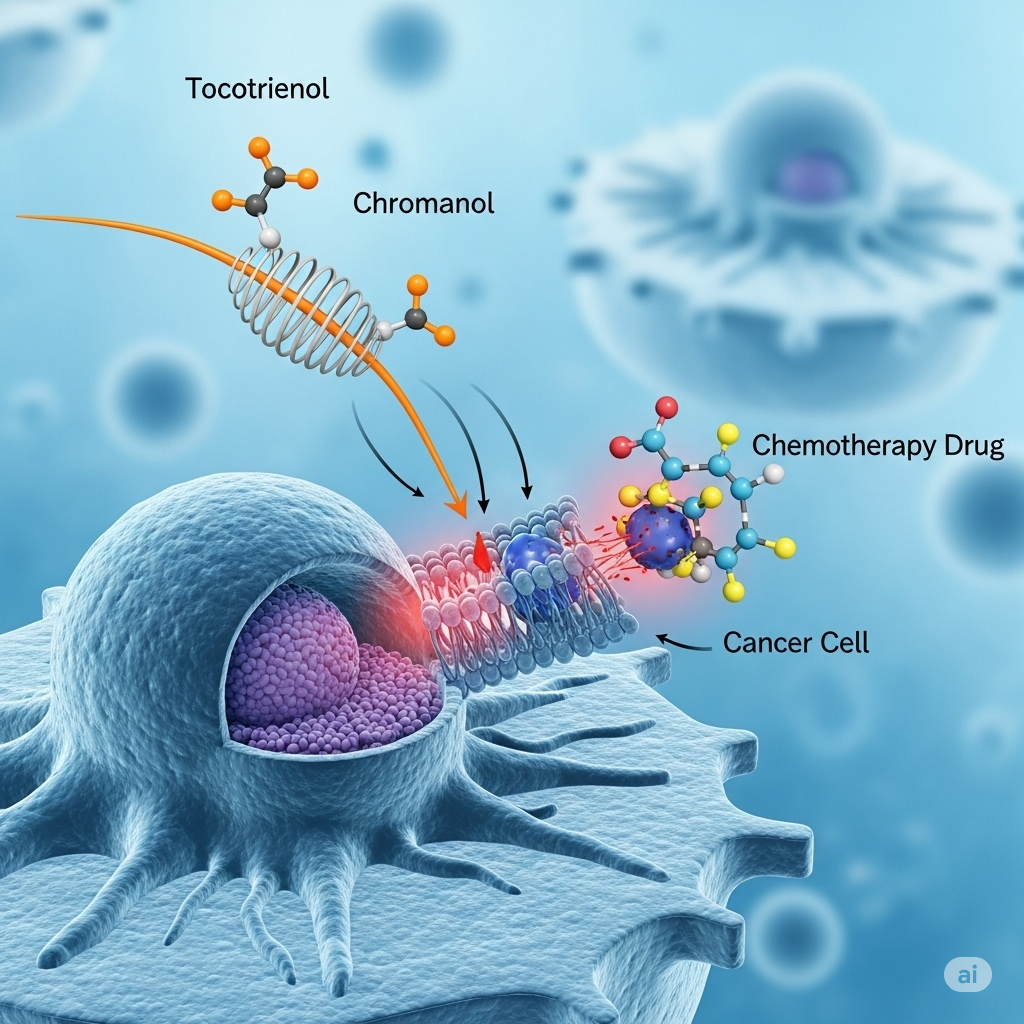
- Chemotherapy: Tocotrienols have been shown to be able to increase cancer cells’ sensitivity to chemotherapeutic agents such as paclitaxel, doxorubicin, and gemcitabine. This means that a lower dose of chemotherapy could potentially have a greater effect when combined with tocotrienols, which could reduce side effects [8].
- Targeted therapy and immunotherapy: Studies have shown that tocotrienols can work in synergy with targeted drugs such as Herceptin (trastuzumab) and Celebrex (celecoxib). Additionally, new research suggests that vitamin E forms, especially those other than alpha-tocopherol, can strengthen the body’s own immune response against cancer cells, which opens up potential as a supplement to immunotherapy [3].
Benefits of vitamin E
In addition to the direct cancer-inhibiting mechanisms, a supplement with the right forms of vitamin E can have a number of other benefits during a cancer course.
Protection of healthy cells
While tocotrienols can exhibit a pro-oxidant effect in cancer cells, they appear to retain their protective antioxidant effect in healthy cells. This can potentially help reduce some of the damage that chemo- and radiation therapy inflict on healthy tissue.
For example, tocotrienols have been studied for their ability to protect against radiation damage to the skin and in the gastrointestinal tract.
Nerve protection
Certain forms of chemotherapy can cause nerve damage (neuropathy), which gives symptoms such as numbness, tingling, and pain in hands and feet. Alpha-tocopherol has in clinical studies shown some ability to prevent or reduce chemo-induced neuropathy, presumably due to its antioxidant effect in nerve tissue.
Cardiovascular protection
Tocotrienols have well-documented positive effects on the cardiovascular system. They can lower harmful LDL cholesterol, reduce inflammation in blood vessels, and prevent blood clots. This can be particularly relevant, as certain cancer treatments, such as anthracyclines, can be harmful to the heart.
Disadvantages and limitations
It is crucial to understand that vitamin E is not a miracle cure, and its use as a supplement is not without pitfalls. The difference between the different forms is particularly important.
The problem with alpha-tocopherol
By far most vitamin E supplements on the market consist solely of alpha-tocopherol, often in synthetic form (dl-alpha-tocopherol). Large clinical studies, such as the SELECT study, have shown that high doses of alpha-tocopherol from dietary supplements (400 IU/day) not only were ineffective in preventing prostate cancer but actually increased the risk in non-smokers.
One possible explanation is that high doses of alpha-tocopherol displace the other important forms, such as gamma- and delta-tocopherol, from the body. Therefore, the recommendation is to get vitamin E from the diet (nuts, rapeseed oil, etc.) and avoid high-dose supplements with alpha-tocopherol alone [6].
Interaction with chemo- and radiation therapy
This is the most controversial point. Radiation therapy and many types of chemotherapy work precisely by creating massive oxidative stress (free radicals) in cancer cells to kill them. There is a theoretical and well-founded concern that intake of high doses of antioxidants, including vitamin E, can counteract this effect and protect cancer cells from the treatment.
Although some studies point to tocotrienols being able to enhance the effect of chemotherapy, the general recommendation from oncologists is often to avoid high-dose antioxidant supplements during active chemo- and radiation therapy. Decisions about this should therefore always be made in close consultation with a healthcare provider who has insight into the area.
Blood-thinning effect
Vitamin E, especially in doses over 400 IU daily, can have a blood-thinning effect. This can increase the risk of bleeding, especially if one is also taking blood-thinning medication such as warfarin or aspirin. This should be particularly kept in mind in connection with surgeries.
Clinical studies
Although there are thousands of preclinical studies (in vitro and in vivo) showing vitamin E’s potential, the number of well-conducted clinical studies on humans, especially with tocotrienols, is still limited.
A phase II study examined the combination of delta-tocotrienol and the chemotherapy drug bevacizumab in patients with ovarian cancer who had relapsed. The study showed promising results with improved progression-free survival compared to what could be expected with bevacizumab alone [9].
Another pilot study on women with newly diagnosed breast cancer showed that tocotrienol supplements given in the weeks leading up to surgery could reduce cancer cells’ ability to divide (proliferation) and increase apoptosis in tumor tissue.
However, there is a need for many more and larger randomized, controlled studies to determine the precise role, dosage, and timing for tocotrienols and other vitamin E forms as complementary cancer treatment. Much of the current knowledge is still based on laboratory and animal studies.
Safety

Vitamin E is generally safe to ingest through the diet. As a dietary supplement, doses of mixed tocopherols and tocotrienols up to about 400-600 mg daily are generally considered safe for most people.
High doses of exclusively alpha-tocopherol (over 400 IU or about 268 mg) are discouraged due to the results seen in large clinical trials, including an increased risk of bleeding and a possible increased risk of prostate cancer and general mortality in people with chronic diseases.
One should always choose a supplement that contains a mixture of tocopherols and tocotrienols (often labeled “Full Spectrum Vitamin E” or “Tocotrienol Complex”) to ensure a more natural balance between the different forms.
Dispensing and use
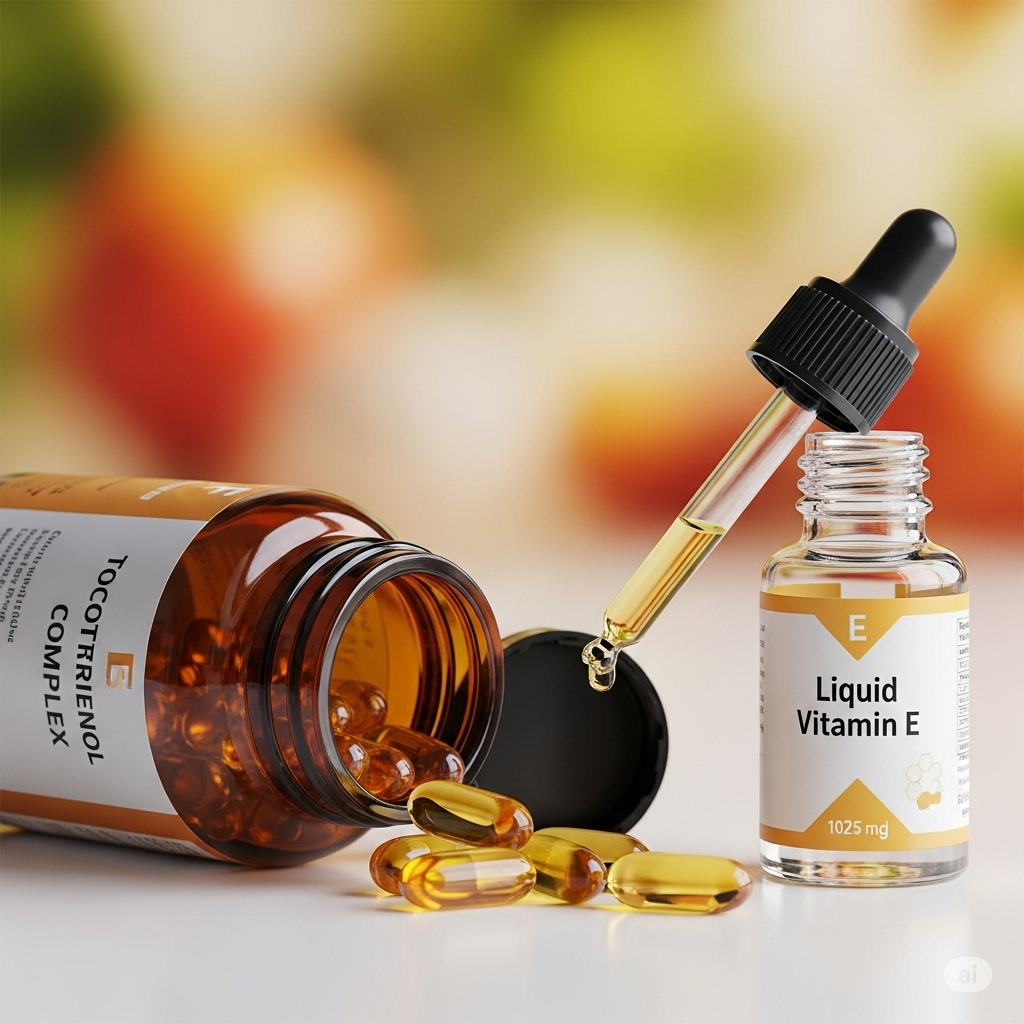
To make the right choice of vitamin E supplement, it is crucial to understand what to look for on the label. The most common indication “IU” (International Units) is misleading, as it only reflects the amount of alpha-tocopherol. Always look instead at the content in milligrams (mg) and the distribution of the different forms.
Choose the right supplement
- For general antioxidant support: Choose a supplement with a mixture of tocopherols (typically 100-400 mg daily), where gamma-tocopherol makes up a significant portion. This ensures a broader and more balanced effect than alpha-tocopherol alone.
- For a more targeted, cancer-related potential: A supplement with a high content of tocotrienols is preferable. Doses used in clinical studies often lie between 200-600 mg tocotrienols per day. Choose products extracted from sources such as annatto, palm, or rice bran to get the highest concentration. Anatto-based tocotrienols are particularly interesting as they consist almost exclusively of the potent delta- and gamma-tocotrienols.
Forms of intake and use
Vitamin E is fat-soluble, and its supplement forms reflect this. It is not found as dried herbs or tea. The most common forms are:
- Softgel capsules: The most widespread form. The capsules contain vitamin E dissolved in oil, which ensures good absorption. They are easy to dose and swallow for most.
- Liquid form (drops/oil): A good alternative for people who have difficulty swallowing pills. The oil can be dosed precisely with a pipette and can be mixed in food such as smoothies, salad dressings, or yogurt to make intake easier.
- Powder: A less common form where the oil is converted to a powder that can be dissolved in liquid. This form is often made possible to suspend in water to improve absorption.
- Creams and oils for topical use: Vitamin E is a popular ingredient in skin care products. Although it can have a local, protective effect on the skin, this form is not relevant for the systemic effect sought in a cancer context.
Precautions:
- Intake with fat: Regardless of which form you choose for internal use, vitamin E should always be taken with a meal containing fat (e.g., avocado, nuts, olive oil) to ensure optimal absorption in the intestines.
Consultation: Never start on high-dose vitamin E supplements without discussing it with a qualified healthcare provider. This is especially important if you are in active cancer treatment, taking blood-thinning medication (e.g., warfarin), or are going to have surgery, as vitamin E can have a blood-thinning effect.
Conclusion
The story of vitamin E and cancer is a complex but fascinating example of how science evolves. The initial enthusiasm, followed by disappointment over the results from studies with high-dose alpha-tocopherol, has now given way to a more nuanced and promising understanding.
The focus has shifted to the complete vitamin E family, where especially tocotrienols and gamma-tocopherol emerge as the most potent and interesting agents.
With their ability to induce cell death in cancer cells, inhibit growth signals, counteract inflammation, and cut off the tumor’s blood supply, these forms of vitamin E represent significant potential as a complementary tool in an integrated approach to cancer.
However, the research is still in a relatively early stage, and self-medication with high doses can be associated with risks, especially during conventional treatment.
The future lies in choosing the right forms in the right doses and in continuing clinical research to uncover how to best utilize the full potential of the vitamin E family.
Back to Supplements
Also see Dietary supplements and Chemotherapy – interactions
Links
[1] Insights into the Anticancer Mechanisms Modulated by Gamma and Delta Tocotrienols in Colorectal Cancers (PubMed, 2025)
- Content: Vitamin E (gamma/delta-tocotrienols) inhibits colon cancer cell growth, promotes apoptosis, slows spread, and enhances chemotherapy. Potentially natural cancer agent via impact on immune defense and telomerase.
[2] The Role of Vitamin E Isoforms and Metabolites in Cancer Prevention: Mechanistic Insights into Sphingolipid Metabolism Modulation (PubMed, 2024)
- Content: Vitamin E (non-α-tocopherols such as gamma/delta-tocotrienols) has stronger cancer-inhibiting effects than α-tocopherol – possibly via impact on sphingolipid metabolism and formation of metabolites (e.g., 13′-carboxychromanol). New research focuses on these mechanisms for cancer prevention/treatment.
[3] Delineating the Immunotherapeutic Potential of Vitamin E and Its Analogues in Cancer: A Comprehensive Narrative Review (PubMed, 2024)
- Content: Vitamin E (tocopherols/tocotrienols) can boost the immune response against cancer by affecting the “cancer-immunity cycle.” In contrast to the traditional focus on α-tocopherol, other isoforms (e.g., γ-tocotrienol) and synthetic analogs show stronger immunomodulatory and cancer-inhibiting effects – potentially as a supplement to immunotherapy.
[4] Exploring the potential of tocopherols: mechanisms of action and perspectives in the prevention and treatment of breast cancer (PubMed, 2024)
- Content: Tocopherols (especially α- and γ-T) inhibit breast cancer via antiproliferative, apoptotic, and antioxidant effects. They can enhance the effect of chemotherapy against tumor cells without harming healthy cells. However, precise dose adjustment is required, as high doses may potentially promote cancer. Nanomicelles with D-α-tocopherol show promising potential for targeted drug delivery.
[5] Preventing free radical damage: The significance of including antioxidants in diet to strengthen immunity (PubMed, 2024)
- Content: Harmful free radicals (ROS) are formed by oxygen deprivation, high metabolism, infections, or environmental factors and damage cells (especially immune cells) via DNA, protein, and lipid degradation. Antioxidants such as vitamins C/E, selenium, and enzyme cofactors neutralize ROS, reduce oxidative stress, and support the immune defense against microbes/cancer.
[6] Different Roles of Tocopherols and Tocotrienols in Chemoprevention and Treatment of Prostate Cancer (PubMed, 2024)
- Content: Vitamin E comes in several forms. The most well-known (α-tocopherol, e.g., in sunflower oil) in small amounts may help smokers, but high doses (from pills) increase the risk of early cancer in non-smokers. Other forms such as gamma- and delta-vitamin E (in nuts, rapeseed oil) show potential in animal studies to slow cancer growth. Researchers are now investigating these, but for now, it is best to get vitamin E through food – and avoid high-dose supplements.
[7] An Update on Tamoxifen and the Chemo-Preventive Potential of Vitamin E in Breast Cancer Management (PubMed, 2023)
- Content: Tamoxifen is used against estrogen-sensitive breast cancer. Vitamin E may prevent cancer, but its effect with tamoxifen is unclear. Personal dietary supplements (with vitamin E) may help, but more research is needed. The combination of tamoxifen and vitamin E needs further investigation.
[8] Revisiting the therapeutic potential of tocotrienol (PubMed, 2022)
- Content: This review highlights that tocotrienols have been shown to be able to promote chemo-sensitivity in cancer cells. This means they can increase tumors’ sensitivity to chemotherapy, while potentially reducing toxicity (toxicity) in healthy cells.
[9] Delta tocotrienol in recurrent ovarian cancer. A phase II trial (PubMed, 2019)
- Content: The study concluded that the combination of bevacizumab and delta-tocotrienol is effective in chemo-resistant ovarian cancer and resulted in a median progression-free survival (PFS) of 6.9 months and a median survival (OS) of 10.9 months, which was significantly higher than expected.
[10] Vitaminer og kræft (Kræftens Bekæmpelse, 2022)
- Content: General information about vitamins and cancer. (Danish Language)
[11] Kost og lungekræft (Ugeskrift for Læger, 2005)
- Content: General information about diet and lung cancer. (Danish Language)
[12] E-vitamin er den vigtigste antioxidant, men pas på med kosttilskud (Videnskab.dk, 2018)
- Content: General information about vitamin E being the most important antioxidant, but be careful with dietary supplements. (Danish Language)
[13] The role of vitamin E in the prevention of cancer: a meta-analysis of randomized controlled trials (PubMed, 2007)
- Content: General information about the role of vitamin E in the prevention of cancer.
[14] Antioxidant kan forværre brystkræft (Dagens Medicin, 2011)
- Content: General information about antioxidants potentially worsening breast cancer. (Danish Language)
[15] E-vitamin – beskytter dine celler (iForm, 2023)
- Content: General information about vitamin E protecting your cells. (Danish Language)
Page created: August 14, 2025
❤
What you read on “Jeg har Kræft” is not a recommendation. Seek competent guidance.
