


Treatments
Complementary and Alternative Treatments
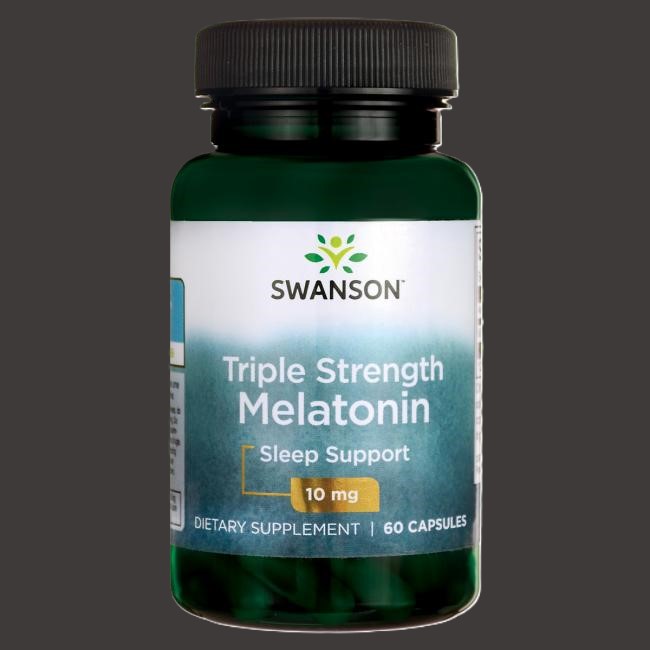
Melatonin and cancer
Summary of melatonin and cancer
Melatonin’s anticancer potential:
- Melatonin is widely investigated for its ability in high doses (typically 60–200 mg daily) to inhibit cancer cell growth and strengthen the body’s immune system. It is a significant area for “repurposed drugs.” Furthermore, studies indicate a connection with improved survival [11] and fewer side effects when taken alongside conventional treatment.
Important safety nuance:
- Although melatonin is generally considered safe, recent statistics from patient records have suggested a statistical correlation between long-term use (one year or more) and an increased risk of heart failure. However, it must be emphasized that this finding is preliminary and stands in complete contrast to previous research [1], which conversely points toward a protective effect.
Recommendation:
- Cancer patients using high doses of melatonin should discuss its use with their practitioner to ensure an assessment of benefits versus potential cardiac risk, especially since many conventional treatments (chemotherapy, radiation therapy, etc.) can also affect the heart.
What is melatonin
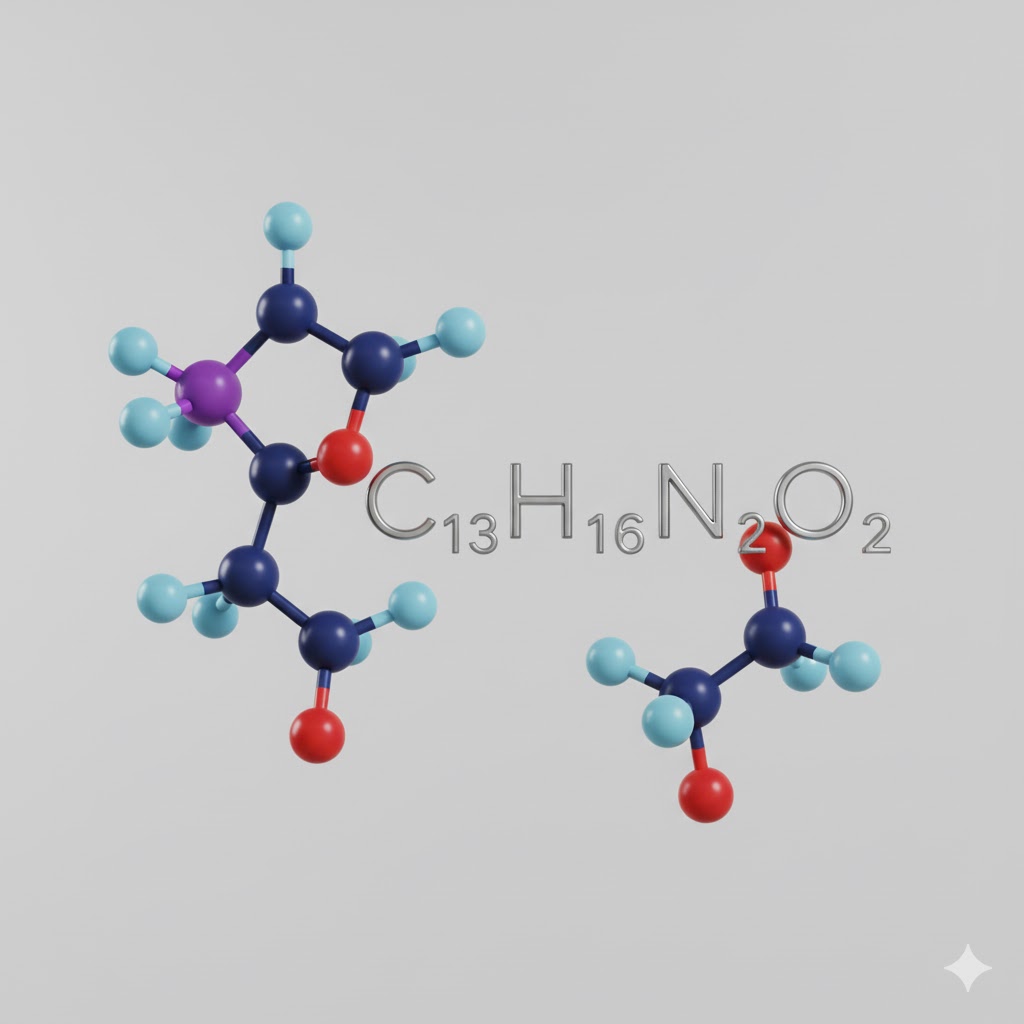
Melatonin is a hormone produced naturally in the body, primarily by the pineal gland. It is essential for the regulation of the body’s circadian rhythm (sleep-wake cycle). Melatonin is also a substance undergoing intensive investigation as a potential repurposed drug for the treatment of cancer [23].
Several studies have shown a link between low melatonin levels and an increased risk of cancer [12]. Statistical studies have, for example, found that men with prostate cancer and patients with breast cancer have had lower melatonin levels than healthy individuals [13, 23].
Effect against cancer
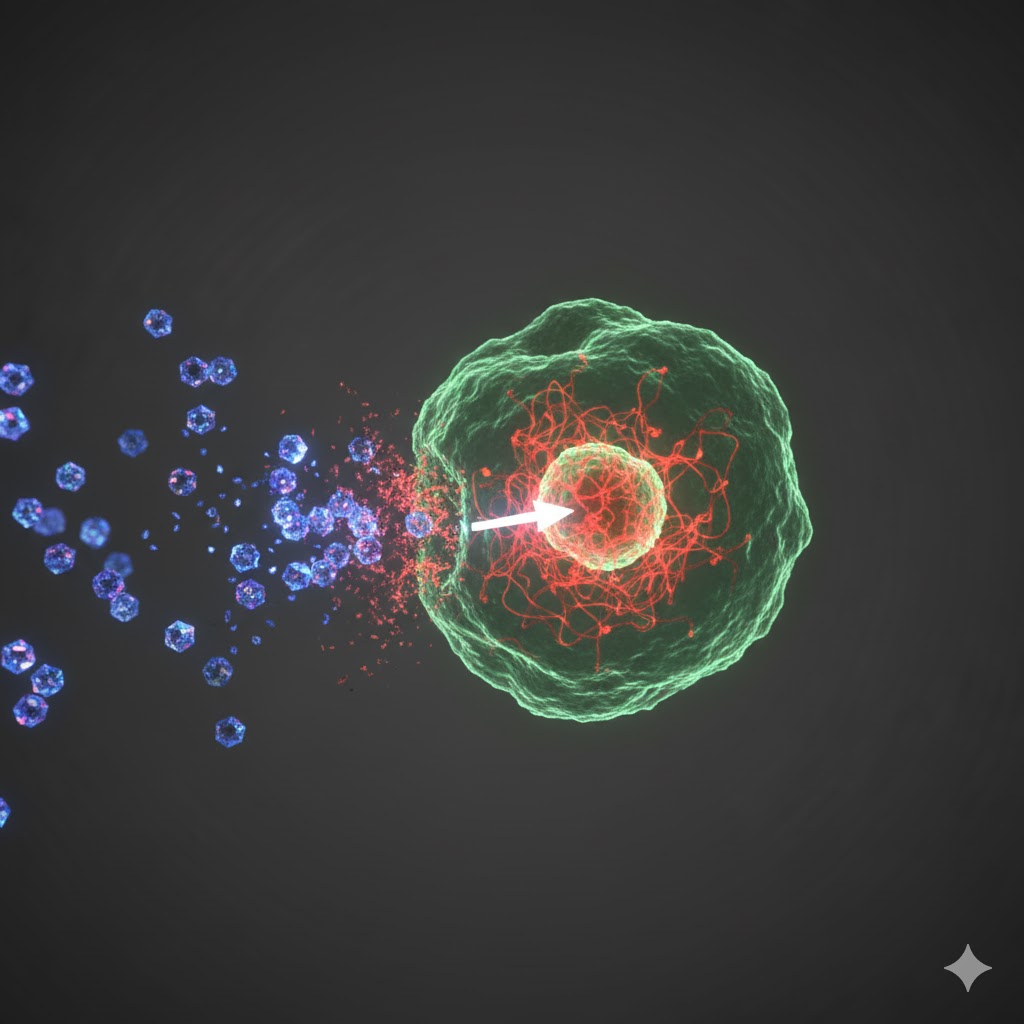
Although melatonin is primarily known for regulating sleep patterns, in high doses it has been shown to have a range of anti-cancer effects that work through complex cellular signaling pathways in cancer cells:
Selvom melatonin primært er kendt for at regulere søvnmønstre, har det i høje doser vist sig at have en række anti-kræfteffekter, der virker via komplekse cellulære signalveje (pathways) i kræftcellerne:
Inhibition of tumor growth and spread:
- Melatonin can slow the growth of cancer cells by interfering with their ability to divide and multiply [6, 25, 27]. It can inhibit cell division and promote cell death by affecting the cells’ energy production.
- Research suggests that melatonin can reduce abnormal energy metabolism (the Warburg effect) in cancer cells by restoring mitochondrial function [2, 29].
Induction of cell death:
- Melatonin can induce cell death in cancer cells through a process called apoptosis (programmed cell death) [6].
- In aggressive cancers such as castration-resistant prostate cancer, a targeted form of melatonin has also been investigated to induce a more potent form of cell death called pyroptosis [4, 21].
Interaction with hormones and increased sensitivity:
- Melatonin can interact with hormones and the receptors involved in the development of certain cancers, primarily to inhibit the growth of cancer cells and increase their sensitivity to treatment.
- This occurs, among other ways, by modulating estrogen receptor expression in breast cancer cells, which inhibits growth [26].
- It has also been shown to improve the effect of drugs like flutamide in the treatment of prostate cancer by increasing the sensitivity of the cancer cells [3].
Strengthening the immune system:
- Melatonin can affect the immune system in several ways, which can strengthen the body’s own ability to fight cancer cells [10, 30]. Melatonin can help the immune system recognize and kill cancer cells by blocking the proteins cancer cells use to prevent their own cell death [6].
Antioxidant effect:
- Melatonin is a potent antioxidant that can protect cells against damage caused by free radicals. Since cancer cells produce large amounts of free radicals, melatonin can therefore help slow their growth [12].
Improving sleep:
- Melatonin plays an important role in regulating sleep patterns. Low melatonin levels can lead to insomnia and other sleep disorders, which can exacerbate cancer patients’ fatigue and decrease their immune system and quality of life.
Common features for cancer types
Based on these anti-cancer effects, melatonin has been investigated as a potential treatment for a variety of different cancers, including breast cancer, lung cancer, and melanoma [24, 28].
It is reasonable to assume that when melatonin acts as a cancer inhibitor on several types of cancer, it is predominantly likely to do so on many, as the fundamental cellular pathways are often the same [10, 29].
Dosage and application
For the purpose of achieving anticancer effects, doses of 60–200 mg daily are common, which is far above the dose used as a sleep aid [7, 16].
Sleep medication (low dose):
- When taking melatonin as a sleep aid, the dose is typically 1–3 mg. Long-term use is discouraged here, as the body may reduce its own production of the hormone through adaptation.
Repurposed drug (high dose):
- When taking melatonin against cancer, the goal is to maintain high-dose levels for the rest of one’s life. In this context, it is absolutely advisable to involve one’s practitioner.
- Intake: Some take the full dose at night. Others divide it, taking 2/3 at night and 1/3 if/when they wake up during the night to ensure stable sleep. Others distribute it evenly throughout the day.
- Fatigue: One rarely becomes excessively tired in the morning, as melatonin is quickly broken down when the body is exposed to daylight.
When moving into doses of 90 mg, we are speaking far beyond the physiological substitution dose, and the purpose often shifts from sleep regulation to antioxidative or oncological support.
Considerations for the two strategies
Single dose (the peak strategy)
The argument for taking all 90 mg at once primarily rests on overcoming low absorption in the body (often as low as 3–33%) and preventing the liver from breaking everything down immediately.
Liver saturation (enzyme saturation):
- By taking one very high dose at once, one can “overfill” the enzymes in the liver that normally break down melatonin.
- This means a significantly larger portion of the melatonin reaches the body than if the dose were divided into smaller pieces, creating the powerful “peak” that many researchers believe is crucial for the cancer-inhibiting effect [33].
Tissue distribution:
- Melatonin is both water- and fat-soluble. A high peak may be necessary to push the substance through the blood-brain barrier or into specific cellular compartments in sufficient concentration [33].
Divided dose (the exposure strategy)
Since the half-life t½ is approximately 30–50 minutes, the concentration of melatonin will have dropped drastically after just 3 hours with a single dose.
- Steady-state-like condition: By dividing the dose (e.g., at bedtime and 3 hours later), a therapeutic window is maintained over a larger part of the night. This more closely mimics a “prolonged release” profile.
- Antioxidative coverage: If the goal is to fight oxidative stress throughout the night, the divided dose is theoretically superior as it avoids deep troughs in the concentration curve.
Comparison of strategies
| Parameter | Single dose (90 mg) | Divided dose (45 + 45 mg) |
| Cmax(Peak) | Very high | Moderate |
| AUC (Exposure over time) | High, but short-lived | More even over 6–8 hours |
| Bioavailability | Optimized due to enzyme saturation | Risk of higher clearance per dose |
| Practical application | Easiest, undisturbed sleep | Requires waking up or depot formulation |
Summary
Experience from clinical trials (e.g., non-randomized Phase I or Phase II studies in oncology) often shows that the entire dose is given 30–60 minutes before bedtime to ensure compliance and utilize the peak effect. In Denmark, melatonin is a prescription drug and is classified as a medicine regardless of its formulation.
Experience from clinical trials
In clinical trials with high-dose melatonin (e.g., phase 1 or phase 2 studies in oncology), the entire dose is often given 30-60 minutes before bedtime to ensure compliance and utilize the peak effect, as the short half-life makes it difficult to maintain levels without an intravenous infusion.
The active substance melatonin is a prescription drug in Denmark and is classified as a medicine, regardless of the formulation in which it is sold. In many other countries, it can be purchased as a dietary supplement. See also Import of medicine from abroad
See also Import of medicine to Denmark from other countries (Danish law)
Melatonin and conventional treatment
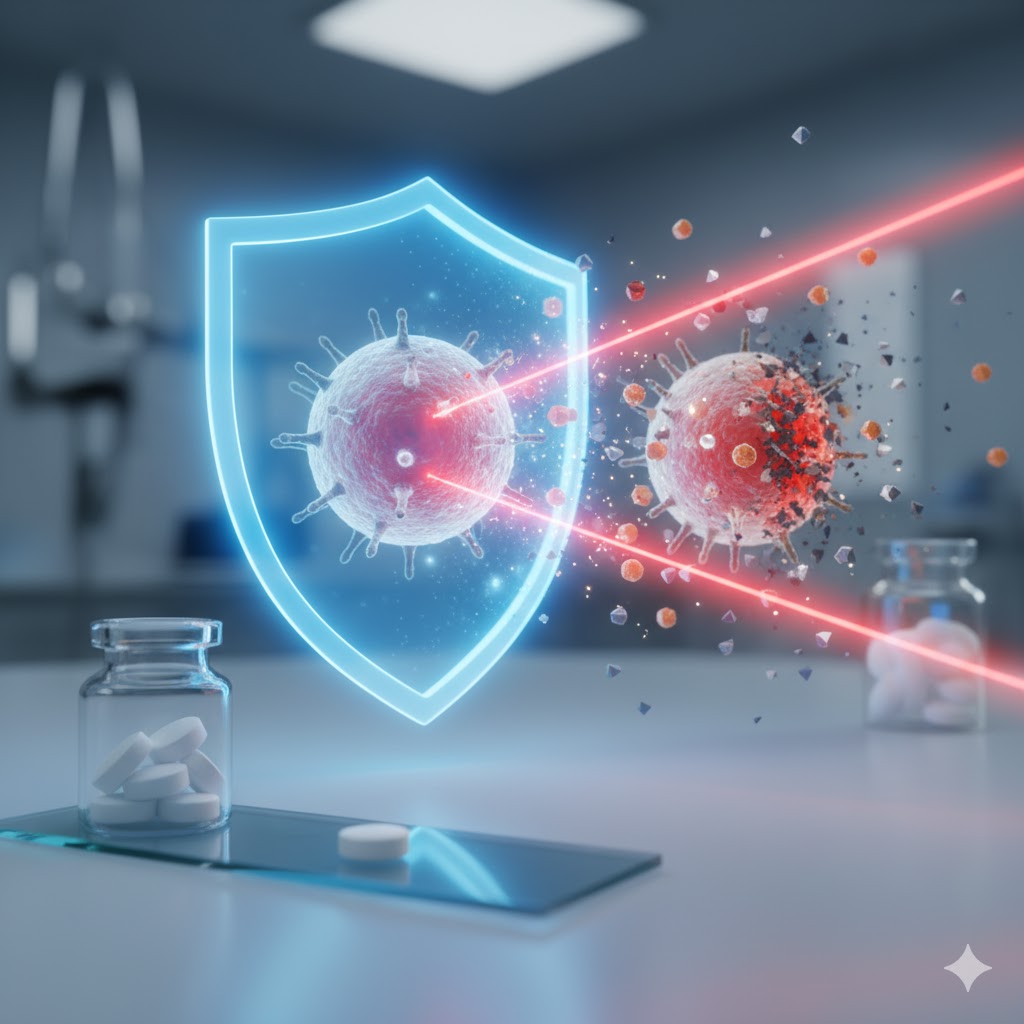
Melatonin can help reduce some side effects of and increase the effectiveness of conventional cancer treatment [12].
- Improved effect and survival: Melatonin can function as a radio-sensitizer, meaning it can increase cancer cells’ sensitivity to radiation therapy [8] while protecting normal cells [15].
Several studies have shown that melatonin can improve survival in patients with solid tumors [11, 19, 22].
- Reduction of side effects: Melatonin can protect normal cells against side effects from chemotherapy (e.g., non-randomized data on cisplatin-induced liver toxicity [13]) and can generally reduce a broad spectrum of side effects [12, 18, 22]. It has been shown to reduce acute skin reactions (dermatitis) after radiation for breast cancer in a randomized trial [9].
- Reduction of fatigue: Melatonin has also been investigated for its ability to reduce cancer-related fatigue during chemotherapy [11].
Melatonin vs. Circadin
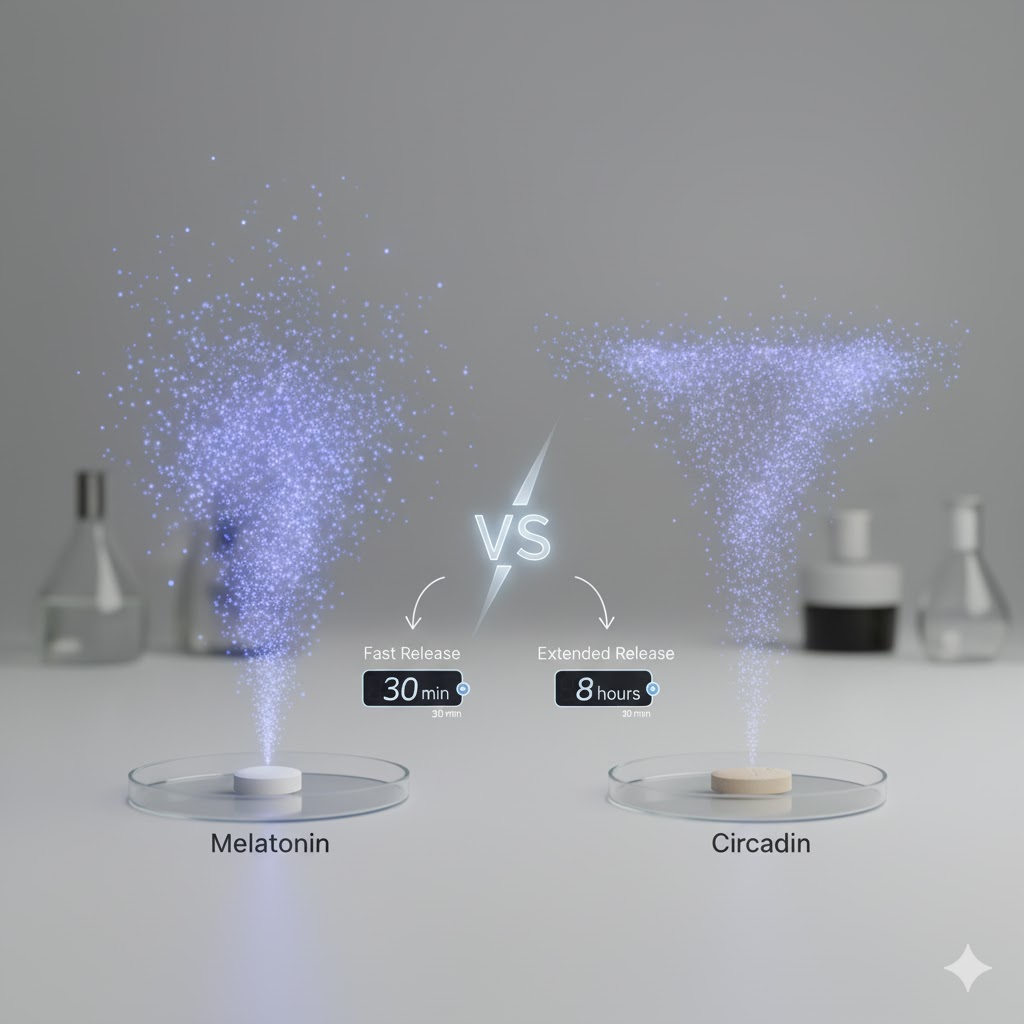
Occasionally, there is uncertainty as to whether Circadin can be used in connection with a cancer approach—and whether it is the same as Melatonin. Melatonin and Circadin are not quite the same, even though they both contain the active substance melatonin. Their primary difference lies in the technical design that controls the release rate in the body:
- Melatonin (immediate release): This formulation is found in various forms and is released quickly in the body. It is this form that is used most often in high doses (60–200 mg) as a repurposed drug.
- Circadin (depot formulation): This is a registered and approved medicinal product containing 2 mg of melatonin. It is released slowly over time. This is a very low dose, which is far from the dose of 60–200 mg relevant as a repurposed drug for cancer patients [12].
Cardiovascular safety

While melatonin’s cardio-protective effects have been well-documented for years [1, 5], questions have recently been raised regarding long-term use.
The protective findings
In many studies, melatonin has been shown to have a beneficial effect on the heart by acting as an antioxidant and anti-inflammatory agent and by preventing hypertrophy (enlargement of the heart muscle) [1, 5]. Basic research (laboratory and cell experiments) thus suggests that melatonin should protect the heart.
The new observational data
A report from the American Heart Association Scientific Sessions 2025 [14] reviewed data for adults with chronic insomnia where melatonin was used as a sleep aid (1–3 mg). They found a statistical correlation between long-term use (one year or more) of melatonin supplements and an increased risk of heart failure and mortality [14].
Important nuance
This is an observational finding, which does not prove a cause-and-effect relationship (causality) [14].
The researchers themselves emphasize that the study has significant limitations and that the statistical correlation may be due to participants having underlying sleep problems, depression, or other disorders.
These are factors that are all—also individually—known to increase heart risk. One could then consider whether the increased mortality is solely due to the sleep problems and has nothing to do with the melatonin…
Regardless, this contradiction in research emphasizes that those who use melatonin in high doses for a long time should have regular check-ups of their heart, as the new uncertainty should not be trivialized, even though the study only indicates a correlation.
Conclusion
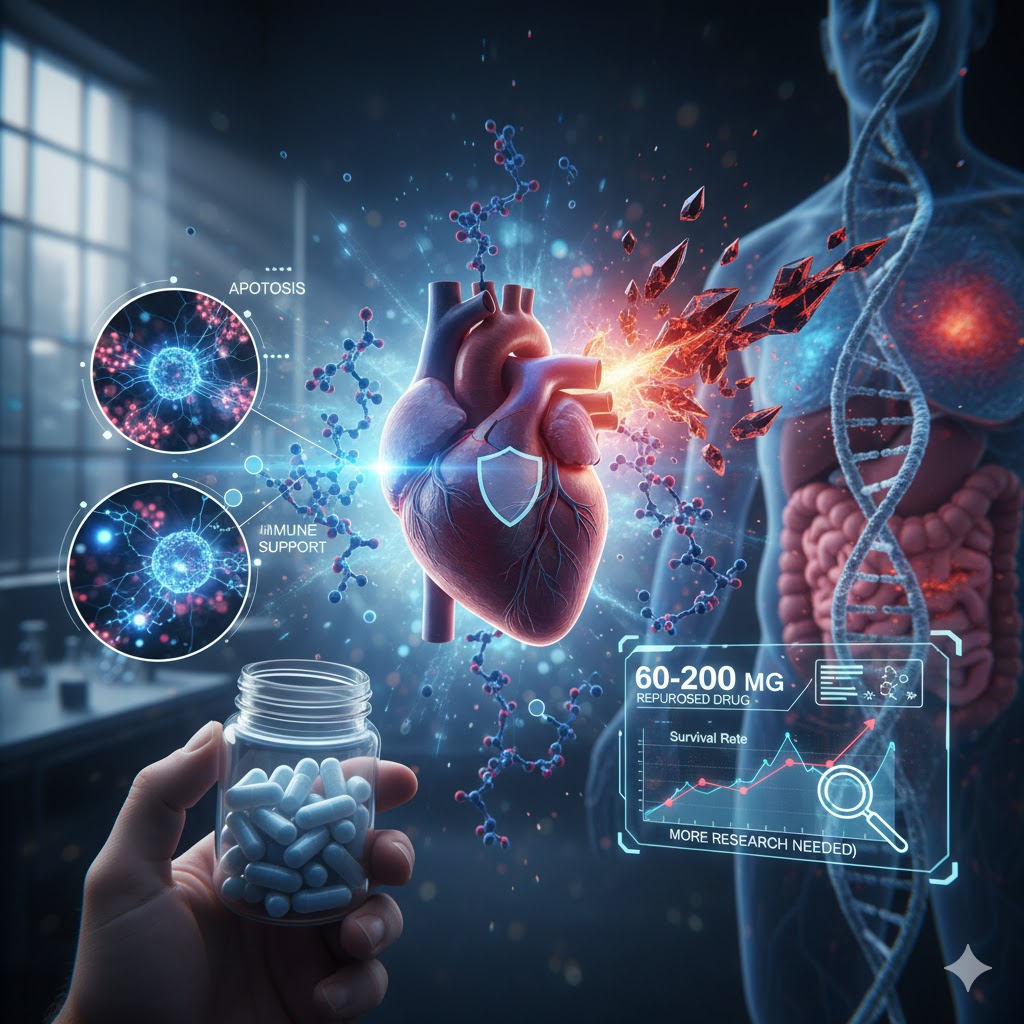
Melatonin has shown significant potential as a promising adjuvant treatment for cancer, supported by its ability to affect central cellular pathways, improve the effect of conventional treatment, and increase quality of life. Despite its good safety profile, the latest observational research raises a question about a potential cardiovascular risk with long-term use [14].
Whether there is a real correlation, I do not dare deny. But I personally use melatonin (along with other repurposed drugs—prescribed by a doctor) as a means against cancer.
One should therefore speak with their practitioner before considering the use of melatonin as part of their cancer treatment, so that the documented benefits in cancer treatment can be weighed against the potential, but still unconfirmed, long-term effect on heart health—which must, however, be held up against countless previous results that have shown that melatonin’s anti-inflammatory effect was protective for the heart.
Important
Furthermore, be aware that certain medications can interact. You can check for interactions in the Interaction Database [20].
See also Sleep
See also Repurposed Drugs
See also No medicine – Plan B
Links
[1] Evidence for the Benefits of Melatonin in Cardiovascular Disease (PubMed, 2022)
- Content: A review article arguing for melatonin’s cardio-protective effect. This is a non-randomized systematic review.
[2] Function of intramitochondrial melatonin and its association with Warburg metabolism (PubMed, 2025)
- Relevance: Melatonin can reduce the abnormal energy metabolism in cancer cells by restoring pyruvate entry into the mitochondria, which lowers ROS levels and inhibits tumor growth, making it a potential treatment against cancer. This is a non-randomized preclinical study.
[3] Therapeutic Efficacy of Melatonin and Flutamide Combination in Safety for Prostate Cancer: An In Vitro Study (PubMed, 2025)
- Relevance: Melatonin can improve the effect of flutamide in the treatment of prostate cancer by increasing the sensitivity of the cells and reducing the necessary dose, which can decrease side effects. This is a non-randomized preclinical study.
[4] Targeting Melatonin to Mitochondria Mitigates Castration-Resistant Prostate Cancer by Inducing Pyroptosis (PubMed, 2025)
- Relevance: Mito-Mel, a mitochondria-targeted form of melatonin, can effectively inhibit castration-resistant prostate cancer by disrupting the cells’ energy production, creating immune activation, and inducing pyroptosis, opening new possibilities for treatment of this aggressive cancer form. This is a non-randomized preclinical study.
[5] Mitochondrial Melatonin: Beneficial Effects in Protecting against Heart Failure (MDPI, 2024)
- Content: This article focuses on melatonin’s effect inside the cells’ power plants (mitochondria) and documents that melatonin experimentally reduces the initiation and progression of atherosclerosis and can prevent heart pathologies. This is a non-randomized review.
[6] Targeting anti-apoptotic mechanisms in tumour cells: Strategies for enhancing Cancer therapy (PubMed, 2025)
- Relevance: Cancer cells can avoid dying by producing anti-apoptotic proteins, contributing to treatment resistance. By targeting these proteins and using natural substances like curcumin and melatonin, one can improve cancer treatments, reduce dosages, and minimize side effects by promoting cell death processes. This is a non-randomized review.
[7] Video: High Dose Melatonin Therapy: An Ideal Adjuvant Anti-Cancer Therapy – Dr. Frank Shallenberger (Health Odyssey, YouTube, 2024)
- Content: A presentation by Dr. Frank Shallenberger describing why high-dose melatonin is an ideal complementary treatment for cancer. The video explains the metabolic mechanisms by which melatonin acts against cancer cells and why doses of 60–200 mg are necessary. This is a non-randomized clinical presentation.
[8] Melatonin as a Radio-Sensitizer in Cancer (PubMed, 2020)
- Content: Melatonin can protect normal cells from the side effects of radiation therapy. In addition, it can also improve the treatment of tumor cells by increasing sensitivity to the radiation. This is a non-randomized review.
[9] Effect of melatonin cream on acute radiation dermatitis in patients with primary breast cancer: A double-blind, randomized, placebo-controlled trial (PubMed, 2023)
- Content: A clinical, randomized study that investigated the effect of melatonin cream against acute skin reactions and found a protective effect over time. This is a randomized clinical trial.
[10] Melatonin in Cancer Treatment: Current Knowledge and Future Challenges (MDPI, 2021)
- Content: A review article going through how melatonin affects the immune system in the fight against cancer and can function as a supplement to conventional treatment. The article highlights its potential to both inhibit cancer cells directly and to strengthen the immune response. This is a non-randomized systematic review.
- Content: This review article from 2024 gathers the latest knowledge on melatonin as a supplement in cancer treatment. The article highlights a recent meta-analysis confirming that supplementation with melatonin is associated with improved tumor response and a significant increase in one-year survival for patients with solid tumors. This is a randomized clinical study.
[12] Melatonin (Research Gate, 2020)
- Content: A collection of articles specifically highlighting melatonin’s potential to reduce a broad spectrum of side effects from chemotherapy, including damage to lungs, liver, kidneys, and nerve cells. The source also covers melatonin’s role in improving quality of life, strengthening the effect of other substances, and its direct action on cancer stem cells. This is a non-randomized data summary.
[13] Protective effect of melatonin on cisplatin induced liver
toxicity inalbino Rats; biochemical and histological Study (Minia Journal of Medical Researc, 2024)
- Content: An animal study showing that melatonin protects the liver from damage caused by platinum-based chemo. This is a non-randomized preclinical study.
[14] Long-term use of melatonin supplements to support sleep may have negative health effects (American Heart Association Newsroom, 2025)
- Content: Preliminary data from the American Heart Association Scientific Sessions 2025 suggesting a statistical correlation between long-term use of melatonin (one year or more) and an increased risk of heart failure and mortality. This is a non-randomized observational study.
- Content: A review article of animal studies confirming melatonin’s protective effect against damage from chemo and radiation. This is a non-randomized systematic review and meta-analysis of animal studies.
[16] Safety of higher doses of melatonin in adults: A systematic review and meta-analysis (Willey, 2021)
- Content: A review article specifically confirming that it is safe to use high doses of melatonin. This is a non-randomized systematic review and meta-analysis.
[17] A review of the potential use of melatonin in cancer treatment: Data analysis from Clinicaltrials.gov (PubMed, 2024)
- Content: This systematic review of 46 clinical trials (including 42 interventional studies) from ClinicalTrials.gov highlights melatonin’s role as supportive treatment in cancer. The analysis confirms that high-dose melatonin (20–100 mg) is safe and used in trials to improve quality of life and reduce side effects from chemotherapy. This is a non-randomized review of clinical trials.
[18] Therapeutic Potential of Melatonin Counteracting Chemotherapy-Induced Toxicity in Breast Cancer Patients: A Systematic Review (MDPI, 2023)
- Content: A review article specifically focusing on how melatonin can counteract side effects from chemotherapy. This is a non-randomized systematic review.
[19] Adjuvant melatonin for the prevention of recurrence and mortality following lung cancer resection (AMPLCaRe): A randomized placebo controlled clinical trial (Science Direct, 2021)
- Content: A clinical trial showing that melatonin can improve survival and prevent recurrence in lung cancer patients. This is a randomized Phase II study.
[20] Interaktioner (søg på præparater) (Interaktionsdatabasen, Lægemiddelstyrelsen, opdateres løbende)
- Content: A database from the Danish Medicines Agency where one can check potential interactions between different drugs and supplements.
[21] Targeting Melatonin to Mitochondria Mitigates Castration-Resistant Prostate Cancer by Inducing Pyroptosis (Research Gate, 2025)
- Content: The combination of andrographolide and melatonin can inhibit colon cancer stem cells by reducing mitochondrial function and specifically downregulating MRPS6, leading to less cell growth and increased cell death. This is a non-randomized preclinical study.
[22] Melatonin in Patients with Cancer Receiving Chemotherapy: A Randomized, Double-blind, Placebo-controlled Trial (Anticancer Research, 2014)
- Content: A high-quality clinical study (randomized, double-blind) investigating the effect of melatonin in patients on chemotherapy. This is a randomized Phase II study.
[23] Polymorphisms in genes of melatonin biosynthesis and signaling support the light-at-night hypothesis for breast cancer (PubMed, 2023)
- Content: A study supporting the hypothesis that disrupted circadian rhythm and low melatonin synthesis are associated with an increased risk of breast cancer, confirming melatonin’s protective role. This is a non-randomized study.
[24] The Intricate Relationship between Melatonin and Breast Cancer: A Short Review (PubMed, 2021)
- Content: A short review article highlighting the complex connection between melatonin and the development of breast cancer at a cellular level. This is a non-randomized review.
[25] Melatonin inhibition of MCF-7 human breast-cancer cells growth: influence of cell proliferation rate (PubMed, 1995)
- Content: A study showing how melatonin can inhibit the growth of human breast cancer cells (MCF-7) by affecting the cells’ ability to divide. This is a non-randomized study.
[26] Melatonin modulation of estrogen-receptor expression in mcf-7 human breastcancer cells (PubMed, 1993)
- Content: A study focusing on how melatonin can modulate estrogen receptor expression in breast cancer cells, an important mechanism in hormone-sensitive cancers. This is a non-randomized study.
[27] Melatonin for the prevention and treatment of cancer (PubMed, 2017)
- Content: An overall article on melatonin’s role in prevention and treatment of various cancers. This is a non-randomized article.
[28] Use of Melatonin in Cancer Treatment: Where Are We? (PubMed, 2022)
- Content: An article providing an overview of current research status and clinical challenges in using melatonin in cancer treatment. This is a non-randomized article.
[29] Melatonin and breast cancer: cellular mechanisms, clinical studies and future perspectives (PubMed, NCBI, 2015)
- Content: A comprehensive review of cellular mechanisms, clinical studies, and future perspectives for melatonin specifically in breast cancer. This is a non-randomized review.
[30] Melatonin og immunforsvaret (Ugeskrift for Læger, 2015)
- Content: An article in Danish explaining melatonin’s role in the immune system, which is relevant for its anti-tumor effects. This is a non-randomized article.
[31] Five Year-Survival with High-Dose Melatonin and Other Antitumor Pineal Hormones in Advanced Cancer Patients Eligible for the Only Palliative Therapy (Research Journal of Onchology, 2018)
- Content: This non-randomized Phase II study analyzes 5-year survival in cancer patients who received 100 mg of melatonin as one oral dose in the evening. The trial shows that a combined high dose before bedtime supports the immune system and inhibits tumor growth without disrupting the natural rhythm.
[32] The Potential of Integrative Cancer Treatment Using Melatonin and the Challenge of Heterogeneity in Population-Based Studies: A Case Report of Colon Cancer and a Literature Review (PubMed, 2024)
- Content: This review of a single patient case (colon cancer) and recent literature examines the effect of 19 mg of melatonin daily. The article describes how the treatment helped dampen inflammation and nerve pain. This is a non-randomized case report/review.
[33] Pharmacokinetics of oral and intravenous melatonin in healthy volunteers (PubMed, PMC, 2016)
- Content: This randomized crossover study documents a low oral absorption of approx. 3% and a short half-life of 45 minutes. The results explain why plasma levels fall quickly and why high dosage is necessary to achieve a measurable peak.
Page created: July 1, 2024, Last revised March 29, 2026
❤
What you read on Jeg har Kræft is not a recommendation. Seek competent guidance.
