


Treatments
Protokols for cancer
- The metabolic and data-driven
- Repurposed drugs and medical combinations
- Beljanski Protocol (Pao Pereira & extracts)
- Burt Berkson (ALA/ LDN)
- Care Oncology Clinic (COC – repurposed drugs)
- Coley’s Toxins (immunotherapy/ fever)
- FLCCC Cancer Protocol (Ivermectin and Mebendazole)
- Jane McLelland (how to starve cancer) (scroll down)
- Joe Tippens (fenbendazole)
- Rick Simpson Oil (RSO) Protocol (highly concentrated cannabis oil)
- Riordan (IV C-vitamin)
- Stanislaw Burzynski (antineoplastons)
- Intensive diet and detoxification
- Strategic fasting
- Tradition and wisdom
- Mind-body and biological decoding

Jane McLelland’s Strategy – Starve Cancer
Summary of Jane McLelland’s strategy
Strategy’s purpose:
- To combat cancer by attacking it as a metabolic disease. The strategy aims to systematically block the pathways (pathways) that cancer cells depend on to grow, survive, and spread.
Strategy’s pillars:
- The approach is a multi-pronged “cocktail” that combines
- A strict ketogenic diet
- A range of off-label drugs (repurposed drugs)
- Specific dietary supplements
- Lifestyle interventions such as fasting and exercise.
The central idea:
- The point is not to hit cancer with a single agent, but to create a “perfect storm” by attacking multiple metabolic pathways simultaneously, so that cancer cells are weakened and prevented from finding alternative “fuel sources.”
Who is Jane McLelland

Jane McLelland is not a doctor or researcher, but is a trained physiotherapist. Her story is one of the strongest testimonies of patient-driven research. In 1994, she was diagnosed with cervical cancer. After aggressive conventional treatment, the cancer returned in 1999, and she was diagnosed with terminal leukemia with only a few weeks left to live.
When the doctors had given up on her, she took matters into her own hands. Through desperate and in-depth research in scientific databases, she developed a “cocktail” of dietary changes, old medications, and supplements to exploit cancer’s metabolic vulnerabilities. Against all odds, she succeeded in fighting her terminal diagnosis.
Her story is not about a one-time cure, but about an ongoing struggle. She has subsequently experienced relapses, which she has managed to beat again using her own, targeted metabolic strategy. Her continued survival and ability to manage the disease is a strong example of the power that lies in understanding and influencing one’s own biology [1].
Also see Responsibility and control tab
Cancer as a metabolic disease

To understand the strategy, one must first understand Jane McLelland’s starting point, namely to consider cancer as a metabolic disease [8].
Instead of focusing solely on genetic mutations, this approach looks at how cancer cells obtain energy and building blocks. They behave fundamentally differently from healthy cells.
Many cancer cells are characterized by the Warburg effect: an extreme and inefficient combustion of sugar (glucose), which they are deeply dependent on [9].
They are “metabolically inflexible” and, unlike healthy cells, may have difficulty switching to alternative fuels such as fat.
This is where Jane McLelland’s famous “Metro Map” analogy comes in. Imagine cancer’s many pathways as an underground network of metro lines that constantly supply it with fuel (glucose, glutamine, etc.). Conventional treatment may bomb one central station. But cancer is smart and simply redirects traffic via other lines.
McLelland’s strategy is to systematically identify the most important lines for a specific cancer type and then create blockades on several lines and stations simultaneously. The goal is to isolate the cancer cell and cut it off from all nutrition [1, 12].
The four pillars of the strategy
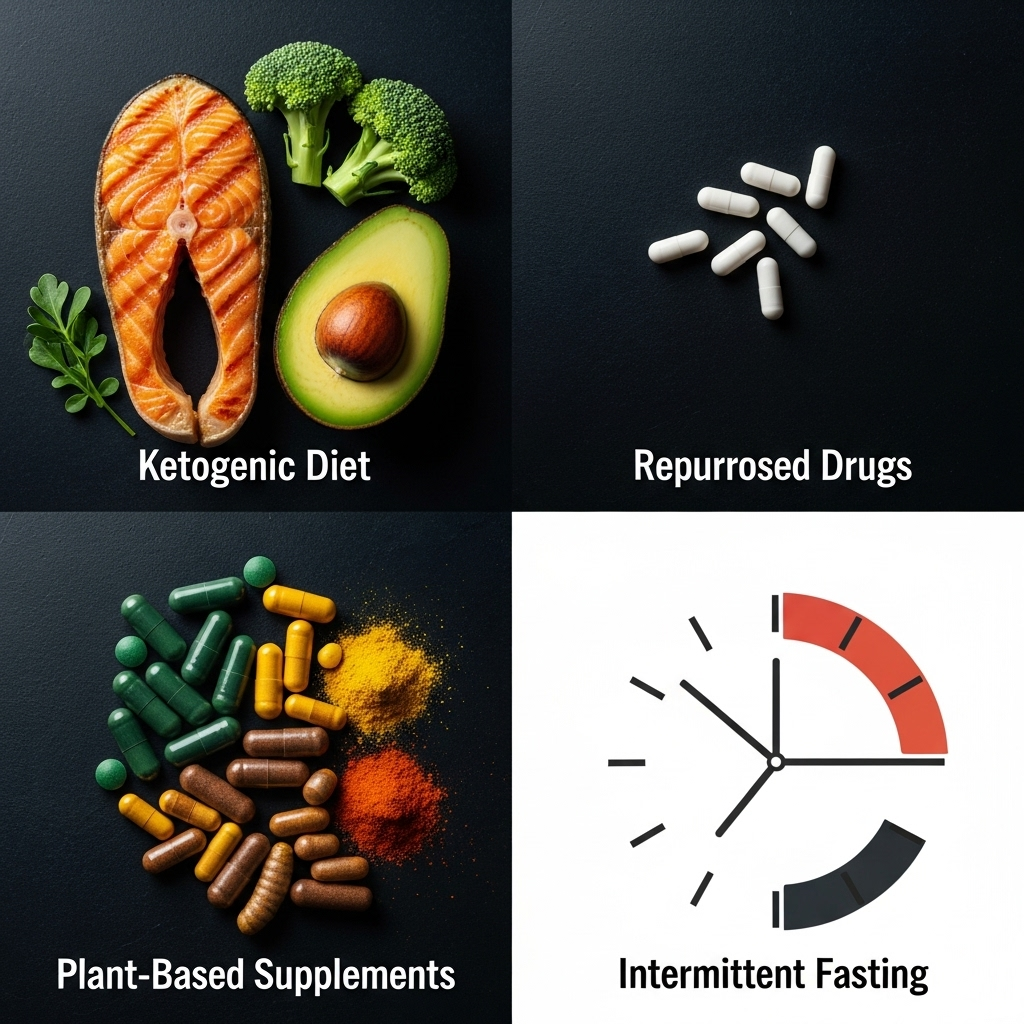
The strategy is a coordinated effort that attacks cancer from multiple angles simultaneously to achieve a synergistic effect.
Pillar 1: A strict, low-carbohydrate diet
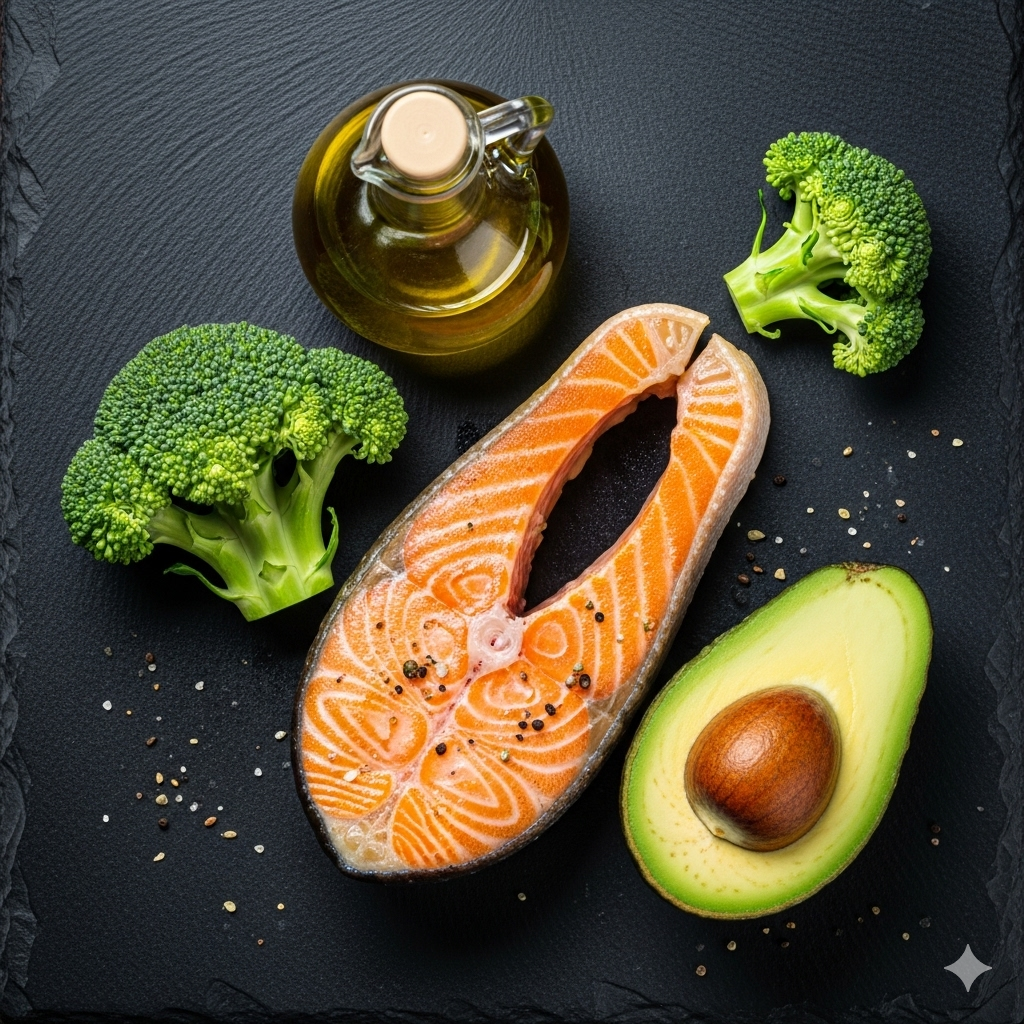
This is the absolute foundation of the strategy. The diet is a strict, low-glycemic, and anti-inflammatory diet with a high content of healthy fats, a moderate protein intake, and a very low carbohydrate intake.
For many, this diet will lead to a state of nutritional ketosis, but the primary purpose is to cut off cancer cells’ access to fuel.
Glucose-blockade
Most cancer cells are deeply dependent on glucose, which they burn inefficiently (Warburg effect) [9].
By removing carbohydrates, the body is forced to produce ketones from fat. Healthy cells can easily use ketones, but many cancer cells lack the metabolic flexibility to do so. You simply remove their favorite fuel [2, 9].
Also see Metabolic strategy – block signaling pathways by cancer type – chart overviews
Glutamine-blockade
When glucose is scarce, many aggressive cancers can switch to the amino acid glutamine as “backup fuel” [10].
Therefore, a moderate protein intake is crucial – too much protein can be converted to glucose or provide too much glutamine. The diet is also supplemented with substances that specifically inhibit glutamine metabolism.
Reduction of growth factors
A low-carbohydrate diet lowers the level of insulin and growth factors such as IGF-1. These act as accelerators for cell division, and by lowering them, you remove the foot from cancer’s gas pedal. This is also why most dairy products are excluded, as they can increase IGF-1.
Pillar 2: Food groups in detail
Foods – Yes please:
- Fat sources (75-85%): Focus is on healthy, stable fats. Extra virgin olive oil, coconut oil, MCT oil (for quick ketone production), avocado oil, butter/ghee from grass-fed animals, fat from meat, cocoa butter.
- Protein sources (10-20%): Quality is crucial. Wild-caught fatty fish (salmon, mackerel, sardines), meat and offal from grass-fed animals, eggs from free-range chickens.
- Carbohydrate sources (<5%): Exclusively from non-starchy vegetables and a few berries. All types of cabbage (broccoli, cauliflower, kale, pointed cabbage), spinach, asparagus, squash, cucumber, leafy greens, mushrooms, bell peppers, onions, garlic. Small amounts of blueberries, raspberries, blackberries.
- Nuts and Seeds (in small amounts): Macadamia, pecans, walnuts, chia seeds, flaxseeds.
- Few Berries (in very small amounts): Blueberries, raspberries, blackberries.
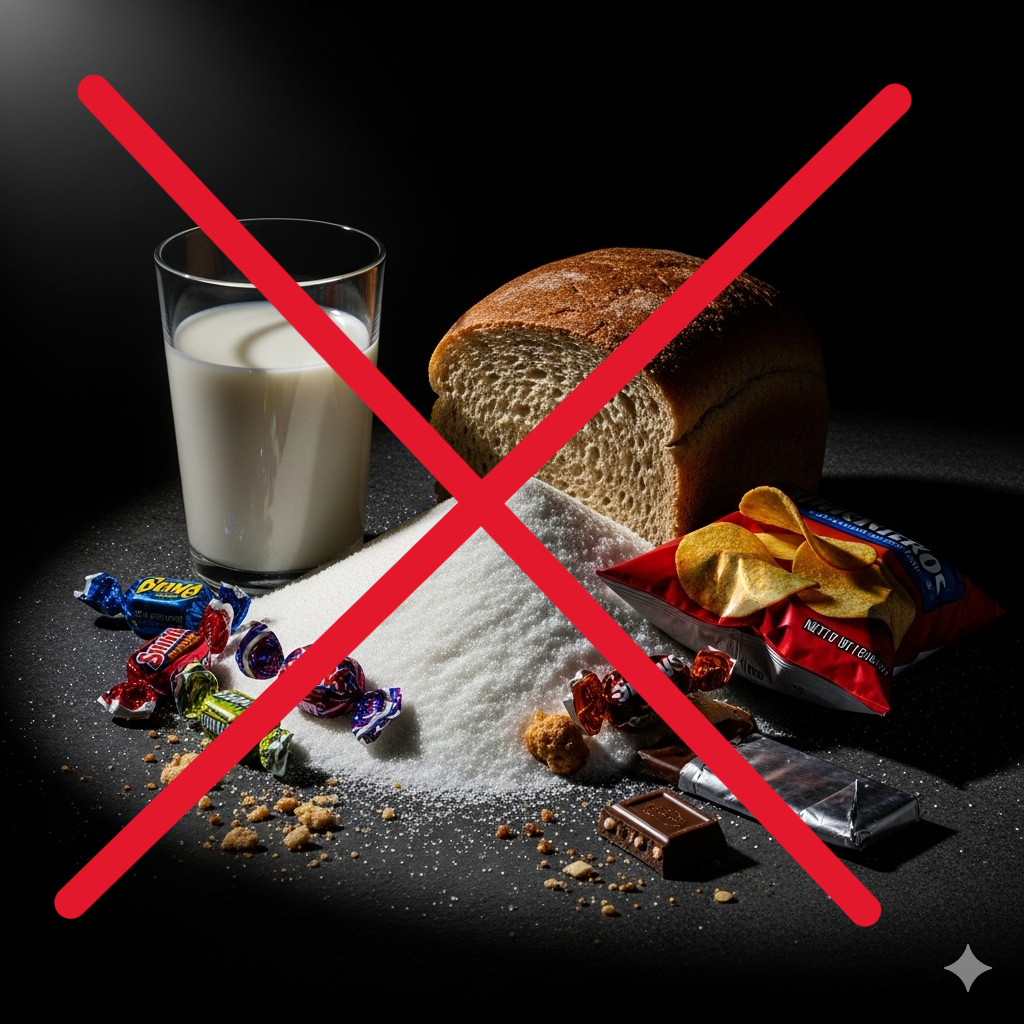
Foods – No thanks:
- ALL sugar and sweeteners: Sugar, syrup, honey, artificial sweeteners.
- All grain products: Wheat, rye, rice, oats, corn, quinoa.
- All starchy vegetables: Potatoes, sweet potatoes, parsnips, root vegetables (except small amounts).
- Almost all fruit: Bananas, apples, oranges, grapes, etc. (due to sugar content).
- All legumes: Beans, lentils, chickpeas.
Although legumes are often considered healthy, they are completely excluded in this strict diet (especially in the initial phase) due to a combination of three factors:- High carbohydrate content: Legumes are rich in starch, which in the body is converted to glucose. Their carbohydrate content is too high to maintain a state of ketosis and does not remove cancer cells’ primary fuel.
- Source of glutamine: Furthermore, legumes are also a significant protein source and thus contain the amino acid glutamine. For cancer cells that can use glutamine as “backup fuel,” legumes are therefore an unwanted source of nutrition.
- Content of “anti-nutrients”: They contain substances such as lectins, which can irritate the intestinal mucosa, and phytic acid, which can inhibit the body’s absorption of important minerals.
- Most dairy products: Milk, yogurt (due to milk sugar and certain growth factors). Butter, ghee, and certain hard cheeses may be okay.
- All industrial seed oils (rich in Omega-6): These oils are often extracted from seeds using high heat and chemicals and have a very high content of pro-inflammatory Omega-6 fatty acids.
A high intake can disrupt the important balance between Omega-6 and Omega-3 in the body. Examples are: Sunflower oil, corn oil, soy oil.
Note: This restrictive list applies especially to the initial, aggressive phase of the diet. In a later maintenance phase, small amounts of nutrient-rich, low-glycemic carbohydrates such as sweet potato, more berries, etc. can be carefully reintroduced.
Pillar 2: Off-label medication (The metabolic blockers)
This is the use of well-known medication that is approved for other purposes, but which has well-documented anti-cancer properties by targeting specific metabolic pathways.
- Metformin: A diabetes medication. Its primary anti-cancer effect is to inhibit “complex 1” in the mitochondria, which reduces the cell’s energy production, as well as blocking the central growth pathway mTOR [3].
- Statins: Cholesterol-lowering medication. They block the HMG-CoA reductase pathway, which is crucial for the production of cholesterol, which cancer cells use to build their cell membranes when they divide rapidly [4].
- Mebendazole: A remedy for intestinal worms. It acts as a mild chemotherapy by disrupting cancer cells’ internal skeleton (microtubules), which inhibits cell division. It also blocks sugar uptake and promotes apoptosis (programmed cell death) [5].
- Doxycycline: An antibiotic. Its unique ability is to attack and kill otherwise very resistant cancer stem cells by inhibiting their energy production in the mitochondria.
Pillar 3: Targeted dietary supplements (The synergistic support)
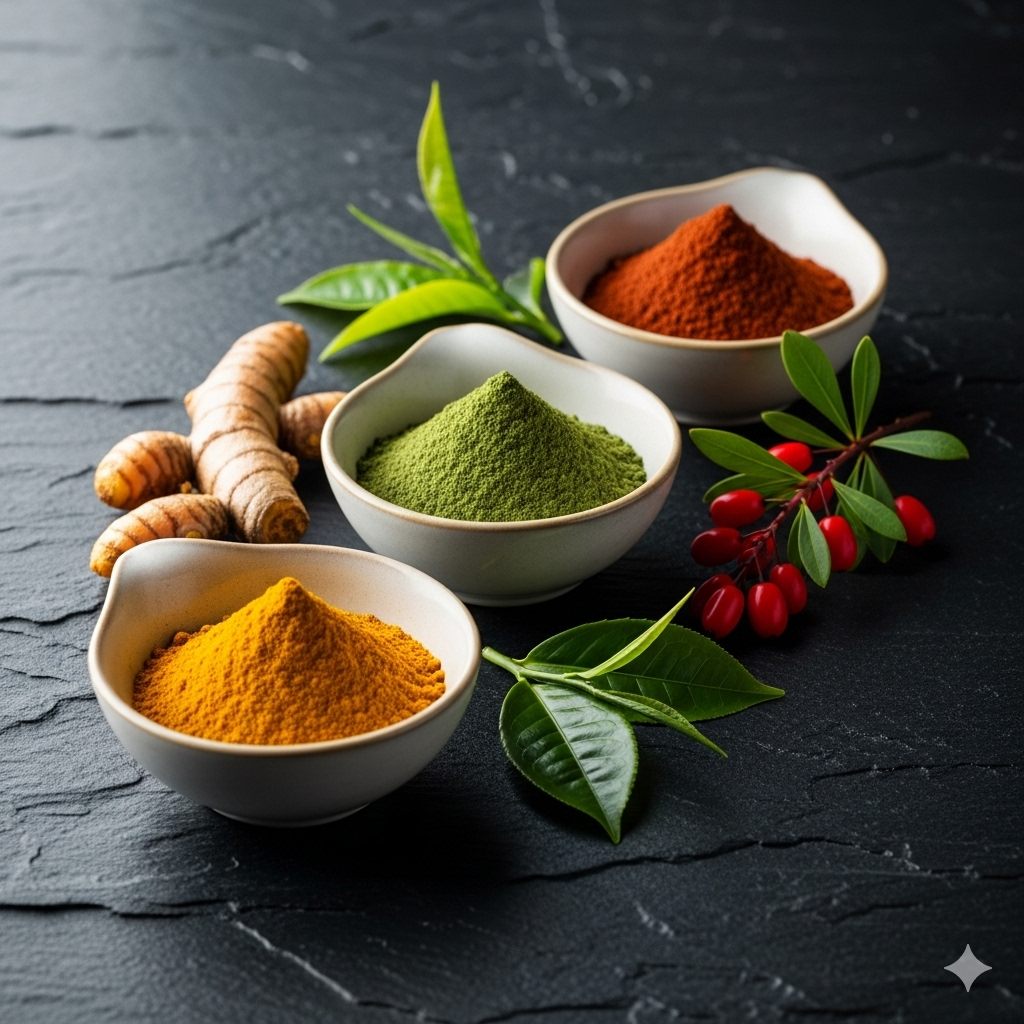
The choice of dietary supplements in McLelland’s strategy is anything but arbitrary. Each supplement is a precision tool, chosen for its ability to block specific “metro lines” and work in synergy with the other pillars.
The supplements are not a random collection of “anti-cancer” herbs, but a targeted part of the overall metabolic blockade.
Core supplements with broad effect
These are often fundamental in the strategy due to their ability to target central and common pathways.
- Berberine: Often called “nature’s Metformin.” It is a potent plant substance that, like the diabetes medication, activates the body’s “energy sensor” (AMPK), which puts cell growth on pause when energy is low. It also inhibits energy production in the mitochondria [6].
- Curcumin (from turmeric): One of the most well-documented anti-inflammatory substances. Its primary target is to block NF-kB, a “master switch” for inflammation, which many cancers use to create a favorable growth environment.
- Green tea extract (EGCG): A specialized “weapon” against cancer cells that try to bypass the glucose blockade.
EGCG is one of the few substances that can inhibit cancer cells’ ability to use glutamine as fuel by blocking the enzyme glutamate dehydrogenase (GDH).
Specialized and supportive supplements
These are often chosen based on the specific cancer type’s vulnerabilities or to support the body during the intensive treatment.
- Milk Thistle (Silymarin): Its primary role is not to kill cancer directly, but to protect and support the liver. As the liver is under enormous pressure because it has to detoxify both medication, supplements, and waste products from cancer cells, a well-functioning liver is crucial for being able to tolerate the strategy.
- Quercetin: A flavonoid found in many plants. It is highlighted for its ability to act as a “senolytic” (cleanup) agent (helps remove old, damaged “zombie cells”) and to block several growth pathways.
- Artemisinin/Artesunate: An extract from the plant sweet wormwood. It has a unique mechanism of action where it reacts with the high iron content in cancer cells and creates an explosion of targeted oxidative stress that kills the cancer cell from within.
- Artesunate: The crucial difference between Artemisinin and the semi-synthetic Artesunate is that the latter is much more potent and absorbed much more effectively in the body. Therefore, it is often Artesunate that is used in scientific research and preferred in the metabolic strategies Jane McLelland describes.
Pillar 4: Lifestyle interventions (Stressing the cancer)

These tools are used to create additional metabolic pressure on the weakened cancer cells.
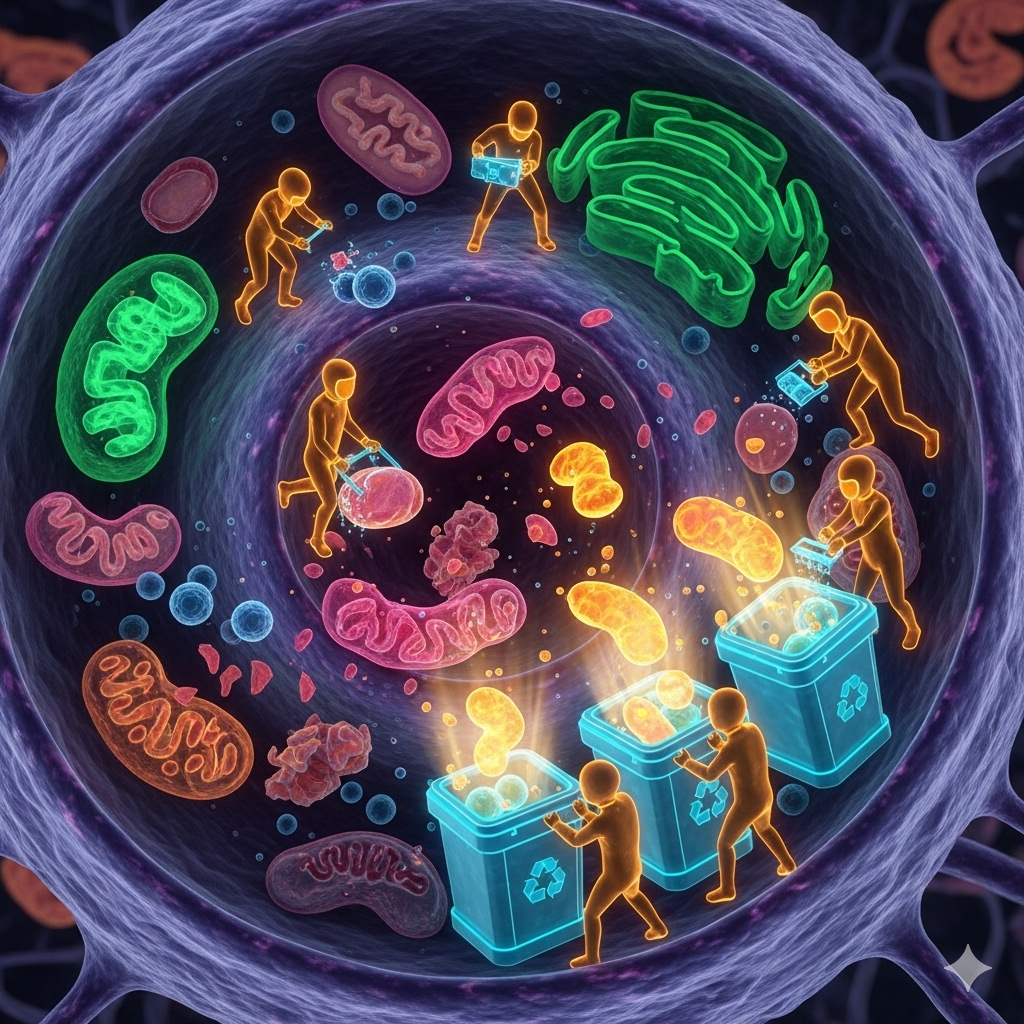
- Periodic Fasting: Eating within a time-restricted window (e.g., 6-8 hours) further lowers insulin and IGF-1. The long fasting period promotes autophagy, a process where cells “eat” and reuse damaged parts, which can weaken cancer cells and strengthen healthy cells [7].
- Exercise: A combination of strength training and cardio. Exercise improves insulin sensitivity, reduces inflammation, strengthens the immune system, and can improve the oxygenation of tumors, making them less aggressive and potentially more vulnerable to treatment.
Relevance in cancer
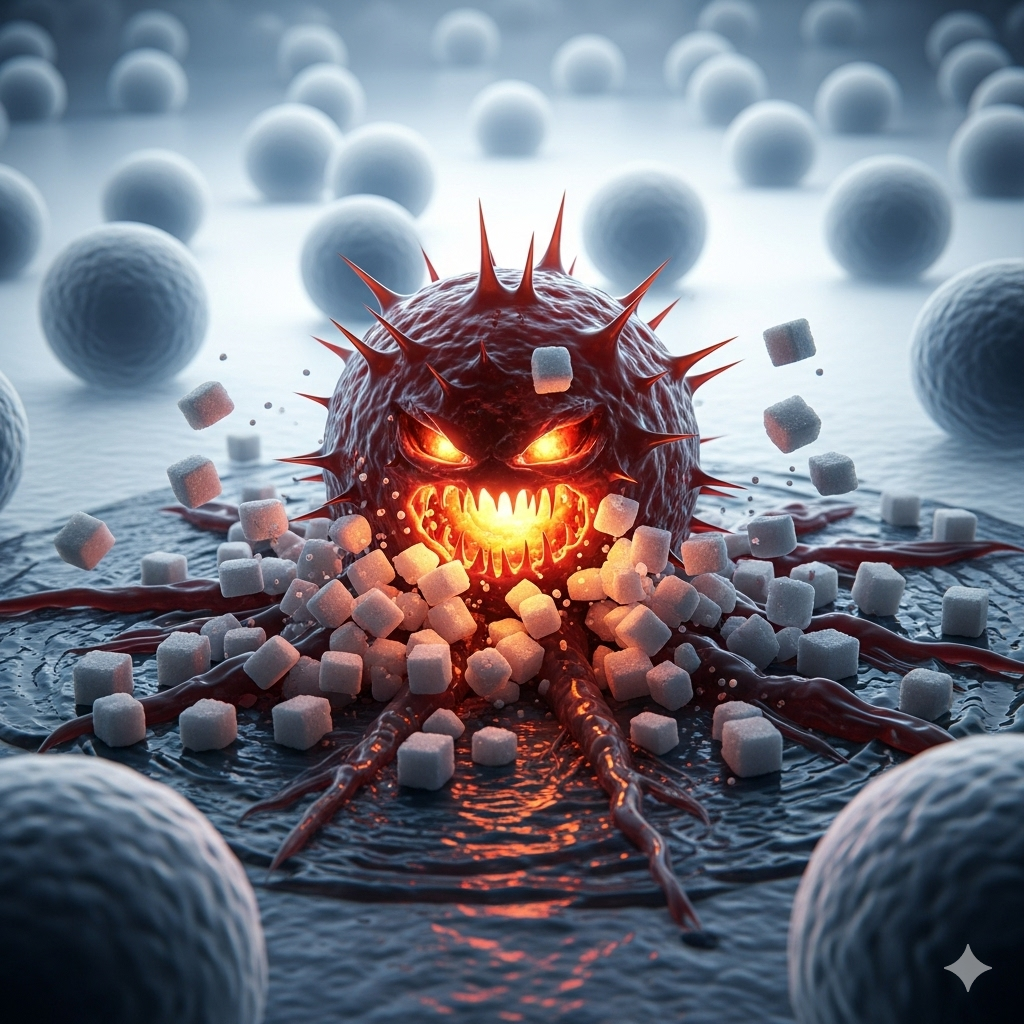
The strategy differs from many other approaches by not relying on a single “miracle cure,” but on an intelligent and coordinated effort. The relevance for cancer is so strong because it:
- Creates a fundamentally inhospitable internal environment:
It changes the entire body’s biochemistry – from blood sugar to signaling substances – so that it actively counteracts the conditions cancer cells need to thrive.- Biologically, insulin is the body’s most potent anabolic hormone (building hormone).
- High insulin: Tells cells to open up, absorb nutrients, store fat, and grow (divide).
- Low insulin: Tells the body to consume its stores.
- That is why Jane McLelland wants insulin levels down (to slow cancer growth). But the flip side is that when you remove the growth signal, you also risk losing muscle mass if you’re not careful.
- Exploits cancer’s vulnerabilities:
It attacks the places where cancer cells are different and weaker than healthy cells – their rigid and inefficient metabolism. - Creates a synergistic effect:
This is the crucial point. By attacking glucose uptake, glutamine uptake, fatty acid production, and several other pathways simultaneously, you create a “perfect storm.”
Cancer can no longer compensate by switching to an alternative energy source because that is also blocked. The effect of the individual parts is multiplied when used in combination [11].
Practical considerations and risks
This is an extremely advanced and demanding strategy that one should not embark on without thorough preparation.
- Requires enormous research:
The strategy is not a “one-size-fits-all.” It requires that you yourself (possibly with help from a guide) research your specific cancer type to find the most relevant pathways to block. McLelland’s book is a detailed guide to this very process. In addition, there are overviews of how to block signaling and energy pathways here on the site. (See green links below) - Need for a cooperative doctor:
Since the strategy includes prescription medication, it requires an open and brave doctor who is willing to think outside the box and support an off-label attempt. (See green links below for overview of Danish doctors with a holistic approach to cancer treatment). - Potential interactions:
The combination of many active substances carries a risk of unforeseen interactions and side effects. A gradual and cautious approach is necessary. (See green links below for overview of interactions between chemo, radiation treatment, and dietary supplements and repurposed drugs). In addition, you should consult your healthcare provider.
Also see Block cancer’s energy pathways
Also see Block cancer’s signaling pathways
Also see Metabolic strategy – block signaling pathways by cancer type – chart overviews
Also see Cancer types – Chart / Overview
Also see Holistic doctors DK
Also see Repurposed drugs and chemotherapy
Also see Repurposed drugs and radiation treatment
Also see Dietary supplements and chemotherapy
Also see Dietary supplements and radiation
Conclusion: Revolution for the proactive patient
Jane McLelland’s strategy represents a paradigm shift in complementary cancer treatment – from a general focus on “healthy diet” to a targeted, science-based, and strategic effort. It acknowledges that cancer is a complex opponent that requires an equally complex and intelligent counter-strategy.
Not least for the patient who has been given up on by the established system, or who actively seeks to take control, this approach offers a concrete and in-depth action plan.
It is a testament to hope, patient-driven research, and the incredible power that lies in refusing to be a passive recipient of one’s diagnosis. It is a demanding path, but for many, it is the most meaningful.
See also green links below.
Important warnings

Because this strategy combines prescription medication, herbs, and a fairly strict diet, some unique risks arise that need to be carefully monitored.
Too low blood sugar
Here, a sugar-free diet is combined with substances that lower blood sugar (hypoglycemia) (Metformin, Berberine).
The problem:
- There is a risk that blood sugar will drop so violently that one faints or goes into insulin shock. Therefore, blood sugar should be measured regularly. In case of dizziness, tremors, or cold sweat, one should immediately consume some carbohydrates (e.g., juice), even if it contradicts the diet – safety comes first, and this is an acute situation.
Liver strain (the cocktail effect)
The strategy requires that the liver breaks down a large amount of medication and supplements while also having to cleanse the blood of waste products from dead cancer cells.
The problem:
- This can overload the liver. Keep a close eye on liver values (ALAT/ASAT) via blood tests. If the numbers get too high, one should take a break from the “cocktail” until the liver has recovered.
Weight loss
The keto diet lowers insulin, which is the body’s primary growth signal.
The problem:
- If you have already lost a lot of weight due to cancer (cachexia), this diet can accelerate the loss of muscle mass, which is dangerous. In this case, the fat intake should be significantly increased and possibly supplemented with essential amino acids.
Also see Underweight with cancer
Also see Preserve muscle mass
Iron and artemisinin
Artemisinin works by reacting with iron inside the cancer cell.
The problem:
- If you take iron supplements (for anemia) simultaneously with Artemisinin, the reaction happens in the stomach instead of in the cancer cell. This causes stomach cramps and makes the treatment ineffective.
- There should be at least 4 hours between the intake of iron and Artemisinin.
Safety
Always consult your healthcare provider before starting a protocol.
Important with chemotherapy and low platelets
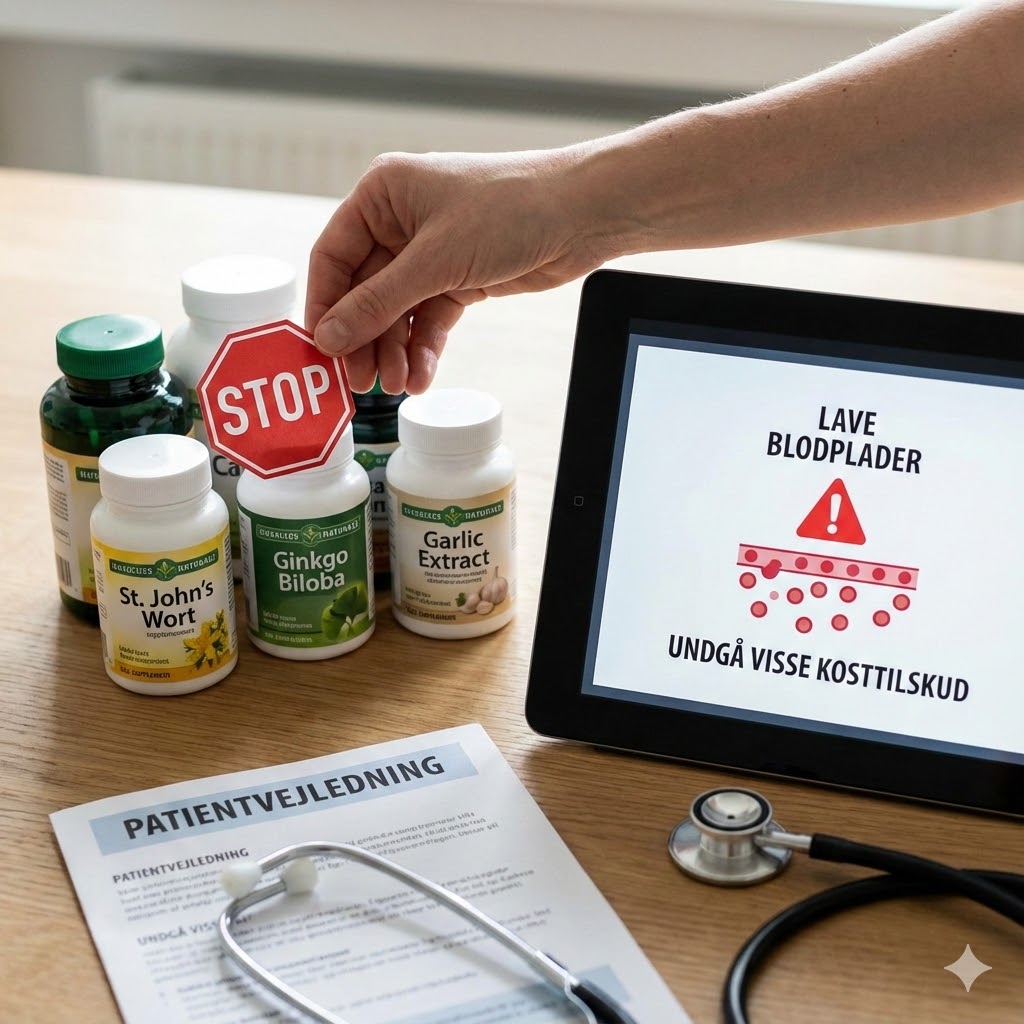
Many of the substances that effectively fight cancer (especially in this protocol) also act as blood thinners. If chemotherapy has lowered your platelets (thrombocytes) to a critical level, you should be extra cautious.
What you should pause with low platelets
If your numbers are at the bottom, the following substances should be paused to avoid the risk of bleeding until the marrow has recovered:
- Fatty acids: Omega-3/ fish oil/ flaxseed oil (Strongly blood-thinning), Cod liver oil, Flaxseed oil (Budwig) and Krill oil.
- Herbal extracts (high dose): Curcumin/turmeric, ginger, garlic (in large doses/capsules), ginkgo biloba and Ginseng. (Inhibits platelets’ ability to clump together).
- Enzymes: Proteolytic enzymes such as Bromelain, Papain and Serrapeptase (as these break down fibrin, which helps blood clot).
- Specific Antioxidants: Vitamin E, Resveratrol, Quercetin and strong Green Tea extract (EGCG).
- Off-label medication: Aspirin, Magnyl or Hjertemagnyl (should be stopped immediately with low platelets, unless otherwise agreed with the doctor).
Support for bone marrow
There are strategies that specifically support the formation of platelets without counteracting the treatment:
- Melatonin:
Studies show that melatonin can protect the bone marrow from chemo damage (taken at bedtime). - Papaya leaf extract
Known for potentially being able to increase the number of platelets. - Chlorophyll:
Green juices (spinach/kale) provide vitamin K, which supports blood clotting. - Shark liver oil (alkylglycerols):
Can stimulate the formation of white blood cells and platelets (should not be taken on chemo days themselves).
NB: You should always discuss your intake of dietary supplements with your oncologist.
Example of a day on the diet
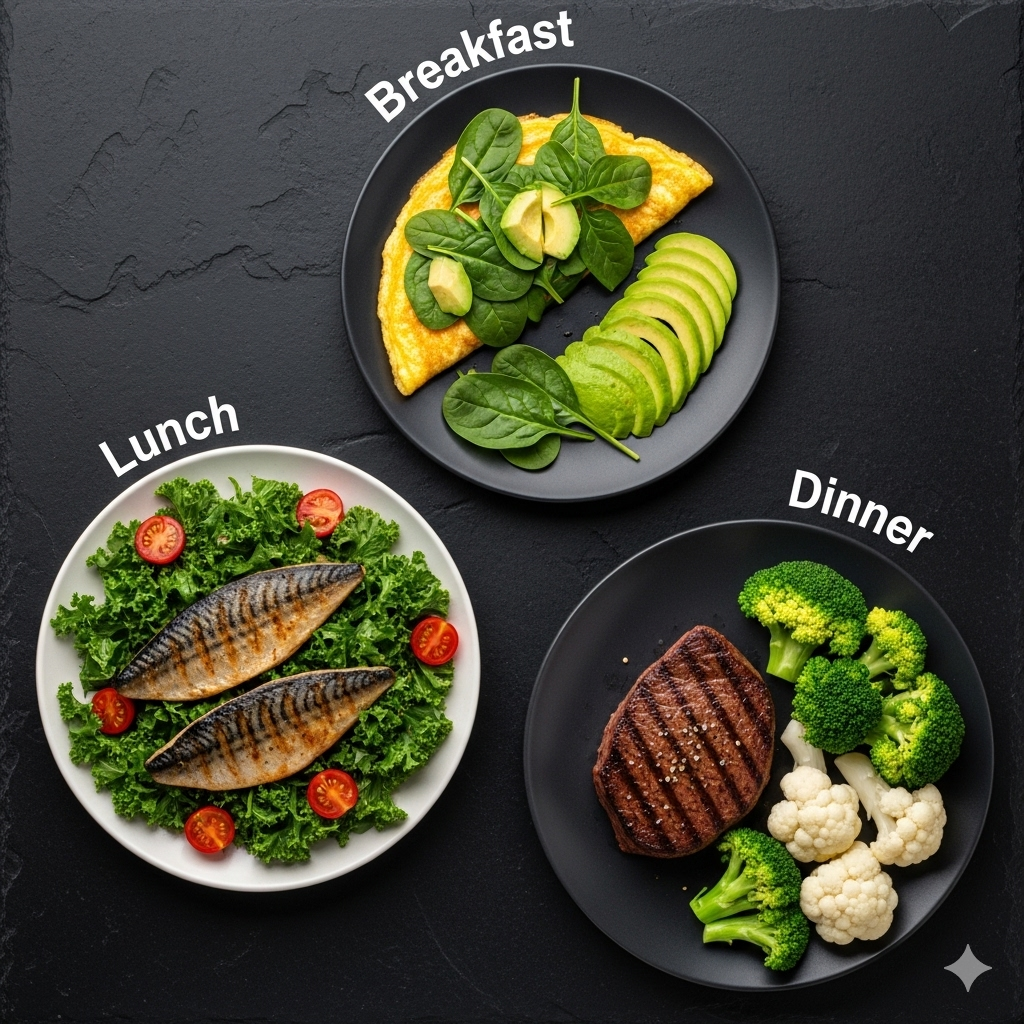
The menu is strictly ketogenic, low-carbohydrate, and focuses on clean, nutrient-rich raw materials.
Drinks: Water, herbal tea, green tea.
Breakfast: Omelet of two eggs with spinach and mushrooms, fried in butter or coconut oil. Served with half an avocado.
Snack: A handful of almonds and a few berries.
Lunch: Large salad with kale, arugula, cucumber, a little red onion, and a can of mackerel in oil. Dressing of olive oil, apple cider vinegar, and herbs.
Snack: A smoothie made with spinach, 1/2 avocado (provides creamy consistency without sugar), strawberries, lemon juice, and almond milk.
Dinner: A piece of grass-fed beef with a large portion of steamed broccoli and cauliflower, topped with plenty of olive oil or butter.
Get inspired: With photos here: Breakfast and lunch Dinner dishes that starve cancer
Also see Cancer as a metabolic disorder
Also see Cancer treatment based on the Mitochondrial stem cell connection
Also see Fasting
Also see Ketogenic Diet and Low Carb High Fat (LCHF)
Also see Sugar and cancer
Also see Suggestions for dishes for Diet that starves cancer
Also see Responsibility and control tab
Also see Placebo and nocebo effect
Links
[1] How to Starve Cancer (Jane McLelland’s official website)
- Content: This is the primary source for Jane McLelland’s story, her book, and “Metro Map” strategy. The site provides direct insight into her research and approach.
[2] Ketogenic diet in the treatment of cancer – Where do we stand? (NIH, 2020)
- Content: A scientific review article that discusses the biochemical mechanisms behind the ketogenic diet’s anti-cancer potential, including glucose restriction and the Warburg effect.
[3] Metformin and cancer hallmarks: shedding new lights on molecular mechanisms (Journal of Translational Medicine, 2023)
- Content: A new and highly recognized review article that details the many different ways metformin fights cancer. It focuses on how the medication affects cancer’s core properties (“hallmarks”) such as cell growth, metabolism, and inflammation.
[4] Statins as anti-tumor agents: A paradigm for repurposed drugs in cancer therapy (Wiley Online Library, 2024)
- Content: A brand new review article that positions statins as a textbook example of repurposed drugs. It explains how they, by blocking the mevalonate pathway, disrupt a number of processes that are crucial for cancer cell growth and survival.
[5] Mebendazole as a Candidate for Drug Repurposing in Oncology: A Literature Review (PubMed, 2019)
- Content: A strong and often cited review article that compiles the scientific literature on the deworming agent Mebendazole’s potent anti-cancer effects. It describes how the substance, among other things, disrupts cancer cells’ internal skeleton.
[6] Berberine: A Review of its Pharmacological Properties and Therapeutic Potentials in Cancers (Frontiers in Pharmacology, 2021)
- Content: This article summarizes the extensive research on the supplement Berberine and its ability to affect a wide range of cancer pathways, making it a central supplement in a metabolic strategy.
[7] Fasting as Cancer Treatment: Myth or Breakthrough in Oncology? (PubMed, 2025)
- Content: A brand new review article that compiles the latest research. It explains how fasting can make cancer cells more vulnerable to treatment and promote autophagy (the body’s cellular cleanup process).
[8] Cancer as a Metabolic Disorder (PubMed, 2022)
- Content: A newer and highly cited review article that explains in detail the scientific basis for considering cancer as a metabolic disease, where errors in cells’ energy production are the primary driving force.
[9] The Warburg Effect: How Does it Benefit Cancer Cells? (PubMed, 2016)
- Content: Provides a detailed explanation of the Warburg effect – cancer cells’ high consumption of sugar – which is the central rationale for using a ketogenic diet as part of an anti-cancer strategy.
[10] Targeting glutamine metabolism as a therapeutic strategy for cancer (Nature, 2023)
- Content: A highly recognized review article from one of the world’s leading scientific journals. It explains in detail why glutamine is a crucial ‘backup fuel’ for cancer cells, and reviews the different strategies to block this important nutrient pathway.
[11] Synergistic strategies for cancer treatment: leveraging natural products (SpringerOpen, 2024)
- Content: A new review article that specifically explores the synergistic strategies in cancer treatment, with particular emphasis on integrating natural products (dietary supplements) with medications. It perfectly supports the principle of a “cocktail” approach.
[12] Book: How to starve cancer without starving yourself (By Jane McLelland, 2023)
- Content: This is the very foundation book of the strategy. It contains Jane McLelland’s personal story, the in-depth scientific research, and the practical instructions for using the ‘Metro Map’ to compile one’s own personal ‘cocktail’ of diet, medication, and supplements. It is unfortunately quite nerdy.
Page created: September 20, 2025
❤
What you read on “Jeg har Kræft” is not a recommendation. Seek competent guidance.
