


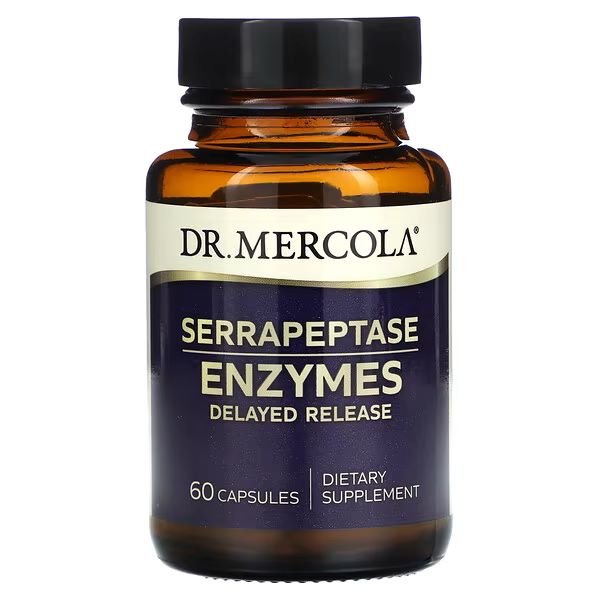
Serrapeptase and cancer
What is Serrapeptase
Serrapeptase is a proteolytic (protein-breaking) enzyme originally discovered in the intestines of the silkworm Bombyx mori. The silkworm uses the enzyme to break down proteins in its cocoon (pupa), so it can transform into a moth. Serrapeptase has gained popularity as a dietary supplement due to its potential anti-inflammatory properties. It is often marketed as a natural alternative to relieve pain and inflammation in conditions such as arthritis, sinusitis, and carpal tunnel syndrome. In recent years, there has also been a focus on serrapeptase’s potential in connection with cancer treatment.
Mechanisms of action and potential
Serrapeptase’s potential mechanisms of action in relation to cancer are complex and not yet fully understood. Some of the proposed mechanisms include:
Breakdown of fibrin
Fibrin is a protein that plays a central role in blood coagulation and the formation of scar tissue. Cancer cells can exploit fibrin to form a protective barrier around themselves, making it harder for the immune system to attack them. By breaking down fibrin, serrapeptase can potentially make cancer cells more vulnerable to the immune system’s attacks and inhibit their spread.
Inhibition of inflammation
Chronic inflammation is known to contribute to the development and progression of cancer. Serrapeptase can inhibit the production of inflammatory cytokines, which are signaling molecules that promote inflammation. This can potentially limit inflammation in the tumor microenvironment and inhibit tumor growth.
Increased immune response
Serrapeptase can potentially increase the activity of natural killer cells (NK cells) and macrophages, which are immune cells that play an important role in fighting cancer cells.
Breakdown of biofilm
Biofilm is a complex structure formed by bacteria to protect them from antibiotics and the immune system. Some cancers are associated with bacterial infections, and biofilm can contribute to resistance to treatment. Serrapeptase can break down biofilm, which can potentially improve the effect of antibiotics and the immune system’s ability to fight the infection.
Inhibition of angiogenesis
Angiogenesis is the formation of new blood vessels, which is crucial for tumor growth and spread. Some studies suggest that serrapeptase can inhibit angiogenesis by breaking down growth factors that stimulate the formation of new blood vessels.
Benefits of Serrapeptase
Reduction of inflammation
Chronic inflammation is a risk factor for the development of cancer and can promote tumor growth and spread. Serrapeptase’s anti-inflammatory effect can potentially contribute to inhibiting cancer development and progression.
Pain relief
Cancer and cancer treatment can cause pain. Serrapeptase can potentially relieve pain by inhibiting inflammation and breaking down fibrin (protein involved in blood coagulation and wound healing), which can contribute to pain. The reason fibrin can contribute to pain is that accumulation of fibrin can press on nerves.
In addition, fibrin is involved in scar tissue formation, and scar tissue can be painful, especially if it limits mobility.
Potential synergistic effect
Serrapeptase can potentially enhance the effect of conventional cancer treatment, such as chemotherapy and radiation therapy. This is because serrapeptase can improve the uptake of chemotherapeutic agents in tumor cells and increase their sensitivity to radiation therapy.
Improved quality of life
Cancer and cancer treatment can cause a number of side effects that can affect quality of life. Serrapeptase can potentially alleviate some of these side effects, such as pain, swelling, and fatigue.
Disadvantages and limitations
Limited clinical evidence
Although there are in vitro (test tube, petri dish) and in vivo (animal) studies suggesting that serrapeptase may have anti-cancer effects, there is limited clinical evidence for its effectiveness in humans with cancer. There is a need for more and larger clinical trials to further confirm these findings and determine the optimal dosage and use of serrapeptase in cancer treatment.
Interactions with medication
Serrapeptase can potentially interact with certain types of medication, including blood-thinning medication and immunosuppressive medication. One should inform one’s healthcare provider about all medication and supplements one is taking before starting on serrapeptase.
Side effects
Although serrapeptase is generally well tolerated, it can cause side effects in some people, such as nausea, diarrhea, skin rash, and stomach pain.
Not a substitute for other cancer treatment
Serrapeptase should not be used as a substitute for relevant cancer treatment, but can be used as a supplement in consultation with a qualified healthcare provider.
Dispensing
Serrapeptase is typically available in capsule form with enteric coating (protects against stomach acid), which protects the enzyme from degradation in the stomach, so the capsule first dissolves further down in the digestive system and thus is not damaged by stomach acid.
Serrapeptase is best taken on an empty stomach, either one hour before a meal or two hours after a meal. This ensures optimal absorption and effect of the enzyme, as food in the stomach can interfere with the process.
The dosage varies depending on the manufacturer and the specific use. It is important to follow the recommendations on the product and consult a qualified healthcare provider before starting on serrapeptase, especially if you are taking other medication or have a chronic illness.
Intake
To get optimal effect from serrapeptase, it is generally recommended to take it on an empty stomach, at least 30 minutes before a meal or at least 2 hours after a meal (preferably later).
Reason
- Absorption: Serrapeptase is best absorbed when taken on an empty stomach, as food in the stomach can interfere with the absorption of the enzyme.
- Breakdown: Serrapeptase is a protein, and if taken with a meal, it risks being broken down by the digestive enzymes in the stomach before it can be absorbed into the bloodstream.
Time of day
Although there is no specific time of day that has been proven to be best, some experts suggest taking serrapeptase in the morning on an empty stomach or before bedtime.
Conclusion
Serrapeptase is an enzyme with potential as a complementary treatment for cancer. There is evidence that it can have anti-inflammatory, pain-relieving, and immune-stimulating effects that can contribute to inhibiting cancer development and progression. However, more research is needed to confirm these findings and determine the optimal dosage and use of serrapeptase in cancer treatment.
Serrapeptase should always be used in consultation with a competent healthcare provider, as it can interact with medication and cause side effects. It is important to choose quality products from reliable manufacturers and follow the dosage recommendations.
Back to Supplements
Links
[1] Co-delivery of curcumin and serratiopeptidase in HeLa and MCF-7 cells through nanoparticles show improved anti-cancer activity (Science Direct, 2018)
- Content: In vitro study showing that co-delivery of curcumin and serratiopeptidase in HeLa and MCF-7 cells through nanoparticles shows improved anti-cancer activity.
[2] Purification and study of anti-cancer effects of Serratia marcescens serralysin (PubMed, 2019)
- Content: In vitro study on the purification and anti-cancer effects of Serratia marcescens serralysin.
[3] What is Serrapeptase? (Healthline, 2024)
- Content: General information about serrapeptase.
[4] Targeting Inflammation Emerges as a Strategy for Treating Cancer (National Cancer Institute, 2022)
- Content: General information about targeting inflammation as a strategy for treating cancer.
[5] Serrapeptase and Cancer (Enzyme Therapies)
- Content: General information about serrapeptase and cancer.
Page created: January 13, 2025
❤
What you read on “Jeg har Kræft” is not a recommendation. Seek competent guidance.
