


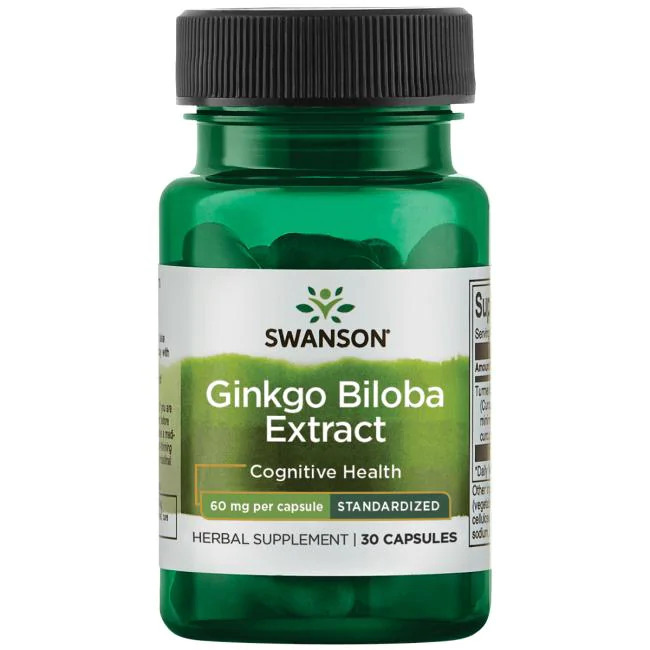
Ginkgo Biloba and cancer
What is Ginkgo Biloba
Ginkgo Biloba, also known as the maidenhair tree, is one of the oldest tree species still found on Earth. It has a long history in traditional Chinese medicine, where it has been used to treat various ailments for centuries. Extract from Ginkgo Biloba leaves contains various active substances, including flavonoids and terpenoids, which are believed to have health benefits.
History and traditional use
Ginkgo Biloba has been used in traditional Chinese medicine for over 2000 years. It was primarily used to improve blood circulation, relieve cough and asthma, and enhance memory and cognitive functions. Interest in Ginkgo Biloba in the West began in the 20th century, and it is today one of the most popular dietary supplements.
Mechanisms of action
The mechanisms of action of Ginkgo Biloba are complex and involve several different processes in the body:
Improving blood circulation
Ginkgo Biloba contains substances that can dilate blood vessels and reduce blood viscosity (thickness). This can improve blood flow to various parts of the body, including the brain, which is thought to contribute to improved cognitive function.
Antioxidant effect
Ginkgo Biloba contains flavonoids, which are strong antioxidants. Antioxidants protect cells from damage by free radicals (unstable molecules that can contribute to the development of chronic diseases).
Anti-inflammatory effect
Some studies suggest that Ginkgo Biloba may have anti-inflammatory properties, which can be beneficial in conditions characterized by inflammation.
Neuroprotective effect
Ginkgo Biloba is believed to have a protective effect on nerve cells. This may be relevant in the prevention of neurodegenerative diseases such as Alzheimer’s.
Potential as a supplementary treatment in cancer
Although there is limited scientific evidence that Ginkgo Biloba can cure cancer, some studies suggest it may have potential as a supplementary treatment:
Antioxidant effect
Ginkgo Biloba’s high content of antioxidants can help protect cells from DNA damage, which can be a factor in the development of cancer.
Improving blood circulation
Improved blood circulation can be beneficial for cancer patients, as it can help transport chemotherapy (cancer medication) to the cancer cells and remove waste products.
Reduction of side effects
Some studies suggest that Ginkgo Biloba can help reduce certain side effects associated with cancer treatment, such as fatigue and cognitive issues.
It is important to note that these effects have primarily been observed in in vitro (test tube/petri dish) studies and in vivo (living organism) studies. More research in clinical trials is needed to confirm these results and investigate Ginkgo Biloba’s potential as part of cancer treatment.
Clinical studies
Some clinical studies have been conducted investigating the effect of Ginkgo Biloba on cancer patients. Some studies have shown positive results regarding the reduction of chemotherapy side effects, while other studies have not shown any significant effect. There is a need for more high-quality clinical studies to investigate Ginkgo Biloba’s potential role in cancer treatment.
Safety
Ginkgo Biloba is generally considered safe for most people when consumed in recommended doses. However, there are some potential side effects to be aware of:
Bleeding risk:
Ginkgo Biloba can increase the risk of bleeding, especially in people taking blood-thinning medication.
Interactions with medication:
Ginkgo Biloba can interact with certain types of medication, including blood thinners, antidepressants, and diabetes medication.
Gastrointestinal issues:
Some people may experience mild gastrointestinal problems such as nausea and diarrhea.
It is always important to talk to your doctor before using Ginkgo Biloba as a supplement, especially if you are under medical treatment or have an existing health condition.
Advantages of Ginkgo Biloba
In addition to the potential benefits regarding cancer, Ginkgo Biloba may also have other health benefits:
Improvement of cognitive function:
Ginkgo Biloba is believed to be able to improve memory, concentration, and other cognitive functions.
Improving blood circulation:
This can be beneficial in conditions such as Raynaud’s syndrome (white fingers and toes) and intermittent claudication (leg pain during walking).
Cell-protective:
Ginkgo Biloba’s high content of antioxidants can protect cells from DNA damage, which can be a factor in the development of cancer.
Antioxidant effect:
Ginkgo Biloba’s high content of antioxidants can protect cells from damage and contribute to preventing chronic diseases.
Disadvantages and limitations
Limited scientific evidence: More research is still needed to confirm Ginkgo Biloba’s effect on cancer and other health conditions.
Potential side effects: Ginkgo Biloba can cause side effects in some people.
Interactions with medication: Ginkgo Biloba can interact with certain types of medication.
Clinical studies of Ginkgo Biloba in cancer
It is important to note that research into Ginkgo Biloba’s relationship with cancer is still in a relatively early stage, and more comprehensive and well-designed clinical studies are needed to draw final conclusions. Existing studies focus primarily on two areas:
Ginkgo Biloba’s effect during cancer treatment
Chemotherapy-induced cognitive issues: Some cancer patients experience cognitive problems such as memory loss and difficulty concentrating after chemotherapy. A few smaller studies have suggested that Ginkgo Biloba may have a positive impact on these cognitive issues, but results are not conclusive, and larger studies are needed.
Fatigue: Fatigue is a common side effect of cancer treatment. Some studies suggest that Ginkgo Biloba can help reduce fatigue in cancer patients, but evidence here is also limited.
Radiation therapy: There is limited research on Ginkgo Biloba’s potential role in reducing radiation therapy side effects. A single study has suggested a possible positive effect on skin reactions, but this requires further investigation.
Ginkgo Biloba’s potential effect on cancer cells
Antioxidant effect: Several studies have investigated Ginkgo Biloba’s antioxidant effect and its potential role in cancer prevention. However, results are not conclusive, and it is difficult to isolate Ginkgo Biloba’s specific contribution relative to other factors like diet and lifestyle.
Inhibition of tumor growth: Some in vitro (test tube/petri dish) studies have shown that Ginkgo Biloba can inhibit the growth of certain cancer cells [4, 6]. These results are promising, but it is important to emphasize that more research in vivo (living organisms) and in clinical studies is needed to investigate if these effects can be transferred to humans [1, 7].
Challenges and limitations of clinical studies
Study size and design: Many existing studies are small and have methodological limitations, making it difficult to draw certain conclusions.
Lack of randomization and control groups: Some studies lack proper randomization and the use of control groups, which can affect the validity of the results.
Diversity of Ginkgo Biloba extracts: There are different extracts of Ginkgo Biloba with varying content of active substances, which can make it difficult to compare results across studies.
Interactions with other treatments: It is important to investigate whether Ginkgo Biloba interacts with other cancer treatments that patients are receiving.
Dispensing and application
Ginkgo Biloba is available in various forms, including:
Capsules: Ginkgo Biloba extract is available in capsule form for easy dosing.
Tablets: Ginkgo Biloba is also available in tablet form.
Liquid extract: Ginkgo Biloba can also be found as a liquid extract.
It is important to follow the dosage instructions on the product or consult a healthcare professional.
Conclusion
Although there are some promising results from clinical studies, more high-quality research is needed to get a clearer picture of Ginkgo Biloba’s role in cancer treatment. It is important to emphasize that Ginkgo Biloba should not be considered a substitute for conventional cancer treatment, but it can potentially play a role as a supplementary treatment in consultation with a doctor or oncologist.
Back to Dietary supplements
Links
[1] New insight into the mechanisms of Ginkgo biloba leaves in the treatment of cancer (PubMed, 2024)
- Content: A review of the biological mechanisms by which Ginkgo Biloba may interfere with cancer development and treatment.
[2] Ginkgo Biloba and Cancer (Cancer Therapy Adviser, 2017)
- Content: A factsheet providing an overview of research regarding Ginkgo’s safety and efficacy in cancer patients.
[3] Ginkgo (Memorial Sloan Kettering Cancer Center, 2023)
- Content: Evidence-based information on Ginkgo Biloba focusing on its uses, side effects, and interactions in oncology.
[4] Ginkgo biloba derivative ginkgetin inhibits breast cancer growth by regulating the miRNA-122-5p/GALNT10 axis(PubMed, 2024)
- Content: Research demonstrating how a derivative of Ginkgo can inhibit breast cancer growth through genetic regulation.
[5] Nano-Ayurvedic Medicine Approaches Using Ginkgo biloba-Phytochemicals Functionalized Gold Nanoparticles Against Breast Cancer(PubMed, 2024)
- Content: An innovative study using Ginkgo-derived nanoparticles to target breast cancer cells more effectively.
[6] Exploration of Ginkgo biloba leaves on non-small cell lung cancer based on network pharmacology and molecular docking (PubMed, 2024)
- Content: A study using advanced pharmacological modeling to explore how Ginkgo affects lung cancer cells.
[7] Exploring the Therapeutic Potential of Ginkgo biloba Polyphenols in Targeting Biomarkers of Colorectal Cancer: An In-silico Evaluation (PubMed, 2024)
- Content: An evaluation of Ginkgo’s potential to target specific biological markers in colorectal cancer.
Page created: Feb 4, 2025, Last revised: Apr 28, 2026
❤
What you read on Jeg har Kræft is not a recommendation. Seek competent guidance.
