


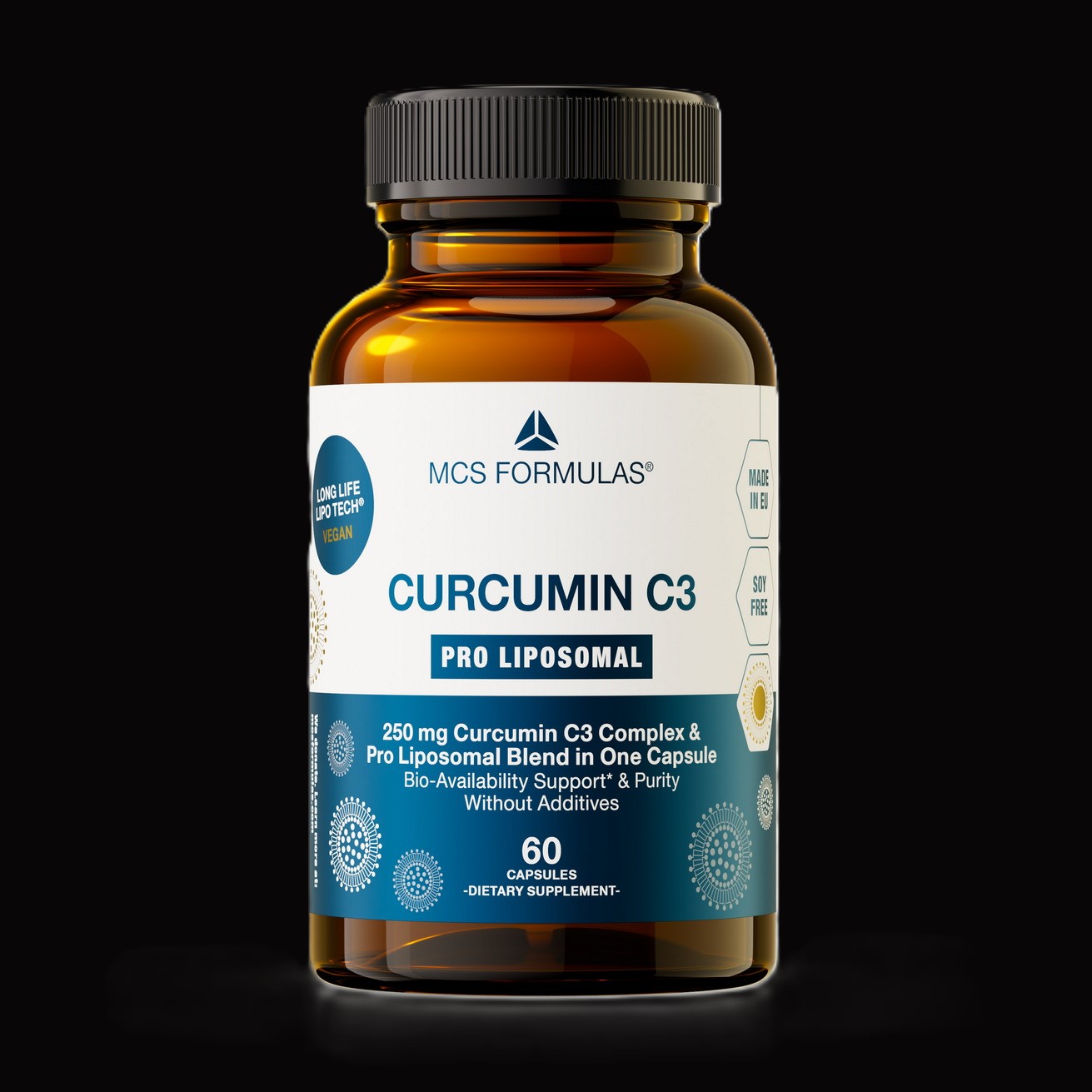
Curcumin – Tumeric and cancer
What is turmeric
Turmeric is a spice derived from a plant in the ginger family. It is known for its golden color and is frequently used in cooking, particularly in Indian and Asian cuisine. Turmeric also possesses medicinal properties and is recognized for its anti-inflammatory and antioxidant effects.
It can be confusing when several names are used interchangeably. Here are the definitions:
Turmeric
This is the name of the plant and its root. It has a characteristic orange color and is used as a spice in many kitchens, especially Indian.
Curcumin
This is the active compound in turmeric. It is curcumin that gives turmeric its strong yellow color and many of its health-promoting properties. Curcumin has been used for centuries in Indian medicine and possesses anti-inflammatory, antioxidant, and anti-cancer properties [5, 17, 22].
In recent years, there has been increasing interest in curcumin as a potential treatment for cancer. In this context, it has been the subject of extensive research to clarify its potential as a supplementary treatment for cancer [4, 18, 19].
Benefits of curcumin
Preliminary results suggest that curcumin may offer a range of benefits in connection with cancer treatment, including:
Brain health: Curcumin may have neuroprotective properties that benefit the brain and reduce the risk of neurodegenerative diseases such as Alzheimer’s [5].
Antioxidant effects: Curcumin can neutralize free radicals, which are unstable molecules that can damage cells and contribute to cancer development [5, 22].
Inhibition of cancer cell division: Curcumin can interfere with the processes involved in the growth and division of cancer cells. Curcumin blocks a specific enzyme that causes cancer cells to grow [11, 17, 21].
Promotion of apoptosis: Curcumin can induce apoptosis (programmed cell death) in cancer cells [6, 17].
Improvement of chemotherapy resistance: Curcumin can make cancer cells more susceptible to chemotherapy by acting as a sensitizer (a substance that makes cells more sensitive to treatment) [8, 12, 13, 19].
Reduction of cancer treatment side effects: Curcumin can potentially alleviate side effects associated with chemotherapy and radiation therapy [16, 20, 23].
Anti-inflammatory effect: Curcumin exerts an anti-inflammatory effect that may be beneficial for rheumatoid arthritis, bowel diseases, and other inflammatory conditions [5].
Supports digestion: Curcumin can stimulate bile production, which can assist in the digestion of fats.
May lower blood sugar: Some studies suggest that curcumin can help regulate blood sugar levels. This may reduce the growth opportunities for cancer.
Disadvantages and side effects
Difficult to absorb: Curcumin is difficult to absorb, so it is crucial to choose a product from a reputable manufacturer for the best absorption (bioavailability).
Common side effects include
- Stomach pain
- Nausea
- Diarrhea
- Headache
- Skin rash
Serious but rare side effects
- Jaundice (yellowing of the skin and the whites of the eyes)
- Liver problems [14, 15]
- Kidney problems
- Interactions with medication [14]
Dispensing of curcumin
As a dietary supplement
Liquid extract: This form can be absorbed quickly by the body but may have a stronger taste than capsules.
Capsules: The most common way to consume curcumin. Capsules typically contain curcumin powder standardized to a certain percentage of curcuminoids [21].
Tablets: Curcumin is also available in tablet form. These may contain other ingredients, such as piperine, which can help increase curcumin’s bioavailability [5].
Powder: Curcumin powder can be mixed into smoothies, yogurt, or other beverages and foods. However, curcumin powder is not as bioavailable as capsules or tablets.
As food or spice
- Turmeric: Curcumin is the primary active ingredient in turmeric. You can use turmeric to season food or make tea, but it is not as bioavailable as supplements.
- Curcumin-containing foods: Some foods naturally contain curcumin, such as ginger and black pepper, but they are not a significant source; one would have to consume very large quantities to reach a significant dose.
Other methods
Intravenous: Curcumin can be administered intravenously. This is typically reserved for individuals with serious conditions who do not respond to other treatments. There are currently no intravenous curcumin products approved by the Danish Health Authority.
Topical: Curcumin can be applied to the skin as a cream or ointment for skin conditions like eczema and psoriasis.
Bioavailability
The bioavailability (the proportion of a substance that enters the circulation to have an active effect) of curcumin is low, meaning only a small amount is absorbed by the body. Piperine, a compound in black pepper, can increase the bioavailability of curcumin by up to 2000% [5]. Curcumin is best absorbed when taken with food.
Note
Research in this area is ongoing, and more extensive studies are needed to confirm the effectiveness and safety of curcumin as a cancer treatment [4, 18, 21]. Furthermore, curcumin can interact with certain medications, so check for interactions before starting curcumin [14, 15].
Bioavailability in the technologies
Curcumin with piperine
The addition of piperine (black pepper) is the most tested method on the market. Clinical studies consistently show that piperine increases the absorption of curcumin by around 2000% (a factor of 20) compared to pure curcumin. Piperine functions primarily by inhibiting the enzymes in the liver and intestine that would normally hasten to break down and excrete the curcumin, allowing the substance to circulate for a longer time in the blood.
Liposomal curcumin
Liposomal technology uses phospholipids to encapsulate the curcumin in microscopic fat bubbles. This tricks the body’s systems, as the liposomes resemble our own cell walls, and the substance is therefore absorbed directly across the intestinal wall and into the cells. Depending on the precise patented formula (such as LongLifeLipoTech), studies show that liposomal curcumin is typically absorbed between 30 and 100 times better (a factor of 30-100) than pure curcumin.
Theoretical comparison
If we set up a theoretical calculation based on the general clinical factors for increased absorption compared to 1 mg of untreated curcumin, the strength ratio looks as follows:
| Product | Raw dose per pill | Typical factor for increased absorption | Theoretical relative effect-value in the blood |
| Curcumin C3 (piperine) | 1000 mg | Approx. 20x | 20,000 (1000 x 20) |
| Curcumin pro liposomal | 250 mg | Approx. 40x – 100x | 10,000 – 25,000 (250 x 40-100) |
Even though the raw amount in the shown liposomal product is a quarter of the other, the high-tech encapsulation thus ensures that the amount of curcumin that actually reaches the bloodstream and the cells is very close to being identical to – or potentially higher than – the pills with 1000 mg and black pepper.
Conclusion
Turmeric, also known as turmeric, is a spice from the ginger family containing the active compound curcumin, which possesses significant health properties. Curcumin is recognized for its anti-inflammatory, antioxidant, and potential anti-cancer properties. Research indicates that curcumin can inhibit cancer cell division, promote apoptosis, improve chemotherapy resistance, and alleviate the side effects of cancer treatment [8, 12, 16, 17, 20].
While curcumin has many benefits, there are also side effects such as stomach pain and nausea, as well as serious but rare reactions. The bioavailability of curcumin is low but can be improved by consuming it with piperine from black pepper or as a supplement. Research is still ongoing, and more evidence is needed for the effectiveness of curcumin as a cancer treatment [18, 19, 21].
Medicinal mushroom and Cannabis
| Name | Primary Effect | Use in Cancer | Name | Important Caution |
|---|---|---|---|---|
| Agaricus blazei | Very powerful immune activation. High content of Beta-1,3/1,6-glucans. | Aggressive support. Used to significantly boost NK-cell activity. | Agaricus blazei | May affect liver enzymes. Should be used with caution in liver disease or heavy liver-taxing chemo. |
| Cannabis: CBD | Anxiolytic and muscle relaxant. Anti-inflammatory. | Quality of life. Relieves restlessness, anxiety, muscle tension, and sleep problems without a high. | Cannabis: CBD | Interaction with medication. Can inhibit the liver’s breakdown of chemotherapy (CYP450). |
| Cannabigerol (CBG) | Neuroprotective and appetite stimulant. Blocks TRPM8 channels (growth signals) in cells. | Antitumour support. Targeted use for growth in colon and brain, and against loss of weight and muscle mass. | Cannabigerol (CBG) | Interaction with liver enzymes (CYP450). May affect the concentration of blood thinners and certain types of epilepsy medication. |
| Cannabis: THC | Antiemetic and appetite stimulant. Psychoactive (euphoric). | Acute relief. Against severe nausea, vomiting, and weight loss. | Cannabis: THC | Driving ban. Psychoactive side effects. Sedative effect. |
| Chaga | Powerful antioxidant (SOD). Contains Betulin and Betulinic acid. Protects against oxidative stress. | Restorative. Used for general strengthening of the body under pressure. | Chaga | High oxalate content (risk of kidney stones). Blood-thinning. Interacts with insulin (lowers blood sugar). |
| Cordyceps | Energizing. Increases oxygen uptake (ATP) and kidney function. | Lung function. Counteracts shortness of breath and cancer-related fatigue. | Cordyceps | May over-activate the immune system in autoimmune diseases. Blood-thinning. |
| Lion’s Mane | Nerve regenerating. Stimulates growth of nerve cells (NGF). | Neuropathy. Counteracts sensory disturbances in fingers/feet and memory difficulties (chemo brain). | Lion’s Mane | May lower blood sugar. Mild blood-thinning effect. |
| Maitake | Immune-activating (D-fraction). Strong stimulation of macrophages. | Immune boost. Often used to activate the body’s own defense against cancer cells. | Maitake | May lower blood sugar. Can enhance the effect of blood-thinning medication. |
| Pau D’Arco | Potent antifungal and anti-inflammatory. Contains Lapachol. | Micro-environment. Used to purify the blood and combat fungal infections (Candida), which are often seen with a weakened immune system. | Pau D’Arco | Blood-thinning. Must not be combined with blood-thinning medication or used prior to surgical procedures. |
| Pao Pereira | Inhibits replication of abnormal cells. Penetrates the blood-brain barrier. | Targeted cell division. Often used for prostate cancer and cancers of the central nervous system (brain). | Pao Pereira | Generally well-tolerated, but should be taken under guidance to ensure correct dosage relative to conventional treatment. |
| Poria cocos | Diuretic and calming. Supports spleen and kidney function. Contains Pachyman. | Fluid retention. Helps against edema and mucus. Calms restlessness and racing thoughts. | Poria cocos | Acts as a diuretic. Be mindful of electrolyte balance if taking other diuretic medication. |
| Reishi | Calming and immune-strengthening. Acts as an adaptogen (stress-reducing) and sleep-promoting. | Sleep and stress. Good for finding peace in the body and supporting the immune system between treatments. | Reishi | Blood-thinning. Must not be used with low platelets or before surgery. |
| Shiitake | Immune-stimulating. Source of Lentinan and AHCC. | Standard support. Lentinan is used medically to prolong survival in certain types of cancer. | Shiitake | May in rare cases cause skin rash (Shiitake dermatitis). Contains purines (caution in gout). |
| Turkey Tail | Immune-modulating. Supports the immune system (NK cells) without overstimulating. Contains PSK. | Chemo support. Often used alongside chemo to counteract immune suppression. | Turkey Tail | Generally considered safe. Few known interactions (approved drug in Japan as PSK). |
Find more quizzes here
Back to Supplements
Links
[1] Gurkemeje og kræft (Kræftens Bekæmpelse, 2019)
- Content: An overview from the Danish Cancer Society regarding the use of turmeric in connection with cancer.
[2] Gurkemeje mod stråleskader og cancer (Radiodoktoren, 2017)
- Content: An article describing turmeric’s potential to protect against radiation damage and its role in cancer treatment.
[3] Alternativ Behandling – Kræft (Århus Universitetshospital, pdf., 2017)
- Content: A pamphlet from the hospital reviewing various forms of alternative treatment for cancer patients.
[4] Curcumin and cancer (National Cancer Institute, 2024)
- Content: An updated resource from the U.S. National Cancer Institute regarding research into curcumin.
[5] Curcumin – Effects on Human Health (PubMed, 2017)
- Content: A scientific review of curcumin’s effects on human health, including inflammation and bioavailability with piperine.
[6] Single molecule recognition of CD95 receptors on the surface of HepG2 cells under the curcumin (PubMed, 2025)
- Content: A non-randomized laboratory study showing how curcumin increases the number of receptors on liver cancer cells to promote cell death.
[7] Enhanced cancer therapy using modified magnetic α-Fe2O3/Fe3O4nanorods: Dual role in curcumin delivery and ferroptosis induction (PubMed, 2025)
- Content: A technical study on using nanomaterials to improve the delivery of curcumin directly to liver cancer cells.
[8] Curcuminoids WM03 inhibits ovarian cancer cisplatin-resistant cells proliferation and reverses cisplatin resistance by targeting DYRK2 (PubMed, 2025)
- Content: A laboratory study investigating a new curcumin derivative that can break resistance to chemotherapy in ovarian cancer cells.
[9] Co-embedding of curcumin and gold nanoparticles with ZIF-8 nanoparticles for the treatment of liver cancer and its impact on metabolomics (PubMed, 2025)
- Content: A study on advanced delivery systems for curcumin to increase its cancer-fighting effect in the liver.
[10] Curcumin inhibits IFN-γ induced PD-L1 expression via reduction of STAT1 Phosphorylation in A549 non-small cell lung cancer cells (PubMed, 2025)
- Content: Research showing how curcumin can strengthen the immune system’s ability to fight lung cancer by blocking tumor defense mechanisms.
[11] Curcumin protects extracellular matrix to maintain microenvironmental stability inhibiting colon cancer metastasis through HPSE/IL-6/STAT5 axis (PubMed, 2025)
- Content: A non-randomized study explaining how curcumin counteracts the spread of colon cancer.
[12] Re-Sensitization of Resistant Ovarian Cancer SKOV3/CDDP Cells to Cisplatin by a Curcumin Pre-treatment Therapeutic Strategy (MDPI, 2025)
- Content: A study showing how pre-treatment with curcumin can restore sensitivity to chemotherapy in resistant cells.
[13] Curcumin in Cancer Therapy: Mechanisms, Delivery Systems, and Clinical Applications (IntechOpen, 2025)
- Content: A comprehensive review article on curcumin’s ability to sensitize cancer cells to standard treatment.
[14] Review Article: Potential Cytochrome P450-mediated pharmacokinetic interactions between herbs, food, and dietary supplements and cancer treatments. (Science Direct, pdf., 2021)
- Content: A key review article on the risk of drug interactions via liver enzymes when using supplements like curcumin.
[15] Bioactivity of Curcumin on the Cytochrome P450 Enzymes of the Steroidogenic Pathway (PubMed, 2019)
- Content: A specialized study on curcumin’s effect on specific liver enzymes.
[16] Preventive Effect of Curcumin Against Chemotherapy-Induced Side-Effects (PubMed, Frontiers, 2018)
- Content: An article documenting curcumin’s ability to protect against side effects from chemotherapy.
[17] The Role of Curcumin in Cancer Treatment (PubMed, 2021)
- Content: A broad review article on curcumin’s mechanisms of action and preclinical evidence.
[18] Curcumin supplementation in the treatment of patients with cancer: a systematic review (Research Gate, 2021)
- Content: A systematic review of results from clinical trials with cancer patients who received curcumin.
[19] Curcumin as a complementary treatment in oncological therapy: a systematic review (Springer, 2025)
- Content: A systematic review focusing on curcumin as a complementary treatment alongside standard therapy.
[20] Efficacy and safety of curcumin in combination with paclitaxel in patients with advanced, metastatic breast cancer: A comparative, randomized, double-blind, placebo-controlled clinical trial (Science Direct, 2020)
- Content: A high-quality clinical trial confirming the efficacy and safety of the combination of curcumin and chemotherapy.
[21] Curcumin as a novel therapeutic candidate for cancer: can this natural compound revolutionize cancer treatment? (Frontiers, 2024)
- Content: A forward-looking article on curcumin’s future potential and new delivery methods such as nanoparticles.
[22] The Bright Side of Curcumin: A Narrative Review of Its Therapeutic Potential in Cancer Management (MDPI, 2024)
- Content: A narrative review of curcumin’s positive contributions to both treatment and quality of life in cancer patients.
[23] Curcumin supplementation prevents cisplatin-induced nephrotoxicity: a randomized, double-blinded, and placebo-controlled trial (Research Gate, 2023)
- Content: A randomized, double-blind, and placebo-controlled clinical trial showing that curcumin protects the kidneys against damage from chemotherapy.
Page created: July 25, 2024. Latest revision: April 26, 2026.
❤
What you read on I Have Cancer is not a recommendation. Seek competent guidance.
