

Valter Longo Protocol
Summary of the Valter Longo Protocol
Purpose of the protocol:
- To protect the body’s healthy cells from side effects of chemotherapy and simultaneously make cancer cells more vulnerable to treatment by manipulating the body’s nutrient intake. The goal is to achieve the effect of fasting without having to go without food completely.
Content:
- The approach is a periodic 5-day diet (Fasting Mimicking Diet), consisting of carefully calibrated, plant-based foods (soups, nuts, tea) that trick the body into thinking it is fasting.
The central idea:
- The philosophy is scientifically founded on “metabolic stress.” By temporarily removing sugar and proteins, the body is forced into a protective state. Healthy cells go into hibernation and are protected (like a shield), while cancer cells, which cannot stop their growth, are starved and stressed, making them easy to kill with standard treatment.
Who is Valter Longo
Valter Longo is a recognized Italian-American biogerontologist and cell biologist. He is a professor at the University of Southern California (USC) and director of the Longevity Institute. [1]
Unlike many alternative practitioners, Longo is an established researcher who has dedicated decades to understanding aging and the cells’ response to starvation. He is the inventor of FMD (Fasting Mimicking Diet) and the author of the book The Longevity Diet. He is known for having discovered the specific genes and signaling pathways (such as IGF-1) that control the aging of cells and resistance to stress.
His work is not based on anecdotes, but on extensive clinical trials and basic research that has paved the way for a new understanding of the role of diet in cancer treatment.
Cancer’s Achilles heel: Metabolic rigidity
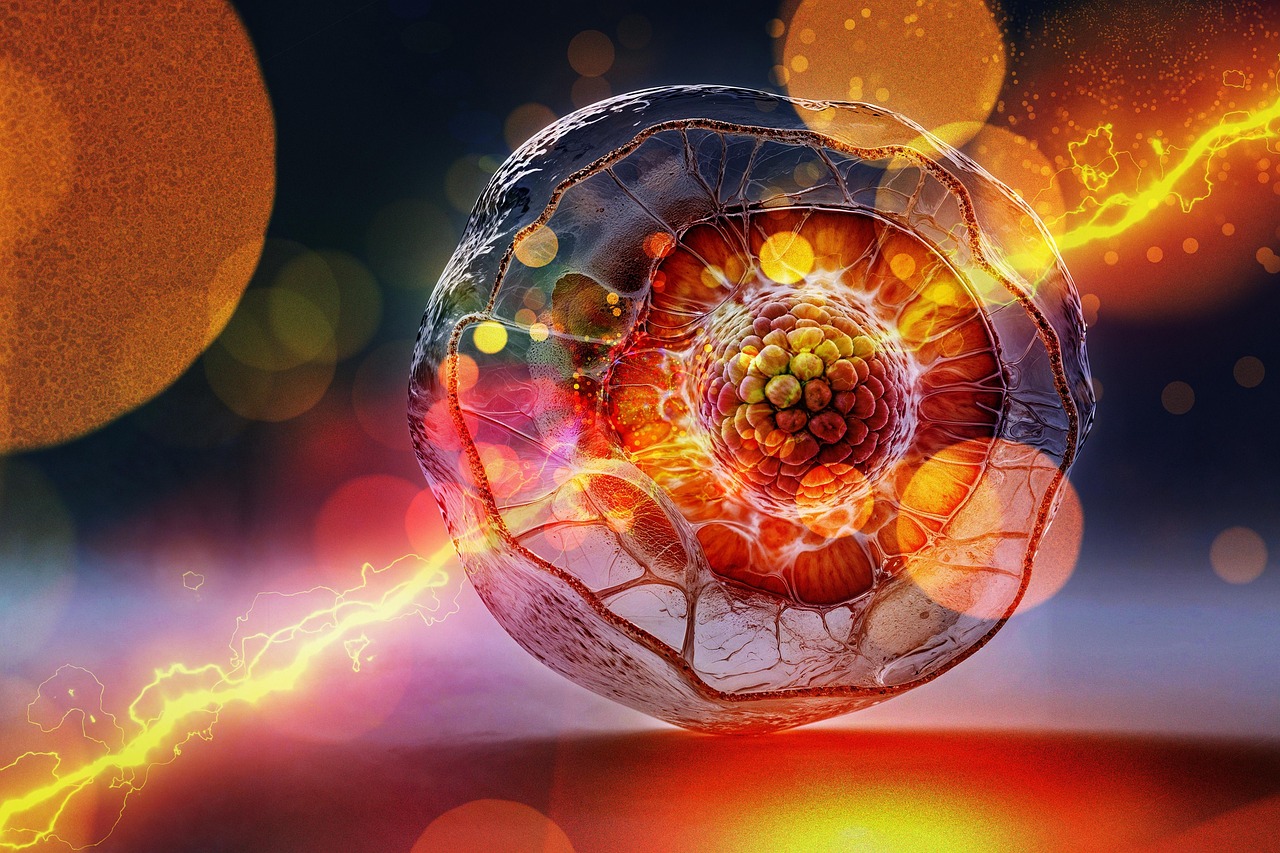
To understand why a diet can enhance chemotherapy, you must understand the difference between healthy cells and cancer cells. Longo exploits the phenomenon of “Differential Stress Resistance.”
Protection of the healthy
When the body lacks nutrients, healthy cells have an evolutionary mechanism: They shut down growth and use all energy for repair and protection. They build a shield around themselves, so to speak. This means that when chemotherapy hits, it bounces off the healthy cells because they are inactive.
Stress of the sick
Cancer cells have lost this ability. Due to mutations (oncogenes), they are locked in a state of constant growth with “the accelerator pressed to the floor.” They cannot go into hibernation, even if there is no food.
When sugar and growth factors are removed (via the diet), a crisis arises in the cancer cell. It desperately tries to grow without fuel. If it is hit with chemotherapy in this state, it collapses much faster than usual. This is called “Differential Stress Sensitization.” [2, 3]
Lowering of IGF-1
Research shows that high levels of the growth factor IGF-1 promote cancer. Longo’s protocol effectively lowers IGF-1 levels dramatically within five days, thereby removing one of the tumor’s most important growth signals.
The protocol’s recipe and dosage
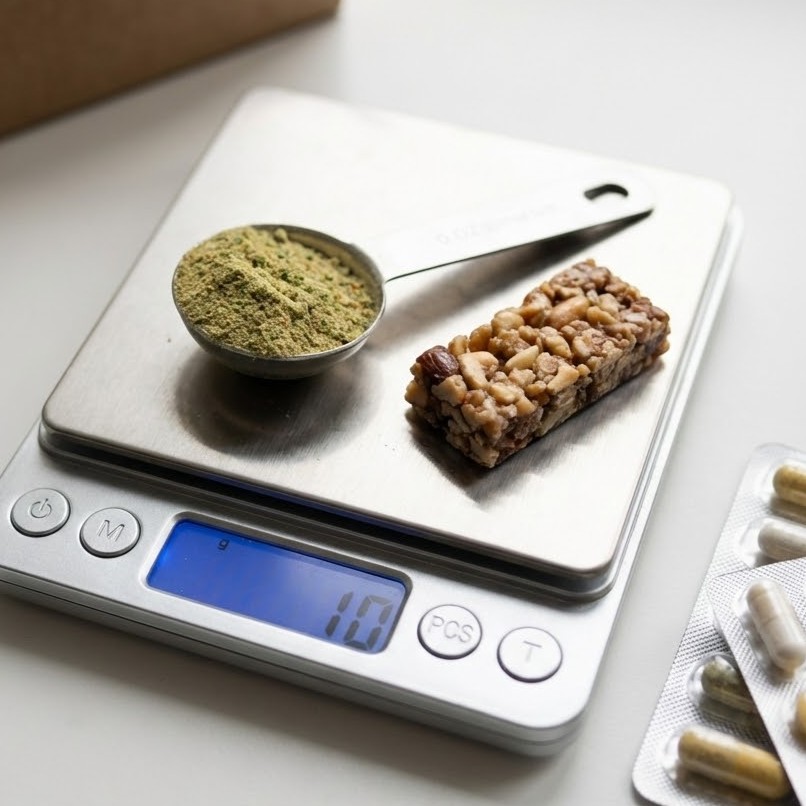
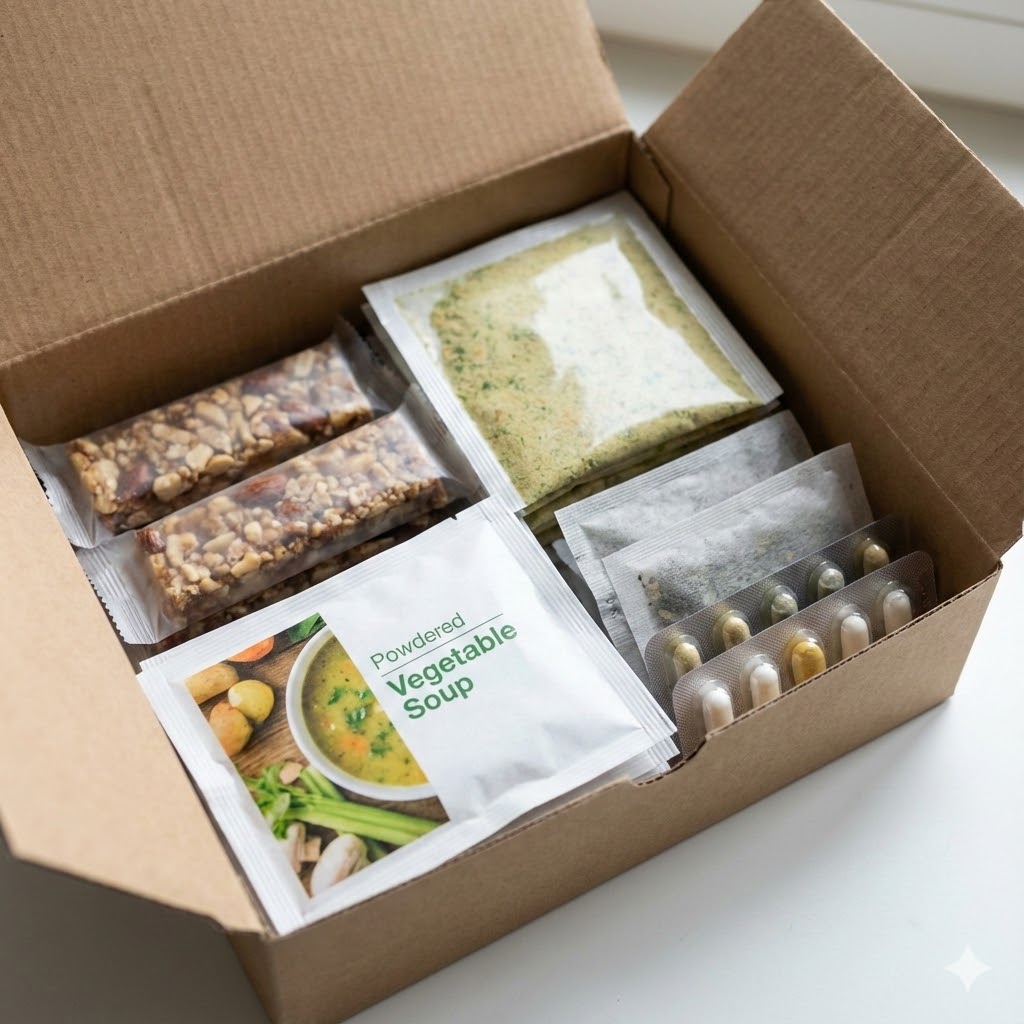
The strategy is precise and requires adherence to macronutrients to work. You can either buy a ready-made package (ProLon) or try to compose it yourself (DIY), although Longo recommends the first for safety.
The structure (the cycle)
This is not a permanent diet, but a cure that is taken in cycles.
- Duration: 5 days in a row.
- Frequency: Typically once a month in connection with chemotherapy (starting 3 days before chemo and ending 24 hours after, depending on the chemo type).
Day 1 (transition)
The body needs to get used to low calorie intake.
- Calories: Approx. 1100 kcal.
- Distribution: 10% protein, 56% fat, 34% carbohydrates.
- Content: Meals consist of complex carbohydrates (vegetables), healthy fats (nuts, olive oil), and vegetable protein. No meat, no dairy, no sugar.
Day 2-5 (ketosis and fasting)
Here, the body goes into deep protective mode.
- Calories: Approx. 700-800 kcal daily.
- Distribution: 9% protein, 44% fat, 47% carbohydrates.
- Content: Focus on vegetable soups, herbal tea, nut bars, and possibly supplements (multivitamin/omega-3) to avoid deficiencies.
- Goal: To keep blood sugar low and ketones high.
Rebuilding (day 6)
After the 5 days, you return to normal diet, but start slowly.
- Day 6: Easily digestible food (e.g., fruit, rice, soup). Avoid heavy meat and sugar shock right away.
See also Ketogenic Diet and LCHF
Important: Be aware that you must not be underweight (BMI below 18.5) before starting.
Important: The diet should be coordinated with your oncologist, as it can affect blood sugar and medication needs.
Food groups in detail
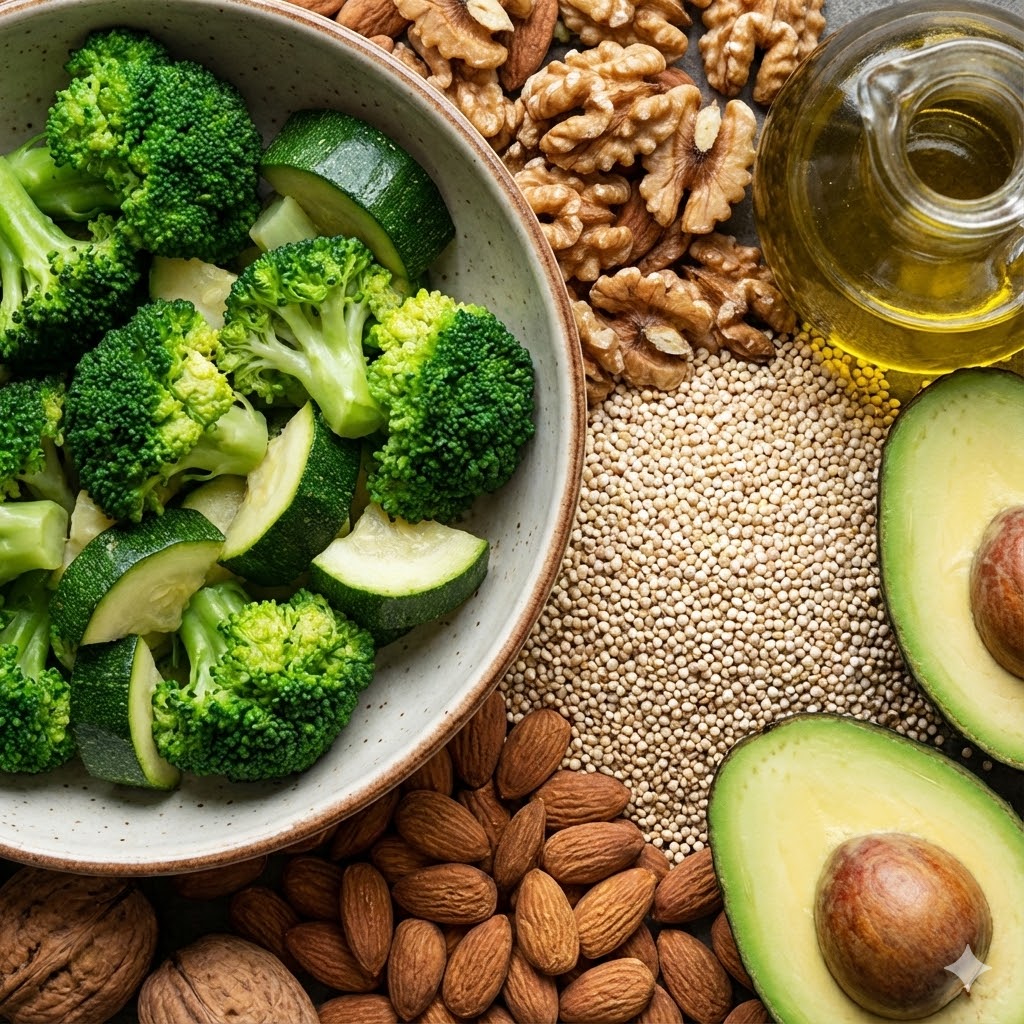
Longo’s protocol is strictly plant-based for the 5 days.
Longo’s approach
Valter Longo states: “Fasting is not just about calories, but about the composition.” If you eat 800 calories of pure sugar, you won’t achieve the effect. It must be fat and complex fibers that do not trigger insulin.
- Allowed: Nuts (macadamia, walnuts), olives, green vegetables, herbal tea, water, lemon.
- Forbidden: Meat, dairy products, fruit (due to sugar), starch (potatoes/bread), coffee (can be discussed, but often discouraged due to adrenal stress).
Relevance for cancer
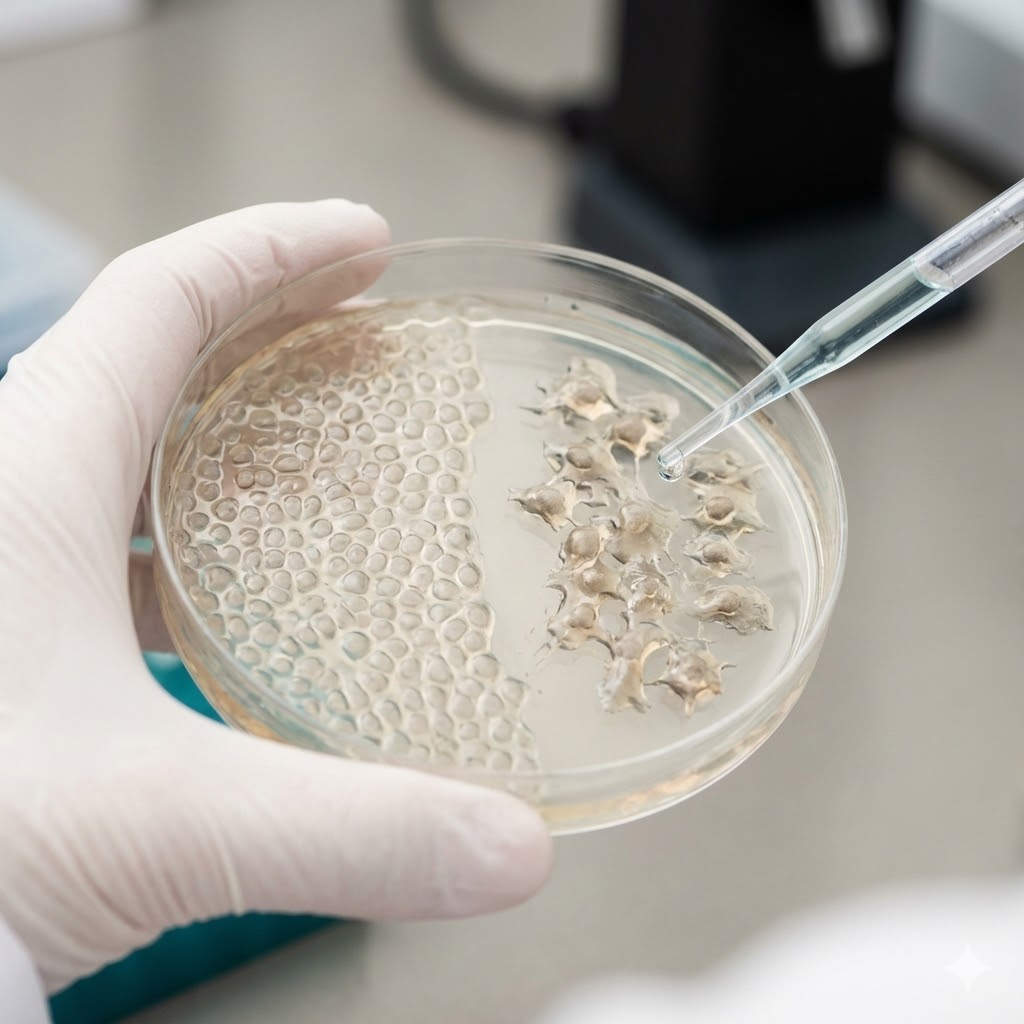
The Longo protocol is relevant for patients who want to use diet actively to improve their standard treatment.
Protection against side effects
Studies show that patients on FMD often experience less nausea, fatigue, and fewer damages to the immune system (neutropenia) during chemotherapy. [4]
Increased treatment effect
The method is aimed at those who want to optimize their odds. In mouse experiments, the combination of FMD and chemo has been shown to be able to cure cancer types that chemo alone could not touch.
Scientific weight
Unlike many other cures, this protocol has been tested in randomized clinical trials at hospitals around the world (including the Netherlands and the USA).
Considerations and risks

Even though it is “just food,” it is a powerful intervention. The body is stressed physiologically.
Weight loss and muscle loss
Cancer patients often struggle with weight loss. FMD inevitably leads to weight loss. It is critical to ensure that you regain the weight in the periods between cycles (re-feed periods).
Blood sugar drop
Patients on diabetes medication should be extremely careful, as the combination with fasting can cause life-threateningly low blood sugar. Therefore, discuss this with your practitioner.
Not a replacement for treatment
Longo always emphasizes: “This is integrative medicine.” It does not replace chemo or radiation, but makes it work better. The diet alone can rarely remove cancer, but it can slow down the growth.
Interaction
You should not take high doses of antioxidants (vitamin C, vitamin E) during FMD days, as this can counteract the oxidative stress that is supposed to kill cancer cells.
Which treatment did Valter Longo offer

Since Longo is a researcher, we refer here to the patient cases and studies he has published.
The case (from clinical trials):
- In studies with breast cancer patients (DIRECT study), participants were divided into two groups.
Conventional treatment:
- All received standard chemotherapy.
The intervention:
- Half followed the FMD protocol in the days around each chemotherapy treatment, while the other half ate normally.
The result:
- The FMD group had significantly fewer side effects. Their DNA in the white blood cells was less damaged.
- Later analyses have indicated that patients who followed the diet strictly had a better tumor response (the cancer shrank more) and potentially better survival. [5]
Potent strategy for resistant cancer
The protocol addresses the problem of cancer cells hiding. When you fast, the level of the substance “Heme Oxygenase-1” in cancer cells drops. This means that the body’s own T-cells (killer cells) suddenly can “see” the cancer and attack it.
FMD can therefore potentially turn “cold” cancer (which the immune system ignores) into “hot” cancer that can be attacked, making it particularly interesting in combination with modern immunotherapy. [6]
Important warnings

Fasting is a powerful metabolic stress test, and for weakened patients, there are risks.
Diabetes and ketoacidosis
If you take insulin or metformin, you must never fast without medical supervision.
The problem:
- The medication lowers blood sugar, and fasting lowers it further. You risk insulin shock (hypoglycemia).
- If you have type 1 diabetes, the lack of insulin during fasting can lead to life-threatening acid poisoning (ketoacidosis).
Gallbladder attack
When you fast and then eat fatty food (nuts/oil), the gallbladder has to work hard.
The problem:
- If you have gallstones, fasting can trigger an acute attack. If you have had your gallbladder removed, the high fat content in FMD can cause diarrhea—in some cases severely.
Critical weight loss (cachexia)
The greatest risk of fasting during cancer treatment is loss of muscle mass.
The problem:
- If your BMI is below 18.5, or if you have already lost a lot of weight unintentionally, you should not fast.
- The immune system requires proteins to function. Fasting can in this situation weaken you more than it benefits.
See also Underweight
See also Preserve muscle mass
Safety
Always consult your practitioner before starting a protocol.
Important for chemotherapy and low blood platelets

Many of the substances that fight cancer effectively (especially in this protocol) also act as blood thinners. If chemotherapy has lowered your blood platelets (thrombocytes) to a critical level, you should be extra careful.
What you should pause with low blood platelets
If your numbers are at the bottom, the following substances should be paused to avoid bleeding risk until the marrow has recovered:
- Fatty acids: Omega-3, fish oil, flaxseed oil (Strong blood thinner), cod liver oil, flaxseed oil (Budwig), and krill oil.
- Herbal extracts (high dose): Curcumin/turmeric, Ginger, garlic (in high doses/capsules), ginkgo biloba, and Ginseng. (Inhibits the ability of blood platelets to clump together).
- Enzymes: Proteolytic enzymes such as Bromelain, Papain, and Serrapeptase. (as these break down fibrin, which helps the blood to clot).
- Specific antioxidants: Vitamin E, Resveratrol, Quercetin, and strong Green Tea extract (EGCG).
- Off-label medication: Aspirin, Magnyl or Hjertemagnyl (must be stopped immediately with low platelets, unless otherwise agreed with the doctor).
Support for bone marrow
There are strategies that specifically support the formation of blood platelets without counteracting the treatment:
- Melatonin: Studies show that melatonin can protect the bone marrow from chemo damage (taken at bedtime).
- Papaya leaf extract: Known for potentially being able to increase the number of blood platelets.
- Chlorophyll: Green juices (spinach/kale) deliver vitamin K, which supports blood clotting.
- Shark liver oil (alkylglycerols): Can stimulate the formation of white blood cells and platelets (should not be taken on the actual chemo days).
NB: You should always discuss your intake of supplements with your oncologist.
Pancreatic cancer (KRAS mutations)

Valter Longo’s research is particularly interesting here, as pancreatic cancer is often driven by a mutation in the KRAS gene, which makes the cells very resistant.
Longo’s studies suggest that when you combine fasting-like diet (FMD) with high doses of vitamin C (IV), you can “trick” these mutated cells and make them vulnerable to cell death.
In addition, his research has shown that fasting can stimulate the regeneration of healthy cells in the pancreas.
Conclusion

Valter Longo’s protocol represents a paradigm shift where food is regarded as medical technology. It challenges the idea that cancer patients should always “eat what you feel like” to maintain weight.
For the oncologist, it is a tool to reduce toxicity. For the patient, it is a way to take control and actively participate in the fight against cancer cells.
The protocol offers a concrete action, namely to starve the cancer while strengthening the healthy cells. It is science translated into meals.
See also Immunotherapy
Example of a day on the protocol (day 2-5)
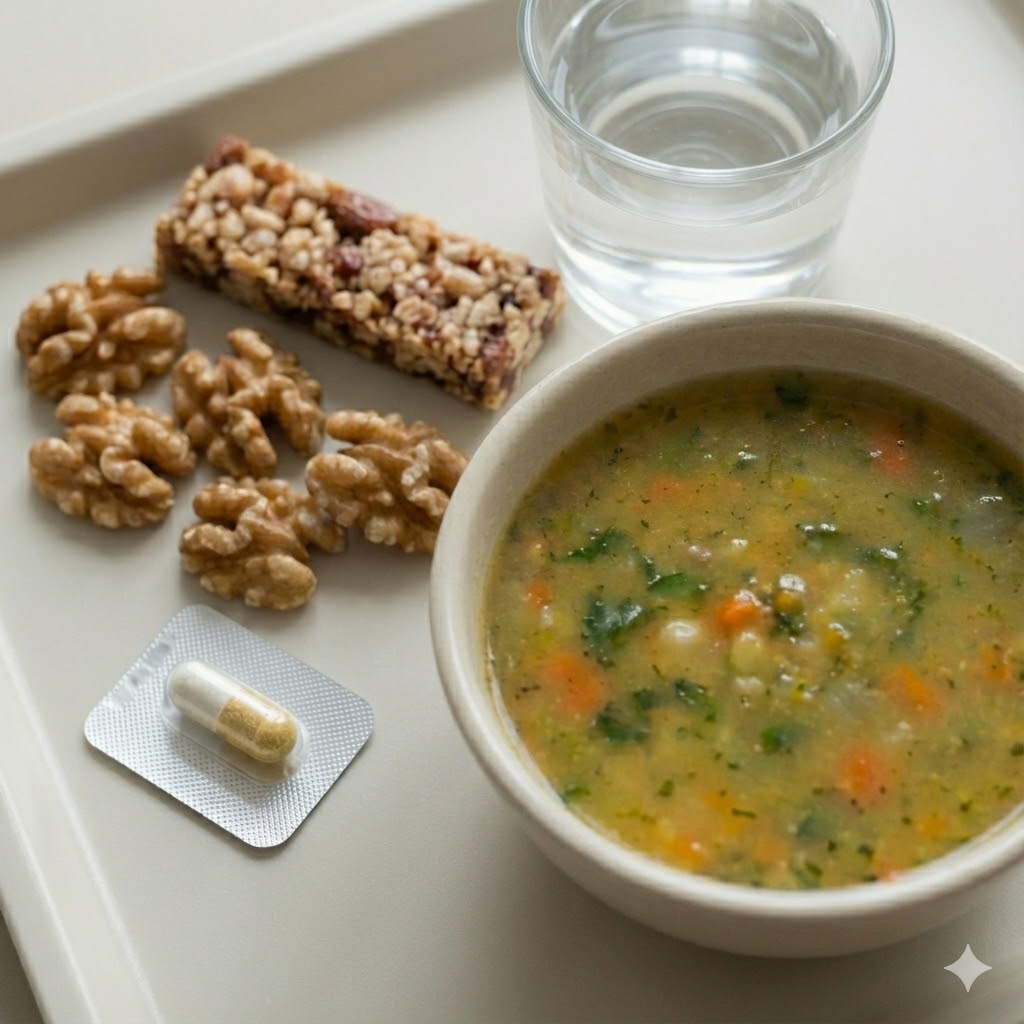
The day is characterized by small amounts of food and lots of liquid.
Breakfast: Herbal tea (without sugar) and a nut bar (high fat content, low sugar) specifically composed for the purpose.
Lunch: A small portion of vegetable soup (e.g., tomato or mushroom) with extra olive oil for satiety, plus a supplement of algae oil (Omega-3).
Afternoon: Herbal tea and possibly a few olives.
Evening: Vegetable soup and a small cracker with low carbohydrate content.
Ongoing: Plenty of water. No physically hard exercise, only light walks.
See also Fasting
Links
[1] Fasting and cancer: molecular mechanisms and clinical application (PubMed, Nature Reviews Cancer, 2018)
- Content: A comprehensive scientific review by Valter Longo and colleagues describing the molecular mechanisms (IGF-1, mTOR) by which fasting and FMD can increase the effect of cancer treatment and protect normal cells.
[2] Starvation-dependent differential stress resistance protects normal but not cancer cells against high-dose chemotherapy (PubMed, PNAS, 2008)
- Content: The groundbreaking study that introduced the concept of “Differential Stress Resistance.” The study showed that short-term starvation protected mice from lethal doses of chemotherapy, while cancer cells were not protected.
[3] Fasting-mimicking diet reduces HO-1 to promote T cell-mediated tumor cytotoxicity (PubMed, Cancer Cell, 2016)
- Content: A study showing how FMD not only works metabolically but also activates the immune system (T cells) to attack breast cancer and melanoma, especially in combination with chemotherapy.
[4] Fasting mimicking diet as an adjunct to neoadjuvant chemotherapy for breast cancer in the DIRECT trial (PubMed, Nature Communications, 2020)
- Content: Results from a randomized clinical trial with breast cancer patients. The study concludes that FMD is safe to perform, reduces chemo-related DNA damage in immune cells, and shows signs of increased tumor response.
[5] Longevity Diet for Adults (Website, Valter Longo, 2019)
- Content: The page where Valter Longo presents the protocol to a wider audience. Here, both the everyday diet for a long life and the specific 5-day FMD cure for disease treatment are described.
[6] Safety and Feasibility of Fasting-Mimicking Diet and Effects on Nutritional Status and Circulating Metabolic and Inflammatory Factors in Cancer Patients Undergoing Active Treatment (European Journal of Clinical Nutrition, 2021)
- Content: A study evaluating the safety of FMD in patients with various cancer types. It confirms that the diet is generally well tolerated and does not cause severe malnutrition when performed under supervision.
Page created: December 6, 2025
❤
What you read on I Have Cancer is not a recommendation. Seek competent guidance.
