


Treatments
Protokols for cancer
- The metabolic and data-driven
- Repurposed drugs and medical combinations
- Beljanski Protocol (Pao Pereira & extracts)
- Burt Berkson (ALA/ LDN) (scroll down)
- Care Oncology Clinic (COC – repurposed drugs)
- Coley’s Toxins (immunotherapy/ fever)
- FLCCC Cancer Protocol (Ivermectin and Mebendazole)
- Jane McLelland (how to starve cancer)
- Joe Tippens (fenbendazole)
- Rick Simpson Oil (RSO) Protocol (highly concentrated cannabis oil)
- Riordan (IV C-vitamin)
- Stanislaw Burzynski (antineoplastons)
- Intensive diet and detoxification
- Strategic fasting
- Tradition and wisdom
- Mind-body and biological decoding
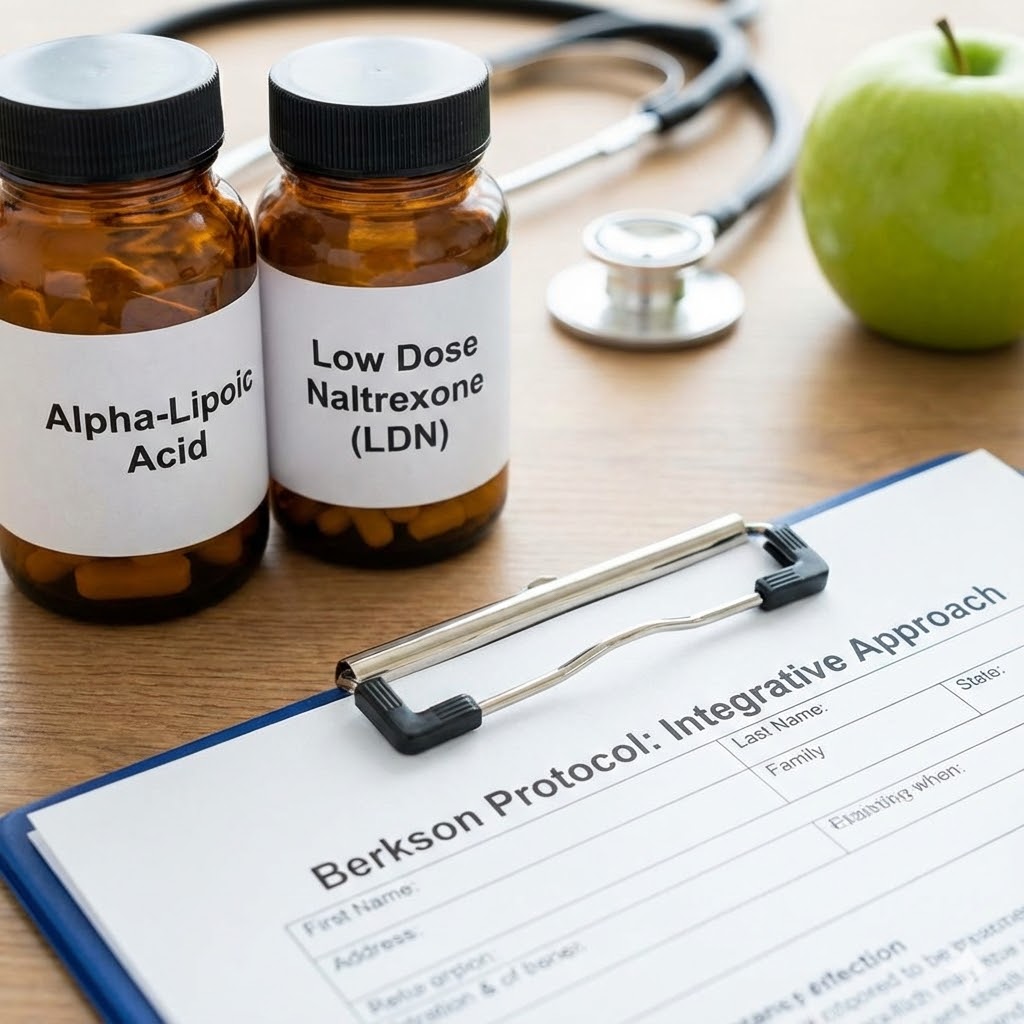
Dr. Burt Berkson (Triple Antioxidant Therapy) Protocol for Cancer
Summary of the Berkson Protocol
Purpose:
- To stop cancer growth and simultaneously protect vital organs (especially the liver) from damage.
Content:
- A combination of intravenous Alpha-Lipoic Acid (ALA), Low Dose Naltrexone (LDN) at bedtime, and oral intake of B vitamins/antioxidants.
The central idea:
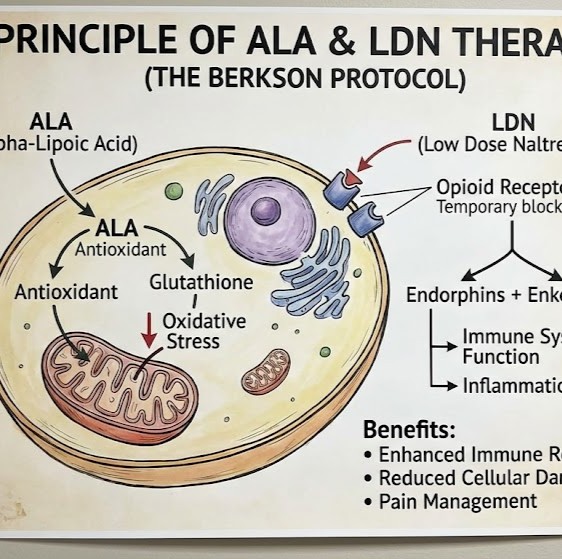
- Cancer cells have a different metabolism than healthy cells. By manipulating this with ALA and simultaneously increasing the body’s level of endorphins (via LDN), one can inhibit tumor growth without the toxic side effects of chemo.
Who is Dr. Burt Berkson

Dr. Burt Berkson is an American doctor (MD) and PhD in cell biology. He became a legend in integrative medicine in the 1970s against his will. As a young reserve doctor, he was responsible for two patients who were dying from liver failure after eating poisonous mushrooms (death cap). He called the National Institutes of Health and was sent an experimental drug: Alpha-Lipoic Acid (ALA).
Against all odds, the patients survived and completely regenerated their livers. When he later discovered that ALA combined with LDN also had an effect on cancer, he founded The Integrative Medical Center in New Mexico, where he has treated patients from around the world for decades [3].
Repair and attack
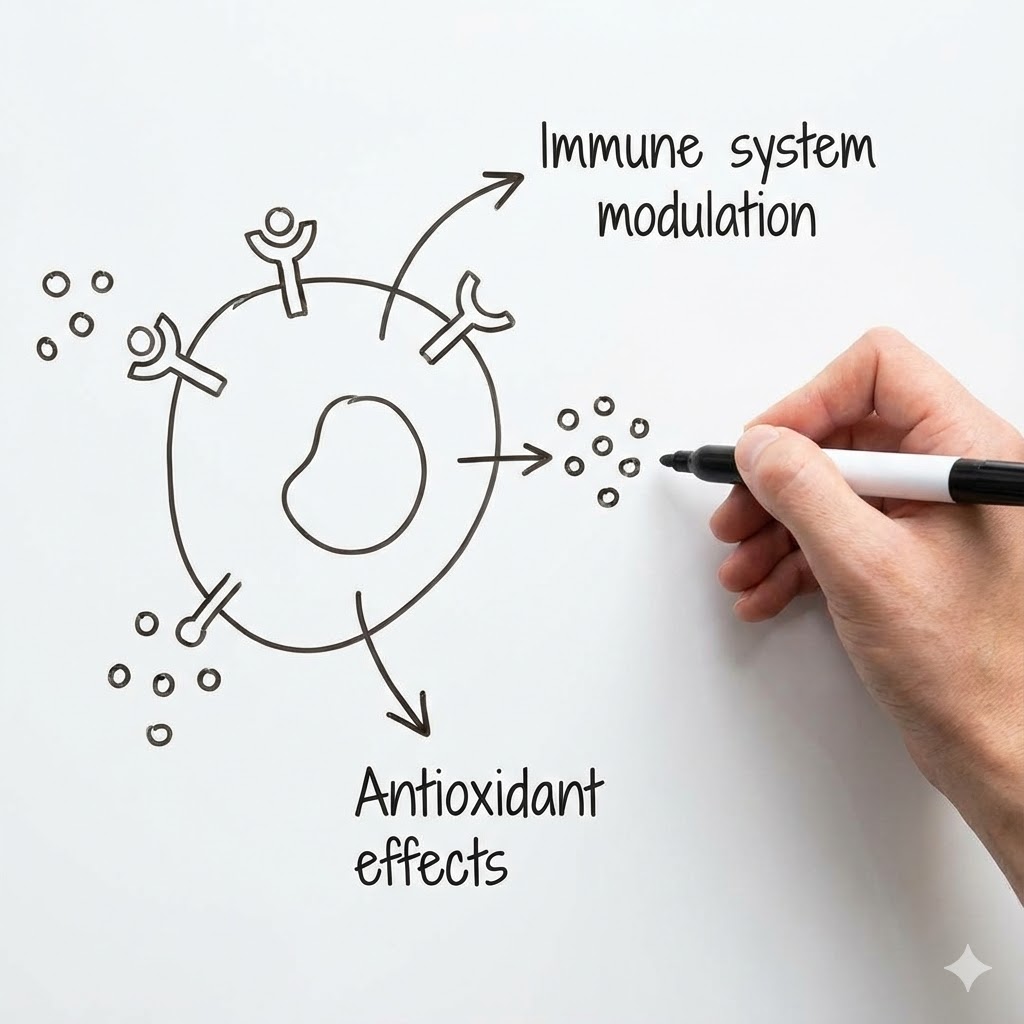
Berkson’s protocol is unique because it works on two fronts:
- Liver protection and regeneration (ALA):
Alpha-Lipoic Acid is a “universal antioxidant” that is both water- and fat-soluble. It can reuse other antioxidants (C and E vitamins) in the body.
For cancer patients, this is crucial as the liver is often the first organ to fail – either due to metastases or chemo toxicity [6]. - Metabolic stress on cancer (ALA):
While ALA protects healthy cells, it works the opposite on cancer cells.
It forces the cancer cell’s mitochondria to use oxygen (aerobic combustion), which stresses the cancer cell metabolically (a process similar to the Warburg effect). [4]- Newer research confirms that this mechanism can inhibit cancer cells’ ability to spread (metastasize) [8], and laboratory studies have shown a direct effect on, among other things, breast cancer cells’ viability [9].
- Immune modulation (LDN):
By giving Naltrexone in very low doses, the body’s production of OGF (Opioid Growth Factor) is increased.
This signaling substance directly inhibits cell division in tumors.
Protocol content
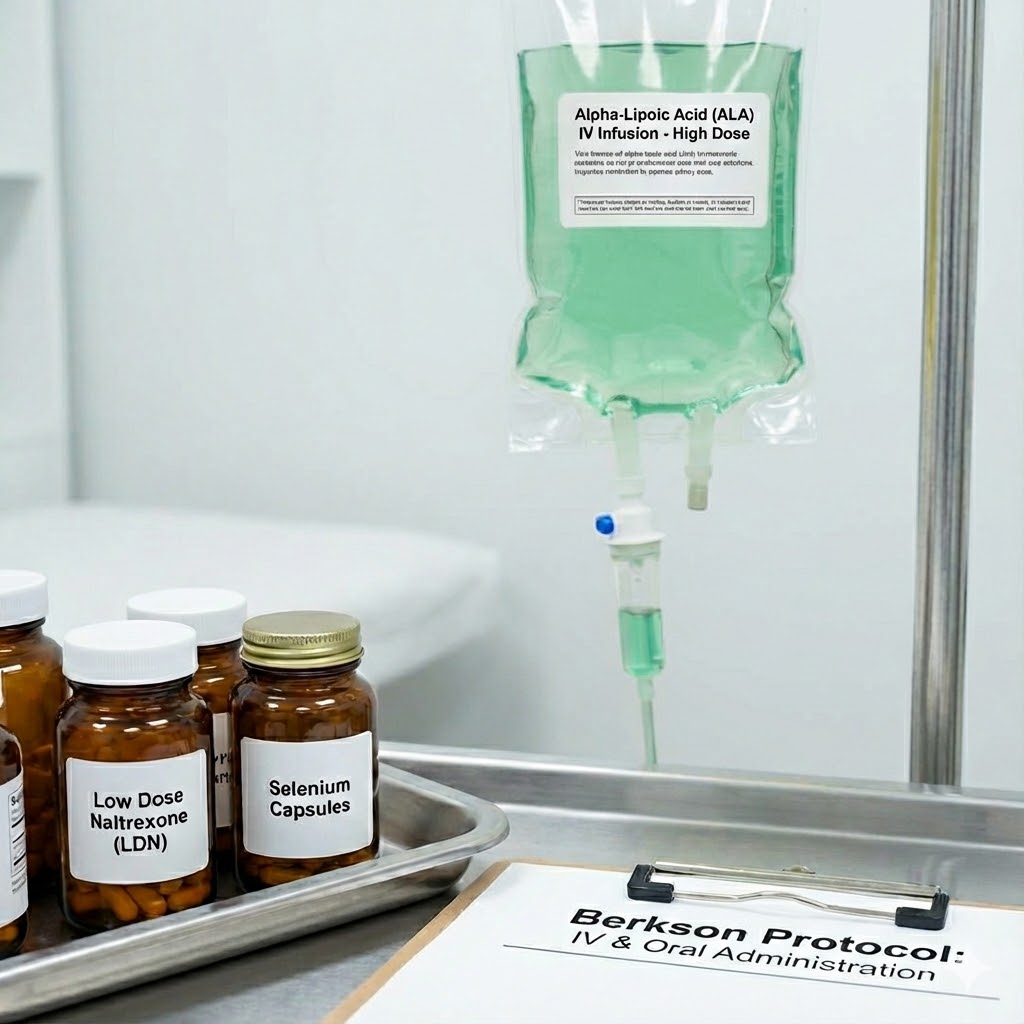
The treatment consists of a clinical part (IV) and a home part.
1. Intravenous (IV) Alpha-Lipoic Acid
This is the “engine” of the treatment. Oral ALA is not absorbed well enough to achieve the cancer-killing effect.
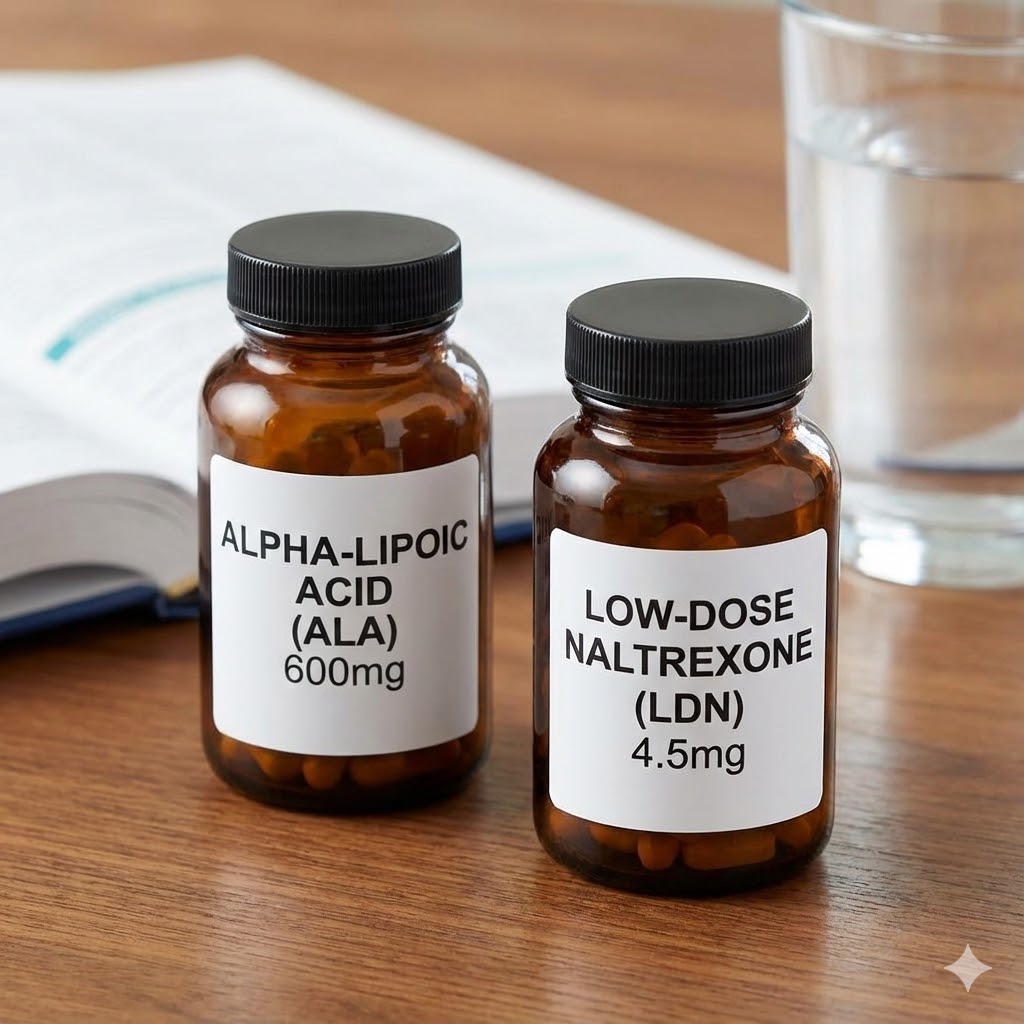
- Dose: Typically given as a drip 2 times a week (300-600 mg).
2. Low Dose Naltrexone (LDN)
The most important drug in the protocol.
- Dose: 3.0 mg to 4.5 mg taken at bedtime (between 9 PM and 3 AM).
3. Oral supplements (triple antioxidant therapy)
The home treatment supports the IV treatment:
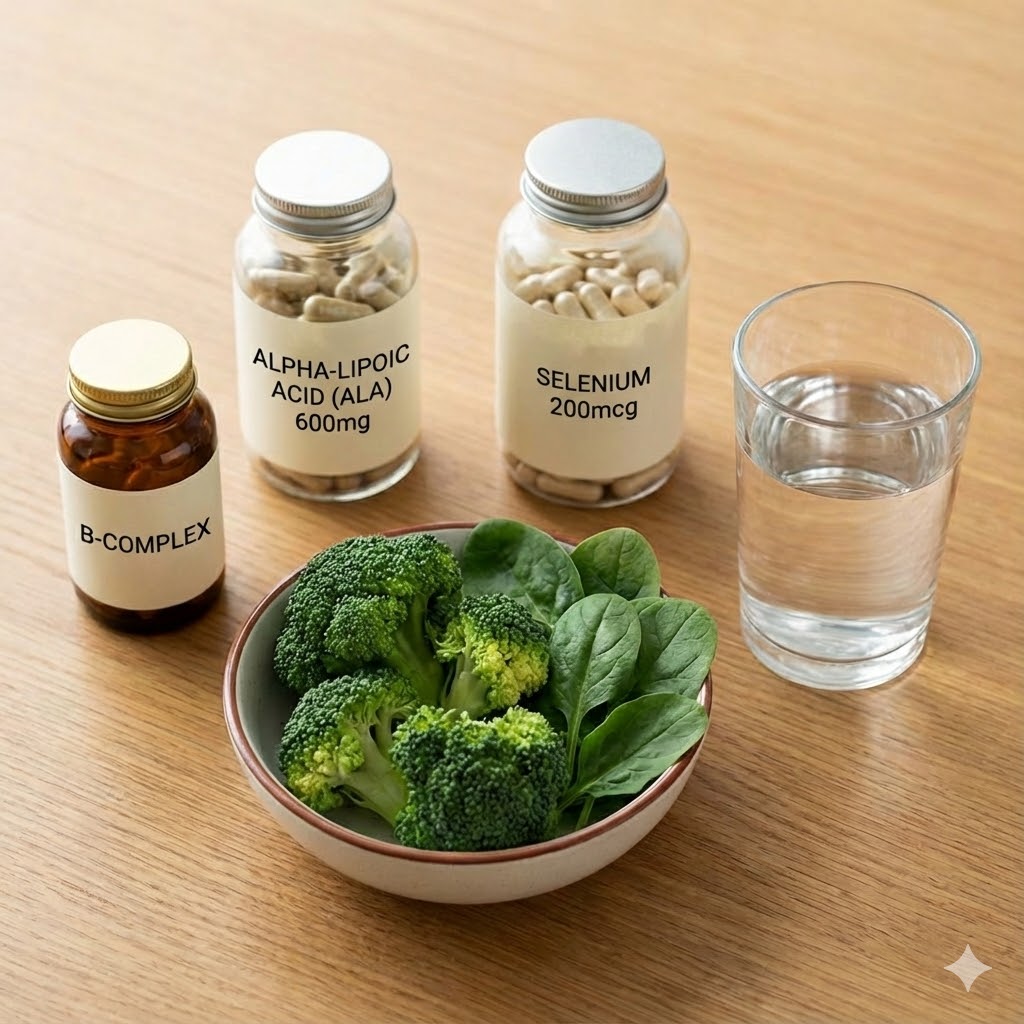
- Oral ALA: For maintenance on days without drip.
- Selenium: Works in synergy with ALA.
- Silymarin (Milk Thistle): Known liver herb.
- B-Complex: Especially B1 vitamin is necessary when taking high doses of ALA.
- Reason: ALA uses B1 vitamin as a “helper substance” to convert sugar into energy in the cells.
- When taking high doses of ALA, this process is put into overdrive, which quickly depletes the body’s supply of B1. Without extra supplements, you will therefore experience deficiency symptoms (such as dizziness, nausea, and malaise).
Important warnings

There are three situations where the Berkson protocol requires special caution or is directly harmful:
LDN and strong painkillers
You must never take LDN (Low Dose Naltrexone) if you are using morphine-like preparations (opiates). This includes medications such as Morphine, Oxycontin, Tramadol, Kodimagnyl, Dolol, and Fentanyl patches.
Why:
- Naltrexone blocks the opiate receptors in the brain. It will immediately cancel the effect of your pain medication and possibly give you withdrawal symptoms and breakthrough pain. You must be completely tapered off opiates for at least 7-10 days before you can start on LDN.
ALA and diabetes
Alpha-Lipoic Acid (ALA) is so effective at lowering blood sugar that it can surprise diabetics.
Risk:
- If you take insulin or other diabetes medication, ALA can enhance the effect, so you get insulin shock (too low blood sugar). Measure your blood sugar frequently and be prepared to lower your medication dose in consultation with your doctor.
ALA and thyroid medication
Large doses of ALA can affect the conversion of thyroid hormones.
Risk:
- If you take medications such as Eltroxin or Euthyrox, you should have your levels (TSH) checked more often, as the dose may need to be adjusted.
Safety
Always consult your healthcare provider before starting a protocol.
If you receive chemotherapy
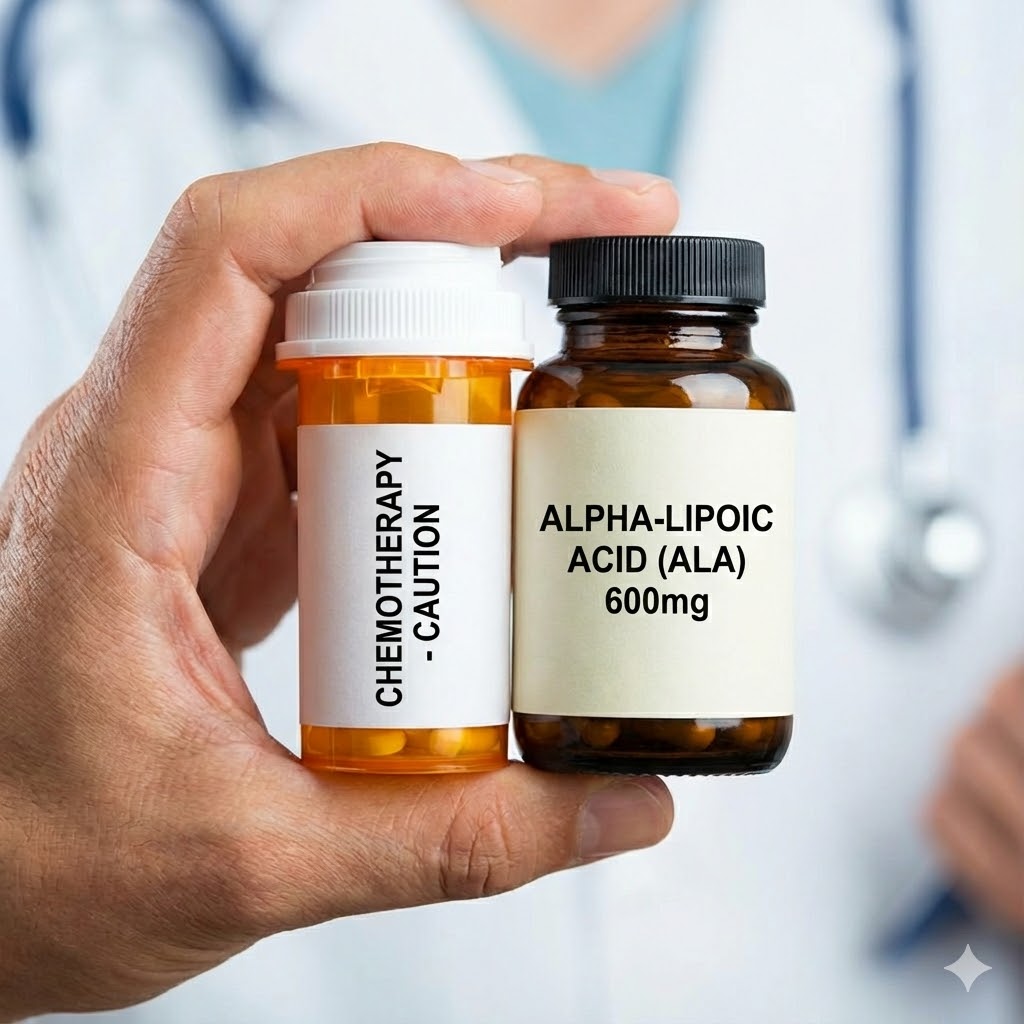
Many of the substances that effectively fight cancer (especially in this protocol) also act as blood thinners. If chemotherapy has lowered your platelets (thrombocytes) to a critical level, you should be extra cautious to avoid internal bleeding.
What you should pause with low platelets
If your numbers are at the bottom, the following groups should be paused until the marrow has recovered:
- Fatty acids: Fish oil (Omega-3), Cod liver oil, Flaxseed oil (Budwig) and Krill oil.
- Herbal extracts (high dose): Curcumin (Turmeric), Ginger, Garlic capsules and Ginkgo Biloba.
- TCM / Chinese herbs: Especially Dong Quai (Angelica), Dan Shen and Ginseng.
- Enzymes: Proteolytic enzymes such as Bromelain, Papain, Wobenzym and Serrapeptase (as these break down fibrin, which helps blood clot).
- Specific antioxidants: Vitamin E, Resveratrol, Quercetin and strong Green Tea extract (EGCG).
- Off-label medication: Aspirin, Magnyl or Hjertemagnyl (should be stopped immediately with low platelets, unless otherwise agreed with the doctor).
What you CAN do to support the bone marrow
There are strategies that specifically support the formation of platelets without increasing the risk of bleeding:
- Melatonin:
Studies show that melatonin (at bedtime) can protect the bone marrow from chemo damage. - Papaya leaf extract:
Known for potentially being able to increase the number of platelets. - Chlorophyll and Vitamin K:
Green juices (spinach/kale) naturally provide vitamin K, which is necessary for blood clotting. - Shark liver oil (alkylglycerols):
Can stimulate the formation of white blood cells and platelets (should not be taken on chemo days themselves).
If your platelets are critical, you should always discuss your intake of dietary supplements with your oncologist.
Relevance in cancer (liver and pancreas)
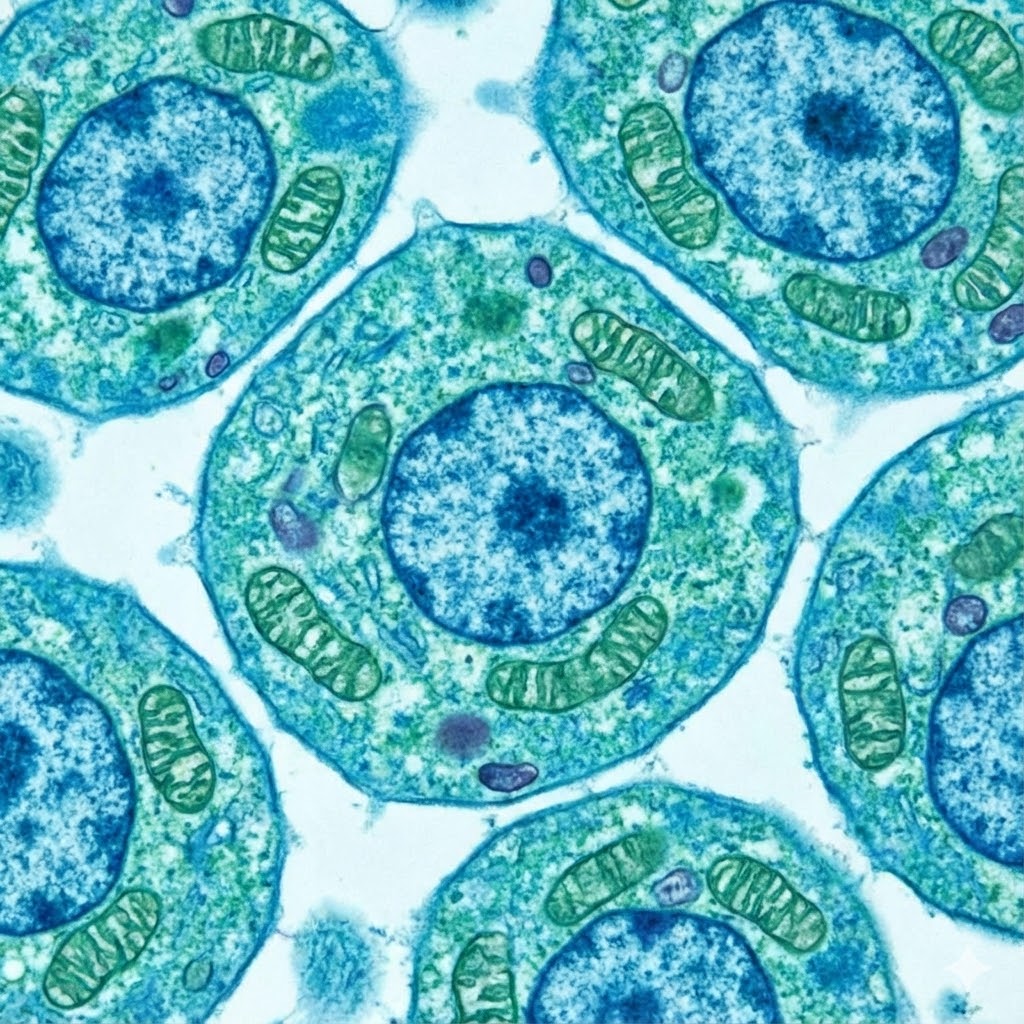
Dr. Berkson is world-renowned for his results with liver cancer (Hepatocellular carcinoma) and pancreatic cancer.
He has published several case reports in recognized journals, where patients with terminal pancreatic cancer (with metastases to the liver) have survived for many years on this protocol, despite being given up on by oncologists [1, 2].
He has also documented the protocol’s effect on other diagnoses, including lymphoma, where tumors shrank after treatment [7].
The protocol is also relevant for patients whose liver is failing due to chemo damage, as ALA is one of the few substances that can regenerate liver tissue.
Considerations and risks
This is a “mild” protocol in terms of side effects, but it requires logistics.
Access to IV treatment
The biggest challenge is finding a doctor or clinic in Denmark that offers intravenous ALA. It is not standard treatment at hospitals.
Low blood sugar
ALA lowers blood sugar effectively (it is also used against diabetic neuropathy). Patients should make sure to have eaten well before receiving IV ALA, otherwise they may become dizzy and unwell (hypoglycemia).
Herxheimer reaction
Since the treatment cleanses the liver, one may experience short-term headaches or fatigue in the beginning.
Combination with chemo and metformin
If you follow the Berkson protocol alongside conventional treatment, there are three specific considerations to be aware of to achieve full effect and avoid risks:
1. Protection against nerve damage (neuropathy)
Many chemo types (especially Platinum drugs such as Cisplatin/Carboplatin and Taxanes) can cause permanent nerve damage in fingers and feet.
- Advantage: ALA is approved (among other places in Germany) for the treatment of diabetic neuropathy. Many integrative doctors therefore use it strategically to protect the nerves from chemo damage [5].
2. Timing in relation to chemo days
ALA is called the “Master antioxidant” because it is very powerful.
- Rule: As a general rule, you should not take high-dose ALA (neither IV nor oral) on the same days you receive chemotherapy, as well as the days immediately after, when the drug is still active in the body. This is due to the risk that the antioxidant may protect the cancer cells from the chemo’s attack. Instead, use ALA in your “chemo breaks” to rebuild healthy cells.
3. Risk of low blood sugar (hypoglycemia)
If you also take Metformin (e.g., as part of the COC protocol) or other diabetes medication, you should be cautious.
- Risk: Both Metformin and ALA lower blood sugar. If you take both at the same time – and especially if you eat little due to nausea – your blood sugar can become too low, which causes dizziness and tremors.
- Advice: Measure your blood sugar regularly, or take a break from ALA on days when you haven’t eaten enough.
Conclusion
Dr. Burt Berkson’s protocol is an organ-preserving strategy.
Where chemo works by killing cells (both sick and healthy), the Berkson protocol works by repairing the healthy cells (especially the liver) and changing the immune system’s signaling substances (via LDN), so the body itself can fight the cancer.
It is a preferred path for many with liver diseases or autoimmune components.
Example of a day on the protocol

Morning: B vitamin complex, Selenium and Silymarin (Milk Thistle). Healthy breakfast (low glycemic index).
Midday: Lunch. Oral ALA (if it is a day without drip).
Afternoon: IV ALA treatment at the clinic (e.g., Tuesday and Thursday). Duration approx. 45 minutes.
Evening: Dinner with good fatty acids (omega-3).
Bedtime: Low Dose Naltrexone (3.0 – 4.5 mg). Taken on an empty stomach for maximum effect.
Also see Repurposed Drugs
Also see Metabolic strategy – block signaling pathways by cancer type – chart overviews
Afterword

Dr. Berkson’s results are primarily published as “Case Reports.” These are not large randomized trials with 1000 people, but detailed, medical descriptions of individual patients who have defied all odds.
Here are the 3 specific studies that created his reputation. They document the patients who survived, even though they were sent home to die:
1. The patient who refused to die
This is the study that put Berkson on the map in the cancer world.
- What it shows: A patient with pancreatic cancer and spread to the liver (normal expected lifespan: 3-6 months) started on ALA/LDN. The article documents that the patient was alive and well 3 years and 6 months later without signs of disease progression. This is extremely rare conventionally.
2. Three new miracles
After the first study, there was skepticism (“it was probably just luck”). Therefore, he published three new cases.
- What it shows:
- Case 1: Alive 39 months after diagnosis (pancreatic cancer with liver metastases).
- Case 2: Stable disease after 5 months (despite no effect from chemo).
- Case 3: A patient who combined the protocol with standard treatment and achieved significant improvement.
3. Effect on lymphoma
To show that it is not just one type of cancer, he published this case about B-cell lymphoma.
Reversal of signs and symptoms of a B-cell lymphoma in a patient using only low-dose naltrexone (PubMed, 2007)
- What it shows: A patient with B-cell lymphoma who had large, visible tumors in the groin experienced the tumors shrinking and disappearing after starting the ALA/LDN protocol.
These links are published in PubMed (Integrative Cancer Therapies), which is a peer-reviewed journal (i.e., approved by other researchers). They do not prove that the cure works on everyone, but they do prove that Dr. Berkson has had patients with terminal diagnoses who have survived for years on his treatment.
This is the foundation that the entire protocol stands on.
Links
[1] The long-term survival of a patient with pancreatic cancer with metastases to the liver after treatment with the intravenous alpha-lipoic acid/low-dose naltrexone protocol (Integrative Cancer Therapies, 2006)
- Content: The famous case story where Dr. Berkson describes a patient with pancreatic cancer and liver metastases who survived for years on his protocol, despite a prognosis of a few months.
[2] Revisiting the ALA/N (alpha-lipoic acid/low-dose naltrexone) protocol for people with metastatic and nonmetastatic pancreatic cancer (PubMed, 2009)
- Content: A follow-up article describing three more patients treated with the protocol, supporting the theory of its effectiveness.
[3] Book: The Alpha Lipoic Acid Breakthrough (By Burt Berkson, Saxo, 1998)
- Content: Dr. Berkson’s book, which explains the science behind the antioxidant and how it is used medically. (The reference is to the book publication).
[4] The Multifaceted Role of Alpha-Lipoic Acid in Cancer Prevention, Occurrence, and Treatment (National Institutes of Health / PMC, 2024)
- Content: A brand new scientific review that maps ALA’s roles in cancer treatment. The article describes the mechanisms behind how ALA can oxidatively stress cancer cells and inhibit their growth, while protecting healthy cells.
[5] Role of alpha-lipoic acid in counteracting paclitaxel- and doxorubicin-induced toxicities (National Institutes of Health / PMC, 2022)
- Content: A newer study that investigated ALA’s effect on patients in chemo. The conclusion points to ALA being a promising additional treatment to reduce nerve damage (neuropathy) and heart stress caused by chemotherapy.
[6] Alpha-lipoic acid in liver metabolism and disease (PubMed, Free Radical Biology & Medicine, 1998)
- Content: A thorough review of how ALA works in the liver. The article documents that ALA is crucial for the liver’s energy production and can protect against liver damage from toxins – which is the mechanism Dr. Berkson builds his liver treatment on.
[7] Reversal of signs and symptoms of a B-cell lymphoma in a patient using only low-dose naltrexone (Integrative Cancer Therapies, 2007)
- Content: Dr. Berkson’s third major case study. It documents that the protocol works more broadly than just on liver/pancreas. Here, a patient with B-cell lymphoma is described, where large visible tumors shrank after treatment.
[8] Alpha-Lipoic Acid Reduces Cell Growth, Inhibits Autophagy, and Counteracts Prostate Cancer Cell Migration and Invasion (PubMed, International Journal of Molecular Sciences, 2023)
- Content: A study that confirms the theory in the laboratory. The researchers demonstrated that ALA directly inhibits cancer cells’ ability to divide and spread (metastasize) by blocking specific signaling pathways.
[9] Lipoic Acid Decreases the Viability of Breast Cancer Cells (Anticancer Research, 2017)
- Content: This study examined the effect of ALA on breast cancer cells. The conclusion was that ALA significantly reduced the cancer cells’ viability by inhibiting specific enzymes (PTP1B and SHP2), which supports the safety profile and potential as a supportive treatment.
Page created: December 13, 2025
❤
What you read on “Jeg har Kræft” is not a recommendation. Seek competent guidance.
