

Treatments
Protokols for cancer
- The metabolic and data-driven
- Repurposed drugs and medical combinations
- Beljanski Protocol (Pao Pereira & extracts)
- Burt Berkson (ALA/ LDN)
- Care Oncology Clinic (COC – repurposed drugs)
- Coley’s Toxins (immunotherapy/ fever)
- FLCCC Cancer Protocol (Ivermectin and Mebendazole) (scroll down)
- Jane McLelland (how to starve cancer)
- Joe Tippens (fenbendazole)
- Rick Simpson Oil (RSO) Protocol (highly concentrated cannabis oil)
- Riordan (IV C-vitamin)
- Stanislaw Burzynski (antineoplastons)
- Intensive diet and detoxification
- Strategic fasting
- Tradition and wisdom
- Mind-body and biological decoding
FLCCC Cancer Protocol – Dr. Paul Marik
Summary of the FLCCC Protocol
Purpose of the protocol:
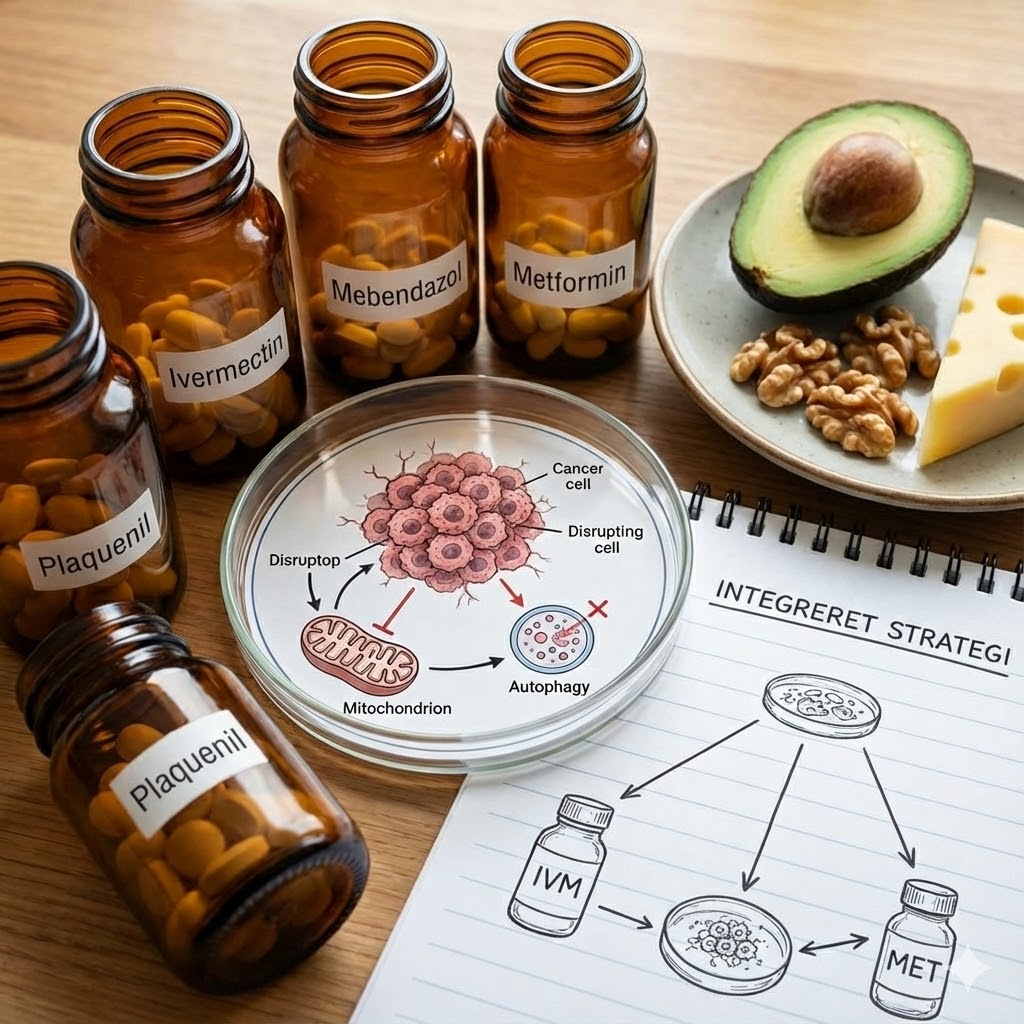
- To attack cancer cells by combining repurposed drugs with metabolic therapy. The goal is to block the tumor’s energy supply and growth pathways from all angles simultaneously.
Protocol content:
- A strategy built around Ivermectin and Mebendazole (antiparasitic agents that target cancer stem cells and cell structure), combined with Metformin (metabolic blockade) and Plaquenil (autophagy inhibition), supported by a ketogenic diet.
The central idea:
- Cancer is a metabolic disease. By using safe, well-known drugs in synergy, one can shut down cancer’s access to glucose, kill the resistant stem cells, and prevent the tumor from repairing itself.
Who is Dr. Paul Marik
Dr. Paul Marik is an internationally recognized intensive care physician (Critical Care specialist) and one of the world’s most cited researchers. He was a co-founder of FLCCC (Front Line COVID-19 Critical Care Alliance).
After decades in the established system, he shifted his focus to cancer treatment. He has reviewed thousands of studies to identify existing drugs with overlooked but potent effects against cancer.
His approach is data-driven but controversial in the established system, as he uses cheap, off-label drugs in new combinations.
Synergy
Marik’s philosophy is that cancer quickly develops resistance if attacked from only one angle. The FLCCC protocol therefore uses a wide range of drugs to surround the cancer.
Stem cells – the root of evil
Many cancer treatments shrink the tumor but do not kill cancer stem cells (CSCs). These are the cells that survive chemo and create metastases months to years later. Ivermectin is chosen specifically because, in laboratory experiments, it has shown to be effective in killing these stem cells.
Blocking the emergency exit – autophagy
When cancer cells are stressed (starved), they try to survive by “eating” their own damaged parts to regain energy (autophagy). By using drugs such as Plaquenil, this recycling process is blocked, so the cancer cell “suffocates” in its own waste.
Protocol content and dosage
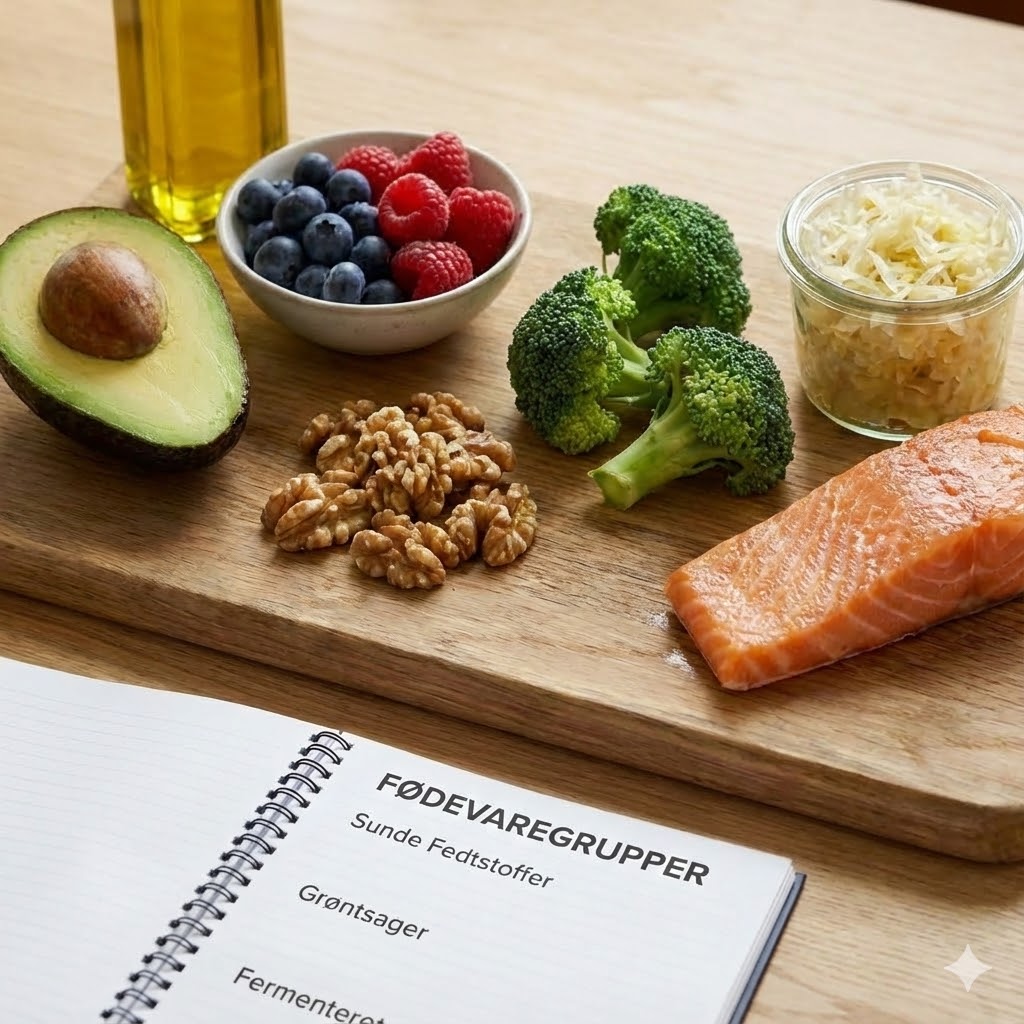
The strategy combines antiparasitic agents with metabolic substances. Here are the central elements of the “Cancer Care” protocol.
Ivermectin (the foundation)
This antiparasitic agent is the core of the treatment.
- Mechanism: It binds to cancer cells and inhibits signaling pathways (PAK-1, WNT) that control growth. It promotes immunogenic cell death and specifically attacks chemo-resistant cancer stem cells.
- Dose: Typically 12-24 mg daily (or 0.4-0.6 mg/kg). Taken with a fatty meal for absorption.
Mebendazole / Fenbendazole (the skeleton crusher)
Deworming agents that work by destroying microtubules (the cell’s internal skeleton), so the cancer cell cannot physically divide.
- Choice: Marik often prefers Mebendazole (human), but Fenbendazole (veterinary) is recognized as an alternative.
- Dose: Mebendazole 100-200 mg daily.
Metformin (the energy blocker)
Diabetes medication that works purely metabolically. It lowers blood sugar and insulin (cancer’s “fertilizer”).
- Mechanism: It stresses the mitochondria (AMPK activation) and forces the cell to save energy, which slows growth.
- Dose: 500-1000 mg 2 times daily (extended release).
Plaquenil / Hydroxychloroquine (the autophagy inhibitor)
Malaria medication used strategically to prevent the cancer cell from surviving treatment.
- Use: It is used especially during periods when the tumor is stressed hard (e.g., during fasting or chemo) to prevent resistance.
- Dose: 200 mg 1-2 times daily.
Doxycycline (mitochondria poison)
An antibiotic that targets the cancer cell’s power plants (mitochondria), as these evolutionarily resemble bacteria.
- Dose: 100 mg daily (should be used in cycles, e.g., 3 weeks on/ 1 week off).
Low Dose Naltrexone (LDN)
This is one of Dr. Marik’s preferred agents for modulating the immune system.
- Mechanism of action: By taking a very small dose (1.5 – 4.5 mg) of naltrexone at bedtime, the body’s opiate receptors are briefly blocked. This tricks the body into overproducing endorphins and “Opioid Growth Factor” (OGF).
- Effect: OGF acts directly inhibitory on cancer cell division, while generally strengthening the immune system. FLCCC considers it a safe and broad-spectrum agent against most cancer types.
Central dietary supplements
Dr. Marik does not consider dietary supplements as optional additions, but as “nutraceuticals” – natural substances with medicinal effects. They are used synergistically to enhance the medication, activate the immune system, and protect healthy cells.
Melatonin (the antioxidant)
- In this protocol, melatonin is not used for sleep, but as a targeted agent against cancer. It is taken in very high doses (often 10-60 mg or more) at bedtime.
- It penetrates all cells, where it protects the mitochondria in healthy cells, but creates oxidative stress in cancer cells, which inhibits their growth.
Vitamin D3, Vitamin K2, and Magnesium (the trio)
- Vitamin D is considered essential for activating the immune system’s T cells (“killer cells”). Since the conversion of vitamin D to its active form requires large amounts of magnesium, these two should always be taken together.
- Without magnesium, vitamin D does not work optimally. The protocol often recommends high doses (e.g., 5,000-10,000 IU D3 daily – controlled by blood tests to avoid overdose) to achieve a blood level that is far above normal, but which is considered necessary for cancer treatment.
Note:
- Should always be taken with K2 vitamin (to direct calcium to the bones) and magnesium (to activate vitamin D).
Omega-3 fatty acids (the inflammation damper)
- Chronic inflammation is fuel for cancer growth. Marik recommends high doses of fish oil (up to 4 grams EPA/DHA daily) to change the body’s environment from inflammatory to anti-inflammatory.
- Omega-3 is incorporated into cell membranes and makes healthy cells more resistant.
Zinc (the immune catalyst)
- Zinc is crucial for the immune system to function and works synergistically with several of the protocol’s drugs. It stabilizes DNA and is necessary for apoptosis (programmed cell death), which is the mechanism that cancer cells have lost.
Quercetin (the synergy creator)
- A plant substance that is included in the protocol for two reasons: It acts as an “ionophore” that helps transport Zinc into cells, and it has a documented synergy with Vitamin C, where the two substances mutually enhance each other’s effect and increase absorption.
Vitamin C
- Marik recommends oral vitamin C in gram doses (typically 1-3 grams daily) rather than milligrams. The purpose of oral intake is primarily to support the immune system, reduce inflammation, and enhance the effect of the other substances in the protocol.
Note:
- Most cancer doctors discourage strong antioxidants (such as vitamin C) during treatment, as they fear it may protect cancer cells from chemo.
Marik argues that oral vitamin C has some specific functions that are indispensable, even if it does not kill cancer directly:
- Tumor encapsulation (collagen): Vitamin C is necessary for forming collagen. Marik refers to the fact that strong connective tissue is necessary to “wall in the tumor” and prevent it from spreading (metastasizing) through the tissue.
- TET2 gene: Newer research shows that vitamin C can activate the TET2 gene, which is often “turned off” in cancer cells. When this gene is turned on, it helps cells behave normally again or die. [6]
- Synergy: He believes it enhances the effect of other substances (e.g., curcumin and quercetin).
Important reservation in the protocol:
- Although Marik recommends oral vitamin C, he often has a reservation regarding radiation therapy and certain types of chemo that work exclusively by oxidation.
- Here, even FLCCC often recommends taking a break from antioxidants on the treatment days themselves to avoid counteracting the treatment.
Supplementary substances
Ashwagandha, Berberine, Curcumin, EGCG
A “trio” of plant extracts that close the gaps after the medication:
- Ashwagandha (the cortisol damper): The stress hormone cortisol promotes cancer growth and suppresses the immune system. The herb Ashwagandha is used to lower cortisol levels.
- Berberine acts as natural Metformin by lowering blood sugar.
- Curcumin (in bio-available form) blocks signaling pathways for spread.
- EGCG (green tea extract) inhibits the formation of new blood vessels to the tumor.
Food groups in detail

The medication is supported by a strict dietary strategy to maximize the effect of the metabolic drugs.
Ketogenic Diet:
- For Metformin and Ivermectin to work optimally, blood sugar must be low. Marik recommends a diet high in fat and very low in carbohydrates.
- Time Restricted Eating (TRE) (time-restricted eating): Eating window of 6-8 hours daily to promote fasting state.
- Longer fasting: Periodic water fasting (24-72 hours) is recommended before chemotherapy to protect healthy cells.
Also see Ketogenic Diet and LCHF
Relevance in cancer
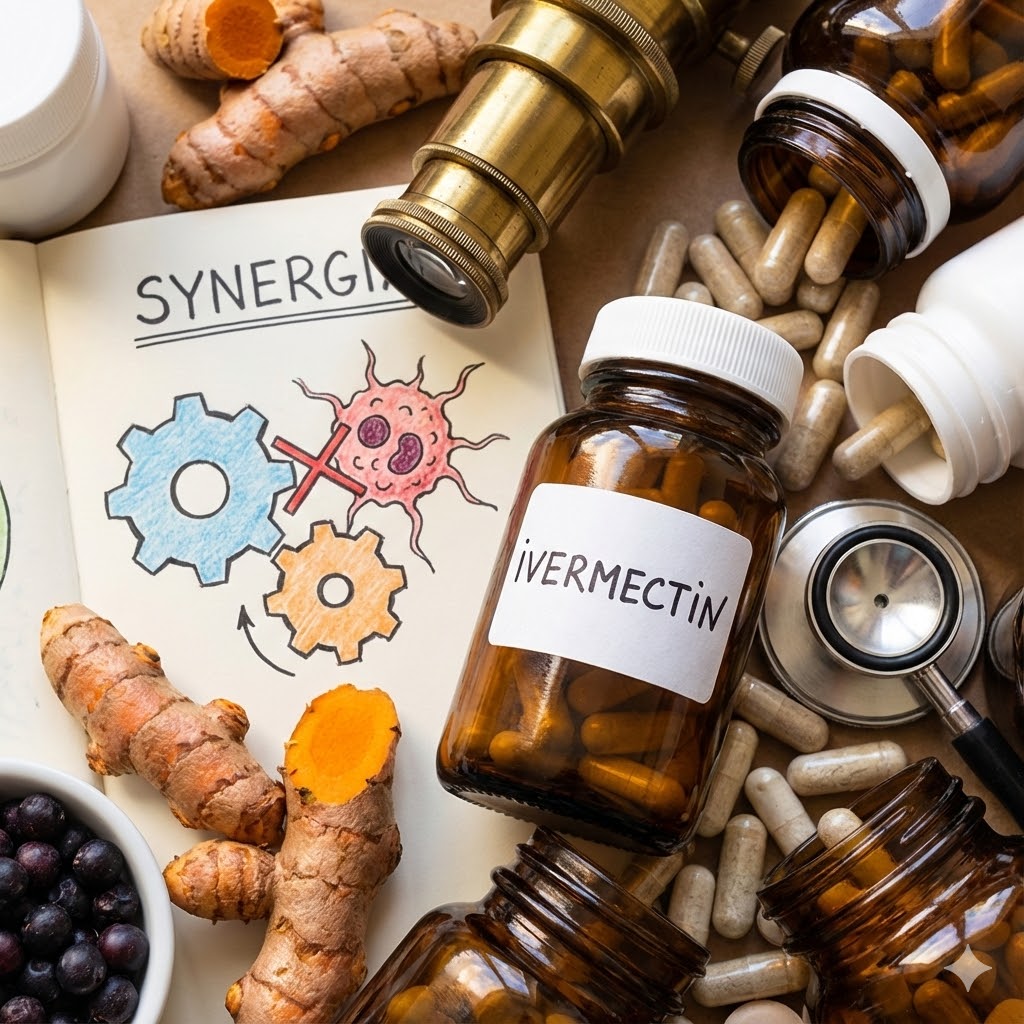
The protocol is designed for the active patient who wants to do “everything that is not offered at the hospital.”
Combination therapy
The strength lies in the breadth. While Mebendazole prevents the physical division of cancer cells, and Metformin removes their nutrition, Plaquenil ensures that the cell cannot go into hibernation, and Ivermectin kills the stem cells.
Safety profile
All the substances have been on the market for decades and have known side effect profiles, which are generally milder than conventional chemotherapy, but the “cocktail effect” is experimental.
Considerations and risks

Taking 4-5 prescription drugs requires respect and control.
Interactions:
- The combination of certain types of medication (e.g., macrolides (a type of antibiotic, e.g., azithromycin) and Plaquenil) can affect heart rhythm.
Liver impact:
- Both Mebendazole, Ivermectin, and certain herbs are broken down in the liver. Regular blood tests are necessary to check liver values.
Off-label challenge:
- It is difficult to find doctors who will prescribe prescription malaria and diabetes medication for cancer treatment in Denmark, as it is outside standard protocols.
But you can find an overview of such holistic doctors here:
Holistic doctors DK
Important warnings

Since the protocol combines many prescription substances, specific risks arise that must not be overlooked.
Heart rhythm
Plaquenil (Hydroxychloroquine) can affect the heart’s electrical system (QT prolongation).
Why:
- The risk increases significantly if you simultaneously take anti-nausea medication (such as Zofran/Ondansetron) or certain types of antibiotics. It can lead to dangerous heart rhythm disturbances.
- You should have an ECG taken before starting and continuously during the process.
Vision
Long-term use of Plaquenil requires control by an eye doctor.
Why:
- The substance can, in rare cases, accumulate in the retina of the eye and cause permanent vision damage (retinopathy).
Brain metastases
Here, Ivermectin is a double-edged sword. It can be effective, but requires a careful “start low, go slow” approach.
Why:
- With brain tumors, the blood-brain barrier is often leaky. This is positive because the medication can then penetrate and target the cancer (which is otherwise difficult).
- But: It also increases the risk that the substance affects the brain itself (neurotoxicity).
- You should start with a very low dose and increase slowly. At the first sign of dizziness, tremors, or “fullness,” the dose should be lowered immediately.
Immunotherapy
You should be cautious with Doxycycline (antibiotic) if you receive immunotherapy (e.g., Keytruda or Opdivo).
Why:
- Immunotherapy works by activating your immune system, and this depends on a healthy gut flora.
- Antibiotics kill gut bacteria, which can make immunotherapy ineffective.
CT scans
If you take Metformin and are to have contrast fluid, you should take a break.
Why:
- The combination can cause kidney failure and lactic acidosis. Stop Metformin 48 hours before and after a scan with contrast.
Safety
Always consult your healthcare provider before starting a protocol.
Important with chemotherapy and low platelets
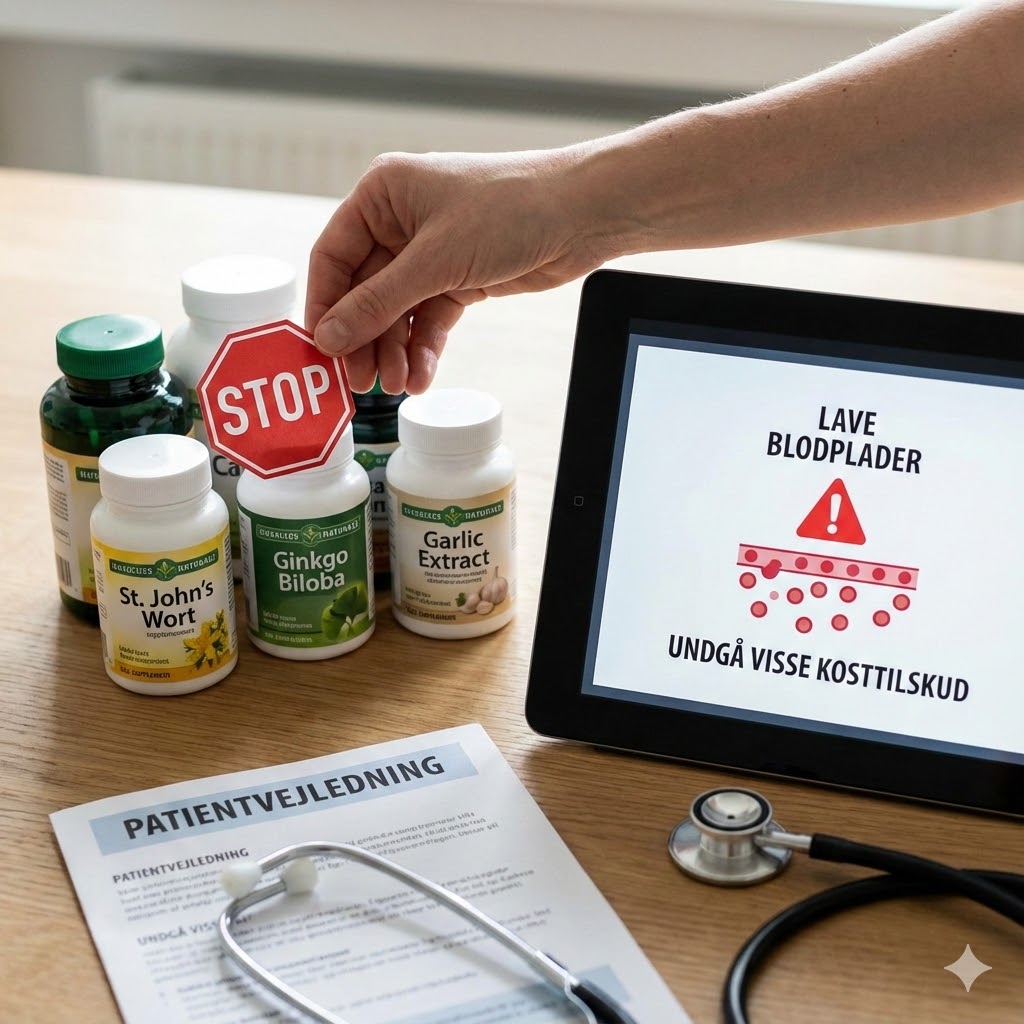
Many of the substances that effectively fight cancer (especially in this protocol) also act as blood thinners. If chemotherapy has lowered your platelets (thrombocytes) to a critical level, you should be extra cautious.
What you should pause with low platelets
If your numbers are at the bottom, the following substances should be paused to avoid bleeding risk until the marrow has recovered:
- Fatty acids: Omega-3/ fish oil/ flaxseed oil (Strongly blood-thinning), Cod liver oil, Flaxseed oil (Budwig) and Krill oil.
- Herbal extracts (high dose): Curcumin/turmeric, ginger, garlic (in large doses/capsules), ginkgo biloba and Ginseng. (Inhibits platelets’ ability to clump together).
- Enzymes: Proteolytic enzymes such as Bromelain, Papain and Serrapeptase (as these break down fibrin, which helps blood clot).
- Specific Antioxidants: Vitamin E, Resveratrol, Quercetin and strong Green Tea extract (EGCG).
- Off-label medication: Aspirin, Magnyl or Hjertemagnyl (should be stopped immediately with low platelets, unless otherwise agreed with the doctor).
Support the bone marrow
There are strategies that specifically support the formation of platelets without increasing the risk of bleeding:
- Melatonin: Studies show that melatonin (at bedtime) can protect the bone marrow from chemo damage.
- Papaya leaf extract: Known for potentially being able to increase the number of platelets.
- Chlorophyll: Green juices (spinach/kale) provide vitamin K, which supports blood clotting.
- Shark liver oil (alkylglycerols): Can stimulate the formation of white blood cells and platelets (should not be taken on chemo days themselves).
NB: You should always discuss your intake of dietary supplements with your oncologist.
Conclusion

Dr. Paul Marik’s FLCCC protocol is one of the most medically intensive and systematic approaches in alternative treatment.
It is an attack on cancer’s metabolism and structure, guided by the logic that if you remove the energy (Metformin), block the growth (Ivermectin/Mebendazole), and close the emergency exit (Plaquenil), the disease collapses.
The protocol requires a dedicated effort and medical supervision.
Also see Repurposed Drugs
Also see Metabolic strategy – block signaling pathways by cancer type – chart overviews
Example of a day on the protocol
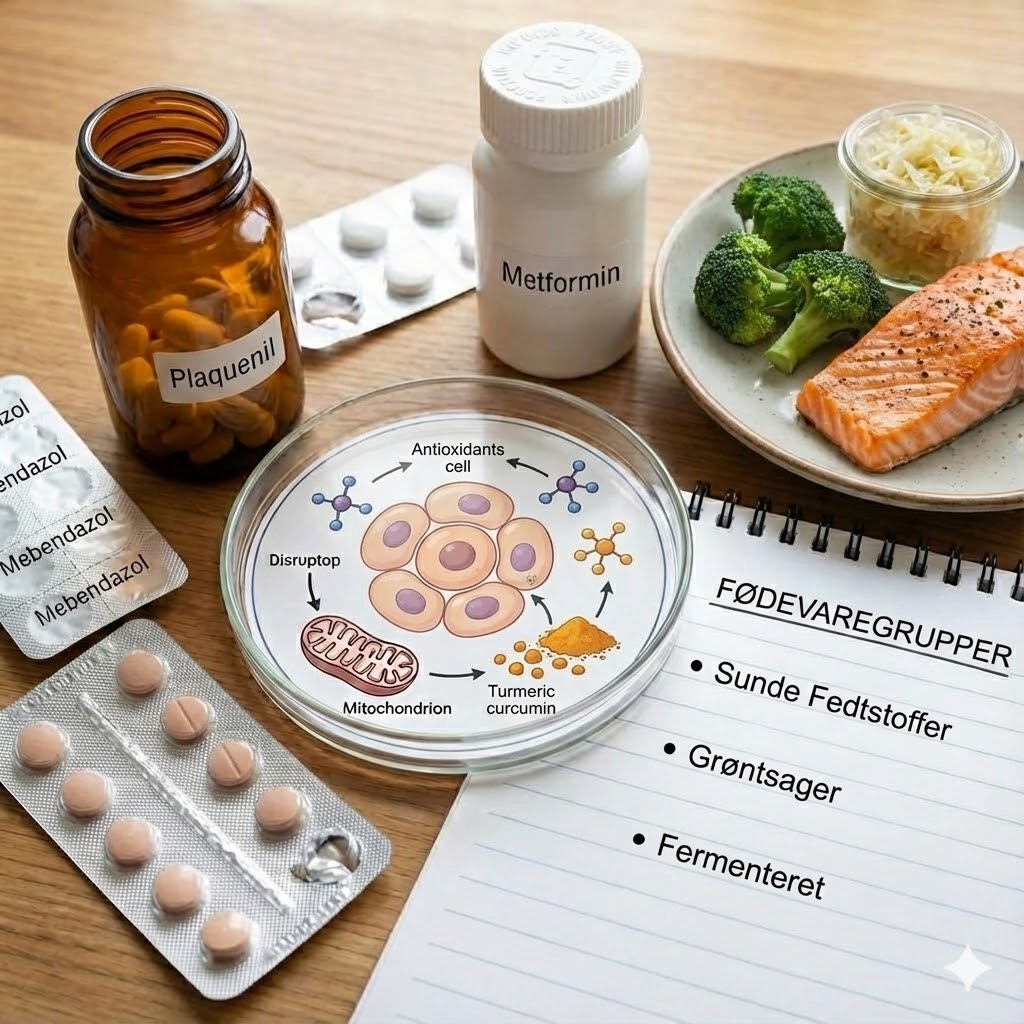
Morning (fasting): Green tea. No food. Vitamin C, Vitamin D.
Lunch (12 PM – breaking the fast): Keto meal (salmon/eggs/avocado). Here you take: Metformin, Ivermectin (fat-soluble), Doxycycline, Omega-3, Berberine.
Evening (7 PM – last meal): Meat/vegetables with olive oil. Mebendazole and Plaquenil are taken.
Bedtime: Melatonin (high dose) and Magnesium.
Links
[1] Ivermectin has New Application in Inhibiting Colorectal Cancer Cell Growth (Frontiers in Pharmacology, 2021)
- Content: A study examining Ivermectin’s ability to inhibit growth in colorectal cancer. The results show that the substance promotes cell death (apoptosis) and stops the cell cycle, which supports its role in cancer treatment.
[2] Cancer Metabolism as a Therapeutic Target and Review of Interventions (ResearchGate, 2023)
- Content: A comprehensive scientific review authored by Paul Marik and colleagues, which forms the theoretical foundation for the FLCCC protocol. The article thoroughly reviews the evidence for using metabolic therapy and repurposed drugs (including Ivermectin and Metformin) to block cancer’s energy supply.
[3] Cancer Care: Repurposed Drugs & Metabolic Interventions (IMA Health, 2024)
- Content: The official protocol from IMA (formerly FLCCC), authored by Dr. Paul Marik. The document contains a comprehensive review of the literature behind repurposed drugs and metabolic interventions against cancer, as well as detailed guidelines for dosing of drugs such as Ivermectin, Metformin, and Mebendazole. (Can be downloaded for free here).
[4] Ivermectin as an inhibitor of cancer stem-like cells (Spandidos Publications, Molecular Medicine Reports, 2018)
- Content: A scientific study demonstrating that Ivermectin selectively inhibits cancer stem cells (CSCs) in breast cancer. The researchers demonstrate that the substance downregulates the genes responsible for cancer’s ability to renew itself, which is crucial for preventing recurrence.
[5] Metformin and cancer: An existing drug for cancer prevention and therapy (NIH, Journal of Hematology & Oncology, 2018)
- Content: Scientific article reviewing Metformin’s mechanism of action against cancer, including AMPK activation and lowering of insulin levels.
[6] Restoration of TET2 Function Blocks Aberrant Self-Renewal and Leukemia Progression (PubMed, 2017)
- Content: A significant study showing how vitamin C functions as a necessary “contact” for the TET2 enzyme. The study demonstrates that high doses of vitamin C can restore function in cancer cells with TET2 mutations, causing them to stop their uncontrolled growth and die naturally (apoptosis).
Page created: December 7, 2025
❤
What you read on “Jeg har Kræft” is not a recommendation. Seek competent guidance.
