


Treatments
Complementary and Alternative Treatments
- Physical treatments
- Repurposed Drugs – General
- No medication – Plan B
- Repurposed drugs and chemotherapy
- Repurposed drugs and radiation therapy
- FLCCC’s ranking of repurposed drugs
- Brain metastases and the blood-brain barrier
- Bombs, fire extinguishers, and timing
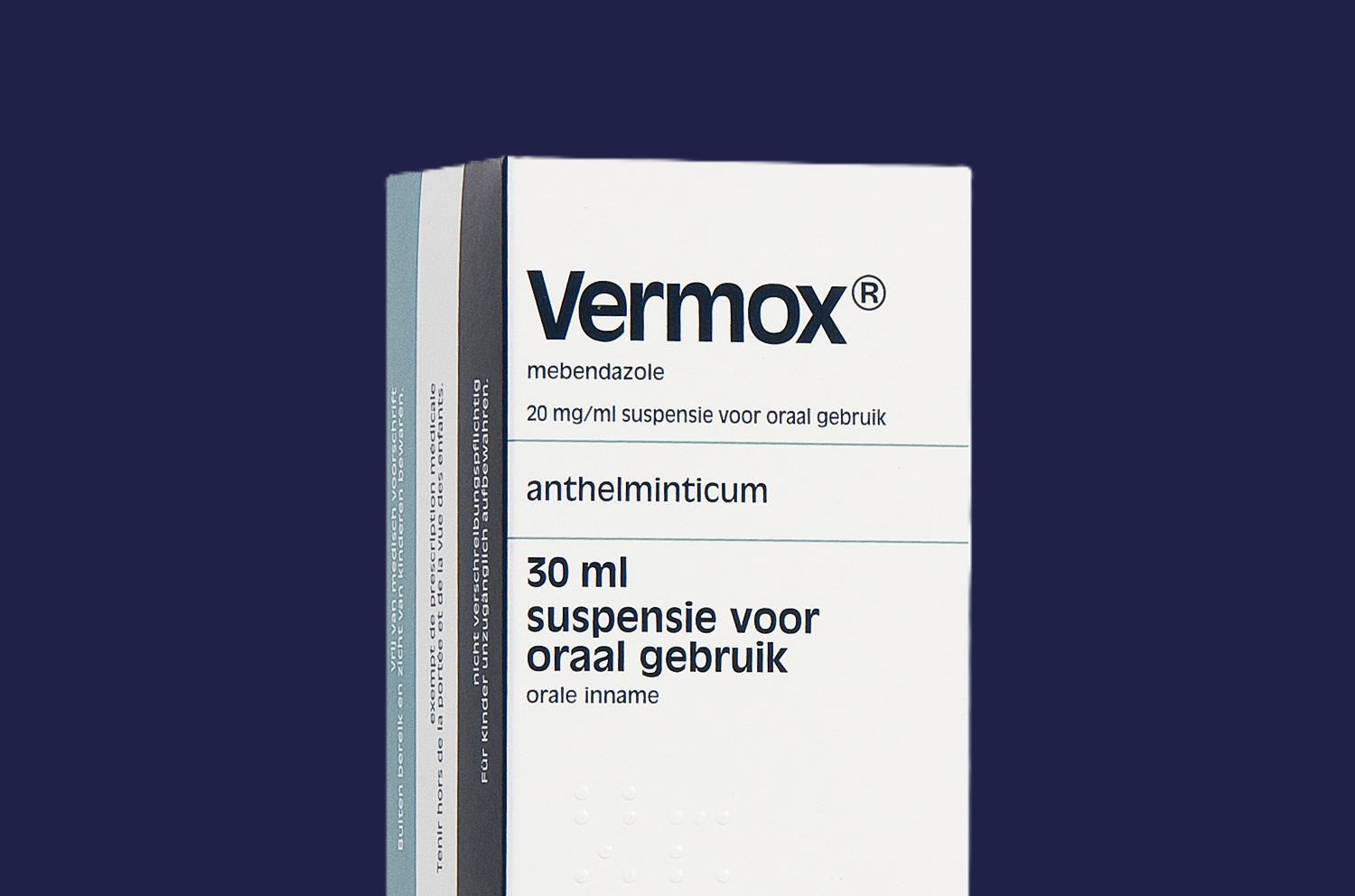
Mebendazole – Vermox and cancer
Content:
- Mebendazole – Vermox and cancer (scroll ned)
- Antiparasitic drugs – compariso (scroll to)
What are Vermox and Mebendazole
Vermox is a brand name for the drug mebendazole, which is an antiparasitic agent. It is used to treat infections caused by various types of worms, including tapeworms and roundworms. Mebendazole works by preventing the worms’ ability to absorb glucose, leading to their death. It is effective for treating intestinal parasitic infections and is generally well-tolerated with few side effects.
Vermox (Mebendazole) used as a repurposed drug in cancer treatment shows promising results in research.
The effect may be due to certain similarities between the survival mechanisms of cancer cells and parasites, but it is important to note that cancer is a complex disease with many different facets.
See also Mebendazole inhibits the spread of cancer
Important about absorption
To get the substance absorbed into the bloodstream, where it needs to fight cancer cells, it must be taken with a high-fat meal (a minimum of 40g of fat is optimal, but less can be sufficient).
Without fat, most of it just passes through the system. See the bottom of the article.
The difference
It is essential to know the difference between treating worms and treating cancer, as the strategies are diametrically opposed:
- Against worms: Here, you want the medicine to stay in the intestine to kill the worms locally. Therefore, the pill is often/best taken without food.
- Against cancer: Here, the medicine must leave the intestine and be absorbed into the bloodstream so it can be transported to the tumor.
Mebendazole is absorbed extremely poorly by the body on its own. It is a fat-soluble substance. Clinical data show that if taken without fat, almost all of it is excreted again without reaching the bloodstream. To “force” the substance into the blood, it MUST be taken with a high-fat meal (minimum 10-15 grams of fat, e.g., eggs, nuts, avocado, or olive oil). Without dietary fat, the bioavailability is near zero in relation to cancer treatment.
Parasites vs. cancer – similarities
Circumvention of the immune system
- Both cancer cells and parasites can develop mechanisms to avoid attacks from the immune system. Cancer cells can, for example, hide from immune cells by changing their surface markers or secreting substances that suppress the immune response. Parasites can also use similar strategies to avoid being killed by the host organism’s immune system.
Attack on the host environment
- Both cancer cells and parasites can damage and exploit their host organism. Cancer cells can invade and destroy healthy tissue, while parasites can cause disease and weakening of the host.
Metastases
- Certain types of cancer cells can spread to other parts of the body and establish new tumors, a process known as metastasis. Parasites can also spread to different locations in the host organism and cause infections in various organs.
Advantages as off-label
Preclinical studies
- Numerous preclinical studies have shown Mebendazole’s potential to target various types of cancer.
Patient reports
- Although the number is limited, there are patient reports showing anticancer effects against cancer in humans.
Inhibits microtubules
- Vermox disrupts the formation of microtubules, which are important for the growth and division of both worms and cancer cells.
Causes cell death
- This disruption leads to the death of the worms/cancer cells.
Angiogenesis inhibition
- Some studies suggest that Vermox can inhibit the formation of new blood vessels (angiogenesis), which are necessary for tumors to grow and spread.
Immunomodulatory effect
- There are several indications that Vermox can affect the immune system and potentially strengthen the body’s own ability to fight cancer cells.
Selective toxicity
- Vermox is relatively selective toward rapidly dividing cells, such as cancer cells and worms. This may make it less toxic to normal cells.
Synergy with existing treatments
- Research suggests that Mebendazole can act synergistically with existing cancer treatments, potentially improving outcomes. Not least when used in combination with other repurposed drugs.
Relatively safe and inexpensive
- Mebendazole has a well-established safety profile for approved use and is a relatively inexpensive medication. Especially compared to many chemotherapeutic agents, Vermox has an extremely low toxicity profile.
Side effects
As with all medicine, Vermox can cause side effects, although not everyone experiences them.
Common side effects:
- Stomach pain: This is one of the most common side effects and can feel like cramps or discomfort in the stomach.
- Diarrhea: Loose stools or increased bowel movements are also common.
- Flatulence: Increased gas in the intestines can lead to increased flatulence.
- Nausea and vomiting: Some people may experience nausea or vomiting after taking Vermox.
Less common side effects:
- Abdominal discomfort: This can feel like a general unease in the stomach.
Furthermore, the following may occur:
- Headache
- Dizziness.
Allergic reactions:
In rare cases, Vermox can trigger allergic reactions, which may include rash, itching, swelling of the face, lips, or tongue, and difficulty breathing.
Rare side effects:
- Liver problems: In very rare cases, Vermox can affect the liver.
- Seizures: Especially in small children, there have been reports of seizures after using Vermox.
- Blood disorders: Changes in the composition of the blood may occur, such as a decreased number of certain types of white blood cells.
Contact a doctor
If you experience serious side effects or side effects not described in this information, contact your doctor or pharmacy.
Antiparasitic agents
Why antiparasitic agents can have an effect on cancer cells:
Analogous (related) biological processes
Cell division
- Both cancer cells and parasites divide rapidly, and agents that disrupt cell division can have an effect on both.
Metabolism
- Both cancer cells and some parasites have high metabolic activity to grow and divide rapidly. Agents such as Fenbendazole, Vermox, and Plaquenil can affect specific metabolic pathways that are important for both cancer cells and parasites.
Protein synthesis
- Both cancer cells and parasites produce a variety of proteins necessary for their survival and spread. Some of these proteins may have analogous structures or functions; therefore, agents that inhibit protein synthesis in parasites can also affect cancer cells.
Indirect effects
Awakening dormant immune cells
- Cancer cells are skilled at “shutting down” our immune system. Parasites can help “awaken” these dormant immune cells so they can again recognize and attack the cancer cells.
Microenvironment
- Parasites can affect the microenvironment where cancer cells are located. By removing parasites, one can change this microenvironment and make it less favorable for cancer cell growth.
Activation of the immune system
- Some parasites have an ability to stimulate and activate our immune system in a way that makes it more effective at fighting diseases, including cancer cells. Paradoxically, antiparasitic agents can thus strengthen this immune response and thereby indirectly have a cancer-suppressing effect.
Is parasitic infection then a good thing
Why do we take antiparasitic drugs but research parasites for the treatment of cancer? It is not a contradiction. Researchers try to utilize the positive aspects of parasites without exposing humans to the negative consequences of an infection. This can be done by:
- Isolating the active substances Researchers attempt to isolate specific substances in parasites that have a positive effect on the immune system and develop drugs based on these substances.
- Genetically modified parasites Work is being done to develop genetically modified parasites that only possess the desired properties and do not cause disease.
- Combination treatment Parasites can potentially be used in combination with existing cancer treatments to increase effectiveness.
While we wait
- The result of this research lies somewhere in the future. Personally, I do not dare wait for that, so I have chosen a repurposed drug in the form of Vermox (in combination with other repurposed drugs).
Note
It is important to have a nuanced understanding of parasites. While some parasites can have positive effects on our health, most parasites are harmful and can cause serious diseases. Research in this area is still in its infancy, and it is important to be critical of the information one finds.
Conclusion
Although there are promising results from laboratory experiments, large clinical trials confirming that Vermox (mebendazole) is a safe and effective treatment for cancer are still lacking (as with all other off-label repurposed drugs). Until that happens (if ever), Vermox is unlikely to become part of conventional treatment. However, this does not change the beneficial effect it has for those who use it as an adjuvant cancer treatment.
To fully exploit Vermox’s potential, it is necessary to understand how the substance works on cancer cells and how it is best combined with other treatments. It can be particularly beneficial to look at cancer’s pathways and attempt to close all of these as best as possible with relevant measures. Here, Vermox works by closing off one pathway.
Furthermore, be aware that certain drugs can interact, potentially causing unintended effects when combined. If you wish to use Vermox for your cancer, discuss the benefits and risks with your practitioner.
Fat-rich foods with a high content of healthy fat
Here is an overview of how you can easily reach either 20 grams or 40 grams of fat through common food items. The specified amounts are approximate, as the exact content may vary slightly depending on the product.
Nuts and almonds
Nuts have a very high content of unsaturated fat and are one of the easiest ways to increase fat intake without having to eat large quantities.
To get 20 g of fat: Eat a small handful (approx. 35 grams) of almonds or walnuts.
To get 40 g of fat: Eat two small handfuls (approx. 70 grams) of almonds or walnuts.
Plant oils
Cooking oil such as olive oil or rapeseed oil is pure fat, which makes it highly effective for enriching meals.
To get 20 g of fat: Use 1.5 tablespoons (approx. 22 milliliters) of oil in cooking or as a dressing.
To get 40 g of fat: Use 3 tablespoons (approx. 44 milliliters) of oil distributed over the day’s meals.
Avocado
Avocado contains large amounts of healthy, monounsaturated fat.
To get 20 g of fat: Eat 1 large avocado (or 1.5 smaller avocados).
To get 40 g of fat: Eat 2 large avocados.
Peanut butter and other nut milks or butters
Peanut butter is dense in both calories and fat, and it works well on bread or in smoothies.
To get 20 g of fat: Eat 1.5 tablespoons (approx. 40 grams) of peanut butter.
To get 40 g of fat: Eat 3 tablespoons (approx. 80 grams) of peanut butter.
Dairy products and cheese
Dairy products and hard cheeses are concentrated sources of fat, which makes them particularly effective for increasing fat intake.
To get 20 g of fat: Eat 1.5 deciliters of Greek yogurt (10% fat), 125 grams of crème fraîche (18% fat), 60 grams of hard cheese (e.g., Danbo 45+ or matured cheddar), or consume 0.6 deciliters of whipping cream (38% fat).
To get 40 g of fat: Eat 3 deciliters of Greek yogurt (10% fat), 250 grams of crème fraîche (18% fat), 120 grams of hard cheese (e.g., Danbo 45+ or matured cheddar), or consume 1.2 deciliters of whipping cream (38% fat).
Fatty fish
Fish such as salmon, mackerel, and herring contribute important omega-3 fatty acids in addition to fat.
To get 20 g of fat: Eat about 130 grams of oven-baked salmon or a small can of mackerel in tomato sauce.
To get 40 g of fat: Eat a large salmon fillet of about 250 grams.
If you are in doubt, it can be checked here:
See also Mebendazole inhibits the spread of cancer
See also Cancer treatment based on the Mitochondrial Stem Cell Connection
See also The parasite’s path to cancer
See also Repurposed Drugs
See also No medicine – Plan B
To be continued…
Links
Interaktioner (search for preparations) (Interaktionsdatabasen, Danish Medicines Agency) (Danish Language)
Fenbendazole, Ivermectin and Mebendazole for Breast Cancer Success Stories – 37 Case Reports (The Medical Adviser, June 2025)
- Relevance: Several peer-reviewed articles and case studies suggest that Fenbendazole, Ivermectin, and Mebendazole may play an important role in the treatment of stage 4 breast cancer. Research shows that these substances have different anti-cancer mechanisms that can be effective against cancer cells. Specific studies include a protocol for Ivermectin, as well as investigations of Fenbendazole and Mebendazole in relation to breast cancer and metastases.
Repurposing Drugs in Oncology (ReDO)—mebendazole as an anti-cancer agent (PubMed, 2014)
- Relevance: Mebendazole, a well-known anthelmintic drug, has anti-cancer properties that have been investigated in preclinical studies and two human case reports. It is suggested that mebendazole can synergize with other drugs, including chemotherapeutics. Further research into its potential as an anti-cancer therapeutic is needed, and possible combinations with other drugs are discussed.
Scientific Reports (mebendazole in patients with advanced gastrointestinal cancer)
Tidslerne (Reporposed drugs) (Danish Language)
Albendazole and Mebendazole as Anti-Parasitic and Anti-Cancer Agents: an Update (PubMed)
Potential and mechanism of mebendazole for treatment and maintenance of ovarian cancer (PubMed)
Repurposing of Mebendazole as an Anticancer Agent: A Review (Research Journal of Pharmacy and Technology, 2025)
- Relevance: This is a recent review article summarizing mebendazole’s mechanisms of action, including how it stops cell division, prevents blood vessel formation (angiogenesis), and induces programmed cell death (apoptosis) in a wide range of cancers.
Antiparasitic mebendazole shows survival benefit in 2 preclinical models of glioblastoma multiforme (Neuro-Oncology via PMC, 2011)
- Relevance: A specific and highly cited preclinical study showing how both fenbendazole and mebendazole have an effect against glioblastoma (brain cancer) in animal models, primarily by disrupting the cells’ microtubule structure.
Mebendazole Exerts Anticancer Activity in Ovarian Cancer Cell Lines via Novel Girdin-Mediated AKT/IKKα/β/NF-κB Signaling Axis (PubMed, 2025)
- Relevance: Mebendazole (MBZ) inhibits growth, migration, and cancer stem cells in ovarian cancer cells by disrupting the cytoskeleton and blocking Akt/NF-κB pathways. It induces cell cycle arrest and apoptosis, making it a promising treatment.
Transcriptome analysis displays new molecular insights into the mechanisms of action of Mebendazole in gastric cancer cells (PubMed, 2024)
- Relevance: The study shows that Mebendazole (MBZ) affects gene expression in gastric cancer cells, particularly by altering histone and inflammation genes. It may have epigenetic and immunological effects, which could improve patient prognosis. Further studies are needed to better understand the mechanisms.
To be continued…
Page created: July 1, 2024, Last revised June 10, 2025
❤
What you read on Jeg har Kræft is not a recommendation. Seek competent guidance.
Antiparasitic drugs – compariso
Short summary of differences and similarities
Although several antiparasitic agents are being investigated for their effect against cancer, they work in widely different ways:
Mebendazole:
- Destroys the cancer cell’s internal “skeleton” (microtubules) to stop cell division. Among the drugs mentioned here, it is the one most extensively studied in clinical trials.
Fenbendazole:
- Also destroys the cell’s “skeleton” but is additionally believed to create metabolic stress. It has a strong anecdotal history.
Niclosamide:
- Interrupts the cell’s energy supply while simultaneously blocking its growth signals.
Ivermectin:
- Creates internal stress in the cell and prevents it from pumping out chemotherapy, which can counteract resistance.
Hydroxychloroquine:
- Blocks the cell’s “recycling system” (autophagy), causing it to succumb to its own waste.
The point is that these different mechanisms allow for strategic combinations where cancer can be attacked from multiple angles simultaneously to achieve a stronger effect.
Antiparasitic agents compared
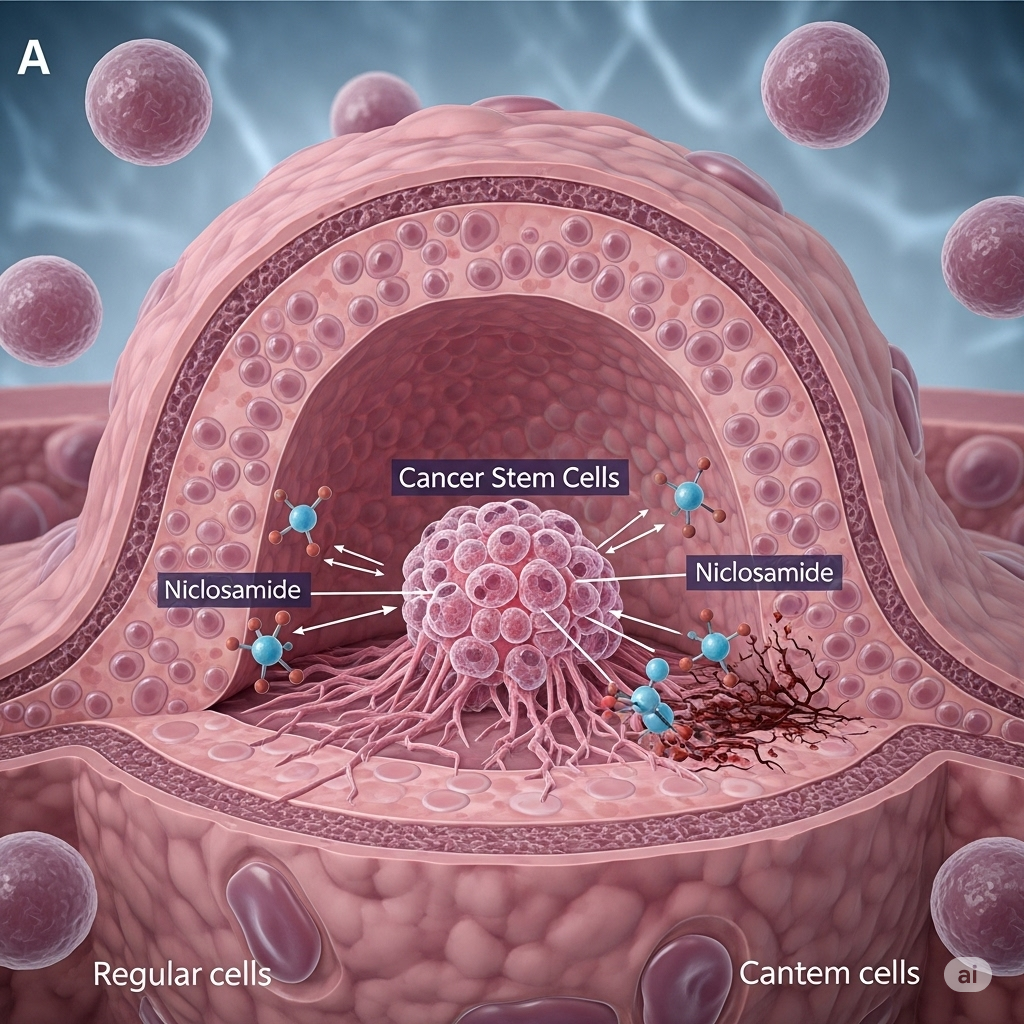
One of the most promising areas within complementary and experimental cancer treatment is repurposed drugs. A particularly interesting group consists of antiparasitic agents. Many of these substances have proven to possess potent anticancer properties, but it is crucial to understand that they do not all work the same way. Their attacks on cancer cells are widely different.
Below is a comparison of the most discussed substances and their unique mechanisms of action to provide a clear overview of their individual strengths and potential.
Mebendazole (Vermox)
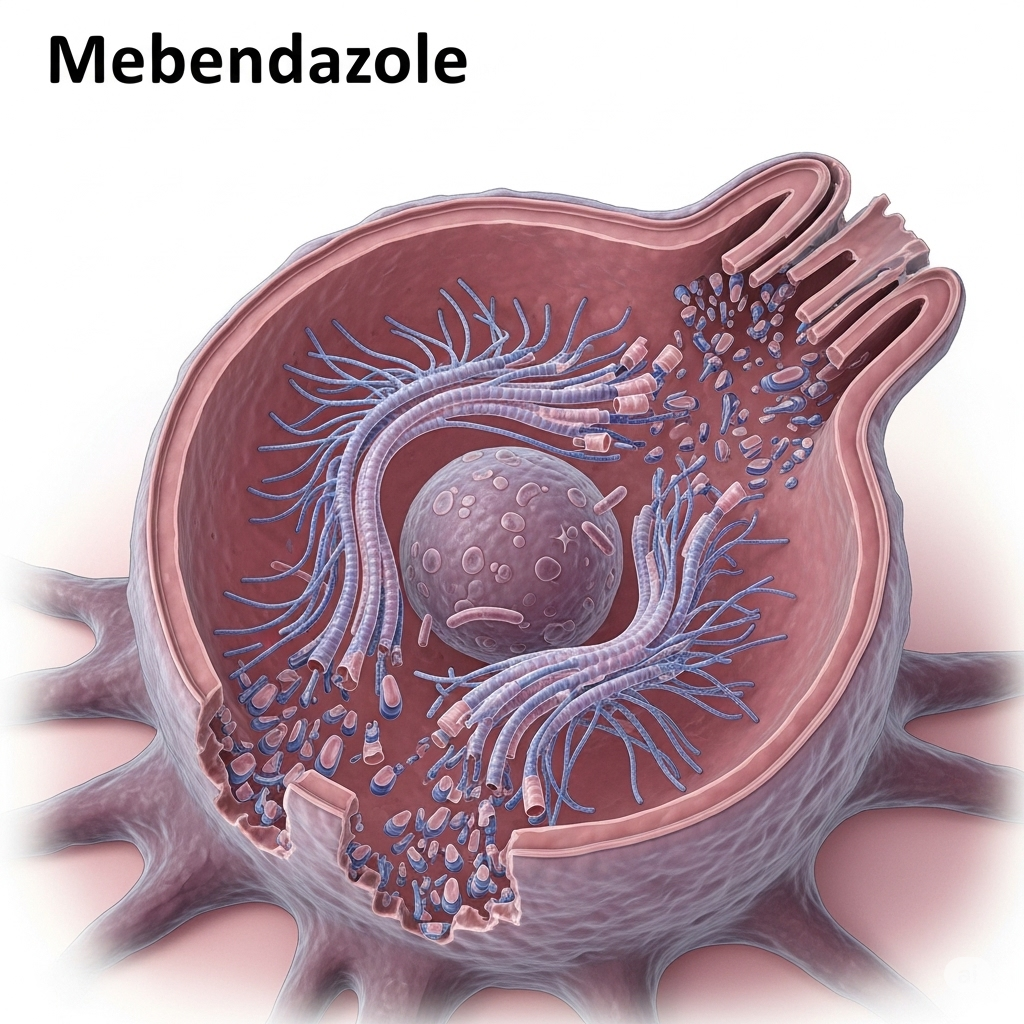
- Main mechanism: Destruction of microtubules (the cell’s scaffolding)
- Mebendazole’s primary and most well-documented effect is a disruption of the cancer cells’ internal skeleton. The substance, which belongs to the benzimidazole family, works by binding to the protein tubulin and preventing it from assembling into microtubules. This effectively stops cell division (mitosis) and leads to cell death. Mebendazole is also the benzimidazole that has been the subject of the most formal clinical investigations, especially in connection with aggressive brain tumors (glioblastoma), where it has been tested as a supplement to standard chemotherapy.
- Characteristics: A direct, physical attack on the cell’s structure. It is the benzimidazole most extensively studied in human clinical trials.
See also links at the bottom of this article
Fenbendazole
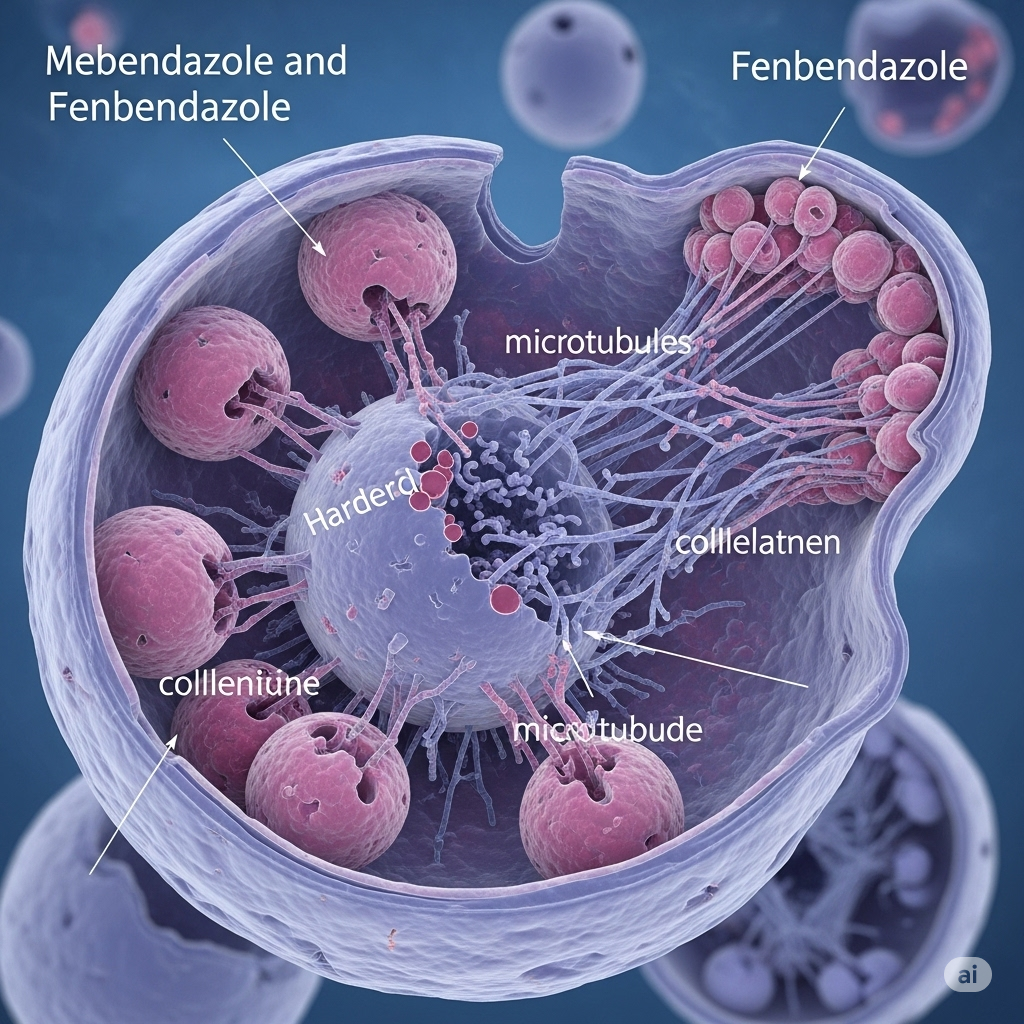
Main mechanism: Destruction of microtubules (the cell’s scaffolding).
- Fenbendazole shares the same core mechanism as mebendazole, namely destroying the cancer cells’ microtubules and thereby stopping cell division. Its popularity, however, is driven more by preclinical studies (laboratory and animal trials) as well as strong patient reports and compelling anecdotal evidence.
Secondary mechanisms:
- In addition to the microtubule effect, research indicates that fenbendazole has a unique ability to stress the metabolism of cancer cells by blocking their sugar uptake. Certain studies also indicate that it can reactivate the tumor-suppressor gene p53.
Characteristics:
- Characterized by having a strong anecdotal history and a research focus on its ability to create metabolic stress.
See also links at the bottom of this article
Niclosamide

Niclosamide takes a completely different approach, which is primarily metabolic and signal-oriented.
Main mechanism: Metabolic collapse (energy blockade)
- Niclosamide acts as an “uncoupler” in the cancer cell’s power plants, the mitochondria. It simply short-circuits the process that produces energy (ATP), leading to an immediate and fatal loss of energy in the cell. Simultaneously, massive oxidative stress is created (via ROS production), further damaging the cell.
Secondary, but crucial mechanism: Signaling sabotage
- Beyond the energy blockade, niclosamide’s great strength is its ability to simultaneously inhibit a wide range of central signaling pathways that cancer cells depend on (Wnt, STAT3, mTOR, NF-κB). This hits not only growth but also the otherwise resilient cancer stem cells.
Characteristics:
- A dual attack that both removes the cell’s fuel and interrupts its internal communication.
See also links at the bottom of this article
Ivermectin
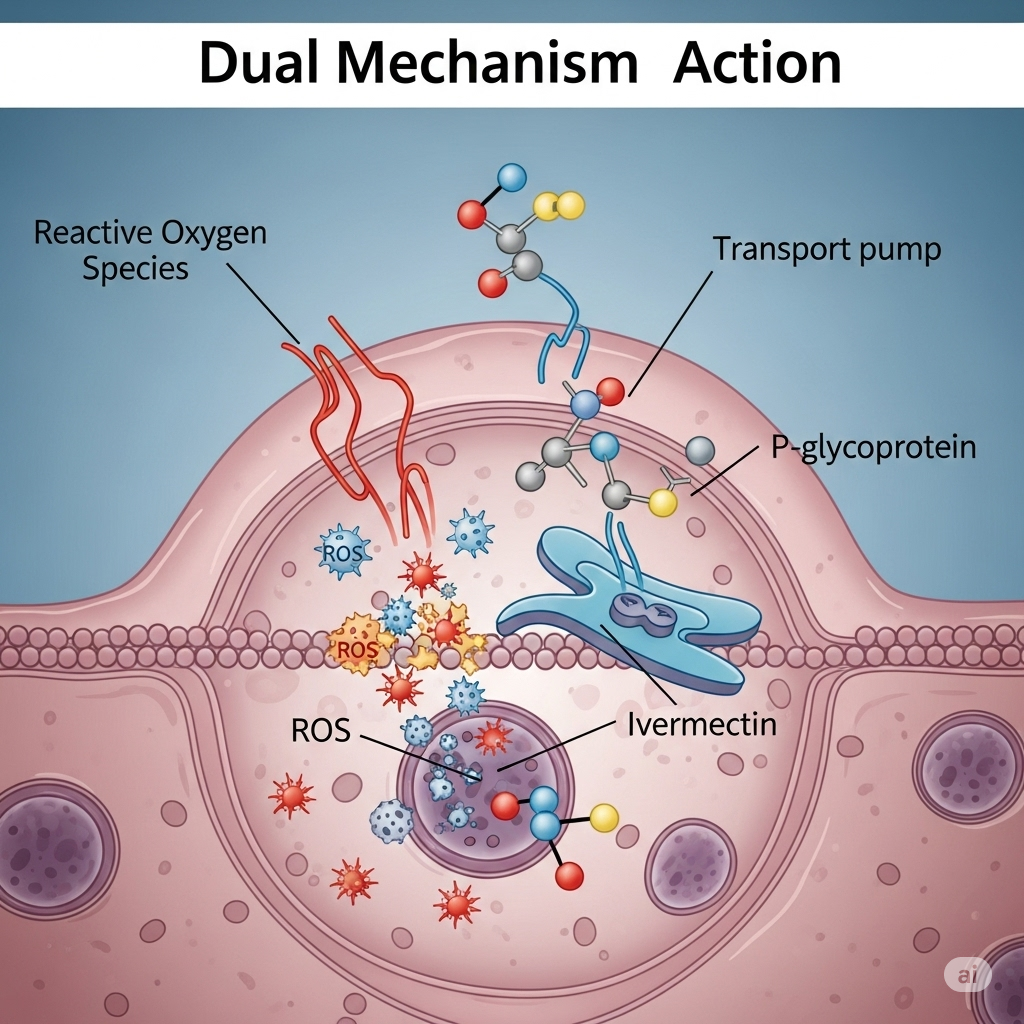
Ivermectin is again different from those mentioned above, working broadly on several systems related to cell stress and transport.
Main mechanism: Induction of oxidative stress and ion imbalance
- Like niclosamide, ivermectin can create high levels of oxidative stress (ROS) that are toxic to the cancer cell. It is also believed to affect ion channels in the cell membrane, disrupting the fragile electrical balance the cell maintains.
Secondary, but crucial mechanism: Inhibition of transport pumps
- One of the main causes of chemoresistance is that cancer cells develop pumps (such as P-glycoprotein) that actively push chemotherapy back out of the cell. Ivermectin has been shown to block these pumps. This means it can make resistant cancer cells sensitive to chemotherapy again, as the poison now remains inside the cell.
Characteristics:
- Creates internal stress and prevents the cancer cell from “pumping” out toxins.
See also links at the bottom of this article
Hydroxychloroquine (Plaquenil)
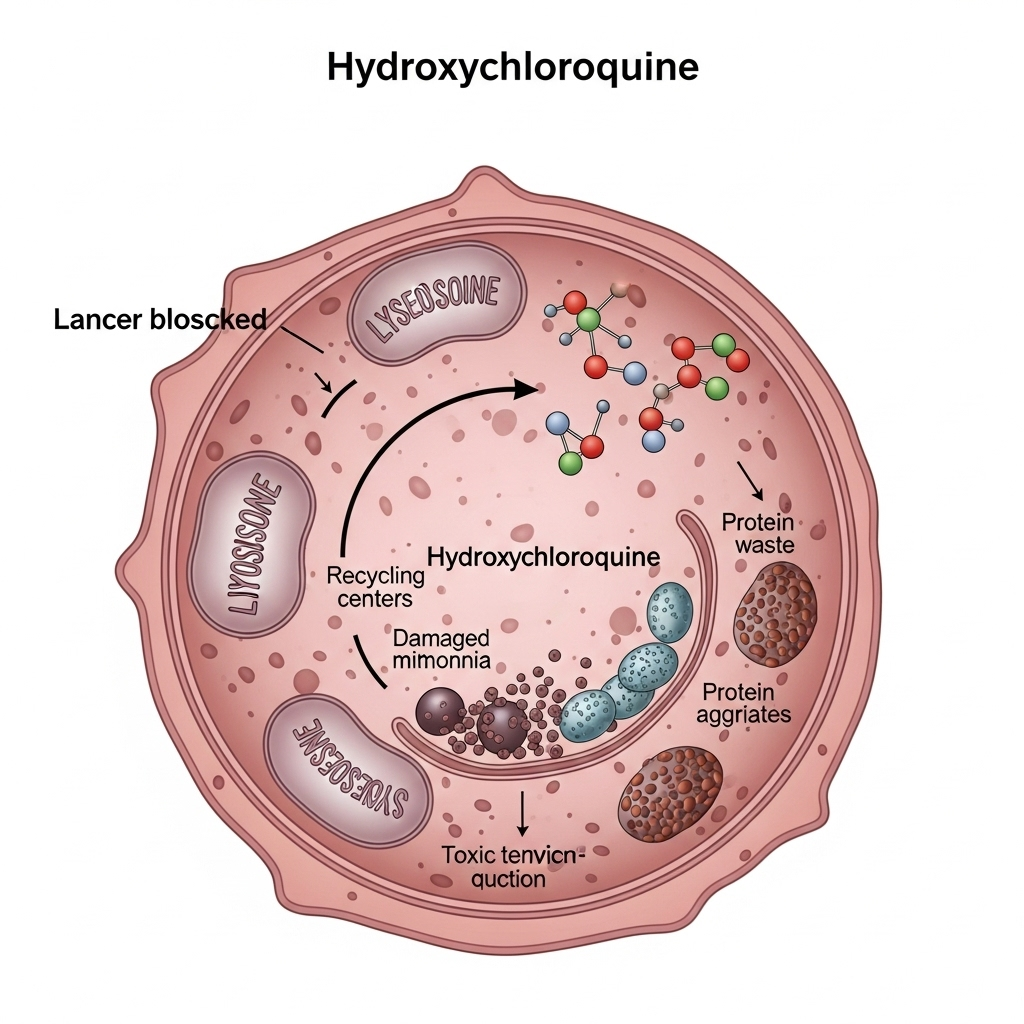
This drug, which is an antimalarial agent, has a very specific and unique mechanism.
Main mechanism: Blocking autophagy (the cell’s recycling station)
- Autophagy is a survival mechanism where the cell breaks down and recycles its own damaged parts to obtain energy and building blocks under pressure (e.g., during chemotherapy). Hydroxychloroquine blocks this process. The result is that the cancer cell cannot “clean up” after itself, leading to an accumulation of toxic waste inside. This makes the cell significantly more vulnerable and can push it toward cell death, especially when it is already stressed by other treatments.
Characteristics:
- Prevents the cancer cell from “eating itself” to survive pressure.
See also links at the bottom of this article
Artemisinin (and derivatives)
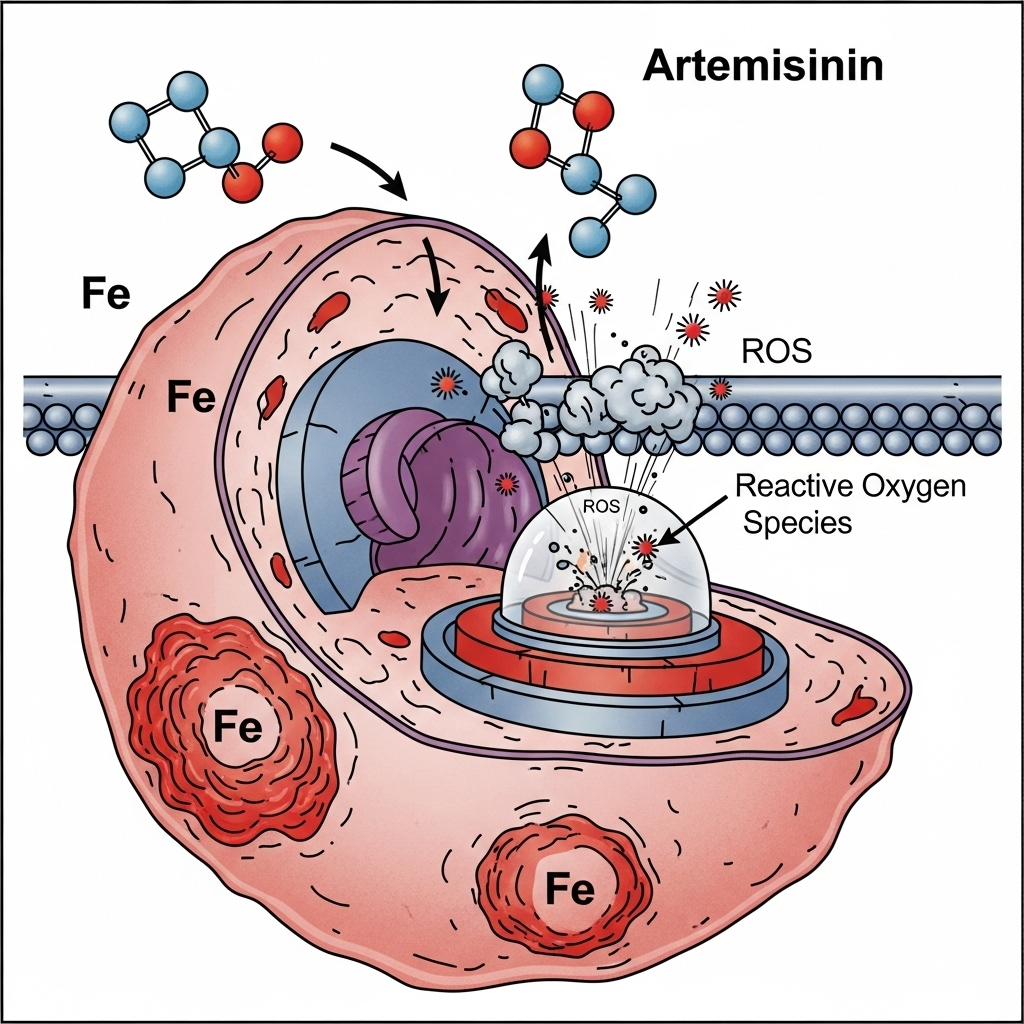
Main mechanism: Iron-activated cell death via free radicals
- Artemisinin, originally a Nobel Prize-winning drug for malaria, has a highly effective and specific mechanism of action. Cancer cells need large amounts of iron to divide rapidly, and they therefore have a much higher concentration of iron than normal, healthy cells. The artemisinin molecule contains a special chemical structure (an endoperoxide bridge) that reacts violently when it comes into contact with iron. This reaction creates an explosion of unstable and highly damaging molecules called free radicals (specifically Reactive Oxygen Species, ROS). This internal “bomb” of oxidative stress destroys the cancer cell’s membranes, proteins, and DNA from within, forcing it into cell death. The process has similarities to a specific type of cell death called ferroptosis (iron-dependent cell death).
Access in Denmark:
- The pure, most potent substance artesunate (a derivative) is a prescription drug in Denmark, while the plant Artemisia annua is typically sold as a dietary supplement.
Characteristics:
- Functions as a “Trojan horse” that exploits the cancer cell’s own iron dependency to create a targeted internal explosion.
See also links at the bottom of this article
Resistance and safety during long-term use
When using repurposed parasitic drugs in an oncological context, critical factors regarding resistance and safety apply to all the mentioned compounds.
Risk of clinical resistance
- Cancer cells are biologically extremely adaptable. While individual clinical observations may suggest a lack of resistance, extensive research documents that cancer cells can develop resistance over time. The most central mechanism is the overexpression of so-called ABC transporters (including P-glycoprotein). These function as molecular pumps that actively remove the drug from the cell’s interior before it can take effect [1, 4]. Continuous exposure without breaks can create a selection pressure, where only the most resistant cancer cells survive and multiply [2].
The importance of monitoring
- Because cancer treatment often requires higher doses or longer durations than a standard parasite treatment, continuous monitoring is essential. This is particularly true for benzimidazoles (such as mebendazole), where long-term use is associated with the risk of drug-induced liver toxicity [3]. Monitoring with blood tests, including liver function tests (ALT/AST), is therefore a necessary safety precaution to ensure that treatment can continue without damaging the organs.
Overview
| Drug | Primary Mechanism of Action | Unique Characteristics |
| Mebendazole | Destruction of microtubules | Attacks the cell’s “skeleton.” Most studied in clinical trials. |
| Fenbendazole | Destruction of microtubules | Attacks the cell’s “skeleton.” Strong anecdotal history. |
| Niclosamide | Metabolic collapse (energy blockade) | Removes cell fuel and sabotages signaling pathways. Poor absorption. |
| Ivermectin | Induction of oxidative stress / Inhibition of pumps | Creates internal stress and counteracts chemoresistance. |
| Hydroxychloroquine | Inhibition of autophagy | Prevents the cell’s “recycling system” from working. |
| Artemisinin (and derivatives) | Iron-activated formation of free radicals (ROS) | Exploits high iron content in cancer cells to create oxidative stress. |
Conclusion
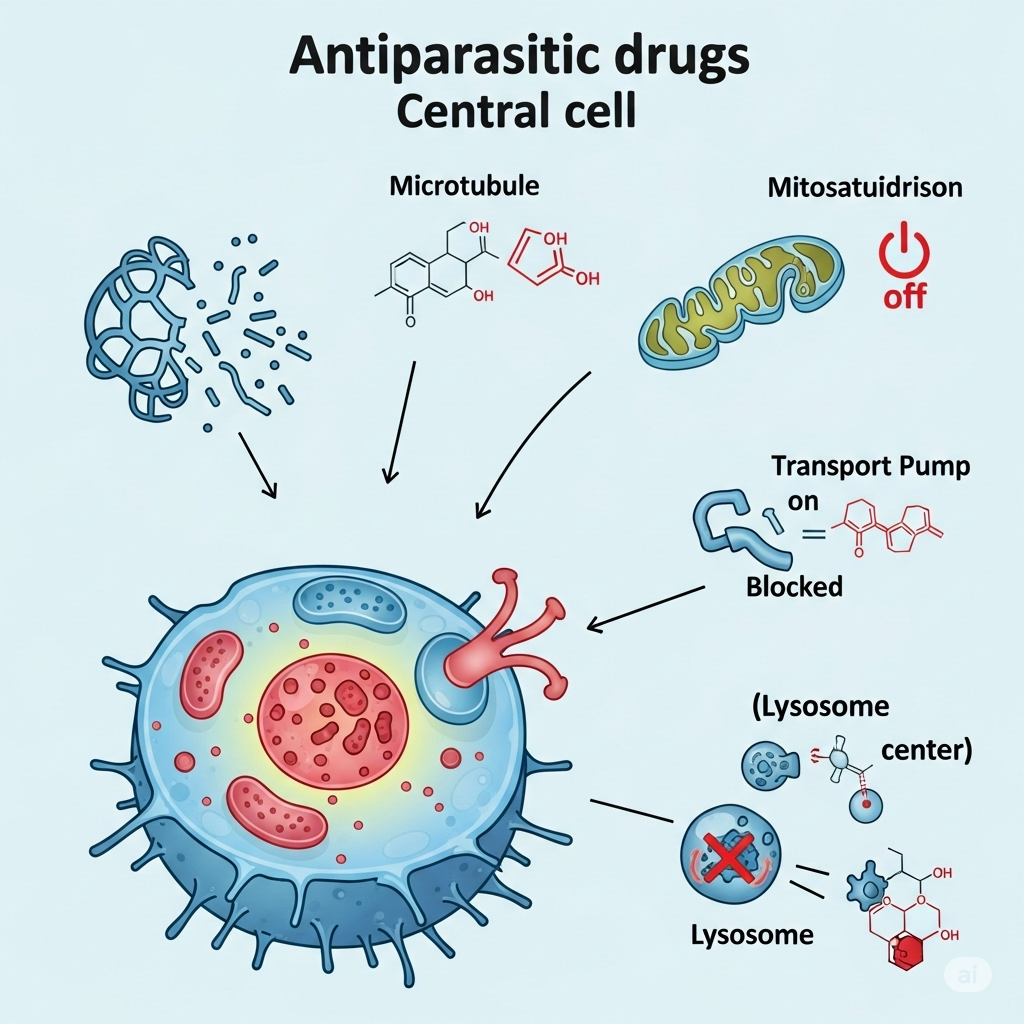
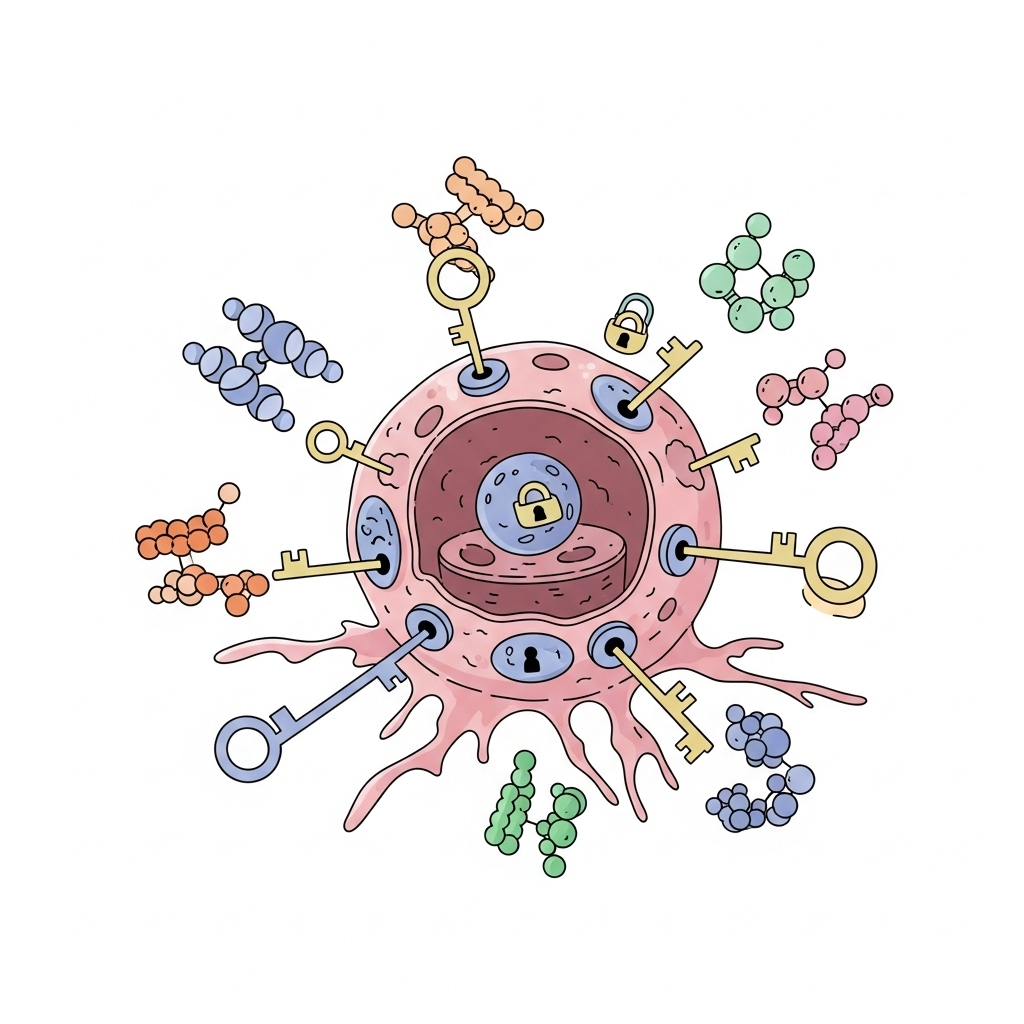
The clear conclusion is that there is no single “antiparasitic” effect against cancer. Each substance represents a unique angle of attack that exploits different vulnerabilities in the cancer cell’s complex machinery. This diversity opens the door for intelligent combination treatments, where a tumor can be hit from several sides simultaneously. In the long run, a deeper understanding of these mechanisms can lead to more tailored treatment, where the choice of a repurposed drug is based on the specific biochemical profile of the individual tumor. The potential lies not in a single “miracle cure,” but in the strategic use of an entire arsenal of different, rediscovered “keys,” each of which can unlock a new door in the cancer cell’s defense.
As these are medications, it is naturally essential to discuss their use with your healthcare provider.
See also Metabolic strategy – block signaling pathways by cancer type – chart overviews
If you are in doubt about interaction, it can be checked here:
See also Repurposed Drugs
See also No medicine – Plan B
Se også The parasite’s path to cancer
Links
Ivermectin:
Ivermectin, a potential anticancer drug derived from an antiparasitic agent (Science Direct, 2021)
- Relevance: This article provides a broad overview of the many proposed anti-cancer mechanisms for ivermectin. It mentions, among other things, the effect on Hippo, Akt/mTOR, and WNT signaling pathways, which supports the drug’s versatility.
The river blindness drug Ivermectin and related macrocyclic lactones inhibit WNT-TCF pathway responses in human cancer (EMBO Molecular Medicine, 2014)
- Relevance: A very specific study confirming that ivermectin is an effective blocker of the WNT signaling pathway, which is a fundamental and often overactive signaling pathway in many cancers, including colorectal and breast cancer.
- Relevance: An animal study shows that the drug ivermectin has a strong anti-cancer effect on non-small cell lung cancer (NSCLC). The study concludes that ivermectin works by blocking the central growth signaling pathway (EGFR/PI3K/AKT/mTOR), leading to increased cell death and inhibited tumor growth.
Ivermectin and Cancer: Exploring the Potential Link (Williams Cancer Institute, 2023)
- Relevance: Ivermectin has potential as a cancer treatment by inhibiting tumor growth, inducing apoptosis, strengthening the immune system, and preventing angiogenesis. These mechanisms may supplement existing therapies, but further clinical research is necessary. Overall, Ivermectin opens new possibilities for the development of innovative cancer treatments.
Ivermectin, a potential anticancer drug derived from an antiparasitic drug (Science Direct, 2021)
- Relevance: Ivermectin, an antiparasitic macrolide, has shown promising potential as a cancer treatment by inhibiting tumor cell proliferation and promoting apoptosis through multiple signaling pathways. This opens possibilities for clinical use of ivermectin as an anti-neoplastic agent. Further research is needed to realize this potential in cancer treatment.
Fenbendazole:
Fenbendazole, Ivermectin and Mebendazole for Breast Cancer Success Stories – 37 Case Reports (The Medical Adviser, June 2025)
- Relevance: Several peer-reviewed articles and case studies suggest that Fenbendazole, Ivermectin, and Mebendazole may play an important role in the treatment of stage 4 breast cancer. Research shows that these substances have different anti-cancer mechanisms that can be effective against cancer cells. Specific studies include a protocol for Ivermectin, as well as investigations of Fenbendazole and Mebendazole in relation to breast cancer and metastases.
- Relevance: Fenbendazole can kill both common cancer cells and the difficult cancer stem cells in cervical cancer by disrupting the cells’ growth cycle. It stopped tumor growth in animal models without weight loss, in contrast to chemotherapy, and resulted in full survival in those treated. These results make fenbendazole a promising treatment choice against cervical cancer.
Transcriptome analysis reveals the anticancer effects of fenbendazole on ovarian cancer: an in vitro and in vivo study (PubMed, 2024)
- Relevance: Fenbendazole can inhibit the growth and promote the death of ovarian cancer cells by disrupting the cell cycle and causing mitotic catastrophe. It was also shown to reduce tumor growth in mice, suggesting it could become a promising treatment for ovarian cancer. These results open possibilities for new therapies against this serious disease.
Mebendazole:
Albendazole and Mebendazole as Anti-Parasitic and Anti-Cancer Agents: an Update (PubMed, 2021)
- Relevance: Albendazole and mebendazole are broad-spectrum deworming medications that block microtubules and have shown promising anti-cancer effects in vitro and in vivo. They can be used against parasitic infections and potentially as cancer treatment, but long-term use can cause side effects like liver damage. Mebendazole is currently more popular in cancer trials due to albendazole’s toxicity.
- Relevance: Mebendazole and paclitaxel have a synergistic effect on inhibiting proliferation and microtubular structures in oral tongue squamous cell carcinoma (OTSCC) by inhibiting the PI3K/AKT signaling pathway. The combination increases apoptosis markers and may be a promising treatment for OTSCC. Further research is needed to confirm their clinical potential.
In vitro evaluation of lipidic nanocarriers for mebendazole delivery to improve anticancer activity (PubMed, 2024)
- Relevance: Mebendazole nanostructures (MBZ-NLCs) are stable and contain a larger portion of the active substance than standard forms. They are ten times more effective against cancer cells and can prevent the movement of cancer cells in laboratory experiments. The results suggest that mebendazole nanostructures could become a good treatment for lung cancer, but more tests in the body are needed.
Plaquenil:
- Relevance: A new study shows that the substance 2-BFI (an imidazoline I2-receptor agonist) significantly enhances the cell-killing effect of the autophagy inhibitor hydroxychloroquine (HCQ) against colorectal cancer cells. The combination works by creating increased oxidative stress and disrupting cancer cell metabolism and survival mechanisms.
Malaria Drug Could Combat Chemotherapy-Resistant Head and Neck Cancers (UPMC, 2022)
- Relevance: This is an easy-to-understand summary of a study that shows a concrete example of how hydroxychloroquine is used to overcome chemo-resistance. It explains how the substance can “re-sensitize” cancer cells so that chemotherapy works again.
Repurposing Drugs in Oncology (ReDO)—chloroquine and hydroxychloroquine as anti-cancer agents (PubMed, 2017)
- Relevance: Chloroquine (CQ) and hydroxychloroquine (HCQ) have potential as anti-cancer treatment, especially in combination with standard therapies. They affect both cancer cells and the tumor microenvironment through autophagy inhibition and modulation of signaling pathways such as p53 and CXCR4-CXCL12. Further clinical studies are necessary to optimize dosing and treatment regimens.
Niclosamide:
- Relevance: This study identified 35 genes, including CDK1 and TTK, as important targets in ovarian cancer, which often develops resistance to treatment. NSC765690 (MCC22) was found to be a promising niclosamide analog with strong activity against both targets, which may help overcome chemotherapy resistance. The results show a data-driven approach to developing new therapies for ovarian cancer.
Niclosamide Treatment Suppressed Metastatic, Apoptotic, and Proliferative Characteristics of MDA-MB-231 Cancer Stem Cells (PubMed, 2025)
- Relevance: This study showed that niclosamide effectively induces apoptosis and stops the cell cycle in aggressive triple-negative breast cancer-CSCs in a 3D model. The treatment reduced metastasis- and resistance-related genes as well as EMT markers, which may improve treatment effectiveness against cancer. The results suggest that niclosamide can increase CSC sensitivity and prevent tumor recurrence.
Pharmacological advances and therapeutic applications of niclosamide in cancer and other diseases (PubMed, 2025)
- Relevance: Niclosamide is an FDA-approved drug with potential in cancer treatment, especially against resistant ovarian cancer, by modulating cell proliferation and apoptosis. New formulations and nanotechnology improve bioavailability, strengthening its therapeutic possibilities. It shows promising versatility in the treatment of cancer, viral infection, and inflammatory diseases.
- Relevance: NHC, an improved form of niclosamide, shows increased solubility and potential as a treatment for colon cancer. The analysis confirms that NHC is more effective than NES, and metabolomics as well as 16S rRNA investigate its mechanism. This may open new possibilities for niclosamide-based cancer treatment.
Antitumor activity of niclosamide-mediated oxidative stress against acute lymphoblastic leukemia (PubMed, 2024)
- Relevance: Niclosamide was shown to be able to inhibit growth and induce apoptosis in acute lymphoblastic leukemia (ALL) by increasing reactive oxygen species and activating TP53. It has potential as a new treatment to improve response and extend survival in ALL patients. These results indicate that niclosamide could become a promising therapeutic agent against ALL.
In General:
Targeting the Mitochondrial-Stem Cell Connection in Cancer Treatment: A Hybrid Orthomolecular Protocol (Journal of Orthomolecular Medicine)
Interactions (search for preparations) (Interaktionsdatabasen, Danish Medicines Agency)
Resistens og monitorering
[1] The emerging roles of ATP-binding cassette transporters in cancer multidrug resistance (ScienceDirect, 2025)
- Content: A fully updated review of how ABC transporters function as pumps that create resistance in cancer cells. The article describes the challenges of overcoming this mechanism to ensure effective drug delivery.
[2] Repurposing Drugs in Oncology (ReDO)—A project to find new uses for old drugs (ecancer, 2014)
- Content: A comprehensive article series reviewing the need for monitoring and the theoretical risks of resistance when moving drugs from short-term use to long-term cancer treatment.
[3] Albendazole and Mebendazole as Anti-Parasitic and Anti-Cancer Agents: an Update (PubMed, 2021)
- Content: An article based on a review of benzimidazoles (mebendazole and albendazole). It describes their anti-cancer effects but explicitly states that long-term use can cause side effects such as liver damage.
[4] Revisiting the role of ABC transporters in multidrug-resistant cancer (PubMed, 2018)
- Content: A scientific article documenting how the overexpression of ABC transporters (especially P-glycoprotein) in cancer cells is a major cause of multidrug resistance. The study demonstrates that these pumps effectively remove drugs from cells, thereby blocking their efficacy.
Page created: July 1, 2024, Last revised July 28, 2026
❤
What you read on Jeg har Kræft is not a recommendation. Seek competent guidance.
