


Treatments
Complementary and Alternative Treatments
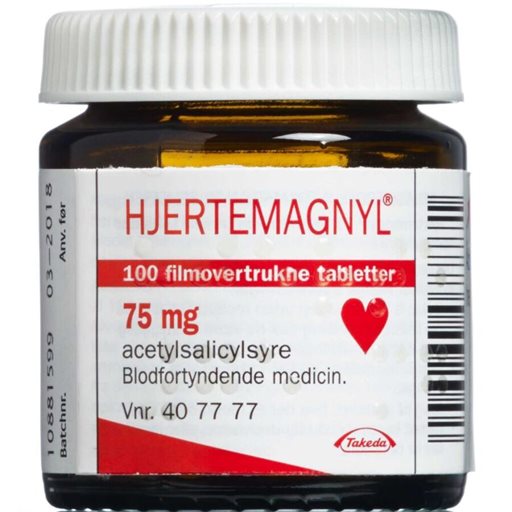
Aspirin (low-dose acetylsalicylic acid) and cancer
What is aspirin?
Aspirin, a well-known pain reliever and fever reducer, has in recent years sparked interest as a potential off-label treatment for cancer. Research suggests that aspirin may slow the growth and spread of cancer cells, but it is crucial to weigh the benefits and risks before considering this treatment.
Effects against cancer
Anti-inflammatory
Aspirin has a strong anti-inflammatory effect. Chronic inflammation is closely linked to the development of many cancers. By reducing inflammation, aspirin may potentially slow cancer cell development.
Cell division
Aspirin can inhibit the production of prostaglandins, which are involved in cell growth and division. By reducing the production of prostaglandins, aspirin may potentially slow the growth of cancer cells.
Blood vessel growth
Like propranolol, aspirin can inhibit the formation of new blood vessels, which tumors need to grow.
Disadvantages
Limited evidence
Evidence for aspirin’s effectiveness comes primarily from observational studies, which cannot prove causality.
Lack of approval from authorities
Aspirin is not approved by the Danish Medicines Agency for cancer treatment, indicating the need for further research.
Risk of bleeding
Aspirin can increase the risk of bleeding, especially in patients with bleeding disorders or those taking certain medications.
Common side effects
- Indigestion
- Stomach ulcers
- Bleeding from the nose
- Tendency to bruise
Rare side effects
- Serious bleeding
- Allergic reactions
- Reye’s syndrome in children and adolescents
Note: This is not an exhaustive list of all possible side effects. You can find more information about side effects in the patient information leaflet for your medication.
Research
Colorectal cancer
The strongest evidence for aspirin’s cancer-preventive effect is found in relation to colorectal cancer. Several large studies have shown a statistically significant link between regular aspirin use and a reduced risk of this type of cancer.
Other cancers
There are also studies suggesting that aspirin may have a preventive effect against other cancers, such as esophageal cancer, prostate cancer, and certain types of blood cancer.
Combination therapy
There are also studies suggesting that aspirin may increase the effectiveness of other cancer treatments, such as chemotherapy and radiation therapy.
Improved survival
Aspirin can improve survival rates in patients with breast cancer.
Simplified treatment
Aspirin is a widely available and inexpensive medication compared to other cancer treatments.
Important
Special consideration should be taken if you already suffer from bleeding disorders. Taking aspirin may further increase this tendency.
Combination therapy
Aspirin can be combined with conventional cancer treatments to improve effectiveness. It is also suitable for supplementing other repurposed drugs.
Be aware that certain medications may interact, potentially causing unintended effects when combined.
Conclusion
The use of repurposed drugs such as aspirin in cancer treatment has the potential to revolutionize the way we treat the disease. Aspirin is not just a common pain reliever; research shows it may have significant anti-inflammatory and anticancer properties. Its ability to inhibit cell growth and blood vessel formation can help slow the development and spread of cancer cells, especially in colorectal cancer, where strong evidence supports its effectiveness.
Additionally, aspirin is a cost-effective and widely accessible treatment, making it an attractive option in combination with existing cancer therapies. While further research is needed to confirm its safety and effectiveness, the preliminary results are promising. By integrating aspirin into cancer treatment, we may potentially improve survival rates and quality of life for many patients. It is therefore important to consider and explore the possibilities that repurposed drugs like aspirin offer in the fight against cancer.
Hvis du er i tvivl, kan det tjekkes her:
See also Repurposed Drugs
See also No medication – Plan B
Links
Interactions (search for medications) (Interaktionsdatabasen, Danish Medicines Agency)
Lower risk of gastrointestinal cancer (Danish Health Policy Journal) (Danish Language)
Aspirin protects against cancer (Videnskab.dk) (Danish Language)
Aspirin reduces mortality for three cancer types (Oncology Journal) (Danish Language)
Aspirin and cancer: biological mechanisms and clinical outcomes (PubMed)
Aspirin and antiplatelet treatments in cancer (PubMed)
Using aspirin to prevent and treat cancer (PubMed)
Aspirin and cancer survival: a systematic review and meta-analyses of 118 observational studies of aspirin and 18 cancers (British Journal of Cancer, 2021)
- Relevans: A very large and comprehensive review article (meta-analysis) that compiles data from 118 studies. It concludes that there is compelling evidence of a link between regular aspirin use and improved survival for a wide range of cancer types, especially colorectal cancer.
Long-term use of low-dose aspirin for cancer prevention: A 20-year longitudinal cohort study of 1,506,525 Hong Kong residents (PubMed, 2025)
- Relevans: Long-term low-dose aspirin use (over 10 years) reduces the risk of cancer, particularly lung, breast, and colorectal cancer, as well as cancer-related mortality. The effect is stronger with longer use and can start as early as age 40.
Mechanisms of Colorectal Cancer Prevention by Aspirin—A Literature Review and Perspective on the Role of COX-Dependent and -Independent Pathways (Cancers, 2020)
- Relevans: This article delves into how aspirin works. It explains the well-known COX-inhibiting (anti-inflammatory) mechanism but also discusses newer research into COX-independent mechanisms, supporting why aspirin has such a broad effect.
Prolonged Low-Dose Administration of FDA-Approved Drugs for Non-Cancer Conditions: A Review of Potential Targets in Cancer Cells (PubMed, 2025)
- Relevans: While FDA-approved drugs like aspirin and metformin may lower cancer incidence, the precise mechanisms are still unclear. Long-term low-dose treatment may potentially prevent metastasis in selected patients.
Page created:
June 1, 2024, Last revised June 10, 2025
❤
What you read on I Have Cancer is not a recommendation. Seek competent guidance.
