


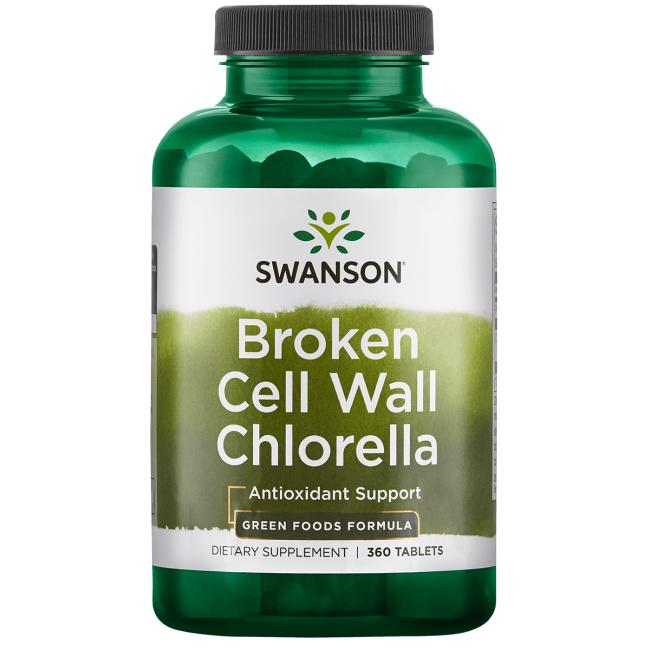
Chlorella and cancer
What is chlorella
Chlorella is a unicellular green alga that thrives in freshwater. It is one of the oldest life forms on Earth, having existed for more than 2 billion years. Chlorella is rich in nutrients, including proteins, vitamins, minerals, chlorophyll, and antioxidants.
Although chlorella has been used as food for centuries, particularly in Asia, its potential as a health supplement only began to be explored in the mid-20th century. Interest in chlorella rose when its high nutritional value and potential to alleviate food shortages were discovered.
Today, chlorella is used as a popular dietary supplement to strengthen the immune system, detoxify the body, and improve general health [1]. Research also suggests that chlorella may have potential as a supplementary treatment for cancer.
Chlorella vs. spirulina
Although spirulina and chlorella are both nutrient-rich algae, they are fundamentally different.
Type:
- Spirulina is technically a cyanobacterium (a blue-green alga) and is spiral-shaped. Chlorella is a unicellular green alga (a eukaryote, like plants) and is spherical.
Cell wall:
- Spirulina does not have a hard cell wall and is therefore easily digestible in its natural form. Chlorella has a very hard cell wall of cellulose, which must be broken down (referred to as “cracked cell wall”) for humans to absorb the nutrients.
Nutritional profile:
- Spirulina is generally richer in protein and the unique blue pigment phycocyanin, which has strong antioxidant properties. Chlorella has a significantly higher content of chlorophyll (the green pigment) and is often recognized for its ability to bind heavy metals [1].
Mechanisms of action and potential
Chlorella’s potential in connection with cancer treatment is due to several different mechanisms:
Strengthening the immune system:
- Chlorella contains various bioactive compounds that can stimulate the immune system. This includes polysaccharides, such as beta-glucans, which can activate macrophages (a type of white blood cell that removes foreign cells and waste products), NK cells (natural killer cells), and T-lymphocytes, which are important components in the body’s defense against cancer cells [2].
Antioxidant activity:
- Chlorella is rich in antioxidants, including chlorophyll, vitamin C, vitamin E, and carotenoids. Antioxidants protect cells from damage caused by free radicals, which can contribute to the development of cancer [5].
Anti-inflammatory effect:
- Chronic inflammation can contribute to the development and progression of cancer. Chlorella has shown anti-inflammatory properties that can dampen inflammation and thus potentially inhibit cancer development.
Detoxification:
- Chlorella can bind to heavy metals and other toxins in the body and promote their excretion [1]. This can reduce the total toxic load, which may be a contributing factor in cancer development.
Inhibition of angiogenesis:
- Angiogenesis, the formation of new blood vessels, is crucial for tumor growth and metastasis. Cancer cells stimulate angiogenesis to ensure a supply of nutrients and oxygen. Chlorella has shown potential to inhibit angiogenesis, which may limit tumor growth and spread [3, 6].
Direct cytotoxic effect:
- Some non-randomized in vitro studies have shown that chlorella can have a direct cytotoxic effect on cancer cells, meaning it can kill cancer cells by inducing apoptosis (programmed cell death) [5, 7, 8].
Improving the efficacy of chemotherapy:
- Chlorella can potentially enhance the effect of chemotherapy while reducing its side effects. This may be due to chlorella’s ability to strengthen the immune system and protect healthy cells from damage [4, 6].
Clinical studies
An increasing number of clinical studies are investigating chlorella’s potential as a supplementary treatment for cancer.
- A study published in Nutrition and Cancer investigated the effect of chlorella in patients with breast cancer undergoing radiation therapy. The study showed that chlorella reduced fatigue and improved the quality of life in the patients.
- Another study, published in The Journal of Alternative and Complementary Medicine, examined the effect of chlorella in patients with liver cancer. The study showed that chlorella improved liver function and reduced levels of tumor markers.
- A study published in Cancer Immunology, Immunotherapy showed that chlorella extract could increase the activity of NK cells in patients with various types of cancer.
- A non-randomized in vitro study published in Journal of Agricultural and Food Chemistry showed that Chlorella vulgaris extract inhibited the growth of human colon cancer cells.
These studies, while promising, are often small and have methodological limitations. There is a need for further clinical studies with larger patient groups and robust designs to confirm chlorella’s effect on cancer in humans and to establish optimal doses and treatment regimens.
Safety
Chlorella is generally well-tolerated, but side effects can occur, especially at the start of treatment. The most common side effects are diarrhea, nausea, bloating, green stools, and skin reactions. In rare cases, allergic reactions may occur. It is important to start with a low dose and gradually increase it to minimize the risk of side effects. Persons with iodine allergies or autoimmune diseases should consult a physician before taking chlorella. Chlorella may also interact with certain types of medication, including immunosuppressants.
Benefits of chlorella
Multifunctional action:
- Chlorella has several potential benefits beyond its anti-cancer activity, including detoxification, immune system strengthening, and anti-inflammatory effects.
Natural product:
- Chlorella is a natural product, which can be attractive to patients seeking alternative or complementary treatment options.
High nutritional value:
- Chlorella is rich in proteins, vitamins, minerals, and chlorophyll, which can contribute to improving general health and nutritional status in cancer patients.
Potential to improve quality of life:
- Chlorella can potentially improve the quality of life for cancer patients by reducing the side effects of chemotherapy and radiation therapy, improving appetite, and increasing energy levels.
Drawbacks and limitations
Quality and purity:
- The quality and purity of chlorella products can vary. It is important to choose products from reputable manufacturers that test for heavy metals and other contaminants.
Limited clinical evidence:
- More research is needed to confirm chlorella’s effect on cancer in humans and to establish optimal doses and treatment regimens.
Potential side effects:
- Chlorella can cause side effects, especially at the start of treatment.
Interactions with medication:
- Chlorella can interact with certain types of medication, including immunosuppressants.
Dispensing and application
Dietary supplements: Chlorella is available as a dietary supplement in various forms, including tablets, capsules, and powder.
Dosage: The recommended dosage varies depending on the product. It is important to follow the instructions on the label and consult a physician for individual advice on dosage.
Duration: There is no fixed duration for the use of chlorella as a supplement to cancer treatment. It is best to consult a physician for individual advice on the duration of treatment.
Conclusion
Chlorella has shown promising potential as a supplementary treatment for cancer. Preclinical and clinical studies suggest that it can strengthen the immune system, have antioxidant and anti-inflammatory effects, detoxify the body, inhibit angiogenesis, and potentially have a direct cytotoxic effect on cancer cells. However, clinical evidence is limited, and more research is needed to confirm these findings in humans.
It is important to remember that chlorella is not a replacement for relevant cancer treatment. It may, however, be a useful supplement that can improve quality of life and possibly enhance the effect of conventional treatment. Ask your qualified practitioner if it is relevant in your unique situation.
Back to Supplements
Links
[1] Giftstoffer – er du også ramt? (Tidslerne, 2021)
- Content: A Danish article discussing the impact of toxins and the role of detoxification in health.
[2] A dendritic cell-recruiting, antimicrobial blood clot hydrogel for melanoma recurrence prevention and infected wound management (PubMed, 2025)
- Content: A non-randomized in vitro and in vivo study exploring the use of microalgae-based hydrogels in preventing the recurrence of melanoma.
[3] AlgaeSperm: Microalgae-Based Soft Magnetic Microrobots for Targeted Tumor Treatment (PubMed, 2025)
- Content: A non-randomized in vitro study on the use of microalgae in microrobots for targeted cancer therapy.
[4] Engineered microalgae for photo-sonodynamic synergistic therapy in breast cancer treatment (PubMed, 2025)
- Content: A non-randomized in vitro and in vivo study investigating synergistic effects of engineered microalgae in breast cancer treatment.
[5] Preliminary Assessment of the Protective and Antitumor Effects of Several Phytoene-Containing Bacterial and Microalgal Extracts in Colorectal Cancer (PubMed, 2024)
- Content: A non-randomized in vitro study assessing the anti-tumor effects of microalgal extracts in colorectal cancer.
[6] Achieving deep intratumoral penetration and multimodal combined therapy for tumor through algal photosynthesis (PubMed, 2024)
- Content: A non-randomized in vitro and in vivo study on using algal photosynthesis to improve tumor penetration and treatment efficacy.
- Content: A non-randomized in vitro study showing how chlorella-based nanocomposites induce apoptosis in colon cancer cells.
[8] Apoptosis Induction by ZnFe2O4-Ag Biosynthesized by Chlorella vulgaris in MCF-7 Breast Cancer Cell Line (PubMed, 2024)
- Content: A non-randomized in vitro study exploring how biosynthesized compounds from chlorella induce cell death in breast cancer lines.
Page created: January 29, 2025. Latest revision: April 25, 2026.
❤
What you read on I Have Cancer is not a recommendation. Seek competent guidance.
