


Resveratrol and cancer
What is resveratrol
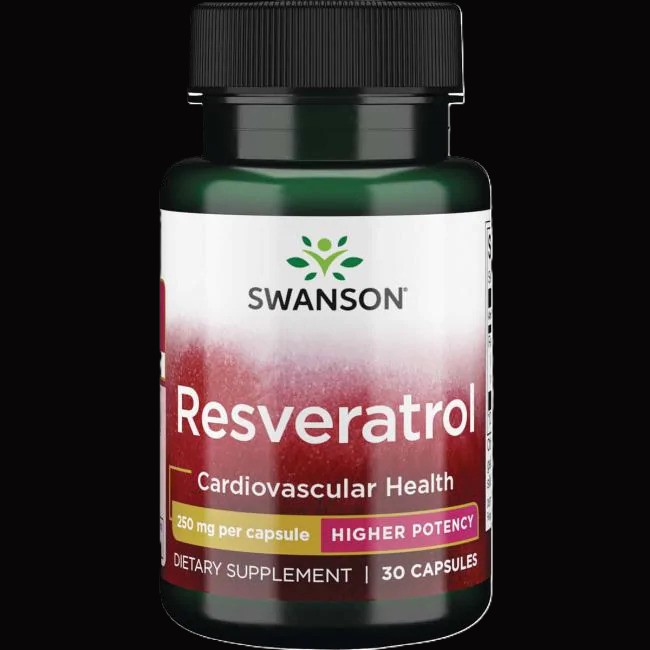
Resveratrol is a naturally occurring polyphenol found in certain plants, especially in grape skins, berries, nuts, and red wine. It is known for its antioxidant properties and has been the subject of research due to its potential health benefits, including cardiovascular protection, anti-inflammatory effects, and possible cancer-preventive properties. Resveratrol is believed to support the body’s natural defenses against diseases and is often associated with the health benefits of red wine.
Resveratrol has in recent years gained significant attention as a potential supplement to conventional cancer treatment. This is because it has shown promising results in laboratory experiments and animal models.
Resveratrol’s effect on cancer cells
Resveratrol has been shown to have a multifaceted effect on cancer cells. Here are some of the most important mechanisms:
Induction of apoptosis
Resveratrol can trigger programmed cell death in cancer cells. This means that the cancer cells “commit suicide” [7, 8, 9].
Antioxidant
Resveratrol protects cells from damage caused by free radicals, which can contribute to the development of cancer.
Anti-inflammatory
Chronic inflammation is associated with an increased risk of cancer, and resveratrol can help reduce inflammation.
Inhibition of blood vessel growth
Cancer tumors need a good blood supply network to grow, and resveratrol can inhibit the formation of new blood vessels.
Inhibition of cell growth
Resveratrol can slow the growth of cancer cells by blocking certain signaling pathways necessary for cell division [2].
Benefits of resveratrol
Possible increased effect of treatment
Some studies suggest that resveratrol can increase the sensitivity of cancer cells to chemotherapy and radiation therapy [10].
Reduction of side effects
Resveratrol can help reduce some of the side effects associated with conventional cancer treatment.
Few side effects
Resveratrol is generally well tolerated and has few serious side effects.
Disadvantages and limitations
Limited clinical evidence
Although there are promising results from laboratory experiments and animal models, there is still a need for more research to establish resveratrol’s effectiveness in humans [1, 2, 3, 4, 5, 6].
Varying quality of dietary supplements
There is great variation in the quality of resveratrol supplements on the market, which can make it difficult for consumers to choose a product that meets the desired standards.
Interactions with other medications
Resveratrol can interact with certain types of medication, including blood-thinning medications and medications for high blood pressure.
Success stories
There are many reports of people who have experienced positive results using resveratrol as part of their cancer treatment. However, the amount of scientific research is limited.
Be aware of
Dosage
The optimal dose of resveratrol for cancer patients has not yet been established. Too high doses can have negative side effects, while too low doses may not be effective.
Bioavailability
When we take resveratrol, only a small part of it is absorbed by the body. Researchers are working to develop new formulations that can increase bioavailability.
Individual variations
The effect of resveratrol can vary from person to person due to genetic differences and other factors.
Lack of long-term studies
There is a lack of long-term studies in humans that can give us a clear picture of resveratrol’s long-term effects and safety profile.
Cannot stand alone
Resveratrol is not a miracle cure for cancer. It should always be seen as a supplement to conventional treatment, not as a replacement.
Choose quality products
There is great variation in the quality of resveratrol supplements. Choose products from reliable manufacturers.
Conclusion
Resveratrol is a natural flavonoid found in foods such as grapes and red wine, and has shown several potentials in relation to cancer. Its ability to induce cell death in cancer cells, protect against oxidative damage, reduce inflammation, and inhibit blood vessel growth makes it an interesting supplement in the fight against the disease. Research indicates that resveratrol can enhance the effect of chemotherapy and radiation therapy and reduce some of the unpleasant side effects associated with these treatments.
Although laboratory experiments and animal studies show promising results, there is still a need for more research to confirm resveratrol’s effectiveness in humans. It is important to be aware that the quality of dietary supplements varies, and that resveratrol should not be considered as a replacement for conventional cancer treatment. It should rather be used as a supplement that can support a holistic approach to treatment. With the right research and quality products, resveratrol could potentially play a valuable role in future cancer treatment and prevention.
Back to Supplements
Links
[1] Vidunderstoffet resveratrol i rødvin bremser tyktarmskræft (Videnskab.dk, 2015)
- Content: General article describing how resveratrol in red wine can slow the progression of colon cancer, highlighting its potential as a natural compound in cancer prevention. (Danish Language)
[2] Resveratrol as an anti-cancer agent (PubMed, 2018)
- Content: Comprehensive review article summarizing the anti-cancer mechanisms of resveratrol, including its effects on apoptosis, cell cycle arrest, and inhibition of metastasis in various cancer types.
[3] Resveratrol and Colorectal Cancer (PubMed, 2021)
- Content: Review article examining the specific effects of resveratrol on colorectal cancer, including its ability to inhibit tumor growth and induce apoptosis in cancer cells.
[4] Resveratrol and Prostate Cancer (PubMed, 2021)
- Content: Review article exploring the impact of resveratrol on prostate cancer, discussing its potential to inhibit cancer cell proliferation and induce cell death.
[5] Resveratrol and Cervical Cancer (PubMed, 2022)
- Content: Review article investigating the effects of resveratrol on cervical cancer, including its role in inhibiting cancer cell growth and promoting apoptosis.
[6] Resveratrol for cancer therapy (PubMed, 2021)
- Content: Review article discussing the therapeutic potential of resveratrol in cancer treatment, including its ability to enhance the efficacy of chemotherapy and reduce side effects.
[7] Resveratrol induces ferroptosis in triple-negative breast cancer through NEDD4L-mediated GPX4 ubiquitination and degradation (PubMed, 2025)
- Content: In vitro study showing that resveratrol can kill aggressive triple-negative breast cancer cells (TNBC) by triggering a specific type of cell death called ferroptosis. The mechanism is that resveratrol removes one of the cancer cells’ central defense proteins (GPX4), making them vulnerable to this type of attack.
[8] Resveratrol Downregulated PRDX4 Expression to Inhibit the Progression of Renal Cell Carcinoma via Wnt/β-Catenin Pathway (PubMed, 2025)
- Content: In vitro study showing that resveratrol inhibits growth and spread of kidney cancer (RCC). The mechanism is that resveratrol reduces the amount of the protein PRDX4, which subsequently blocks the central Wnt/β-catenin growth signaling pathway in cancer cells.
[9] Resveratrol interrupts Wnt/β-catenin signalling in cervical cancer by activating ten-eleven translocation 5-methylcytosine dioxygenase 1 (PubMed, 2025)
- Content: In vitro study showing that resveratrol combats cervical cancer by reactivating the protective, epigenetic enzyme TET1. This subsequently leads to inhibition of the overactive Wnt/β-catenin growth signaling pathway in cancer cells.
[10] Enhancing prostate cancer cells’ sensitivity to flutamide by resveratrol: An in-vitro study (PubMed, 2025)
- Content: In vitro study showing that in laboratory experiments with prostate cancer cells, resveratrol increased sensitivity to the hormone treatment flutamide. This made it possible to reduce the dose of the drug and at the same time reduce its side effects.
[11] Resveratrol protects against letrozole-induced renal damage in a rat model of polycystic ovary syndrome: A biochemical, histological, and immunohistochemical study (PubMed, 2025)
- Content: In vivo study showing that in a PCOS rat model, resveratrol effectively protects against kidney damage caused by letrozole. It is more effective than metformin at improving kidney function, reducing apoptosis, and reducing tissue scores. Resveratrol may therefore have potential as a complementary treatment against PCOS-related kidney damage, but more research is needed.
Page created:
July 1, 2024, Last revised June 10, 2025
❤
What you read on “Jeg har Kræft” is not a recommendation. Seek competent guidance.
