


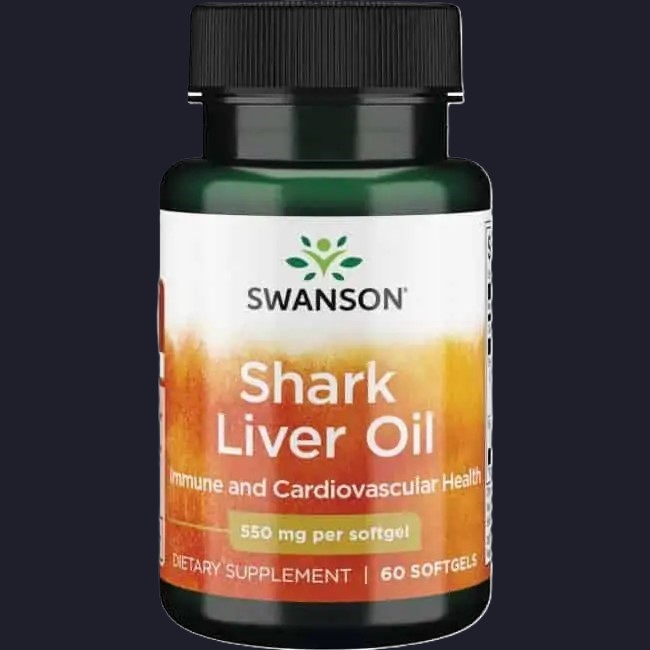
Shark liver oil and cancer
What is shark liver oil
Shark liver oil is a dietary supplement extracted from the livers of sharks, especially from species such as dogfish and Greenland sharks. It is rich in omega-3 fatty acids, vitamins A and D, as well as alkylglycerols and squalene. Shark liver oil is often used for its potential health benefits, including supporting the immune system, alleviating inflammation, and improving skin health. It is also used in alternative treatments, but more research is needed to confirm its effectiveness and safety.
Shark liver oil has been known for many years for its potential health benefits, especially due to its high content of omega-3 fatty acids.
These nutrients play an important role in our health, including:
Vitamin A
Necessary for the immune system and cell growth. Furthermore, it is important for vision.
Vitamin D
Vitamin D supports the immune system and contributes to strong bones and teeth.
Omega-3 fatty acids
Omega-3 fatty acids are essential for our health and can contribute to reducing the risk of cardiovascular disease, inflammation, and certain types of cancer. Shark liver oil is a rich source of these fatty acids.
Alkoxyglycerol
Shark liver oil contains a substance called alkoxyglycerol (alkylglycerols), which in experiments has shown promising results by influencing the growth and spread of certain cancer cells [2].
The immune system
Some researchers believe that shark liver oil can strengthen the immune system, which may help the body fight cancer cells more effectively [4].
Antioxidants
Shark liver oil also contains antioxidants, which can protect cells from damage caused by free radicals that may contribute to the development of cancer.
Targeted inhibition of growth and metastasis
Recent research indicates that the specific alkylglycerols found in shark liver oil may exert a selective effect, specifically targeting cancer cells while leaving the body’s healthy cells largely unaffected [2].
Furthermore, evidence suggests that the oil’s components act as an effective barrier against metastasis by making it more difficult for cancer cells to invade neighboring tissue and spread to other organs [5].
By inhibiting the formation of new blood vessels (anti-angiogenesis), shark liver oil may also contribute to “starving” the tumor of oxygen and nutrients, further limiting its capacity to grow [3].
Advantages of shark liver oil
Heart health
The omega-3 fatty acids in shark liver oil can contribute to lowering triglyceride levels, reducing blood pressure, and decreasing the risk of blood clots.
Brain function
Omega-3 fatty acids are crucial for brain development and function.
Joint health
Studies suggest that omega-3 fatty acids can alleviate symptoms of rheumatoid arthritis.
Immune defense
Vitamins A and D in shark liver oil strengthen the immune system.
Risks
High vitamin A content
An excessively high intake of vitamin A can be harmful, especially for pregnant and breastfeeding women.
High price
Shark liver oil is often more expensive than other sources of omega-3 fatty acids, such as fish oil, though the latter does not contain all the same compounds.
Contamination
Sharks are predators and can bioaccumulate environmental toxins in their bodies. Therefore, it is important to choose shark liver oil from certified sources.
Alternatives
There are other sources of omega-3 fatty acids, such as fish oil and krill oil, which may be less contaminated.
Vegetarian alternatives
For vegans and vegetarians, there are plant-based omega-3 sources such as flaxseed oil and algae oil. Since these are assumed to contain limited amounts of environmental toxins (depending on where they are harvested), they are, of course, a possible alternative for everyone.
Research
Not many trials have been conducted with shark liver oil in humans. The experiments that have been done are primarily on mice and rats. However, these have shown absolutely interesting results.
You can get an overview of research here:
PubMed – search for “shark liver oil and cancer”.
Conclusion
Shark liver oil can be a good supplement to a healthy diet, but it is important to consider the benefits and risks.
Although there are promising results from laboratory experiments, there is still limited research in humans, and more large-scale clinical trials are needed to confirm the potential benefits.
Shark liver oil should never be considered a substitute for relevant cancer treatment. Talk to your practitioner about whether it would be beneficial in your situation.
Back to Dietary supplements
Links
[1] Effects of Nutritional Supplementation on Tumor Growth: A Systematic Review and Meta-Analysis of Studies Using Animal Models of Mammary Cancer (PubMed, 2026)
- Content: A systematic review and meta-analysis examining how various supplements affect tumor progression in animal models, including data relevant to lipids found in shark liver oil.
[2] Which alkylglycerols from shark liver oil have anti-tumour activities? (PubMed, 2011)
- Content: A study identifying specific alkylglycerols in shark liver oil that demonstrate anti-tumor activity in experimental settings.
[3] Hajbrusk kvæler svulster (Kemifokus, 2002)
- Content: An article discussing how compounds from sharks may inhibit angiogenesis (the formation of new blood vessels) to starve tumors.
[4] Immunomodulatory and Anti-Inflammatory Potential of Shark Liver Oil: A Scoping Review of Human and Animal Studies (PubMed, 2026)
- Content: A scoping review summarizing the evidence for shark liver oil’s ability to modulate the immune response and reduce inflammation.
[5] Anti-Angiogenic and Cytotoxicity Effects of Selachyl Alcohol Analogues (PubMed, 2022)
- Content: Research investigating the anti-angiogenic properties of analogues derived from shark liver oil components.
[6] Alternative behandlinger mod kræft (Naturli, 2010)
- Content: An overview of various alternative approaches in cancer care, including the historical and anecdotal use of shark-derived products.
Page created: Oct 09, 2024. Last updated: Apr 28, 2026.
❤
What you read on Jeg har Kræft is not a recommendation. Seek competent guidance.
