


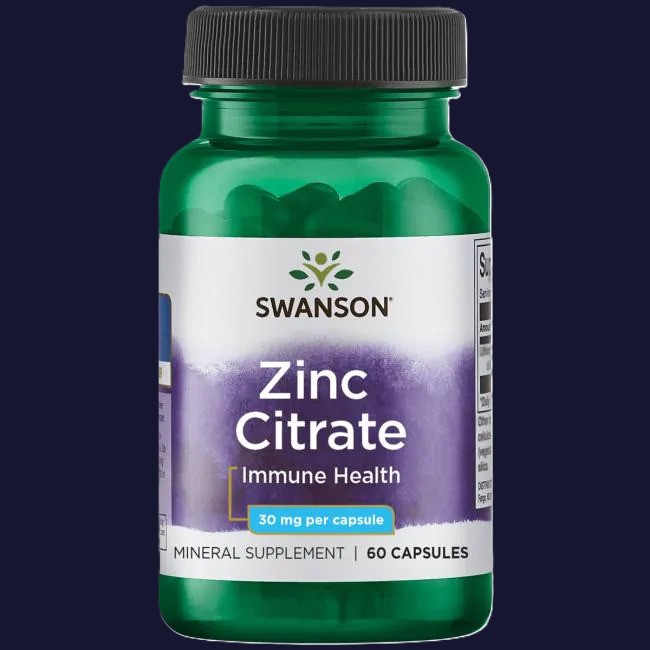
Zinc and cancer
What is zinc
Zinc is an element, a mineral (unlike vitamins, which are molecules composed of several atoms) that plays a crucial role in many of the body’s processes, including the metabolism of nutrients. It is involved in over 200 enzymes and is therefore necessary for a wide range of functions.
Zinc is distributed throughout the body, with high concentrations in certain organs such as the prostate and in the blood supply to the eye.
The absorption of zinc from foods can be affected by other substances in the diet. For example, a diet high in phytic acid (found in whole grains and some plant foods) can inhibit the absorption of zinc.
How zinc works
Zinc is an essential mineral that plays an important role in countless processes in our body. It is involved in over 200 enzymes and is therefore crucial for a wide range of functions.
Here are some of the most important functions zinc has:
Immune system:
Strengthens the immune system
Zinc is essential for a well-functioning immune system. It helps activate white blood cells that fight infections.
Shortens illness periods
By strengthening the immune system, zinc can help shorten the duration of illnesses.
Growth and development:
Cell formation
Zinc is necessary for cell division and growth. It is therefore particularly important for children and young people in growth.
Wound healing
Zinc plays a role in wound healing by stimulating the production of collagen.
Brain function:
Cognition
Zinc is important for brain function and can affect memory, concentration, and learning.
Neuroprotection
Zinc can have a protective effect on nerve cells and may be relevant in neurodegenerative diseases.
Skin, hair, and nails:
Health and strength
Zinc contributes to healthy skin, hair, and nails. Zinc deficiency can lead to skin problems, hair loss, and brittle nails.
Eyes:
Visual acuity
Zinc is important for maintaining good vision. It is part of enzymes involved in the breakdown of harmful substances in the eye.
Other functions:
Metabolism
Zinc is involved in the metabolism of carbohydrates, proteins, and fats.
Taste and smell
Zinc is necessary for perceiving taste and smell.
Reproduction
Zinc is important for both male and female fertility.
In short, zinc is a versatile mineral that is crucial for many aspects of our health.
Increased need for zinc
Most people, according to health authorities, get sufficient zinc through a varied diet. But there can be situations where a supplement may be relevant, for example:
Increased consumption
When we are sick, our immune system works hard to fight the infection. This increases the body’s consumption of zinc, as the mineral is crucial for the immune system’s function.
Reduced absorption
Some diseases, such as inflammatory bowel disease, can damage the intestines and thus reduce the body’s ability to absorb zinc from food.
Increased excretion
Certain diseases, such as liver and kidney diseases, can lead to increased excretion of zinc through urine.
Increased need for repair
When the body needs to repair damaged cells after an illness, it also requires extra zinc.
Vegetarians and vegans
Since zinc is often found in animal products, it can be more difficult for vegetarians and vegans to get enough.
Pregnant and breastfeeding women
The need for zinc increases during pregnancy and breastfeeding.
People with certain diseases
Some diseases, such as celiac disease and inflammatory bowel disease, can prevent the absorption of zinc.
Cancer
Research results suggest that it may be a good strategy in connection with other cancer treatments to ensure that one gets sufficient zinc.
Where to find zinc
Zinc is found in many foods, including:
- Meat: Red meat, poultry, and shellfish are good sources of zinc.
- Dairy products: Cheese and yogurt also contain zinc.
- Eggs: Egg yolks are a good source of zinc.
- Nuts and seeds: Pumpkin seeds, sesame seeds, and cashew nuts are rich in zinc.
- Beans and lentils: These plant-based protein sources also contain zinc.
- Dietary supplements: Zinc can be purchased as a common dietary supplement.
Zinc and cancer
Although the research is still ongoing, there are some mechanisms by which zinc may have a positive impact in relation to cancer:
Strengthening of the immune system
As mentioned earlier, zinc plays a crucial role in strengthening the immune system. A strong immune system can be better at detecting and combating cancer cells.
Antioxidant properties
Zinc can function as an antioxidant, meaning it can neutralize harmful free radicals that can contribute to the development of cancer.
Cell repair
Zinc is involved in the process of repairing damaged cells. This can be important to prevent damaged cells from developing into cancer cells.
Modulation of apoptosis
Zinc can affect the process where cells die in a programmed manner (apoptosis). This can be important to prevent cancer cells from surviving and spreading.
Symptoms of zinc deficiency
- Skin problems: In addition to general dryness and eczema, zinc deficiency can lead to specific skin changes such as acne, psoriasis-like rashes, and white spots around the mouth and nails (perioral dermatitis).
- Hair loss: Hair loss can be diffuse or occur in patches. Nails can become brittle and have white spots.
- Weak immune system: Recurrent infections such as colds, flu, and urinary tract infections can be signs of a weakened immune system.
- Reduced sense of taste: Food may taste metallic or bland, and there may be an increased craving for unhealthy foods.
- Neurological symptoms: Some people experience fatigue, irritability, memory problems, and depression.
- Eye problems: Dry eyes and reduced night vision can occur.
- Growth retardation and delayed sexual maturation: This is seen especially in children and adolescents.
Symptoms of zinc overdose
- Gastrointestinal problems: In addition to nausea, vomiting, and diarrhea, constipation can also occur.
- Kidney problems: Long-term intake of high doses of zinc can damage the kidneys.
- Metallic taste in the mouth: A very characteristic symptom of zinc overdose.
- Neurological symptoms: Headache, dizziness, and fatigue.
- Weakened immune system: Ironically, too much zinc can also weaken the immune system.
- Interference with other minerals: Zinc can inhibit the absorption of copper, iron, and calcium.
When to see a doctor
If you experience several of the mentioned symptoms and they do not go away on their own, you should contact your doctor. The doctor can perform a blood test to measure your zinc level and advise you on the necessary treatment.
Conclusion
Although zinc has many positive effects on the body, and there are promising signs in research, it is important to be cautious about drawing hasty conclusions. Zinc should not be considered a substitute for conventional cancer treatment.
If you are considering taking larger amounts of zinc supplements, it is crucial that you talk to your healthcare provider and have your blood level checked.
Overdosing on zinc can be harmful.
But it is also not good to be deficient in zinc.
Back to Supplements Alphabetical
Also see Mitochondrial stem cell connection in cancer treatment, targeting
Links
[1] Zink kan blive et nyt våben mod aggressiv brystkræft (Dagens Medicin, 2012)
- Content: General information about zinc potentially becoming a new weapon against aggressive breast cancer. (Danish Language)
[2] Serum and urinary cadmium and zinc profiles in breast cancer patients and their association with estrogen and HER-2 receptors, and redox status (PubMed, 2024)
- Content: Clinical study examining serum and urinary cadmium and zinc profiles in breast cancer patients and their association with estrogen and HER-2 receptors, and redox status.
[3] Zink (Netdoktor.dk, 2024)
- Content: General information about zinc. (Danish Language)
[4] Zink (SundForskning, 2011)
- Content: General information about zinc. (Danish Language)
[5] Hypoxia-responsive micelles deprive cofactor of stearoyl-CoA desaturase-1 and sensitize ferroptotic ovarian cancer therapy (PubMed, 2025)
- Content: In vitro study showing that hypoxia-responsive micelles deprive cofactor of stearoyl-CoA desaturase-1 and sensitize ferroptotic ovarian cancer therapy.
[6] Oxidative stress-induced cytotoxicity of HCC2998 colon carcinoma cells by ZnO nanoparticles synthesized from Calophyllum teysmannii (PubMed, 2024)
- Content: In vitro study showing oxidative stress-induced cytotoxicity of HCC2998 colon carcinoma cells by ZnO nanoparticles synthesized from Calophyllum teysmannii.
[7] Evaluating the in vitro and in vivo effects of carvacrol zinc oxide quantum dots in breast cancer (PubMed, 2025)
- Content: In vitro and in vivo study evaluating the effects of carvacrol zinc oxide quantum dots in breast cancer.
[8] Kræft og naturlig behandling (Radiodoktoren, 2018)
- Content: General information about cancer and natural treatment. (Danish Language)
Page created: December 8, 2024
❤
What you read on “Jeg har Kræft” is not a recommendation. Seek competent guidance.
