


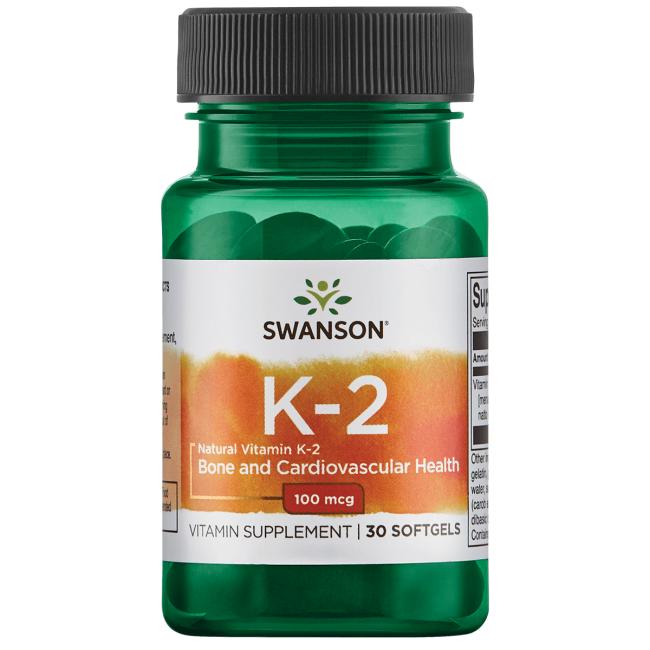
Vitamin K and cancer
What is vitamin K
Vitamin K is a fat-soluble vitamin that plays a crucial role in blood coagulation (clotting) and bone health [1, 2, 4, 5].
There are three main types of vitamin K:
K1 (phylloquinone)
- Primarily found in green leafy vegetables.
K2 (menaquinone)
- Found in fermented foods (e.g., natto (Japanese fermented soybeans)), animal products (e.g., meat and eggs), and is also produced in smaller amounts by bacteria in the human gut.
K3 (menadione)
- A synthetic form of vitamin K that is not found naturally in foods.
While vitamin K is traditionally known for its role in blood clotting, newer research has indicated that it may also play a role in cancer prevention and treatment [3, 7, 8, 9].
K1 and K2 are, as mentioned above, the common forms of vitamin K in the diet. But in relation to cancer, vitamin K3 has also shown potential anti-cancer properties and is thus particularly interesting.
Mechanisms of action and potential
Vitamin K’s potential role in cancer is related to the following mechanisms of action:
1. Apoptosis (programmed cell death):
Apoptosis is a natural process where cells “commit suicide” in a controlled manner. It is the body’s way of removing damaged, old, or unnecessary cells. Cancer cells often avoid this process and continue to divide uncontrollably.
K1 and K2
These forms of vitamin K can activate proteins such as caspases, which function as “executioners” in the apoptosis process.
They can also affect signaling pathways in the cell that regulate apoptosis, for example by inhibiting proteins that normally block apoptosis.
Studies have shown that K1 and K2 can induce apoptosis in various cancer cell types, including leukemia, lung, liver, and breast cancer [3].
K3
Vitamin K3 works primarily by increasing the production of reactive oxygen species (ROS) in cancer cells [7, 8].
ROS are unstable molecules that can damage the cell’s DNA, proteins, and membranes, which can ultimately lead to cell death.
This mechanism can be particularly effective in cancer cells, as they often have a higher level of ROS than normal cells.
2. Cell growth and differentiation:
Cell growth and differentiation are carefully regulated processes that are crucial for normal cell function. Cancer often arises due to disruptions in these processes, leading to uncontrolled cell growth and tumor formation.
Vitamin K’s role
Vitamin K can affect various signaling pathways and proteins involved in the regulation of cell growth and differentiation [3].
For example, vitamin K can inhibit the activity of certain proteins that promote cell growth and stimulate proteins that promote cell differentiation.
This can potentially contribute to preventing cancer development or inhibiting the growth of existing cancer cells.
3. Bone health:
Cancer and cancer treatment can have a negative impact on bone health. Chemotherapy and radiation therapy can weaken bones and increase the risk of osteoporosis and bone fractures.
Vitamin K2’s role
Vitamin K2 is crucial for the activation of osteocalcin, a protein that binds calcium to the bones [1, 2, 5].
This increases bone density and strength, which can protect cancer patients against bone loss and reduce the risk of bone fractures.
4. Blood clotting:
Cancer patients have an increased risk of developing blood clots (thrombosis), especially in the veins (venous thromboembolism).
Vitamin K’s role
Vitamin K is essential for the formation of several coagulation factors necessary for blood clotting [1, 2, 4, 5].
While this is crucial to prevent bleeding, it can also be a challenge for cancer patients with an increased risk of blood clots.
Therefore, it is important to find a balance between ensuring adequate vitamin K to prevent bleeding and avoiding too much vitamin K, which can increase the risk of blood clots [6].
This requires careful monitoring and individual assessment of each patient, especially for those taking blood-thinning medication.
Balance
It is important to find a balance between ensuring adequate vitamin K to prevent bleeding and avoiding too much vitamin K, which can increase the risk of blood clots. This requires careful monitoring and individual assessment of each patient.
Summary:
Vitamin K has potentially multiple roles in relation to cancer, including induction of apoptosis, regulation of cell growth and differentiation, protection of bone health, and a complex role in blood clotting [3, 7, 8, 9]. More research is needed to fully understand these mechanisms and optimize the use of vitamin K in cancer prevention and treatment.
Preclinical and clinical studies
There is a growing amount of preclinical and clinical studies examining vitamin K’s potential in cancer prevention and treatment.
Preclinical studies
In vitro and animal studies have shown that vitamin K can inhibit the growth of various cancer cells, including liver, lung, prostate, and breast cancer cells [3, 7, 8, 9].
Clinical studies
The results from clinical studies are more mixed. Some studies have shown that vitamin K can improve survival and reduce the risk of recurrence in patients with liver cancer. Other studies have not found a significant effect of vitamin K on cancer progression.
There is a need for more research, especially large, randomized clinical studies, to confirm the potential benefits of vitamin K in cancer treatment and determine the optimal dosage and use.
Too much and too little
It is important to have the right balance in the blood’s content of vitamin K, as it is unfortunate if one has too low content, but also if one has too high content of vitamin K (which is rare as diet-related alone).
Too little vitamin K
Deficiency in vitamin K is rare, but can lead to increased bleeding tendency. Cancer patients taking blood-thinning medication should be particularly aware of their vitamin K intake, as vitamin K can counteract the effect of these drugs [6].
Too much vitamin K
There are no known side effects from ingesting too much vitamin K from the diet. However, high doses of vitamin K supplements can potentially interact with certain types of medication [6].
Dispensing and intake
Vitamin K is found in various forms, including:
- Dietary supplements: Available in tablet, capsule, and liquid form.
- Fortified foods: Some foods are fortified with vitamin K.
- Natural sources: Vitamin K1 is primarily found in green leafy vegetables, while K2 is found in fermented foods and animal products.
Dosage
The recommended daily dose of vitamin K varies depending on age and gender. It is important to follow the recommendations on the product and consult a qualified healthcare provider before starting vitamin K supplements, especially if you are taking other medication or have a chronic illness.
Benefits of vitamin K
In addition to the mechanisms of action described earlier, vitamin K can have a number of potential benefits for cancer patients:
Improved bone health
Vitamin K can help strengthen bones and reduce the risk of bone fractures in cancer patients [1, 2, 5].
Prevention of blood clots
Vitamin K’s role in blood clotting can be relevant for preventing blood clots in cancer patients [1, 2, 4, 5].
Potential synergistic effect
Some studies suggest that vitamin K can enhance the effect of chemotherapy [9].
Disadvantages and limitations
Although vitamin K has potential benefits for cancer patients, there are also some disadvantages and limitations:
Limited clinical evidence
There is a need for more research to confirm the potential benefits of vitamin K in cancer treatment and determine the optimal dosage and use [3, 7, 8, 9].
Interactions with medication
Vitamin K can interact with certain types of medication, including blood-thinning medication [6].
Not a substitute for conventional treatment
Vitamin K should not be used as a substitute for chemotherapy, radiation therapy, or other conventional cancer treatment.
Conclusion
Vitamin K has potentially multiple roles in relation to cancer, including induction of apoptosis in cancer cells, regulation of cell growth and differentiation, protection of bone health, and a complex role in blood clotting [3, 7, 8, 9]. However, like with almost all dietary supplements, there is a need for more research to fully understand these mechanisms and optimize the use of vitamin K in cancer prevention and treatment.
Vitamin K supplements can thus have potential benefits for cancer patients. Vitamin K supplementation should be done in consultation with a competent healthcare provider, who can assess the need for supplementation and ensure that it does not interact with other medication.
Back to Supplements
Also see Dietary supplements and Chemotherapy – interactions
Links
[1] K2-vitamin har betydning ved en række sygdomme (Ugeskrift for Læger, 2015)
- Content: General information about K2 vitamin having significance in a number of diseases. (Danish Language)
[2] K-Vitamin (Netdoktor.dk, 2024)
- Content: General information about vitamin K. (Danish Language)
[3] New insights on vitamin K biology with relevance to cancer (PubMed, 2022)
- Content: General information about new insights on vitamin K biology with relevance to cancer.
[4] K-vitaminer (Radiodoktoren, 2018)
- Content: General information about vitamin K. (Danish Language)
[5] K2-vitamin har betydning ved en række sygdomme (Ugeskrift for Læger, 2015)
- Content: General information about K2 vitamin having significance in a number of diseases. (Danish Language)
[6] Administration of Immune Checkpoint Inhibitors to Patients on Warfarin May Elevate PT-INR (PubMed, 2025)
- Content: Clinical study examining the administration of immune checkpoint inhibitors to patients on warfarin and its effect on PT-INR.
[7] Vitamin K3 derivative inhibits androgen receptor signaling in targeting aggressive prostate cancer cells (PubMed, 2025)
- Content: In vitro study showing that a vitamin K3 derivative inhibits androgen receptor signaling in targeting aggressive prostate cancer cells.
[8] Dietary pro-oxidant therapy by a vitamin K precursor targets PI 3-kinase VPS34 function (PubMed, 2024)
- Content: In vitro study showing that dietary pro-oxidant therapy by a vitamin K precursor targets PI 3-kinase VPS34 function.
[9] Vitamin K: A novel cancer chemosensitizer (PubMed, 2022)
- Content: In vitro study showing that vitamin K is a novel cancer chemosensitizer.
Page created: January 17, 2025
❤
What you read on “Jeg har Kræft” is not a recommendation. Seek competent guidance.
