



Magnesium and Cancer
What is Magnesium
Magnesium is an essential mineral, which means that the body cannot produce it on its own, and we therefore depend on obtaining it through diet or supplements. It is the fourth most abundant mineral in the body and is involved in hundreds of biochemical reactions that are crucial for our health and well-being.
Magnesium plays a key role in energy production, muscle function, nerve conduction, blood sugar control, and blood pressure regulation. It also contributes to the synthesis of protein, DNA, and RNA.
In relation to cancer treatment, magnesium is being investigated for its potential ability to support the body’s functions during and after intensive treatment.
History
Magnesium compounds have been used medicinally for centuries. In ancient times, magnesium-rich sources and mineral baths were valued for their healing properties. Epsom salt (magnesium sulfate) has traditionally been used to relieve muscle pain and promote relaxation.
The discovery of magnesium as an element in the 18th century paved the way for a deeper understanding of its physiological significance. Over time, magnesium has been recognized for its importance in a wide range of bodily processes, and its potential therapeutic applications continue to be intensively investigated in various areas of healthcare.
Mechanisms of Action

Magnesium’s mechanisms of action in the body are manifold and complex, which explains its wide range of physiological effects. At the cellular level, magnesium acts as a cofactor for over 300 enzymes that catalyze vital reactions.
Energy Production
Magnesium is crucial for the production of adenosine triphosphate (ATP), the body’s primary energy source. It is involved in the enzymes responsible for converting glucose and fatty acids into usable energy in the cells’ mitochondria. An adequate amount of magnesium ensures optimal energy supply to all the body’s cells, which is particularly important during cancer treatment, where the body can be challenged by fatigue and energy loss [4].
Muscle and Nerve Function
Magnesium plays a central role in regulating muscle contraction and nerve impulses. It functions as a natural calcium channel blocker, which helps relax muscles after a contraction. This is important for preventing muscle cramps and tension, which can be a side effect of certain cancer treatments. In the nervous system, magnesium is involved in the transmission of nerve impulses and the regulation of neurotransmitters, which can be significant for mood, sleep, and cognitive function.
DNA and Protein Synthesis
Magnesium is necessary for the synthesis of DNA and RNA, the genetic building blocks in our cells. It is also involved in protein synthesis, the process by which amino acids are assembled into proteins that perform a wide range of functions in the body, including immune defense and tissue repair. An optimal magnesium status can therefore support the body’s ability to repair damage and maintain important biological processes during cancer treatment.
Blood Sugar Control and Insulin Resistance
Magnesium plays a role in the regulation of blood sugar and insulin sensitivity. It is involved in insulin secretion from the pancreas and in glucose uptake in cells. Some studies have shown a correlation between low magnesium levels and increased risk of insulin resistance, a condition in which the body’s cells become less sensitive to insulin, which can affect energy metabolism and potentially promote the growth of certain cancer cells. An adequate magnesium level can therefore support healthy blood sugar balance.
Anti-inflammatory Effect
Research suggests that magnesium may have anti-inflammatory properties. Chronic inflammation plays a role in the development and progression of many cancer types. Magnesium can affect various inflammatory pathways and reduce the production of pro-inflammatory cytokines. By dampening inflammation, magnesium may potentially contribute to creating a less favorable environment for cancer cell growth and spread [4].
Antioxidant Defense
Magnesium is indirectly involved in the body’s antioxidant defense. It is necessary for the activity of certain antioxidant enzymes that protect cells from damage caused by free radicals. Cancer treatment, such as chemotherapy and radiation therapy, can increase the production of free radicals, and an adequate magnesium level can help the body manage this oxidative stress.
Potential as Complementary Cancer Treatment

Magnesium’s many roles in fundamental cellular processes have led to increased interest in its potential as a complementary treatment for cancer. Although magnesium is not considered a primary cancer treatment, it may potentially play a supportive role in several ways:
Reduction of Treatment-Related Side Effects
Cancer treatments such as chemotherapy and radiation therapy can cause a range of side effects, including fatigue, nausea, muscle weakness, and nerve damage (neuropathy). Magnesium can potentially help alleviate some of these symptoms. For example, magnesium supplements can help reduce fatigue by supporting energy production and improving sleep quality. Its role in nerve and muscle function may help relieve neuropathic pain and muscle weakness.
Immune Function Support
A well-functioning immune system is crucial for fighting cancer. Magnesium is involved in various aspects of immune function, including the activation of immune cells and the production of antibodies. By ensuring an adequate magnesium level, one can potentially support the immune system’s ability to recognize and eliminate cancer cells.
Inflammation Management
As mentioned, magnesium has anti-inflammatory properties. Chronic inflammation can promote cancer growth and spread. By helping to dampen inflammation, magnesium may potentially contribute to a less favorable environment for cancer cells.
Improved Quality of Life
The combined effects of magnesium on energy levels, muscle and nerve function, sleep, and mood can contribute to an improved quality of life for people undergoing cancer treatment. By alleviating some of the physical and mental challenges that can arise, magnesium can help maintain a more active and functional life.
Potential Synergistic Effect with Conventional Treatment
Research is being conducted into whether magnesium can have a synergistic effect with certain conventional cancer treatments, including potentially making them more effective or reducing the need for high doses. However, this is an area that requires further investigation [4,5].
Benefits of Magnesium
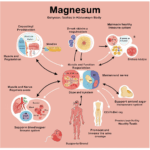
In addition to the potential benefits as a complementary treatment for cancer, magnesium has a number of general benefits for the body that can indirectly be beneficial for people affected by cancer:
Promotes Relaxation and Reduces Stress
Magnesium plays an important role in the regulation of neurotransmitters, including GABA (gamma-aminobutyric acid), which has a calming effect on the brain. An adequate magnesium level can therefore help to reduce stress, anxiety, and promote relaxation, which is particularly important during a period of illness and treatment.
Supports Healthy Sleep
Magnesium is involved in the regulation of the sleep hormone melatonin. Magnesium supplements have in some studies been shown to improve sleep quality, especially in people with sleep problems. Good sleep is crucial for the body’s recovery and general well-being.
Contributes to Cardiovascular Health
Magnesium is important for maintaining a normal heart rhythm and blood pressure. It helps relax blood vessels and can thus contribute to preventing cardiovascular diseases, which can be a concern for some cancer survivors.
Strengthens Bone Health
Magnesium is an important component in bone structure and plays a role in bone metabolism. An adequate intake of magnesium is important for maintaining strong and healthy bones, which can be relevant as certain cancer treatments can affect bone density.
Disadvantages and Limitations

Although magnesium is generally considered safe for most people, there are certain drawbacks and limitations to using magnesium as a dietary supplement:
- Stomach Problems: High doses of certain forms of magnesium (especially magnesium oxide and magnesium chloride) can cause diarrhea, stomach cramps, and nausea in some people.
- Interactions with Medication: Magnesium can interact with certain types of medication, including antibiotics (e.g., ciprofloxacin and tetracycline), diuretics, and proton pump inhibitors. It is therefore important to inform your healthcare provider about any magnesium intake.
- Kidney Problems: People with impaired kidney function have an increased risk of magnesium accumulation in the body, which can lead to serious side effects. Magnesium supplements should therefore only be used under the supervision of a healthcare provider in this group.
- Limited Documentation for Direct Cancer-Fighting Effect: It is important to emphasize that current research primarily focuses on magnesium’s supportive role during cancer treatment and its ability to alleviate side effects and improve quality of life. There is not yet sufficient evidence to consider magnesium as a direct cancer-fighting treatment.
Clinical Studies
There is a growing number of clinical studies investigating magnesium’s role in relation to cancer treatment. Some studies have examined the effect of magnesium supplements on fatigue in cancer patients undergoing chemotherapy, with varying results. Other studies have focused on magnesium’s potential to reduce neuropathic pain caused by chemotherapy. There is also research into whether magnesium can affect the risk of certain cancers and their progression. However, many of these studies are still in the early stages, and more comprehensive research is needed to draw reliable conclusions about magnesium’s specific role and dosing in different cancer contexts [4,5,6].
Safety
Magnesium is generally safe for most adults when taken in recommended doses through diet or as supplements. The recommended daily intake varies depending on age and gender. It is important to follow the recommended dosages on supplements and to be aware of any side effects. As mentioned, people with impaired kidney function should consult their healthcare provider before taking magnesium supplements. The same applies to people taking medication, as there may be interactions.
Symptoms of Magnesium Deficiency
When the body lacks magnesium, it can manifest in many and often non-specific ways. Although the body’s primary focus is to maintain a stable magnesium level in the blood, cells can still suffer from a deficiency. This makes it difficult to diagnose, but here are some of the most common signs:
- Muscle cramps and spasms: A very recognizable symptom, often in legs, feet, or eyelids. This is due to magnesium’s role in muscle relaxation.
- Fatigue and weakness: Persistent and unexplained fatigue that does not improve with rest, as well as a general feeling of physical weakness.
- Reduced appetite, nausea, and vomiting: Digestion-related symptoms may occur.
- Numbness and tingling: A buzzing or tingling sensation, often in fingers, toes, and face (paresthesia).
- Headache and migraine: Deficiency can contribute to more frequent or severe headaches, as magnesium is involved in nerve signals and blood vessels.
- Sleep problems: Difficulty falling asleep, restless sleep, or frequent awakenings, as magnesium contributes to relaxation.
- Heart arrhythmias: Irregular heart rhythm or palpitations, as magnesium is crucial for the heart’s electrical stability. This is a serious symptom that requires medical attention.
- Psychological disorders: Anxiety, irritability, restlessness, and in rare cases depression or confusion.
Since these signs can resemble many other conditions, it is important to talk to your healthcare provider if you suspect magnesium deficiency.
Symptoms of Magnesium Overdose (Hypermagnesemia)
Although magnesium is generally safe, especially when taken through diet, excessive intake of supplements – particularly with impaired kidney function – can lead to elevated magnesium levels in the blood, a condition known as hypermagnesemia. Symptoms can range from mild to severe:
- Mild symptoms: Nausea, vomiting, diarrhea (which can also be seen with high doses of certain magnesium forms), muscle weakness, fatigue, and lethargy.
- Moderate symptoms: Low blood pressure (hypotension), slow pulse (bradycardia), reduced reflexes, and flushing of the skin.
- Severe symptoms: Confusion, difficulty breathing, heart arrhythmias, coma, and in rare cases cardiac arrest.
These severe symptoms are rare in people with normal kidney function, as the kidneys effectively excrete excess magnesium. They are typically only seen with very large doses of supplements, misuse of magnesium-containing laxatives/antacids, or in patients with severe kidney failure. If magnesium overdose is suspected, seek immediate medical attention.
Dispensing and Use

Magnesium supplements are widely available in various forms:
- Magnesium oxide: Contains a high amount of magnesium, but is not always well absorbed by the body and can often cause stomach problems.
- Magnesium citrate: Generally well absorbed and often well tolerated.
- Magnesium glycinate: Has good absorbability and is known for being gentle on the stomach.
- Magnesium malate: May be beneficial for fatigue and fibromyalgia.
- Magnesium chloride: Can be well absorbed, but may also irritate the stomach in some people.
- Magnesium sulfate (Epsom salt): Primarily used in baths to relieve muscle pain and promote relaxation through absorption through the skin.
- Magnesium taurate: A combination of magnesium and the amino acid taurine, which may have benefits for the cardiovascular system and blood sugar regulation.
Intravenous (IV) Magnesium
In cases of severe magnesium deficiency, or if absorption through the intestines is severely impaired (e.g., due to severe diarrhea, vomiting, or certain treatments such as chemotherapy), magnesium can be given directly into the bloodstream via an IV drip. This method ensures rapid and complete absorption of magnesium into the body, as it bypasses the digestive system. Intravenous magnesium is often used in hospitals or clinics under medical supervision to quickly restore magnesium levels and relieve acute symptoms.
Magnesium Oil and Topical Absorption
In addition to supplements in pill form or intravenously, there are also products such as magnesium oil, creams, and gels that are applied directly to the skin. The idea behind this is that magnesium can be absorbed transdermally (through the skin) and thus bypass the digestive system, which can be an advantage for people with digestive problems.
Research on transdermal absorption of magnesium is still in its infancy and shows mixed results. However, studies suggest that some amount of magnesium can penetrate the skin and potentially increase the body’s magnesium levels. However, the amount absorbed and its effectiveness for correcting a pronounced deficiency are not yet fully clarified.
Many users report relief from local muscle cramps, tension, and soreness with the use of magnesium oil, indicating a local effect. This at least indicates that a certain amount of magnesium is absorbed through the skin without problems. It is important to understand that although topical magnesium can be a supplement, it is rarely sufficient to treat severe magnesium deficiency, which often requires oral supplements or intravenous treatment.
The dosage of magnesium supplements varies depending on the purpose of the supplement and individual needs. It is a good idea to start with a low dose and gradually increase it to assess tolerance. Magnesium supplements can be taken at different times of the day, but some find it best to take them in the evening due to the potentially relaxing effect.
Conclusion
Magnesium is an essential mineral with a wide range of physiological functions that are crucial for the body’s general health and well-being. Although it is not a primary treatment for cancer, magnesium has potential as a valuable complementary treatment by helping to reduce treatment-related side effects, support immune function, manage inflammation, and improve quality of life.
It should be noted that the use of magnesium supplements should be done in consultation with one’s healthcare provider for safety and to avoid potential interactions with other medications.
Further research is needed to fully uncover magnesium’s specific role and optimal use in various cancer contexts, but the existing indications are promising in terms of offering a supportive and quality-of-life-enhancing approach for people affected by cancer.
Back to Supplements
Also see Supplements and Chemo – Interactions
Links
[1] Magnesium can prevent colon cancer (Sund Forskning, May 2013)
- Content: Study examining the potential role of magnesium in reducing the risk of colon cancer through its involvement in cellular processes and DNA repair mechanisms. (Danish Language)
[2] Magnesium (Sundhed.dk, July 2023)
- Content: Clinical guidelines from the Danish health authorities on magnesium’s role in the body, testing methods, and interpretation of blood test results for magnesium levels. (Danish Language)
[3] Four tips against pancreatic cancer (Nordjyske, January 2016)
- Content: News article discussing lifestyle factors, including mineral intake, that may help reduce the risk of developing pancreatic cancer. (Danish Language)
[4] Targeting mineral metabolism in cancer: Insights into signaling pathways and therapeutic strategies (PubMed, February 2025)
- Content: Comprehensive review exploring how mineral metabolism, including magnesium, can be targeted in cancer treatment. The study examines signaling pathways involved in cancer progression and discusses potential therapeutic strategies that leverage mineral metabolism to improve treatment outcomes and reduce side effects.
[5] A factorial design-optimized microfluidic LNP vaccine elicits potent magnesium-adjuvating cancer immunotherapy (PubMed, March 2025)
- Content: Research on a novel vaccine delivery system that uses magnesium as an adjuvant to enhance cancer immunotherapy. The study demonstrates how optimized lipid nanoparticles can improve immune response against cancer cells, potentially offering new approaches to cancer treatment.
[6] Dietary mineral intake and risk of bladder cancer: a systematic review and meta-analysis (PubMed, September 2024)
- Content: Systematic review and meta-analysis examining the relationship between dietary intake of various minerals, including magnesium, and the risk of developing bladder cancer. The study synthesizes data from multiple research papers to assess how mineral consumption may influence cancer risk.
Page created: May 19, 2025
❤
What you read on “Jeg har Kræft” is not a recommendation. Seek competent guidance.
