



Pete Sulack’s Protocol
Summary of Pete Sulack’s protocol
Purpose of the protocol:
- To restore the body’s natural ability to heal itself by systematically removing the burdens (stress factors) that cause chronic disease. The focus is on eliminating physical, chemical, and emotional stress to stop the growth basis of cancer.
Pillars of the protocol:
- The approach is based on four primary elements:
- A strict ketogenic diet for metabolic control.
- Periodic fasting for cell renewal.
- Detoxification of environmental toxins (chemical stress).
- Management of emotional stress and nervous system balance.
The central idea:
- The philosophy is that cancer is not a mistake in the body, but the body’s intelligent response to a toxic and stressed environment. By removing the “interference” – what stresses the cells – through diet, mind, and environment, the body can return to a state of healing.
Who is Pete Sulack

Dr. Pete Sulack is a trained chiropractor and founder of the Accent on Health clinic and the “Unstress” movement [8].
Unlike oncologists, who attack the tumor directly, Sulack approaches cancer from a functional and holistic perspective.
He is known for challenging the conventional perception of disease by claiming that most modern ailments, including cancer, are the result of an overload of the body’s systems.
Through his work, he has developed a protocol that combines modern science of metabolism with a deep understanding of the nervous system’s role in healing. His approach is particularly known for valuing the mental and spiritual component as highly as the physical dietary change, as he sees chronic stress as a primary driving force behind cancer development [1, 7].
Cancer as a reaction to stress

To understand Pete Sulack’s protocol, one must consider cancer as a symptom of an underlying problem rather than the problem itself. Sulack works from a model where “stress” is defined more broadly than just busyness. It covers three categories that together can cause the cup to overflow:
- Chemical stress: Toxins from food, environment, medicine, and household products.
- Physical stress: Inflammation, high blood sugar, injuries, and poor nervous system function.
- Emotional stress: Anxiety, trauma, fear, and lack of spiritual anchoring.
When the total amount of stressors exceeds the body’s capacity to adapt, disease arises. At the cellular level, Sulack draws on the same scientific base as other metabolic therapies. He believes that cancer cells thrive in an environment with high blood sugar (glucose), high insulin, and chronic inflammation. By removing these stressors through diet and lifestyle, one attempts to make the body an unfavorable place for cancer to exist [8, 9].
The four pillars of the protocol

The strategy is a holistic sanitation of lifestyle, where one removes everything that burdens the system and adds everything that builds it up.
Pillar 1: Nutritional unstressing
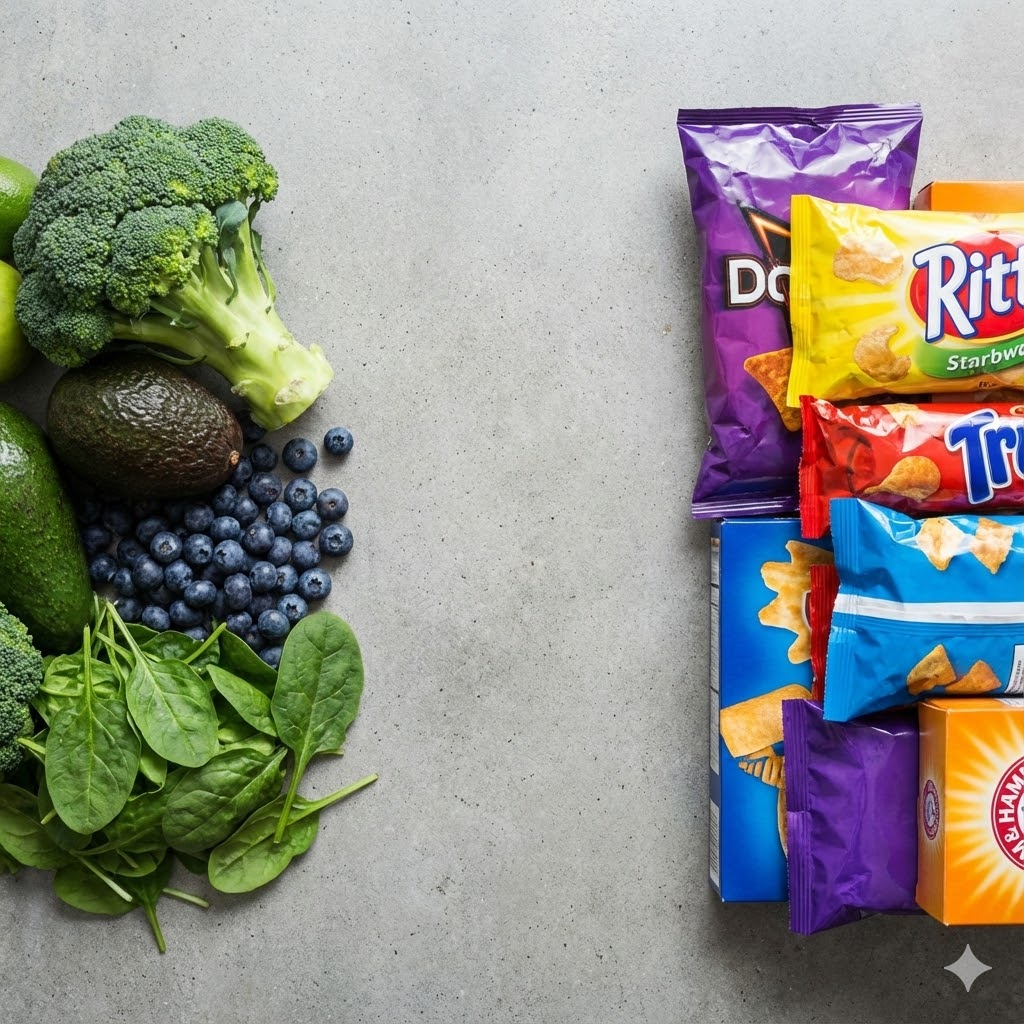
Just like in other metabolic strategies, the foundation is a strict ketogenic diet. The goal is to stabilize blood sugar and drastically lower insulin levels. Sulack emphasizes that the diet should be “clean.” It is not enough that it is low-carb; it should also be free of pesticides, hormones, and additives to not add new chemical stress.
Also see Chemicals in food and drink
Metabolic shift
By removing carbohydrates, the body is forced to burn fat and produce ketones. This protects healthy cells while starving cancer cells that are dependent on glucose.
Also see Metabolic strategy – block signaling pathways by cancer type – chart overviews
Pillar 2: Fasting and autophagy

Fasting is a central tool in the protocol. Sulack uses both Intermittent Fasting (e.g., eating within a 4-8 hour window) and longer fasting.
The goal is to activate autophagy – the body’s own cleaning system, where cells break down and reuse damaged components. This gives the digestive system rest and allows the body to direct energy towards repairing DNA and cell membranes [7].
Pillar 3: Detoxification
Since chemical stress is considered a main cause of cancer, the protocol involves an active effort to reduce exposure to toxins and help the body eliminate those already accumulated. This can include:
- Exclusion of processed foods and “dirty keto” (conventional meat/dairy with hormones).
- Replacement of household products and cosmetics with non-toxic alternatives.
- Use of specific dietary supplements to support the liver’s detoxification pathways. See the two-part liver support below.
The two-part liver support
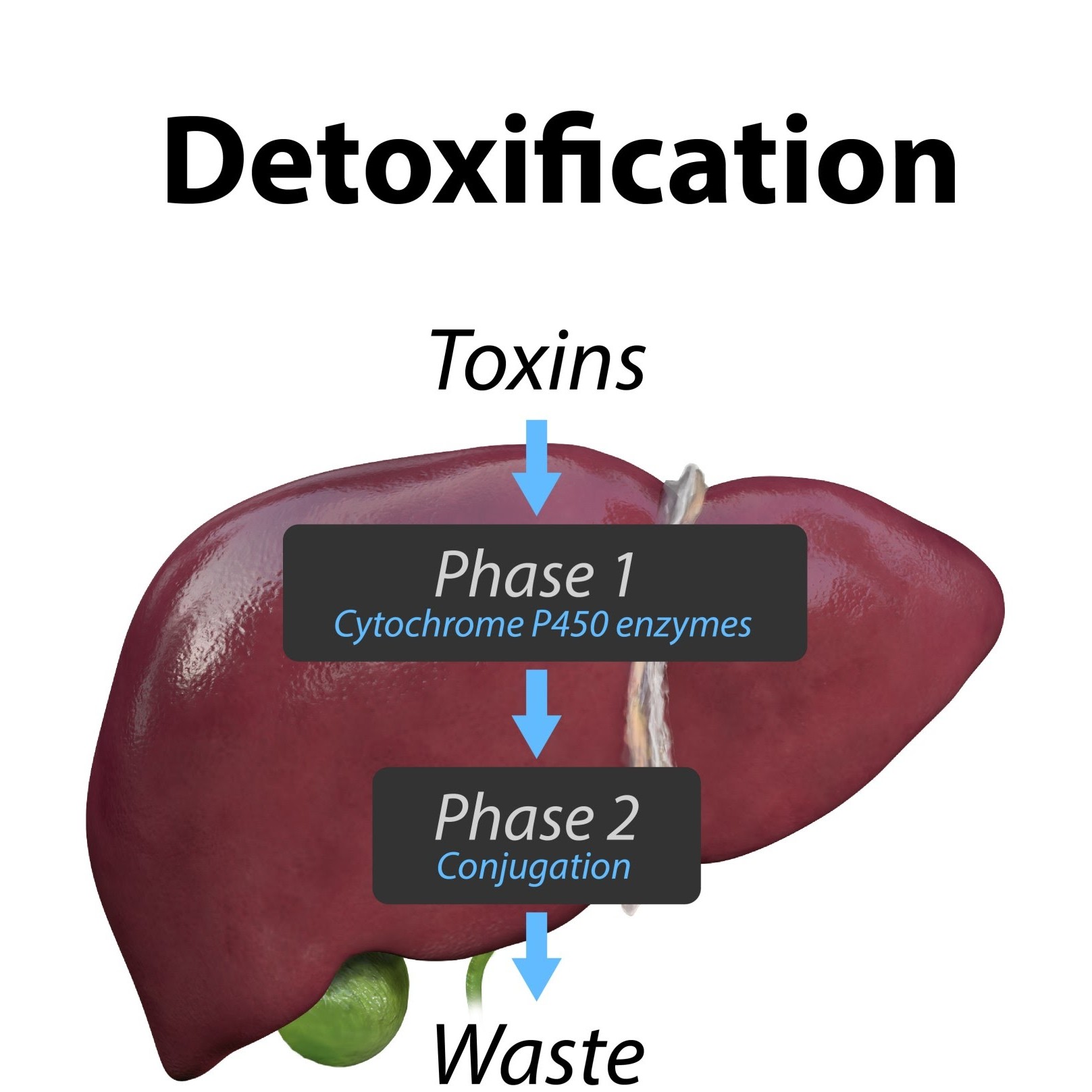
For detoxification to succeed without further burdening the body, the protocol works with specific support for the liver’s two phases.
Phase 1 and 2 balance:
- The liver breaks down toxins in two steps. In Phase 1, the toxin is made active (often more toxic than before) to be processed. In Phase 2, it is bound to a helper substance so that it becomes water-soluble and can be excreted with urine or stool.
- If Phase 1 runs too fast and Phase 2 is too slow (which is the case for many), intermediate toxins accumulate, creating massive chemical stress. The protocol therefore ensures that both phases, and especially Phase 2, are supported.
Recommended supplements for the process:
- Liposomal Glutathione: The body’s “master antioxidant.” It is crucial for Phase 2 conjugation, where it binds to the toxin and pulls it out. Liposomal form is chosen to ensure uptake in the cells.
- N-Acetyl-L-Cysteine (NAC): A precursor to glutathione. It provides the necessary amino acids so the liver can produce more glutathione itself, while protecting the tissue from oxidative stress from the Phase 1 process.
- Milk Thistle: Contains silymarin, which strengthens liver cell walls against intrusion of new toxins and promotes regeneration of damaged liver cells.
- Methylated B vitamins: Many people have a genetic variation (MTHFR) that makes it difficult to convert regular B vitamins. Since methylation is the engine in Phase 2 detoxification, methylated Folate (B9) and B12 are used to ensure that the process does not stall.
- Dandelion root: Primarily used to stimulate the production and flow of bile. It is through bile that the liver sends processed toxins further to the intestines so they can leave the body.
- Binders: Although not directly “liver support,” it is an integrated part of the detox section. When the liver sends toxins into the gut via bile, they must be captured so they are not reabsorbed into the bloodstream but excreted with stool. Here, Activated Charcoal or Bentonite clay are often used to “bind” toxins in the gut.
Also see Non-toxic everyday life
Also see Dietary supplements with liver support
Pillar 4: Emotional balance
This point distinguishes Sulack’s protocol from many purely biochemical approaches. He believes that fear and emotional stress keep the body in a chronic fight-or-flight state (sympathetic nervous system), where healing and digestion are shut down.
For the immune system to fight cancer, the body must be brought into a rest-and-digest state (parasympathetic nervous system). Tools here include prayer, meditation, forgiveness, and chiropractic treatment to ensure optimal nerve communication.
Also see Emotions
Also see Gratitude
Also see Tapping
Food groups in detail

The diet is ketogenic, but with a sharp focus on raw material quality to avoid toxins.
Foods – ok
- Healthy fats: Organic coconut oil, avocado, extra virgin olive oil, butter/ghee from grass-fed animals.
- Clean protein: Wild-caught fish (small fish to avoid heavy metals), organic meat from grass-fed animals, game, organic eggs.
- Vegetables: Cruciferous vegetables (broccoli, cabbage, cauliflower), leafy greens (spinach, arugula), asparagus, cucumber, celery.
- Drinks: Water (filtered to avoid chemicals), herbal tea, coffee (organic and mold-free).
Also see What about Macronutrients and cancer (section on fats and on protein)
Foods – no thanks
- Sugar and starch: All added sugar, grain products (bread, pasta, rice), potatoes.
- Inflammatory oils: Sunflower oil, corn oil, soy oil, rapeseed oil (often highly processed).
- Conventional meat/dairy: Products from animals fed with grain/soy or treated with antibiotics/hormones.
- Artificial sweeteners: Aspartame, sucralose, etc. (considered chemical stress).
Also see What about Sugar and cancer
Also see What about Dairy products and cancer
Also see Additives and sweeteners
Also see What about Macronutrients and cancer (section on oils and on meat)
Relevance in cancer

Sulack’s protocol is relevant for those who want to work with causal treatment on more levels than just the physical.
Holistic
It addresses that cancer often arises in a complex interplay between environment, mind, and body [7, 8].
Strengthens the immune system
By lowering stress hormones (cortisol) and removing toxins, the immune system gets better conditions to recognize and attack cancer cells [2].
Metabolic control
The ketogenic part of the protocol slows down growth signals (insulin/IGF-1) that many cancers depend on [3].
Practical considerations and risks

Following Sulack’s protocol requires a total lifestyle change.
Radical lifestyle change
It’s not just about food, but about sanitizing your entire home for chemicals and actively working with your mind. This can be overwhelming for some.
Also see Non-toxic everyday life (comprehensive guide)
Weight loss
Since the protocol combines fasting and keto, one should be aware of not losing too much weight if one is already underweight (cachexia).
Also see Preserve muscle mass
Not a medical replacement
The protocol is designed to support the body’s healing, but Pete Sulack is himself a chiropractor, not an oncologist. Many use the method as a supplement to, or after, conventional treatment.
Also see Block cancer’s signaling pathways
Also see Block cancer’s energy pathways
Also see Fasting
Also see Ketogenic Diet and Low Carb High Fat (LCHF)
Also see Holistic doctors DK
What treatment did Pete Sulack receive

According to available sources and interviews about Dr. Pete Sulack’s cancer journey, there is no explicit information confirming whether he underwent the full conventional treatment package (such as chemotherapy and radiation therapy) for his brain tumor.
His own story focuses almost exclusively on how he used his own Unstress protocol and functional medicine (why did this dysfunction occur – and how to get balance in the system again?) to overcome the disease.
Here are the key points from his story:
- Diagnosis and prognosis: He was diagnosed with an aggressive brain tumor (glioblastoma) and was told he had a statistical survival chance of about 1% after 8 months. He describes it as a “death sentence.”
- Focus on alternative treatment: In interviews (including with Authority Magazine), he attributes his healing to a combination of his Christian faith (“But God” principle), fasting, ketogenic diet, detoxification, and stress management.
- Contact with doctors: He mentions that his oncologist and neurosurgeon were stunned when he was in complete remission four months after diagnosis. This indicates that he was followed by conventional doctors and scanned, but it does not appear that he received their standard treatment as the primary cure. On the contrary, he often highlights that he did something different from the standard.
It is likely that he had contact with surgeons (e.g., for a biopsy to establish the diagnosis), but his “how I did it” story is built around the fact that he defied the odds by going his own way, rather than following conventional cancer treatment.
The video below is an interview with Dr. Pete Sulack, where he himself tells about his journey from terminal diagnosis to healing, and how he used his own principles in practice.
Video: Dr. Pete Sulack interview (YouTube, 2025)
Content: The video is relevant as it provides direct insight into Sulack’s own explanation of how he approached his cancer disease and which methods he prioritized.
Potent strategy for brain tumors
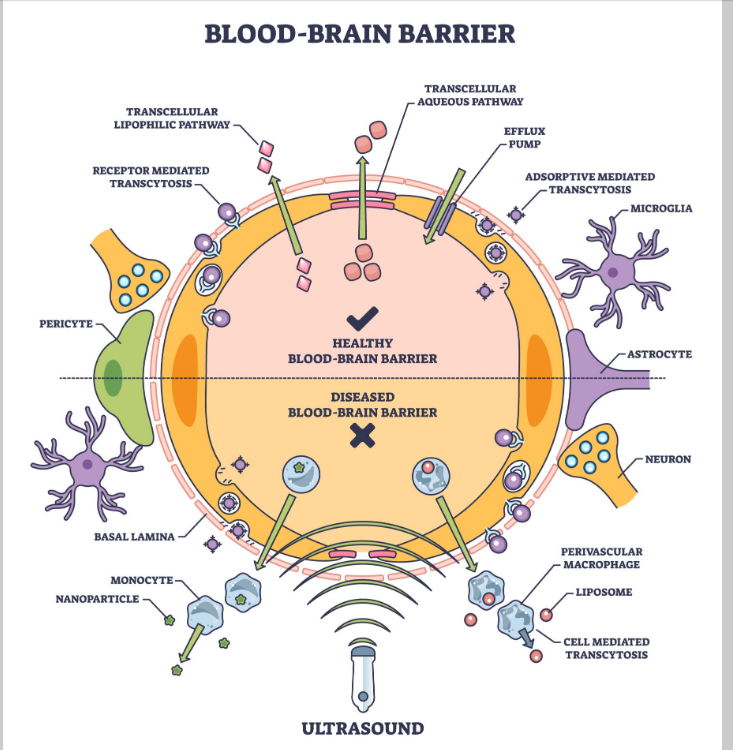
Pete Sulack’s diagnosis, Glioblastoma, is normally considered a death sentence in the established system. This is mainly because brain tumors are difficult to reach with medication, but paradoxically, they are often very susceptible to metabolic changes. There are three biological mechanisms that make this approach particularly relevant for brain cancer.
Bypassing the blood-brain barrier
Conventional medicine constantly struggles with the blood-brain barrier. It is a filtering mechanism designed to protect the brain from toxins, but unfortunately also blocks chemotherapy from reaching the tumor in effective doses.
The functional approach, including ketogenic diet and fasting, does not attempt to force a drug through this barrier. Instead, it changes the composition of the blood itself by lowering sugar content and increasing the amount of ketones. Since both sugar and ketones freely pass the barrier, one can change the environment around the tumor without being dependent on medical penetration. One starves it, so to speak, from the inside.
The brain’s unique energy needs
The brain is the organ in the body that consumes the most energy. A healthy brain is a hybrid engine that quickly switches from running on sugar (glucose) to running on fat burning (ketones). Many brain tumors lose this flexibility. They are locked into a dependency on large amounts of sugar via the so-called Warburg effect. When one removes sugar through the diet and offers ketones instead, healthy brain cells thrive, as ketones are an effective fuel for them. Cancer cells, on the other hand, starve and weaken because they lack the enzymes necessary to burn ketones.
Reducing neuro-inflammation
In functional medicine, brain tumors are often seen as an end result of chronic neuro-inflammation, where the brain’s tissue and immune cells are in a constant state of stress.
Pete Sulack’s focus on removing chemical and emotional stress is about turning off this inflammation. Where radiation and chemo kill cells but also create inflammation, this protocol attempts to remove the irritants, such as toxins and stress hormones, that provoke the tissue. The goal is to create calm in the nervous system so the body’s own repair processes can function.
Important warnings

Because the protocol combines a radical dietary change with active detoxification, the body can become overloaded if one is not careful.
Gallbladder attacks
The diet suddenly switches to a very high fat content (e.g., keto coffee).
The problem:
- If you have “sleeping” gallstones, the increased fat intake can provoke an acute and painful gallbladder attack. If you have had your gallbladder removed, you may experience severe diarrhea and absorb nutrients poorly unless you take bile salts (Ox Bile) supplements.
“Re-tox” (re-toxification)
When you lose fat quickly (via keto/fasting), the toxins that have been stored in the fat tissue are released into the blood.
The problem:
- If your elimination channels (especially the gut) are slow (constipation), the liver cannot keep up. Toxins circulate around and can end up in the brain or heart instead of coming out.
- You should never detox aggressively if you do not have daily bowel movements.
Dangerous weight loss (cachexia)
The combination of fasting and exclusion of carbohydrates removes the body’s growth signals (insulin).
The problem:
- For a cancer patient who is already losing weight, this can accelerate the loss of vital muscle mass. If you become too thin, the immune system weakens. In this case, fasting should be dropped and protein intake increased.
Also see Preserve muscle mass
Also see Underweight with cancer
Ketoacidosis (acid poisoning)
The diet lowers blood sugar and insulin significantly.
The problem:
- If you have type 1 diabetes (or advanced type 2), and your body lacks insulin completely, the blood can become life-threateningly acidic (ketoacidosis).
- This requires acute medical help.
- Always measure your blood sugar and ketones carefully.
Safety
Always consult your healthcare provider before starting a protocol.
Important with chemotherapy and low platelets
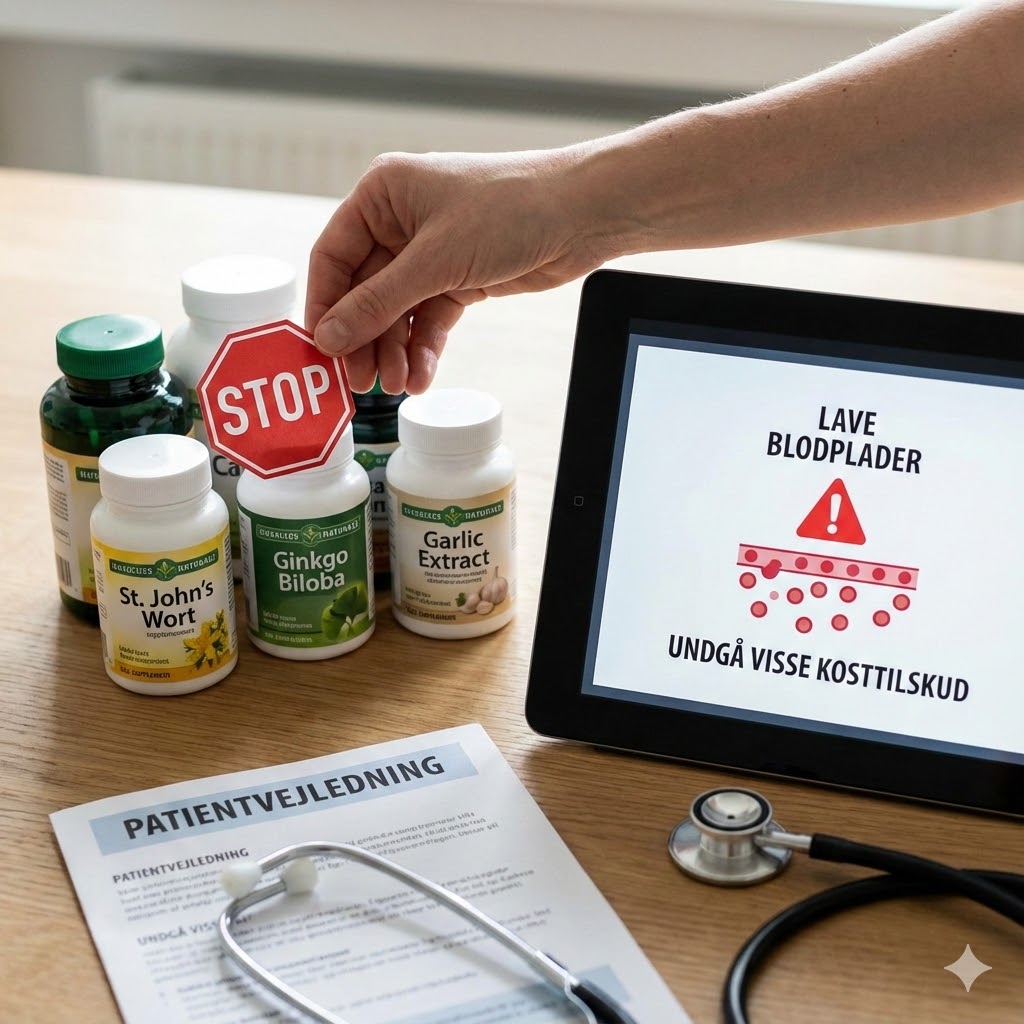
Many of the substances that effectively fight cancer (especially in this protocol) also act as blood thinners. If chemotherapy has lowered your platelets (thrombocytes) to a critical level, you should be extra cautious.
What you should pause with low platelets
If your numbers are at the bottom, the following substances should be paused to avoid the risk of bleeding until the marrow has recovered:
- Fatty acids: Omega-3/ fish oil/ flaxseed oil
- Herbal extracts (high dose): Curcumin/turmeric, ginger
- Enzymes: Proteolytic enzymes such as Bromelain
- Specific Antioxidants: Vitamin E
- Off-label medication: Aspirin, Magnyl
Support for bone marrow
There are strategies that specifically support the formation of platelets without counteracting the treatment:
- Melatonin
- Papaya leaf extract
- Chlorophyll
- Shark liver oil (alkylglycerols)
NB: You should always discuss your intake of dietary supplements with your oncologist.
Conclusion

Pete Sulack’s protocol is not just theory, but the concrete strategy he himself used to overcome a terminal diagnosis. The method distinguishes itself by not only fighting the tumor, but by aggressively removing the causes that are believed to have enabled its development. It offers a logical and biologically founded explanation for why conventional medicine sometimes falls short – especially with complex diagnoses like brain tumors, where the blood-brain barrier poses a massive obstacle to medical treatment.
By combining strict metabolic control with a thorough sanitation of both chemical and emotional stress, the method speaks to the patient who experiences that the disease goes deeper than just a physical flaw. It is not an easy path. It is a comprehensive lifestyle that requires dedication to both physical discipline and the will to create inner peace. In return, one gets an action plan that moves one from being a passive victim of unfortunate genes and circumstances to being a decisive actor with the aim of one’s own survival.
Also see Quality of life and co-responsibility decision
Example of a day on the protocol

The day is characterized by fasting, clean raw materials, and calm.
Morning (fasting):
- The day often starts without solid food to extend the night’s fast. Plenty of water with lemon/salt or black, organic coffee/tea is drunk. Some supplement with “Bulletproof coffee” (coffee blended with coconut oil/butter) to keep ketosis going without affecting insulin.
Lunch (breaking the fast):
- A large bowl of salad with bitter herbs (good for the liver), arugula, cucumber, and radishes. Topped with half an avocado, plenty of olive oil, and a portion of wild salmon or organic chicken.
Dinner:
- Organic beef or lamb steak fried in butter. Served with steamed broccoli and cauliflower drizzled with melted butter or pesto.
Evening:
- Focus on winding down. No screens (blue light), prayer or meditation to ensure deep sleep and regeneration.
Also see Metabolic strategy – block signaling pathways by cancer type – chart overviews
Get inspired: With photos here: Breakfast and lunch Dinner dishes that starve cancer
Also see Placebo nocebo effect
Links
[1] “They said it was terminal… BUT GOD!!” (Pete Sulack’s Official website, undated)
- Content: The website for Dr. Pete Sulack’s organization, which describes the principles behind the “Unstress” lifestyle, including the spiritual, emotional, and physical approach to health and disease management.
[2] Stress and cancer: mechanisms, significance and future directions (PubMed, 2021)
- Content: A new scientific review outlining the biological mechanisms by which chronic stress and stress hormones such as cortisol can promote cancer growth, metastasis, and suppress the immune system. The article supports the importance of stress management in cancer treatment.
[3] Ketogenic diet as a treatment and prevention strategy for cancer (ScienceDirect, 2024)
- Content: A scientific article reviewing the ketogenic diet’s potential to inhibit tumor growth. The text describes how the diet can protect healthy cells from the harmful effects of chemotherapy and function as a supportive strategy in treatment.
[4] Environmental pollution and cancer (ScienceDirect, 2025)
- Content: A scientific article examining the link between environmental pollution and cancer risk. The text describes how a wide range of environmental toxins are documented carcinogens and how exposure to these substances contributes to disease development.
[5] The Role of Intermittent Fasting in the Activation of Autophagy (MDPI, 2025)
- Content: A scientific article examining the relationship between periodic fasting and activation of autophagy. The text describes how fasting can potentially increase the effectiveness of chemotherapy and targeted treatments by stimulating the body’s cellular cleanup processes.
[6] Sugar addiction: pushing the drug-sugar analogy to the limit (PubMed, 2013)
- Content: An article supporting Sulack’s focus on sugar as a “drug” and a primary stressor for the body that creates addiction and metabolic imbalance.
[7] Dr Pete Sulack: I Survived Cancer and Here Is How I Did It (Medium, 2025)
- Content: An article describing Dr. Pete Sulack’s personal journey with cancer. The text goes in depth about how he used principles from functional medicine and his own “Unstress” protocol to overcome the disease and regain his health.
[8] Pete Sulack, Medical Consultant (Progressive Medical Center, undated)
- Content: A profile description of Dr. Pete Sulack, depicting his background as a chiropractor and health professional. The text provides insight into his career and the personal story behind his work.
Page created: December 1, 2025
❤
What you read on “Jeg har Kræft” is not a recommendation. Seek competent guidance.
