



Misha Sakharoff’s Protocol
Summary of Misha Sakharoff’s protocol
Purpose of the protocol:
- To target and correct the metabolic imbalances that allow cancer to thrive. By systematically optimizing the body’s oxygenation, blood sugar, and immune system, the protocol seeks to make the body’s internal environment unfavorable for cancer cells.
Pillars of the protocol:
- The approach rests on a synergy between four main elements:
- Therapeutic ketogenic diet (with focus on GKI index)
- Buteyko breathing training for cellular oxygenation
- Physical exercise and
- Mental mindset
The central idea:
- The philosophy is that cancer is primarily a metabolic disease characterized by mitochondrial dysfunction and oxygen deficiency at the cellular level (hypoxia). By taking an engineering approach to the body, one can repair these system failures and regain control of health.
Who is Misha Sakharoff

Misha Sakharoff is originally trained as an engineer, which is clearly reflected in his methodical approach to disease management. Today, he is an internationally recognized health advisor and founder of the Sakharoff Protocol [1].
Unlike a medical approach, which often focuses on removing the symptom (the tumor), Sakharoff views the body as a complex, biological machinery. When he himself was diagnosed with aggressive bone marrow cancer (multiple myeloma), he used his background to analyze the body’s data and identify the mechanisms that had broken down.
He is known for integrating advanced metabolic theory with ancient knowledge about breathing (Buteyko), and he stands out by requiring a high degree of self-measurement and data collection from his followers. For him, healing is not guesswork, but mathematics and biochemistry in practice [7].
Cancer as metabolic dysfunction
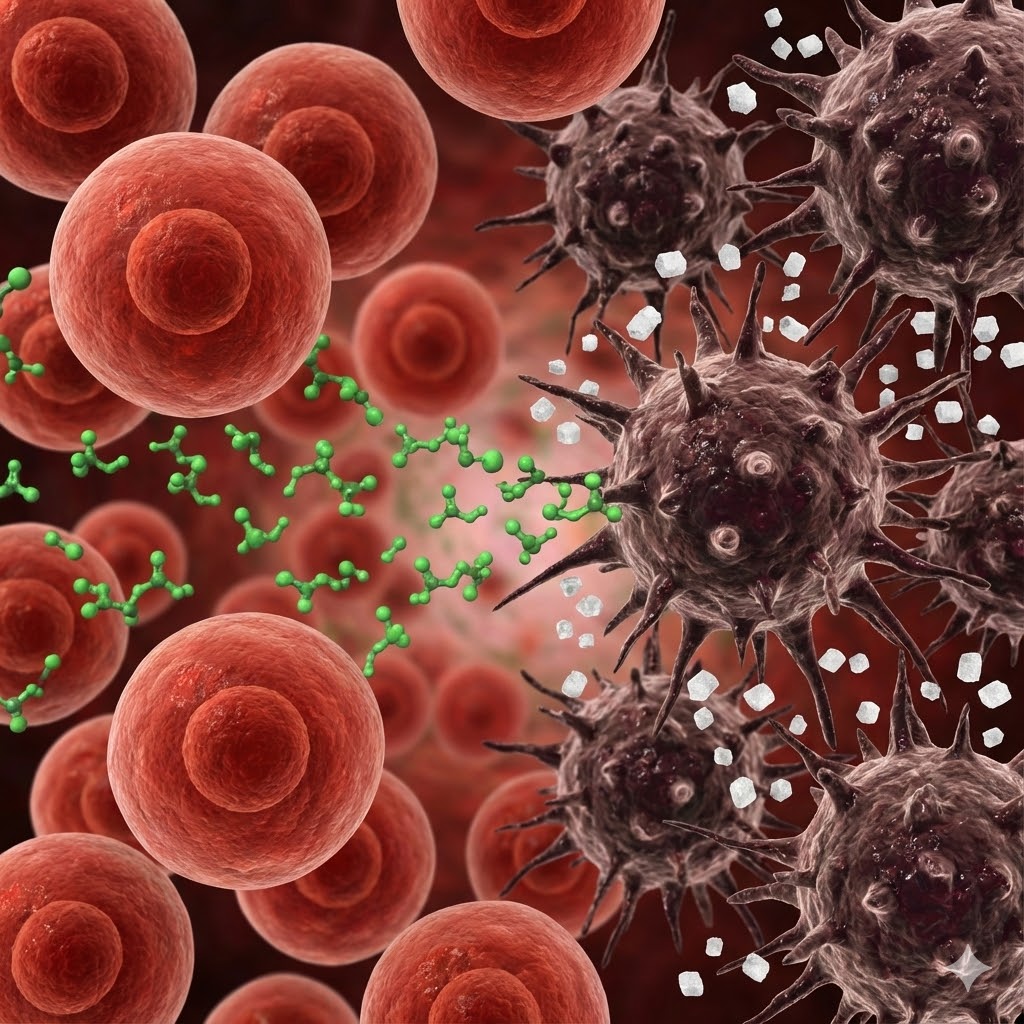
To understand Misha Sakharoff’s protocol, one must accept the premise that cancer is not just unlucky genes, but a consequence of a “broken indoor climate” in the body. Sakharoff leans on Otto Warburg’s theory that cancer cells have defective energy production. They cannot burn oxygen normally, but are dependent on fermenting sugar. Sakharoff identifies two main driving forces that must be eliminated:
- High blood sugar and insulin: This acts as fuel and growth signal for cancer cells.
- Hypoxia (oxygen deficiency in tissue): When cells lack oxygen, they are forced into a primitive survival mode that promotes cancer development.
The strategy is therefore to “suffocate” the cancer by removing the sugar and at the same time flooding the healthy cells with oxygen through specific breathing techniques. It’s about switching the body’s operation from sugar-dependent to fat-burning, while optimizing oxygen uptake [3, 8].
The central pillars of the protocol

The strategy is data-driven and requires active participation. One doesn’t just change diet, one changes one’s physiology.
Pillar 1: Therapeutic ketosis and GKI
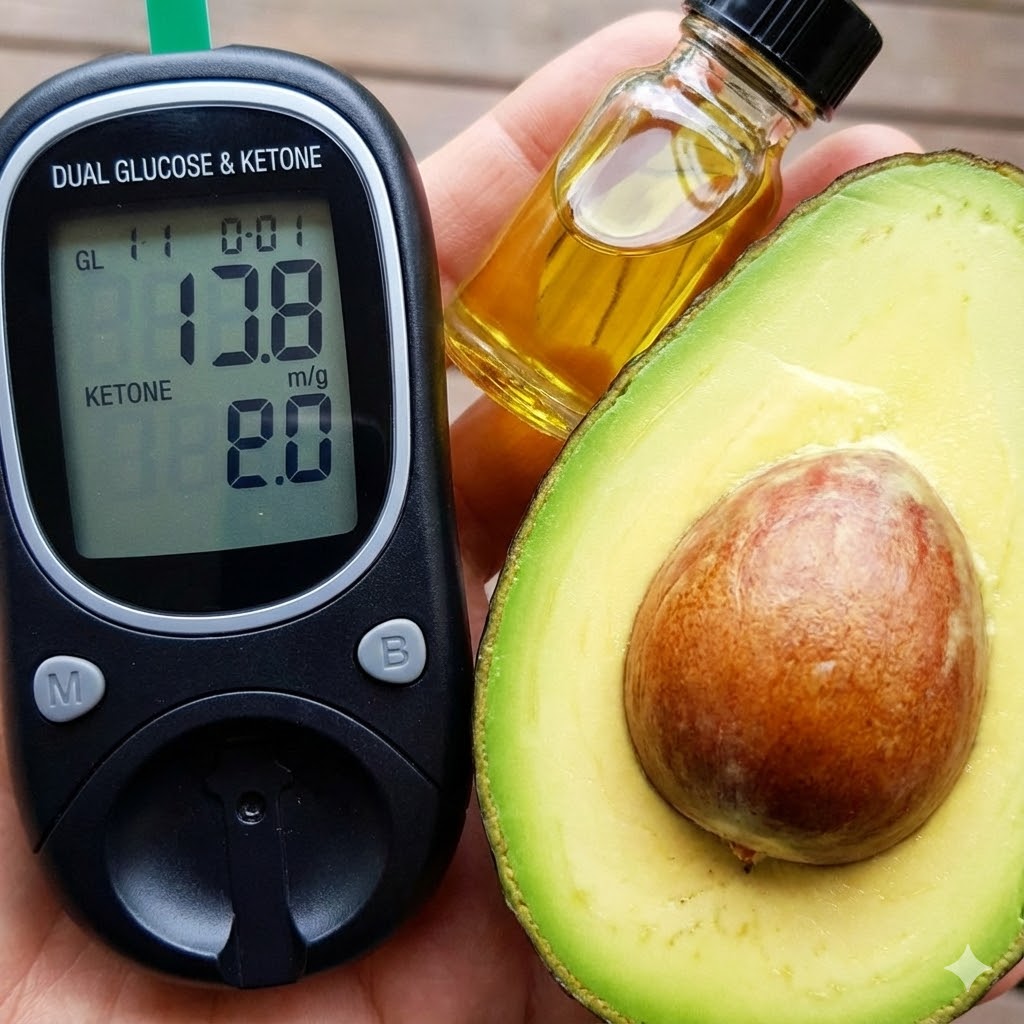
The foundation is a strict ketogenic diet, but with a crucial difference from regular “keto”.
Where regular keto allows a high intake of protein, Sakharoff significantly limits protein intake. This is due to the process of gluconeogenesis, where the liver converts excess protein into sugar.
For a cancer patient, even small amounts of excess protein can thus raise blood sugar and break the therapeutic state [3, 5].
It’s not just about eating fat, but about achieving a specific target number. Sakharoff uses GKI (Glucose Ketone Index), which is the ratio between blood sugar and ketones.
The goal is to keep this index low (often below 1.0 or 2.0 in active disease). This indicates a state where the body is in deep therapeutic ketosis, which starves cancer cells that are dependent on glucose, while protecting healthy cells with ketones.
What is GKI (glucose ketone index)
GKI stands for Glucose Ketone Index. It is a single number that provides a snapshot of the body’s metabolic state by looking at the ratio between your blood sugar (glucose) and your ketones.
The concept was developed by Professor Thomas Seyfried from Boston College to create a precise scale for cancer treatment.
Also see Thomas Seyfried’s protocol
Why not just measure ketones
Many people think that if they just have ketones in their blood (peeing on a stick that turns purple), then everything is as it should be. But this is a misconception. You can have ketones in your blood while your blood sugar is high (e.g., after stress or a meal with too much protein). In this situation, cancer cells still have plenty of sugar to live on, even if you are technically in ketosis.
GKI reveals the truth. It forces you to lower blood sugar while raising ketones.
How it is calculated
You need a blood meter that can measure both sugar and ketones. You take two measurements one after the other.
The formula is simple (when measured in mmol/L, as we do in Denmark): Blood sugar divided by Ketones = GKI
Example:
- Your blood sugar is 4.0 mmol/L (very low/good).
- Your ketones are 4.0 mmol/L (very high).
- Calculation: 4 divided by 4 = 1.
- Your GKI is 1.0.
What the numbers mean
Dr. Seyfried and Misha Sakharoff work from the following scale to assess treatment effectiveness:
- Above 9: No therapeutic effect. The body is running on sugar.
- 6 – 9: Low ketosis.
- 3 – 6: Moderate ketosis (typically for type 2 diabetes control or weight loss).
- 1 – 3: High therapeutic ketosis (often used for epilepsy and cancer).
- Below 1: The metabolic zone.
- This is called “The Kill Zone” or the therapeutic zone.
- This is where the theory says that glucose-dependent cancer cells become so energy-stressed that they weaken or die, while healthy cells thrive on ketones.
Also see Thomas Seyfried’s protocol
Also see Metabolic strategy – block signaling pathways by cancer type – chart overviews
Pillar 2: Breathing and Buteyko

This is the protocol’s most unique and often overlooked element. Many cancer patients hyperventilate chronically (breathe too fast and deep), which paradoxically leads to oxygen deficiency in the cells. Sakharoff uses the Buteyko method to correct this.
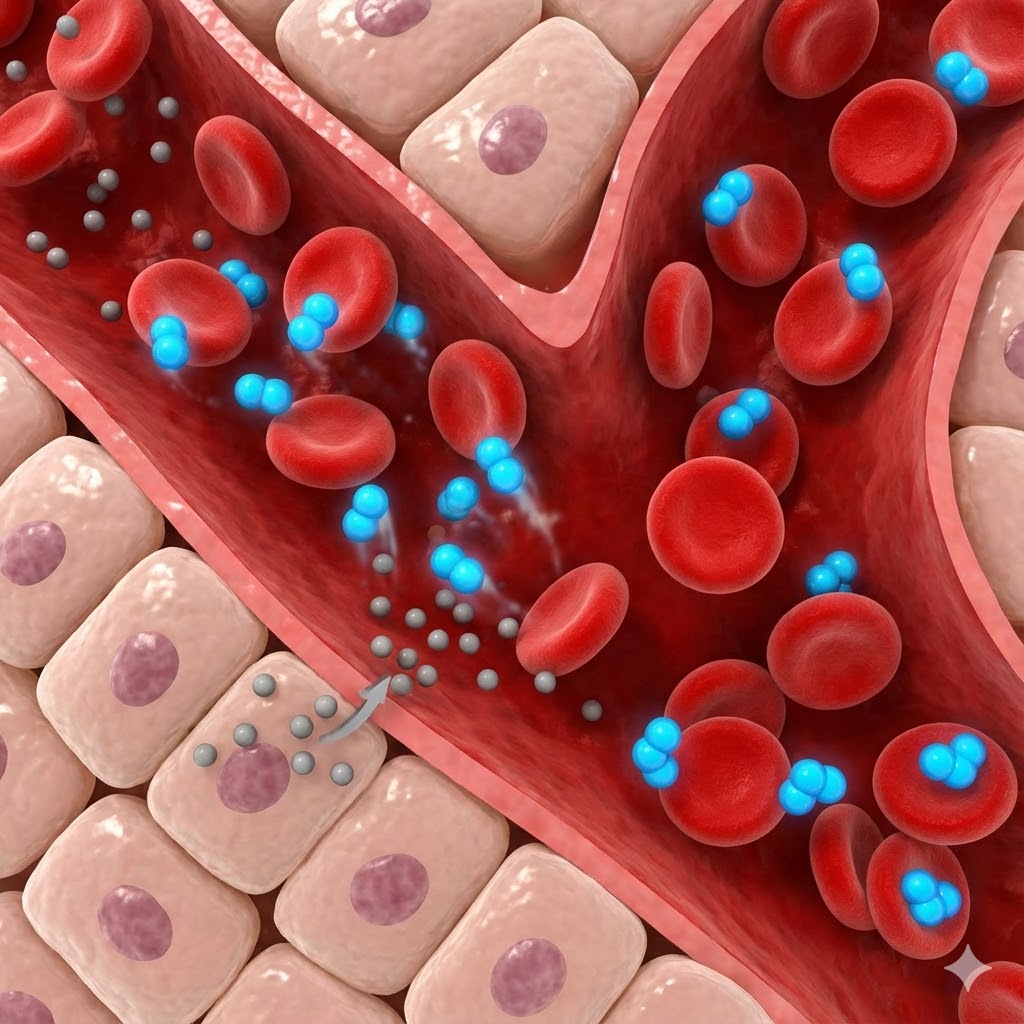
The mechanism is based on the Bohr effect: For oxygen to be released from the red blood cells and penetrate the tissue (and the tumor), a sufficient level of carbon dioxide (CO2) in the blood is required. With chronic stress and hyperventilation, CO2 is washed out, blood vessels constrict, and oxygen binds too tightly to the blood. The tissue is left in a state of hypoxia (oxygen deficiency), which promotes cancer growth and metastasis [2, 8].
By training the breathing, one can significantly improve oxygen delivery to tissues and organs, which stresses cancer cells that prefer an oxygen-poor environment. The key number here is “Control Pause” (CP) – a measure of how long one can comfortably hold their breath after an exhale. A low CP indicates stress and poor oxygenation, while a high CP indicates robust health [2].
The goal is a Control Pause (CP) of 60 seconds
- CP under 20 seconds: Indicates serious stress, inflammation, and poor oxygenation.
- CP over 40 seconds: Indicates good metabolic health.
- CP of 60 seconds: The ideal goal, where the immune system functions optimally. The training consists of consciously reducing breathing (air hunger) to rebuild tolerance to CO2.
Wim Hof’s breathing exercises can also be used here.
Also see Wim Hof breathing
Also see Buteyko breathing
Pillar 3: Immune support and movement

Physical activity in this protocol is not about “burning calories,” but about supporting metabolism without stressing the body. Hard exercise can increase levels of the stress hormone cortisol and cause the liver to release sugar, which ruins the GKI number.
Therefore, the protocol prescribes functional movement that builds muscle mass (which acts as an organ for blood sugar regulation) without triggering a stress response. This is combined with targeted immune support through dietary supplements and possibly repurposed drugs (repurposed medication), which should help the immune system recognize and eliminate cancer cells when the metabolic barriers are broken down by diet and breathing [1].
Also see Repurposed drugs
Also see Dietary supplements
Also see Preserve muscle mass
Pillar 4: Mindset and stress measurement (HRV)

The fourth pillar is the ability to switch the nervous system from sympathetic (fight/flight) to parasympathetic (rest/digest/heal). Stress is seen here as a physiological condition that blocks healing, regardless of how well one eats.
In line with the engineering approach, this is not measured on “feelings,” but via HRV (Heart Rate Variability). A high HRV indicates that the nervous system is flexible and capable of recovery. A low HRV indicates chronic stress. The protocol uses techniques such as cold water, meditation, and specific breathing exercises to actively stimulate the vagus nerve and force HRV up. Without this pillar, the body will remain in an alarm state where the immune system is suppressed, and blood sugar is chronically elevated due to cortisol [1, 7].
Also see Stress
Also see Emotions
Also see Quality of life and co-responsibility decision
The Bohr effect
Where Pete Sulack focuses on the liver, Sakharoff focuses on blood chemistry and oxygen transport. Understanding the Bohr effect is crucial for success with this protocol.
The paradox of oxygen:
- We have plenty of oxygen in the blood (our oxygen saturation is often 98-99%), but it doesn’t help if the oxygen cannot release from hemoglobin and enter the cells. This is where carbon dioxide (CO2) plays the leading role. CO2 is not just a waste product. It is the key that unlocks oxygen from the red blood cells.
Hyperventilation and disease:
- Many people, especially under stress or illness, over-exert their breathing (chronic hyperventilation). They wash out too much CO2. Without sufficient CO2, the blood clings cramp-like to the oxygen, and the tissue starves (hypoxia), even if one is gasping for air.
- Sakharoff’s protocol trains the patient to breathe less and more slowly (often only through the nose). This rebuilds CO2 levels, activates the Bohr effect, and ensures that oxygen is actually delivered to the cells. This creates an environment where cancer cells have difficulty thriving [2, 8, 11].
Food groups in detail

The diet is designed to lower insulin and inflammation to the maximum. It is a “High Fat, Low Carb” approach, but with a focus on nutrient density.
Foods – yes please
- High-quality fats: Organic butter, ghee, coconut oil, MCT oil (for ketone boost), olive oil, and avocado.
- Protein in moderation: Fish, eggs, offal (liver/heart for nutrients), and meat from grass-fed animals. The amount of protein is carefully adjusted to not trigger insulin.
- Low-carbohydrate vegetables: Cabbage, broccoli, spinach, asparagus, fermented vegetables (sauerkraut) for gut flora.
- Drinks: Water, herbal tea, bone broth.
Foods – strictly forbidden
- All sugars: Including honey, agave syrup, and fruit (with a few exceptions like berries in small amounts).
- Grains and starches: Bread, pasta, rice, potatoes, corn.
- Processed oils: Sunflower oil, soybean oil, margarine.
- High-glycemic vegetables: Root vegetables (if they push GKI up).
Also see Ketogenic Diet and LCHF
Also see Sugar and cancer
Relevance in cancer
Sakharoff’s protocol is aimed at those who want a logical, measurable, and physiologically founded strategy.
Data-driven control
- By measuring GKI and Control Pause (CP) daily, one gets a concrete picture of the body’s condition. This removes the feeling of powerlessness [8].
Attack on the tumor environment
- The protocol attempts to correct the two fundamental conditions that most tumors depend on: The availability of sugar and the absence of oxygen [4].
Mitochondrial repair
- By switching fuel from sugar to fat, the mitochondria (the cell’s power plants) are relieved, which is believed to be able to slow down the cancer process and strengthen healthy cells [5].
Also see Metabolic strategy – block signaling pathways by cancer type – chart overviews
Practical considerations and risks
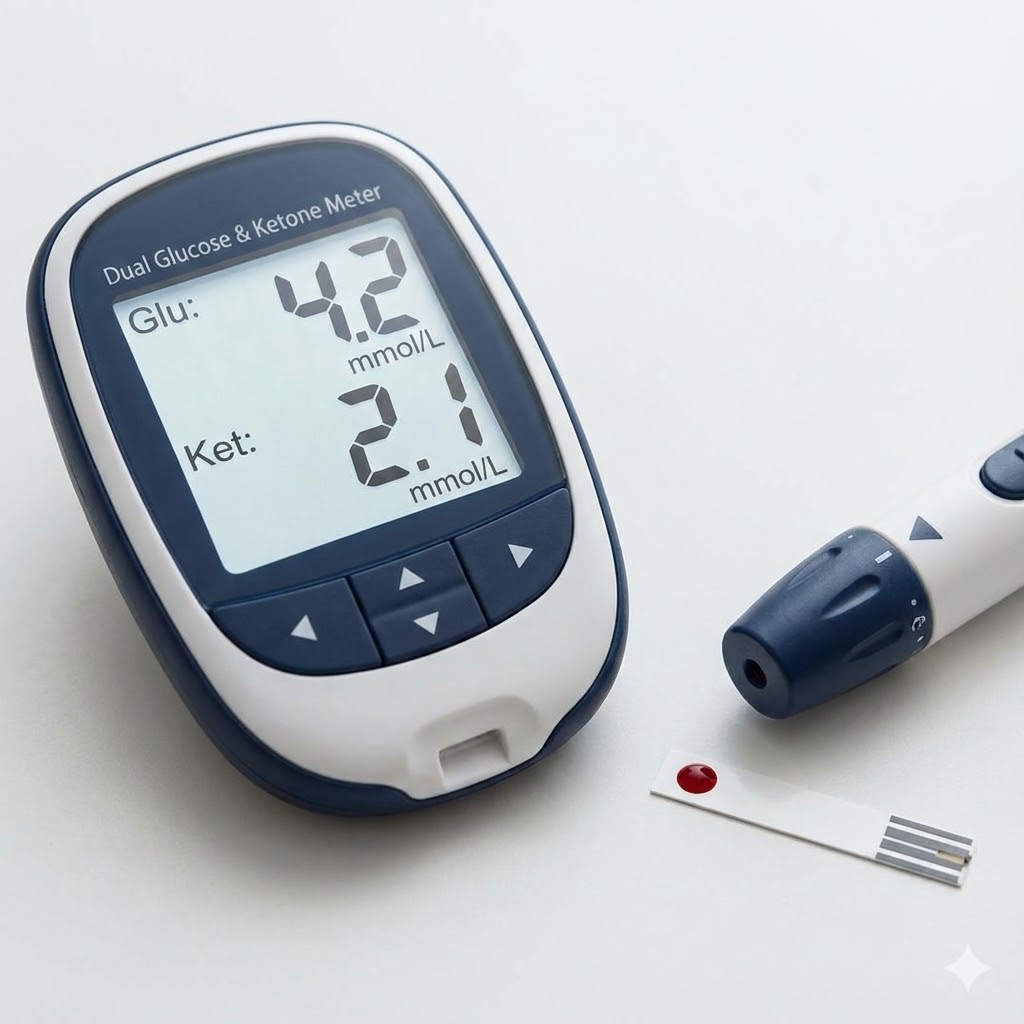
This protocol is demanding and often appeals to people who like structure and data.
High discipline
- It requires dedication to weigh food, measure blood sugar/ketones, and perform breathing exercises several times a day. It is a full-time effort in the beginning.
“Keto-flu” and cleansing
- When the body switches fuel, and when oxygenation increases, one may experience temporary symptoms such as fatigue, headache, or rash. This is often called a Herxheimer reaction.
Not a doctor
- Misha Sakharoff is an engineer. His protocol is based on scientific literature and his own experiences, but should be coordinated with medical treatment, especially with medication adjustments (e.g., blood pressure or diabetes medication, which may become too strong when the lifestyle changes).
What treatment did Misha Sakharoff receive
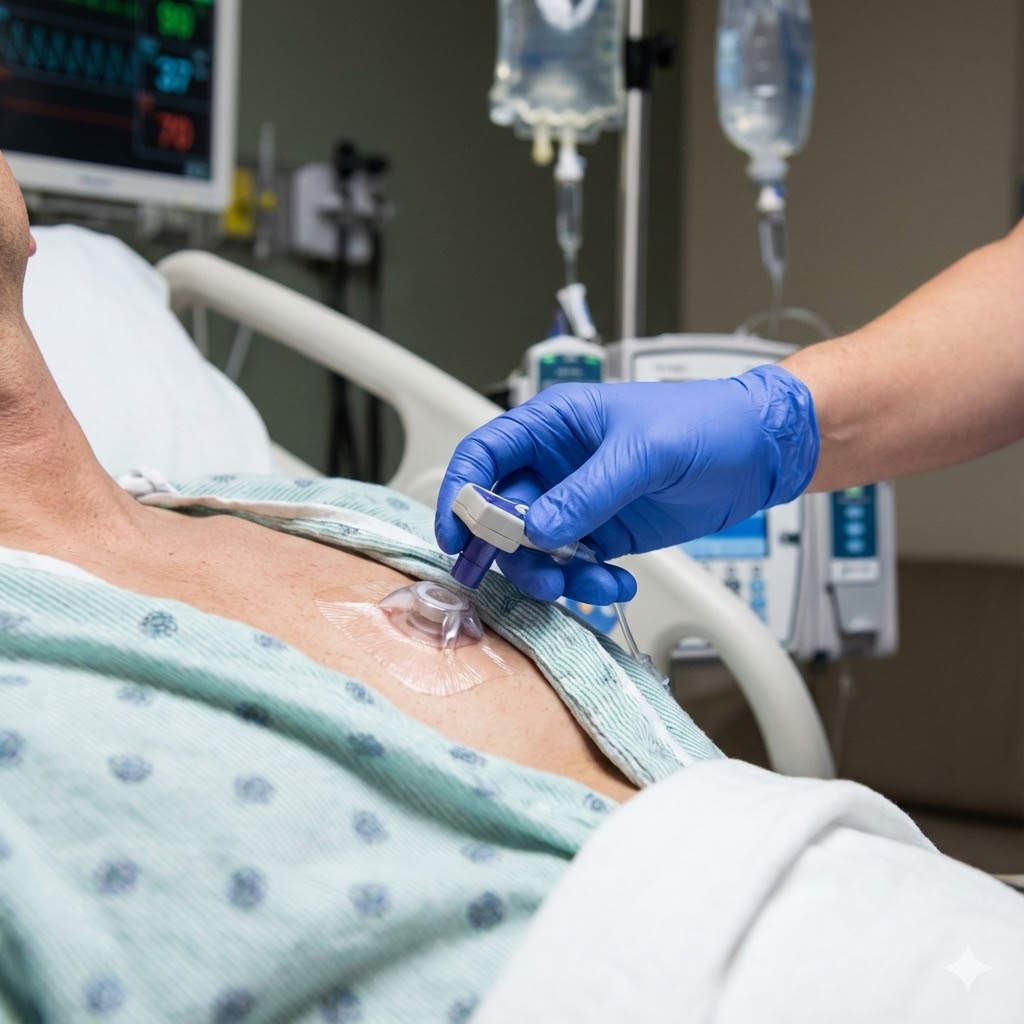
When Misha Sakharoff was diagnosed with multiple myeloma, his prognosis was bleak. The disease had caused extensive damage to his spine and ribs (pathological fractures).
- Conventional start: He initially received standard treatment, which stabilized the acute phase, but he quickly realized that the treatment did not address the cause, and that relapse was likely.
- Own experiments: He began logging all data about his body. He discovered connections between his diet, his breathing, and his blood test results (struggled with anemia and kidney strain).
- The result: By implementing his ketogenic and breathing-based protocol, he managed to bring himself into a state where the disease could no longer be actively detected, and where he regained full mobility and energy, despite the original doomsday prophecies. He now lives an active life without symptoms [7].
Potent strategy for hypoxia and metabolic cancer

Sakharoff’s approach is particularly relevant when considering cancer from the Warburg effect.
Reversing hypoxia
- Many aggressive cancers create their own oxygen-poor environment to protect themselves from the immune system and radiation treatment (which require oxygen to work). By aggressively increasing tissue oxygenation via the Buteyko method and the Bohr effect, one attempts to break down this shield.
Synergy with treatment
- Research suggests that therapeutic ketosis can make cancer cells more vulnerable to conventional treatments such as chemo and radiation, while protecting healthy cells from side effects. This is called “differential stress resistance”.
- Misha Sakharoff’s protocol systematizes this knowledge into an action plan where the patient does not just wait for the next scan, but actively works to improve their numbers (GKI and CP) every single day [3, 5].
Important warnings

Because Sakharoff’s protocol pushes the body to the metabolic extreme, there are risks to be aware of.
Ketoacidosis (acid poisoning)
The goal of a GKI below 1.0 brings blood sugar and insulin to the bottom.
The problem:
- If you have type 1 diabetes (or advanced type 2), this can be life-threatening. If the body lacks insulin completely, it can go into ketoacidosis, where the blood becomes acidic. This requires acute hospitalization.
- GKI below 1 requires that one is metabolically stable.
Safety with “Mouth Taping”
Taping the mouth at night ensures nose breathing, but it poses a risk for cancer patients undergoing chemotherapy.
The problem:
- If you suffer from nausea and risk vomiting at night, or if your nose is completely blocked, the tape can pose a risk of suffocation or risk of vomiting in the lungs (aspiration).
- Never use tape if you have nausea or have consumed alcohol.
Weight loss and muscle wasting
The protocol is extremely restrictive on both carbohydrates and proteins.
The problem:
- Cancer patients often struggle with weight loss (cachexia). When one limits protein intake to keep GKI down, one risks the body breaking down its own muscles for amino acids.
- This can critically weaken the heart and physique if one does not strength train correctly at the same time.
Also see Preserve muscle mass
Also see Underweight with cancer
Stress with breathing exercises
Buteyko exercises involve “air hunger” (holding the breath until one lacks air).
The problem:
- For people with anxiety, panic attacks, or serious heart problems, these exercises can provoke attacks or overload the heart if one is too aggressive. Therefore, always start gently.
Safety
Always consult your healthcare provider before starting a protocol.
Important with chemotherapy and low platelets

Many of the substances that effectively fight cancer (especially in this protocol) also act as blood thinners. If chemotherapy has lowered your platelets (thrombocytes) to a critical level, you should be extra cautious.
What you should pause with low platelets
If your numbers are at the bottom, the following substances should be paused to avoid the risk of bleeding until the marrow has recovered:
- Fatty acids: Omega-3/ fish oil/ flaxseed oil
- Herbal extracts (high dose): Curcumin/turmeric, ginger
- Enzymes: Proteolytic enzymes such as Bromelain
- Specific Antioxidants: Vitamin E
- Off-label medication: Aspirin, Magnyl
Support for bone marrow
There are strategies that specifically support the formation of platelets without counteracting the treatment:
- Melatonin
- Papaya leaf extract
- Chlorophyll
- Shark liver oil (alkylglycerols)
NB: You should always discuss your intake of dietary supplements with your oncologist.
Conclusion

Misha Sakharoff’s protocol represents an engineering approach to cancer treatment. It demystifies the disease by breaking it down into measurable parameters: Blood sugar, ketones, oxygenation, and CO2 tolerance.
For the patient who feels lost in the system, the protocol offers concrete tools and a framework of understanding where one has the wheel in one’s own hands. It is a strict path that requires that one is willing to see one’s body as a biological system that needs to be calibrated, rather than just treated.
The reward is the possibility of influencing the very terrain in which the disease grows.
Also see Quality of life and co-responsibility decision
Example of a day on the protocol

The day is built around measurements and metabolic optimization.
Morning: The day starts with measuring resting pulse and CP (Control Pause). Then 20-30 minutes of specific breathing exercises to build CO2 tolerance. No breakfast (intermittent fasting), only water (coffee is often avoided, as caffeine stresses the nervous system and accelerates breathing).
Lunch: The day’s first meal. Typically a dish with high fat energy percentage. For example, mackerel or herring with avocado, drenched in olive oil and served with a little fermented cabbage. Measurement of blood sugar and ketones to calculate GKI.
Afternoon: Light physical activity – a walk or strength training, where one focuses solely on breathing only through the nose to maintain oxygenation.
Dinner: Meat or fish with steamed vegetables and plenty of butter/fat. The meal is eaten early to ensure a long fasting window at night.
Evening: Evening routine with relaxing breathing exercises or “mouth taping” (tape for the mouth) during sleep to ensure nose breathing and optimal oxygenation all night.
Also see Metabolic strategy – block signaling pathways by cancer type – chart overviews
Get inspired: With photos here: Breakfast and lunch Dinner dishes that starve cancer
Also see Placebo nocebo effect
Links
[1] Sakharoff Health, Learn to activate your body’s ability to heal itself (Sakharoff.com, undated)
- Content: Misha Sakharoff’s official website, which describes his background, the protocol itself (Integrative Ketogenic Metabolic Therapy), and offers resources for learning about breathing and diet.
[2] 20 minutes of mindful breathing can rapidly reduce cancer pain and anxiety (BMJ Group, 2025)
- Content: A new article describing research results about the effect of conscious breathing. The study concludes that short sessions of controlled breathing can quickly relieve symptoms such as pain and anxiety in cancer patients, confirming the potential of actively using breathing in treatment.
[3] The Warburg Effect: How Does it Benefit Cancer Cells? (PubMed, Trends in Biochemical Sciences, 2017)
- Content: An in-depth article on Otto Warburg’s theory, which forms the basis for the metabolic approach. It explains why cancer cells switch to sugar burning even in the presence of oxygen, and how this drives tumor growth.
[4] Metabolic Adaptations in Cancer Progression: Optimization of Energy Metabolism (MDPI, 2025)
- Content: A scientific article discussing the latest discoveries in cancer cell energy metabolism. The text reviews how adaptations in metabolism drive tumor growth and spread, supporting the strategy of actively intervening in these energy processes to slow the disease.
[5] Ketogenic diet as a treatment and prevention strategy for cancer: A therapeutic alternative (ScienceDirect, 2024)
- Content: A scientific article reviewing the ketogenic diet’s potential to inhibit tumor growth. The text describes how the diet can protect healthy cells from the harmful effects of chemotherapy and function as a supportive strategy in treatment.
[6] The glucose ketone index calculator: a simple tool to monitor therapeutic efficacy for metabolic management of brain cancer (Nutrition & Metabolism, 2015)
- Content: The original scientific article that introduced the Glucose Ketone Index (GKI). The study validates the index as a precise tool for measuring the effectiveness of metabolic therapy in cancer patients and defines the target values for therapeutic ketosis.
[7] Blog – Misha Sakharoff (sakharoff.com, undated)
- Content: Misha Sakharoff’s official blog, where he documents his own journey from illness to healing and shares in-depth articles and case stories that support his metabolic protocol.
[8] Physiology, Bohr Effect (National Library of Medicine, 2023)
- Content: A physiological and scientific description of the Bohr effect. The article explains the mechanism behind how increased carbon dioxide in the blood causes hemoglobin to release oxygen into the tissue, which is the theoretical foundation for Sakharoff’s breathing training.
[9] Video: Upgraded You podcast – #65 – Misha Sakharoff (YouTube, 2020)
- Content: An in-depth video interview where Misha Sakharoff tells his personal story of surviving a terminal cancer diagnosis using his own protocol. He explains in detail the mechanisms behind Buteyko breathing and the ketogenic diet, and how he applied it in practice.
[10] Beat cancer (Sakhaaroff’s website, 2017?)
- Content: Sakhaaroff reviews his protocol overall on his website.
[11] Breath : en opdagelsesrejse ind i den glemte kunst at trække vejret (Bibliotek.dk, 2021)
- Content: An in-depth journalistic investigation of the importance of breathing for physical and mental health. The book reviews the evolution and physiology behind modern humans’ changed breathing and validates, through experiments and research, the effect of consistent nose breathing and reduced breathing (including the Buteyko method) to optimize the body’s oxygen uptake and biochemistry.
Page created: December 3, 2025
❤
What you read on “Jeg har Kræft” is not a recommendation. Seek competent guidance.
